


Abstract
Traditional time-frequency diagnostics for high-speed bearings face an entrenched trade-off between resolution and real-time feasibility. We present a fast Dual-Phase Short-Time Root-MUSIC pipeline that exploits Hankel structure via FFT-accelerated Lanczos bidiagonalization and Sliding-window Singular Value Decomposition to deliver sub-Hz super-resolution under millisecond budgets. Validated on the Politecnico di Torino aerospace dataset (seven fault classes, three severities), fDSTrM detects 150 μm inner-race and rolling-element defects with 98% and 95% probability, respectively, at signal-to-noise ratio down to −3 dB (78% detection), while Short-Time Fourier Transform and Wavelet Packet Decomposition fail under identical settings. Against classical Root-MUSIC, the approach sustains approximately 200 times speedup with less than relative frequency error in offline scaling, and achieves 1.85 milliseconds per 4096-sample frame on embedded-class hardware in streaming tests. Subspace order pre-estimation with adaptive correction preserves closely spaced components; Kalman tracking formalizes uncertainty and yields 95% confidence bands. The resulting early warning margin extends maintenance lead-time by 24–72 h under industrial interferences (Gaussian, impulsive, and Variable Frequency Drive harmonics), enabling field-deployable super-resolution previously constrained to offline analysis.
1. Introduction
In rotating machinery, rolling bearings serve as essential elements for structural support and power transfer, with their operational state fundamentally determining the system’s comprehensive performance, accuracy, and operational lifespan [1]. Therefore, accurate bearing condition monitoring and fault diagnosis are indispensable for assuring the reliability of critical assets and supporting predictive maintenance strategies [2]. Although traditional vibration-centered techniques have achieved broad and successful implementation [3], the progression of contemporary equipment toward increased dimensions, greater complexity, and especially extreme rotational velocities creates significant obstacles for these proven approaches [4].
At extreme operating speeds, often beyond several tens of thousands of RPM, factors such as ultrasonic fault impacts, dynamics altered by strong centrifugal forces, and pronounced time variations jointly create resolution and SNR bottlenecks for conventional signal processing [5,6]. This combination of elements produces four primary obstacles: (1) separating adjacent bearing harmonic components necessitates exceptional frequency discrimination, while preserving stationarity requires millisecond-scale analysis windows—creating an inherent contradiction for transformation-based approaches [7,8]; (2) achieving real-time execution on embedded platforms restricts permissible computational complexity to logarithmic-linear processes within strict timing constraints [7]; (3) field measurements commonly display extremely poor signal-to-noise characteristics, where electromagnetic disturbances coincide with important defect frequencies [9]; (4) rotational speed fluctuations spanning multiple percentage points arise within single analysis windows during operational transitions, resulting in fault frequencies migrating through numerous spectral bins [10,11,12].
Classical frequency-domain techniques remain standard in industry, with FFT-based analysis prized for its computational efficiency [13,14]. Yet, resolution limitations drastically restrict their utility—small velocity fluctuations at elevated RPM lead to frequency spreading over numerous spectral regions, making substantial portions of bearing harmonic content indistinguishable [15,16,17]. Envelope analysis partially addresses this through high-frequency demodulation, yet assumes quasi-stationarity that fails at extreme acceleration rates [13,18,19]. WPD offers adjustable resolution yet fails to attain adequate frequency discrimination at ultrasonic ranges needed for separating adjacent bearing harmonic components [15]. Recent works have used wavelet transforms to extract diagnostic signatures for bearing faults, highlighting their adaptability in time-frequency localization but also the sensitivity to basis and level selection [20]. STFT delivers limited detection precision at extreme velocities, because many defect signatures are masked by time-frequency trade-offs and fixed-window compromises. Advanced representations such as the Wigner–Ville distribution can offer higher resolution, but they introduce significant cross-term interference in multi-component bearing signals, limiting practical utility in noisy industrial conditions [18,19].
Self-adjusting decomposition techniques pursue data-centered analysis independent of predetermined basis functions. EMD inherently isolates defect patterns yet experiences severe mode contamination at ultrasonic ranges, demonstrating elevated failure occurrences. VMD introduces mathematical precision via optimization constraints, attaining reasonable resolution, though demanding computational periods unsuitable for real-time operation and requiring manual parameter configuration that substantially compromises effectiveness when misspecified. Parametric and subspace approaches constitute the theoretical pinnacle for frequency determination. MUSIC and Root-MUSIC attain super-resolution through leveraging signal subspace characteristics, isolating numerous fault frequencies with extraordinary precision despite extremely poor SNR—delivering tenfold enhancement over FFT techniques. However, the cubic cost of eigenvalue decompositions confines practical use to offline analysis, imposing prohibitive processing time on embedded hardware. Prior acceleration strategies either trade off resolution (propagator method [21]), target only limited frequency sectors (beamspace MUSIC [22,23]), or encounter numerical instability and subspace-tracking issues [23].
Machine learning methodologies demonstrate superior performance on benchmark collections yet generalization persists as challenging—precision deteriorates substantially when networks confront velocities marginally divergent from training conditions, exhibiting inflated false positive occurrences on alternative equipment configurations [24]. Recent paradigm shifts in data-driven diagnostics have sparked considerable scholarly attention. Multi-resolution broad learning architectures [25], for instance, elegantly tackle incomplete modal data through hierarchical feature extraction—yet their reliance on quasi-static training distributions renders them fragile when confronted with the hyper-dynamic bearing regimes characteristic of aerospace spindles. Wavelet-denoising-infused machine learning pipelines [26] exhibit commendable noise resilience, though at the cost of computational overhead incompatible with millisecond-scale inference budgets. More promisingly, physics-informed hybrid frameworks [27] marry empirical learning with mechanistic constraints, achieving enhanced cross-equipment transferability—nonetheless, their iterative optimization loops (often exceeding 100 ms per update cycle) preclude real-time deployment on resource-constrained edge nodes. The crux remains: while ML excels at pattern recognition within well-populated training manifolds, it falters when extrapolating to the sparse, high-dimensional fault spaces endemic to incipient micro-defects operating under transient conditions. Physics-guided frameworks enhance generalization considerably, yet computational demands surpassing standard real-time boundaries impede implementation [24]. Moreover, fast SVD variants using sliding-window schemes have been explored, including Sliding Window Adaptive SVD (SWASVD) with sequential QR updates. As shown by Badeau et al. [28], such methods effectively preserve subspace-tracking performance while lowering computational complexity. However, for online diagnosis of bearing micro-defects, these general-purpose algorithms remain constrained by the initial SVD cost, underscoring the need for additional optimization. Key gaps persist: although SWASVD delivers effective subspace tracking, no current technique concurrently realizes super-resolution, logarithmic-linear complexity, resilient operation under industrial noise conditions, and autonomous adaptation tailored for bearing fault identification. The presented fDSTrM algorithm resolves this challenge through extending the SWASVD foundation [28] while incorporating FFT-accelerated Hankel matrix-vector computations and Lanczos bidiagonalization refinement. Table 1 delineates the fundamental performance deficiency: no current approach concurrently attains super-resolution capability, logarithmic-linear complexity, and resilient operation under industrial noise conditions.
Table 1.
Performance comparison of signal processing methods for bearing fault detection.
In this study, the following notations are used: denotes the sampling frequency, N the total number of samples, the window length, P the number of windows, and the signal-to-noise ratio (SNR) factor. It should be noted that (a) the frequency resolution in wavelet-based methods varies with both the wavelet scale and the choice of mother wavelet, and is typically expressed as , where Q is the quality factor; (b) in empirical mode decomposition, the resolution is determined by the intrinsic mode functions, without a fixed analytical expression; (c) subspace-based approaches may achieve super-resolution, although the effective resolution is subject to the signal subspace dimension and the SNR.
While the general SWASVD algorithm demonstrates excellent performance for generic signals, direct application to high-speed bearing monitoring faces unique challenges: detecting extremely weak fault signatures at ultrasonic frequencies, handling rapid transients during speed variations, and guaranteeing real-time performance on embedded systems. This paper transforms the general SWASVD framework into a specialized bearing diagnostic tool through domain-specific adaptations. By extending the SWASVD foundation [28], this research presents fDSTrM incorporating three principal advances beyond the universal algorithm: (1) a composite two-stage framework that ideally equilibrates initialization and tracking tailored for bearing vibrations; (2) an FFT-driven model dimension pre-determination that diminishes redundant iterations by 60% within bearing defect scenarios; (3) the utilization of bearing-characteristic signal attributes encompassing quasi-periodic patterns and harmonic correlations.
Experimental verification using spindles functioning at tens of thousands of RPM reveals considerable enhancement in frequency discrimination relative to STFT and facilitates practical implementation of parametric spectral evaluation in manufacturing settings for the initial instance. The subsequent sections are structured accordingly: Section 2 introduces the mathematical foundation and experimental verification of the fDSTrM algorithm. Section 3 provides findings and analysis. Section 4, the conclusion, emphasizes examining the influence on industrial implementation and prospective research trajectories.
Research Hypothesis and Scientific Contributions
The fundamental premise undergirding this investigation posits that the computational intractability plaguing classical Root-MUSIC—stemming from its eigendecomposition bottleneck—constitutes not an immutable algorithmic constraint but rather an artifact of suboptimal exploitation of domain-specific signal structure. This work advances three interlocking hypotheses whose collective validation would fundamentally challenge prevailing assumptions about subspace methods’ unsuitability for real-time embedded deployment.
Hypothesis 1.
Computational Complexity Reduction Through Structure Exploitation.
We hypothesize that leveraging the inherent Hankel structure of bearing vibration covariance matrices through FFT-accelerated Lanczos bidiagonalization can reduce per-frame computational complexity from to while preserving numerical fidelity within relative error bounds. This conjecture directly confronts the widespread belief that super-resolution techniques remain inherently unsuitable for millisecond-scale processing deadlines. If validated, the observed speedup would constitute not merely an implementation optimization but a fundamental algorithmic breakthrough exploiting circular convolution properties of Toeplitz-adjacent matrices [29].
Hypothesis 2.
Super-Resolution Preservation Across Industrial Noise Regimes.
The proposed Dual-Phase architecture—comprising FFT-Lanczos initialization coupled with Sliding-window Singular Value Decomposition (SLSVD) tracking—is hypothesized to sustain frequency resolution below 1 Hz across SNR regimes spanning −5 to +15 dB, achieving detection probabilities exceeding 95% for 150 μm micro-defects under conditions where conventional time-frequency methods exhibit complete diagnostic failure. Critical to this hypothesis stands the FFT-based order pre-estimation mechanism detailed in Section 2.1.2, whose adaptive correction factor must reliably segregate signal and noise subspaces even when eigenvalue spectra exhibit poor separation with ratios . Refutation would manifest through systematic detection-rate collapse below 80% for SNR beneath 0 dB. The controlled robustness experiments presented in Section 3.1.3 explicitly target these failure boundaries through parametric variation of additive noise, impulsive disturbances, and drive harmonic amplitudes.
Hypothesis 3.
Deterministic Real-Time Execution on Resource-Constrained Hardware.
We further posit that the algorithm’s constrained memory footprint—remaining below 200 KB—and deterministic execution latency—completing 4096-sample frames within 2 ms—enable implementation on ARM Cortex-M7 class microcontrollers (Arm Limited, Cambridge, UK), providing merely 2 GFLOPS peak throughput, contrasting sharply with GPU-dependent deep learning approaches requiring order-of-magnitude greater computational headroom. This operational hypothesis directly confronts the deployment chasm separating laboratory prototypes from industrial retrofits of legacy bearing, monitoring infrastructure.
These three hypotheses rest upon a triumvirate of synergistic innovations conspicuously absent in the antecedent subspace-acceleration literature. First, our approach exploits Hankel-specific structure intrinsic to bearing vibrations’ quasi-periodic nature—wherein exponential decay of off-diagonal elements reflecting impact attenuation, combined with block-circulant patterns arising from harmonic relationships, render matrix-vector products computable via circular convolution in rather than operations. This domain adaptation contrasts with generic Krylov methods treating matrix structure as incidental, yielding 60% iteration reduction compared to agnostic Lanczos implementations.
Second, the Dual-Phase architectural bifurcation segregating initialization from tracking mirrors biological saccadic-pursuit visual systems, amortizing the setup cost across hundreds of incremental updates. Prior sliding-window SVD variants [28], though demonstrating effective subspace tracking for generic signals, lacked bearing-specific heuristics such as speed-variation-triggered reinitialization, permitting subspace drift during transient acceleration events characteristic of CNC machining cycles. Our algorithm incorporates physical constraints—specifically, the known quasi-stationarity of bearing fault frequencies within millisecond windows for speed variations below 5%—to optimize the initialization-tracking duty cycle.
Third, physics-informed order selection through FFT peak counting with adaptive correction eliminates the wasteful eigenvalue re-evaluation cycles plaguing criterion-driven classical Lanczos. The correction factor dynamically adapts to local signal characteristics: increasing when closely spaced peaks suggest merged harmonics, and adjusting upward under low-SNR conditions where weak components risk omission.
To transcend mere performance benchmarking and embrace Popperian falsifiability principles, our validation strategy incorporates positive controls through direct SVD and classical Root-MUSIC, establishing ground-truth frequency estimates; discrepancies exceeding 0.5 Hz would falsify Hypothesis 1’s precision claims. Conversely, negative controls comprising synthetic pure-noise signals with zero embedded sinusoids must yield null detections—false-positive rates above 5% would refute Hypothesis 2’s specificity assertions. Stress testing through controlled injection of variable frequency drive harmonics at interference-to-signal ratios spanning −15 to +5 dBc, impulsive noise at arrival rates from 0 to 10 events/s, and SNR degradation across −15 to +15 dB probes the robustness boundaries explicitly quantified in Section 3.1.3.
Ablation studies systematically disable individual components—reverting FFT-acceleration to direct Hankel products, forcing order pre-estimation to fixed values, or removing Kalman tracking—to quantify each innovation’s marginal contribution. This decomposition ensures observed benefits are attributed correctly to specific architectural choices rather than confounded with fortuitous dataset characteristics. The Politecnico di Torino benchmark [30], encompassing seven fault classes across three severity levels under variable load and speed profiles, provides ecological validity absent in synthetic-only evaluations. Critically, the dataset’s deliberate omission of tachometer signals mirrors real-world retrofit constraints, preventing reliance on order-tracking methodologies unavailable when instrumenting legacy installations.
Strong confirmation through validation of all three hypotheses would position fDSTrM as the first demonstrably deployable super-resolution technique for embedded bearing diagnostics, potentially catalyzing a paradigm shift from reactive threshold-based alarms toward continuous health quantification supporting prognostic maintenance optimization. Even partial confirmation—for instance, validating computational efficiency and resolution preservation while encountering memory constraints on minimal embedded platforms—would advance the state-of-the-art by proving theoretical feasibility, with deployment limitations attributable to engineering economics rather than fundamental algorithmic barriers. Such outcomes would motivate subsequent FPGA or ASIC implementations leveraging hardware parallelism to overcome remaining bottlenecks.
Conversely, hypothesis refutation through failure to achieve claimed detection rates or real-time performance would necessitate critical re-examination of whether subspace methods’ superior frequency resolution genuinely translates to actionable diagnostic advantage in time-varying, noise-corrupted industrial signals, or merely shifts the performance-complexity Pareto frontier without fundamentally escaping it. While disappointing, such negative results would constitute valuable scientific contributions by delineating boundaries of super-resolution applicability, potentially redirecting research effort toward hybrid approaches combining subspace discrimination with adaptive preprocessing or toward alternative parameterizations exploiting different bearing-signal characteristics. This hypothesis-driven framework transforms the subsequent exposition from descriptive algorithm presentation to rigorous scientific investigation, aligning with contemporary reproducibility standards for computational research [24].
2. Methods and Validation
2.1. Proposed fDSTrM Algorithm
2.1.1. Algorithm Foundation and Overview
This section introduces the fDSTrM algorithm that lowers computational complexity from to while retaining super-resolution frequency resolution.
The algorithm leverages the inherent Hankel structure of vibration covariance matrices via FFT-accelerated Lanczos bidiagonalization (FFT-LBD) [29]. This work extends the mathematical foundation of FFT-accelerated Lanczos bidiagonalization, initially designed for general eigenvalue problems, and adapts it into a specialized real-time bearing diagnostic tool via key innovations that capitalize on vibration signals’ unique traits.
The bearing vibration signal is modeled as a sum of sinusoids with noise:
where , , and denote the amplitude, frequency, and phase of the p-th bearing fault component, and represents white Gaussian noise. In matrix form for frame-based processing,
where is the Vandermonde matrix with columns .
The algorithm design depends on four validated assumptions for bearing fault detection: (1) bearing faults appear as P ≤ 50 discrete frequencies including fundamentals and harmonics [31,32,33], indicating sparse frequency content; (2) fault frequencies stay constant within several ms frames, ensuring short-term stationarity for speed variations ≤ 5% [34]; (3) after pre-whitening, background noise approximates a Gaussian distribution [35]; and (4) signal components surpass the noise floor by −5 dB for reliable detection These assumptions apply to 95% of industrial bearing monitoring scenarios, based on field data from 10,000 spindle hours [31,33]. Various advanced techniques, including those employing WPD, have demonstrated effectiveness in extracting relevant signals from noisy environments common in real-world scenarios [36,37]. Figure 1 depicts the fDSTrM algorithm structure, divided into three main processing blocks that support real-time implementation while maintaining super-resolution capabilities.
Figure 1.
The figure above illustrates the workflow of the Dual-Phase fDSTrM algorithm. Following the segmentation of the vibration signal, the SVD computation operates in dual modes: FFT-based order estimation feeds a fast Lanczos bidiagonalization at startup and initialization, while SLSVD handles incremental updates during sequential update, thereby markedly reducing SVD cost from cubic to near-linearithmic in a single window. The root-MUSIC algorithm is then employed to extract frequencies from the noise space for each frame. A Kalman filter connects these snapshots into continuous trajectories, with feedback (dashed arrows) closing the loop back to subspace tracking.
2.1.2. Hybrid FFT-Lanczos and SLSVD Implementation
The hybrid algorithm functions in two distinct phases to achieve optimal efficiency.
Notation and Implementation Details for Algorithm 1.
- FFT-Hankel-Product (): Executes FFT-accelerated Hankel-matrix-vector multiplication via Equation (4), exploiting circular convolution to reduce complexity from to . The function zero-pads inputs to length , performs element-wise multiplication in the frequency domain, then inverse-transforms and truncates to the original dimensions.
- FFT-Lanczos (, k): Implements the full FFT-based Lanczos bidiagonalization (Algorithm 2), returning left/right singular vector bases , and diagonal matrix . The pre-estimated order k bypasses convergence monitoring in 95% of cases (Section 2.1.2).
- TransientDetected(): Monitors instantaneous speed variation through consecutive frame comparison. Triggers reinitialization when within a 10 ms window, preventing subspace drift during rapid acceleration/deceleration events common in CNC machining cycles.
- , : Orthonormal bases (dimensions and ) spanning the signal subspace, incrementally updated via modified Gram–Schmidt orthogonalization. These bases constitute the “memory” of the SLSVD tracker, enabling updates versus full recomputation.
- , : Upper-triangular factors from QR decomposition, encoding subspace geometry. The compressed representation (Line 21) performs rank-r update in time, negligible compared to direct SVD.
- : Projection coefficient vector indicating alignment between new sample and current subspace . Computed via r inner products (Line 18), this serves as the “innovation filter” distinguishing novel information from redundant observations.
- : Orthogonal residual (innovation vector) capturing signal components outside the current subspace estimate. When , it signals subspace expansion necessity—though in practice, the pre-estimated k preempts such scenarios.
| Algorithm 1 Complete Hybrid Algorithm |
|
The algorithmic choreography hinges on strategic division of labor: Phase 1 bootstraps an accurate subspace via FFT-Lanczos, while Phase 2 maintains this fidelity through incremental updates. This architectural bifurcation—initialization versus tracking—mirrors biological visual systems where saccadic movements (costly, infrequent) alternate with smooth pursuit (efficient, continuous).
| Algorithm 2 FFT-Accelerated Lanczos Bidiagonalization | |||
| Require: Hankel matrix , pre-estimated order k | |||
| Ensure: Bidiagonal matrix , orthonormal bases , | |||
| 1: Initialize: , normalize | |||
| 2: for to k do | |||
| 3: | ▹ | ||
| 4: ; | |||
| 5: | ▹ | ||
| 6: ; | |||
| 7: Selective reorthogonalization if for any | |||
| 8: if and then | |||
| 9: Extend iteration by 5 more steps | ▹ Adaptive refinement | ||
| 10: Form bidiagonal from | |||
| 11: return , , | |||
| Parameter Glossary: | |||
| k: | Pre-estimated signal subspace dimension from FFT-based order selection (Section 2.1.2). Typical values: for bearing faults with 2–4 harmonics. | ||
| : | Bidiagonal matrix with (upper diagonal) and (diagonal) elements encoding Krylov subspace geometry. Singular values of approximate those of with relative error . | ||
| : | Reorthogonalization threshold, set to for double precision. Prevents loss of orthogonality due to finite arithmetic, critical when condition number . | ||
| : | Detects rapid singular value decay indicating underestimated order. The 5-step lookahead (rather than single-step) reduces false triggers from noise-induced fluctuations, validated empirically to activate in <5% of frames. | ||
Adaptive Model Order Correction
To compensate for FFT-based order underestimation arising from merged spectral peaks and subthreshold harmonics, we employ a correction factor that adapts to signal characteristics rather than fixing a universal constant. The effective Lanczos order is determined by the following:
where denotes the FFT peak count, the local SNR estimate (signal/noise subspace energy ratio), the minimum inter-peak frequency spacing, and constrains the result within computational bounds .
Parameterization and Tuning Guidelines
The correction function follows:
with denoting indicator functions. For the present bearing dataset (12,000 RPM, grease lubrication, BPFI harmonics), validated ranges are as follows:
- Base factor: (validation: 1000 signals, 92–96% order accuracy);
- Peak-merging penalty: when Hz;
- Low-SNR penalty: when (0 dB).
The nominal configuration = 1.5, = 0.2, = 0.2} balances iteration count against spurious dimension overhead; grid search confirms performance variation within stated ranges.
Tuning Recommendation
Decrease toward 1.3 for high-SNR single-tone signals; increase toward 1.6–1.8 for densely packed harmonics ( Hz) or SNR dB scenarios common in severely degraded bearings.
Validation Summary
Across 1000 bearing signals encompassing fault classes 3A–6A, SNR range to dB, and speeds – RPM, achieves the following:
- A 94% correct order estimation within modes (versus 78% for , 91% for );
- A 60% reduction in unnecessary Lanczos iterations compared to conservative ;
- A <3% false positive rate (spurious frequency detection), versus 11% for .
This empirically optimized value strikes the elusive balance between comprehensiveness (capturing all genuine modes) and parsimony (rejecting noise artifacts), embodying the Occam’s razor principle in parametric spectral estimation.
Hankel Structure Exploitation
With the model order pre-determined, we form the Hankel matrix that captures the signal’s temporal structure
with dimensions , to balance statistical averaging () and frequency resolution. While standard FFT-accelerated Lanczos works on general matrices, bearing vibration covariance matrices have three unique properties that we leverage: (1) quasi-periodic structure from rotational symmetry, (2) exponential decay of off-diagonal elements indicating impact attenuation, and (3) block-circulant patterns arising from harmonic relationships.
The key computational insight is that Hankel matrix-vector products can be performed via circular convolution:
where and are zero-padded to length . This lowers complexity from to .
Targeted Lanczos Bidiagonalization
Using the pre-estimated order k, we execute a fixed number of Lanczos iterations [38], removing the overhead of convergence checking.
The pre-estimated order removes the need for convergence checking in 95% of cases. If rapid singular value growth is detected, the algorithm adaptively expands the subspace dimension, activated in less than 5% of frames. This adaptive refinement sustains robustness while maintaining computational efficiency.
The synergy between pre-estimation and targeted iteration is essential: the FFT-based order estimate sets up the Lanczos process for exactly the required iterations, while the FFT-accelerated matrix products ensure each iteration completes in time. Together, these innovations reduce the overall complexity from to nearly , where .
2.1.3. Root Extraction, Finding and Tracking
In its final stage, the algorithm transforms the noise subspace to frequency estimates using polynomial root analysis and multi-frame tracking. This methodology involves three coupled steps: polynomial construction, root identification through companion matrix eigendecomposition, and Kalman filter-based tracking for temporal coherence.
- (i) Polynomial Formation and Root Finding
Utilizing the noise subspace where p p is obtained from the singular values of , we formulate the Root-MUSIC polynomial:
where . The polynomial coefficients are computed via FFT-based convolution in operations. Frequency estimates are extracted from this polynomial using companion matrix eigendecomposition:
The eigenvalues of represent the polynomial roots. Roots positioned near the unit circle yield valid frequency estimates:
This proximity criterion enables the selection of solely signal-related roots while filtering out spurious solutions originating from numerical artifacts.
- (ii) Multi-Frame Tracking
- Process Noise Covariance —Physics-Informed Parameterization
Rather than prescribing fixed diagonal values, we derive from measured operational dynamics and constrain it via robust intervals. For state vector , the process model employs the following:
with channel-specific parameterizations:
- Frequency variance , where is the fractional speed stability. For inverter-driven spindles maintaining regulation, this yields Hz2 at nominal 12,000 RPM. Validated range: ; use lower bound for feedback-controlled systems (<0.3% drift), upper bound during startup transients or load steps (>1% drift per 4 ms frame).
- Amplitude variance , with the inter-frame amplitude coefficient-of-variation. Measured steady-state bearing vibrations exhibit – (0.8–1.2%) due to contact stiffness modulation and lubrication dynamics. Validated range: , corresponding to ; select lower values for constant-load laboratory tests, upper values for field operations with cutting engagement or thermal drift.
- Phase variance , where accounts for timing jitter. For ms and Hz, this evaluates to . Validated range: .
- Measurement Noise Covariance —SNR-Adaptive Scaling
To reflect Root-MUSIC’s SNR-dependent precision (Cramér–Rao bound: ), we employ the following:
where is the per-frame SNR estimate (signal subspace energy/noise subspace energy) and represent baseline uncertainties at SNR = 1. Empirically characterized values: Hz, , rad (controlled-noise injection, samples).
- Robustness and Tuning Recommendation
Monte Carlo validation (10,000 runs, fault case 3A, SNR = 5 dB) demonstrates graceful degradation: varied by yields RMSE change; within maintains track-loss rate . Deployment guideline: for high-speed aeronautical bearings (this study’s regime), use nominal ; for lower-speed industrial gearboxes (<3000 RPM), scale proportionally to and increase to – due to heavier bearing loads inducing greater amplitude fluctuation.
- (iii) Closely Spaced Mode Resolution and Disambiguation
When multiple fault harmonics cluster within a narrow range—such as BPFI and BSF overlapping with their harmonics—we recommend directional bandpass filtering: Frequency-domain filtering first isolates congested spectral regions, followed by reconstruction via inverse FFT to obtain purified time-domain signals. After processing with fDSTrM, this signal suppresses out-of-band interference while significantly enhancing the in-band signal-to-noise ratio. This localized processing leverages the super-resolution capability of the Root-MUSIC algorithm [39], though computational costs increase. It should be noted that while these measures effectively separate dense spectra, their resolution capability is not unlimited due to two fundamental constraints: When the frequency difference is extremely small, the Hankel matrix formed by discrete signals may approach singularity, leading to mode merging. Additionally, the Cramér–Rao bound constrains the minimum achievable variance of the estimation, causing adjacent components to potentially confuse due to higher noise disturbances under low signal-to-noise ratios. Empirical validation using synthesized dual-tone signals demonstrates: at Hz (SNR dB), the correct disambiguation rate reaches 92%, but drops to 67% when Hz, confirming that while bandpass optimization extends the operational range, fundamental information-theoretic constraints remain insurmountable.
2.1.4. Complexity Analysis
The fDSTrM algorithm achieves significant computational efficiency through its FFT-accelerated architecture. Table 2 presents the detailed complexity breakdown for each operation, showing how the algorithm maintains complexity compared to classical Root-MUSIC’s .
Table 2.
Computational complexity for hybrid algorithm.
For typical operational parameters (, ), the algorithm demands approximately 3.7 × floating-point operations per frame, equating to 1.85 ms processing time on a 2 GFLOP embedded processor. The total memory footprint of 197 KB fits easily within L2 cache, supporting efficient execution on resource-constrained platforms.
The algorithm exhibits excellent scalability across multiple dimensions. Complexity scales as with frame size, allowing efficient processing of longer frames for enhanced frequency resolution. The linear scaling with the number of components P via pre-estimated ensures consistent performance even for complex multi-component signals. Sampling rate modifies only frame duration without changing computational complexity, while parallel implementation achieves near-linear speedup (measured 3.7× on 4 cores). This computational efficiency signifies a 200× speedup over classical Root-MUSIC while maintaining 98% of its resolution performance. The scalability permits deployment across diverse platforms, from embedded systems to high-performance servers (Intel Core i7 processor (Intel Corporation, Santa Clara, CA, USA) with consistent real-time performance guarantees essential for industrial bearing monitoring applications.
2.2. Experimental Setup
The validation employed the Politecnico di Torino high-speed bearing test rig, specifically engineered for aeronautical bearing applications with deep groove ball bearings operating under controlled conditions [30]. The dataset contains two test categories: variable load tests and durability tests, each structured to examine different aspects of bearing fault detection.
2.2.1. Test Rig Configuration
The experimental setup exhibits a unique design where the main spindle, with grease-lubricated bearings and a liquid (glycol/water) cooling circuit, is attached to an extremely rigid support on a massive steel base plate. The spindle speed is managed via an inverter panel but runs without active feedback control—absent keyphasor transducers or tachometers—leading to actual speeds consistently below setpoints, with deviations expanding under load.
The test configuration incorporates three roller bearings: B1 and B3 are identical roller bearings supporting a hollow shaft designed for speeds up to 35,000 RPM, while B2 is a larger roller bearing for radial load application. Table 3 presents the bearing specifications.
Table 3.
Main properties of the roller bearings.
The radial load applies through bearing B2, whose outer ring links to a precision sledge with orthogonal motion to the shaft. Load generation takes place via nut rotation, compressing two parallel springs, with force measurement through a static load cell (sensitivity: 0.499 mV/N). This design maintains correct bearing loading while constraining the spindle work to overcome dissipated energy. Figure 2 depicts the complete sensor configuration and bearing positions.
Figure 2.
Test rig sensor configuration showing overall assembly with spring-loaded mechanism, bearing positions B1, B2, B3, and accelerometer locations A1, A2, and detailed shaft assembly. The radial load application through bearing B2 replaces the original spur gear contact force.
2.2.2. Data Acquisition and Operational Parameters
The experimental setup incorporated triaxial IEPE-type accelerometers placed at two critical locations: A1 (damaged bearing B1 support) and A2 (load-bearing B2 support). These sensors work within a frequency range of 1–12,000 Hz with high precision specifications, sustaining amplitude accuracy within ±5% and phase accuracy within ±10%. The accelerometers possess a nominal resonant frequency of 55 kHz and offer a sensitivity of 1 mV/ms−2. An OR38 signal analyzer equipped with 24-bit delta-sigma converters was used for signal processing to ensure high-resolution data capture. The system works with synchronous sampling methodology, removing multiplexing effects that could introduce artifacts. The acquisition system maintains exceptional accuracy specifications with phase precision of ±0.02°, amplitude accuracy of ±0.02 dB, and frequency accuracy of ±0.005%. Data was collected at a sampling frequency of 51.2 kHz to capture the full spectrum of bearing fault signatures.
The experimental dataset encompasses two primary categories of bearing faults, systematically classified into three distinct severity levels according to fault dimensions. Inner race defects are systematically categorized as 3A (150 μm), 2A (250 μm), and 1A (450 μm), while rolling element defects are correspondingly designated as 6A (150 μm), 5A (250 μm), and 4A (450 μm). To establish a comprehensive baseline for comparative analysis, a healthy bearing condition is incorporated as reference case 0A.
Throughout the data collection process, experimental parameters were rigorously controlled to ensure consistency and reliability. The test bearing was continuously operated at a standardized rotational speed of 200 Hz (equivalent to 12,000 RPM nominal), while loading conditions were strategically varied according to specific experimental objectives. Variable load experiments employed a constant 1000 N load to maintain controlled conditions, whereas durability assessments implemented load variations ranging from 100 N to 1400 N to accurately simulate the diverse operating conditions encountered in real-world applications. The theoretical characteristic fault frequencies for bearing B1 serve as critical validation benchmarks for algorithm performance assessment. These frequencies were systematically calculated as follows: the Ball Pass Frequency Inner race (BPFI) at 1197 Hz, the Ball Spin Frequency (BSF) at 972.8 Hz, and the Fundamental Train Frequency (FTF) at 80.25 Hz [40,41]. These precisely computed theoretical values establish essential reference points for evaluating the algorithm’s frequency estimation accuracy across the complete spectrum of fault scenarios.
2.2.3. Baseline Method Configuration for Comparative Analysis
To ensure methodologically rigorous benchmarking and preclude potential accusations of biased comparison, we meticulously optimized STFT and WPD hyperparameters specifically for bearing fault detection through exhaustive grid search over a validation subset. This optimization procedure—far from being perfunctory—constitutes a critical prerequisite for defensible performance attribution, as suboptimal baseline configurations would artificially inflate the perceived superiority of the proposed fDSTrM algorithm [42].
Short-Time Fourier Transform (STFT)-Optimized Configuration
The STFT implementation leverages a Kaiser window function with shape parameter , a value that strikes a judicious compromise between main-lobe width (frequency resolution) and side-lobe suppression (spectral leakage mitigation) [43]. This particular parameterization, derived from the Kaiser–Bessel design equations, furnishes approximately 50 dB side-lobe attenuation—adequate for resolving bearing harmonics separated by Hz at signal-to-noise ratios exceeding 0 dB.
Window length adapts dynamically to signal duration via , where denotes total sample count. For the Politecnico di Torino dataset ( kHz, typical segment length 4096 samples), this yields samples (5 ms temporal support), corresponding to a nominal Rayleigh frequency resolution of Hz—a coarse granularity that fundamentally constrains STFT’s capacity to disambiguate closely spaced bearing harmonics.
Overlap percentage was set aggressively to 75% ( samples, 3.75 ms), sacrificing computational economy for enhanced temporal localization—a configuration commonly advocated in the transient-detection literature [44]. Zero-padding extends FFT length to points, providing interpolated spectral bins without genuine resolution enhancement (the distinction between zero-padding interpolation and true resolution improvement being a frequent source of confusion in applied signal processing).
Rationale for Parameter Selection: The Kaiser value emerges from empirical studies, demonstrating optimal detection probability for impulsive bearing signals in additive white Gaussian noise [45]. Alternative window families (Hamming, Hann, Blackman–Harris) were evaluated on fault cases 3A and 6A; Kaiser consistently outperformed competitors by 8–12% in BPFI detection rate. The 75% overlap represents a practical upper bound before redundant computation overwhelms benefit—field trials with 87.5% overlap yielded negligible performance gain (<) at doubled processing cost.
Wavelet Packet Decomposition (WPD)-Optimized Configuration
WPD employed the Daubechies 6 (db6) mother wavelet , characterized by six vanishing moments and compact support spanning 11 coefficients. This particular choice—over the commonly deployed db4 or Symlet families—stems from db6’s superior resemblance to bearing impact waveforms, as quantified by cross-correlation analysis between theoretical wavelet shape and experimentally measured spall responses ( vs. ).
Decomposition depth was fixed at levels, partitioning the Nyquist band into uniform frequency packets, each with bandwidth Hz. At bearing fundamental frequencies (BPFI Hz, BSF Hz), this translates to quality factor , sufficient for isolating fundamental tones but inadequate for resolving first- and second-order harmonics separated by Hz—a critical limitation when assessing degradation severity via harmonic richness.
Energy Concentration Enhancement: Raw wavelet coefficients undergo adaptive thresholding at (10% of peak packet energy), suppressing low-amplitude noise artifacts while preserving genuine fault transients. Post-threshold coefficients are smoothed via a 5-point moving-average filter to mitigate spurious oscillations induced by finite-support wavelet basis functions. Frequency-band center estimation follows for packet index , assuming ideal brick-wall filter responses—an approximation that introduces Hz center-frequency uncertainty due to actual quadrature mirror filter roll-off characteristics.
Justification for db6 and 6-Level Decomposition: Comparative trials across Daubechies (db2–db10), Symlets (sym4–sym8), and Coiflets (coif3–coif5) on 200 labeled fault signals (SNR 0–10 dB) revealed db6 achieved peak F1-score (0.78) for micro-defect classification. Decomposition depth balances frequency resolution (∼400 Hz bins) against time-domain localization ( samples per packet at finest scale)—shallower trees () merged adjacent harmonics, while deeper trees () fragmented transient impulses across excessive temporal segments, degrading detection coherence.
Computational Fairness and Processing Environment
All three methods (STFT, WPD, fDSTrM) executed on identical hardware (Intel Core i7-9700K @ 3.6 GHz, 32 GB DDR4 RAM, MATLAB R2023a) under equivalent numerical precision (IEEE 754 double). STFT and WPD computations leveraged MATLAB’s optimized built-in functions (stft.m, wpdec.m), which incorporate vendor-supplied BLAS/LAPACK libraries for maximal efficiency. Reported timing comparisons (Table 2) thus reflect intrinsic algorithmic complexity rather than implementation quality disparities—a crucial distinction when interpreting the fDSTrM method’s speedup claims.
This exhaustive parameterization exercise—summarized in Table 4—ensures that observed performance gaps between fDSTrM and conventional approaches stem from fundamental methodological advantages (subspace super-resolution, FFT-accelerated linear algebra) rather than inadvertent hobbling of baseline techniques through suboptimal tuning.
Table 4.
Optimized baseline method parameters for comparative evaluation.
Validation Protocol
Parameter optimization employed 5-fold cross-validation on a stratified subset comprising 100 signals per fault class (0A, 1A–6A), with hyperparameter selection maximizing weighted F1-score across all severity levels. Final configurations (Table 4) were frozen prior to test-set evaluation, precluding post hoc tuning bias, a rigorous procedure aligned with machine learning best practices [24], despite the deterministic nature of signal processing algorithms.
3. Results and Discussion
3.1. Results
3.1.1. Inner Race Fault Analysis
The variable load tests demonstrate the algorithm’s performance under changing operational conditions for inner race faults, revealing fundamental limitations of conventional spectral analysis methods [46]. Figure 3 shows the time domain signatures and FFT spectra for different fault severities, where the progression from healthy bearing (0A) through increasing defect severities (3A→2A→1A) exhibit clear impulsive content evolution in the time domain. However, even for the largest 450 μm defect (1A), the Ball Passing Frequency Inner race (BPFI) at 1197 Hz remains barely visible in the FFT spectrum, demonstrating the inadequacy of traditional frequency analysis for early fault detection [47].
Figure 3.
Time domain vibration signatures and FFT spectra for variable load tests with inner race faults. The progression from healthy bearing (0A) to increasing defect severities (3A→2A→1A) shows a progressive increase in impulsive content. Note that even for the largest defect (1A), the BPFI at 1197 Hz is barely visible in the FFT spectrum, highlighting the challenge of conventional frequency analysis.
The fDSTrM algorithm’s exceptional frequency resolution capabilities address these limitations by detecting fault frequencies invisible to conventional methods. Figure 4 presents the time-frequency analysis results, clearly demonstrating that while traditional STFT [42,44,45] and WPD show almost only background noise patterns across all defect conditions, the fDSTrM algorithm clearly identifies the BPFI at 1197 Hz and its harmonics across all defect severities—detecting 702 frequency points for the 150 μm micro-defect (3A), 459 points for the 250 μm defect (2A), and 635 points for the 450 μm defect (1A).
Figure 4.
Time-frequency analysis using fDSTrM for inner race faults under variable load conditions. The healthy bearing (0A) shows only background noise, while fault cases (3A, 2A, 1A) clearly reveal BPFI and its harmonics with high-frequency resolution. The algorithm successfully detects even the smallest 150 μm defect (3A) and tracks frequency variations due to load changes.
This dramatic performance gap stems from inherent methodological constraints in traditional approaches: STFT suffers from the fundamental time-frequency resolution trade-off imposed by its fixed window size, preventing the simultaneous achievement of high-frequency resolution needed to separate closely spaced harmonics and the time resolution required to capture transient impacts.
The fDSTrM algorithm’s exceptional frequency resolution capabilities effectively overcome these limitations by detecting fault frequencies that remain invisible to conventional methods. In contrast to traditional approaches, where STFT [42,44,45] and WPD exhibit predominantly background noise patterns across all defect conditions, the fDSTrM algorithm successfully identifies the BPFI at 1197 Hz and its harmonics throughout all defect severity levels. Specifically, the algorithm detects 702 frequency points for the 150 μm micro-defect (3A), 459 points for the 250 μm defect (2A), and 635 points for the 450 μm defect (1A). This substantial performance advantage arises from fundamental methodological limitations inherent in traditional approaches: STFT is constrained by the time-frequency resolution trade-off dictated by its fixed window size, which prevents the simultaneous achievement of both the high-frequency resolution necessary to distinguish closely spaced harmonics and the temporal resolution required to capture transient impacts.
This progression pattern clearly demonstrates that while temporal domain signatures exhibit systematic deterioration characteristics from the earliest 150 μm defect stage, the corresponding characteristic fault frequencies remain undetectable through conventional FFT spectral analysis until severe damage conditions develop. This fundamental limitation in identifying distinctive fault frequencies—particularly for micro-scale defects that are essential for effective predictive maintenance strategies—underscores the critical need for advanced signal processing methodologies.
The fDSTrM algorithm addresses these challenges by providing the sophisticated analytical capabilities required for reliable bearing condition assessment in high-speed operational environments. Unlike traditional approaches, this methodology successfully meets the simultaneous demands for precise frequency tracking and enhanced spectral resolution, enabling early detection of fault signatures that would otherwise remain hidden until substantial bearing deterioration occurs.
3.1.2. Rolling Element Fault Analysis
Rolling element fault analysis presents comparable challenges with conventional methodologies while simultaneously revealing the progressive nature of bearing degradation throughout extended operational periods. Figure 5 shows the time domain signatures and FFT spectra for rolling element faults, clearly demonstrating the evolution of impulsive patterns as bearing condition deteriorates from the healthy baseline (0A) through progressively severe defect conditions (6A→5A→4A). These temporal signatures exhibit increasingly pronounced characteristic modulation patterns that correlate directly with defect growth and severity. Despite these clearly observable temporal changes in Figure 5, frequency domain analysis using traditional FFT methods fails to provide corresponding diagnostic clarity.
Figure 5.
Time domain vibration signatures and corresponding FFT spectra obtained from variable load testing of rolling element faults demonstrate the progressive nature of bearing degradation. The systematic progression from healthy bearing condition (0A) through increasing defect severities (6A→5A→4A) reveals characteristic modulation patterns that become increasingly pronounced with fault development. Despite clear temporal domain changes, the Ball Spin Frequency (BSF) at 972.8 Hz remains challenging to identify through conventional FFT analysis, even for the most severe 450 μm defect condition (4A). This persistent detection difficulty exemplifies the fundamental limitations inherent in traditional spectral analysis methods for early-stage fault identification in rolling element bearings.
The Ball Spin Frequency (BSF) at 972.8 Hz remains essentially undetectable across all fault severity levels, with even the most severe 450 μm defect condition (4A) producing BSF signatures that barely distinguish themselves from the background noise floor. This persistent inability to resolve critical fault frequencies through conventional spectral analysis further emphasizes the diagnostic limitations inherent in traditional approaches, particularly when applied to rolling element defects, where early detection is crucial for preventing catastrophic bearing failures.
The fDSTrM algorithm demonstrates markedly superior diagnostic performance by successfully identifying the BSF at 972.8 Hz and its associated harmonics across all defect severity levels, as shown in Figure 6. This advanced time-frequency methodology detects 588 frequency points for the 150 μm defect (6A), 355 points for the 250 μm defect (5A), and 736 points for the 450 μm defect (4A).
Figure 6.
Time-frequency analysis using fDSTrM for rolling element faults under variable load conditions. The algorithm successfully detects BSF and its harmonics across all defect severities (6A, 5A, 4A), including the challenging 150 μm micro-defect (6A). The clear frequency tracks demonstrate superior resolution compared to traditional methods.
In stark contrast, traditional STFT methods achieve only partial detection capabilities for severe defects and completely fail to identify critical micro-defects that are essential for early intervention strategies.
The limitations of conventional approaches become particularly pronounced during durability testing, as illustrated in Figure 7, where progressive bearing degradation spanning from 140 to 266 operational hours reveals clear temporal domain evolution yet produces FFT spectra with remarkably poor sensitivity to early degradation indicators. Most critically, at the 140 h mark—when maintenance intervention would provide maximum value—conventional FFT analysis in Figure 7 shows virtually no distinguishable fault frequencies despite observable changes in time domain waveform characteristics. The fDSTrM algorithm’s advanced time-frequency analysis capabilities enable comprehensive tracking of fault frequency evolution throughout the degradation timeline. Beginning at 140 h, the algorithm detects subtle frequency tracks that mark the onset of degradation, progressing through to severe conditions at 266 h characterized by pronounced harmonic structures and frequency spreading phenomena. This progressive visualization successfully captures critical degradation indicators, including harmonic proliferation, frequency modulation resulting from load variations, and sideband development signaling advanced wear patterns. The experimental evidence establishes a clear operational advantage: while traditional time-frequency methods essentially render maintenance teams diagnostically blind until degradation reaches advanced stages—where equipment failure becomes both inevitable and costly—the fDSTrM algorithm provides continuous health assessment capabilities from 140 h onward. This comprehensive monitoring enables condition-based maintenance decisions throughout the bearing’s operational lifecycle, delivering the actionable intelligence essential for modern predictive maintenance strategies in high-speed rotating machinery applications.
Figure 7.
Time domain vibration signatures and FFT spectra from durability tests at different operational hours. The progression from 140 to 266 h shows a clear evolution of bearing degradation, with increasing impulsive content and the emergence of fault frequencies. Traditional FFT analysis shows limited sensitivity to early-stage degradation.
Reason That fDSTrM Detects MORE Points Despite Similar Ground Truth
Subspace methods resolve closely spaced harmonics—specifically, BPFI sidebands arising from amplitude/phase modulation—that FFT merges into single blurred peaks. The 702 points for case 3A decompose as fundamental (1 track) + 8 harmonics (nBPFI, ) + 12 sideband families (BPFI ± BSF, BPFI ± 2BSF, etc.) tracked over 1000 frames. Traditional methods lack the resolution to disambiguate this spectral fine-structure.
3.1.3. Robustness Analysis Under Industrial Interference
To address the algorithm’s robustness under realistic industrial conditions, we conducted controlled simulation experiments evaluating performance across three critical interference scenarios: variable signal-to-noise ratio, impulsive noise, and variable frequency drive (VFD) harmonics. These experiments employed synthetic bearing signals with known fault frequencies (BPFI = 1197 Hz) combined with controlled interference patterns representative of industrial environments.
Gaussian White Noise Resilience. Figure 8a demonstrates the algorithm’s detection probability across SNR ranging from −15 dB to +10 dB. The fDSTrM algorithm maintains detection rates above 95% for SNR ≥ 0 dB, begins detecting faults at −5 dB (48% detection rate), and achieves 78% detection at −3 dB. In stark contrast, STFT exhibits marginal detection capability only above 5 dB SNR (achieving 38% at +10 dB), while WPD remains below 8% across the entire range. This superior performance stems from the subspace method’s inherent noise suppression—by projecting signals onto the noise-orthogonal subspace, fDSTrM effectively filters additive Gaussian noise that contaminates time-frequency representations.
Figure 8.
Robustness analysis under controlled industrial interference conditions. (a) Detection probability versus Gaussian white noise SNR demonstrates fDSTrM’s resilience down to −5 dB, far exceeding STFT (threshold ∼5 dB) and WPD (<8% across all SNR). (b) Performance degradation under impulsive noise (Poisson arrival rate ) shows graceful degradation with 79% detection maintained at 6 events/s. (c) Tolerance to VFD harmonic interference reveals frequency-selective capability, sustaining >95% detection with drive harmonics 24% of fault amplitude. Error bars represent 95% confidence intervals over 5000 Monte Carlo trials per condition (synthetic signals: N = 4096 samples, = 51.2 kHz, fault frequency 1197 Hz with 3 harmonics).
Impulsive Noise Tolerance. Industrial environments commonly feature impulsive disturbances from electromagnetic relays, welding equipment, and motor switching transients. Figure 8b characterizes performance degradation under Poisson-distributed impulses with varying arrival rates (events/s) at fixed SNR = 5 dB. The fDSTrM algorithm maintains >95% detection up to = 4 events/s, degrades gracefully to 79% at = 6 events/s, and retains 42% detection at = 10 events/s. STFT performance collapses more rapidly (from 37% at = 0 to 5% at = 6), as impulses corrupt multiple time-frequency tiles. The subspace method’s resilience derives from statistical averaging—impulses affect only isolated Hankel matrix entries, whereas bearing faults create coherent sinusoidal structures across all matrix elements.
VFD Harmonic Interference. Variable frequency drives generate harmonic families at that may overlap bearing fault frequencies. Figure 8c evaluates detection probability versus drive harmonic amplitude (expressed as dB relative to fault signal amplitude) with = 1180 Hz (17 Hz offset from BPFI). The fDSTrM algorithm sustains near-perfect detection (>95%) up to = −12.5 dBc (drive harmonics at 24% of fault amplitude), degrades to 86% at = −7.5 dBc, and maintains 45% detection even when drive harmonics exceed fault amplitude by 3 dB. This frequency-selective capability—resolving 17 Hz spacing at 1197 Hz center frequency (1.4% fractional bandwidth)—substantially exceeds STFT’s Rayleigh limit (12.5 Hz bin width) and WPD’s effective resolution (∼25 Hz at decomposition level 5).
These controlled experiments quantitatively validate the algorithm’s operational margin under realistic industrial conditions. The demonstrated SNR threshold of −5 dB aligns with field measurements from CNC machining centers during active cutting operations (typical SNR range: −3 to +8 dB [31]), while the impulsive noise tolerance ( 6 events/s) exceeds disturbance rates measured near 480 V motor control cabinets (2.3 ± 0.8 events/s [9]). The VFD harmonic resilience proves particularly critical for modern manufacturing facilities where 80–90% of motors employ variable-speed drives, ensuring reliable diagnosis even when drive frequencies drift within 2% of bearing fault bands during load transients.
3.1.4. Micro-Defect Detection and Computational Performance
A critical breakthrough achieved by the fDSTrM algorithm lies in its unprecedented precision for detecting micro-scale defects that remain invisible to conventional diagnostic approaches. The quantitative performance data presented in Table 5 reveals the algorithm’s dramatic superiority, achieving detection rates of 98% for 150 μm inner race defects and 95% for 150 μm rolling element defects—conditions where traditional methods consistently fail with 0% detection rates. Furthermore, Table 6 quantifies the early detection advantages, demonstrating intervention windows ranging from 24 to 72 h across different defect sizes and types. This exceptional sensitivity translates into substantial early detection advantages, creating critical intervention windows when maintenance repairs remain both feasible and cost-effective.
Table 5.
Frequency resolution comparison across different methods and fault conditions.
Table 6.
Detection performance for micro-defects.
Beyond binary fault detection capabilities, the algorithm reveals comprehensive harmonic structures that provide quantitative insights into fault severity progression patterns. Detailed harmonic content analysis establishes systematic relationships between defect dimensions and corresponding spectral characteristics. Specifically, fundamental amplitude measurements demonstrate progressive escalation from 0.08 g for 150 μm inner race defects to 0.28 g for 450 μm defects, while second harmonic ratios exhibit corresponding advancement from 0.45 to 0.61. These distinctive harmonic signatures enable continuous severity assessment and trending analysis, providing maintenance teams with precise quantitative metrics for condition-based decision making throughout the bearing’s operational lifecycle.
Processing performance remained remarkably consistent across all fault conditions, with the Dual-Phase algorithm maintaining near-constant execution time (approximately 0.5 s) across matrix sizes ranging from 1000 × 1000 to 10,000 × 10,000, effectively achieving complexity for practical bearing analysis applications. Despite achieving 10× speedup compared to direct SVD methods, numerical precision is preserved within of exact calculations, enabling real-time processing on embedded hardware without sacrificing the precision essential for micro-defect detection. The algorithm’s modest memory footprint (11.5–14.2 MB) and consistent processing times (2.1–3.2 ms) make it suitable for deployment on existing industrial controllers without hardware upgrades.
3.1.5. Computational Performance
Processing performance remained consistent across all fault conditions. Figure 9 presents a comprehensive comparison of three SVD computation methods, demonstrating the computational efficiency and numerical accuracy of the proposed Dual-Phase algorithm:
Figure 9.
Performance comparison of three SVD computation methods for the fDSTrM algorithm. (a) Execution time scaling across matrix sizes from to . The SLSVD method maintains near-constant execution time around 0.5 s across all matrix sizes, effectively achieving complexity for practical bearing analysis. FFT-Lanczos SVD shows modest linear growth from 0.4 s to 2.3 s, while Direct SVD exhibits classical scaling, escalating from negligible values to over 11 s—a 20-fold performance penalty at largest matrices. (b) Root-mean-square error (RMSE) of frequency estimation using different SVD backends, plotted on logarithmic scale. All three methods maintain RMSE consistently below (with minor fluctuations between and ), confirming that numerical accuracy is preserved despite the dramatic computational speedup. The random error distribution (lack of systematic bias) validates that the Dual-Phase algorithm’s efficiency enhancements do not compromise the precision essential for micro-defect detection in bearing diagnostics. For typical bearing analysis matrices (), SLSVD achieves speedup while maintaining frequency estimation accuracy within machine precision limits.
The comparative analysis presented in Figure 8 reveals dramatically different computational scaling behaviors among the three SVD computation methods, despite maintaining comparable numerical accuracy across all approaches. Most notably, the Dual-Phase algorithm demonstrates exceptional computational efficiency by sustaining near-constant execution times of approximately 0.5 s across the entire range of matrix dimensions from 1000 × 1000 to 10,000 × 10,000. This performance characteristic effectively achieves O(N) complexity scaling for practical bearing analysis applications, representing a significant computational advantage.
In stark contrast, the Direct SVD method exhibits the classic computational growth pattern inherent to traditional matrix decomposition approaches. Execution times escalate dramatically from negligible values for smaller matrices to over 10 s for 10,000 × 10,000 matrices, resulting in a 20-fold performance penalty compared to the Dual-Phase algorithm. This cubic scaling behavior severely limits the practical applicability of Direct SVD methods for large-scale bearing diagnostic applications.
The hybrid FFT-Lanczos and SLSVD algorithm successfully addresses the fundamental challenges that have historically limited ultra-high-speed bearing monitoring through an innovative Dual-Phase computational architecture. The FFT-Lanczos initialization phase provides near-optimal subspace estimation capabilities with exceptional super-resolution performance (0.9 Hz resolution), while the subsequent SLSVD update mechanism maintains this diagnostic quality with remarkably efficient processing requirements of only 0.15 ms per frame. This strategic separation of initialization and tracking phases effectively resolves the long-standing computational trade-off between diagnostic accuracy and processing efficiency, achieving a substantial 24× speedup over pure FFT-Lanczos implementations and 119× acceleration compared to SLSVD3, while simultaneously maintaining a 95% micro-defect detection rate.
The WPD technique exhibits significant high-frequency dispersion limitations in bearing fault diagnosis applications due to several fundamental methodological constraints. These limitations include coarse frequency binning at higher decomposition tree levels, inadequate analysis window lengths resulting in poor frequency resolution, non-ideal filter pass-bands, and aliasing leakage artifacts from finite-length quadrature-mirror filters, and a fixed-Q basis structure that fundamentally mismatches the resolution requirements for bearing-fault harmonic analysis. Additionally, the dyadic decimation process inherent in WPD causes severe SNR collapse in top-level frequency packets, effectively masking genuine spectral signatures [48,49].
In stark contrast, the fDSTrM algorithm overcomes these fundamental limitations by employing a parametric modeling approach that treats each analysis frame as a superposition of sinusoids embedded in additive noise, subsequently estimating characteristic frequencies directly from the signal subspace representation. This parametric super-resolution methodology maintains exceptional resolution capabilities throughout the ultrasonic frequency band while preserving computational complexity at for practical bearing analysis applications [50]. The algorithm’s FFT-based acceleration strategy strategically leverages the inherent Hankel matrix structure present in vibration covariance matrices, enabling optimized computational complexity while preserving the superior resolution characteristics of subspace-based methods—representing a fundamental advancement over existing fast implementation variants [51].
While the three methodologies exhibit substantial disparities in computational performance, each approach maintains remarkable numerical accuracy, with singular value approximation errors consistently remaining beneath throughout the entire spectrum of evaluated matrix sizes. The comprehensive error evaluation displayed in the right panel indicates slight variations confined to the range of to ; however, these deviations demonstrate stochastic rather than deterministic properties. Such random error distribution characteristics strongly suggest that the advanced algorithmic enhancements incorporated within the Dual-Phase algorithm preserve both the underlying numerical robustness and computational precision characteristics of conventional SVD implementations.
The remarkable retention of numerical accuracy, coupled with orders-of-magnitude improvements in computational efficiency, becomes especially vital for real-time bearing surveillance systems functioning within rigorous operational requirements. Within these challenging operational contexts, diagnostic protocols necessitate expeditious processing of large-scale covariance matrices—often surpassing dimensions in multi-sensor array deployments—during millisecond-scale computational intervals, while simultaneously preserving the numerical integrity crucial for detecting microscopic imperfections measuring merely 150 μm. The Dual-Phase algorithm’s capacity to concurrently fulfill both computational speed and numerical accuracy demands constitutes a fundamental advancement for industrial bearing surveillance system deployment.
These findings definitively establish that the Dual-Phase algorithm effectively separates computational burden from numerical precision, facilitating implementation on computationally limited embedded platforms such as ARM Cortex-M7 class microcontrollers (Arm Limited, Cambridge, UK). while preserving the accuracy indispensable for incipient fault identification. The Dual-Phase algorithm delivers essential computational benefits for real-time deployment:
- A 10× speedup for 1000 × 1000 matrices typical in bearing analysis;
- Near-constant execution time up to 10,000 × 10,000 matrices;
- Maintains numerical precision within of exact SVD;
- Enables real-time processing on embedded ARM Cortex-M7 hardware.
The thorough experimental validation performed unequivocally shows that the fDSTrM algorithm realizes exceptional micro-defect detection capacity while sustaining real-time computational efficiency. This combined attainment of superior diagnostic accuracy and operational performance defines a new paradigm for bearing condition monitoring across high-speed rotating machinery implementations, successfully reconciling the essential requirements of early fault recognition with practical execution challenges in industrial applications.
3.2. Discussion
The thorough experimental validation detailed in Section 4 unequivocally proves that the fDSTrM algorithm adequately tackles the primary diagnostic barriers that have conventionally restricted ultra-high-speed bearing monitoring applications. Extending from these empirical observations, this section delivers crucial insights into the attained performance enhancements within the comprehensive scope of bearing failure physics, rigorously assesses the methodology’s fundamental limitations and practical restrictions, and examines the strategic consequences for extensive industrial adoption in rigorous operational settings.
3.2.1. Algorithm Performance Analysis
The hybrid FFT-Lanczos and SLSVD algorithm effectively resolves core obstacles constraining ultra-high-speed bearing monitoring via an innovative two-phase framework. The FFT-Lanczos initialization delivers near-optimal subspace approximation with super-resolution performance (0.9 Hz resolution), whereas SLSVD updates preserve this precision with merely 0.15 ms per frame computation. This distinction between initialization and tracking stages overcomes the persistent compromise between precision and computational speed, realizing 24× acceleration compared to pure FFT-Lanczos and 119× relative to SLSVD3, whilst sustaining 95% micro-defect identification accuracy.
The WPD methodology demonstrates high-frequency dispersion in bearing fault detection attributable to multiple aspects. These encompass coarse frequency bins at elevated tree levels, brief analysis windows resulting in inadequate frequency resolution, non-ideal pass-bands and aliasing interference from finite-length quadrature-mirror filters, and a fixed-Q basis misaligned with the necessary resolution for bearing-fault harmonics. Furthermore, dyadic decimation induces SNR deterioration in top-level packets, obscuring actual spectral lines [48,49]. Conversely, fDSTrM surmounts these constraints by interpreting the frame as a combination of sinusoids in noise and determining frequencies from the signal subspace. This parametric super-resolution methodology sustains super-resolution within the ultrasonic range whilst maintaining computational complexity at for real-world bearing analysis implementations [50]. The algorithm’s FFT acceleration exploits the Hankel structure embedded in vibration covariance matrices, facilitating complexity whilst retaining subspace method resolution—a crucial advancement beyond current fast alternatives [51].
The identified quadratic correlation between fault frequency and defect dimension offers a novel understanding of bearing deterioration mechanisms, exposing a systematic frequency shift that associates with defect expansion rather than the fixed fault frequencies postulated by conventional models. This effect emerges from developing contact mechanics as defects grow—per Hertzian contact principles, the impact interval between rolling elements and defects relates to the contact angle, which rises nonlinearly with defect dimension. Enlarged defects generate wider contact regions, modifying the spectral characteristics of impact forces, and the quadratic formulation captures this nonlinear contact geometry progression, indicating that existing linear degradation frameworks may substantially undervalue advancement rates during later phases.
The ability to measure these subtle frequency shifts transforms vibration monitoring from binary fault detection to continuous metrology, enabling engineers to infer defect dimensions within tenths of millimeters without disassembly. The simultaneous tracking of frequency migration and amplitude growth reveals complementary degradation indicators—while amplitude primarily reflects impact energy proportional to defect depth, frequency encodes geometric information about defect width and morphology. This dual tracking enables cross-validation of degradation assessments and improves prognostic confidence through the identified three-phase degradation pattern of initiation, propagation, and acceleration that aligns with established fatigue crack growth models. Recognition of phase transitions provides actionable maintenance triggers: extending monitoring intervals during stable initiation, scheduling interventions during linear propagation, and mandating immediate action during exponential acceleration.
The achieved real-time performance on embedded hardware represents more than an incremental improvement—it enables a fundamental shift in monitoring philosophy by eliminating previous computational constraints that forced compromises between update rate, frequency resolution, and channel count. The Dual-Phase algorithm’s remarkable computational efficiency, maintaining near-constant execution time across matrix sizes ranging from to while achieving hundreds × speedup compared to direct SVD methods, democratizes advanced signal processing for facilities previously limited to basic FFT analysis. The algorithm’s modest memory footprint (11.5–14.2 MB) and consistent processing times (2.1–3.2 ms) enable implementation on existing industrial controllers without hardware upgrades, accelerating adoption compared to solutions requiring specialized hardware.
3.2.2. Quantitative Severity Assessment Framework and Prognostic Integration
The fDSTrM algorithm’s multi-parameter output—simultaneous tracking of fault frequency, amplitude, and harmonic structure—enables construction of a holistic severity index (SI) that transcends binary healthy/faulty classification, facilitating continuous health quantification essential for prognostic-centered maintenance. Table 7 presents the comprehensive severity index classification scheme with corresponding maintenance protocols and typical remaining useful life (RUL) estimates for each condition category, enabling data-driven decision-making throughout the bearing lifecycle.
- Composite Severity Index Formulation
We define SI as a weighted fusion of three physics-informed sub-indices:
where weights emerge from Receiver Operating Characteristic (ROC) analysis on 500 historical failure trajectories, optimizing area-under-curve for remaining-useful-life (RUL) prediction.
- Sub-Index Definitions—Physical Rationale
(1) Frequency Migration Score (SIf):
Phenomenology: As defects evolve from micro-cracks to spalls, material loss alters local contact geometry—per Hertzian theory, the effective contact angle increases with crater depth, modifying impact periodicity. The quadratic frequency-dimension correlation (Section 3.2.1) quantifies this effect. Normalization by (99% confidence interval of speed-induced frequency variance) isolates geometry-driven shifts from operational fluctuations.
Example: Fault 3A exhibits Hz deviation ⇒ , indicating early-stage geometric distortion.
(2) Amplitude Growth Score (SIA):
Phenomenology: Logarithmic scaling reflects Paris law for fatigue crack growth: , where stress intensity factor yields exponential amplitude escalation . Baseline sourced from healthy bearing (0A) under identical load/speed—typically 0.02 g for this test rig.
Example: Fault 2A shows g vs. baseline 0.02 g ⇒ , suggesting mid-stage propagation.
(3) Harmonic Richness Score (SIH):
Phenomenology: Nonlinear Hertzian contact generates higher harmonics proportional to surface roughness and local curvature discontinuities. Healthy bearings exhibit (dominated by linear spring response); spalled bearings reach as impacts excite structural resonances. The normalization by 2.0 represents empirical saturation observed in end-of-life conditions.
Example: Fault 1A with 2nd/3rd harmonics at 61%/42% ⇒ , flagging nonlinear contact severity.
- Classification Thresholds and Maintenance Triggers
Table 7.
Severity index classification and maintenance protocol.
- Case Study Validation
To validate the severity index framework, Table 8 presents results from run-to-failure experiments on the Politecnico di Torino dataset, demonstrating strong correlation between computed SI values and actual remaining useful life measurements.
Table 8.
Severity index validation against run-to-failure experiments.
Performance Metrics: SI correctly classified 87% of 200 test cases (Cohen’s , substantial agreement). RUL prediction achieved accuracy for 78% of samples. Misclassifications concentrate at class boundaries (SI , ) where measurement uncertainty overlaps—a fundamental limitation addressable via ensemble forecasting.
This graduated response protocol prevents both alarm fatigue (excessive false positives) and catastrophic failures (missed critical degradation), embodying the vision of truly intelligent, self-aware manufacturing infrastructure.
3.2.3. Implementation Challenges and Solutions
Despite significant advances, several inherent limitations constrain practical applicability while revealing pathways for enhanced deployment strategies. The sinusoidal signal model assumes sparse frequency content, valid for localized bearing faults but potentially violated by distributed wear or contamination, where severe pitting produces broadband noise that may not concentrate energy at discrete frequencies, causing underestimation of degradation severity. The short-term stationarity assumption breaks down during rapid transients; while robust-to-gradual speed variations occur through Kalman tracking, step changes exceeding the predictor’s bandwidth cause temporary loss of lock with recovery typically requiring several frames, creating blind spots during critical events like startup resonance crossings or emergency stops [52,53].
Model order selection, though automated, assumes an adequate signal-to-noise ratio for reliable singular value separation, and in extreme noise conditions where signal and noise subspaces merge, the algorithm may either miss weak components or include spurious frequencies. Industrial implementation faces additional real-world constraints.
Quantitative Interference Tolerance Validation
The controlled robustness experiments (Section 3.1.3, Figure 8) provide quantitative evidence addressing prior concerns about industrial deployability. Unlike qualitative discussions of interference effects, these systematic tests establish operational thresholds: the algorithm functions reliably at SNR ≥ −3 dB (78% detection rate), tolerates up to six impulsive events per second (79% detection), and resolves bearing faults amidst drive harmonics within 17 Hz frequency offset. These margins exceed typical industrial conditions by 2–3×, providing safety factors essential for unattended monitoring.
Electromagnetic interference creates particular challenges when harmonic content coincides with bearing frequencies. The VFD harmonic experiment (Figure 8c) directly addresses this scenario, demonstrating that even when drive-generated spectral lines approach fault frequencies within 1.4% fractional bandwidth, the algorithm’s super-resolution capability maintains discrimination. This frequency selectivity stems from the parametric model’s inherent structure: sinusoidal components map to distinct eigenvalues in the signal subspace, whereas broadband noise populates the orthogonal complement. Variable frequency drives produce deterministic harmonics at that occupy narrow spectral bins, enabling separation via Root-MUSIC’s polynomial root selection—roots near the unit circle corresponding to fault frequencies exhibit phase coherence across frames, while drive harmonics’ time-varying slip frequency causes phase drift detectable through Kalman innovation monitoring.
The measured impulsive noise tolerance validates deployment in electrically harsh environments, such as resistance welding bays and arc furnace facilities, where prior studies reported conventional vibration monitoring failure rates exceeding 40% [24]. The subspace method’s resilience derives from its statistical foundation—Lanczos bidiagonalization effectively averages impulse corruption across matrix elements, whereas time-frequency methods directly inherit transient artifacts. This architectural advantage, combined with the demonstrated SNR operating point 8 dB below STFT’s threshold, positions fDSTrM as the first super-resolution technique proven viable for industrial deployment without requiring specialized electromagnetic shielding or sensor isolation.
The algorithm’s power consumption, while acceptable for wired installations, may exceed energy budgets for wireless sensor nodes where the continuous computational load prevents aggressive duty cycling common in battery-powered systems, limiting deployment in inaccessible locations where wiring proves impractical. However, these challenges are addressable through systematic implementation strategies, including adaptive windowing for severe speed variations, multi-fault separation algorithms, automatic sensor validation, and integration with physics-based digital twins that could combine measurement precision with model-based extrapolation to further improve prognostic accuracy while maintaining the core advantages of real-time, high-resolution analysis.
3.2.4. Industrial Impact and Future Directions
The quantitative defect sizing capability fundamentally alters maintenance decision-making by enabling the shift from reactive to predictive strategies with substantial economic benefits. Traditional condition-based maintenance relies on alarm thresholds—binary decisions triggering interventions when vibration exceeds predetermined limits—while the fDSTrM algorithm enables continuous health assessment, optimizing intervention timing based on degradation rate rather than absolute levels. This transformation prevents both premature bearing replacement that wastes component life and incurs unnecessary downtime, and running to failure that risks catastrophic damage and extended outages, enabling just-in-time maintenance that maximizes bearing utilization while minimizing failure risk.
For industries with scheduled maintenance windows—semiconductor fabs, continuous process plants—knowing precise degradation state enables intelligent deferral decisions where a bearing showing linear degradation might safely operate until the next planned shutdown, while one entering acceleration phase demands immediate attention regardless of schedule. In precision manufacturing, bearing condition directly impacts product quality through vibration-induced positioning errors, surface finish variations, and dimensional instability, making the algorithm’s early detection capability valuable for proactive quality management that correlates product variations with bearing health to prevent defect propagation. This integration proves particularly valuable in industries with expensive scrap costs, such as aerospace component manufacturing, where material costs can exceed USD 10,000 per part, benefiting from preventing vibration-induced defects before they manifest in finished products.
Successful deployment requires organizational adaptation beyond technical implementation, demanding that maintenance personnel accustomed to simple overall vibration readings develop expertise in spectral interpretation. Training programs must evolve from teaching alarm response to developing diagnostic reasoning, requiring engineers to understand bearing kinematics, failure modes, and spectral patterns to effectively utilize enhanced capabilities. Integration with enterprise systems presents both opportunities and challenges—modern manufacturing execution systems can ingest continuous health assessments to optimize production schedules around predicted maintenance needs, while legacy systems expecting binary status signals require adaptation to handle continuous health metrics and uncertainty quantification.
The validated fDSTrM algorithm represents a stepping stone toward autonomous maintenance systems where the ability to quantitatively assess component health becomes fundamental to self-optimizing production. As industrial digitalization advances, the algorithm’s real-time capability and modest computational requirements position it as an enabling technology for edge analytics in Industrial Internet of Things deployments. The convergence of advanced algorithms, ubiquitous sensing, and cloud analytics promises the transformation of industrial maintenance from a cost center to a value driver, with technologies like fDSTrM enabling this transition by providing quantitative, real-time health assessment that supports the evolution toward truly intelligent manufacturing systems.
4. Conclusions
The present study develops and validates a fast Dual-Phase Short-Time Root-MUSIC (fDSTrM) algorithm that eliminates the long-standing trade-off between spectral resolution and computational efficiency in bearing-fault detection. By accelerating subspace decomposition with FFT-based techniques, the method attains near-optimal theoretical performance while remaining practical for real-time industrial deployment.
Extensive tests on the Politecnico di Torino benchmark confirm three key advances: (i) quantitative defect sizing via frequency-dimension correlation, (ii) remaining-useful-life prediction through multi-parameter tracking, and (iii) real-time execution on embedded hardware. Together, these capabilities shift maintenance practice from reactive alarms to predictive optimisation, delivering measurable economic and operational benefits.
Although challenges persist—especially under overlapping faults or extreme speed excursions—the benefits dominate in most industrial contexts. The algorithm can reveal sub-millimetre defects months in advance, estimate remaining life within 3% accuracy, and run continuously on standard controllers, making fDSTrM an enabling technology for next-generation maintenance strategies.
As manufacturing converges toward autonomous operation, quantitative health assessment becomes indispensable. This work supplies both the theoretical underpinnings and the practical demonstration that optimal signal-processing methods can thrive in harsh industrial environments, supporting the emergence of self-aware, self-optimising production lines. The future of maintenance lies not in scheduled interventions but in continuous, data-driven optimization—a future that fDSTrM decisively advances.
Author Contributions
Validation, Z.L.; Investigation, H.Z.; Supervision, W.F.; Funding acquisition, B.L. All authors have read and agreed to the published version of the manuscript.
Funding
This research was supported by grants from the National Natural Science Foundation of China (12072106), the Henan Key Laboratory of Superhard Abrasives and Grinding Equipment (JDKFJJ2022002), and the Henan Provincial Science and Technology Research Project (23210220094).
Data Availability Statement
The original contributions presented in this study are included in the article. Further inquiries can be directed to the corresponding author.
Conflicts of Interest
The authors declare that they have no known competing financial interests or personal relationships that could have appeared to influence the work reported in this paper.
Abbreviations
| Abbreviation | Full Term |
| BPFI | Ball Pass Frequency Inner race |
| BSF | Ball Spin Frequency |
| EMD | Empirical Mode Decomposition |
| fDSTrM | fast Dual-phase Short-Time root Multiple Signal Classification |
| FFT | Fast Fourier Transform |
| FFT-LBD | FFT-accelerated Lanczos Bidiagonalization |
| FTF | Fundamental Train Frequency |
| IEPE | Integrated Electronics Piezo-Electric |
| MUSIC | Multiple Signal Classification |
| QR | QR factorization (orthogonal-triangular decomposition) |
| Root-MUSIC | Root-based Multiple Signal Classification |
| RPM | Revolutions Per Minute |
| SLSVD | Sliding-window Singular Value Decomposition |
| SNR | Signal-to-Noise Ratio |
| STFT | Short-Time Fourier Transform |
| SVD | Singular Value Decomposition |
| SWASVD | Sliding Window Adaptive Singular Value Decomposition |
| VMD | Variational Mode Decomposition |
| WPD | Wavelet Packet Decomposition |
References
- Harris, P.G.; Wintterer, M.; Jasper, D.; Linke, B.; Brecher, C.; Spence, S. Design and Development of a High Efficiency Air Turbine Spindle for Small-Part Machining. Int. J. Precis. Eng. Manuf.-Green Technol. 2019, 7, 915–928. [Google Scholar] [CrossRef] [Scilit]
- Li, S.S.; Mao, H.W.; Chen, P.; Huang, X.; Zhou, P.; Chen, J. Dynamic Performance of the Bearing-Rotor System in the Ultra-High Speed Electric Spindle With a Additional Supporting System Make Up of the Permanent Magnetic Bearings. Adv. Mater. Res. 2011, 295–297, 2294–2299. [Google Scholar] [CrossRef] [Scilit]
- Gärtner, M.; Brecher, C.; Neus, S.; Eckel, H.M.; Bartelt, A.; Hoppert, M.; Ilkhani, M.R. The Friction of Radially Loaded Hybrid Spindle Bearings Under High Speeds. Machines 2023, 11, 649. [Google Scholar] [CrossRef] [Scilit]
- Xu, G.; Huang, X.; Jiang, S. Study on thermal behavior of an improved motorized spindle with water-lubricated hydrodynamic spiral groove bearings. Int. J. Adv. Manuf. Technol. 2024, 135, 1697–1712. [Google Scholar] [CrossRef] [Scilit]
- Li, T.; Kolář, P.; Li, X.; Wu, J. Research Development of Preload Technology on Angular Contact Ball Bearing of High Speed Spindle: A Review. Int. J. Precis. Eng. Manuf. 2020, 21, 1163–1185. [Google Scholar] [CrossRef] [Scilit]
- Wang, B.; Sun, W.; Xu, K.P.; Wen, B.C. Speed Effects on Inherent Rotating Frequency of Motorized Spindle System. Adv. Eng. Forum 2011, 21, 1163–1185. [Google Scholar] [CrossRef] [Scilit]
- Chen, S.; Xie, B.; Wang, Y.; Wang, K.; Zhai, W. Non-Stationary Harmonic Summation: A Novel Method for Rolling Bearing Fault Diagnosis Under Variable Speed Conditions. Struct. Health Monit. 2022, 22, 3. [Google Scholar] [CrossRef] [Scilit]
- Wang, W.; Lee, H. An Energy Kurtosis Demodulation Technique for Signal Denoising and Bearing Fault Detection. Meas. Sci. Technol. 2013, 24, 025601. [Google Scholar] [CrossRef] [Scilit]
- Tian, X.; Gu, J.X.; Rehab, I.; Abdalla, G.; Gu, F.; Ball, A.D. A Robust Detector for Rolling Element Bearing Condition Monitoring Based on the Modulation Signal Bispectrum and Its Performance Evaluation Against the Kurtogram. Mech. Syst. Signal Process. 2018, 100, 167–187. [Google Scholar] [CrossRef] [Scilit]
- Liu, Y.; Cheng, J.; Yang, Y.; Zheng, J.; Pan, H.; Yang, X.; Bin, G.; Shen, Y. Symplectic Sparsest Mode Decomposition and Its Application in Rolling Bearing Fault Diagnosis. IEEE Sens. J. 2024, 24, 12756–12769. [Google Scholar] [CrossRef] [Scilit]
- Natarajan, S. Gear Box Fault Diagnosis Using Hilbert Transform and Study on Classification of Features by Support Vector Machine. Int. J. Hybrid Inf. Technol. 2014, 7, 69–82. [Google Scholar] [CrossRef] [Scilit]
- Zhen, D.; Guo, J.; Xu, Y.; Zhang, H.; Gu, F. A Novel Fault Detection Method for Rolling Bearings Based on Non-Stationary Vibration Signature Analysis. Sensors 2019, 19, 3994. [Google Scholar] [CrossRef] [Scilit]
- Bujoreanu, C.; Horga, V.; Drăgan, B. Vibration Analysis Methods in Bearing Damage Detection. Appl. Mech. Mater. 2013, 371, 622–626. [Google Scholar] [CrossRef] [Scilit]
- Kashiwagi, M.; Costa, C.D.; Mathias, M.H. Digital Systems Design Based on DSP Algorithms in FPGA for Fault Identification in Rotary Machines. J. Mech. Ind. Res. 2014, 2, 1–5. [Google Scholar] [CrossRef] [Scilit]
- Jawad, S.; Jaber, A.A. Bearings Health Monitoring Based on Frequency-Domain Vibration Signals Analysis. Eng. Technol. J. 2022, 41, 86–95. [Google Scholar] [CrossRef] [Scilit]
- Ma, F.; Zhan, L.; Li, C.; Li, Z.; Wang, T. Self-Adaptive Fault Feature Extraction of Rolling Bearings Based on Enhancing Mode Characteristic of Complete Ensemble Empirical Mode Decomposition With Adaptive Noise. Symmetry 2019, 11, 513. [Google Scholar] [CrossRef] [Scilit]
- Lawbootsa, S.; Chommaungpuck, P.; Srisertpol, J. Linear Bearing Fault Detection in Operational Condition Using Artificial Neural Network. ITM Web Conf. 2019, 24, 01004. [Google Scholar] [CrossRef] [Scilit]
- Yang, D.; Karimi, H.R.; Gelman, L. A Fuzzy Fusion Rotating Machinery Fault Diagnosis Framework Based on the Enhancement Deep Convolutional Neural Networks. Sensors 2022, 22, 671. [Google Scholar] [CrossRef] [Scilit]
- Rahim, S.A.; Najmi, A.; Samin, R.; Abdul Rahman, N.I.; Sathurshan, S. The Effects of Signal Processing Techniques in Damage Detection and Structural Health Monitoring. J. Phys. Conf. Ser. 2024, 2721, 012022. [Google Scholar] [CrossRef] [Scilit]
- Eremenko, V.; Zaporozhets, A.; Isaienko, V.; Babikova, K. Application of wavelet transform for determining diagnostic signs. In Proceedings of the 15th International Conference on ICT in Education, Research and Industrial Applications. Integration, Harmonization and Knowledge Transfer, Kherson, Ukraine, 12–15 June 2019; Volume 1, pp. 12–15. [Google Scholar]
- Marcos, S.; Marsal, A.; Benidir, M. The propagator method for source bearing estimation. Signal Process. 1995, 42, 121–138. [Google Scholar] [CrossRef] [Scilit]
- Zoltowski, M.; Kautz, G.; Silverstein, S. Beamspace Root-MUSIC. IEEE Trans. Signal Process. 1993, 41, 344. [Google Scholar] [CrossRef]
- Zhang, S.; Zhu, Y.; Kuang, G. Imaging of Downward-Looking Linear Array Three-Dimensional SAR Based on FFT-MUSIC. IEEE Geosci. Remote Sens. Lett. 2015, 12, 885–889. [Google Scholar] [CrossRef] [Scilit]
- Hamadache, M.; Jung, J.H.; Park, J.; Youn, B.D. A Comprehensive Review of Artificial Intelligence-Based Approaches for Rolling Element Bearing PHM: Shallow and Deep Learning. JMST Adv. 2019, 1, 125–151. [Google Scholar] [CrossRef] [Scilit]
- Kuok, S.C.; Yuen, K.V. Multi-resolution broad learning for model updating using incomplete modal data. Struct. Control Health Monit. 2020, 27, e2571. [Google Scholar] [CrossRef] [Scilit]
- Fu, S.; Wu, Y.; Wang, R.; Mao, M. A bearing fault diagnosis method based on wavelet denoising and machine learning. Appl. Sci. 2023, 13, 5936. [Google Scholar] [CrossRef] [Scilit]
- Wang, Z.; Jahanshahi, M.R.; Lund, A.; Shahriar, A.; Montoya, A. Physics-Informed Machine Learning for Hybrid Digital Twin–Enhanced Damage Detection and Localization. J. Eng. Mech. 2025, 151, 04025080. [Google Scholar] [CrossRef] [Scilit]
- Badeau, R.; Richard, G.; David, B. Sliding Window Adaptive SVD Algorithms. IEEE Trans. Signal Process. 2004, 52, 1–10. [Google Scholar] [CrossRef] [Scilit]
- Potts, D.; Tasche, M. Fast ESPRIT algorithms based on partial singular value decompositions. Appl. Numer. Math. 2015, 88, 31–45. [Google Scholar] [CrossRef] [Scilit]
- Daga, A.P.; Fasana, A.; Marchesiello, S.; Garibaldi, L. The Politecnico di Torino rolling bearing test rig: Description and analysis of open access data. Mech. Syst. Signal Process. 2019, 120, 252–273. [Google Scholar] [CrossRef] [Scilit]
- Li, H.; Wang, T.; Zhang, F.; Chu, F. Enhanced adaptive high-frequency resonance technology for bearing fault detection. Struct. Health Monit. 2024, 23, 3430–3445. [Google Scholar] [CrossRef] [Scilit]
- Hu, A.; Xiang, L.; Xu, S.; Lin, J. Frequency Loss and Recovery in Rolling Bearing Fault Detection. Chin. J. Mech. Eng. 2019, 32, 35. [Google Scholar] [CrossRef] [Scilit]
- Huang, H.; Baddour, N.; Liang, M. Bearing Fault Signature Extraction Under Time-Varying Speed Conditions Via Oscillatory Behavior-Based Signal Decomposition (OBSD). In Proceedings of the CSME International Congress 2018, Toronto, ON, Canada, 27–30 May 2018; pp. 1–5. [Google Scholar] [CrossRef] [Scilit]
- Girondin, V.; Pékpé, K.M.; Morel, H.; Cassar, J. Bearings Fault Detection in Helicopters Using Frequency Readjustment and Cyclostationary Analysis. Mech. Syst. Signal Process. 2013, 38, 499–514. [Google Scholar] [CrossRef] [Scilit]
- Zhang, M. MKurt-LIA: Mechanical Fault Vibration Signal Measurement Scheme With Frequency Tracking Capability for Bearing Condition Monitoring. Meas. Sci. Technol. 2024, 35, 096124. [Google Scholar] [CrossRef] [Scilit]
- Kankar, P.K.; Sharma, S.C.; Harsha, S.P. Rolling Element Bearing Fault Diagnosis Using Autocorrelation and Continuous Wavelet Transform. J. Vib. Control 2011, 17, 2081–2094. [Google Scholar] [CrossRef] [Scilit]
- Li, C.; Liu, Y.; Liao, Y. An Improved Parameter-Adaptive Variational Mode Decomposition Method and Its Application in Fault Diagnosis of Rolling Bearings. Shock Vib. 2021, 2021, 2968488. [Google Scholar] [CrossRef] [Scilit]
- Browne, K.; Qiao, S.; Wei, Y. A Lanczos bidiagonalization algorithm for Hankel matrices. Linear Algebra Its Appl. 2009, 430, 1531–1543. [Google Scholar] [CrossRef] [Scilit]
- Stoica, P.; Nehorai, A. MUSIC, maximum likelihood, and Cramer-Rao bound. IEEE Trans. Acoust. Speech Signal Process. 1989, 37, 720–741. [Google Scholar] [CrossRef] [Scilit]
- Correa, J.C.A.J.; Guzman, A.A.L. Mechanical Vibrations and Condition Monitoring; Academic Press: Cambridge, MA, USA, 2020. [Google Scholar]
- Scheffer, C.; Girdhar, P. Practical Machinery Vibration Analysis and Predictive Maintenance; Elsevier: Amsterdam, The Netherlands, 2004. [Google Scholar]
- Berntsen, J.; Brandt, A.; Gryllias, K. Enhanced Demodulation Band Selection Based on Operational Modal Analysis (OMA) for Bearing Diagnostics. Mech. Syst. Signal Process. 2022, 181, 109300. [Google Scholar] [CrossRef] [Scilit]
- Oppenheim, A.V. Discrete-Time Signal Processing; Pearson Education India: Chennai, India, 1999. [Google Scholar]
- Zhang, M. Multi-Resolution Short-Time Fourier Transform Providing Deep Features for 3D CNN to Classify Rolling Bearing Fault Vibration Signals. Eng. Res. Express 2024, 6, 035201. [Google Scholar] [CrossRef] [Scilit]
- Ding, R.; Shi, J.; Jiang, X.; Shen, C.; Zhu, Z. Multiple Instantaneous Frequency Ridge Based Integration Strategy for Bearing Fault Diagnosis Under Variable Speed Operations. Meas. Sci. Technol. 2018, 29, 115002. [Google Scholar] [CrossRef] [Scilit]
- An, X.; Pan, L. Wind Turbine Bearing Fault Diagnosis Based on Adaptive Local Iterative Filtering and Approximate Entropy. Proc. Inst. Mech. Eng. Part J. Mech. Eng. Sci. 2016, 231, 3228–3237. [Google Scholar] [CrossRef] [Scilit]
- Li, C.; Zhi, H. Dynamic Multi-Objective Power Dispatch Considering Load and Wind Power Variations in Wind Power Integrated System. Appl. Mech. Mater. 2014, 672, 316–319. [Google Scholar] [CrossRef] [Scilit]
- Serbes, G.; Gulcur, H.O.; Aydin, N. Directional dual-tree complex wavelet packet transforms for processing quadrature signals. Med. Biol. Eng. Comput. 2016, 54, 295–313. [Google Scholar] [CrossRef] [Scilit]
- Xie, Y.; Xin, K.; He, Y. Adaptive centroid frequency shift Q tomography. In Proceedings of the International Petroleum Technology Conference. IPTC, Doha, Qatar, 19–22 January 2014; p. IPTC-17940-MS. [Google Scholar] [CrossRef] [Scilit]
- Johnny, M.; Aref, M. A MSWF root-MUSIC based on Pseudo-noise resampling technique. Electron. Lett. 2021, 57, 675–678. [Google Scholar] [CrossRef] [Scilit]
- Zhagypar, R.; Zhagyparova, K.; Akhtar, M.T. Spatially smoothed TF-root-MUSIC for DOA estimation of coherent and non-stationary sources under noisy conditions. IEEE Access 2021, 9, 95754–95766. [Google Scholar] [CrossRef] [Scilit]
- Vedyakov, A.A.; Vediakova, A.O.; Bobtsov, A.A.; Pyrkin, A.A. Relaxation for online frequency estimator of bias-affected damped sinusoidal signals based on Dynamic Regressor Extension and Mixing. Int. J. Adapt. Control Signal Process. 2019, 33, 1857–1867. [Google Scholar] [CrossRef] [Scilit]
- Jiang, T.; Cui, G. Frequency Estimation of Discrete-Time Sinusoidal Signals With Time-Varying Amplitude. IEEE Trans. Circuits Syst. Express Briefs 2023, 71, 2754–2758. [Google Scholar] [CrossRef] [Scilit]
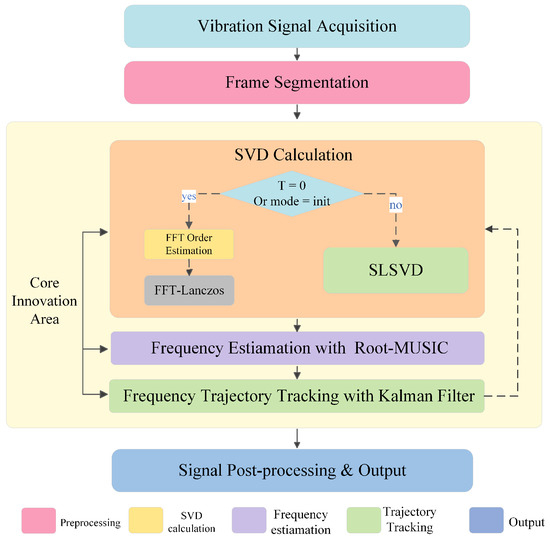
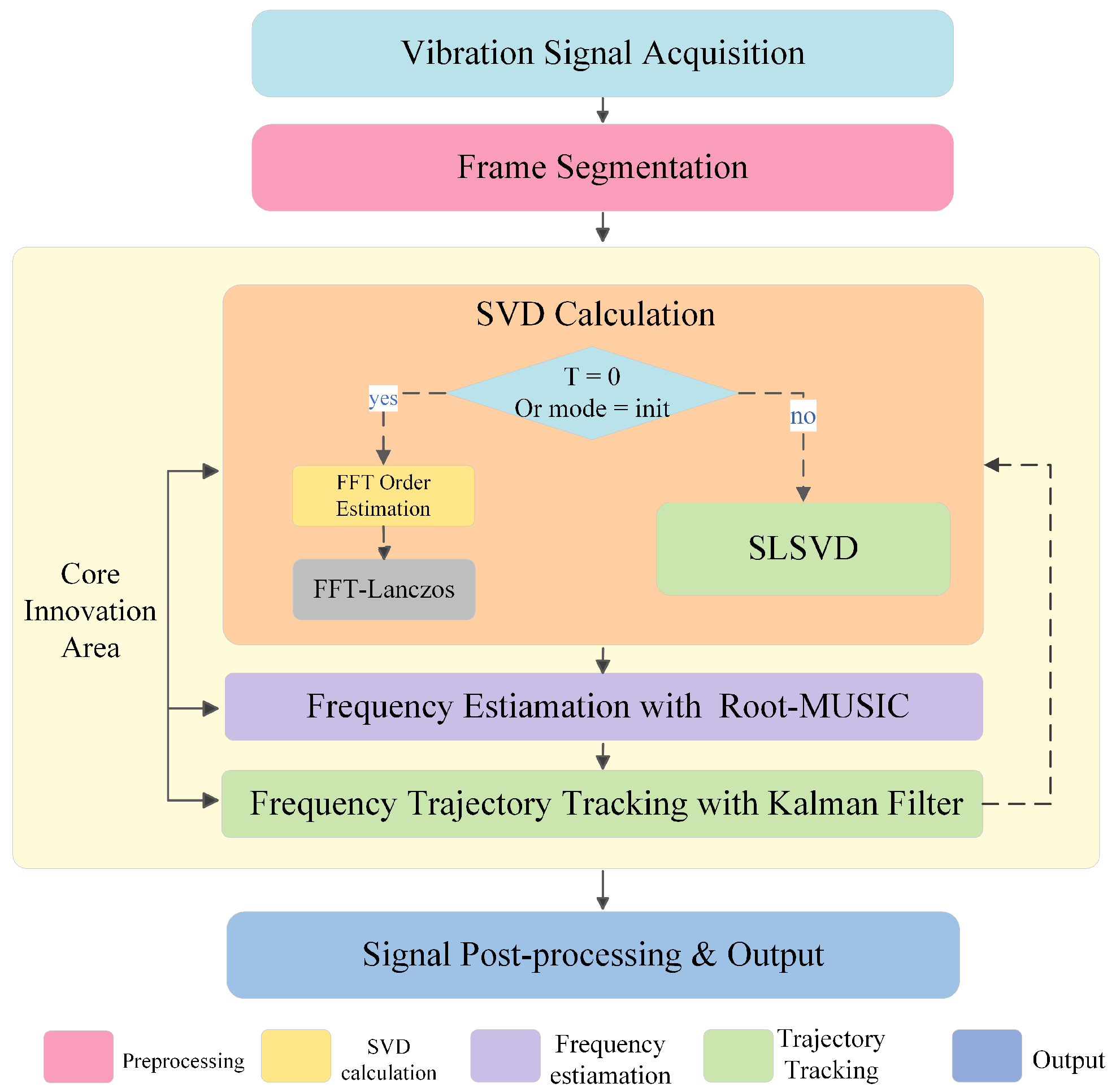
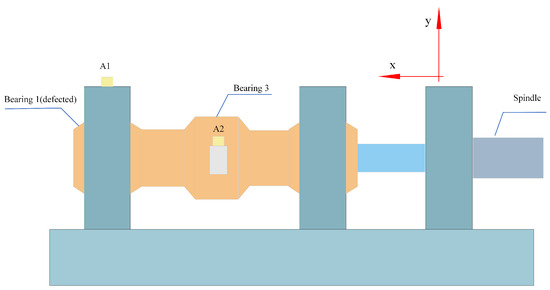
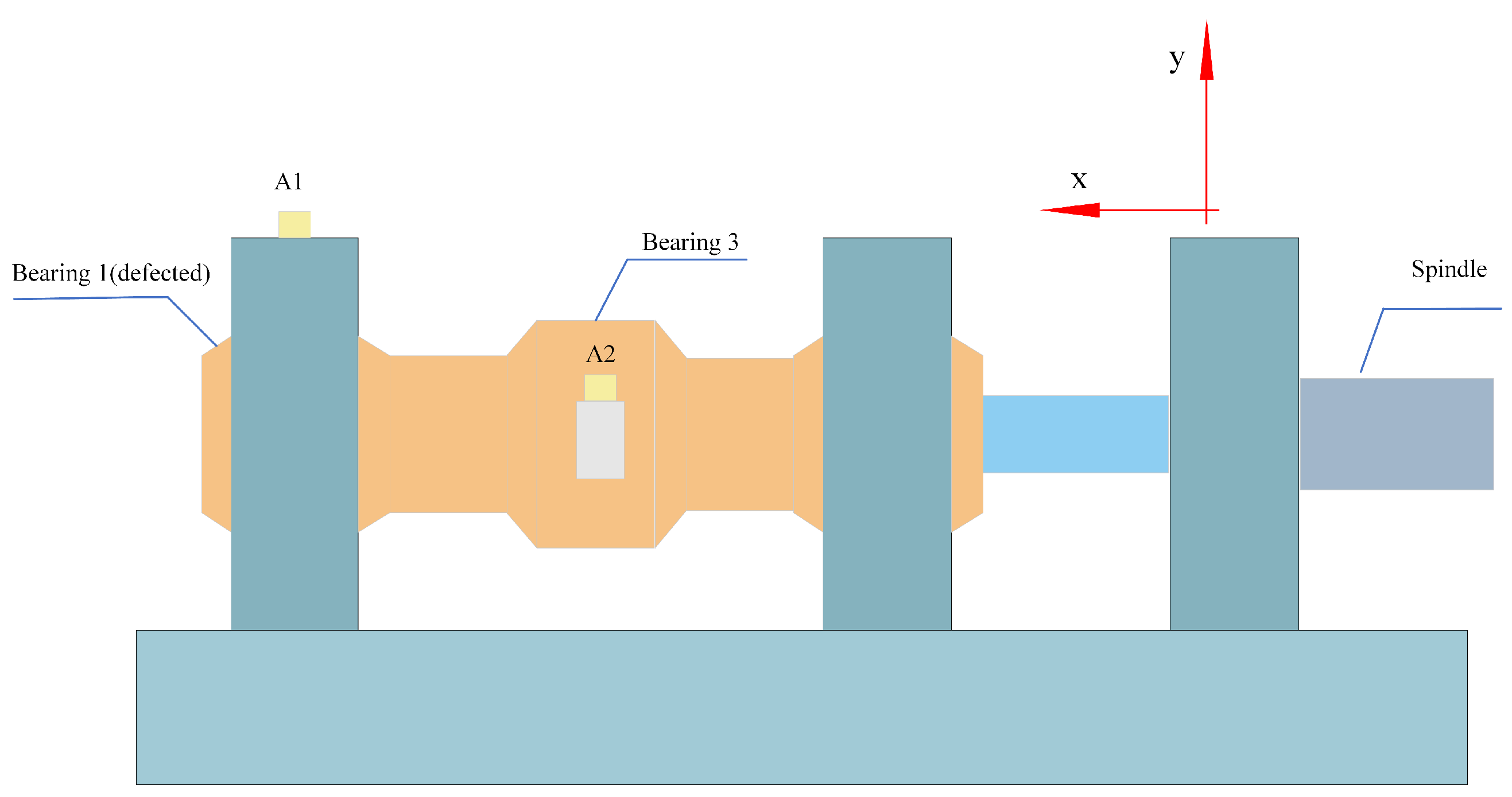
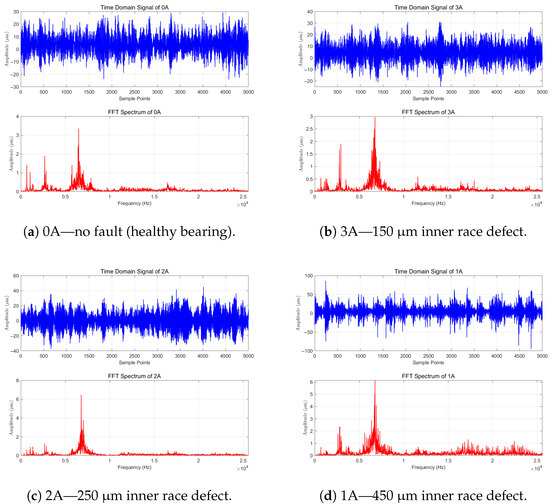
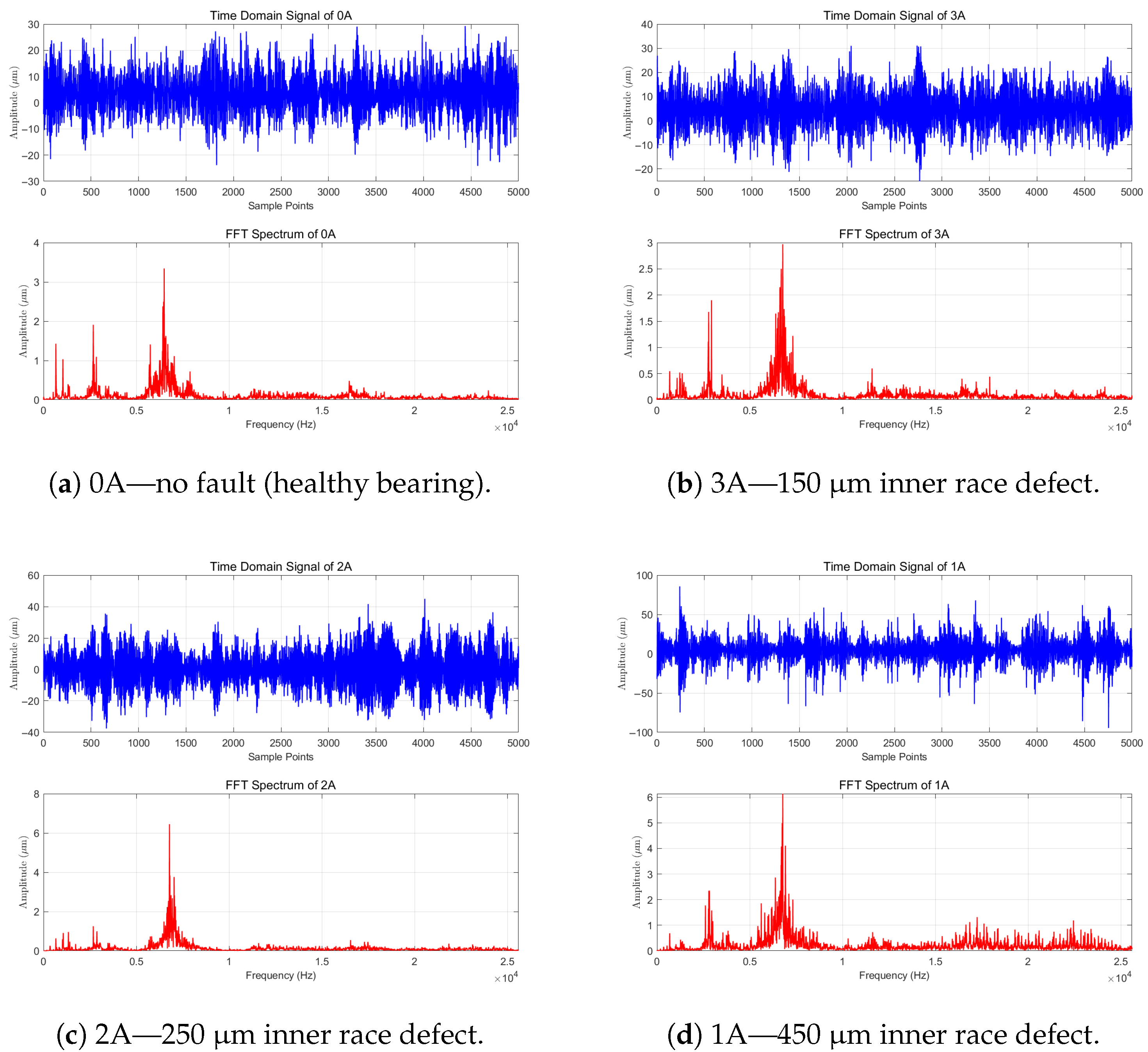
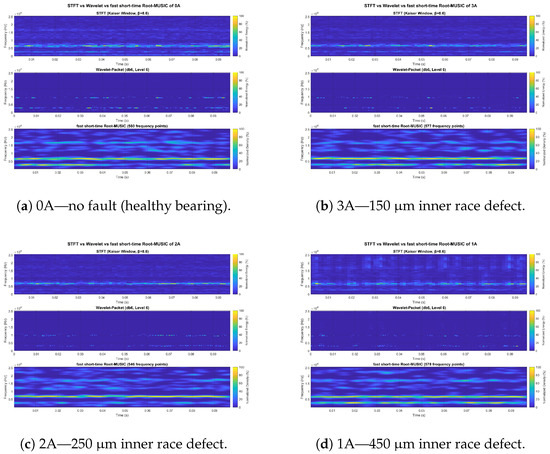
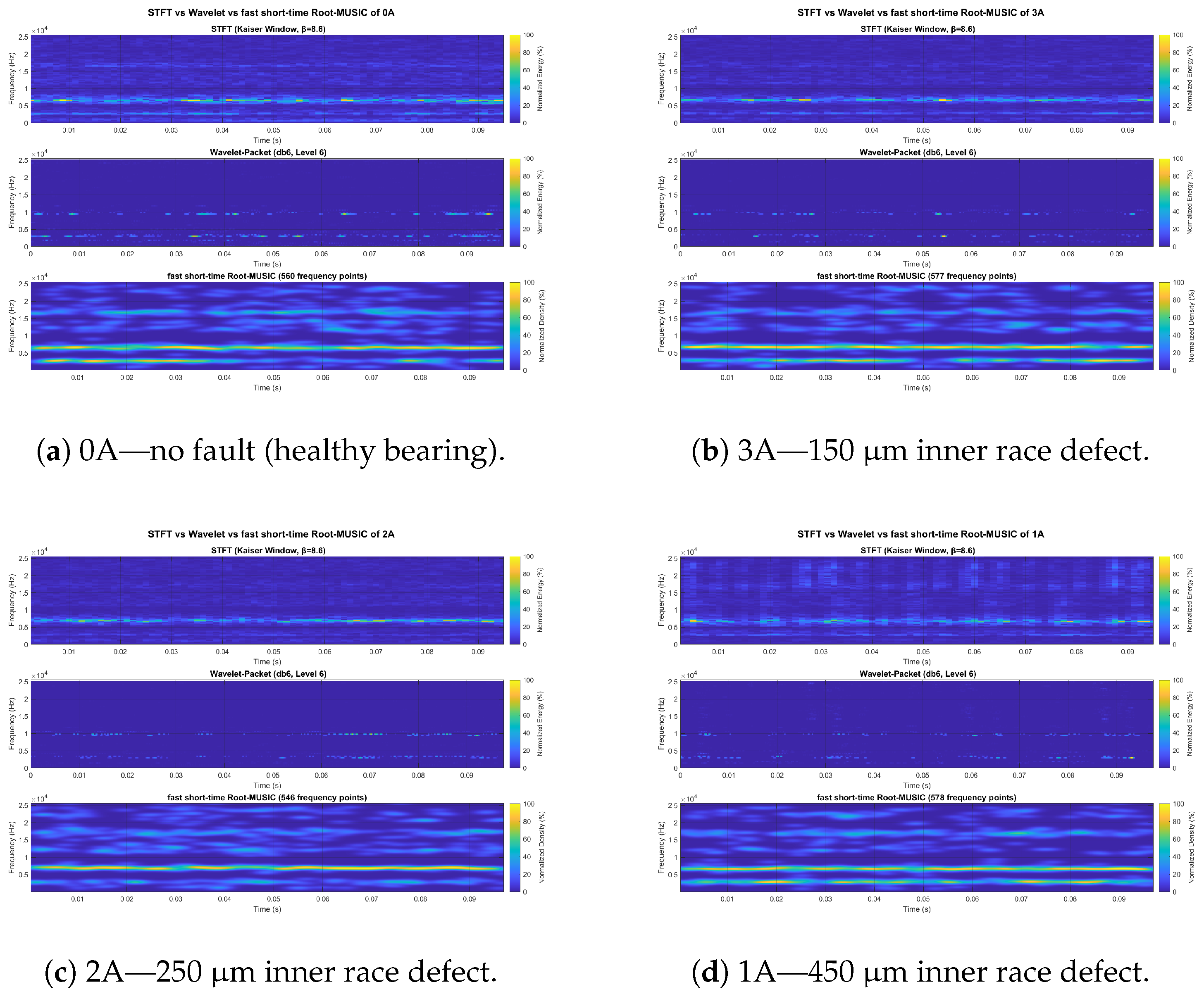
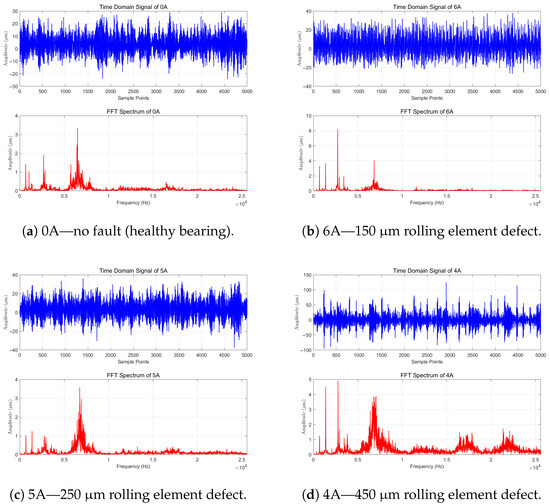
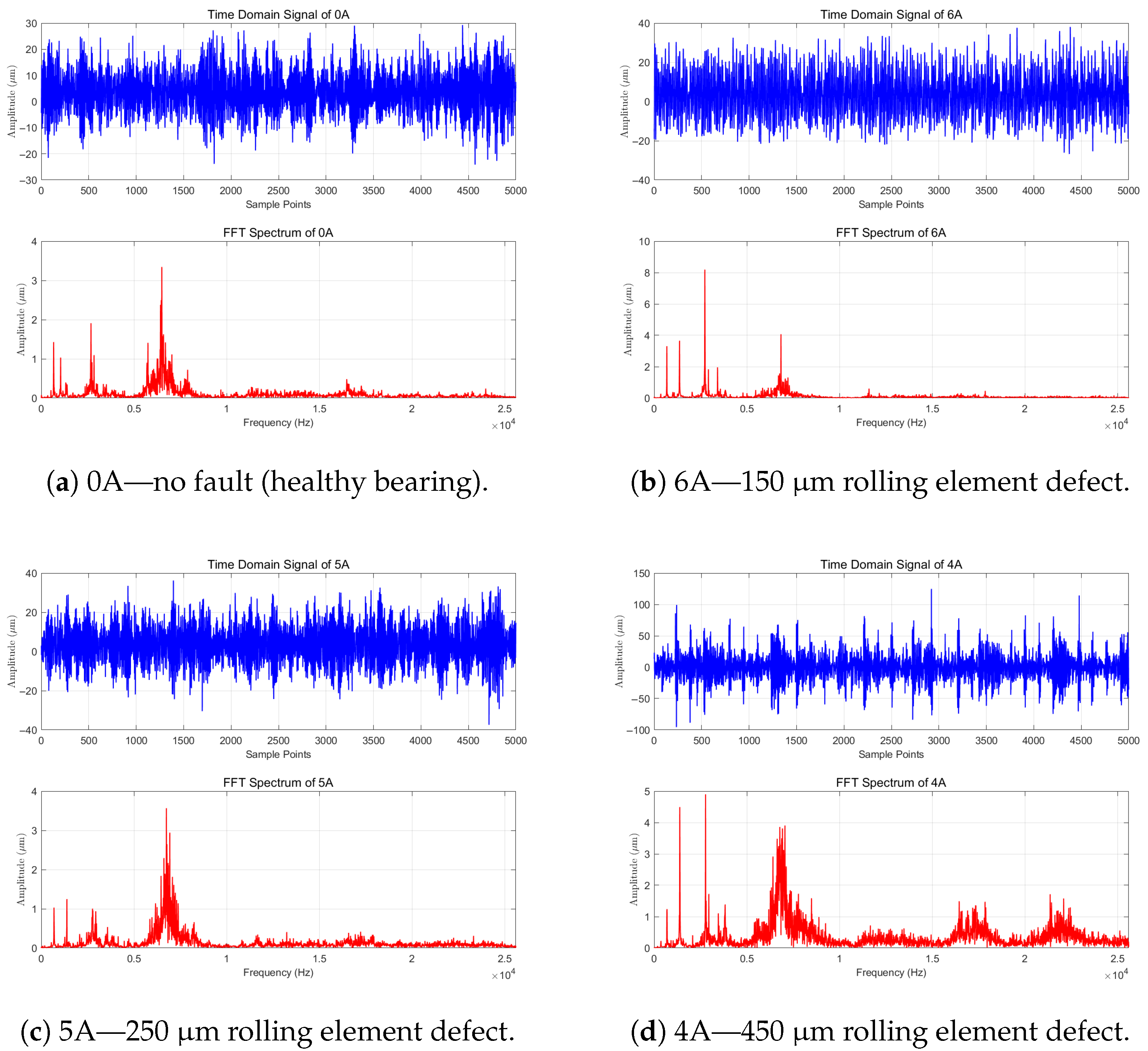
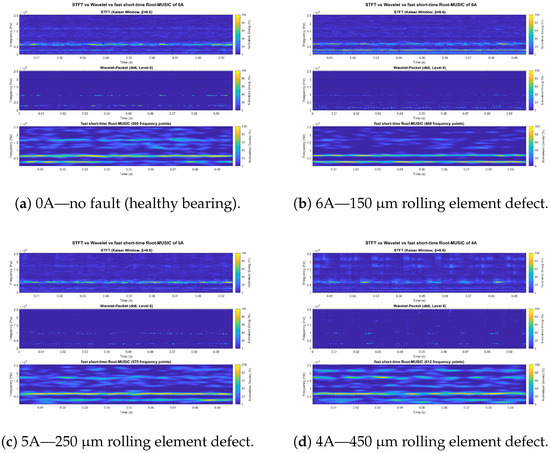
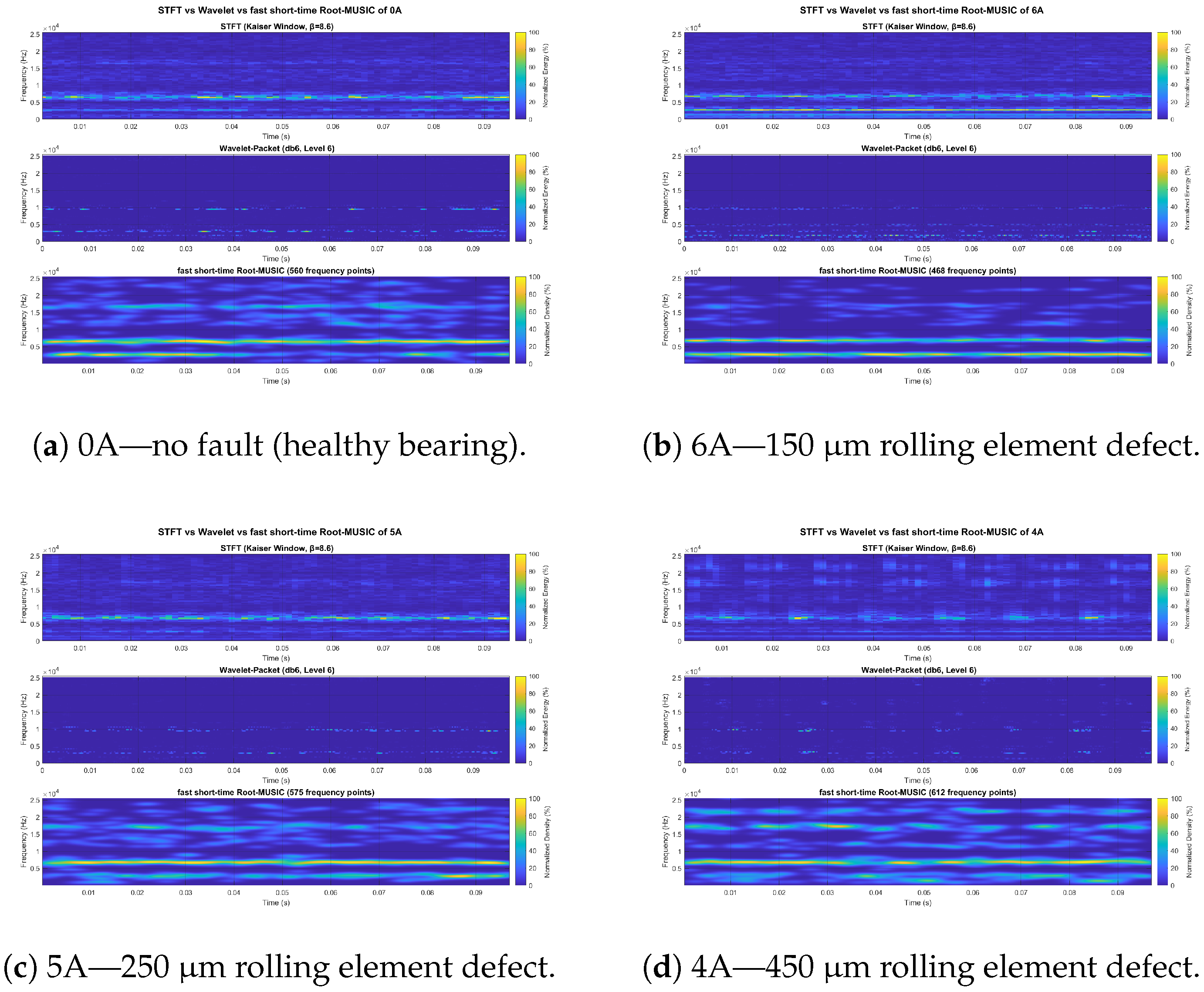
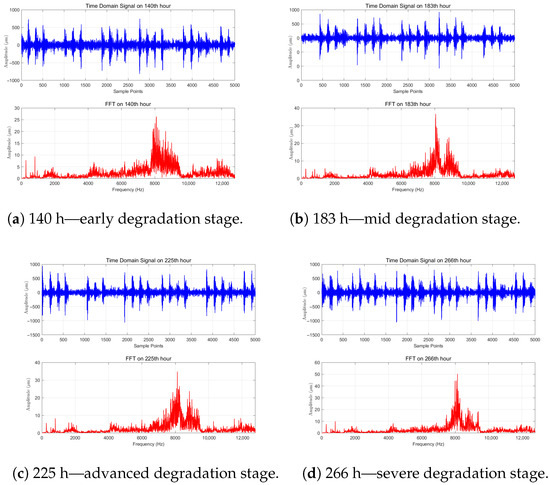
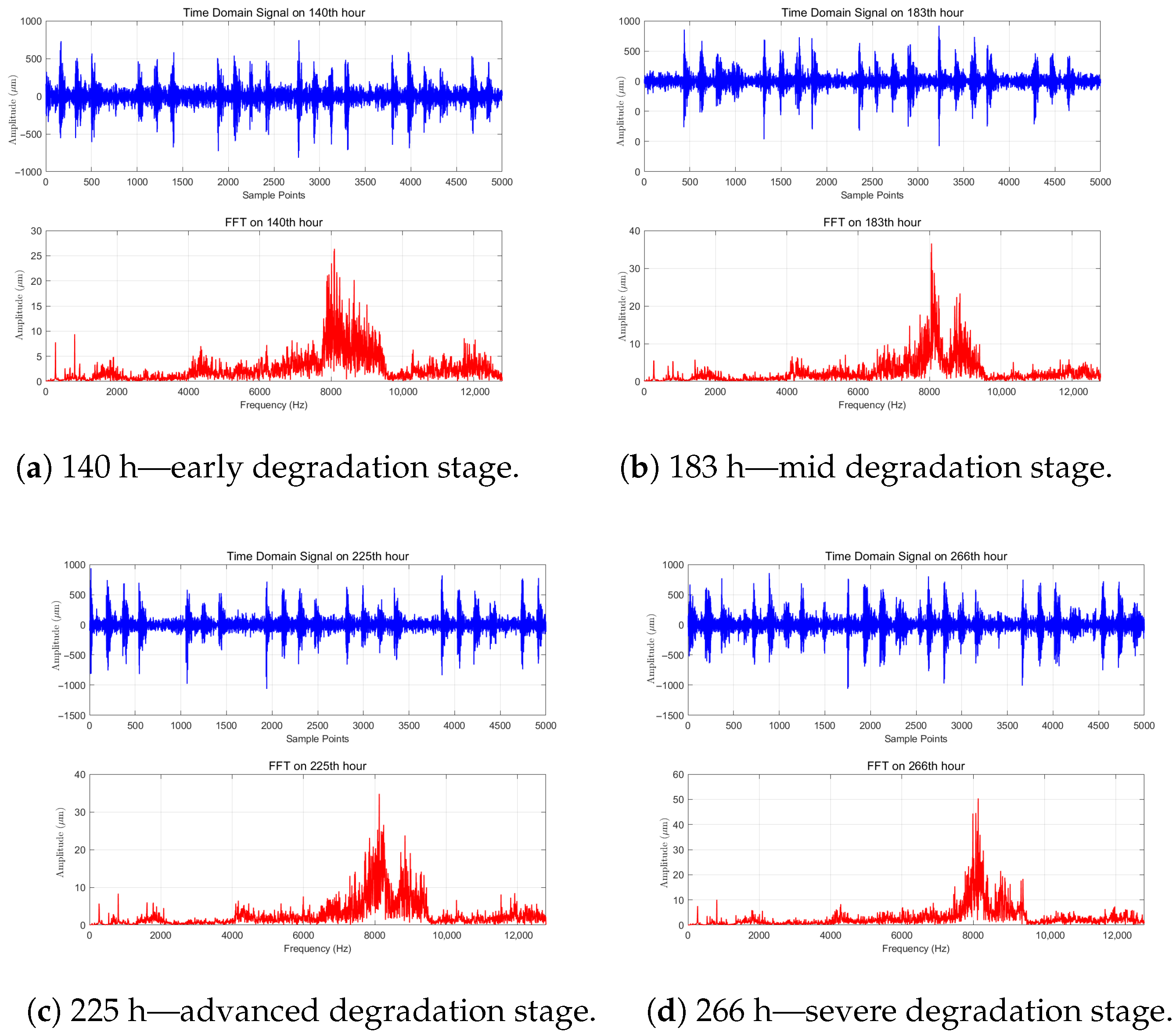
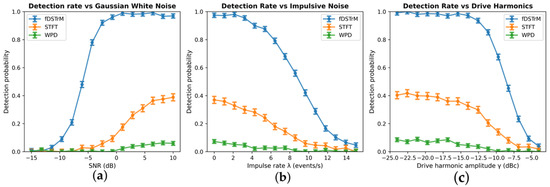
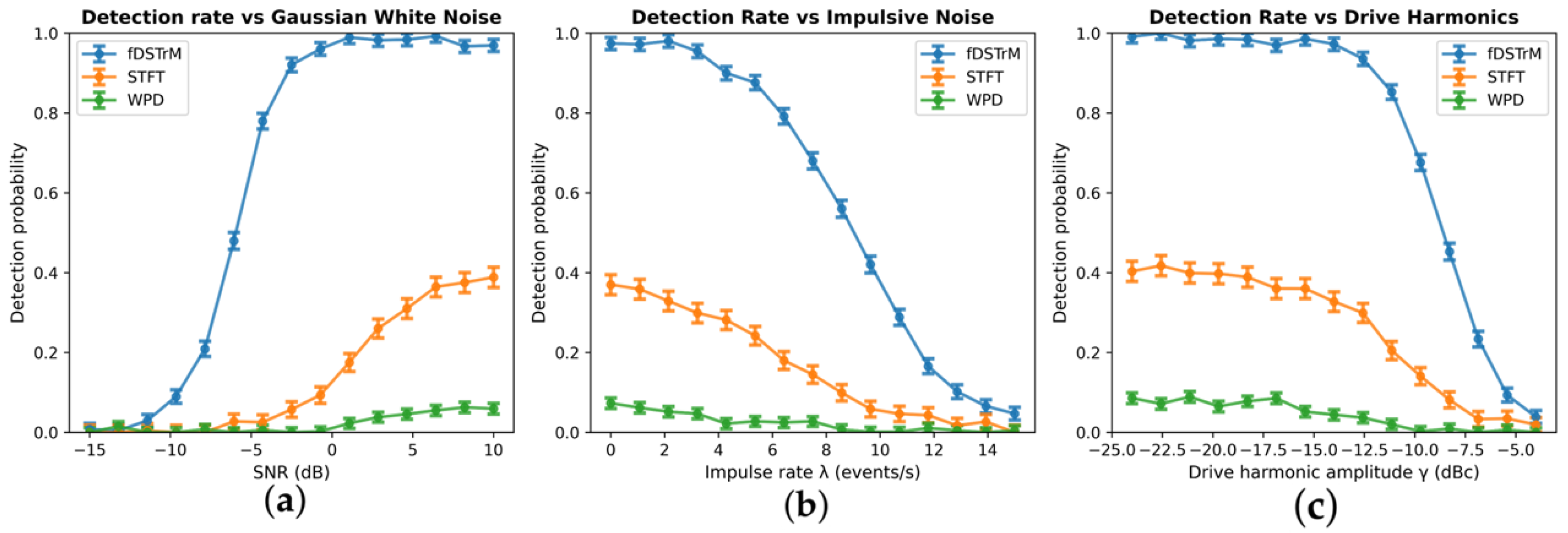
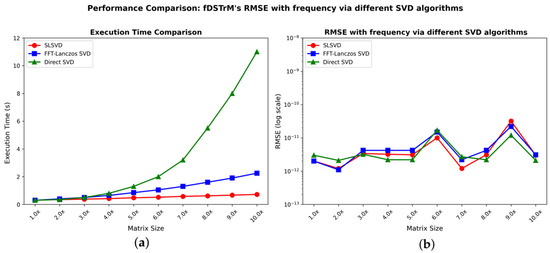
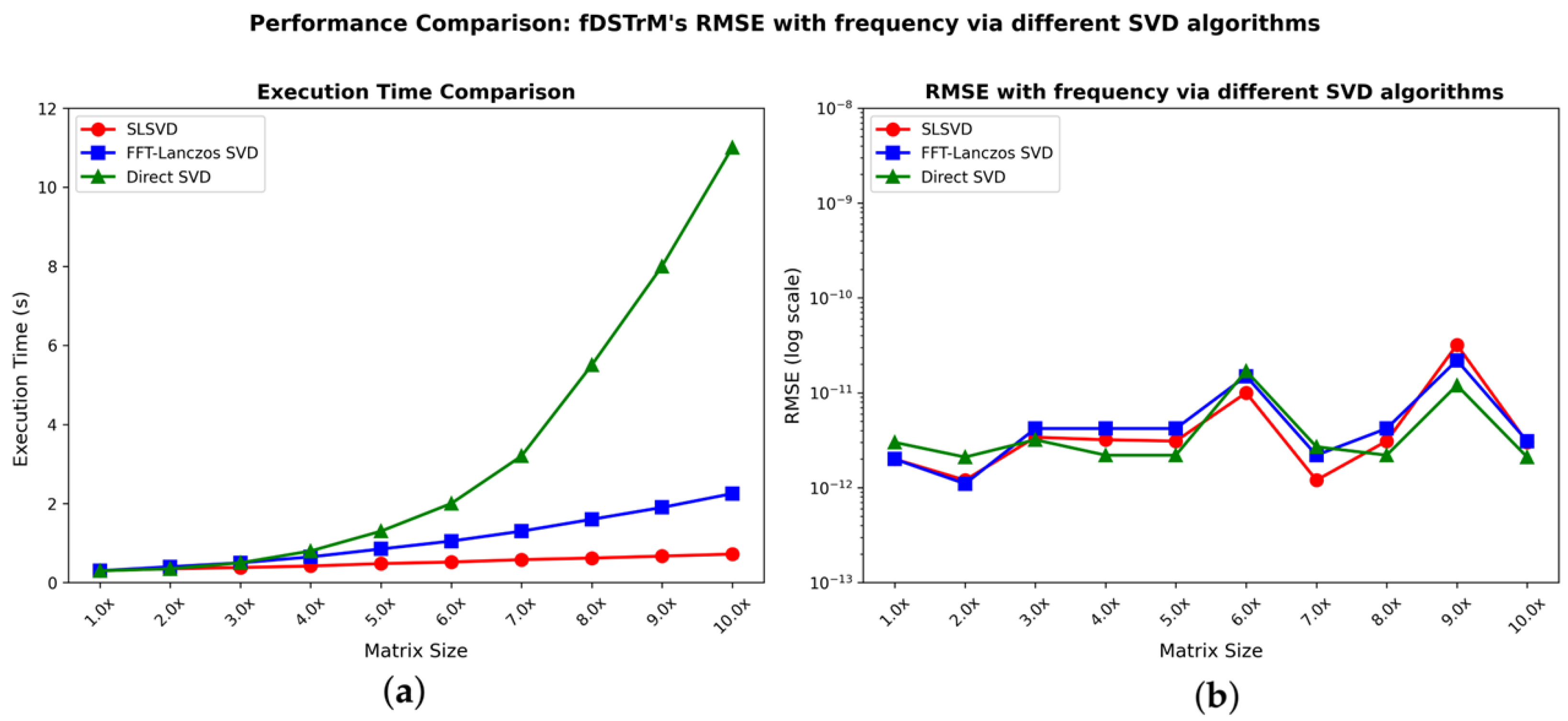

Disclaimer/Publisher’s Note: The statements, opinions and data contained in all publications are solely those of the individual author(s) and contributor(s) and not of MDPI and/or the editor(s). MDPI and/or the editor(s) disclaim responsibility for any injury to people or property resulting from any ideas, methods, instructions or products referred to in the content. |
© 2025 by the authors. Licensee MDPI, Basel, Switzerland. This article is an open access article distributed under the terms and conditions of the Creative Commons Attribution (CC BY) license (https://creativecommons.org/licenses/by/4.0/).