Effects of Epigallocatechin-3-O-Gallate on Bone Health

 , , , , , , , and
Abstract
1. Introduction
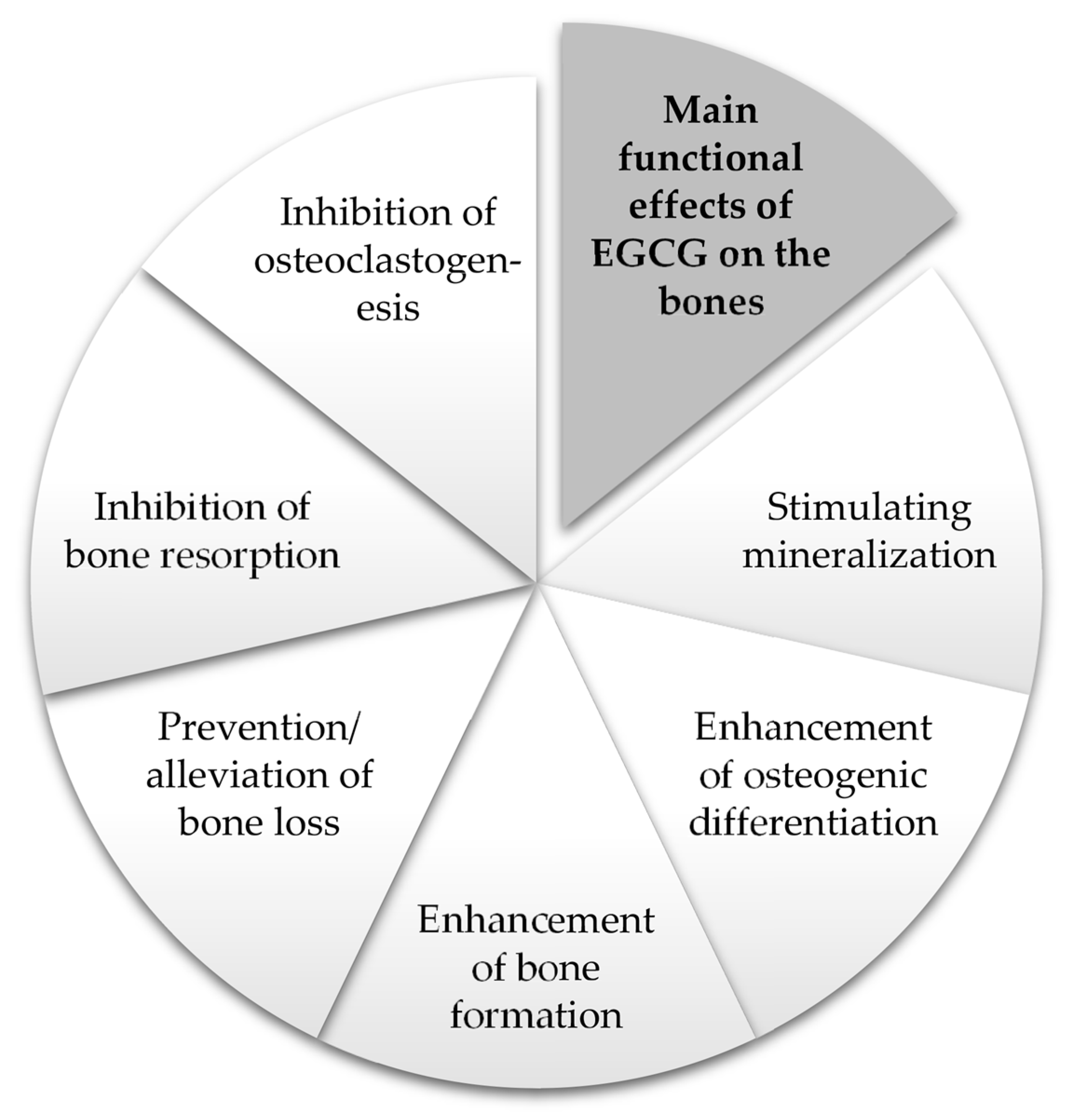
2. Functional Effects of EGCG
2.1. Stimulating Mineralisation and Enhancement of Bone Formation
2.2. Prevention/Alleviation of Bone Loss and Inhibition of Bone Resorption
2.3. Inhibition of Osteoclastogenesis and Osteoclast Differentiation
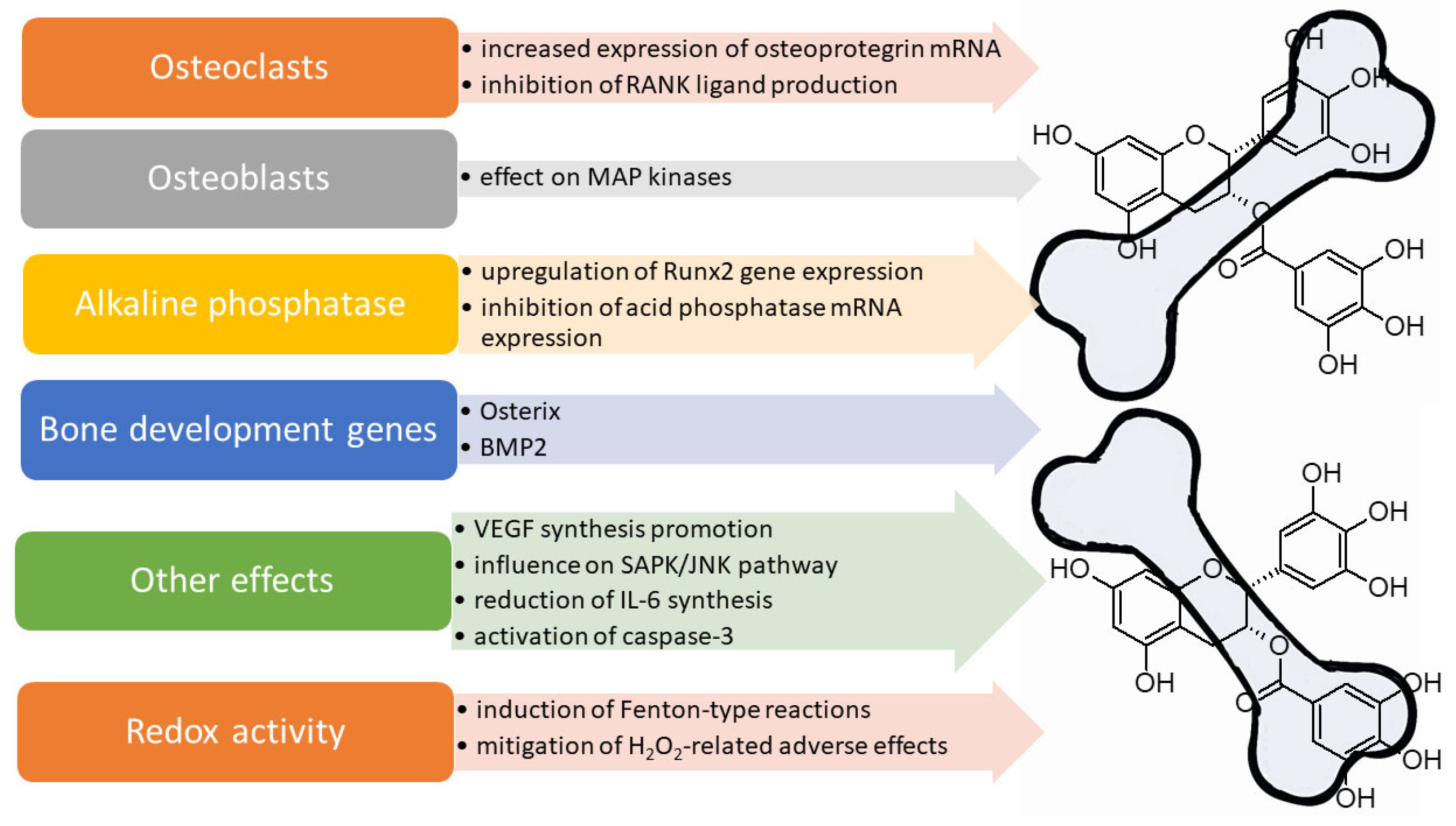
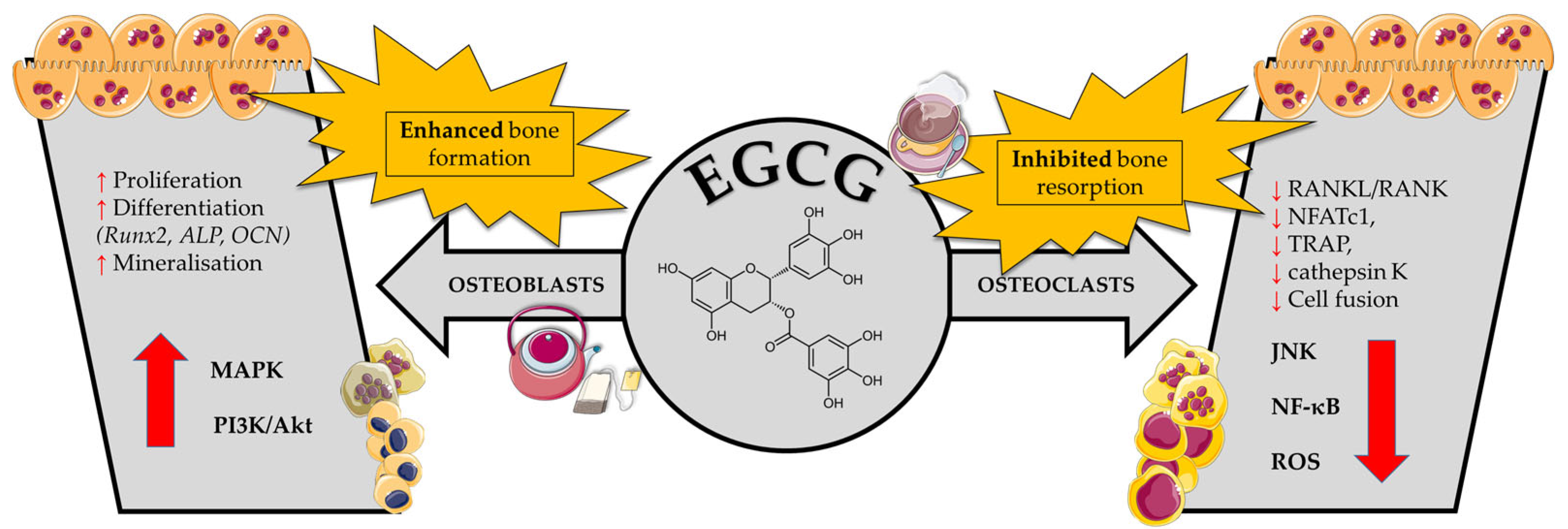
- EGCG influences bone health by upregulating alkaline phosphatase to stimulate bone mineralisation [26].
- It modulates osteoblast function through MAP kinase inhibition, contributing to bone tissue formation [27].
- Concentration matters: high EGCG dosages inhibit mesenchymal cell proliferation in osteogenesis, while intermediate concentrations promote it [29].
3. Biochemical Effects of EGCG
3.1. RANK/RANKL/OPG Path Regulation
3.2. Increasing Alkaline Phosphatase Activity
3.3. Effects on RUNX2 Protein Level
3.4. Increasing Expression of the Osterix
3.5. Increasing the Level of Vascular Endothelial Growth Factor
3.6. Inhibition of Interleukin-6 Synthesis
3.7. Induction of Caspase-3
3.8. Influence on SAPK/JNK Pathway
3.9. Attenuation of p44/p42 MAP Kinase or p44/p42 MAP Kinase and p38 MAP Kinase
3.10. Inhibitory Effect on Matrix Metalloproteinases
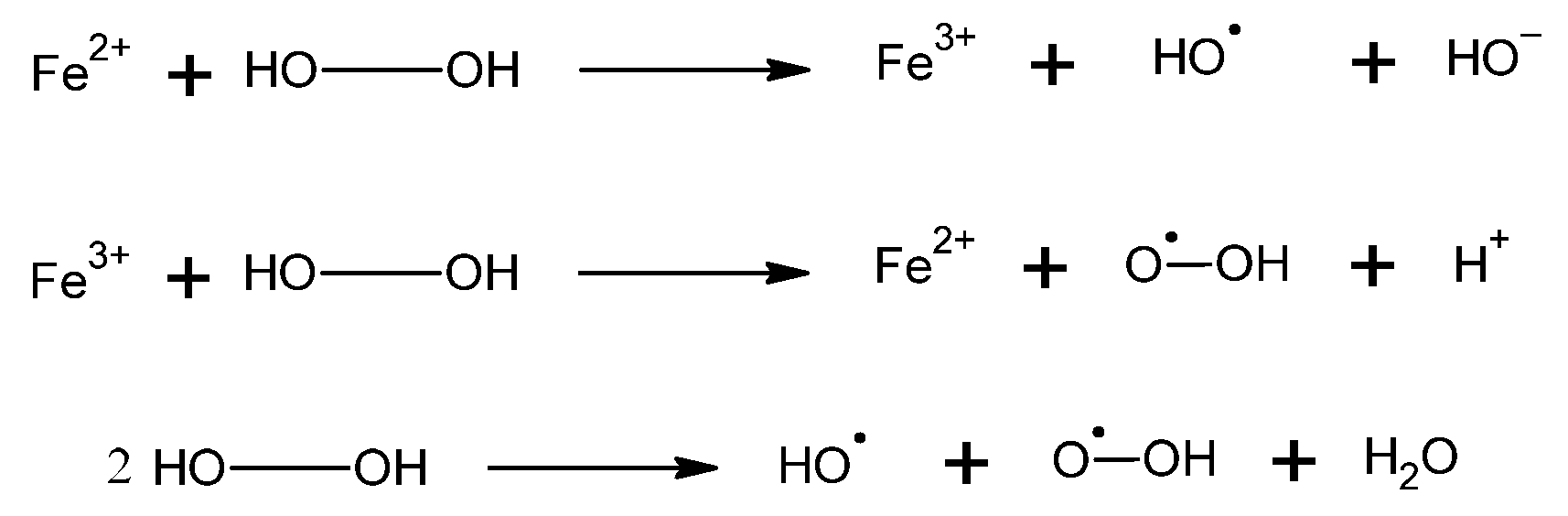
3.11. Antioxidant Properties of EGCG
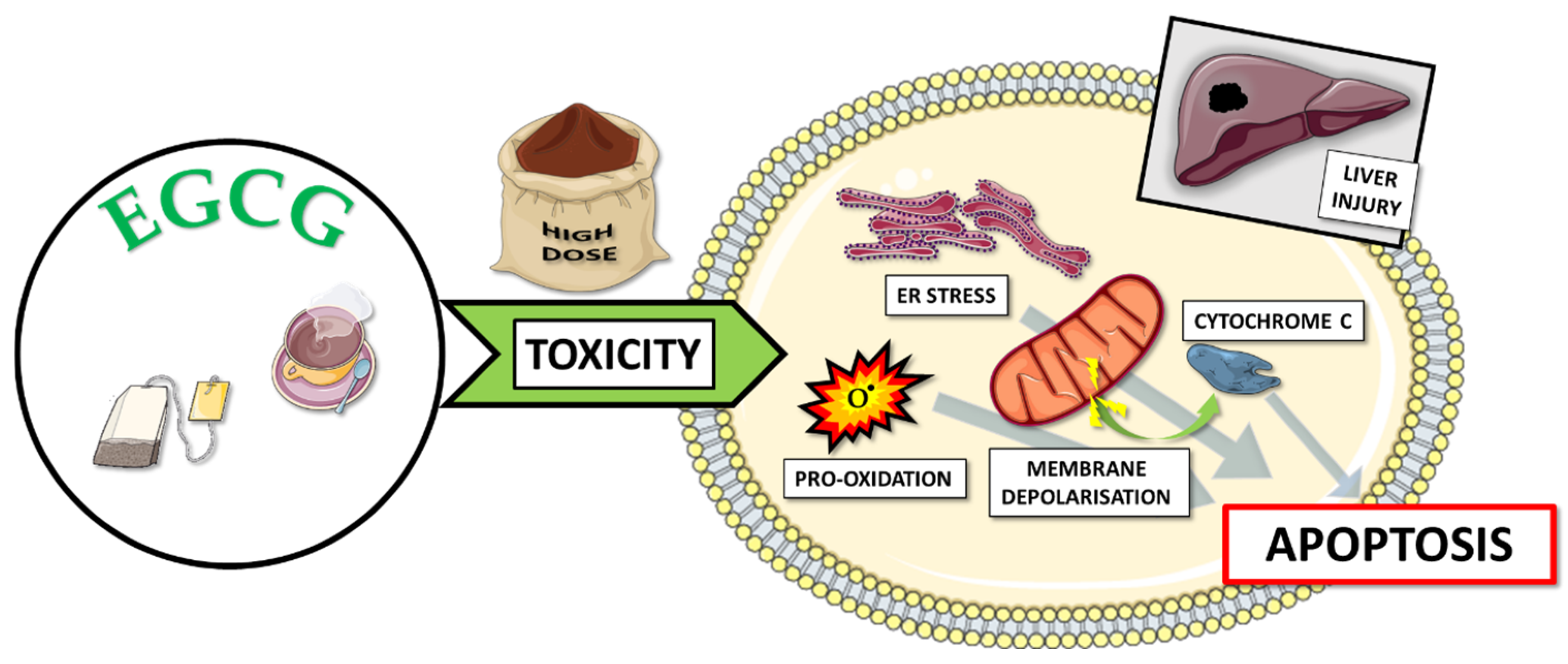
3.12. Hormetic Properties and Toxicity of EGCG
- It enhances OPG mRNA expression: EGCG exhibits a stronger capacity to enhance OPG mRNA expression in pluripotent stem cells compared to other green tea catechins, contributing to its role in bone health [42].
4. Conclusions and Future Research Directions
Author Contributions
Funding
Acknowledgments
Conflicts of Interest
Abbreviations
| ALP | Alkaline phosphatase |
| BMD | Bone mineral density |
| hBM-MSCs | Bone marrow-derived human mesenchymal stem cells |
| BMP-2 | Bone morphogenetic protein 2 |
| BMP-4 | Bone morphogenetic protein 4 |
| CGA | Chlorogenic acid |
| CLC | Cardiotrophin-like cytokine |
| COL1 | Type I collagen |
| CNTF | Ciliary neurotrophic factor |
| CT-1 | Cardiotrophin 1 |
| EC | Epicatechin |
| ECG | Epicatechin gallate |
| EGC | Epigallocatechin |
| EGCG | (–)-Epigallocatechin-3-O-gallate |
| ERKs | Extracellular regulated p42/p44 kinases |
| FGR | Fibroblast growth factor |
| GTCs | Green tea catechins |
| GTE | Green tea extract |
| hABCs | Human alveolar bone-derived cells |
| hMSCs | Human mesenchymal stem cells |
| hPDLCs | Human periodontal ligament cells |
| ICH | Intracerebral haemorrhage |
| IFN-β2 | Interferon β2 |
| IGF-I | Insulin-like growth factor 1 |
| Ihh | Indian Hedgehog |
| IL | Interleukin |
| JNK | Jun amino-terminal kinases |
| LIF | Leukaemia inhibitory factor |
| MAPK | Mitogen-activated protein kinases |
| M-CSF | Macrophage colony-stimulating factor |
| MMP | Matrix metalloproteinase |
| NF-κB | Nuclear factor kappa-B |
| NFATc1 | Nuclear Factor of Activated T Cells 1 |
| OCN | Osteocalcin |
| ONC | Osteonectin |
| OPG | Osteoprotegerin |
| OPN | Osteopontin |
| OSM | Oncostatin M |
| OSE2 | Osteoblast-specific cis-acting element 2 |
| OSX | Osterix |
| Pi | Inorganic phosphate |
| PPi | Inorganic pyrophosphate |
| RANK | Receptor activator of nuclear factor kappa-B |
| RANKL | Receptor activator of nuclear factor kappa-B ligand |
| ROS | Reactive oxygen species |
| RUNX2 | Runt-related transcription factor 2 |
| SAPK | Stress-activated protein kinases |
| Sp7 | Specific protein 7 |
| TGF-α | Tumour growth factor α |
| TGF-β | Tumour growth factor β |
| TNSALP | Tissue-nonspecific alkaline phosphatase |
| TNF-α | Tumour necrosis factor α |
| TRAF | TNF receptor-associated factor |
| TRAP | Tartrate-resistant acid phosphatase |
| VEGF | Vascular endothelial growth factor |
| Wnt | Wingless-related integration site |
References
- Singh, B.N.; Shankar, S.; Srivastava, R.K. Green Tea Catechin, Epigallocatechin-3-Gallate (EGCG): Mechanisms, Perspectives and Clinical Applications. Biochem. Pharmacol. 2011, 82, 1807–1821. [Google Scholar] [CrossRef] [PubMed]
- Khan, N.; Afaq, F.; Saleem, M.; Ahmad, N.; Mukhtar, H. Targeting Multiple Signaling Pathways by Green Tea Polyphenol (−)-Epigallocatechin-3-Gallate. Cancer Res. 2006, 66, 2500–2505. [Google Scholar] [CrossRef] [PubMed]
- Mokra, D.; Joskova, M.; Mokry, J. Therapeutic Effects of Green Tea Polyphenol (-)-Epigallocatechin-3-Gallate (EGCG) in Relation to Molecular Pathways Controlling Inflammation, Oxidative Stress, and Apoptosis. Int. J. Mol. Sci. 2022, 24, 340. [Google Scholar] [CrossRef] [PubMed]
- Shen, C.-L.; Yeh, J.K.; Stoecker, B.J.; Chyu, M.-C.; Wang, J.-S. Green Tea Polyphenols Mitigate Deterioration of Bone Microarchitecture in Middle-Aged Female Rats. Bone 2009, 44, 684–690. [Google Scholar] [CrossRef] [PubMed]
- Farhan, M. Green Tea Catechins: Nature’s Way of Preventing and Treating Cancer. Int. J. Mol. Sci. 2022, 23, 10713. [Google Scholar] [CrossRef] [PubMed]
- Zhang, C.; Suen, C.L.-C.; Yang, C.; Quek, S.Y. Antioxidant Capacity and Major Polyphenol Composition of Teas as Affected by Geographical Location, Plantation Elevation and Leaf Grade. Food Chem. 2018, 244, 109–119. [Google Scholar] [CrossRef] [PubMed]
- Kada, T.; Kaneko, K.; Matsuzaki, S.; Matsuzaki, T.; Hora, Y. Detection and Chemical Identification of Natural Bio-Antimutagens: A Case of the Green Tea Factor. Mutat. Res. Mol. Mech. Mutagen. 1985, 150, 127–132. [Google Scholar] [CrossRef] [PubMed]
- Jin, J.-Q.; Jiang, C.-K.; Yao, M.-Z.; Chen, L. Baiyacha, a Wild Tea Plant Naturally Occurring High Contents of Theacrine and 3″-Methyl-Epigallocatechin Gallate from Fujian, China. Sci. Rep. 2020, 10, 9715. [Google Scholar] [CrossRef] [PubMed]
- Liu, Y.; Long, Y.; Fang, J.; Liu, G. Advances in the Anti-Atherosclerotic Mechanisms of Epigallocatechin Gallate. Nutrients 2024, 16, 2074. [Google Scholar] [CrossRef] [PubMed]
- Bellmann-Strobl, J.; Paul, F.; Wuerfel, J.; Dörr, J.; Infante-Duarte, C.; Heidrich, E.; Körtgen, B.; Brandt, A.; Pfüller, C.; Radbruch, H.; et al. Epigallocatechin Gallate in Relapsing-Remitting Multiple Sclerosis. Neurol. Neuroimmunol. Neuroinflam. 2021, 8, e981. [Google Scholar] [CrossRef] [PubMed]
- Platero, J.L.; Cuerda-Ballester, M.; Ibáñez, V.; Sancho, D.; Lopez-Rodríguez, M.M.; Drehmer, E.; de la Rubia Ortí, J.E. The Impact of Coconut Oil and Epigallocatechin Gallate on the Levels of IL-6, Anxiety and Disability in Multiple Sclerosis Patients. Nutrients 2020, 12, 305. [Google Scholar] [CrossRef] [PubMed]
- Lovera, J.; Ramos, A.; Devier, D.; Garrison, V.; Kovner, B.; Reza, T.; Koop, D.; Rooney, W.; Foundas, A.; Bourdette, D. Polyphenon E, Non-Futile at Neuroprotection in Multiple Sclerosis but Unpredictably Hepatotoxic: Phase I Single Group and Phase II Randomized Placebo-Controlled Studies. J. Neurol. Sci. 2015, 358, 46–52. [Google Scholar] [CrossRef] [PubMed]
- Jing, F.; Zhu, L.; Bai, J.; Cai, X.; Zhou, X.; Zhang, J.; Zhang, H.; Li, T. Molecular Mechanisms Underlying the Epigallocatechin-3-Gallate-Mediated Inhibition of Oral Squamous Cell Carcinogenesis. Arch. Oral Biol. 2023, 153, 105740. [Google Scholar] [CrossRef] [PubMed]
- Liu, C.; Wu, H.; Duan, H.; Hou, Y.; Wang, S.; Liu, Y.; Zhang, X.; Zhao, H.; Gong, L.; Wan, H.; et al. An EGCG-Mediated Self-Assembled Micellar Complex Acts as a Bioactive Drug Carrier. Food Chem. 2023, 418, 135939. [Google Scholar] [CrossRef] [PubMed]
- Singh, N.A.; Mandal, A.K.A.; Khan, Z.A. Potential Neuroprotective Properties of Epigallocatechin-3-Gallate (EGCG). Nutr. J. 2015, 15, 60. [Google Scholar] [CrossRef] [PubMed]
- Bao, B.; Yin, X.-P.; Wen, X.-Q.; Suo, Y.-J.; Chen, Z.-Y.; Li, D.-L.; Lai, Q.; Cao, X.-M.; Qu, Q.-M. The Protective Effects of EGCG Was Associated with HO-1 Active and Microglia Pyroptosis Inhibition in Experimental Intracerebral Hemorrhage. Neurochem. Int. 2023, 170, 105603. [Google Scholar] [CrossRef] [PubMed]
- Wan, C.; Hu, X.; Li, M.; Rengasamy, K.R.R.; Cai, Y.; Liu, Z. Potential Protective Function of Green Tea Polyphenol EGCG against High Glucose-Induced Cardiac Injury and Aging. J. Funct. Foods 2023, 104, 105506. [Google Scholar] [CrossRef]
- Fan, Q.; Zhou, X.-H.; Wang, T.-F.; Zeng, F.-J.; Liu, X.; Gu, Y.; Chen, B.; Yang, J.; Pang, Z.-Y.; Liu, J.-G.; et al. Effects of Epigallocatechin-3-Gallate on Oxidative Stress, Inflammation, and Bone Loss in a Rat Periodontitis Model. J. Dent. Sci. 2023, 18, 1567–1575. [Google Scholar] [CrossRef] [PubMed]
- Chen, S.-T.; Kang, L.; Wang, C.-Z.; Huang, P.-J.; Huang, H.-T.; Lin, S.-Y.; Chou, S.-H.; Lu, C.-C.; Shen, P.-C.; Lin, Y.-S.; et al. (−)-Epigallocatechin-3-Gallate Decreases Osteoclastogenesis via Modulation of RANKL and Osteoprotegrin. Molecules 2019, 24, 156. [Google Scholar] [CrossRef] [PubMed]
- Cho, A.-R.; Kim, J.-H.; Lee, D.-E.; Lee, J.-S.; Jung, U.-W.; Bak, E.-J.; Yoo, Y.-J.; Chung, W.-G.; Choi, S.-H. The Effect of Orally Administered Epigallocatechin-3-gallate on Ligature-induced Periodontitis in Rats. J. Periodontal Res. 2013, 48, 781–789. [Google Scholar] [CrossRef] [PubMed]
- Lin, S.-Y.; Kan, J.Y.; Lu, C.-C.; Huang, H.H.; Cheng, T.-L.; Huang, H.-T.; Ho, C.-J.; Lee, T.-C.; Chuang, S.-C.; Lin, Y.-S.; et al. Green Tea Catechin (-)-Epigallocatechin-3-Gallate (EGCG) Facilitates Fracture Healing. Biomolecules 2020, 10, 620. [Google Scholar] [CrossRef] [PubMed]
- Zhang, Z.; Zhang, X.; Bi, K.; He, Y.; Yan, W.; Yang, C.S.; Zhang, J. Potential Protective Mechanisms of Green Tea Polyphenol EGCG against COVID-19. Trends Food Sci. Technol. 2021, 114, 11–24. [Google Scholar] [CrossRef] [PubMed]
- Muraki, S.; Yamamoto, S.; Ishibashi, H.; Oka, H.; Yoshimura, N.; Kawaguchi, H.; Nakamura, K. Diet and Lifestyle Associated with Increased Bone Mineral Density: Cross-Sectional Study of Japanese Elderly Women at an Osteoporosis Outpatient Clinic. J. Orthop. Sci. 2007, 12, 317–320. [Google Scholar] [CrossRef] [PubMed]
- Wu, X.; Shi, X.; Chen, X.; Yin, Z. Epigallocatechin Gallate (EGCG) Can Epigenetically Regulate the Receptor of Advanced Glycation End Products (RAGE) to Ameliorate Osteoarthritis. J. Funct. Foods 2023, 107, 105682. [Google Scholar] [CrossRef]
- Zou, J.; Chen, F.; Li, Y.; Chen, H.; Sun, T.; Du, S.; Zhang, J. Effects of Green Tea Extract Epigallocatechin-3-Gallate (EGCG) on Orthodontic Tooth Movement and Root Resorption in Rats. Arch. Oral Biol. 2023, 150, 105691. [Google Scholar] [CrossRef] [PubMed]
- Chen, C.-H.; Ho, M.-L.; Chang, J.-K.; Hung, S.-H.; Wang, G.-J. Green Tea Catechin Enhances Osteogenesis in a Bone Marrow Mesenchymal Stem Cell Line. Osteoporos. Int. 2005, 16, 2039–2045. [Google Scholar] [CrossRef] [PubMed]
- Yamauchi, J.; Takai, S.; Matsushima-Nishiwaki, R.; Hanai, Y.; Doi, T.; Kato, H.; Ogura, S.; Kato, K.; Tokuda, H.; Kozawa, O. (−)-Epigallocatechin Gallate Inhibits Prostaglandin D2-Stimulated HSP27 Induction via Suppression of the P44/P42 MAP Kinase Pathway in Osteoblasts. Prostaglandins Leukot. Essent. Fat. Acids 2007, 77, 173–179. [Google Scholar] [CrossRef] [PubMed]
- Rodriguez, R.; Kondo, H.; Nyan, M.; Hao, J.; Miyahara, T.; Ohya, K.; Kasugai, S. Implantation of Green Tea Catechin α-Tricalcium Phosphate Combination Enhances Bone Repair in Rat Skull Defects. J. Biomed. Mater. Res. B Appl. Biomater. 2011, 98B, 263–271. [Google Scholar] [CrossRef] [PubMed]
- Liu, J.; Lu, Y.; Liu, J.; Jin, C.; Meng, Y.; Pei, D. Influence of Epigallocatechin-3-Gallate in Promoting Proliferation and Osteogenic Differentiation of Human Periodontal Ligament Cells. BMC Oral Health 2019, 19, 73. [Google Scholar] [CrossRef] [PubMed]
- Mah, Y.-J.; Song, J.S.; Kim, S.-O.; Lee, J.-H.; Jeon, M.; Jung, U.-W.; Moon, S.J.; Kim, J.-H.; Choi, H.-J. The Effect of Epigallocatechin-3-Gallate (EGCG) on Human Alveolar Bone Cells Both in Vitro and in Vivo. Arch. Oral Biol. 2014, 59, 539–549. [Google Scholar] [CrossRef] [PubMed]
- Jin, P.; Li, M.; Xu, G.; Zhang, K.; Zheng, L.; Zhao, J. Role of (-)-Epigallocatechin-3-Gallate in the Osteogenic Differentiation of Human Bone Marrow Mesenchymal Stem Cells: An Enhancer or an Inducer? Exp. Ther. Med. 2015, 10, 828–834. [Google Scholar] [CrossRef] [PubMed]
- Shin, J.W.; Wu, Y.; Kang, Y.G.; Kim, J.K.; Choi, H.J.; Shin, J.-W. The Effects of Epigallocatechin-3-Gallate and Mechanical Stimulation on Osteogenic Differentiation of Human Mesenchymal Stem Cells: Individual or Synergistic Effects. Tissue Eng. Regen. Med. 2017, 14, 307–315. [Google Scholar] [CrossRef] [PubMed]
- Liu, W.; Fan, J.-B.; Xu, D.-W.; Zhang, J.; Cui, Z.-M. Epigallocatechin-3-Gallate Protects against Tumor Necrosis Factor Alpha Induced Inhibition of Osteogenesis of Mesenchymal Stem Cells. Exp. Biol. Med. 2016, 241, 658–666. [Google Scholar] [CrossRef] [PubMed]
- Hayashi, K.; Takai, S.; Matsushima-Nishiwaki, R.; Hanai, Y.; Kato, K.; Tokuda, H.; Kozawa, O. (−)-Epigallocatechin Gallate Reduces Transforming Growth Factor β-Stimulated HSP27 Induction through the Suppression of Stress-Activated Protein Kinase/c-Jun N-Terminal Kinase in Osteoblasts. Life Sci. 2008, 82, 1012–1017. [Google Scholar] [CrossRef] [PubMed]
- Chen, C.-H.; Kang, L.; Lin, R.-W.; Fu, Y.-C.; Lin, Y.-S.; Chang, J.-K.; Chen, H.-T.; Chen, C.-H.; Lin, S.-Y.; Wang, G.-J.; et al. (−)-Epigallocatechin-3-Gallate Improves Bone Microarchitecture in Ovariectomized Rats. Menopause 2013, 20, 687–694. [Google Scholar] [CrossRef] [PubMed]
- Nakagawa, H.; Wachi, M.; Woo, J.-T.; Kato, M.; Kasai, S.; Takahashi, F.; Lee, I.-S.; Nagai, K. Fenton Reaction Is Primarily Involved in a Mechanism of (−)-Epigallocatechin-3-Gallate to Induce Osteoclastic Cell Death. Biochem. Biophys. Res. Commun. 2002, 292, 94–101. [Google Scholar] [CrossRef] [PubMed]
- Yun, J.-H.; Pang, E.-K.; Kim, C.-S.; Yoo, Y.-J.; Cho, K.-S.; Chai, J.-K.; Kim, C.-K.; Choi, S.-H. Inhibitory Effects of Green Tea Polyphenol (-)-Epigallocatechin Gallate on the Expression of Matrix Metalloproteinase-9 and on the Formation of Osteoclasts. J. Periodontal Res. 2004, 39, 300–307. [Google Scholar] [CrossRef] [PubMed]
- Kamon, M.; Zhao, R.; Sakamoto, K. Green tea polyphenol (-)-epigallocatechin gallate suppressed the differentiation of murine osteoblastic MC3T3-E1 cells. Cell Biol. Int. 2009, 34, 109–116. [Google Scholar] [CrossRef] [PubMed]
- Kawabata, T.; Tokuda, H.; Sakai, G.; Fujita, K.; Matsushima-Nishiwaki, R.; Otsuka, T.; Kozawa, O. Repression of IGF-I-Induced Osteoblast Migration by (-)-Epigallocatechin Gallate through P44/P42 MAP Kinase Signaling. Biomed. Rep. 2018, 9, 318–326. [Google Scholar] [CrossRef] [PubMed]
- Wang, D.; Wang, Y.; Xu, S.; Wang, F.; Wang, B.; Han, K.; Sun, D.; Li, L. Epigallocatechin-3-Gallate Protects against Hydrogen Peroxide-Induced Inhibition of Osteogenic Differentiation of Human Bone Marrow-Derived Mesenchymal Stem Cells. Stem Cells Int. 2016, 2016, 1–10. [Google Scholar] [CrossRef] [PubMed]
- Lin, S.-Y.; Kang, L.; Wang, C.-Z.; Huang, H.; Cheng, T.-L.; Huang, H.-T.; Lee, M.-J.; Lin, Y.-S.; Ho, M.-L.; Wang, G.-J.; et al. (−)-Epigallocatechin-3-Gallate (EGCG) Enhances Osteogenic Differentiation of Human Bone Marrow Mesenchymal Stem Cells. Molecules 2018, 23, 3221. [Google Scholar] [CrossRef] [PubMed]
- Chen, C.-H.; Ho, M.-L.; Chang, J.-K.; Hung, S.-H.; Huang, H.-T. Green Tea Catechins Enhance the Expression of Osteoprotegerin (OPG) in Pluripotent Stem Cells. J. Orthop. Surg. Taiwan 2003, 20, 178–183. [Google Scholar]
- Fujita, K.; Otsuka, T.; Yamamoto, N.; Kainuma, S.; Ohguchi, R.; Kawabata, T.; Sakai, G.; Kuroyanagi, G.; Matsushima-Nishiwaki, R.; Kozawa, O.; et al. (−)-Epigallocatechin Gallate but Not Chlorogenic Acid Upregulates Osteoprotegerin Synthesis through Regulation of Bone Morphogenetic Protein-4 in Osteoblasts. Exp. Ther. Med. 2017, 14, 417–423. [Google Scholar] [CrossRef] [PubMed]
- Lin, S.-Y.; Kang, L.; Chen, J.-C.; Wang, C.-Z.; Huang, H.H.; Lee, M.-J.; Cheng, T.-L.; Chang, C.-F.; Lin, Y.-S.; Chen, C.-H. (−)-Epigallocatechin-3-Gallate (EGCG) Enhances Healing of Femoral Bone Defect. Phytomedicine 2019, 55, 165–171. [Google Scholar] [CrossRef] [PubMed]
- Chu, C.; Wang, Y.; Wang, Y.; Yang, R.; Liu, L.; Rung, S.; Xiang, L.; Wu, Y.; Du, S.; Man, Y.; et al. Evaluation of Epigallocatechin-3-Gallate (EGCG) Modified Collagen in Guided Bone Regeneration (GBR) Surgery and Modulation of Macrophage Phenotype. Mater. Sci. Eng. C 2019, 99, 73–82. [Google Scholar] [CrossRef] [PubMed]
- Yun, J.-H.; Kim, C.-S.; Cho, K.-S.; Chai, J.-K.; Kim, C.-K.; Choi, S.-H. (-)-Epigallocatechin Gallate Induces Apoptosis, via Caspase Activation, in Osteoclasts Differentiated from RAW 264.7 Cells. J. Periodontal Res. 2007, 42, 212–218. [Google Scholar] [CrossRef] [PubMed]
- Xu, H.; Liu, T.; Li, J.; Xu, J.; Chen, F.; Hu, L.; Zhang, B.; Zi, C.; Wang, X.; Sheng, J. Oxidation Derivative of (-)-Epigallocatechin-3-Gallate (EGCG) Inhibits RANKL-Induced Osteoclastogenesis by Suppressing RANK Signaling Pathways in RAW 264.7 Cells. Biomed. Pharmacother. 2019, 118, 109237. [Google Scholar] [CrossRef] [PubMed]
- Vali, B.; Rao, L.; Elsohemy, A. Epigallocatechin-3-Gallate Increases the Formation of Mineralized Bone Nodules by Human Osteoblast-like Cells. J. Nutr. Biochem. 2007, 18, 341–347. [Google Scholar] [CrossRef] [PubMed]
- Takita, H.; Kikuchi, M.; Sato, Y.; Kuboki, Y. Inhibition of BMP-Induced Ectopic Bone Formation by an Antiangiogenic Agent (Epigallocatechin 3-Gallate). Connect. Tissue Res. 2002, 43, 520–523. [Google Scholar] [CrossRef] [PubMed]
- Lee, J.-H.; Jin, H.; Shim, H.-E.; Kim, H.-N.; Ha, H.; Lee, Z.H. Epigallocatechin-3-Gallate Inhibits Osteoclastogenesis by Down-Regulating c-Fos Expression and Suppressing the Nuclear Factor-κB Signal. Mol. Pharmacol. 2010, 77, 17–25. [Google Scholar] [CrossRef] [PubMed]
- Morinobu, A.; Biao, W.; Tanaka, S.; Horiuchi, M.; Jun, L.; Tsuji, G.; Sakai, Y.; Kurosaka, M.; Kumagai, S. (−)-Epigallocatechin-3-gallate Suppresses Osteoclast Differentiation and Ameliorates Experimental Arthritis in Mice. Arthritis Rheum. 2008, 58, 2012–2018. [Google Scholar] [CrossRef] [PubMed]
- Lin, R.-W.; Chen, C.-H.; Wang, Y.-H.; Ho, M.-L.; Hung, S.-H.; Chen, I.-S.; Wang, G.-J. (−)-Epigallocatechin Gallate Inhibition of Osteoclastic Differentiation via NF-κB. Biochem. Biophys. Res. Commun. 2009, 379, 1033–1037. [Google Scholar] [CrossRef] [PubMed]
- Oka, Y.; Iwai, S.; Amano, H.; Irie, Y.; Yatomi, K.; Ryu, K.; Yamada, S.; Inagaki, K.; Oguchi, K. Tea Polyphenols Inhibit Rat Osteoclast Formation and Differentiation. J. Pharmacol. Sci. 2012, 118, 55–64. [Google Scholar] [CrossRef] [PubMed]
- Ishida, I.; Kohda, C.; Yanagawa, Y.; Miyaoka, H.; Shimamura, T. Epigallocatechin Gallate Suppresses Expression of Receptor Activator of NF-κB Ligand (RANKL) in Staphylococcus Aureus Infection in Osteoblast-like NRG Cells. J. Med. Microbiol. 2007, 56, 1042–1046. [Google Scholar] [CrossRef] [PubMed]
- Ko, C.H.; Lau, K.M.; Choy, W.Y.; Leung, P.C. Effects of Tea Catechins, Epigallocatechin, Gallocatechin, and Gallocatechin Gallate, on Bone Metabolism. J. Agric. Food Chem. 2009, 57, 7293–7297. [Google Scholar] [CrossRef] [PubMed]
- Tokuda, H.; Takai, S.; Matsushima-Nishiwaki, R.; Akamatsu, S.; Hanai, Y.; Hosoi, T.; Harada, A.; Ohta, T.; Kozawa, O. (−)-Epigallocatechin Gallate Enhances Prostaglandin F2α-Induced VEGF Synthesis via Upregulating SAPK/JNK Activation in Osteoblasts. J. Cell. Biochem. 2007, 100, 1146–1153. [Google Scholar] [CrossRef] [PubMed]
- Takai, S.; Matsushima-Nishiwaki, R.; Adachi, S.; Natsume, H.; Minamitani, C.; Mizutani, J.; Otsuka, T.; Tokuda, H.; Kozawa, O. (-)-Epigallocatechin Gallate Reduces Platelet-Derived Growth Factor-BB-Stimulated Interleukin-6 Synthesis in Osteoblasts: Suppression of SAPK/JNK. Mediat. Inflamm. 2008, 2008, 1–8. [Google Scholar] [CrossRef] [PubMed]
- Tokuda, H.; Takai, S.; Hanai, Y.; Matsushima-Nishiwaki, R.; Hosoi, T.; Harada, A.; Ohta, T.; Kozawa, O. (−)-Epigallocatechin Gallate Suppresses Endothelin-1-Induced Interleukin-6 Synthesis in Osteoblasts: Inhibition of P44/P42 MAP Kinase Activation. FEBS Lett. 2007, 581, 1311–1316. [Google Scholar] [CrossRef] [PubMed]
- Tokuda, H.; Takai, S.; Hanai, Y.; Matsushima-Nishiwaki, R.; Yamauchi, J.; Harada, A.; Hosoi, T.; Ohta, T.; Kozawa, O. (-)-Epigallocatechin Gallate Inhibits Basic Fibroblast Growth Factor-Stimulated Interleukin-6 Synthesis in Osteoblasts. Horm. Metab. Res. 2008, 40, 674–678. [Google Scholar] [CrossRef] [PubMed]
- Islam, S.; Islam, N.; Kermode, T.; Johnstone, B.; Mukhtar, H.; Moskowitz, R.W.; Goldberg, V.M.; Malemud, C.J.; Haqqi, T.M. Involvement of Caspase-3 in Epigallocatechin-3-Gallate-Mediated Apoptosis of Human Chondrosarcoma Cells. Biochem. Biophys. Res. Commun. 2000, 270, 793–797. [Google Scholar] [CrossRef] [PubMed]
- Ono, T.; Hayashi, M.; Sasaki, F.; Nakashima, T. RANKL Biology: Bone Metabolism, the Immune System, and Beyond. Inflamm. Regen. 2020, 40, 2. [Google Scholar] [CrossRef] [PubMed]
- Hofbauer, L.C.; Neubauer, A.; Heufelder, A.E. Receptor Activator of Nuclear factor-κB Ligand and Osteoprotegerin. Cancer 2001, 92, 460–470. [Google Scholar] [CrossRef] [PubMed]
- Teitelbaum, S.L.; Ross, F.P. Genetic Regulation of Osteoclast Development and Function. Nat. Rev. Genet. 2003, 4, 638–649. [Google Scholar] [CrossRef] [PubMed]
- Simonet, W.S.; Lacey, D.L.; Dunstan, C.R.; Kelley, M.; Chang, M.-S.; Lüthy, R.; Nguyen, H.Q.; Wooden, S.; Bennett, L.; Boone, T. Osteoprotegerin: A Novel Secreted Protein Involved in the Regulation of Bone Density. Cell 1997, 89, 309–319. [Google Scholar] [CrossRef] [PubMed]
- Anandarajah, A.P. Role of RANKL in Bone Diseases. Trends Endocrinol. Metab. 2009, 20, 88–94. [Google Scholar] [CrossRef] [PubMed]
- Udagawa, N.; Koide, M.; Nakamura, M.; Nakamichi, Y.; Yamashita, T.; Uehara, S.; Kobayashi, Y.; Furuya, Y.; Yasuda, H.; Fukuda, C.; et al. Osteoclast Differentiation by RANKL and OPG Signaling Pathways. J. Bone Miner. Metab. 2021, 39, 19–26. [Google Scholar] [CrossRef] [PubMed]
- Schneeweis, L.A.; Willard, D.; Milla, M.E. Functional Dissection of Osteoprotegerin and Its Interaction with Receptor Activator of NF-kappaB Ligand. J. Biol. Chem. 2005, 280, 41155–41164. [Google Scholar] [CrossRef] [PubMed]
- Naito, A.; Azuma, S.; Tanaka, S.; Miyazaki, T.; Takaki, S.; Takatsu, K.; Nakao, K.; Nakamura, K.; Katsuki, M.; Yamamoto, T.; et al. Severe Osteopetrosis, Defective Interleukin-1 Signalling and Lymph Node Organogenesis in TRAF6-Deficient Mice. Genes Cells Devoted Mol. Cell. Mech. 1999, 4, 353–362. [Google Scholar] [CrossRef] [PubMed]
- Boyce, B.F.; Xing, L. Biology of RANK, RANKL, and Osteoprotegerin. Arthritis Res. Ther. 2007, 9 (Suppl. 1), S1. [Google Scholar] [CrossRef] [PubMed]
- Martin, T.J.; Sims, N.A. RANKL/OPG; Critical Role in Bone Physiology. Rev. Endocr. Metab. Disord. 2015, 16, 131–139. [Google Scholar] [CrossRef] [PubMed]
- Kuroyanagi, G.; Tokuda, H.; Yamamoto, N.; Nishiwaki, R.M.; Mizutani, J.; Kozawa, O.; Otsuka, T. Resveratrol Amplifies BMP-4-Stimulated Osteoprotegerin Synthesis via P38 MAP Kinase in Osteoblasts. Mol. Med. Rep. 2015, 12, 3849–3854. [Google Scholar] [CrossRef] [PubMed]
- Vimalraj, S. Alkaline Phosphatase: Structure, Expression and Its Function in Bone Mineralization. Gene 2020, 754, 144855. [Google Scholar] [CrossRef] [PubMed]
- Golub, E.E.; Boesze-Battaglia, K. The Role of Alkaline Phosphatase in Mineralization. Curr. Opin. Orthop. 2007, 18, 444–448. [Google Scholar] [CrossRef]
- Sharma, U.; Pal, D.; Prasad, R. Alkaline Phosphatase: An Overview. Indian J. Clin. Biochem. 2014, 29, 269–278. [Google Scholar] [CrossRef] [PubMed]
- Harmey, D.; Hessle, L.; Narisawa, S.; Johnson, K.A.; Terkeltaub, R.; Millán, J.L. Concerted Regulation of Inorganic Pyrophosphate and Osteopontin by Akp2, Enpp1, and Ank: An Integrated Model of the Pathogenesis of Mineralization Disorders. Am. J. Pathol. 2004, 164, 1199–1209. [Google Scholar] [CrossRef] [PubMed]
- Ling, L.; Dombrowski, C.; Foong, K.M.; Haupt, L.M.; Stein, G.S.; Nurcombe, V.; Van Wijnen, A.J.; Cool, S.M. Synergism between Wnt3a and Heparin Enhances Osteogenesis via a Phosphoinositide 3-Kinase/Akt/RUNX2 Pathway. J. Biol. Chem. 2010, 285, 26233–26244. [Google Scholar] [CrossRef] [PubMed]
- Miao, D.; Scutt, A. Histochemical Localization of Alkaline Phosphatase Activity in Decalcified Bone and Cartilage. J. Histochem. Cytochem. 2002, 50, 333–340. [Google Scholar] [CrossRef] [PubMed]
- Ziros, P.G.; Basdra, E.K.; Papavassiliou, A.G. Runx2: Of Bone and Stretch. Int. J. Biochem. Cell Biol. 2008, 40, 1659–1663. [Google Scholar] [CrossRef] [PubMed]
- Komori, T. Regulation of Osteoblast Differentiation by Runx2. In Osteoimmunology; Choi, Y., Ed.; Springer: Boston, MA, USA, 2010; Volume 658, pp. 43–49. [Google Scholar] [CrossRef]
- Komori, T. Molecular Mechanism of Runx2-Dependent Bone Development. Mol. Cells 2020, 43, 168–175. [Google Scholar] [CrossRef] [PubMed]
- Komori, T. Roles of Runx2 in Skeletal Development. In RUNX Proteins in Development and Cancer; Groner, Y., Ito, Y., Liu, P., Neil, J.C., Speck, N.A., van Wijnen, A., Eds.; Springer: Singapore, 2017; Volume 962, pp. 83–93. [Google Scholar] [CrossRef]
- Liu, W.; Toyosawa, S.; Furuichi, T.; Kanatani, N.; Yoshida, C.; Liu, Y.; Himeno, M.; Narai, S.; Yamaguchi, A.; Komori, T. Overexpression of Cbfa1 in Osteoblasts Inhibits Osteoblast Maturation and Causes Osteopenia with Multiple Fractures. J. Cell Biol. 2001, 155, 157–166. [Google Scholar] [CrossRef] [PubMed]
- Ducy, P.; Zhang, R.; Geoffroy, V.; Ridall, A.L.; Karsenty, G. Osf2/Cbfa1: A Transcriptional Activator of Osteoblast Differentiation. Cell 1997, 89, 747–754. [Google Scholar] [CrossRef] [PubMed]
- Xiao, Z.-S.; Hjelmeland, A.B.; Quarles, L.D. Selective Deficiency of the “Bone-Related” Runx2-II Unexpectedly Preserves Osteoblast-Mediated Skeletogenesis. J. Biol. Chem. 2004, 279, 20307–20313. [Google Scholar] [CrossRef] [PubMed]
- Zhang, C. Molecular Mechanisms of Osteoblast-Specific Transcription Factor Osterix Effect on Bone Formation. Beijing Da Xue Xue Bao 2012, 44, 659–665. [Google Scholar] [PubMed]
- Sinha, K.M.; Zhou, X. Genetic and Molecular Control of Osterix in Skeletal Formation. J. Cell. Biochem. 2013, 114, 975–984. [Google Scholar] [CrossRef] [PubMed]
- Liu, Q.; Li, M.; Wang, S.; Xiao, Z.; Xiong, Y.; Wang, G. Recent Advances of Osterix Transcription Factor in Osteoblast Differentiation and Bone Formation. Front. Cell Dev. Biol. 2020, 8, 601224. [Google Scholar] [CrossRef] [PubMed]
- Baek, W.-Y.; Lee, M.-A.; Jung, J.W.; Kim, S.-Y.; Akiyama, H.; De Crombrugghe, B.; Kim, J.-E. Positive Regulation of Adult Bone Formation by Osteoblast-Specific Transcription Factor Osterix. J. Bone Miner. Res. 2009, 24, 1055–1065. [Google Scholar] [CrossRef] [PubMed]
- Ramazzotti, G.; Fiume, R.; Chiarini, F.; Campana, G.; Ratti, S.; Billi, A.M.; Manzoli, L.; Follo, M.Y.; Suh, P.-G.; McCubrey, J.; et al. Phospholipase C-Β1 Interacts with Cyclin E in Adipose- Derived Stem Cells Osteogenic Differentiation. Adv. Biol. Regul. 2019, 71, 1–9. [Google Scholar] [CrossRef] [PubMed]
- Komori, T. Regulation of Bone Development and Extracellular Matrix Protein Genes by RUNX2. Cell Tissue Res. 2010, 339, 189–195. [Google Scholar] [CrossRef] [PubMed]
- Dirzu, N.; Lucaciu, O.; Dirzu, D.S.; Soritau, O.; Cenariu, D.; Crisan, B.; Tefas, L.; Campian, R.S. BMP-2 Delivery through Liposomes in Bone Regeneration. Appl. Sci. 2022, 12, 1373. [Google Scholar] [CrossRef]
- Xiong, L.; Zeng, J.; Yao, A.; Tu, Q.; Li, J.; Yan, L.; Tang, Z. BMP2-Loaded Hollow Hydroxyapatite Microspheres Exhibit Enhanced Osteoinduction and Osteogenicity in Large Bone Defects. Int. J. Nanomed. 2015, 10, 517–526. [Google Scholar] [CrossRef] [PubMed]
- Rosen, V. BMP2 Signaling in Bone Development and Repair. Cytokine Growth Factor Rev. 2009, 20, 475–480. [Google Scholar] [CrossRef] [PubMed]
- Chappuis, V.; Gamer, L.; Cox, K.; Lowery, J.W.; Bosshardt, D.D.; Rosen, V. Periosteal BMP2 Activity Drives Bone Graft Healing. Bone 2012, 51, 800–809. [Google Scholar] [CrossRef] [PubMed]
- Marie, P.J.; Debiais, F.; Haÿ, E. Regulation of Human Cranial Osteoblast Phenotype by FGF-2, FGFR-2 and BMP-2 Signaling. Histol. Histopathol. 2002, 17, 877–885. [Google Scholar] [CrossRef] [PubMed]
- Komori, T.; Yagi, H.; Nomura, S.; Yamaguchi, A.; Sasaki, K.; Deguchi, K.; Shimizu, Y.; Bronson, R.T.; Gao, Y.H.; Inada, M.; et al. Targeted Disruption of Cbfa1 Results in a Complete Lack of Bone Formation Owing to Maturational Arrest of Osteoblasts. Cell 1997, 89, 755–764. [Google Scholar] [CrossRef] [PubMed]
- Fuentealba, L.C.; Eivers, E.; Ikeda, A.; Hurtado, C.; Kuroda, H.; Pera, E.M.; De Robertis, E.M. Integrating Patterning Signals: Wnt/GSK3 Regulates the Duration of the BMP/Smad1 Signal. Cell 2007, 131, 980–993. [Google Scholar] [CrossRef] [PubMed]
- Barna, M.; Niswander, L. Visualization of Cartilage Formation: Insight into Cellular Properties of Skeletal Progenitors and Chondrodysplasia Syndromes. Dev. Cell 2007, 12, 931–941. [Google Scholar] [CrossRef] [PubMed]
- Hofbauer, L.C.; Dunstan, C.R.; Spelsberg, T.C.; Riggs, B.L.; Khosla, S. Osteoprotegerin Production by Human Osteoblast Lineage Cells Is Stimulated by Vitamin D, Bone Morphogenetic Protein-2, and Cytokines. Biochem. Biophys. Res. Commun. 1998, 250, 776–781. [Google Scholar] [CrossRef] [PubMed]
- Gerber, H.-P.; Vu, T.H.; Ryan, A.M.; Kowalski, J.; Werb, Z.; Ferrara, N. VEGF Couples Hypertrophic Cartilage Remodeling, Ossification and Angiogenesis during Endochondral Bone Formation. Nat. Med. 1999, 5, 623–628. [Google Scholar] [CrossRef] [PubMed]
- Wang, X.; Bove, A.M.; Simone, G.; Ma, B. Molecular Bases of VEGFR-2-Mediated Physiological Function and Pathological Role. Front. Cell Dev. Biol. 2020, 8, 599281. [Google Scholar] [CrossRef] [PubMed]
- Schipani, E.; Maes, C.; Carmeliet, G.; Semenza, G.L. Regulation of Osteogenesis-Angiogenesis Coupling by HIFs and VEGF. J. Bone Miner. Res. 2009, 24, 1347–1353. [Google Scholar] [CrossRef] [PubMed]
- Wang, J.; Fu, X.; Jiang, C.; Yu, L.; Wang, M.; Han, W.; Liu, L.; Wang, J. Bone Marrow Mononuclear Cell Transplantation Promotes Therapeutic Angiogenesis via Upregulation of the VEGF–VEGFR2 Signaling Pathway in a Rat Model of Vascular Dementia. Behav. Brain Res. 2014, 265, 171–180. [Google Scholar] [CrossRef] [PubMed]
- Jacobsen, K.A.; Al-Aql, Z.S.; Wan, C.; Fitch, J.L.; Stapleton, S.N.; Mason, Z.D.; Cole, R.M.; Gilbert, S.R.; Clemens, T.L.; Morgan, E.F.; et al. Bone Formation During Distraction Osteogenesis Is Dependent on Both VEGFR1 and VEGFR2 Signaling. J. Bone Miner. Res. 2008, 23, 596–609. [Google Scholar] [CrossRef] [PubMed]
- Pufe, T.; Kurz, B.; Petersen, W.; Varoga, D.; Mentlein, R.; Kulow, S.; Lemke, A.; Tillmann, B. The Influence of Biomechanical Parameters on the Expression of VEGF and Endostatin in the Bone and Joint System. Ann. Anat. Anat. Anz. 2005, 187, 461–472. [Google Scholar] [CrossRef] [PubMed]
- Hu, K.; Olsen, B.R. Osteoblast-Derived VEGF Regulates Osteoblast Differentiation and Bone Formation during Bone Repair. J. Clin. Invest. 2016, 126, 509–526. [Google Scholar] [CrossRef] [PubMed]
- Rumney, R.M.H.; Lanham, S.A.; Kanczler, J.M.; Kao, A.P.; Thiagarajan, L.; Dixon, J.E.; Tozzi, G.; Oreffo, R.O.C. In Vivo Delivery of VEGF RNA and Protein to Increase Osteogenesis and Intraosseous Angiogenesis. Sci. Rep. 2019, 9, 17745. [Google Scholar] [CrossRef] [PubMed]
- Rose-John, S. Interleukin-6 Family Cytokines. Cold Spring Harb. Perspect. Biol. 2018, 10, a028415. [Google Scholar] [CrossRef] [PubMed]
- Uciechowski, P.; Dempke, W.C.M. Interleukin-6: A Masterplayer in the Cytokine Network. Oncology 2020, 98, 131–137. [Google Scholar] [CrossRef] [PubMed]
- Scheller, J.; Chalaris, A.; Schmidt-Arras, D.; Rose-John, S. The Pro- and Anti-Inflammatory Properties of the Cytokine Interleukin-6. Biochim. Biophys. Acta BBA Mol. Cell Res. 2011, 1813, 878–888. [Google Scholar] [CrossRef] [PubMed]
- Kaur, S.; Bansal, Y.; Kumar, R.; Bansal, G. A Panoramic Review of IL-6: Structure, Pathophysiological Roles and Inhibitors. Bioorg. Med. Chem. 2020, 28, 115327. [Google Scholar] [CrossRef] [PubMed]
- Garbers, C.; Thaiss, W.; Jones, G.W.; Waetzig, G.H.; Lorenzen, I.; Guilhot, F.; Lissilaa, R.; Ferlin, W.G.; Grötzinger, J.; Jones, S.A.; et al. Inhibition of Classic Signaling Is a Novel Function of Soluble Glycoprotein 130 (Sgp130), Which Is Controlled by the Ratio of Interleukin 6 and Soluble Interleukin 6 Receptor. J. Biol. Chem. 2011, 286, 42959–42970. [Google Scholar] [CrossRef] [PubMed]
- Masjedi, A.; Hashemi, V.; Hojjat-Farsangi, M.; Ghalamfarsa, G.; Azizi, G.; Yousefi, M.; Jadidi-Niaragh, F. The Significant Role of Interleukin-6 and Its Signaling Pathway in the Immunopathogenesis and Treatment of Breast Cancer. Biomed. Pharmacother. 2018, 108, 1415–1424. [Google Scholar] [CrossRef] [PubMed]
- Kumari, N.; Dwarakanath, B.S.; Das, A.; Bhatt, A.N. Role of Interleukin-6 in Cancer Progression and Therapeutic Resistance. Tumor Biol. 2016, 37, 11553–11572. [Google Scholar] [CrossRef] [PubMed]
- Ghandadi, M.; Sahebkar, A. Interleukin-6: A Critical Cytokine in Cancer Multidrug Resistance. Curr. Pharm. Des. 2016, 22, 518–526. [Google Scholar] [CrossRef] [PubMed]
- Suda, T.; Takahashi, N.; Udagawa, N.; Jimi, E.; Gillespie, M.T.; Martin, T.J. Modulation of Osteoclast Differentiation and Function by the New Members of the Tumor Necrosis Factor Receptor and Ligand Families. Endocr. Rev. 1999, 20, 345–357. [Google Scholar] [CrossRef] [PubMed]
- Tanaka, T.; Narazaki, M.; Ogata, A.; Kishimoto, T. A new era for the treatment of inflammatory autoimmune diseases by interleukin-6 blockade strategy. Semin. Immunol. 2014, 26, 88–96. [Google Scholar] [CrossRef] [PubMed]
- Gabay, C.; Emery, P.; Van Vollenhoven, R.; Dikranian, A.; Alten, R.; Pavelka, K.; Klearman, M.; Musselman, D.; Agarwal, S.; Green, J.; et al. Tocilizumab Monotherapy versus Adalimumab Monotherapy for Treatment of Rheumatoid Arthritis (ADACTA): A Randomised, Double-Blind, Controlled Phase 4 Trial. Lancet 2013, 381, 1541–1550. [Google Scholar] [CrossRef] [PubMed]
- Boatright, K.M.; Renatus, M.; Scott, F.L.; Sperandio, S.; Shin, H.; Pedersen, I.M.; Ricci, J.-E.; Edris, W.A.; Sutherlin, D.P.; Green, D.R.; et al. A Unified Model for Apical Caspase Activation. Mol. Cell 2003, 11, 529–541. [Google Scholar] [CrossRef] [PubMed]
- Miura, M.; Chen, X.-D.; Allen, M.R.; Bi, Y.; Gronthos, S.; Seo, B.-M.; Lakhani, S.; Flavell, R.A.; Feng, X.-H.; Robey, P.G.; et al. A Crucial Role of Caspase-3 in Osteogenic Differentiation of Bone Marrow Stromal Stem Cells. J. Clin. Invest. 2004, 114, 1704–1713. [Google Scholar] [CrossRef] [PubMed]
- Svandova, E.; Lesot, H.; Sharpe, P.; Matalova, E. Making the Head: Caspases in Life and Death. Front. Cell Dev. Biol. 2023, 10, 1075751. [Google Scholar] [CrossRef] [PubMed]
- Prokhorova, E.A.; Kopeina, G.S.; Lavrik, I.N.; Zhivotovsky, B. Apoptosis Regulation by Subcellular Relocation of Caspases. Sci. Rep. 2018, 8, 12199. [Google Scholar] [CrossRef] [PubMed]
- Tait, S.W.G.; Green, D.R. Mitochondria and Cell Death: Outer Membrane Permeabilization and Beyond. Nat. Rev. Mol. Cell Biol. 2010, 11, 621–632. [Google Scholar] [CrossRef] [PubMed]
- Ichim, G.; Lopez, J.; Ahmed, S.U.; Muthalagu, N.; Giampazolias, E.; Delgado, M.E.; Haller, M.; Riley, J.S.; Mason, S.M.; Athineos, D.; et al. Limited Mitochondrial Permeabilization Causes DNA Damage and Genomic Instability in the Absence of Cell Death. Mol. Cell 2015, 57, 860–872. [Google Scholar] [CrossRef] [PubMed]
- Asadi, M.; Taghizadeh, S.; Kaviani, E.; Vakili, O.; Taheri-Anganeh, M.; Tahamtan, M.; Savardashtaki, A. Caspase-3: Structure, Function, and Biotechnological Aspects. Biotechnol. Appl. Biochem. 2022, 69, 1633–1645. [Google Scholar] [CrossRef] [PubMed]
- Zhang, S.; Cao, M.; Fang, F. The Role of Epigallocatechin-3-Gallate in Autophagy and Endoplasmic Reticulum Stress (ERS)-Induced Apoptosis of Human Diseases. Med. Sci. Monit. 2020, 26, e924558-1. [Google Scholar] [CrossRef] [PubMed]
- Calles-Escandon, J.; Cipolla, M. Diabetes and Endothelial Dysfunction: A Clinical Perspective. Endocr. Rev. 2001, 22, 36–52. [Google Scholar] [CrossRef] [PubMed]
- Karthikeyan, B.; Harini, L.; Krishnakumar, V.; Kannan, V.R.; Sundar, K.; Kathiresan, T. Insights on the Involvement of (–)-Epigallocatechin Gallate in ER Stress-Mediated Apoptosis in Age-Related Macular Degeneration. Apoptosis 2017, 22, 72–85. [Google Scholar] [CrossRef] [PubMed]
- Fritsche, L.G.; Fariss, R.N.; Stambolian, D.; Abecasis, G.R.; Curcio, C.A.; Swaroop, A. Age-Related Macular Degeneration: Genetics and Biology Coming Together. Annu. Rev. Genomics Hum. Genet. 2014, 15, 151–171. [Google Scholar] [CrossRef] [PubMed]
- Lee, J.; Liu, L.; Levin, D.E. Stressing out or Stressing in: Intracellular Pathways for SAPK Activation. Curr. Genet. 2019, 65, 417–421. [Google Scholar] [CrossRef] [PubMed]
- Yan, H.; He, L.; Lv, D.; Yang, J.; Yuan, Z. The Role of the Dysregulated JNK Signaling Pathway in the Pathogenesis of Human Diseases and Its Potential Therapeutic Strategies: A Comprehensive Review. Biomolecules 2024, 14, 243. [Google Scholar] [CrossRef] [PubMed]
- Davis, R.J. Signal Transduction by the JNK Group of MAP Kinases. Cell 2000, 103, 239–252. [Google Scholar] [CrossRef] [PubMed]
- Hepp Rehfeldt, S.C.; Majolo, F.; Goettert, M.I.; Laufer, S. C-Jun N-Terminal Kinase Inhibitors as Potential Leads for New Therapeutics for Alzheimer’s Diseases. Int. J. Mol. Sci. 2020, 21, 9677. [Google Scholar] [CrossRef] [PubMed]
- Yung, J.H.M.; Giacca, A. Role of C-Jun N-Terminal Kinase (JNK) in Obesity and Type 2 Diabetes. Cells 2020, 9, 706. [Google Scholar] [CrossRef] [PubMed]
- Modi, V.; Dunbrack, R.L. A Structurally-Validated Multiple Sequence Alignment of 497 Human Protein Kinase Domains. Sci. Rep. 2019, 9, 19790. [Google Scholar] [CrossRef] [PubMed]
- Pei, J.-J.; Braak, E.; Braak, H.; Grundke-Iqbal, I.; Iqbal, K.; Winblad, B.; Cowburn, R.F. Localization of Active Forms of C-Jun Kinase (JNK) and P38 Kinase in Alzheimer’s Disease Brains at Different Stages of Neurofibrillary Degeneration. J. Alzheimers Dis. 2001, 3, 41–48. [Google Scholar] [CrossRef] [PubMed]
- Robinson, A.J.; Dickenson, J.M. Activation of the P38 and P42/P44 Mitogen-Activated Protein Kinase Families by the Histamine H 1 Receptor in DDT 1 MF-2 Cells: H 1 -Receptor-Mediated MAPK Activation. Br. J. Pharmacol. 2001, 133, 1378–1386. [Google Scholar] [CrossRef] [PubMed]
- Kanungo, J. DNA-PK and P38 MAPK: A Kinase Collusion in Alzheimer’s Disease? Brain Disord. Ther. 2017, 06, 232. [Google Scholar] [CrossRef] [PubMed]
- Mittal, M.; Siddiqui, M.R.; Tran, K.; Reddy, S.P.; Malik, A.B. Reactive Oxygen Species in Inflammation and Tissue Injury. Antioxid. Redox Signal. 2014, 20, 1126–1167. [Google Scholar] [CrossRef] [PubMed]
- Coffey, E.T. Nuclear and Cytosolic JNK Signalling in Neurons. Nat. Rev. Neurosci. 2014, 15, 285–299. [Google Scholar] [CrossRef] [PubMed]
- Yue, J.; López, J.M. Understanding MAPK Signaling Pathways in Apoptosis. Int. J. Mol. Sci. 2020, 21, 2346. [Google Scholar] [CrossRef] [PubMed]
- Cui, N.; Hu, M.; Khalil, R.A. Biochemical and Biological Attributes of Matrix Metalloproteinases. In Progress in Molecular Biology and Translational Science; Elsevier: Amsterdam, The Netherlands, 2017; Volume 147, pp. 1–73. [Google Scholar] [CrossRef]
- Khoswanto, C. Role of Matrix Metalloproteinases in Bone Regeneration: Narrative Review. J. Oral Biol. Craniofacial Res. 2023, 13, 539–543. [Google Scholar] [CrossRef] [PubMed]
- Nam, S.-I.; Kwon, T.-K. Dexamethasone Inhibits Interleukin-1β-Induced Matrix Metalloproteinase-9 Expression in Cochlear Cells. Clin. Exp. Otorhinolaryngol. 2014, 7, 175. [Google Scholar] [CrossRef] [PubMed]
- Anderson, R.F.; Fisher, L.J.; Hara, Y.; Harris, T.; Mak, W.B.; Melton, L.D.; Packer, J.E. Green Tea Catechins Partially Protect DNA from ·OH Radical- Induced Strand Breaks and Base Damage through Fast Chemical Repair of DNA Radicals. Carcinogenesis 2001, 22, 1189–1193. [Google Scholar] [CrossRef] [PubMed]
- Bors, W.; Saran, M. Radical Scavenging by Flavonoid Antioxidants. Free Radic. Res. Commun. 1987, 2, 289–294. [Google Scholar] [CrossRef] [PubMed]
- Canada, A.T.; Giannella, E.; Nguyen, T.D.; Mason, R.P. The Production of Reactive Oxygen Species by Dietary Flavonols. Free Radic. Biol. Med. 1990, 9, 441–449. [Google Scholar] [CrossRef] [PubMed]
- Stohs, S. Oxidative Mechanisms in the Toxicity of Metal Ions. Free Radic. Biol. Med. 1995, 18, 321–336. [Google Scholar] [CrossRef] [PubMed]
- Calabrese, E.J.; Tsatsakis, A.; Agathokleous, E.; Giordano, J.; Calabrese, V. Does Green Tea Induce Hormesis? Dose-Response 2020, 18, 1559325820936170. [Google Scholar] [CrossRef] [PubMed]
- Miao, Y.; Sun, X.; Gao, G.; Jia, X.; Wu, H.; Chen, Y.; Huang, L. Evaluation of (-)-Epigallocatechin-3-Gallate (EGCG)-Induced Cytotoxicity on Astrocytes: A Potential Mechanism of Calcium Overloading-Induced Mitochondrial Dysfunction. Toxicol. In Vitro 2019, 61, 104592. [Google Scholar] [CrossRef] [PubMed]
- Kucera, O.; Mezera, V.; Moravcova, A.; Endlicher, R.; Lotkova, H.; Drahota, Z.; Cervinkova, Z. In Vitro Toxicity of Epigallocatechin Gallate in Rat Liver Mitochondria and Hepatocytes. Oxid. Med. Cell. Longev. 2015, 2015, 476180. [Google Scholar] [CrossRef] [PubMed]
- Nakagawa, H.; Hasumi, K.; Woo, J.-T.; Nagai, K.; Wachi, M. Generation of Hydrogen Peroxide Primarily Contributes to the Induction of Fe(II)-Dependent Apoptosis in Jurkat Cells by (−)-Epigallocatechin Gallate. Carcinogenesis 2004, 25, 1567–1574. [Google Scholar] [CrossRef] [PubMed]
- Zwolak, I. Epigallocatechin Gallate for Management of Heavy Metal-Induced Oxidative Stress: Mechanisms of Action, Efficacy, and Concerns. Int. J. Mol. Sci. 2021, 22, 4027. [Google Scholar] [CrossRef] [PubMed]
- Wei, Y.; Chen, P.; Ling, T.; Wang, Y.; Dong, R.; Zhang, C.; Zhang, L.; Han, M.; Wang, D.; Wan, X.; et al. Certain (−)-Epigallocatechin-3-Gallate (EGCG) Auto-Oxidation Products (EAOPs) Retain the Cytotoxic Activities of EGCG. Food Chem. 2016, 204, 218–226. [Google Scholar] [CrossRef] [PubMed]
- Helvacioğlu, S.; Hamitoğlu, M.; Yildirim, E.; Korkut, Ş.V.; Yaba, A.; Aydin, A.; Helvacioğlu, S.; Hamitoğlu, M.; Yildirim, E.; Korkut, Ş.V.; et al. Protective Effects of Rosmarinic Acid and Epigallocatechin Gallate Against Doxorubicin-Induced Cytotoxicity and Genotoxicity in CHO-K1 Cells. Turk. J. Pharm. Sci. 2025, 21, 536–543. [Google Scholar] [CrossRef] [PubMed]
- Cheng, Y.; Li, X.; Fang, M.-Y.; Ye, Q.-J.; Li, Z.-M.; Ahammed, G.J. Systemic H2O2 Signaling Mediates Epigallocatechin-3-Gallate-Induced Cadmium Tolerance in Tomato. J. Hazard. Mater. 2022, 438, 129511. [Google Scholar] [CrossRef] [PubMed]
- Wnuk, E.; Zwolak, I.; Kochanowicz, E. The Physiological Levels of Epigallocatechin Gallate (EGCG) Enhance the Cd-Induced Oxidative Stress and Apoptosis in CHO-K1 Cells. Sci. Rep. 2024, 14, 13625. [Google Scholar] [CrossRef] [PubMed]
- Kim, S.-Y.; Kim, S.-J.; Kim, B.-J.; Rah, S.-Y.; Chung, S.M.; Im, M.-J.; Kim, U.-H. Doxorubicin-Induced Reactive Oxygen Species Generation and Intracellular Ca2+increase Are Reciprocally Modulated in Rat Cardiomyocytes. Exp. Mol. Med. 2006, 38, 535–545. [Google Scholar] [CrossRef] [PubMed]
- Shah, J.J.; Kuhn, D.J.; Orlowski, R.Z. Bortezomib and EGCG: No Green Tea for You? Blood 2009, 113, 5695–5696. [Google Scholar] [CrossRef] [PubMed][Green Version]
- Wang, S.; Chen, C.; Lu, Y. Epigallocatechin-3-Gallate Reduces Cd-Induced Developmental Toxicity of Bodysize in Caenorhabditis Elegans via the PEK-1/eIF-2α/ATF-4 Pathway. Molecules 2023, 28, 6344. [Google Scholar] [CrossRef] [PubMed]
- Martinotti, S.; Ranzato, E.; Burlando, B. (−)-Epigallocatechin-3-Gallate Induces GRP78 Accumulation in the ER and Shifts Mesothelioma Constitutive UPR into Proapoptotic ER Stress. J. Cell. Physiol. 2018, 233, 7082–7090. [Google Scholar] [CrossRef] [PubMed]
- Shi, Z.; Zhu, J.; Guo, Y.; Niu, M.; Zhang, L.; Tu, C.; Huang, Y.; Li, P.; Zhao, X.; Zhang, Z.; et al. Frontiers | Epigallocatechin Gallate During Dietary Restriction —Potential Mechanisms of Enhanced Liver Injury. Front. Pharmacol. 2020, 11, 609378. [Google Scholar] [CrossRef]



| Ref. | Effects in Cytobiochemistry | Cell Line | Functional Changes and Methodology | Cell Culture Data |
|---|---|---|---|---|
| Influence | EGCG Conc. | |||
| [26] | Increasing the expression of osteogenic genes and elevating ALP activity | D1 | ALP activity assayed by chemiluminescence ALP activity (4 days): increased | Solvent: DMSO, diluted in culture medium Osteogenic substrate/status: Cells cultured in DMEM, FBS, β-glycerophosphate Transcriptional changes: mRNA expressions (Cbfa1/Runx2, Osx, Alp, osteocalcin) measured by RT-PCR |
| Stimulating mineralization | 1–10 µM | |||
| [29] | Increasing ALP activity, mRNA, and protein expression of COL1, RUNX2, OPN, and OSX | hPDLCs | ALP activity assayed quantitatively and qualitatively ALP activity (7 days): Significantly increased at 2 and 4 µM of EGCG compared to control; 10 µM showed decreased ALP | Solvent: distilled water, diluted in culture medium Osteogenic substrate/status: Cells cultured in osteogenic differentiation medium containing α-MEM, FBS, L-ascorbic acid, dexamethasone, β-glycerophosphate |
| Promoting hPDLC osteogenesis | 4, 6 µM | |||
| [33] | Increasing ALP activity/mineralization and the expression of the RUNX2 and OSX | hBM-MSCs | ALP activity assessed by staining and colorimetric assay Functional osteogenesis: EGCG at 5 and 10 μM promoted ALP activity and mineralization; 20 and 40 μM had no effect | Solvent: EGCG added directly to culture media at specified concentrations Osteogenic substrate/status: Cells cultured in osteogenic differentiation medium containing β-glycerol phosphate, dexamethasone, ascorbic acid 2-phosphate |
| Preventing TNFα inhibition of survival, osteogenic differentiation of hBM-MSCs (EGCG low conc.) | 5 µM | |||
| [41] | Increasing the expression of BMP-2, RUNX2, ALP, ONC, and OCN mRNA, ALP activity, and mineralization | hBM-MSCs | Transcriptional changes: mRNA levels of RUNX2, BMP-2, ALP, osteonectin, and osteocalcin measured by RT PCR Protein/functional changes: ALP activity measured by chemiluminescent assay mRNA expression (qPCR): ALP increased ALP activity: Increased | Solvent: EGCG in DMSO, diluted in culture medium Osteogenic substrate/status: Cells cultured in DMEM, β-glycerophosphate |
| Enhancement of osteogenic differentiation of hBM-MSCs | 1, 10 µM | |||
| [55] | Increasing ALP activity and inhibition of mRNA expression of acid phosphatase | UMR-106 RAW 264.7 | Protein/functional changes: ALP activity in UMR-106 cells assessed by colorimetric assay at day 4 EGC increased ALP activity by approximately 39.3% at 10 μM and 78.7% at 20 μM relative to control GC and GCG showed slight, insignificant decreases in ALP activity | Solvent: Catechins (EGC, GC, GCG) dissolved in DMSO, diluted in culture medium Osteogenic substrate/status: UMR-106 cells cultured in DMEM with FBS |
| Promoting osteoblastic activity and inhibiting osteoclast differentiation | 5–20 µM | |||
| [38] | Suppressing the expression of mRNA of ALP and OCN | MC3T3-E1 | ALP activity and gene expression (Alp, osteocalcin) measured at 4, 7, and 10 days of continuous EGCG exposure Protein/functional changes: ALP activity in MC3T3-E1 cells decreased dose-dependently with EGCG (1–10 μM) over time | Solvent: EGCG sourced from Mitsui Nourin and added directly to culture medium (α-MEM, FBS) Osteogenic substrate/status: MC3T3-E1 cells cultured in α-MEM with FBS, ascorbic acid; for mineralisation assay, cells treated with β-glycerophosphate after initial differentiation |
| Decreasing the formation of osteoclasts | 10 µM |
| Ref. | Effects in Cytobiochemistry | Cell Line | Functional Changes and Methodology | Cell Culture Data |
|---|---|---|---|---|
| Influence | EGCG Conc. | |||
| [48] | Increase in osteoblast differentiation and decrease in RUNX2 protein levels | SaOS-2 | Protein changes: RUNX2 protein level analysed by Western blot. No change at 6 or 24 h; significant decrease (~65% reduction) at 48 h with 5 µM of EGCG relative to control | Solvent: PBS; EGCG directly dissolved in culture medium Osteogenic substrate/status: Cells cultured in Ham’s F-12 medium with FBS, dexamethasone, ascorbic acid, β-glycerophosphate (added to induce mineralisation) |
| Increasing the formation of mineralised bone nodules from HOB-like cells by enhancing osteoblast differentiation | 5 µM | |||
| [33] | Increasing ALP activity/mineralisation and increasing the expression of the RUNX2 and OSX | hBM-MSCs | Transcriptional changes (qPCR): Runx2 and Osx mRNA measured at day 16 of osteogenic differentiation. TNFα (5–20 ng/mL) decreased Runx2 and Osx expression by up to ~20% at low doses and more at higher doses; EGCG at low doses (5 and 10 µM) reversed TNFα-induced suppression, restoring mRNA levels close to control | Solvent: EGCG was added directly to the culture medium Osteogenic substrate/status: Cells induced to differentiate with osteogenic medium containing β-glycerophosphate, dexamethasone, ascorbic acid 2-phosphate |
| Preventing TNFα inhibition of survival and osteogenic differentiation of human hBM-MSCs (at low conc. of EGCG) | 5 µM | |||
| [32] | Increasing the expression of RUNX2, BMP-2, and VEGF | hMSCs | RUNX2 (osteogenic marker): EGCG alone significantly increased expression over control; mechanical stretch alone increased both RUNX2 and myocardin; EGCG with mechanical stretching induced the highest RUNX2 expression | Solvent: EGCG added to basal culture media Osteogenic substrate/status: Cells cultured on fibronectin-coated elastomeric PDMS membranes; osteogenic differentiation induced by mechanical stretching and/or EGCG treatment in basal media without other osteogenic supplements EGCG added 24 h after seeding; mechanical stretch applied 24 h after seeding for 4 h per day, repeated for 4 consecutive days; cells harvested immediately after last stimulation (total ~5 days culture) |
| Acceleration of osteogenic differentiation | 25 µM | |||
| [41] | Increasing the expression of BMP-2, RUNX2, ALP, ONC, and OCN mRNA as well as ALP activity and mineralisation | hBM-MSCs | Runx2 mRNA increased by 57% and 85% at 24 h; 169% and 203% at 48 h for 1 and 10 µM, respectively | Solvent: EGCG powder dissolved in DMSO stock, diluted in culture medium before use Osteogenic substrate/status: Cells cultured in standard medium supplemented with β-glycerophosphate |
| Enhancement of osteogenic differentiation of hBM-MSCs | 1 and 10 µM | |||
| [29] | Increasing ALP activity, mRNA, and protein expression levels of COL1, RUNX2, OPN, and OSX | hPDLCs | Transcriptional changes (qRT-PCR, after 7-day treatment): RUNX2, COL1, OSX, and OPN mRNA levels increased significantly at 4 to 8 µM of EGCG RUNX2, COL1, and OSX mRNA peaked at 6 µM; OPN peaked at 8 µM Described as a remarkable increase compared to control Protein changes (Western blot, after 14 days of treatment): RUNX2 protein significantly increased only at 4 µM | Solvent: EGCG dissolved in distilled water to prepare a stock solution, diluted in prewarmed growth or osteogenic differentiation medium before use Osteogenic substrate/status: Cells cultured in osteogenic differentiation medium (α-MEM, FBS, antibiotics) supplemented with L-ascorbic acid, dexamethasone, β-glycerophosphate; medium renewed every 3 days |
| Promoting hPDLC osteogenesis | 4 and 6 µM |
| Ref. | Effects in Cytobiochemistry | Cell Line | Functional Changes and Methodology | Cell Culture Data |
|---|---|---|---|---|
| Influence | EGCG Conc. | |||
| [26] | Increasing the expression of osteogenic genes and elevating ALP activity | D1 | Transcriptional changes (semi-quantitative RT-PCR): Osx mRNA increased by 66% (1 µM) and 137% (10 µM) | Solvent: EGCG dissolved in DMSO stock, diluted in culture medium before use Osteogenic substrate/status: Cells cultured in DMEM, FBS, sodium ascorbate, and antibiotics; β-glycerophosphate for ALP and mineralisation assays |
| Stimulating mineralization | 1–10 µM | |||
| [29] | Increasing ALP activity and mRNA and protein expression levels of COL1, RUNX2, OPN, and OSX | hPDLCs | Transcriptional changes: RUNX2, COL1, and OSX mRNA expression increased significantly with 4–8 μM of EGCG, peaking at 6 μM for RUNX2, COL1, and OSX Protein expression changes (Western blot): OPN and OSX proteins upregulated at 6 μM of EGCG; 10 μM of EGCG decreased the OSX protein compared to control | Solvent: Dissolved in distilled water as stock, diluted in culture medium before use Osteogenic substrate/status: Cells cultured in osteogenic differentiation medium containing α-MEM, FBS, antibiotics, L-ascorbic acid, dexamethasone, β-glycerophosphate |
| Promoting hPDLC osteogenesis | 4 and 6 µM | |||
| [33] | Increasing ALP activity/mineralisation and increasing the expression of the RUNX2 and OSX | hBM-MSCs | Transcriptional changes: TNFα (1–20 ng/mL) dose-dependently decreased Runx2 and Osx expression up to ~20% at 5 ng/mL more at higher doses; EGCG (5 and 10 μM) reversed TNFα-induced suppression of Runx2 and Osx mRNA expression at day 16 | Solvent: EGCG used at specified micromolar concentrations diluted in culture/differentiation media Osteogenic substrate/status: Cells induced to differentiate using osteogenic medium containing β-glycerol phosphate, dexamethasone, L-ascorbic acid 2-phosphate |
| Preventing TNFα inhibition of survival and osteogenic differentiation of human hBM-MSCs (at low conc. of EGCG) | 5 µM |
| Ref. | Effects in Cytobiochemistry | Cell Line/Animal | Functional Changes and Methodology | Cell Culture Data |
|---|---|---|---|---|
| Influence | EGCG Conc. | |||
| [35] | Attenuation of oestrogen deficiency induced decreases in BMD, BV/TV, TbTh, and TbN in the proximal tibia, an increase in TbSp in the proximal tibia, and an increase in BV/TV and TbTh in L3, increasing the synthesis of BMP-2 | 12-week-old female Sprague–Dawley ovariectomy-induced osteopenic rats | Protein changes: Immunohistochemistry for BMP-2 expression in proximal tibial trabecular bone showed An increase from 31% positive area in the OVX group to 53% in OVX with the 10 mg/kg/day of EGCG group (approximately 70% relative increase) | Solvent: EGCG administered intraperitoneally, dissolved appropriately for injection Osteogenic substrate/status: N/A (in vivo bone tissue analysis post-treatment) |
| Mitigation of bone loss and improvement in bone microarchitecture | 10 µM, 3.4 mg/kg/day | |||
| [31] | Increasing the expression of BMP-2 (EGCG with osteoinductive agents) | hBM-MSCs | Protein changes (immunohistochemistry): BMP-2 protein expression increased dose-dependently with EGCG treatment, visible at days 7, 14, and 21, but less than positive control | Solvent: EGCG dissolved in DMSO stock; later culture medium Osteogenic substrate/status: Cells cultured either in pure culture medium (no osteogenic supplements) or osteogenesis-induced medium (positive control: α-MEM, FBS, ascorbic acid, β-glycerophosphate, dexamethasone) |
| Increasing the osteogenic differentiation of hMSCs | 5 µM | |||
| [32] | Increasing the expression of RUNX2, BMP-2, and VEGF | hMSCs | Intracellular signalling genes Bmp-2 and Vegf were significantly upregulated by stretch, further enhanced synergistically by stretch with EGCG; TGF-β1 also increased with stretch and stretch with EGCG | Solvent: EGCG added directly to culture medium (DMEM-LG, FBS) Osteogenic substrate/status: Basal culture medium only; no osteogenic supplements used |
| Acceleration of osteogenic differentiation | 25 µM | |||
| [41] | Increasing the expression of BMP-2, RUNX2, ALP, ONC, and OCN mRNA as well as ALP activity and mineralization | hBM-MSCs | Transcriptional changes (qPCR): Bmp-2 mRNA increased ~459% (1 µM) and 502% (10 µM) at 48 h | Solvent: EGCG stock dissolved in DMSO, diluted in culture medium before use Osteogenic substrate/status: Cells cultured in DMEM, β-glycerophosphate |
| Enhancement of osteogenic differentiation of hBM-MSCs | 1 and 10 µM | |||
| [21] | Increasing the expression of BMP-2 and enhancing bone callus formation | Right tibial bones of rats | Key molecular/protein changes: BMP-2 protein expression (IHC) in callus tissue increased with EGCG treatment | Solvent: DMSO Osteogenic substrate/status: Local percutaneous injection at fracture site |
| Facilitating the healing of fractures of the tibia | 10 µM, 0.52 µg/kg in total |
Disclaimer/Publisher’s Note: The statements, opinions and data contained in all publications are solely those of the individual author(s) and contributor(s) and not of MDPI and/or the editor(s). MDPI and/or the editor(s) disclaim responsibility for any injury to people or property resulting from any ideas, methods, instructions or products referred to in the content. |
© 2025 by the authors. Licensee MDPI, Basel, Switzerland. This article is an open access article distributed under the terms and conditions of the Creative Commons Attribution (CC BY) license (https://creativecommons.org/licenses/by/4.0/).
Share and Cite
Wróbel, P.; Czarczynska-Goslinska, B.; Chornovolenko, K.; Liwarska, J.; Kubiak, J.; Koczorowski, T.; Malinska, A.; Goslinski, T.; Waszyk-Nowaczyk, M. Effects of Epigallocatechin-3-O-Gallate on Bone Health. Appl. Sci. 2025, 15, 8182. https://doi.org/10.3390/app15158182
Wróbel P, Czarczynska-Goslinska B, Chornovolenko K, Liwarska J, Kubiak J, Koczorowski T, Malinska A, Goslinski T, Waszyk-Nowaczyk M. Effects of Epigallocatechin-3-O-Gallate on Bone Health. Applied Sciences. 2025; 15(15):8182. https://doi.org/10.3390/app15158182
Chicago/Turabian StyleWróbel, Patrycja, Beata Czarczynska-Goslinska, Kyrylo Chornovolenko, Julia Liwarska, Jakub Kubiak, Tomasz Koczorowski, Agnieszka Malinska, Tomasz Goslinski, and Magdalena Waszyk-Nowaczyk. 2025. "Effects of Epigallocatechin-3-O-Gallate on Bone Health" Applied Sciences 15, no. 15: 8182. https://doi.org/10.3390/app15158182
APA StyleWróbel, P., Czarczynska-Goslinska, B., Chornovolenko, K., Liwarska, J., Kubiak, J., Koczorowski, T., Malinska, A., Goslinski, T., & Waszyk-Nowaczyk, M. (2025). Effects of Epigallocatechin-3-O-Gallate on Bone Health. Applied Sciences, 15(15), 8182. https://doi.org/10.3390/app15158182