Article

Numerical Simulation-Based Study of Controlled Particle Deposition Technology for Wafer Surfaces

1
State Key Laboratory of Clean and Efficient Coal Utilization, Taiyuan University of Technology, Taiyuan 030024, China
2
College of Chemistry and Chemical Engineering, Taiyuan University of Technology, Taiyuan 030024, China
3
Environment Metrology Center, National Institute of Metrology, Beijing 100029, China
*
Authors to whom correspondence should be addressed.
Appl. Sci. 2025, 15(13), 6970; https://doi.org/10.3390/app15136970
Submission received: 12 April 2025 / Revised: 9 June 2025 / Accepted: 13 June 2025 / Published: 20 June 2025

Abstract

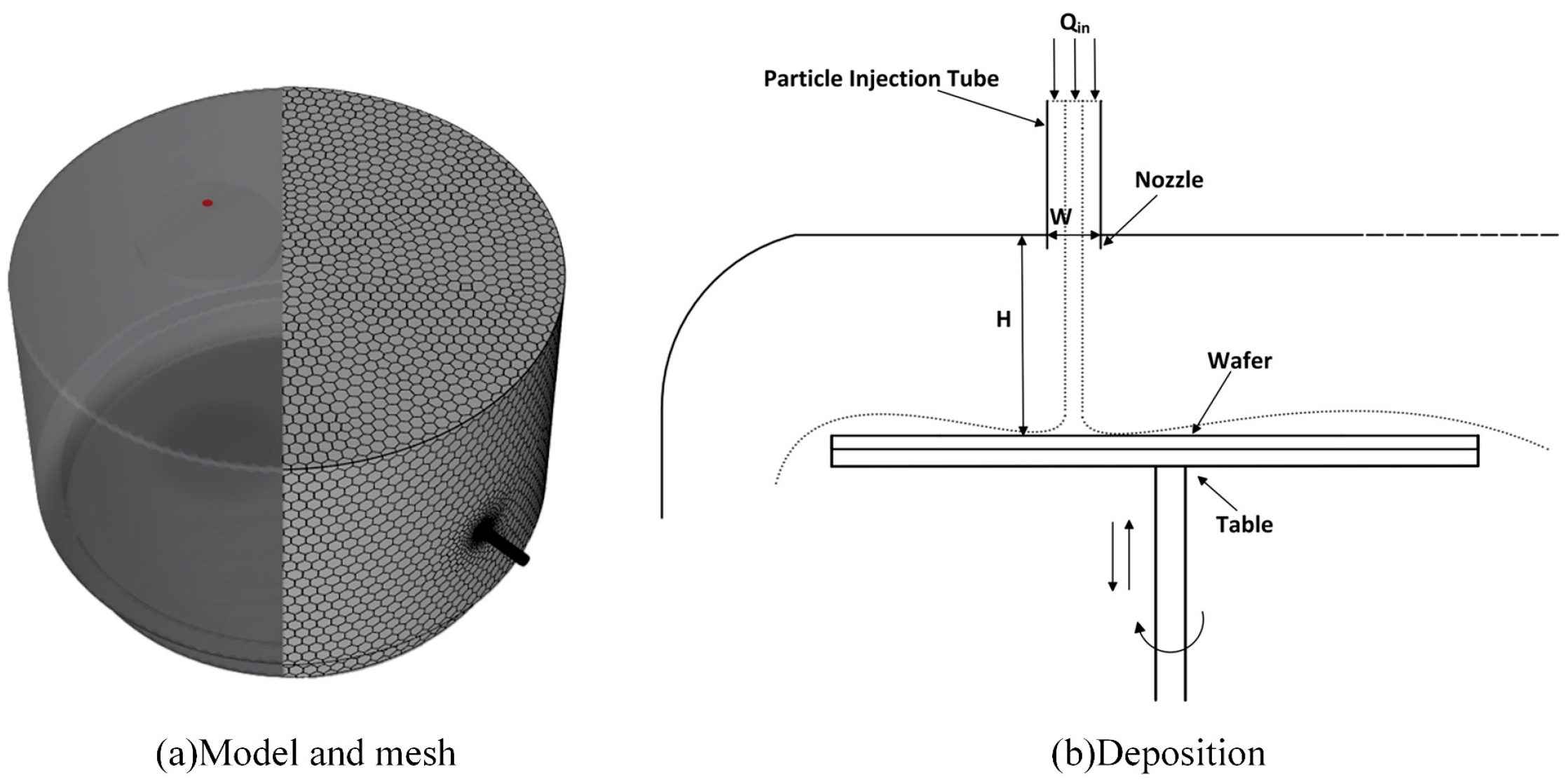
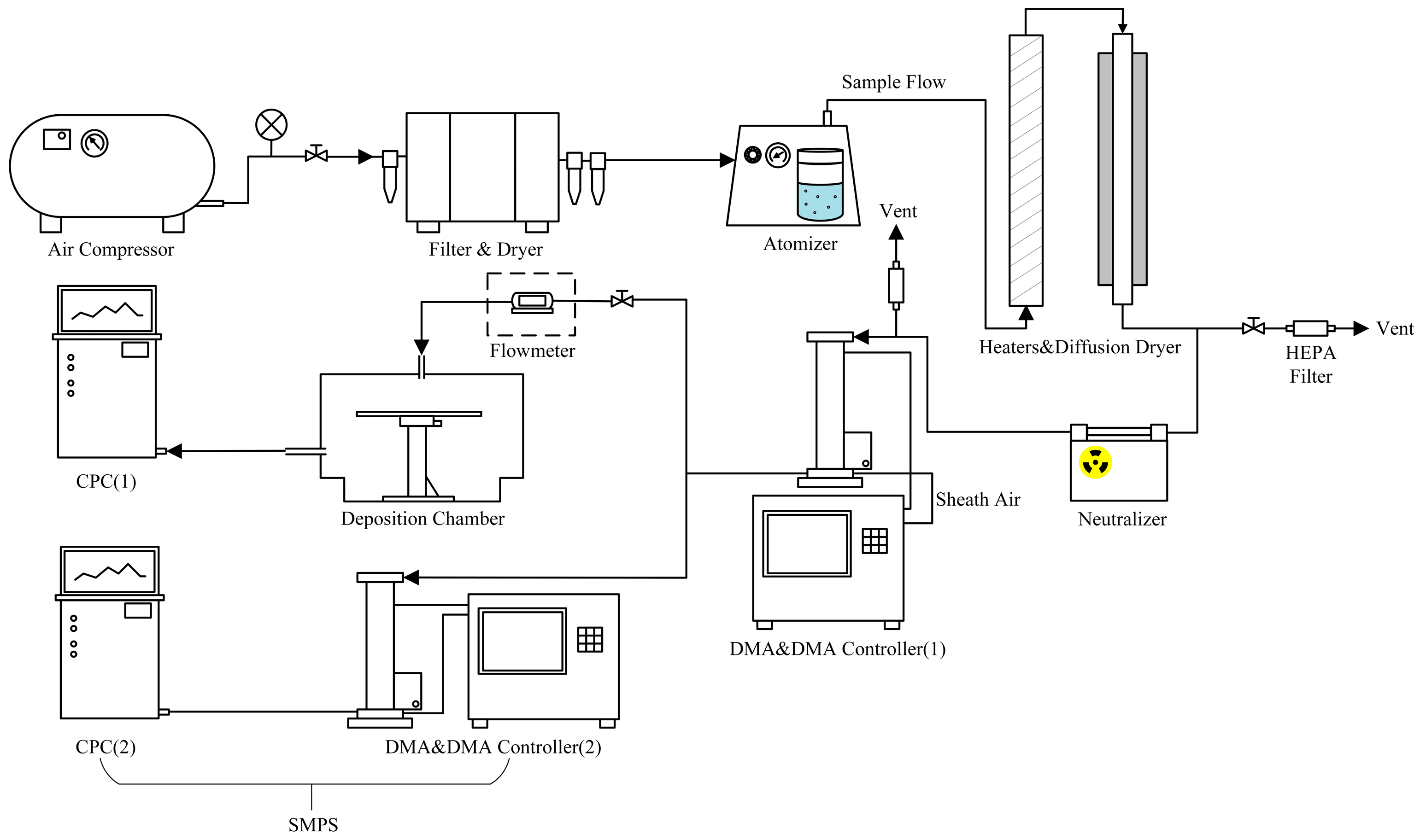
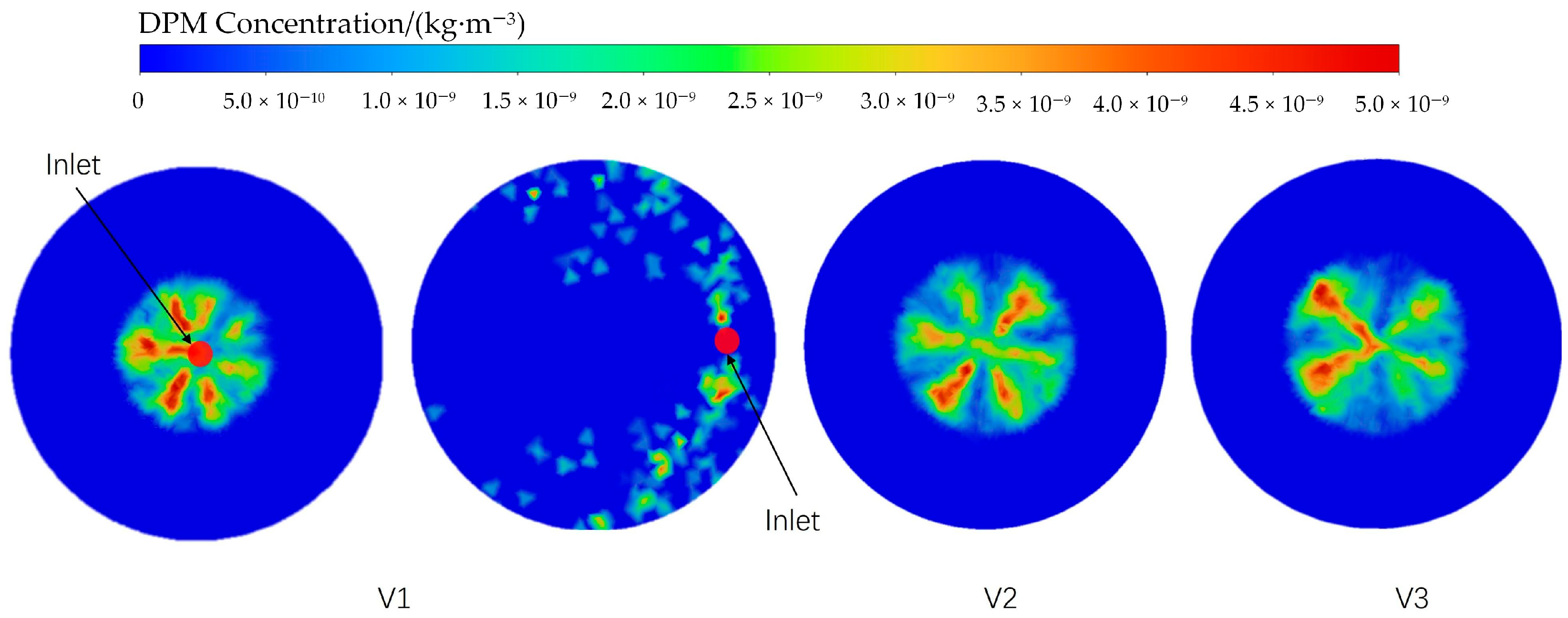
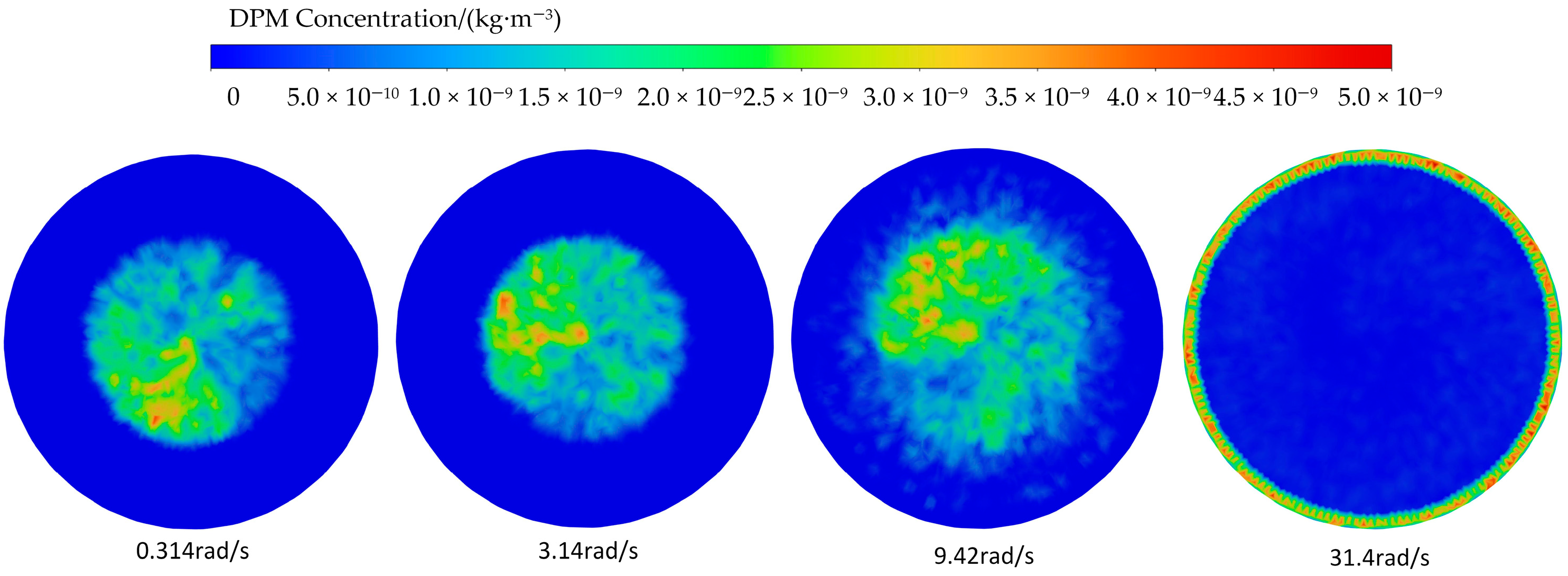
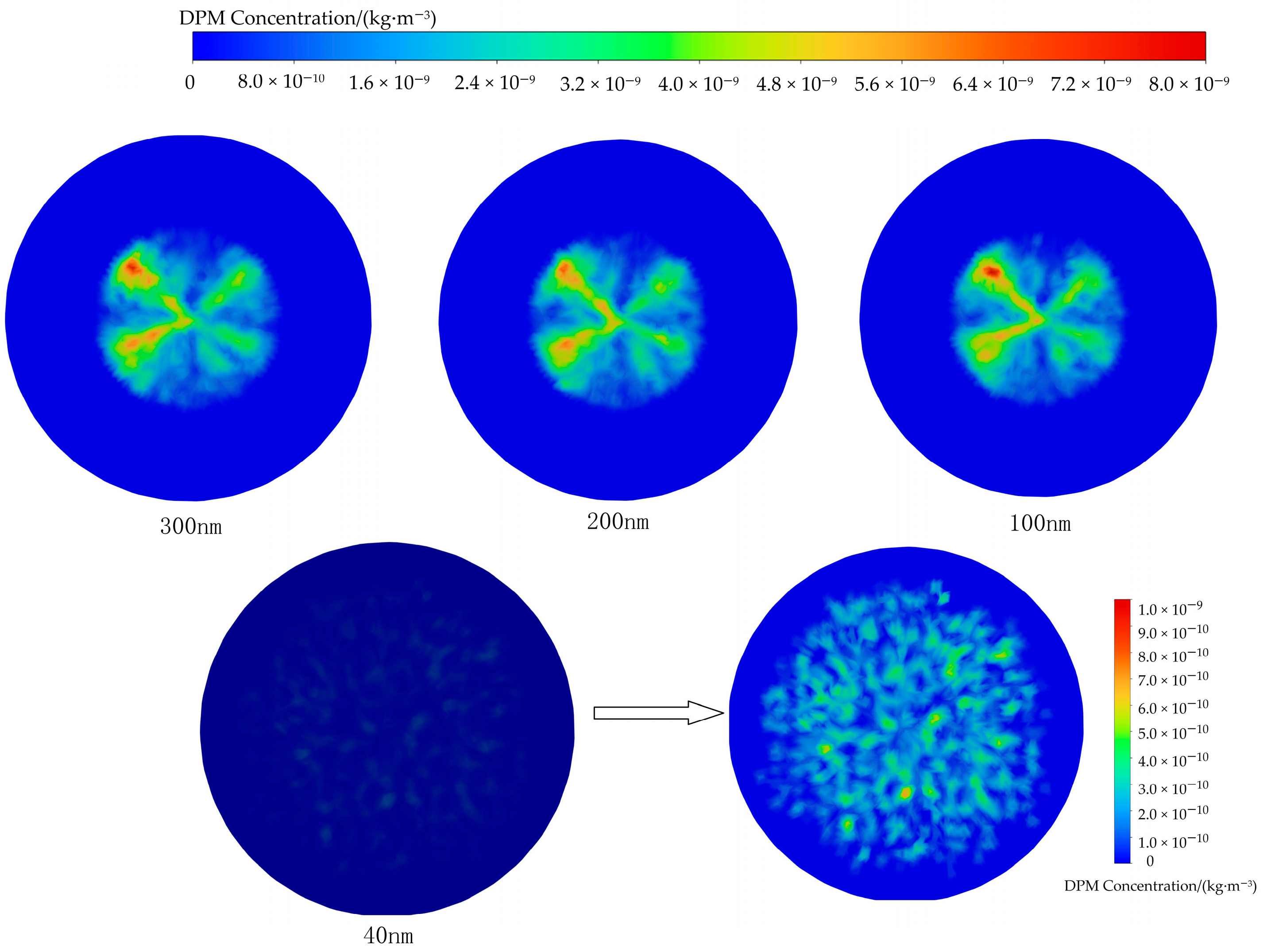
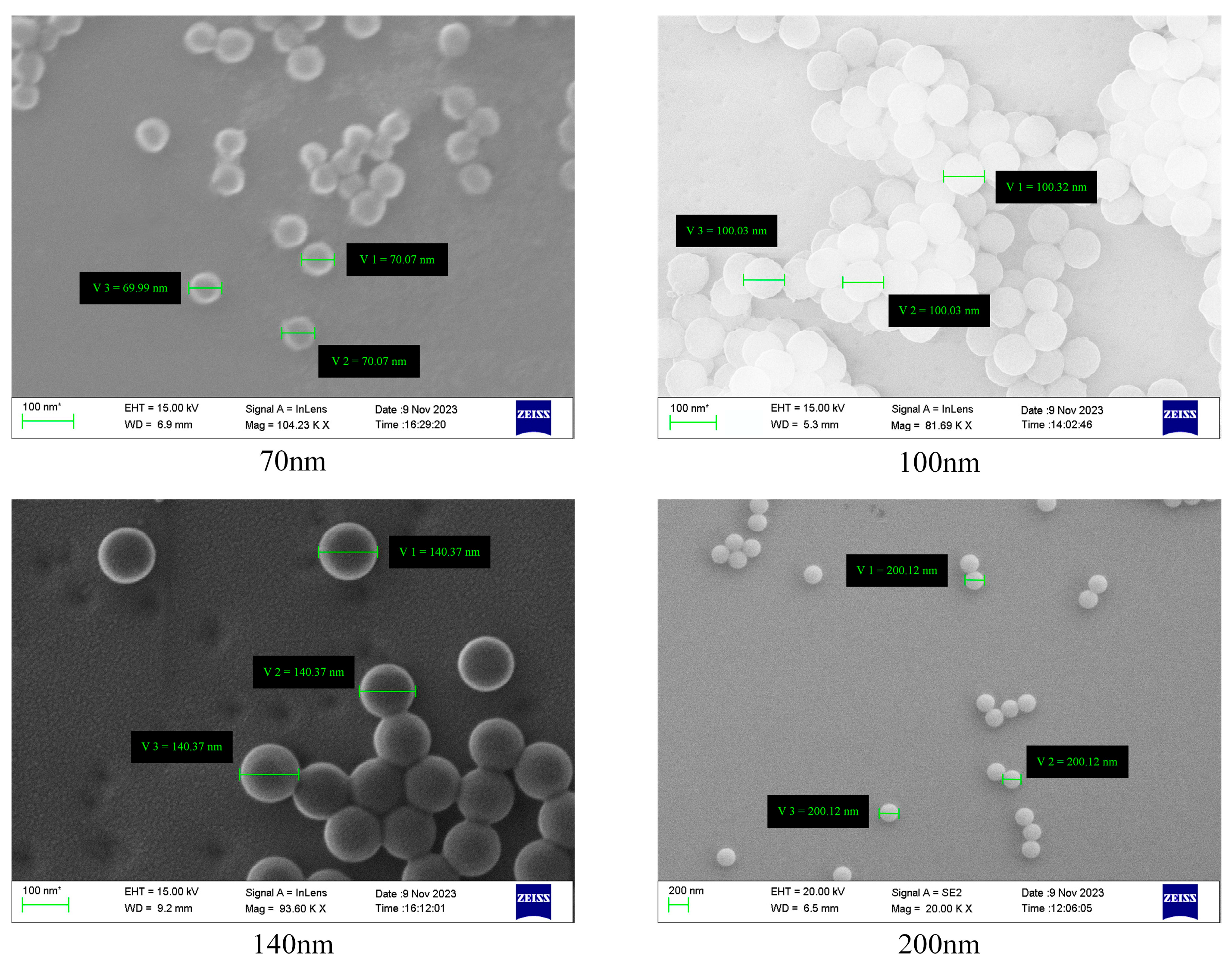
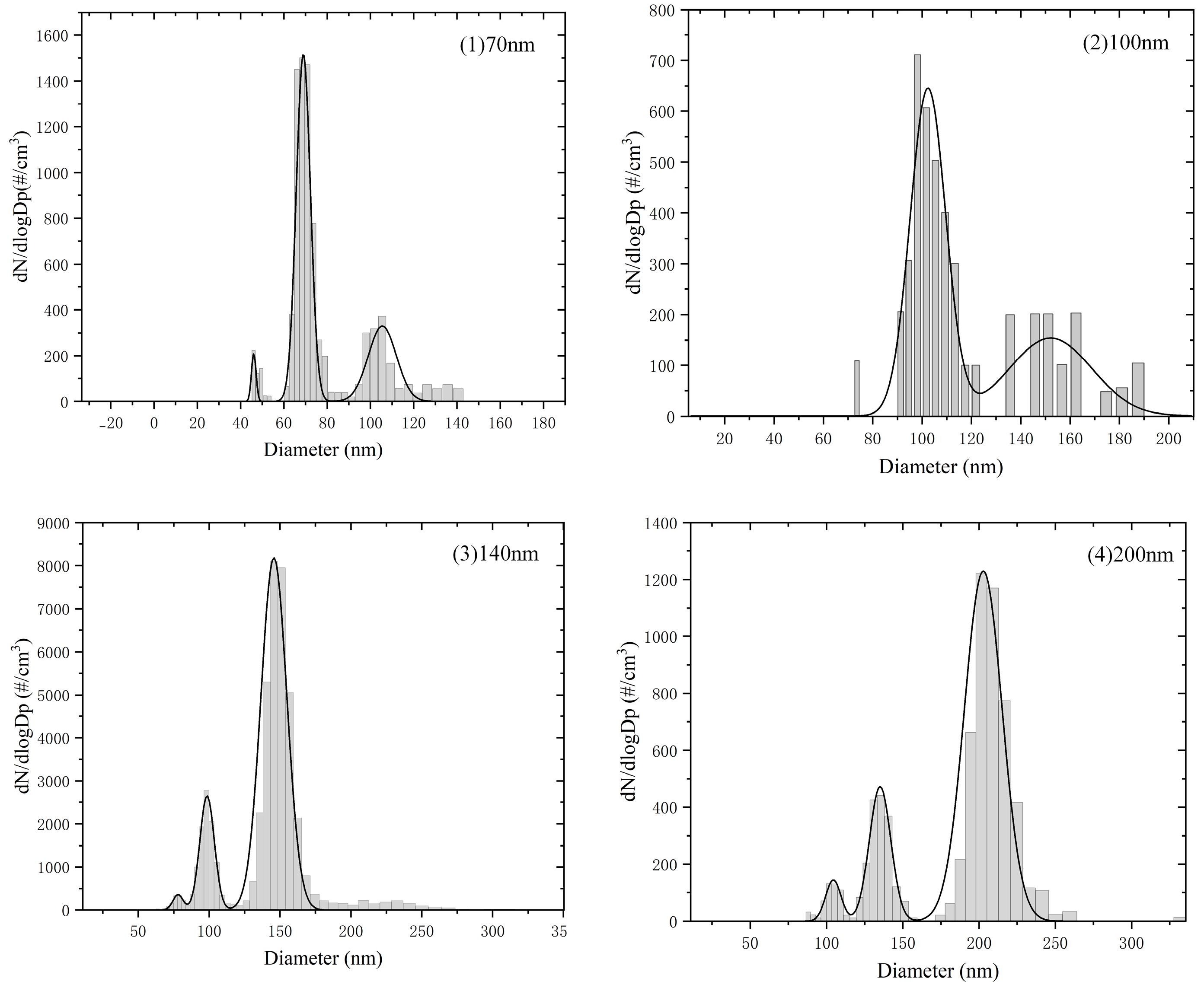
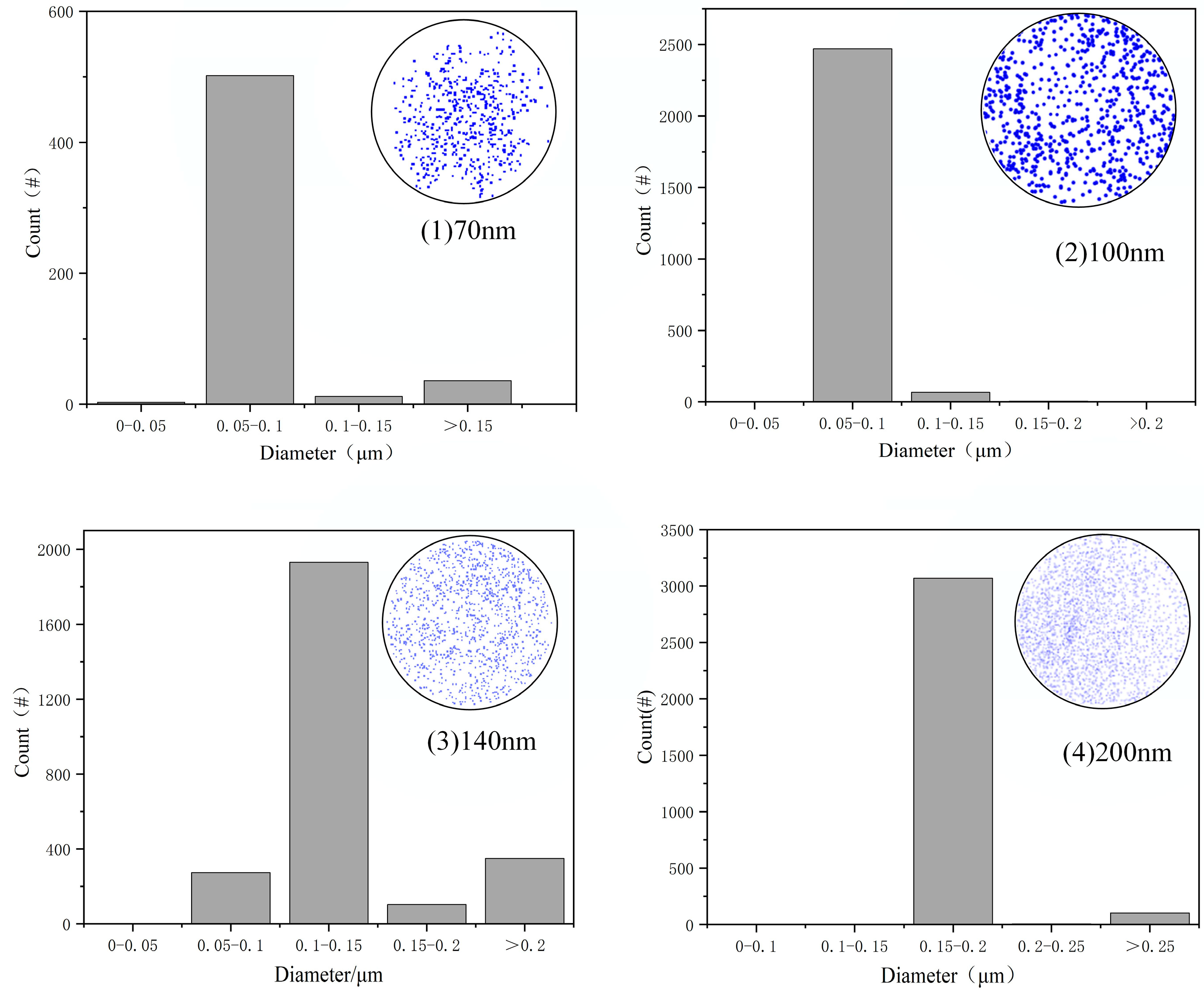
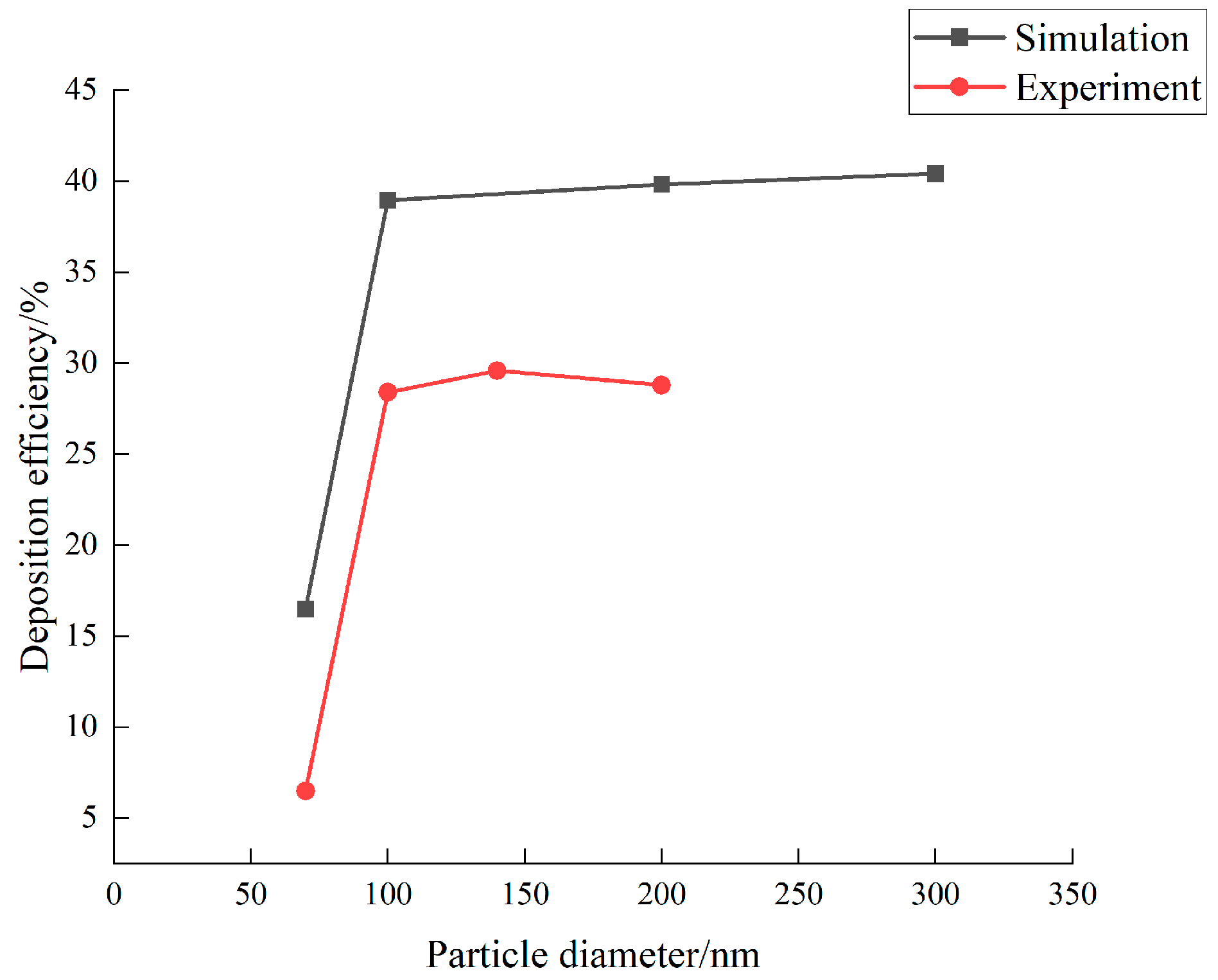
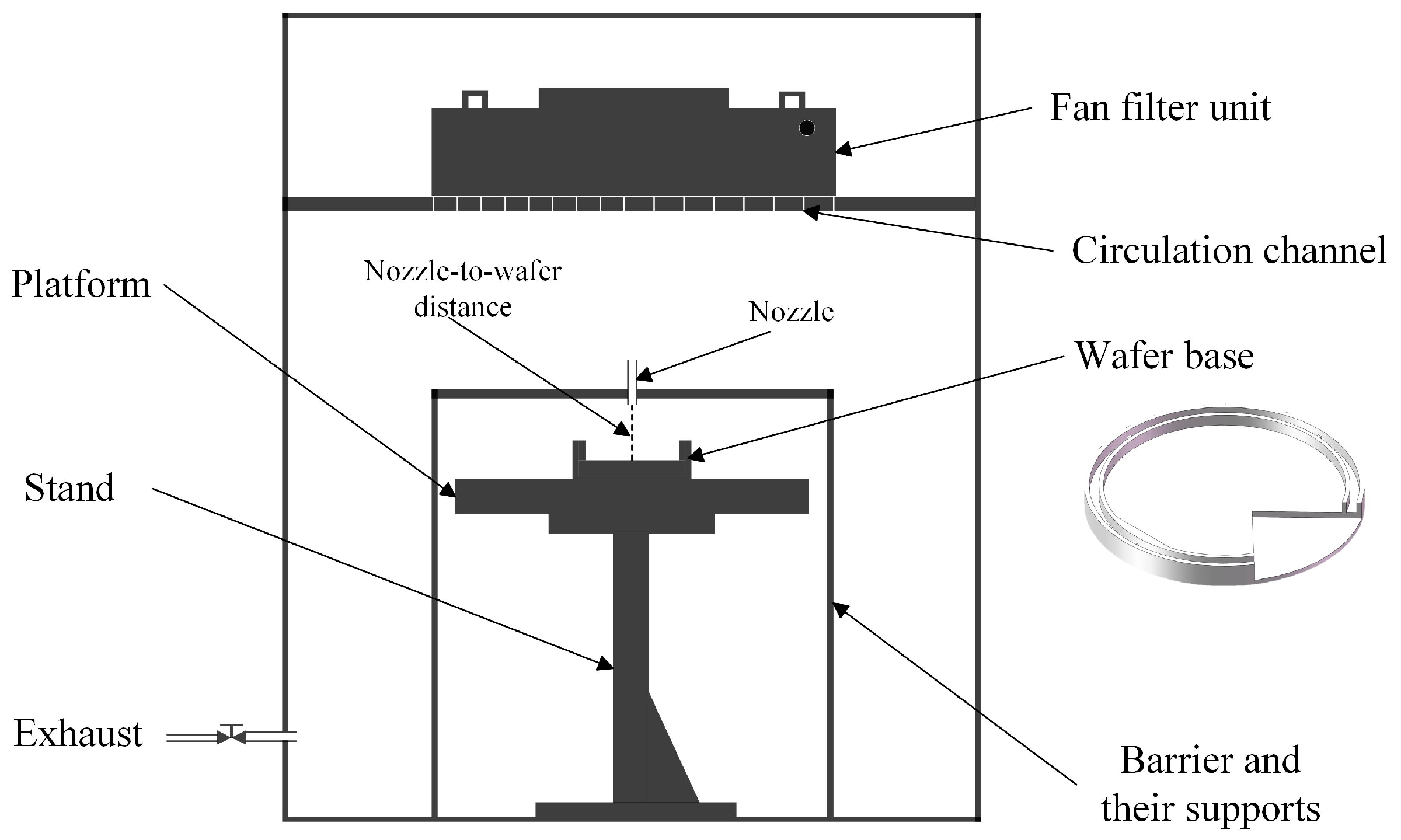
Scanning surface inspection systems (SSISs) require standard wafers (SWs) with traceable particle characteristics for accurate calibration. Achieving controlled particle deposition on wafer surfaces is essential for the fabrication of such SWs. In this study, numerical simulations were conducted using Fluent to systematically investigate the effects of key deposition parameters—including nozzle diameter, nozzle-to-wafer distance, chamber volume, rotation speed, and particle size—on deposition efficiency and uniformity. Based on the simulation results, a generation–deposition system was developed, incorporating a differential mobility classifier (DMC) to produce monodisperse aerosols. The particles used in the experiments were polystyrene latex (PSL) particles with diameters of 70 nm, 100 nm, 140 nm, and 200 nm; the wafers used were 50 mm silicon wafers. Experimental validation was carried out using scanning electron microscopy (SEM) and SSISs. The optimal deposition conditions were identified as a nozzle diameter of 4 mm, nozzle-to-wafer distance of 15 mm, chamber volume greater than 657 cm3, and a rotation speed of 0.314 rad/s. Under these unified parameters, particles with diameters ≥100 nm could be effectively deposited, while smaller particles required additional adjustments. The developed system enables the preparation of SW with traceable particle sizes and uniform deposition, fulfilling the fundamental requirements for SSIS calibration.
Keywords: monodisperse aerosol; numerical simulation; particle deposition; standard wafers; scanning surface inspection systems monodisperse aerosol; numerical simulation; particle deposition; standard wafers; scanning surface inspection systems