Article

Kinematic Analysis of Short and Long Services in Table Tennis

by
Ziemowit Bańkosz
1,*,
Sławomir Winiarski
2 and
Ivan Malagoli Lanzoni
3
1
Division of Sports Didactics, Wroclaw University of Health and Sport Sciences, 51-612 Wroclaw, Poland
2
Division of Biomechanics, Wroclaw University of Health and Sport Sciences, 51-612 Wroclaw, Poland
3
Department for Life Quality Studies, University of Bologna, 47927 Rimini, Italy
*
Author to whom correspondence should be addressed.
Appl. Sci. 2025, 15(1), 470; https://doi.org/10.3390/app15010470
Submission received: 7 November 2024 / Revised: 17 December 2024 / Accepted: 5 January 2025 / Published: 6 January 2025
(This article belongs to the Special Issue Advances in Sports Training and Biomechanics)

Featured Application

The work is recommended for table tennis coaches and players. It presents models of performing two types of serves (short and long), indicates the most important elements of movement that differentiate these serves, and suggests the principle of individualization of sports training.

Abstract

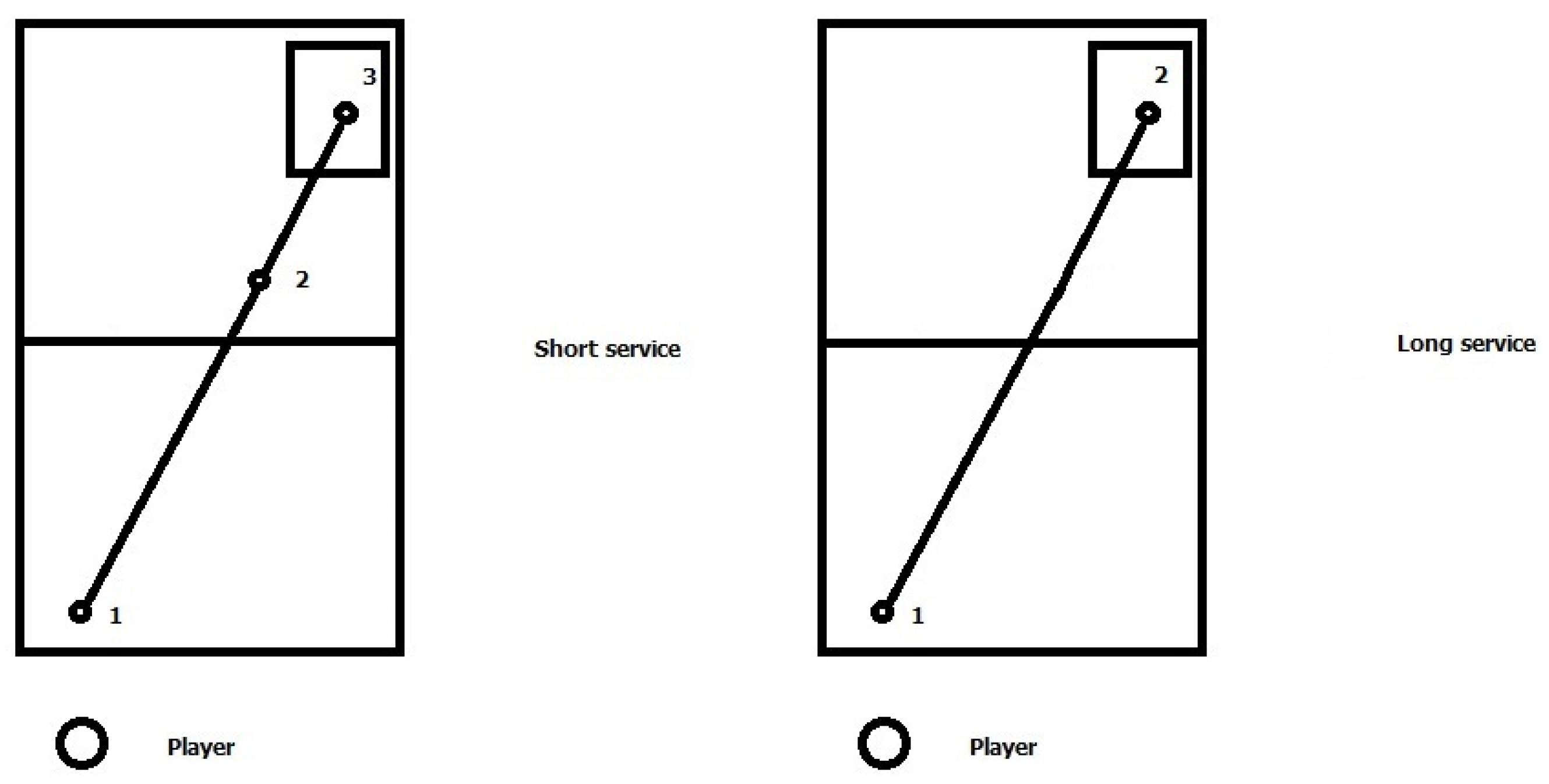
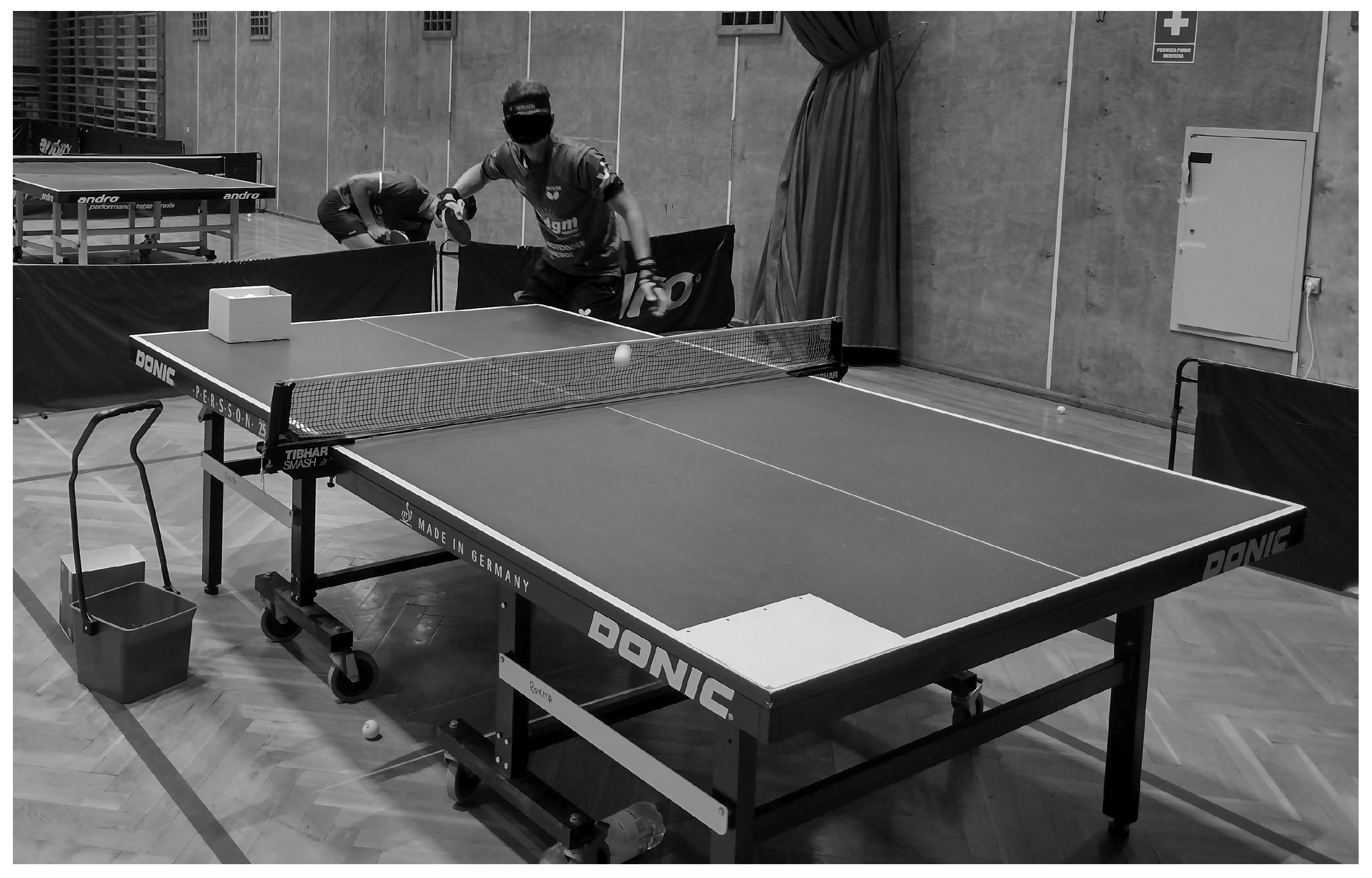
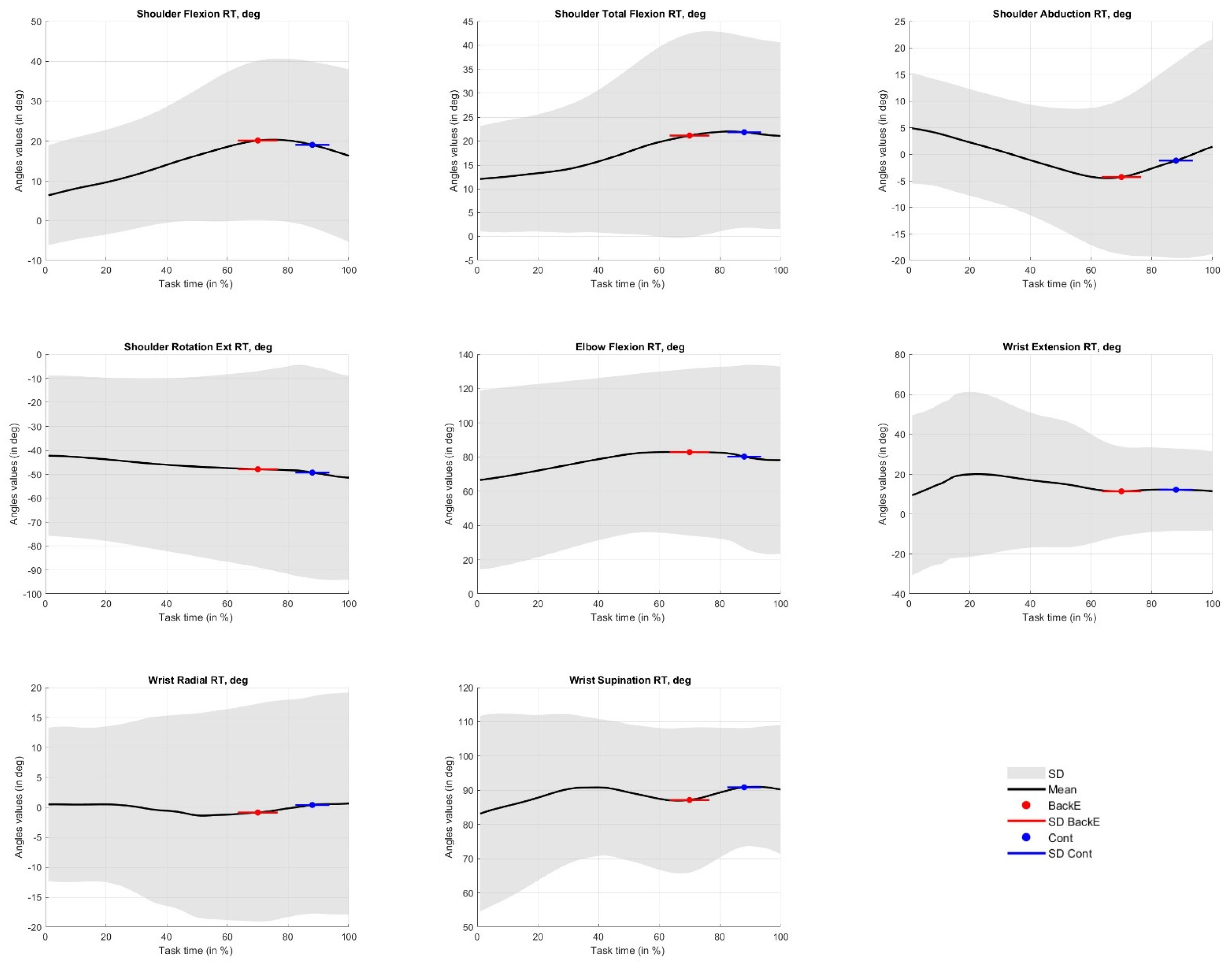
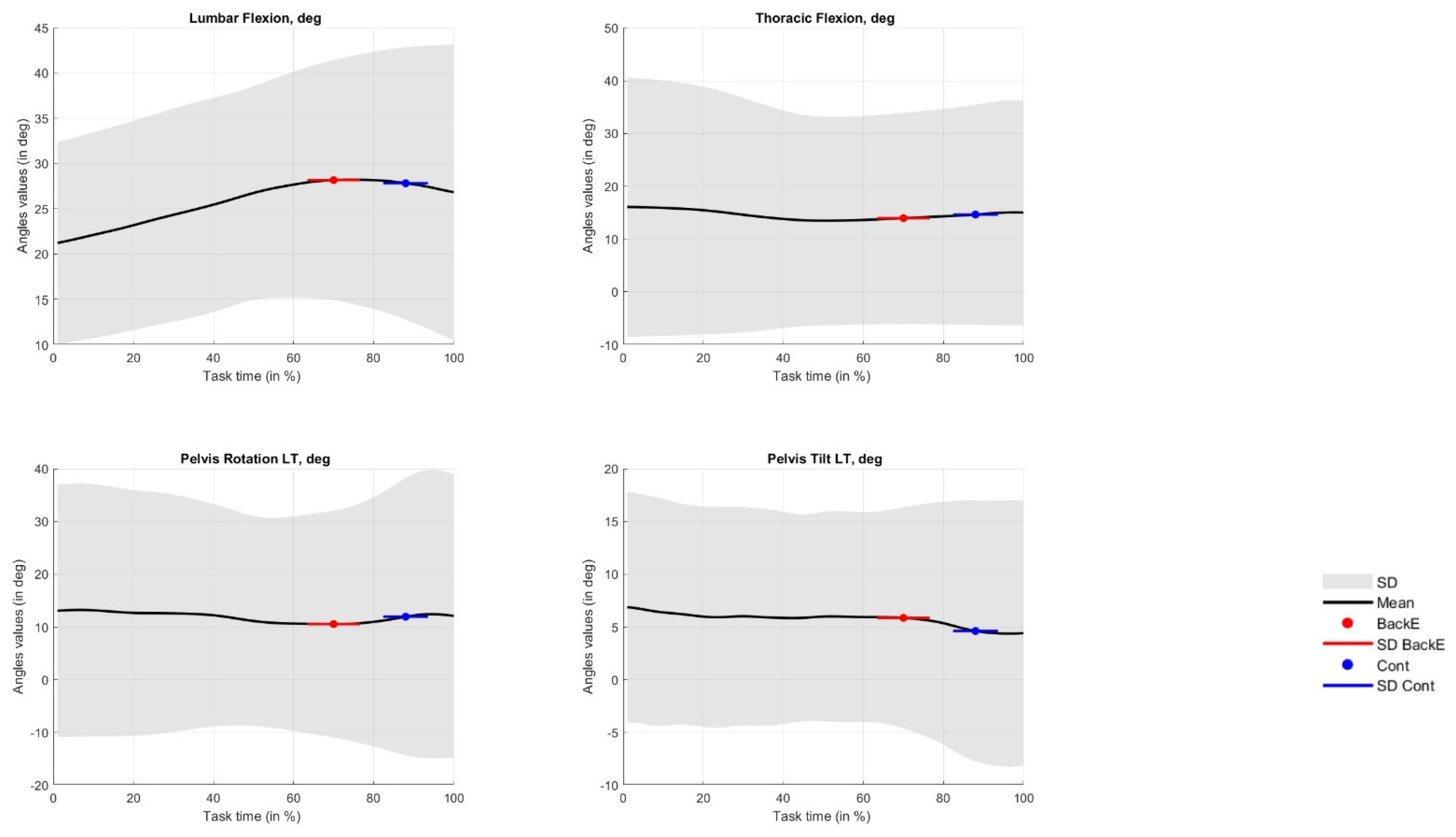
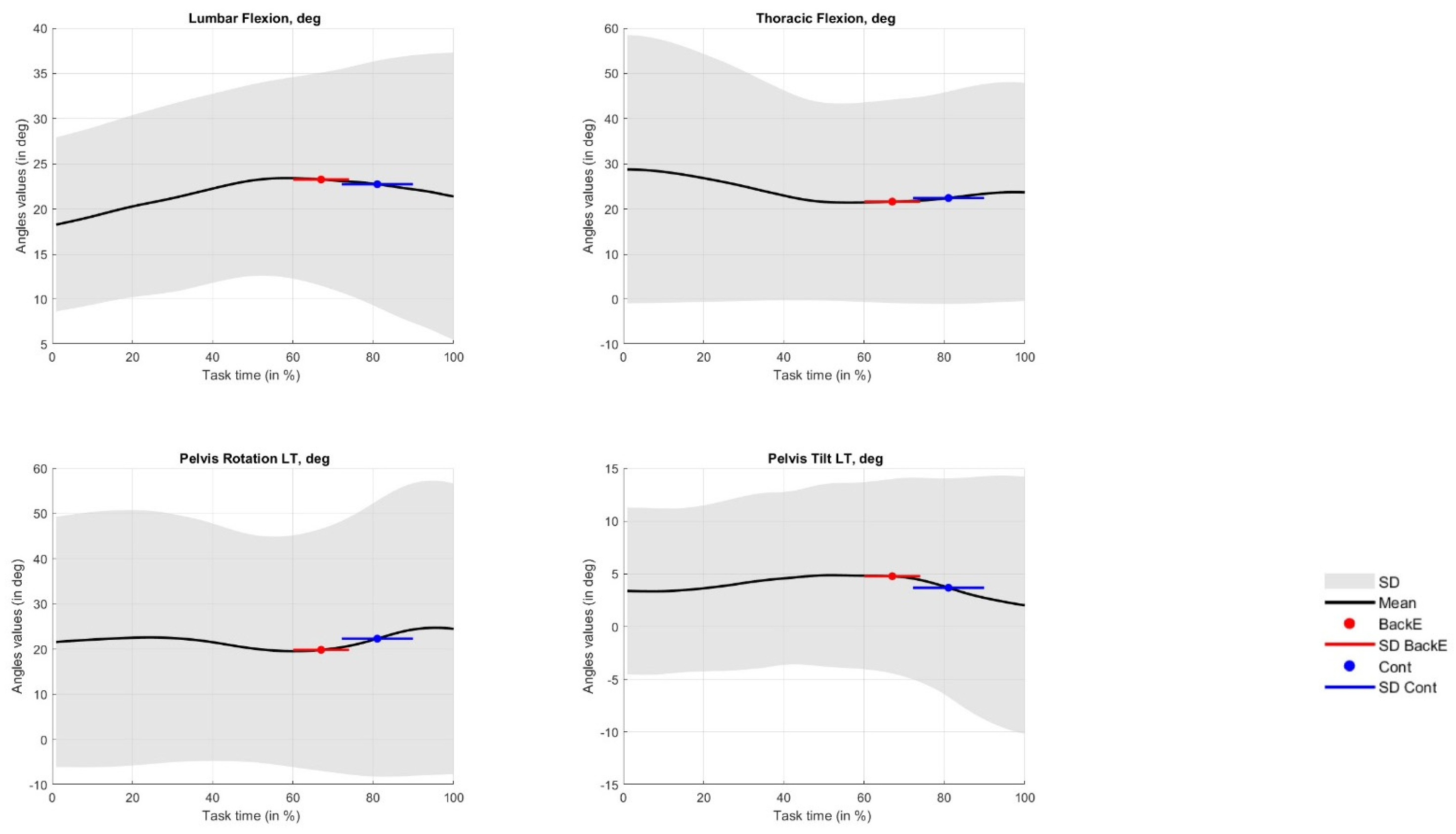
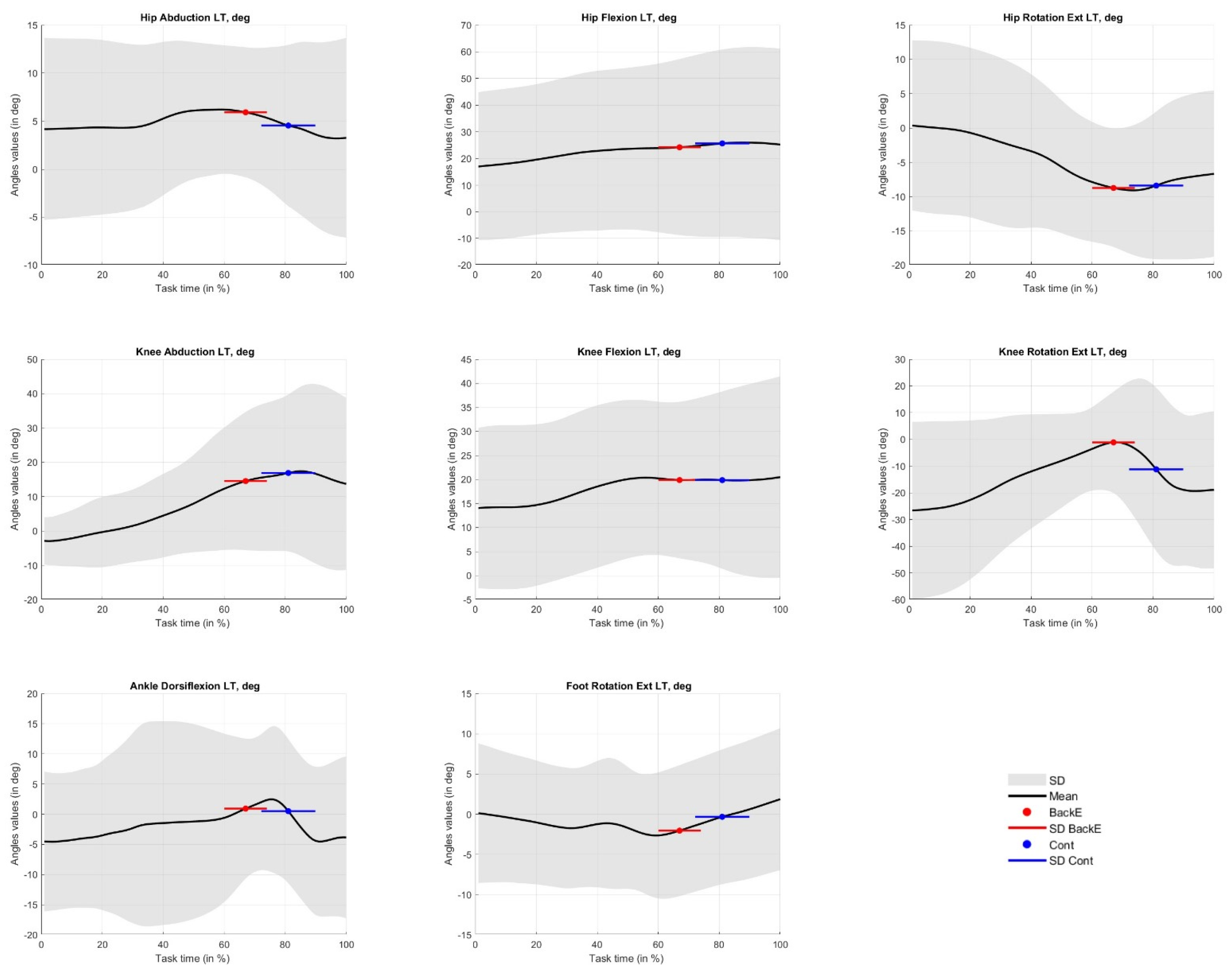
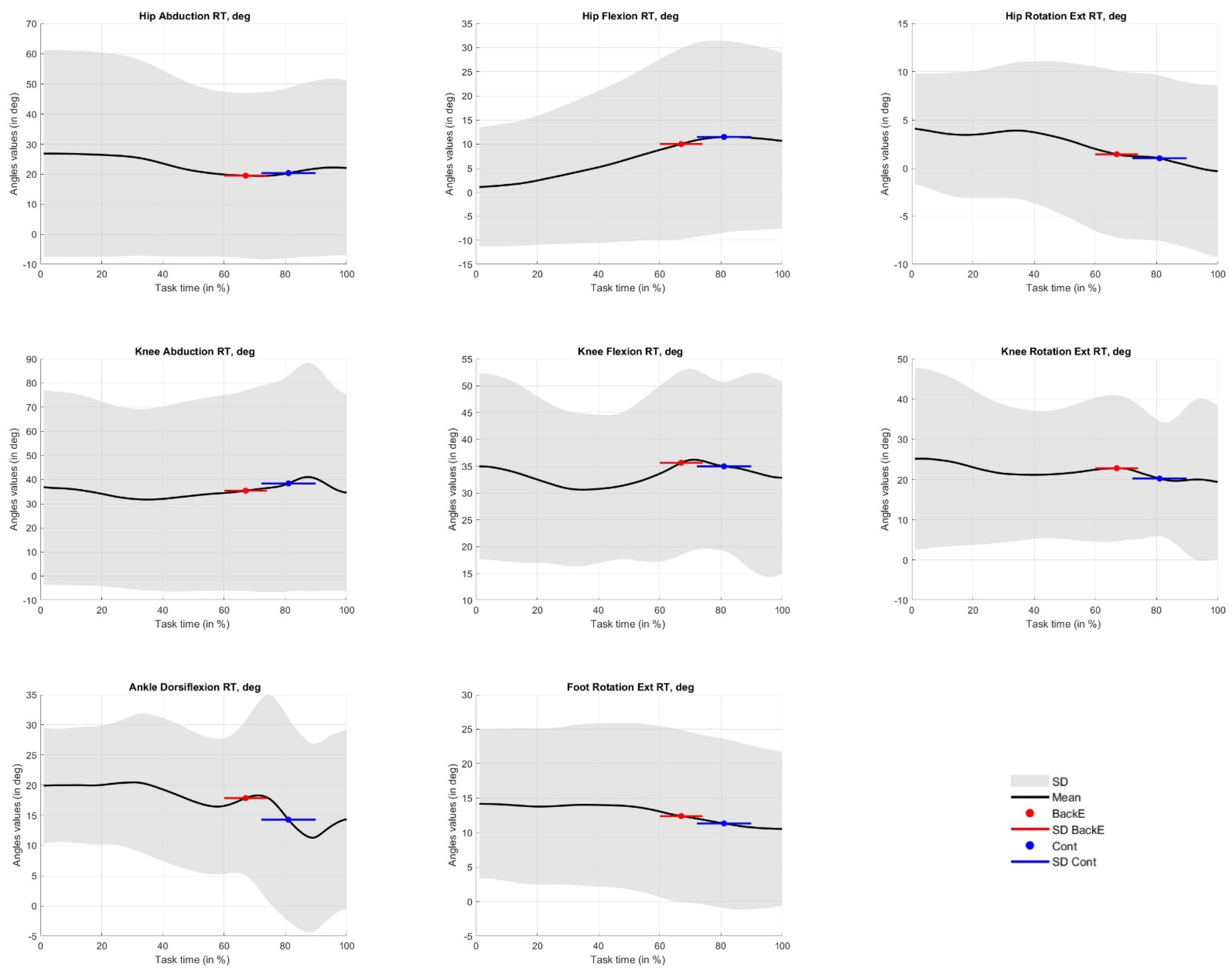
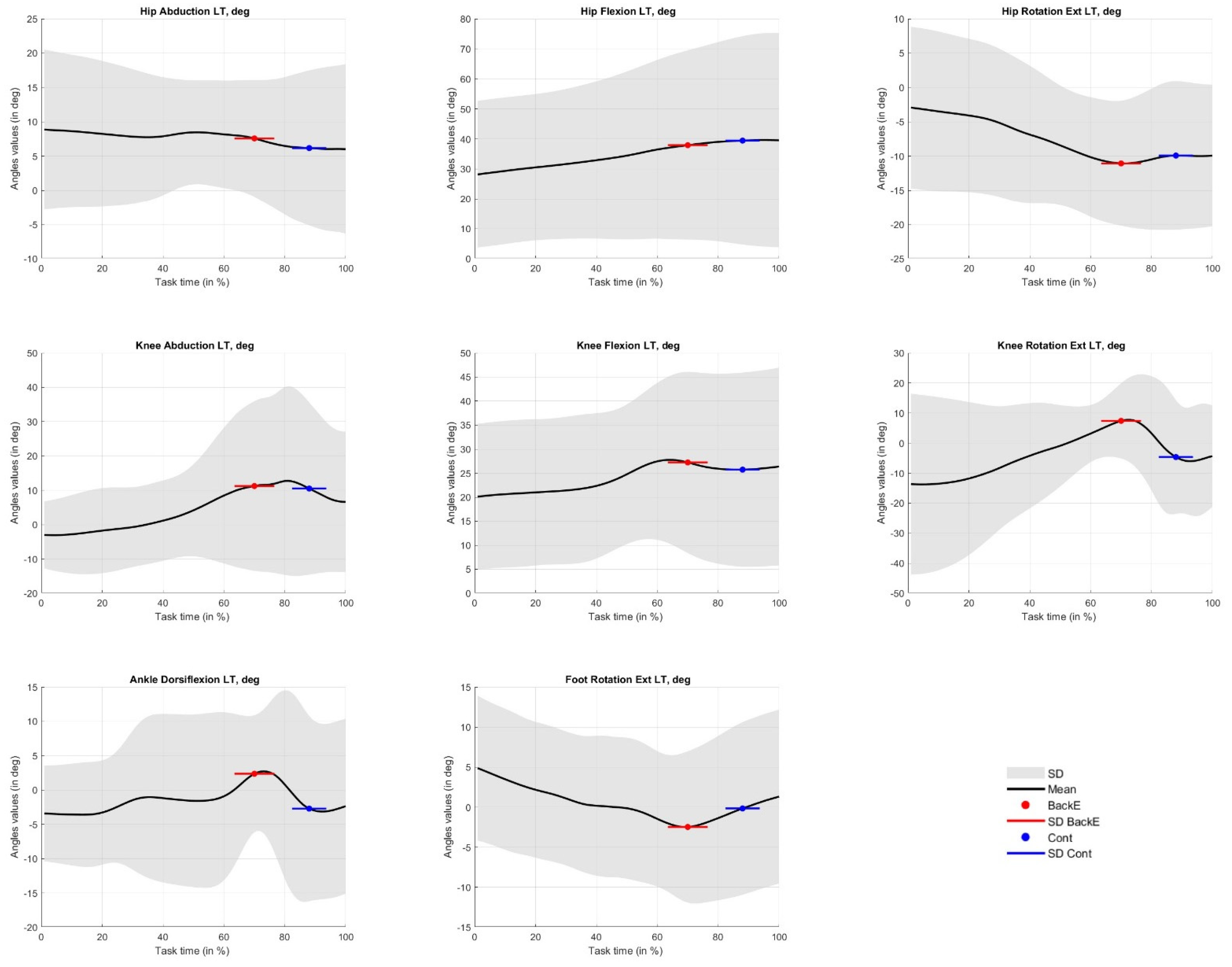
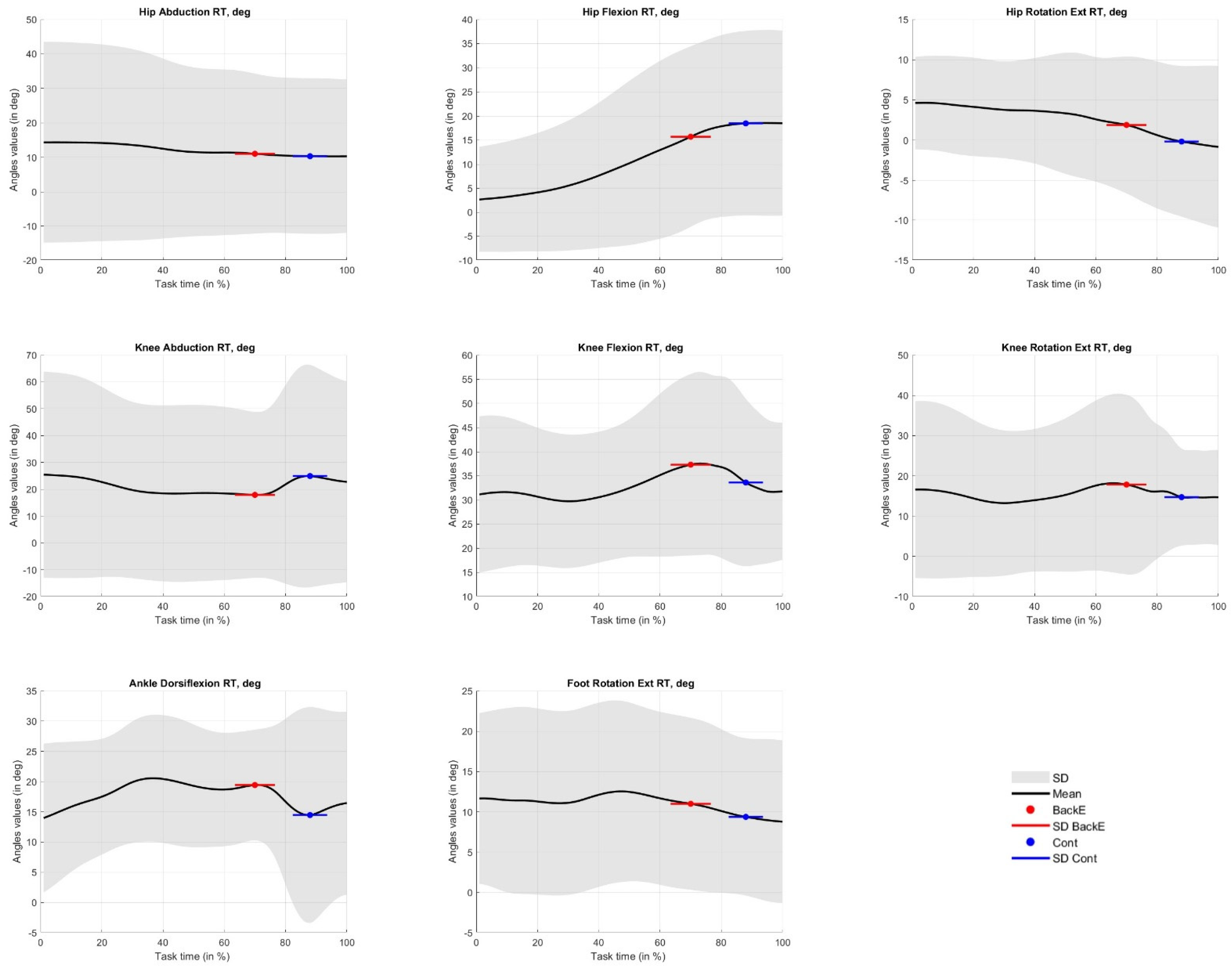
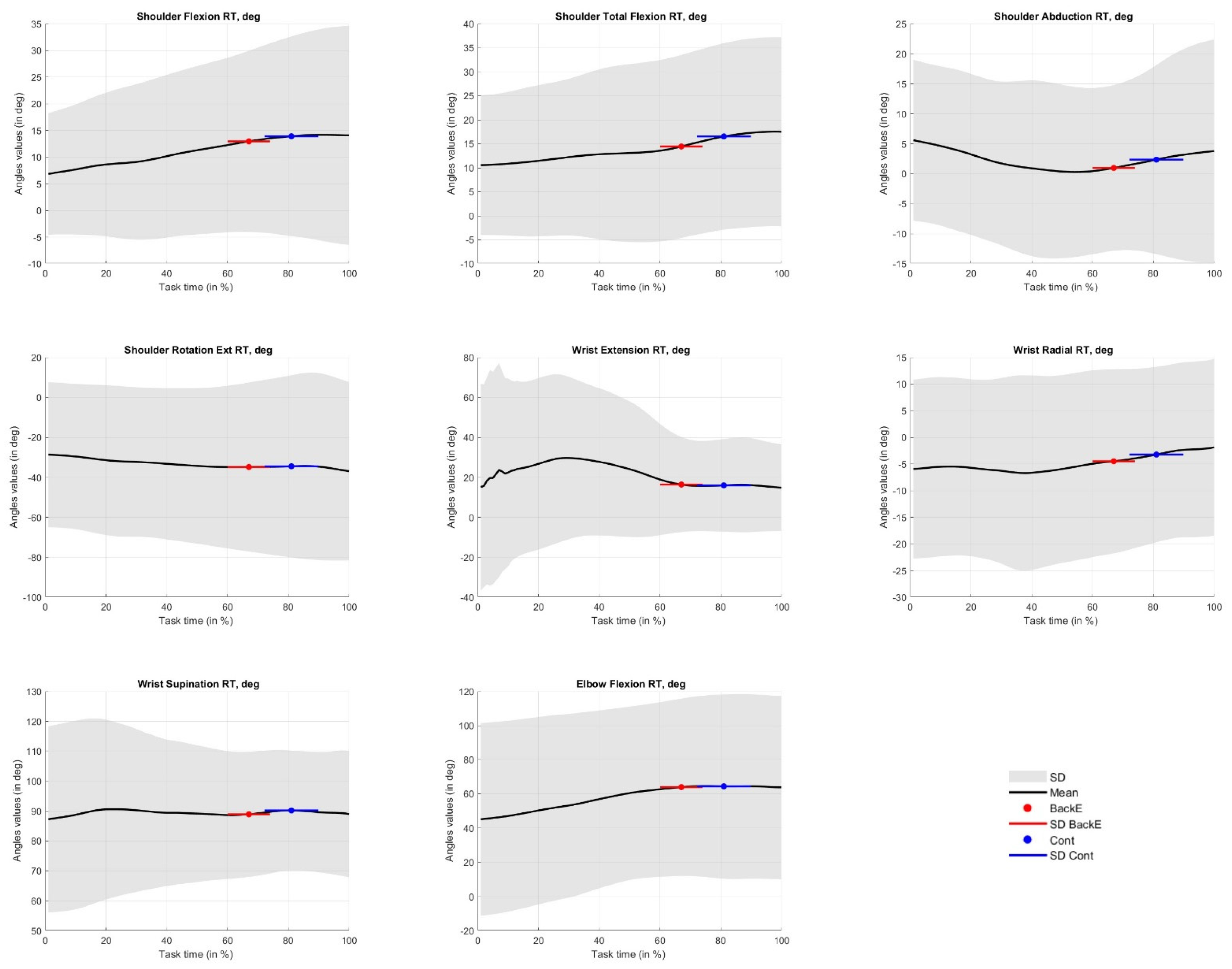
Background: The kinematics of table tennis is a growing topic of scientific research. This study aimed to assess the kinematics and determine the coordination of the movements of most body segments during the execution of two types of serves (short and long) in table tennis, as well as to indicate the main differences between these serves when performed by high-level athletes. Methods: The study involved 15 male table tennis players. Each participant performed two tasks, performing short and long forehand serves with back-sidespin rotation, with up to 10 hits in the designated field for each type. The players’ movements were registered using an IMU system. Results and Conclusion: The research allowed for the development of a model for executing two types of serves in table tennis. The differences between short and long serves were mainly in the ranges of movement and angular velocities (higher for long serves). These were found in the shoulder rotation, elbow joint and wrist joint (primarily the flexion–extension movement), hand supination, and movement in the elbow joint, which also played an important role. Coaches and players should seriously consider these joints and movements in the training process. In the coordinated movement of the performed serves, a phenomenon of movement variability was observed, manifested by a large variability in execution and a low variability in the maximum speeds of the hand with the racket.
Keywords: biomechanics; kinematics; table tennis; services; variability biomechanics; kinematics; table tennis; services; variability