Article

A Deep Learning-Based Mapping Model for Three-Dimensional Propeller RANS and LES Flow Fields


1
China Ship Scientific Research Center, No. 265 Shanshui East Road, Wuxi 214082, China
2
Taihu Laboratory of Deepsea Technology Science, Shanshui East Road, Wuxi 214082, China
3
School of Artificial Intelligence and Computer Science, Jiangnan University, Lihu Avenue, Wuxi 214122, China
*
Author to whom correspondence should be addressed.
Appl. Sci. 2025, 15(1), 460; https://doi.org/10.3390/app15010460
Submission received: 25 November 2024 / Revised: 26 December 2024 / Accepted: 4 January 2025 / Published: 6 January 2025

Abstract

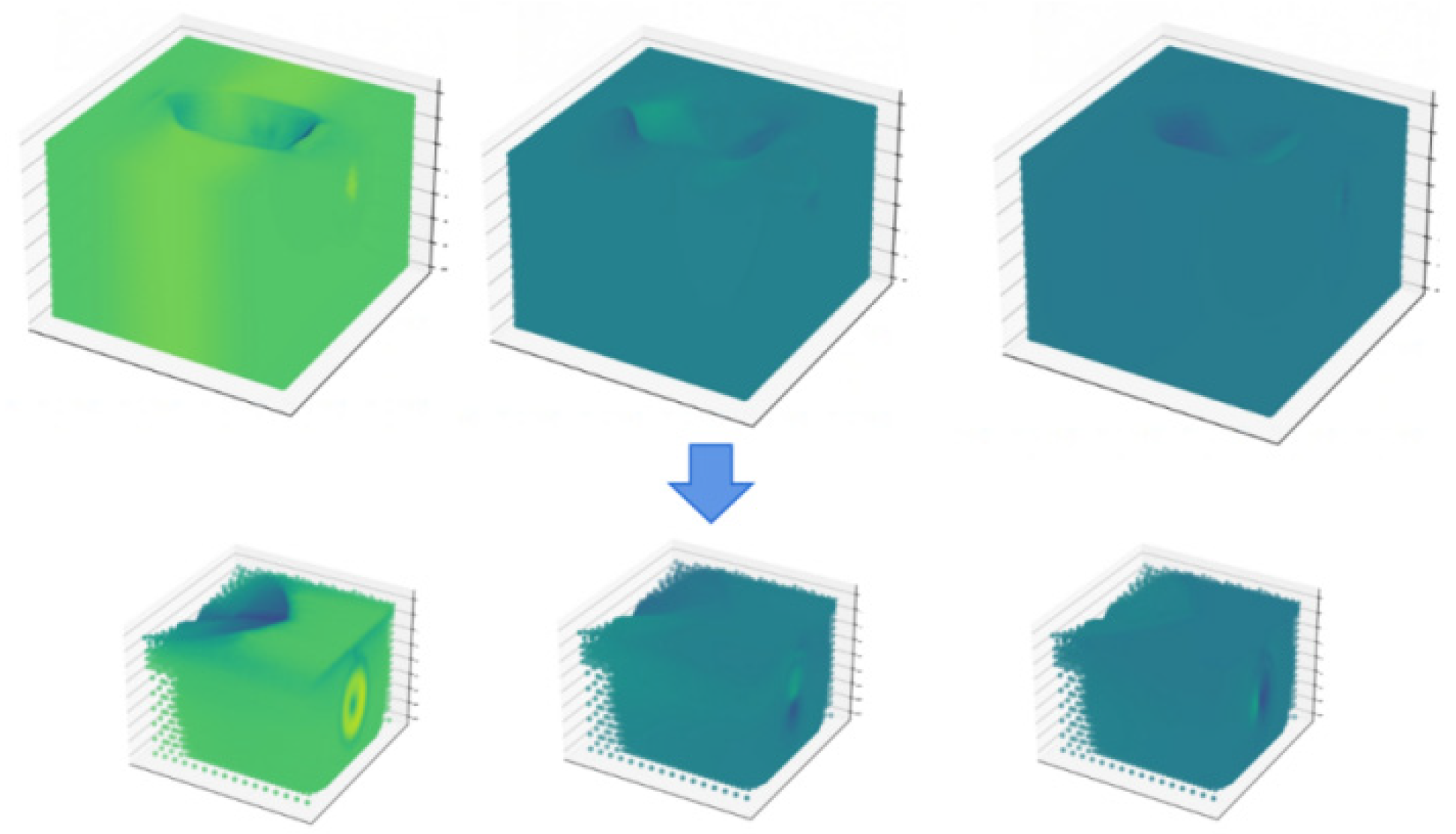
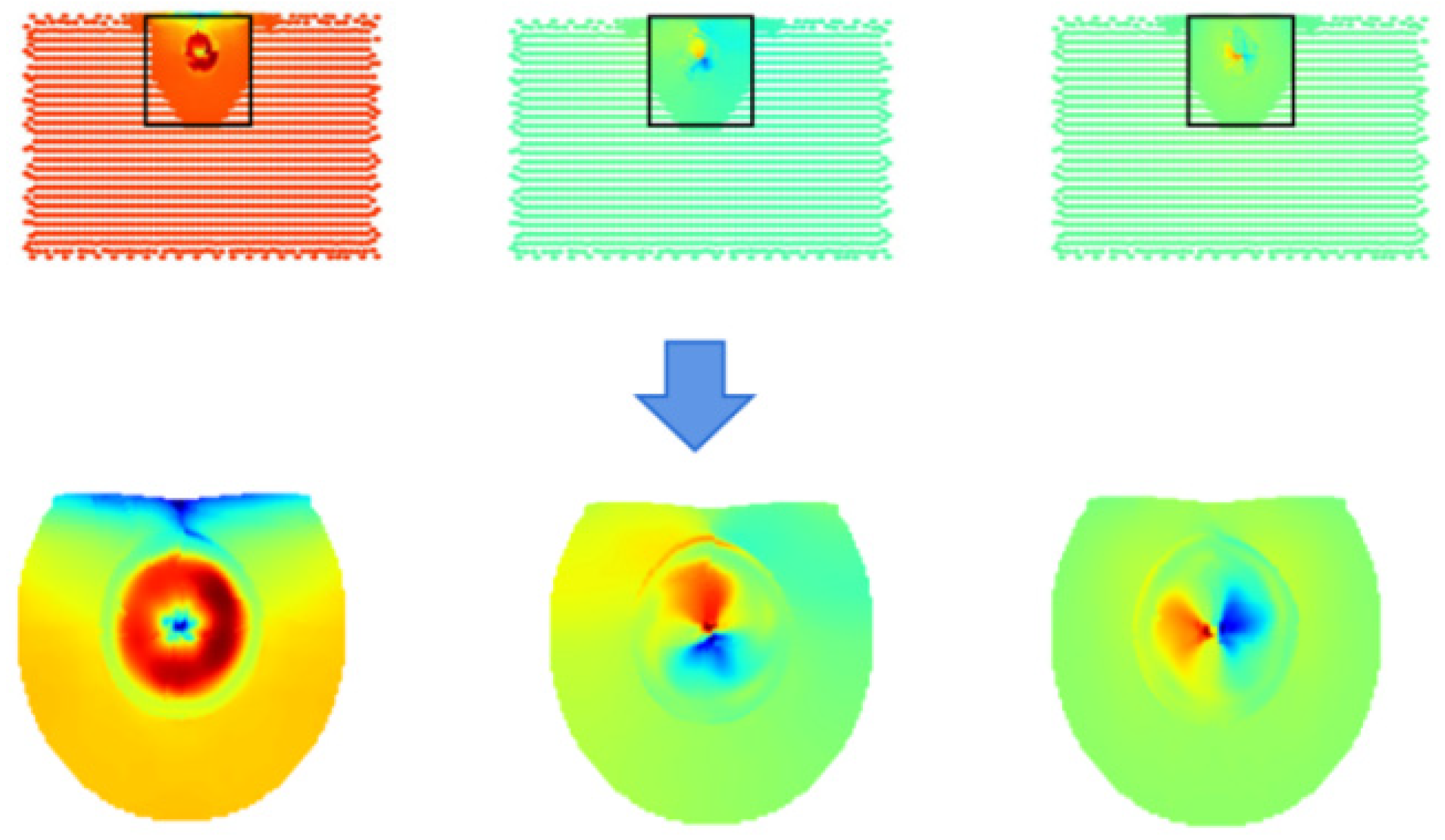
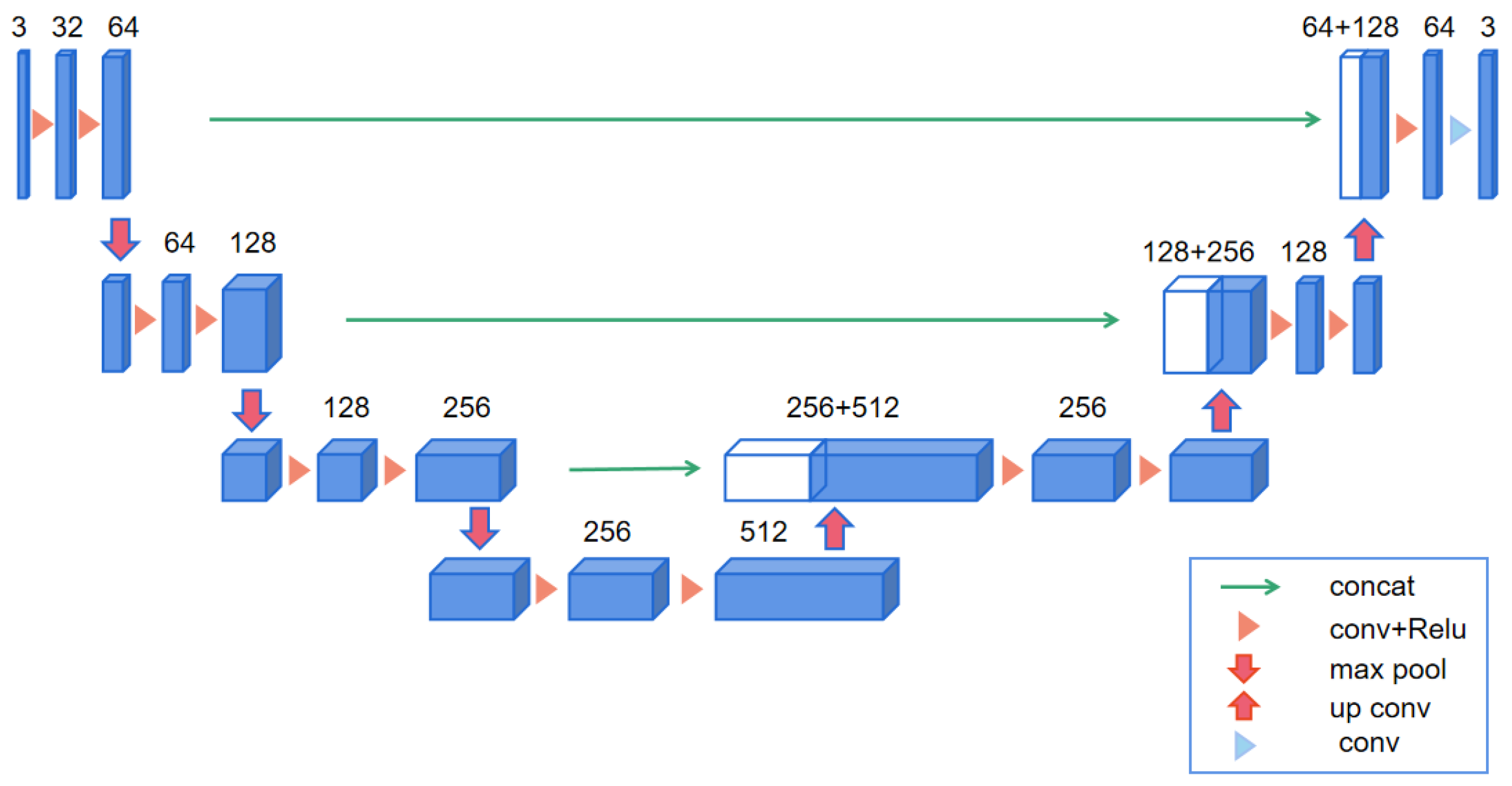
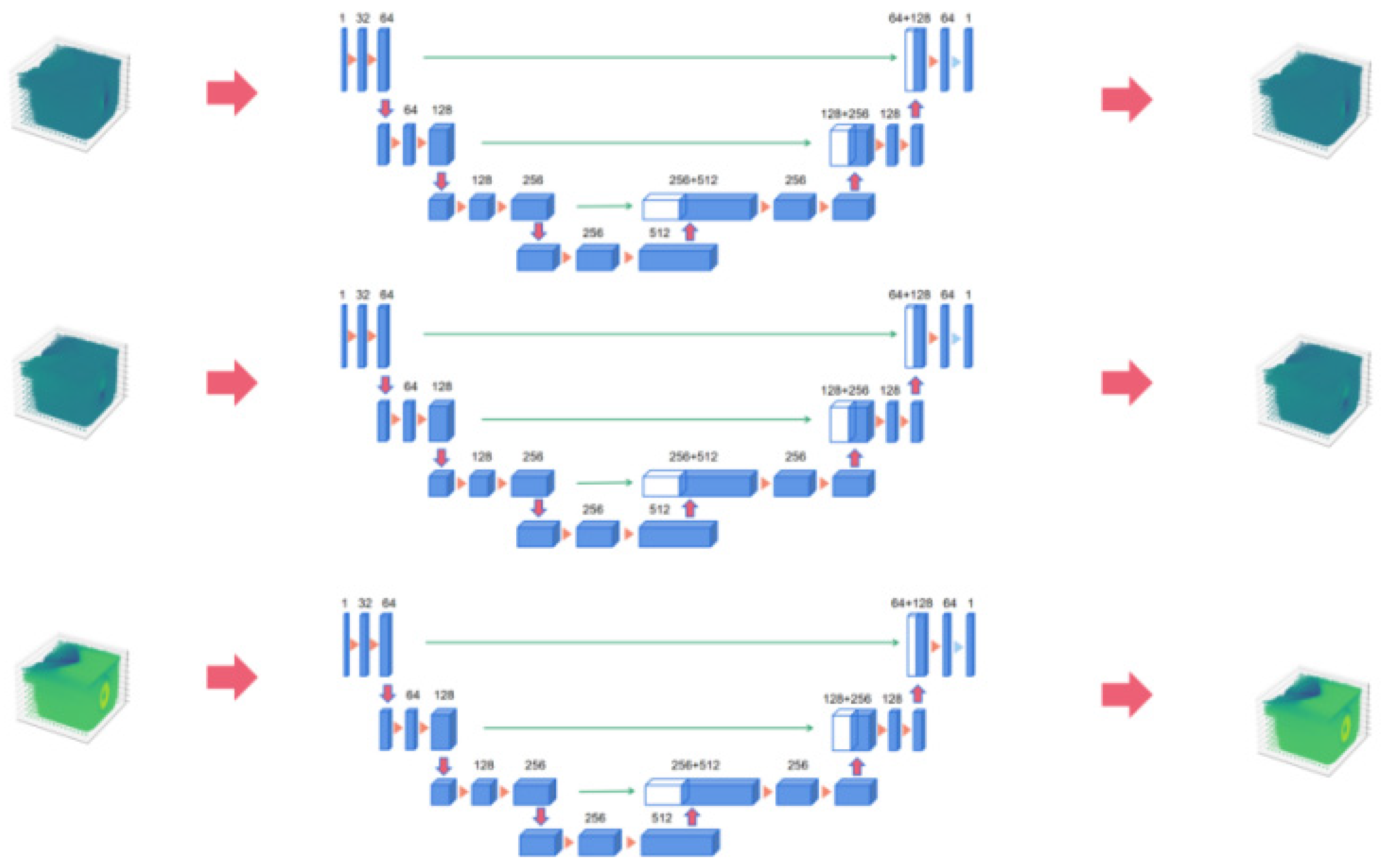
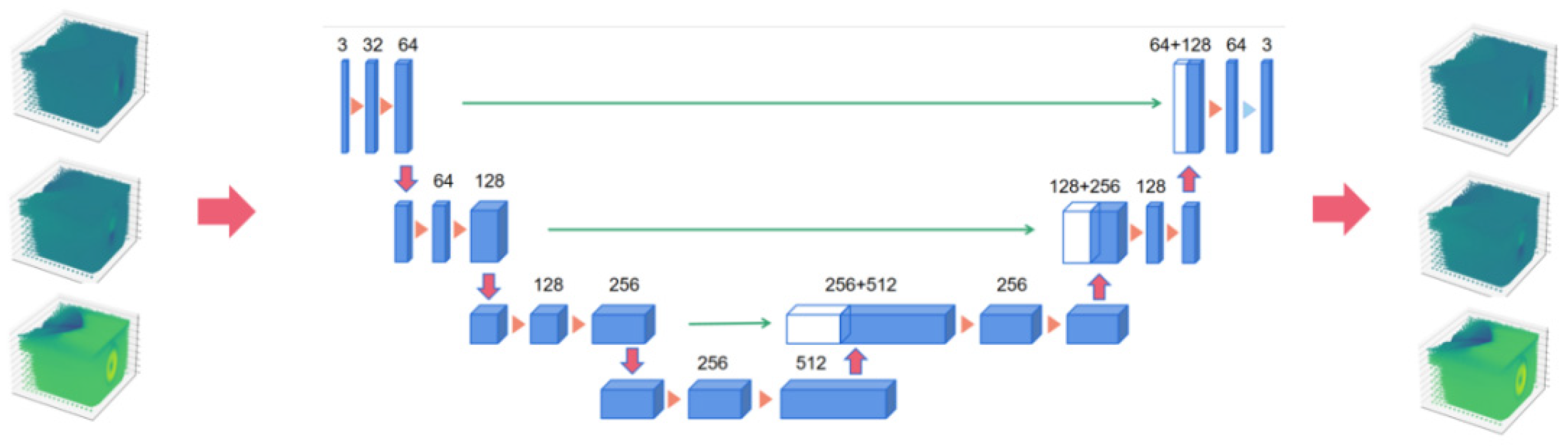
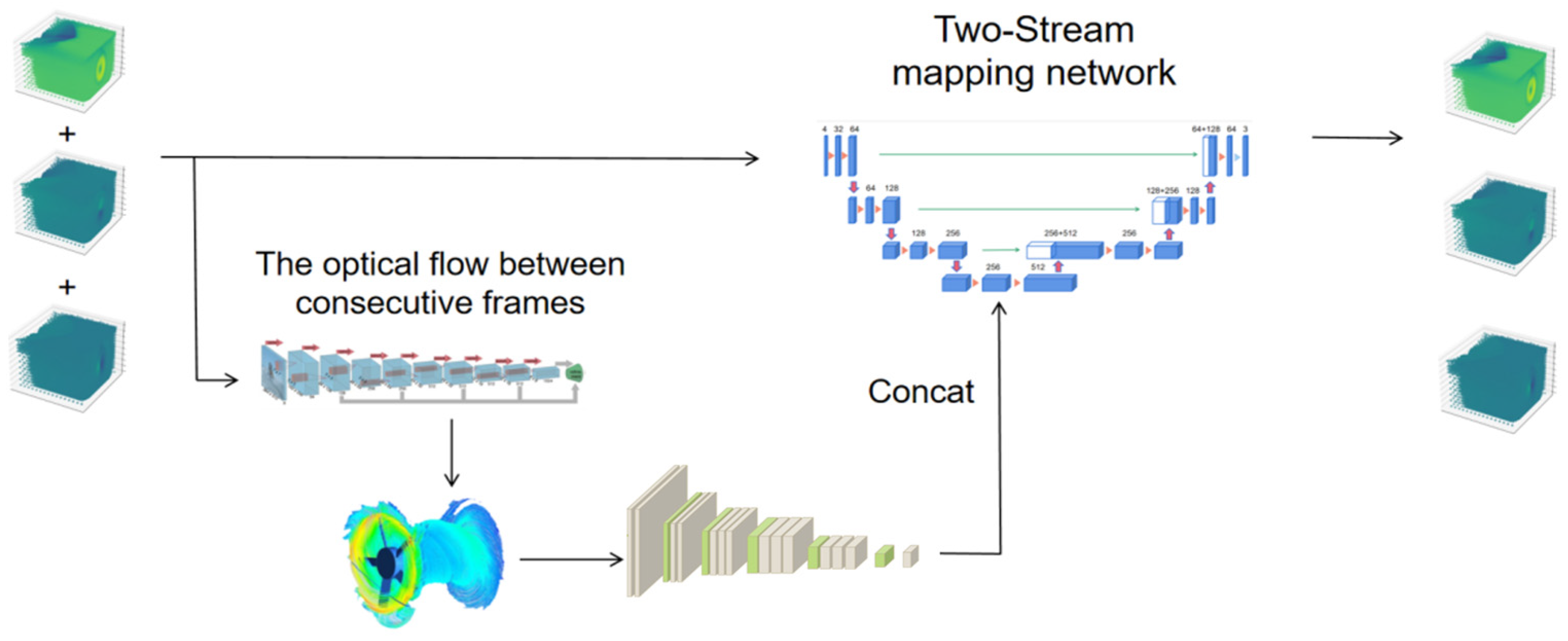
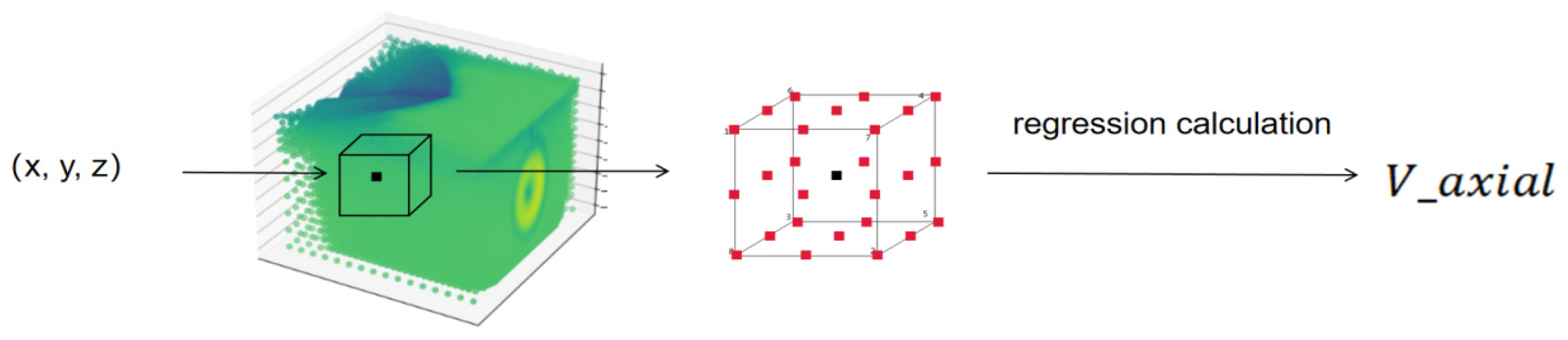
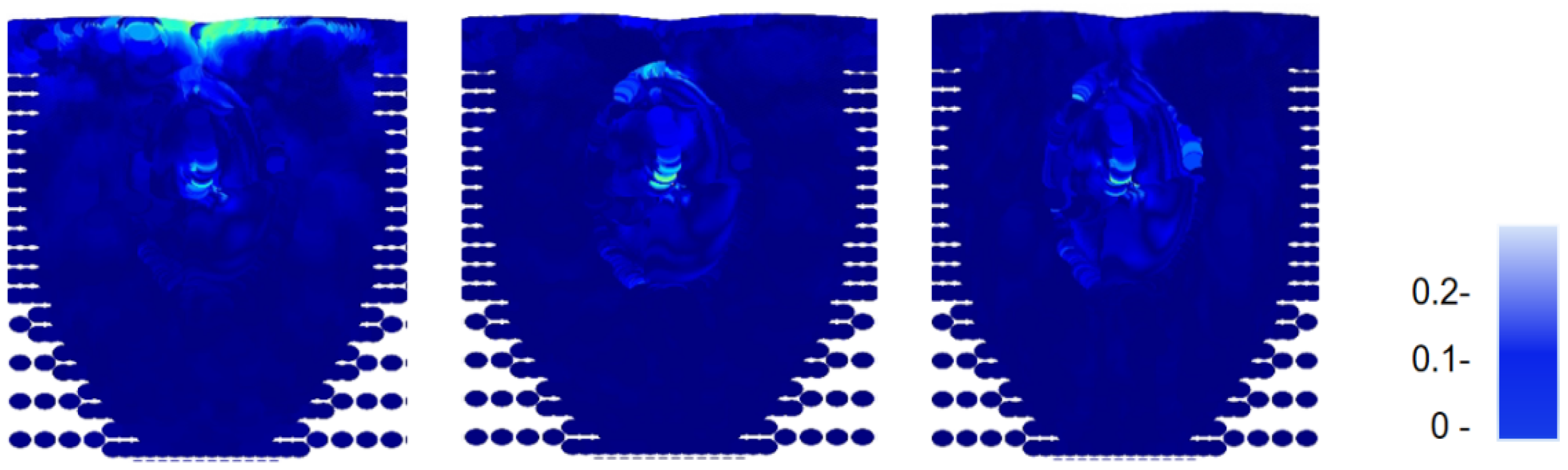
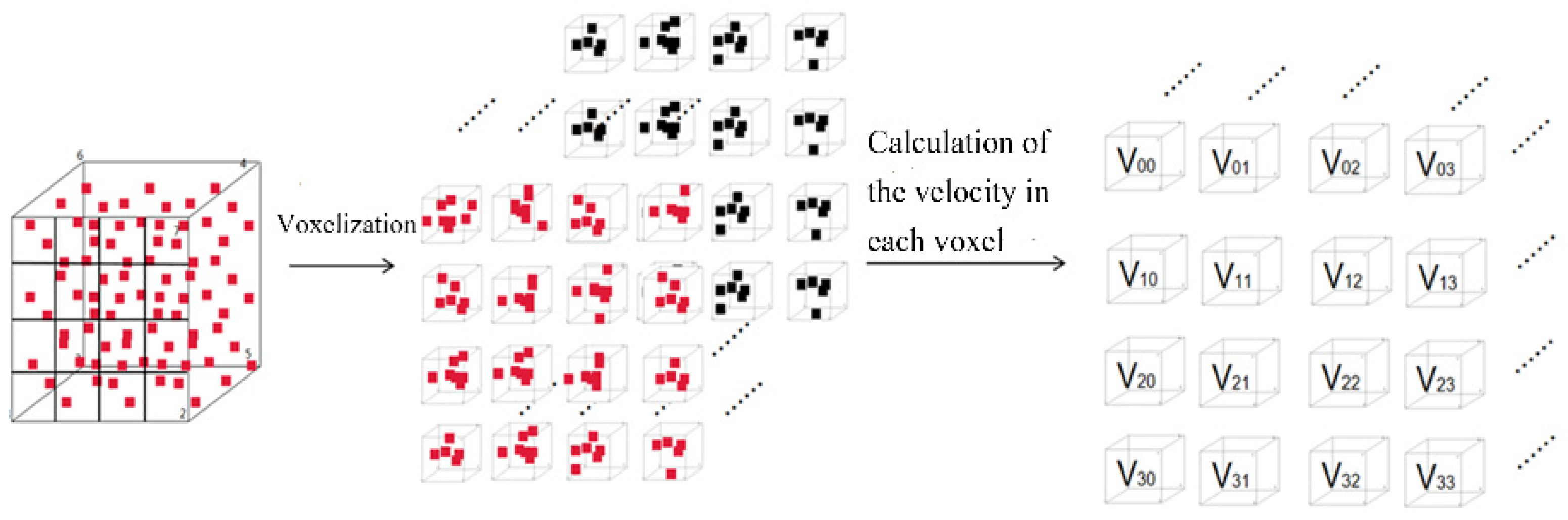
In this work, we propose a deep learning-based model for mapping between the data of the flow field of the propeller generated by the Reynolds-averaged Navier–Stokes (RANS) and those generated by Large Eddy Simulation (LES). The goal of establishing the mapping model is to generate LES data, which needs higher computing power requirements, with the help of RANS data. The model utilizes a deep learning method for computer vision to handle three-dimensional data generated by RANS and those by LES. Firstly, the data samples of the RANS flow field and those of the LES flow field are processed to obtain their corresponding three-dimensional image data, respectively. Secondly, the two kinds of field flow images are used as the training data for constructing a mapping model between RANS flow field images and the corresponding LES flow field images. The obtained mapping model thus can be used to predict the LES flow field images. Thirdly, the regression module is employed to regress the three-dimensional LES image point-by-point to the velocities at the points of the LES flow field, thereby ultimately achieving the generation of LES flow field data from RANS data. The experimental results show that by applying this method to RANS data and LES data of propeller flow fields, the overall error rate of LES flow field prediction by this method is 17.68% compared to actual flow field data, which verifies the effectiveness and accuracy of the proposed model in LES flow field prediction.
Keywords: turbulence model; deep learning; turbulent flow simulation; mapping; regression model turbulence model; deep learning; turbulent flow simulation; mapping; regression model