Article

Product Improvement Using Knowledge Mining and Effect Analogy

1
School of Mechanical Engineering, Tianjin University of Commerce, Tianjin 300134, China
2
School of Mechanical Engineering, Hebei University of Technology, Tianjin 300401, China
3
Department of Mechanical Engineering, University of Manitoba, Winnipeg, MB R3T 5V6, Canada
*
Author to whom correspondence should be addressed.
Appl. Sci. 2024, 14(9), 3699; https://doi.org/10.3390/app14093699
Submission received: 29 March 2024 / Revised: 24 April 2024 / Accepted: 24 April 2024 / Published: 26 April 2024
(This article belongs to the Section Mechanical Engineering)

Abstract

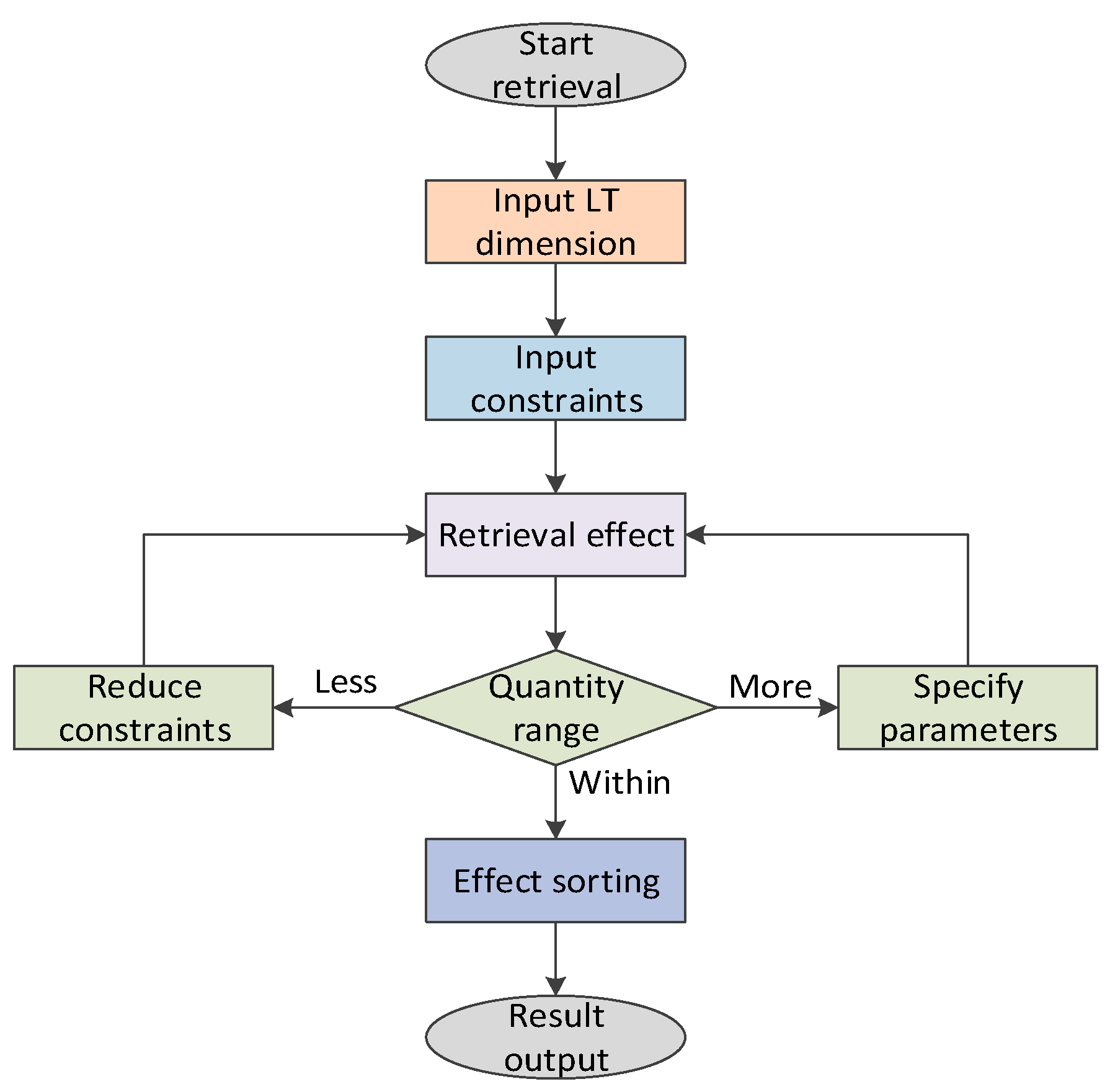
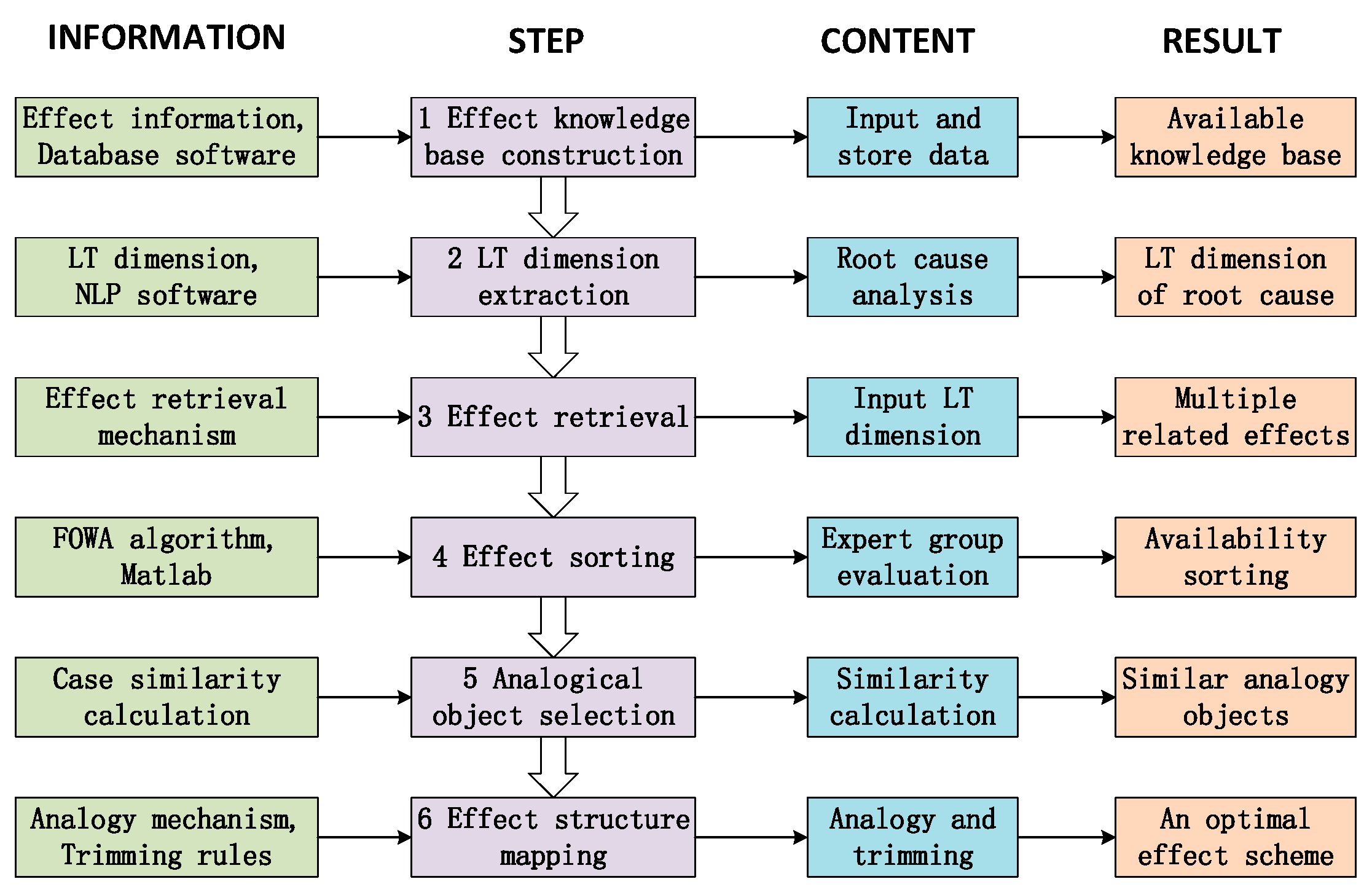
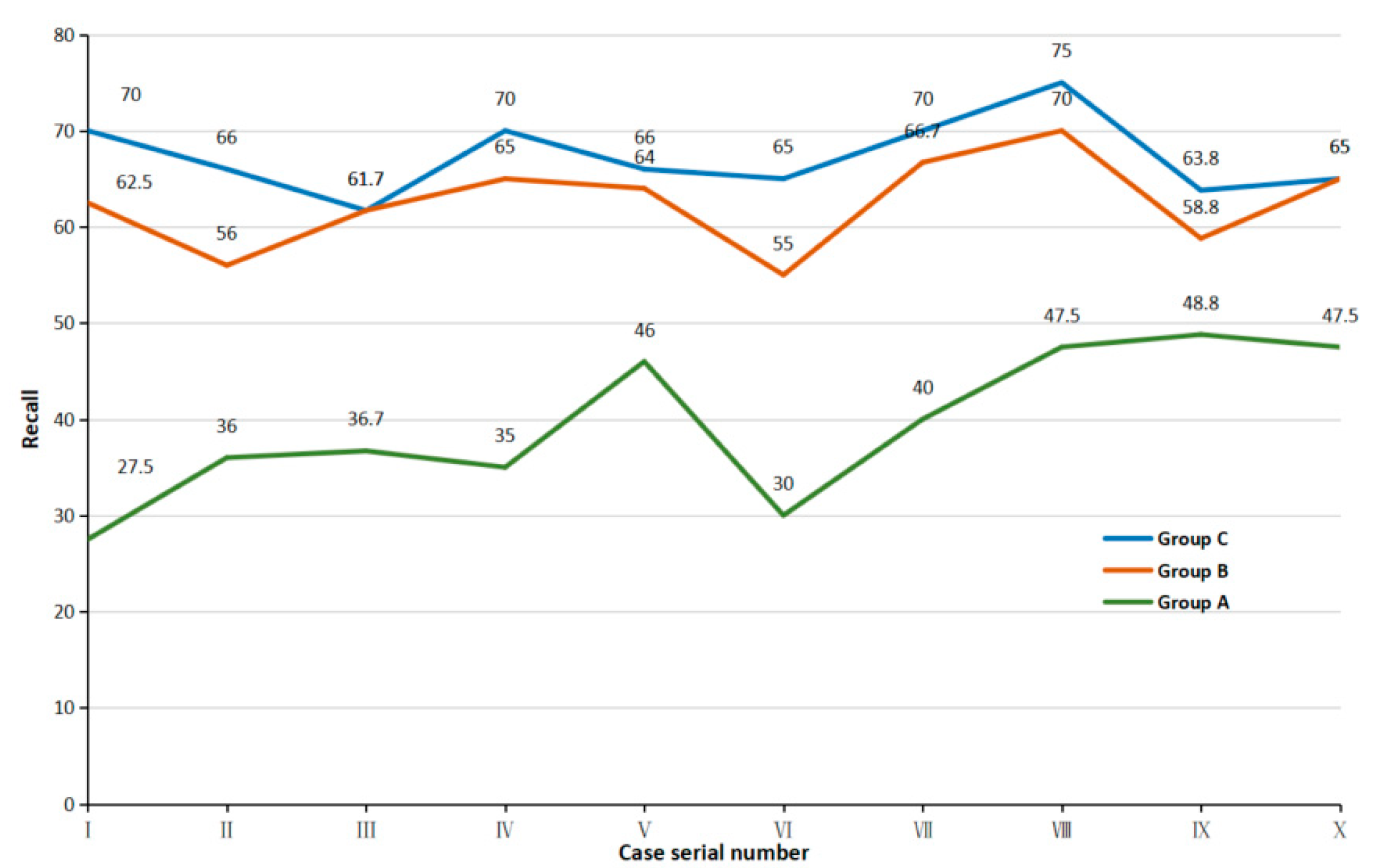
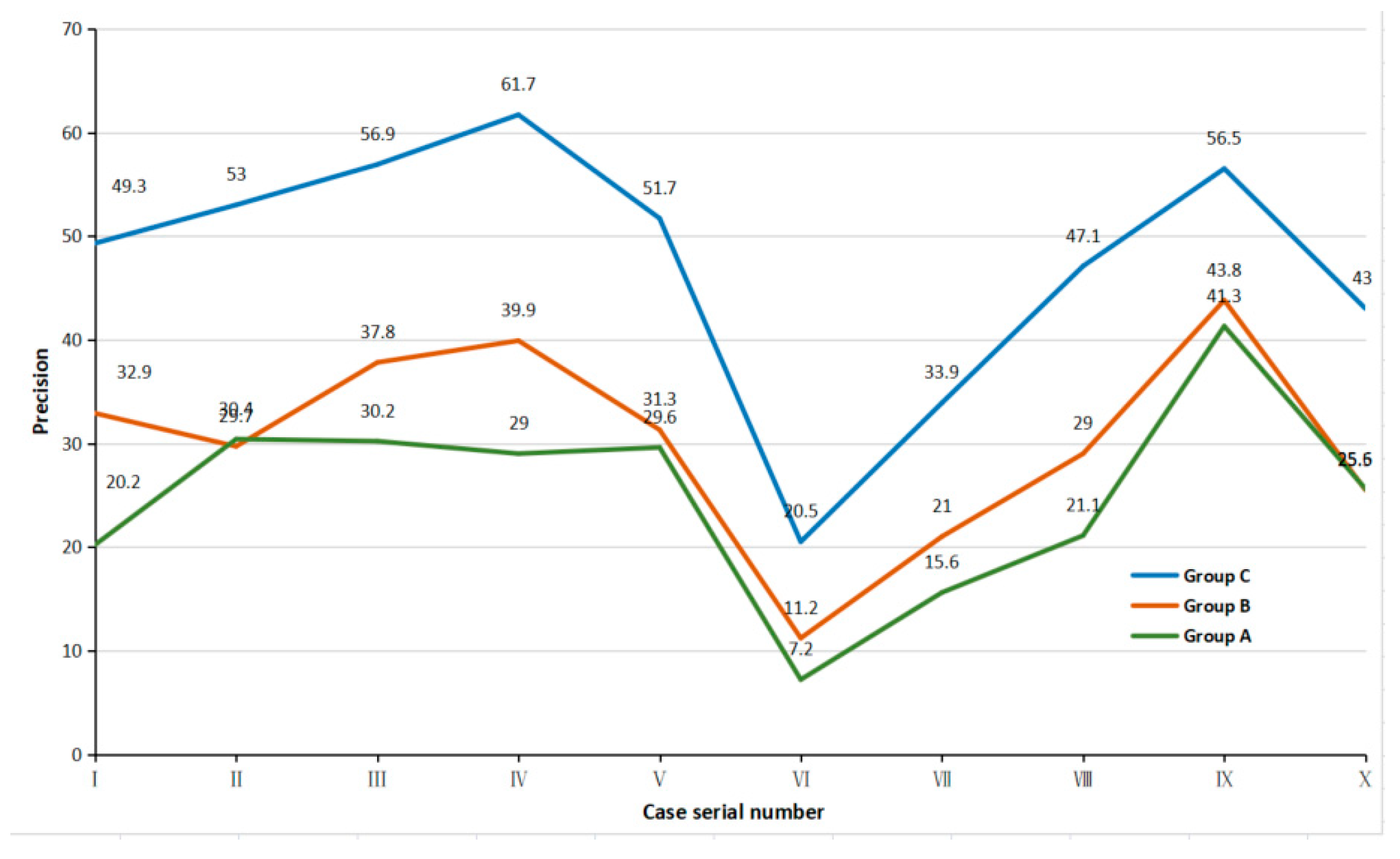
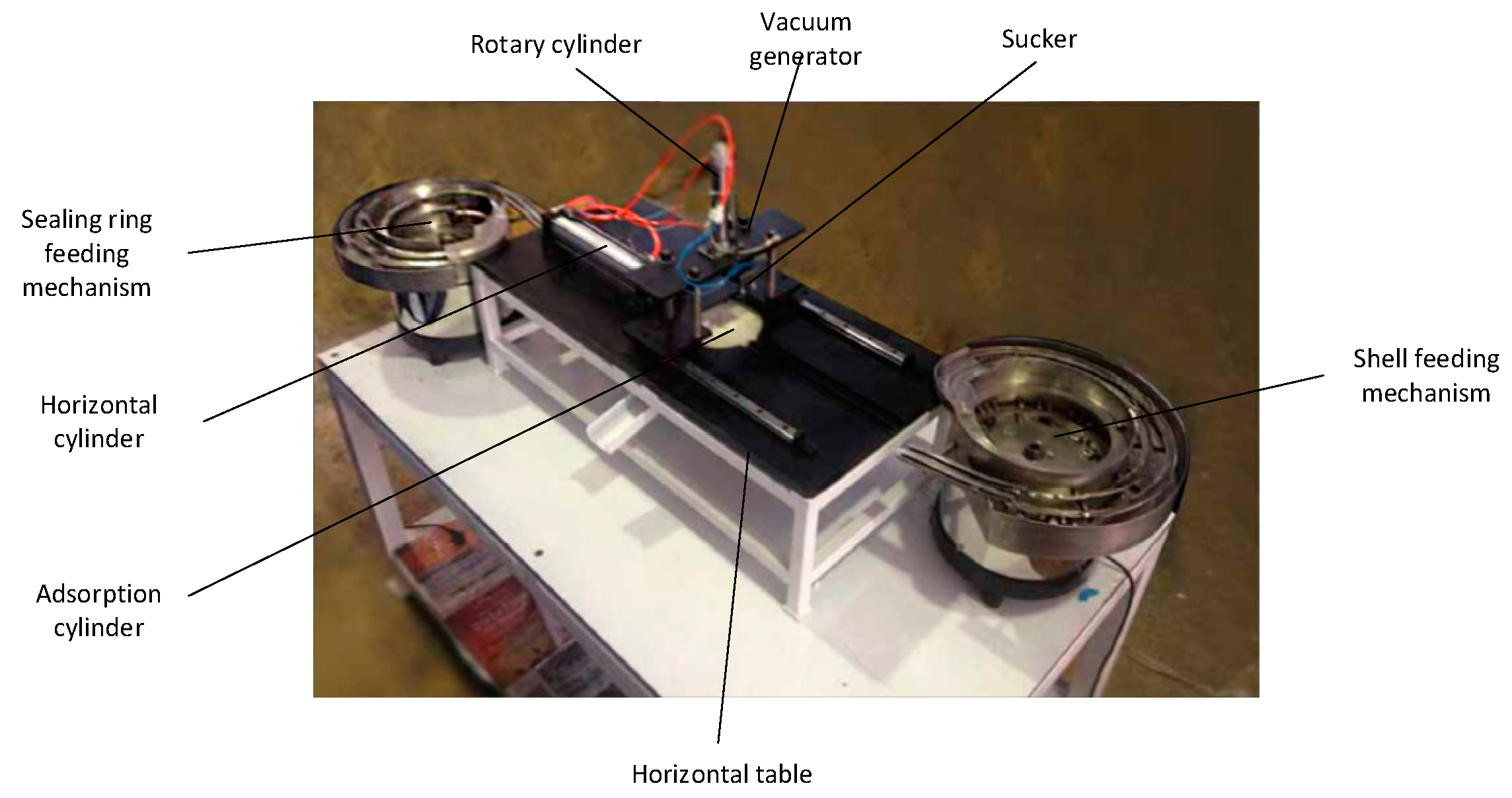
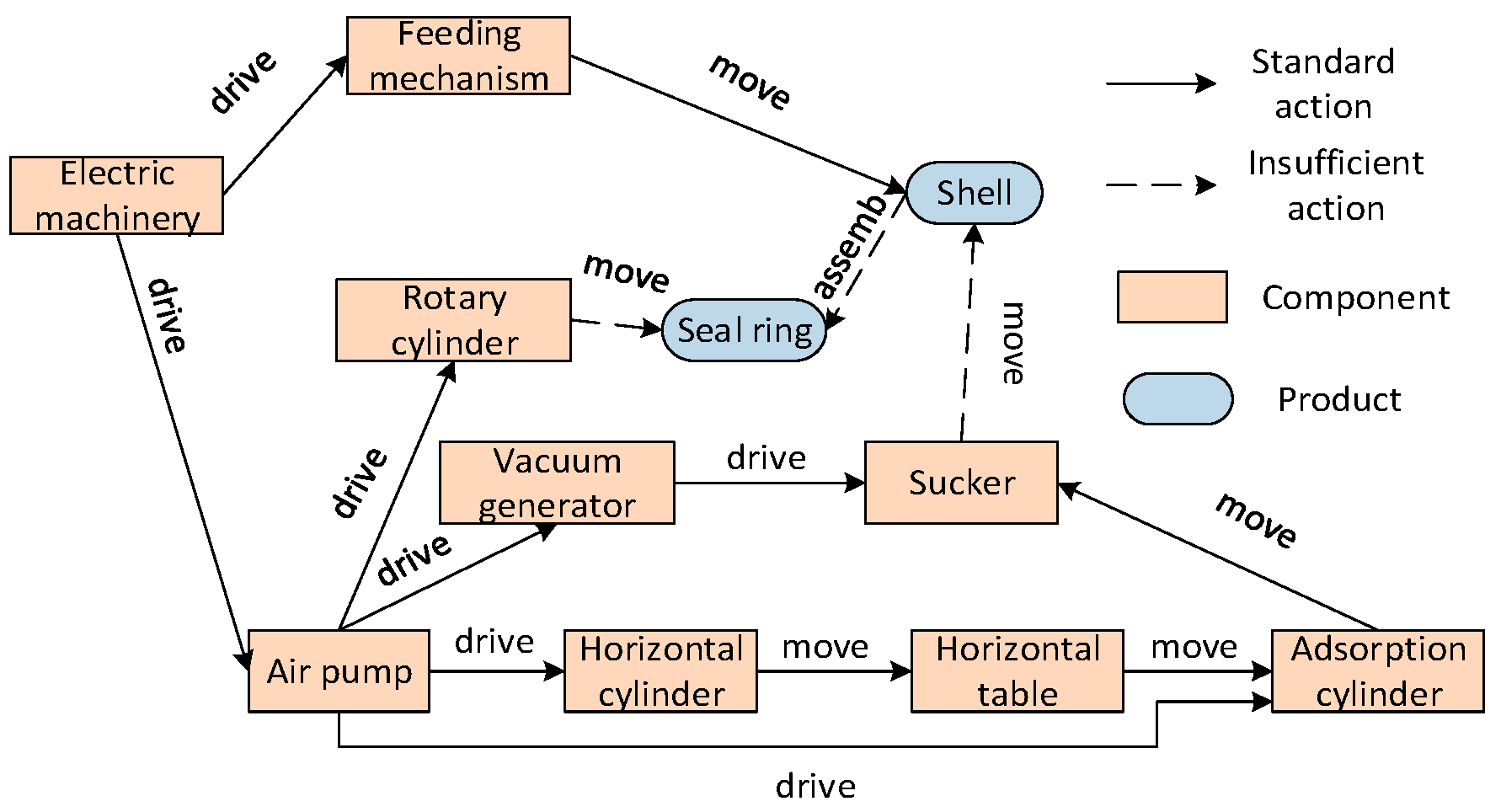
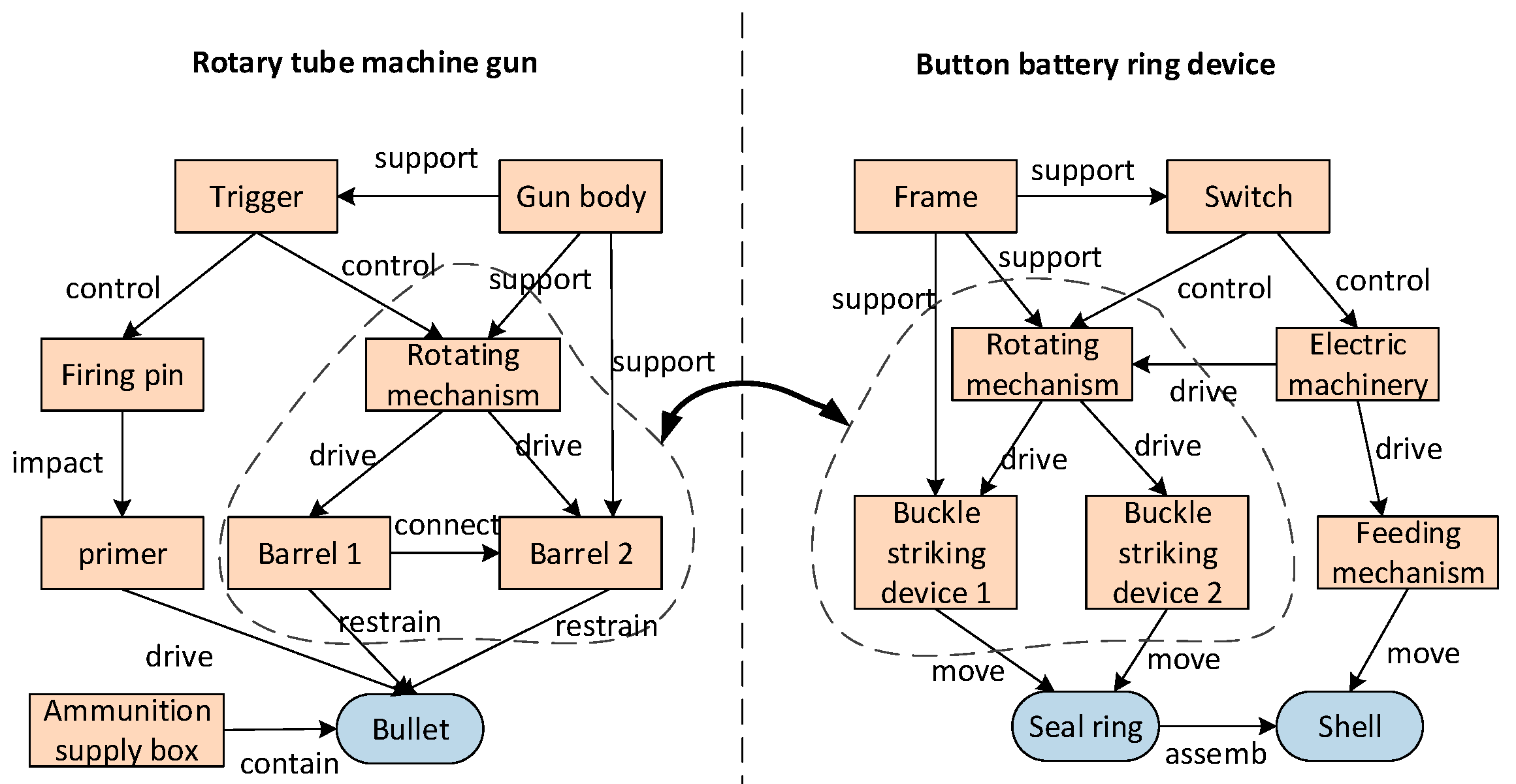
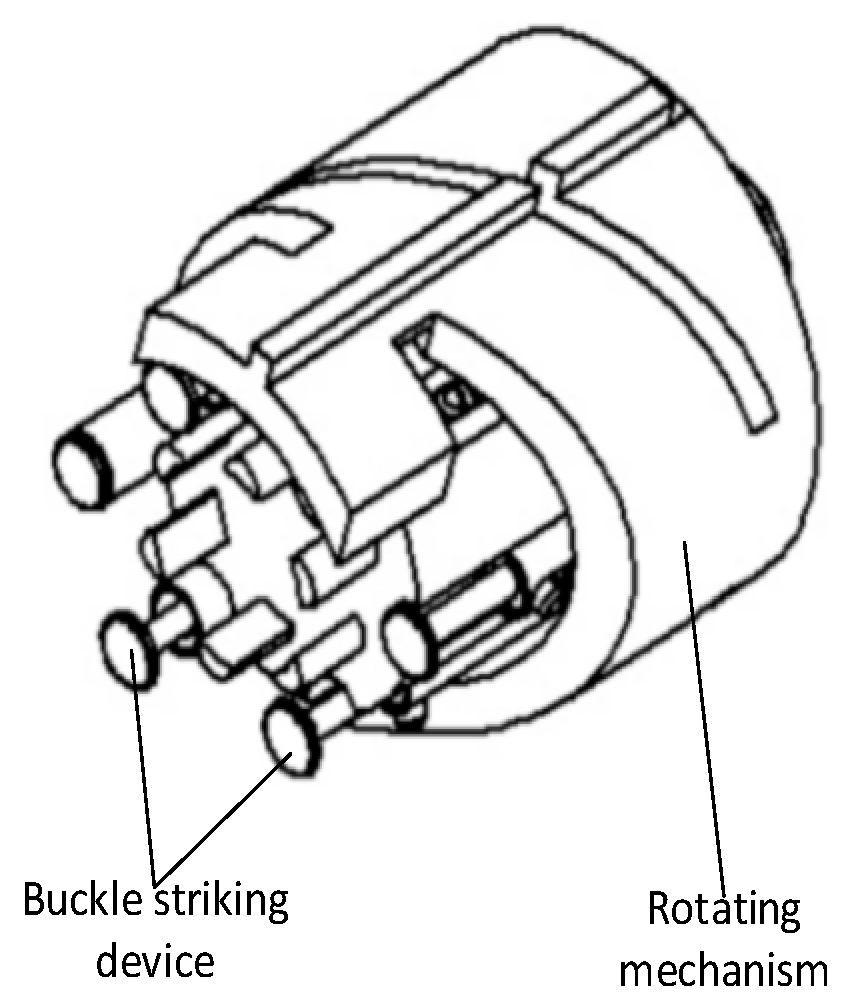
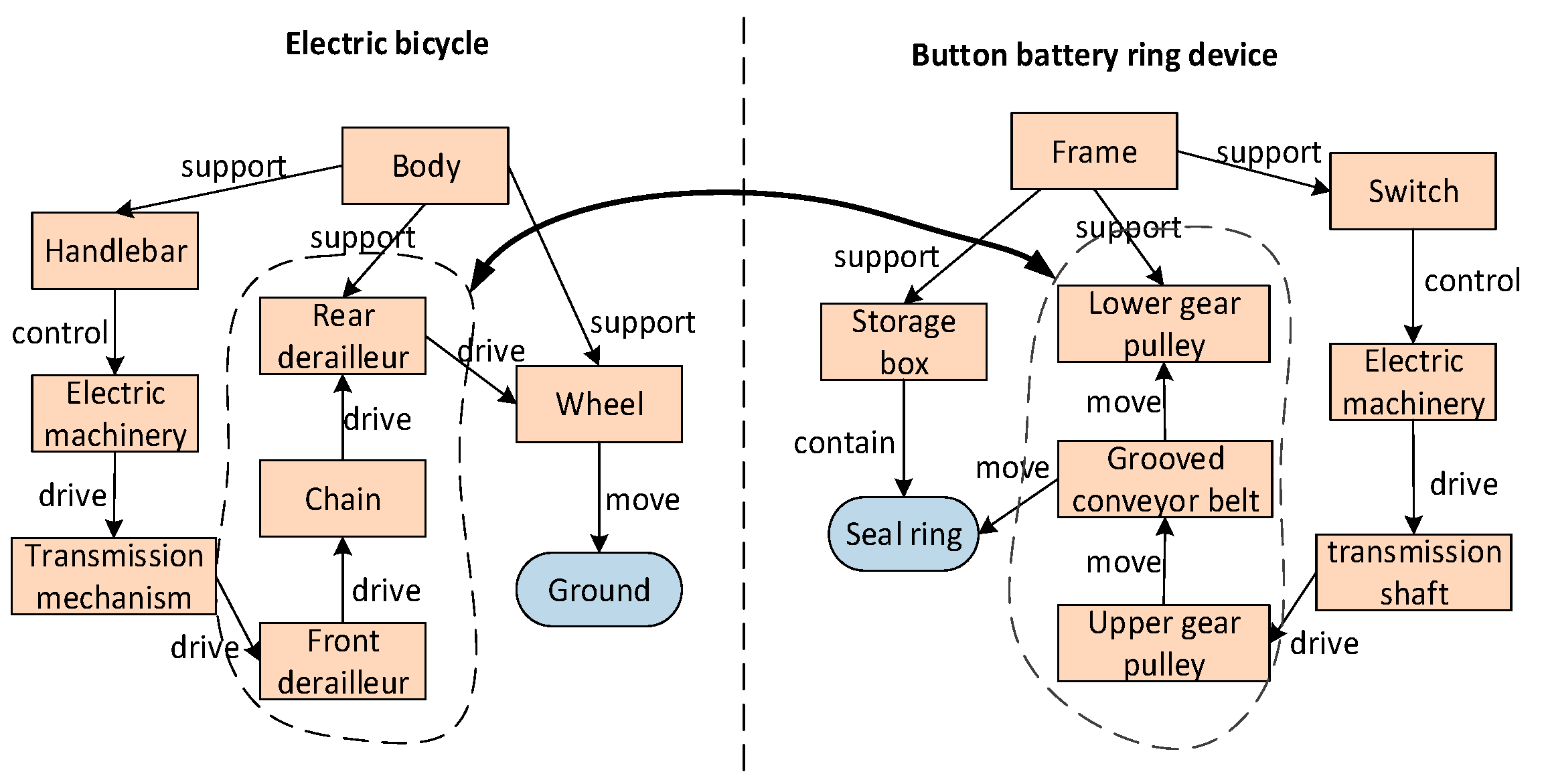
Different from new product development, design improvement aims to solve the problems of existing products. Although design knowledge and effect tools have been applied in product improvement, the existing methods for design improvement are limited in their specific application areas. A general method of product improvement is proposed in this paper using the knowledge mining and effect analogy. The length–time dimension is introduced to link the problem analysis and problem-solving for the first time. This method includes the effect knowledge base construction, length–time dimension extraction, effect retrieval, effect ranking, analogy object selection, and effect structure mapping. This method integrates a variety of algorithms and software tools in design knowledge mining to improve the efficiency of the effect analogy for product improvement. Through the comparative analysis of three effect retrieval methods and design improvement of a button battery ring device, the superiority and feasibility of the proposed method are verified.
Keywords: product improvement; effect; ontology model; analogy design; length–time (LT) dimension; knowledge mining product improvement; effect; ontology model; analogy design; length–time (LT) dimension; knowledge mining