Article

Dhad—A Children’s Handwritten Arabic Characters Dataset for Automated Recognition

Computer Science Department, College of Computer and Information Sciences, King Saud University, Riyadh 11362, Saudi Arabia
*
Author to whom correspondence should be addressed.
Appl. Sci. 2024, 14(6), 2332; https://doi.org/10.3390/app14062332
Submission received: 3 January 2024 / Revised: 3 March 2024 / Accepted: 8 March 2024 / Published: 10 March 2024
(This article belongs to the Special Issue Digital Image Processing: Advanced Technologies and Applications)

Abstract

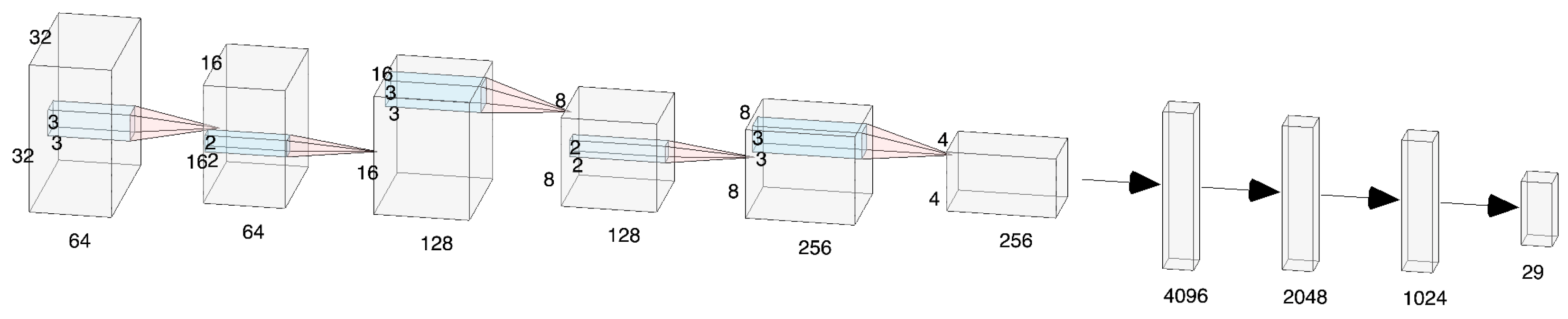
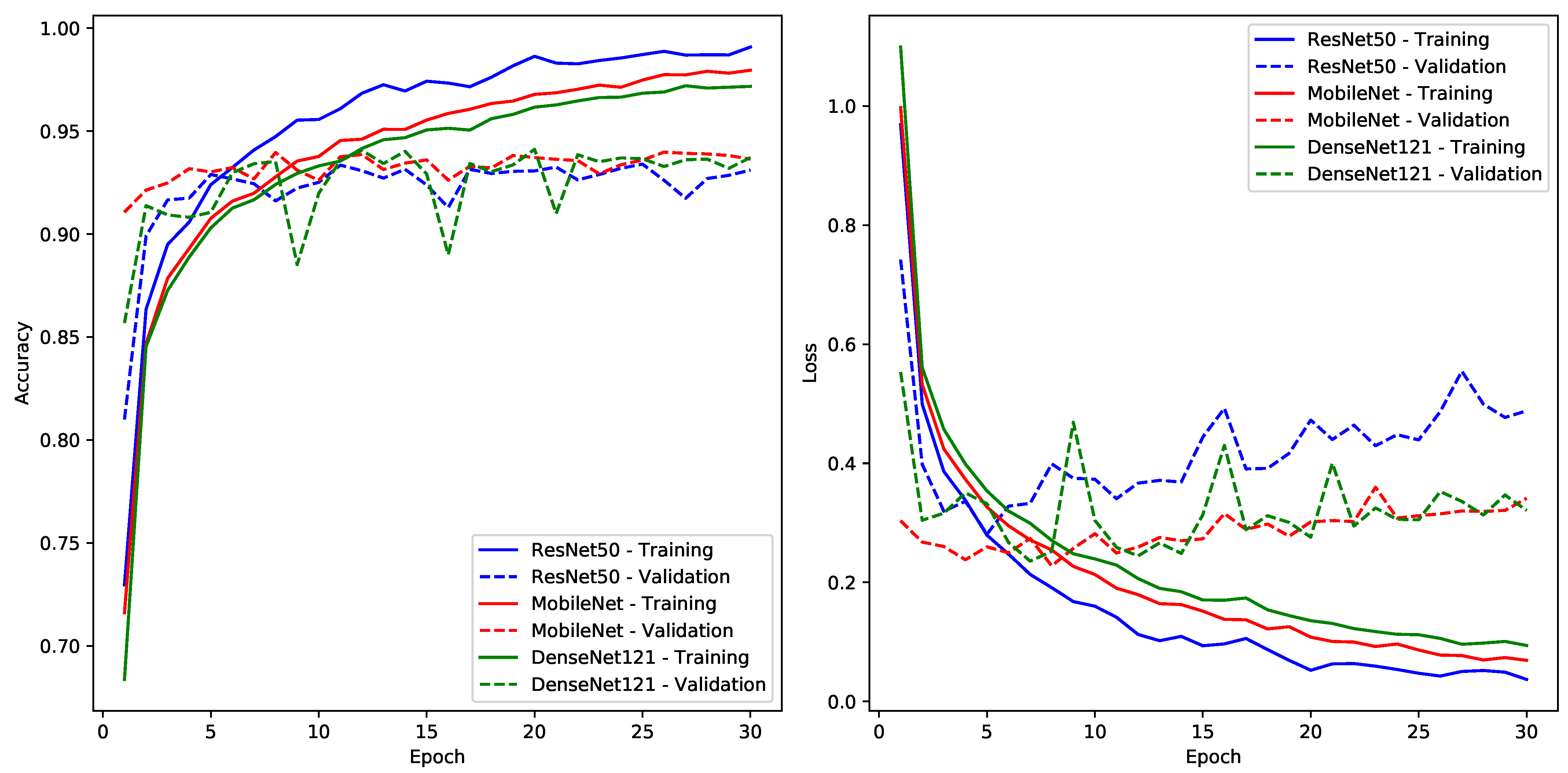
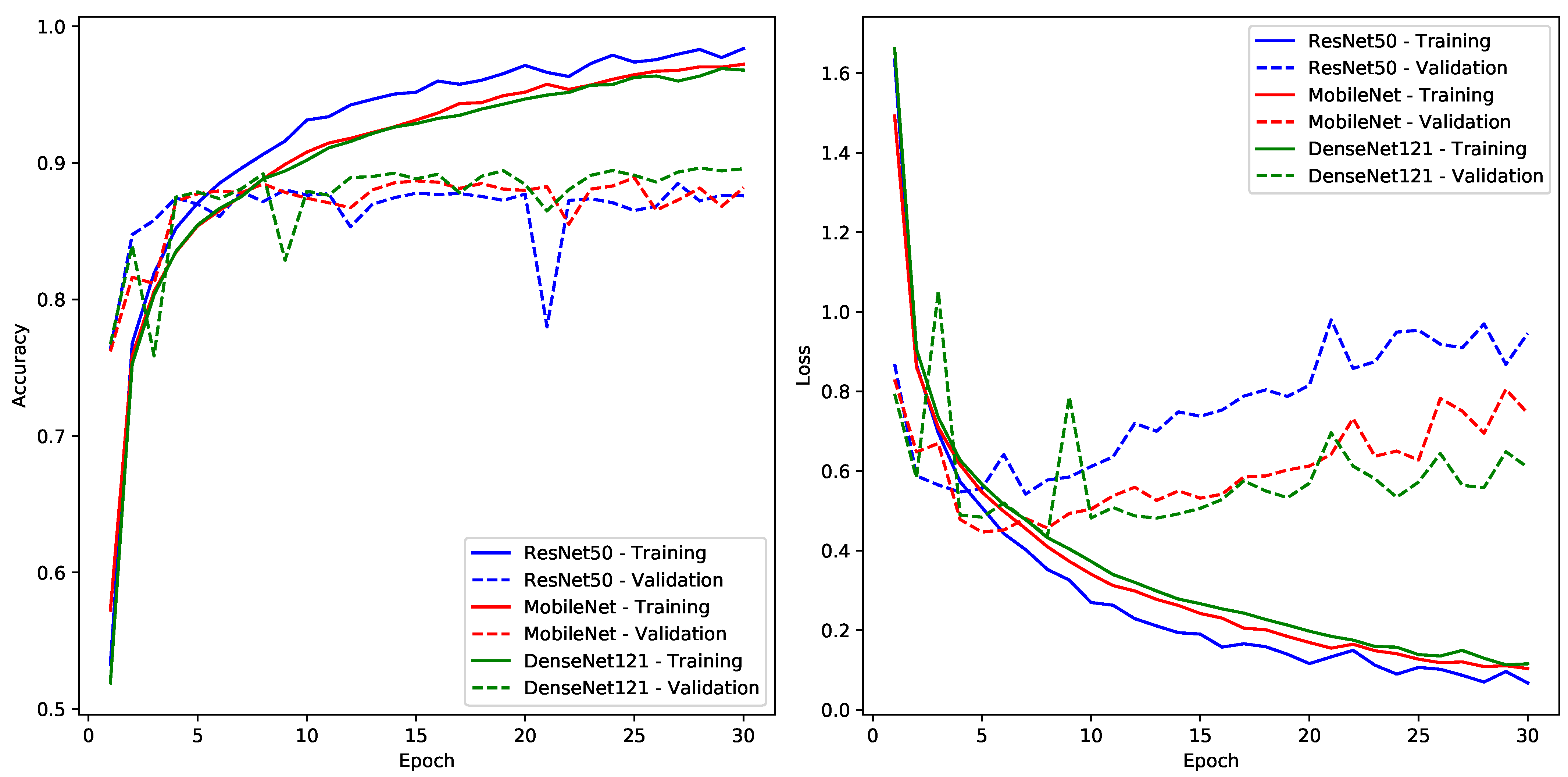
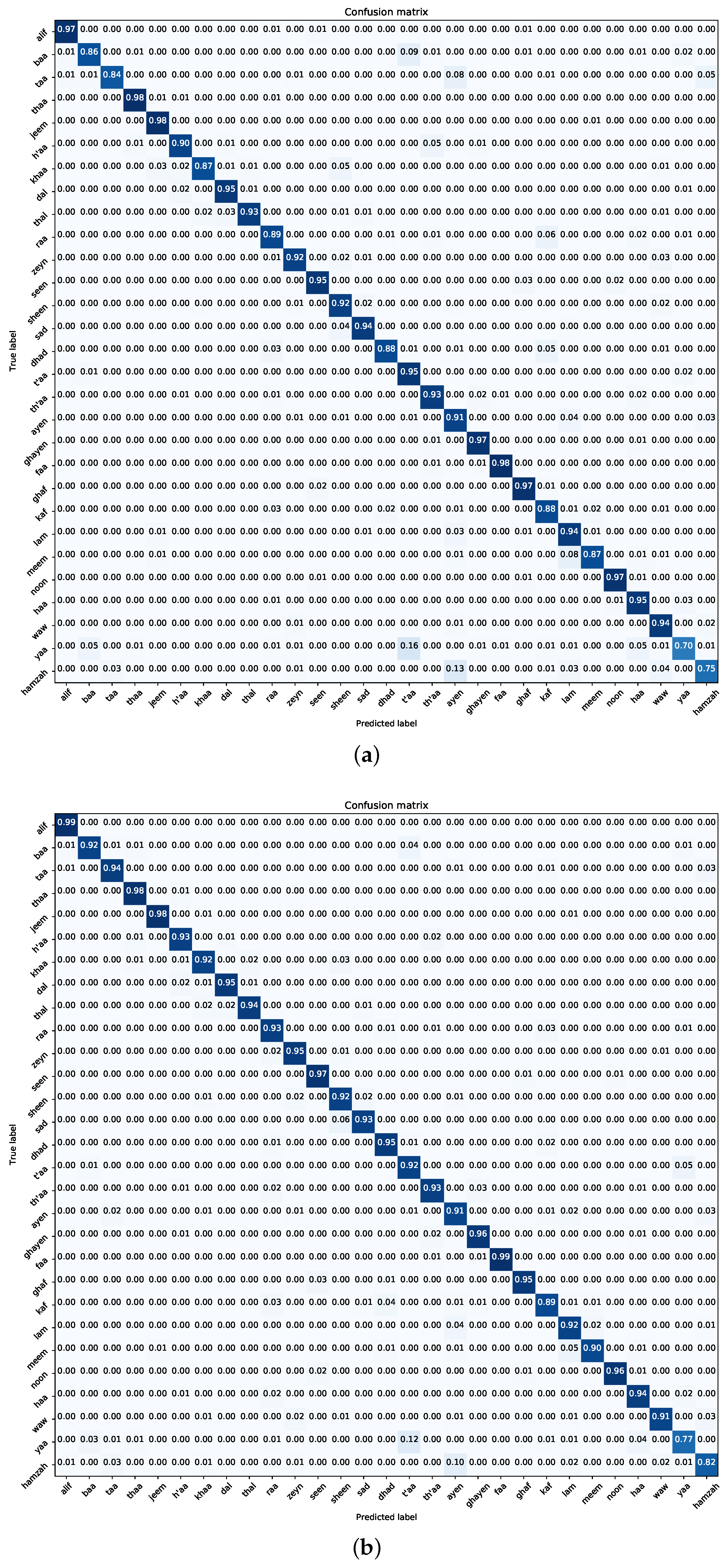
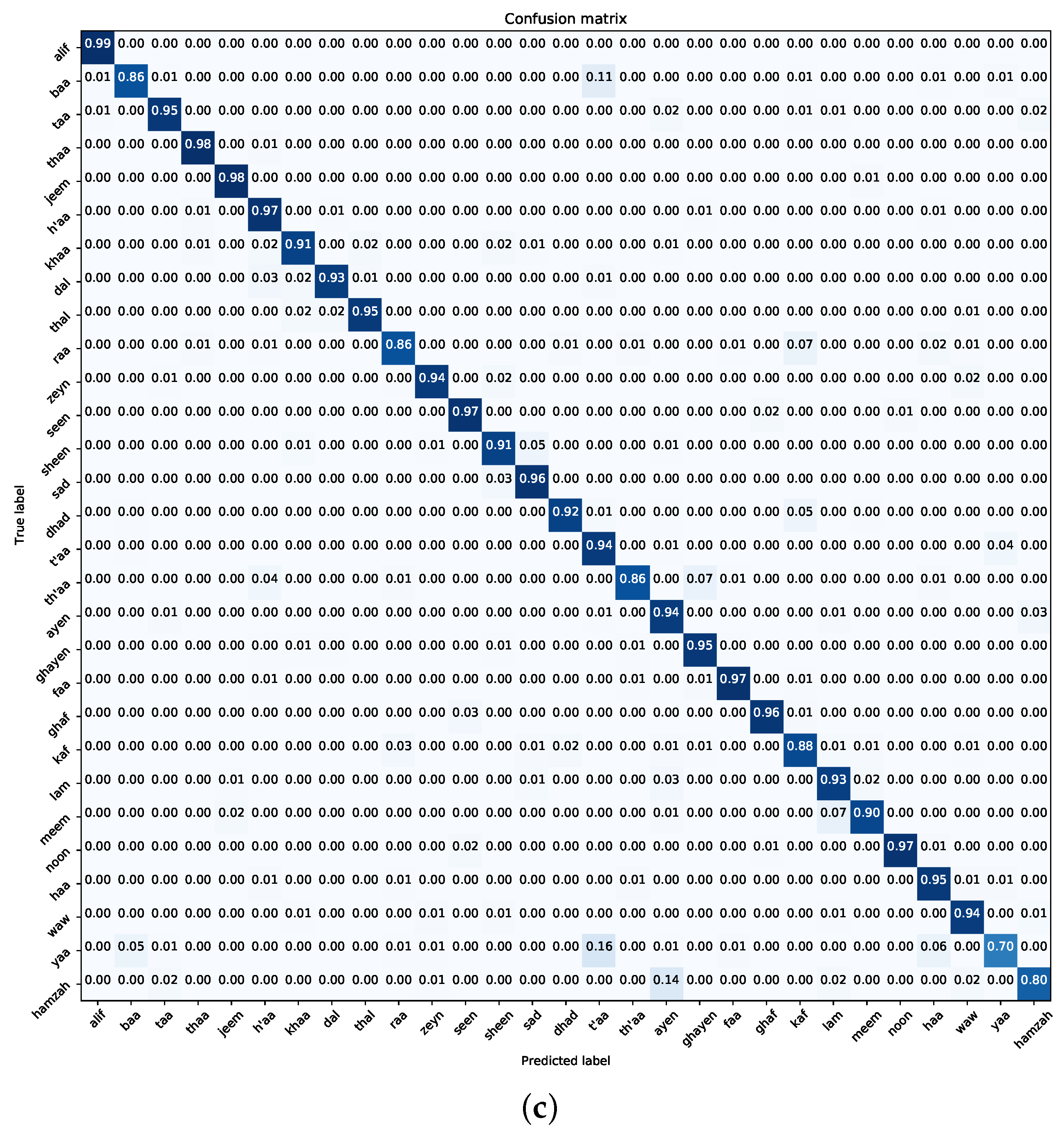
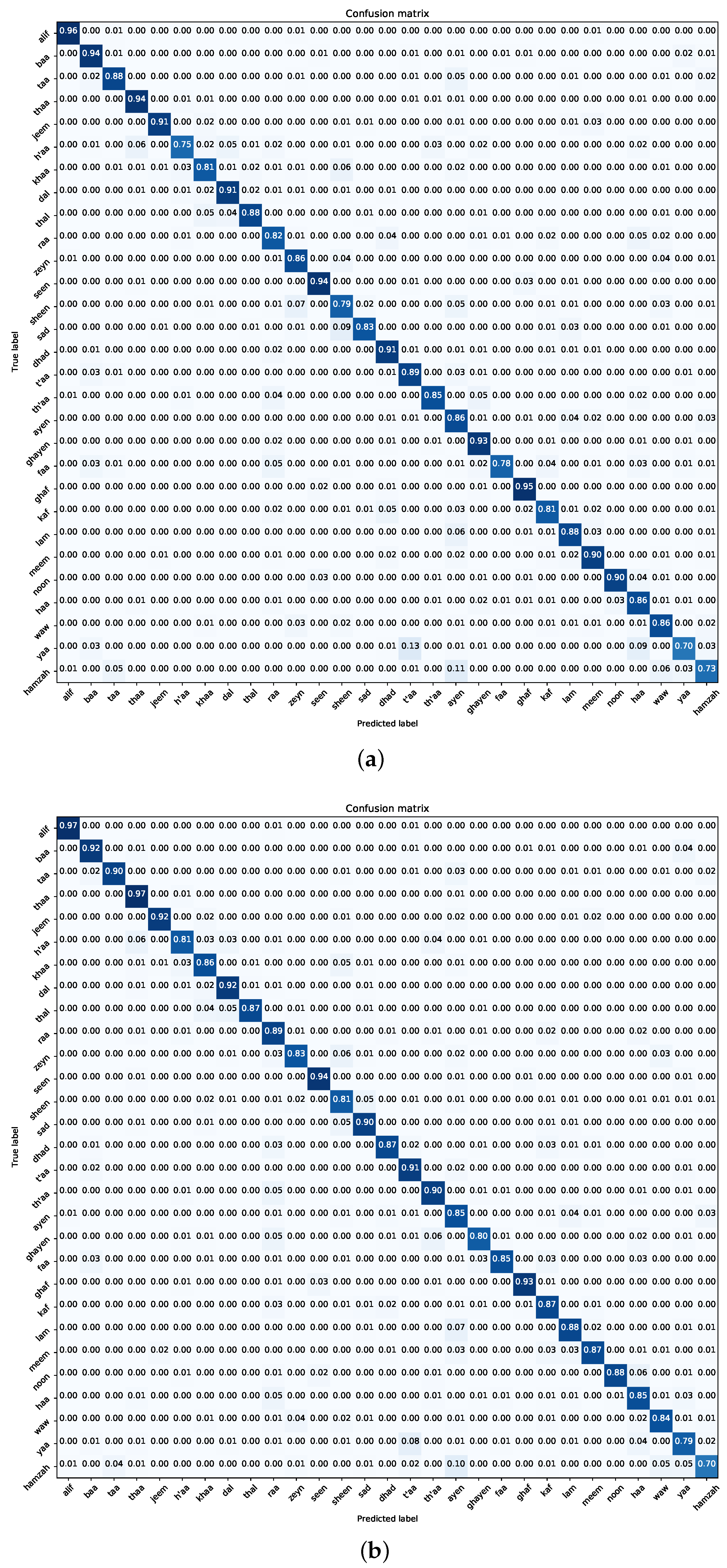
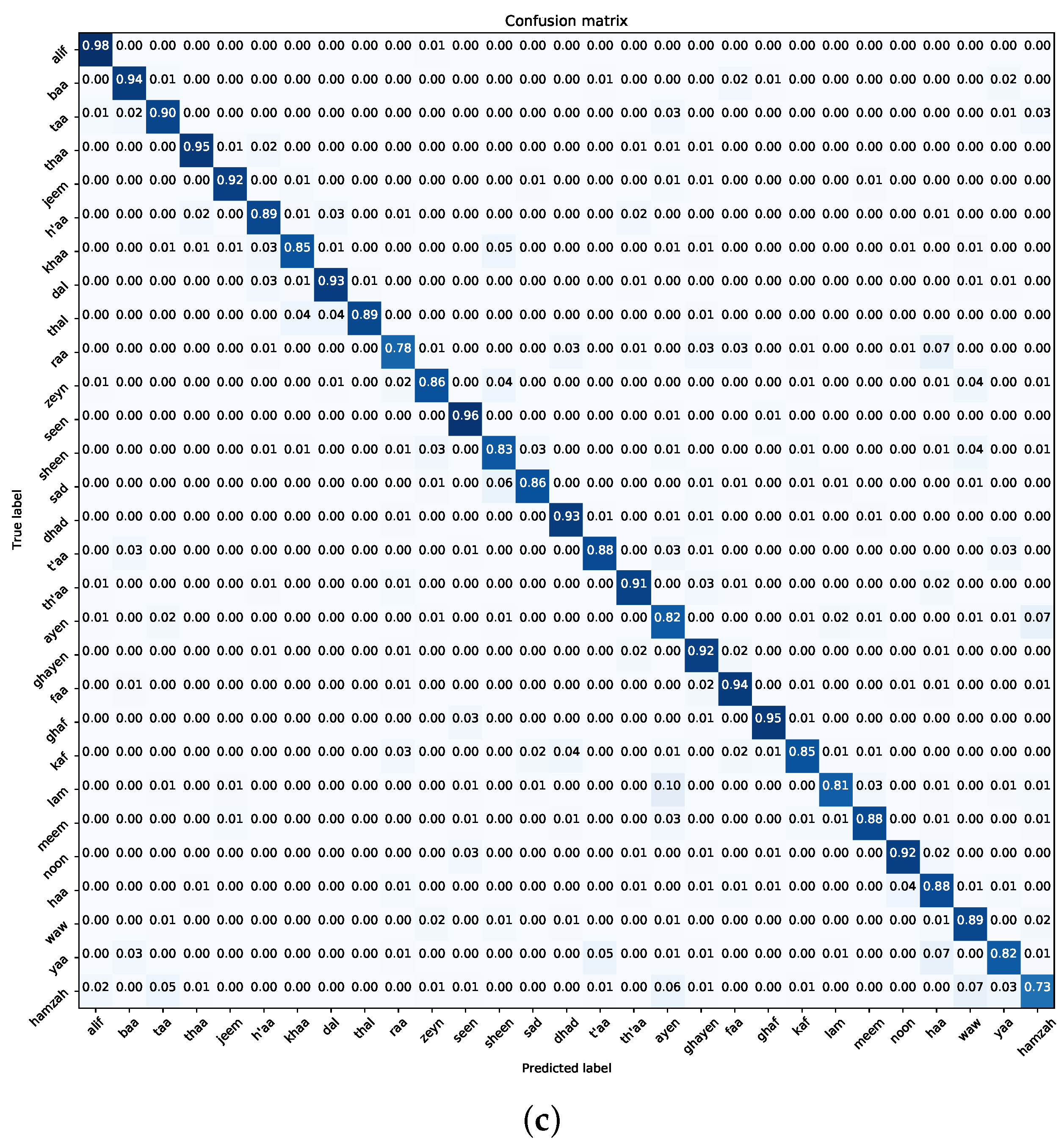
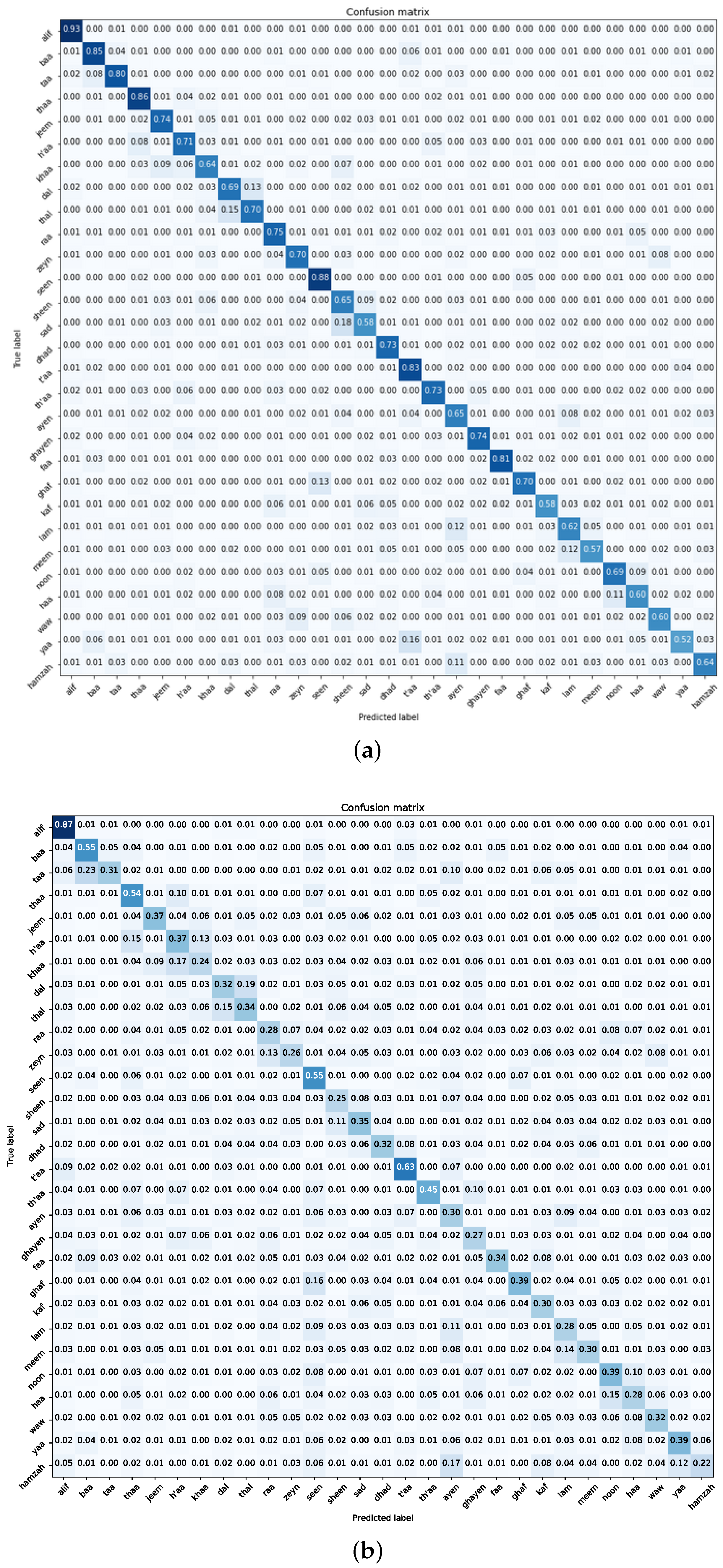
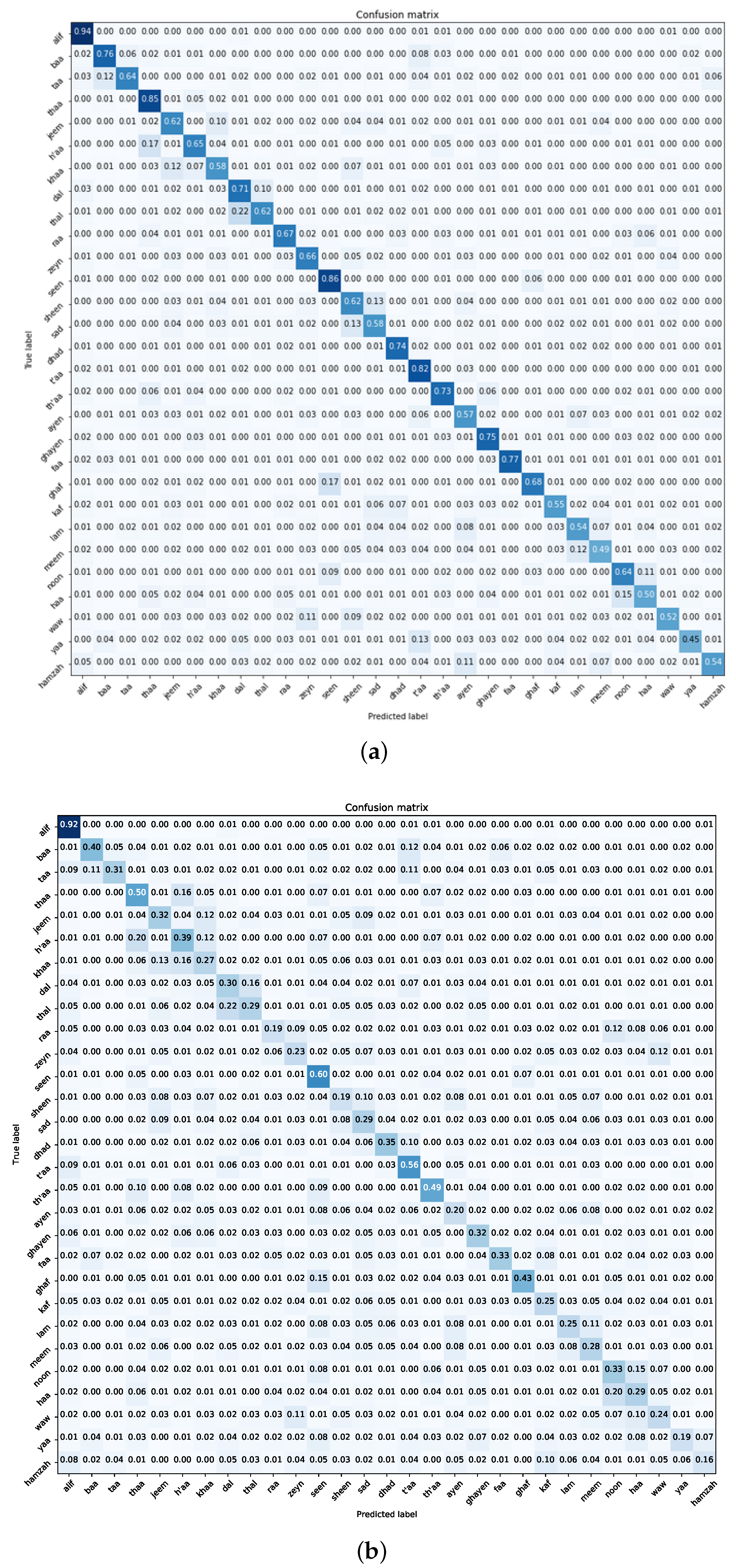
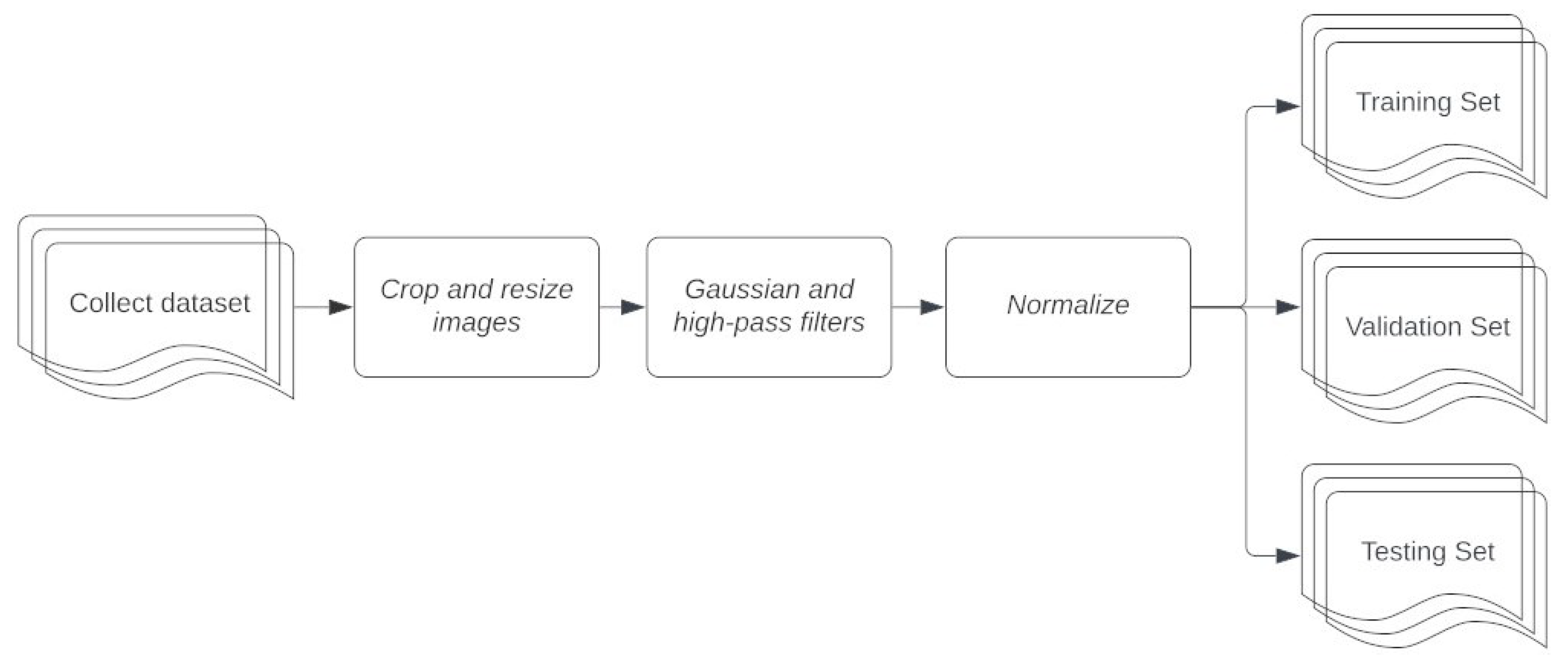
This study delves into the intricate realm of recognizing handwritten Arabic characters, specifically targeting children’s script. Given the inherent complexities of the Arabic script, encompassing semi-cursive styles, distinct character forms based on position, and the inclusion of diacritical marks, the domain demands specialized attention. While prior research has largely concentrated on adult handwriting, the spotlight here is on children’s handwritten Arabic characters, an area marked by its distinct challenges, such as variations in writing quality and increased distortions. To this end, we introduce a novel dataset, “Dhad”, refined for enhanced quality and quantity. Our investigation employs a tri-fold experimental approach, encompassing the exploration of pre-trained deep learning models (i.e., MobileNet, ResNet50, and DenseNet121), custom-designed Convolutional Neural Network (CNN) architecture, and traditional classifiers (i.e., Support Vector Machine (SVM), Random Forest (RF), and Multilayer Perceptron (MLP)), leveraging deep visual features. The results illuminate the efficacy of fine-tuned pre-existing models, the potential of custom CNN designs, and the intricacies associated with disjointed classification paradigms. The pre-trained model MobileNet achieved the best test accuracy of 93.59% on the Dhad dataset. Additionally, as a conceptual proposal, we introduce the idea of a computer application designed specifically for children aged 7–12, aimed at improving Arabic handwriting skills. Our concluding reflections emphasize the need for nuanced dataset curation, advanced model architectures, and cohesive training strategies to navigate the multifaceted challenges of Arabic character recognition.
Keywords: deep learning; pre-trained models; child handwriting recognition; Dhad; Hijja deep learning; pre-trained models; child handwriting recognition; Dhad; Hijja