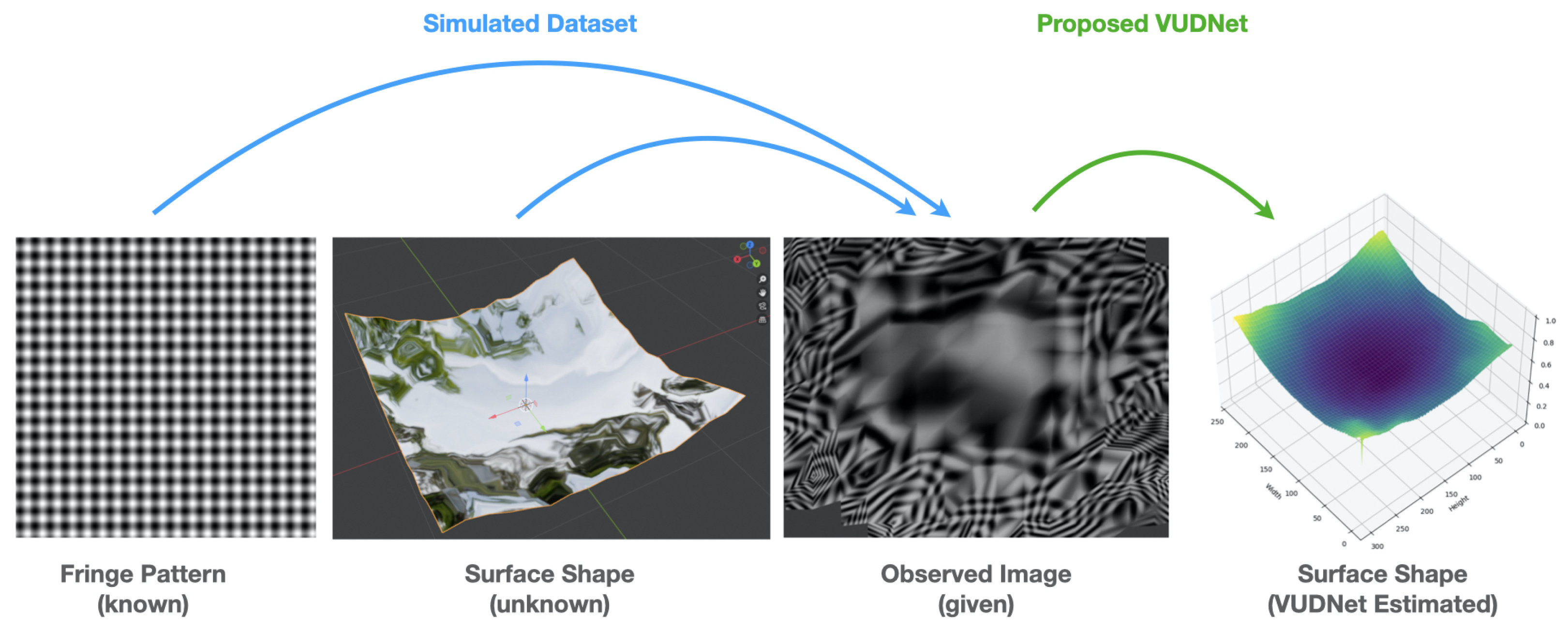
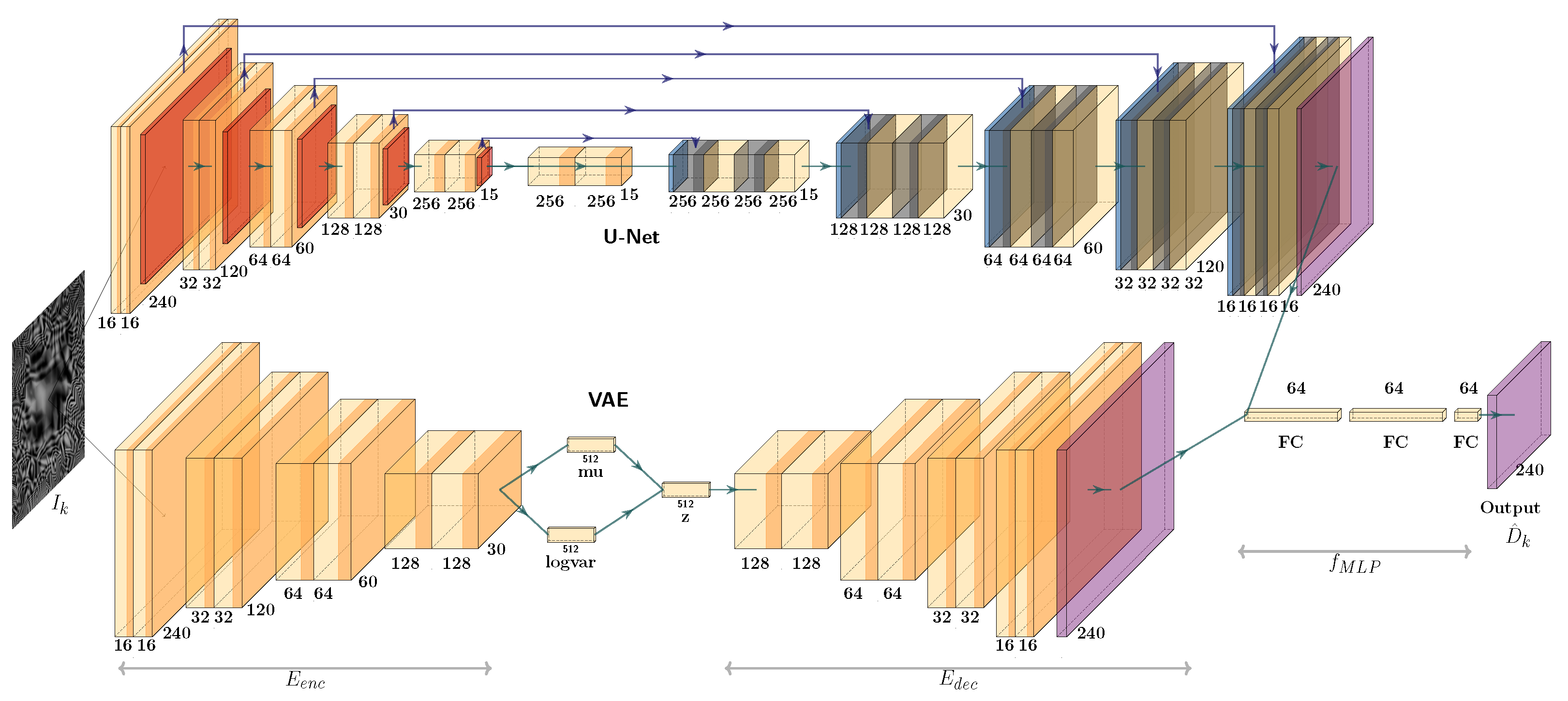
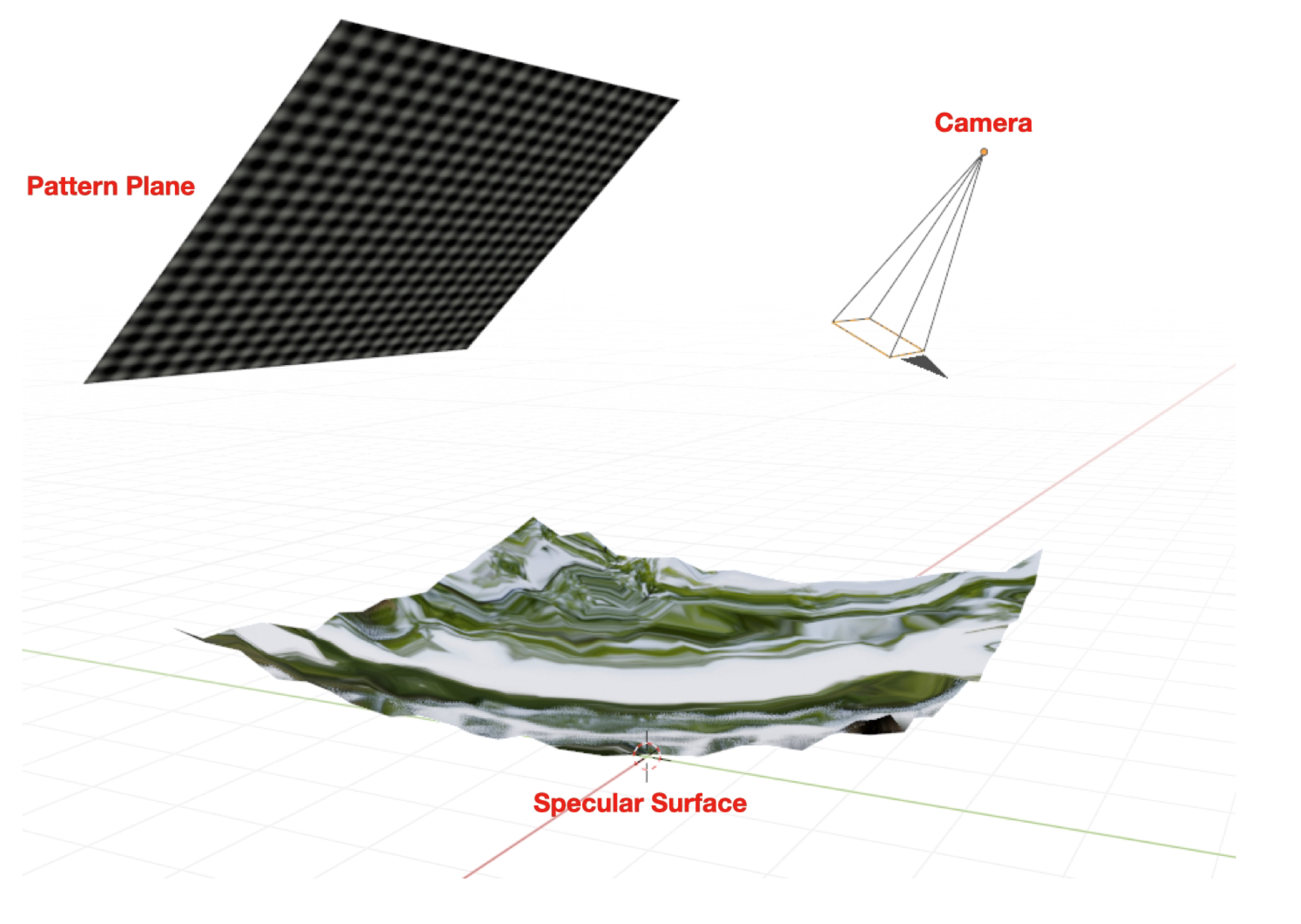
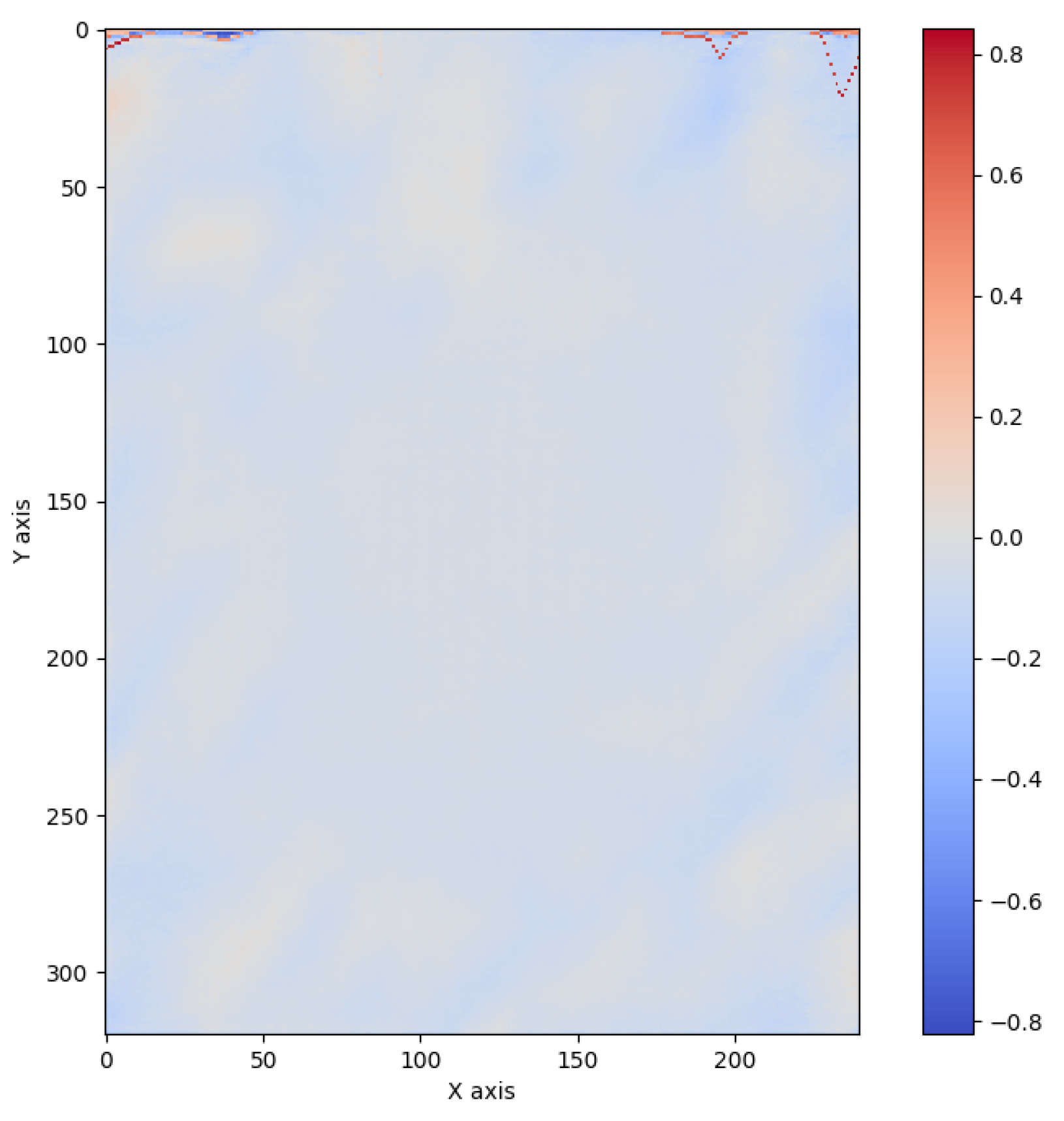
From Single Shot to Structure: End-to-End Network-Based Deflectometry for Specular Free-Form Surface Reconstruction
 ,
,  , , , and
 Abstract
Share and Cite
Sepanj, M.H.; Moradi, S.; Nazemi, A.; Preston, C.; Lee, A.M.D.; Fieguth, P. From Single Shot to Structure: End-to-End Network-Based Deflectometry for Specular Free-Form Surface Reconstruction. Appl. Sci. 2024, 14, 10824. https://doi.org/10.3390/app142310824
Sepanj MH, Moradi S, Nazemi A, Preston C, Lee AMD, Fieguth P. From Single Shot to Structure: End-to-End Network-Based Deflectometry for Specular Free-Form Surface Reconstruction. Applied Sciences. 2024; 14(23):10824. https://doi.org/10.3390/app142310824
Chicago/Turabian StyleSepanj, M.Hadi, Saed Moradi, Amir Nazemi, Claire Preston, Anthony M. D. Lee, and Paul Fieguth. 2024. "From Single Shot to Structure: End-to-End Network-Based Deflectometry for Specular Free-Form Surface Reconstruction" Applied Sciences 14, no. 23: 10824. https://doi.org/10.3390/app142310824
APA StyleSepanj, M. H., Moradi, S., Nazemi, A., Preston, C., Lee, A. M. D., & Fieguth, P. (2024). From Single Shot to Structure: End-to-End Network-Based Deflectometry for Specular Free-Form Surface Reconstruction. Applied Sciences, 14(23), 10824. https://doi.org/10.3390/app142310824