Article

A Study of the Potential of Solidago virgaurea Extract as a Raw Material for Cosmetic Macroemulsions


1
Department of Applied Chemistry, Faculty of Chemistry, Adam Mickiewicz University, Poznań, Uniwersytetu Poznańskiego 8, 61-614 Poznań, Poland
2
TRICOMED SA, Świętojańska 5/9, 93-493 Łódź, Poland
*
Authors to whom correspondence should be addressed.
Appl. Sci. 2024, 14(22), 10107; https://doi.org/10.3390/app142210107
Submission received: 24 July 2024 / Revised: 22 September 2024 / Accepted: 29 October 2024 / Published: 5 November 2024
(This article belongs to the Special Issue Cosmetics Ingredients Research)

Featured Application

The results proved that Solidago virgaurea extract can be concluded to be an active ingredient of key importance in inducing the anti-aging effect of the skin. This creates the possibility for cosmetic product manufacturers to use the studied plant extract as an ingredient in semi-solid cosmetic formulations with regenerative/anti-aging properties.

Abstract

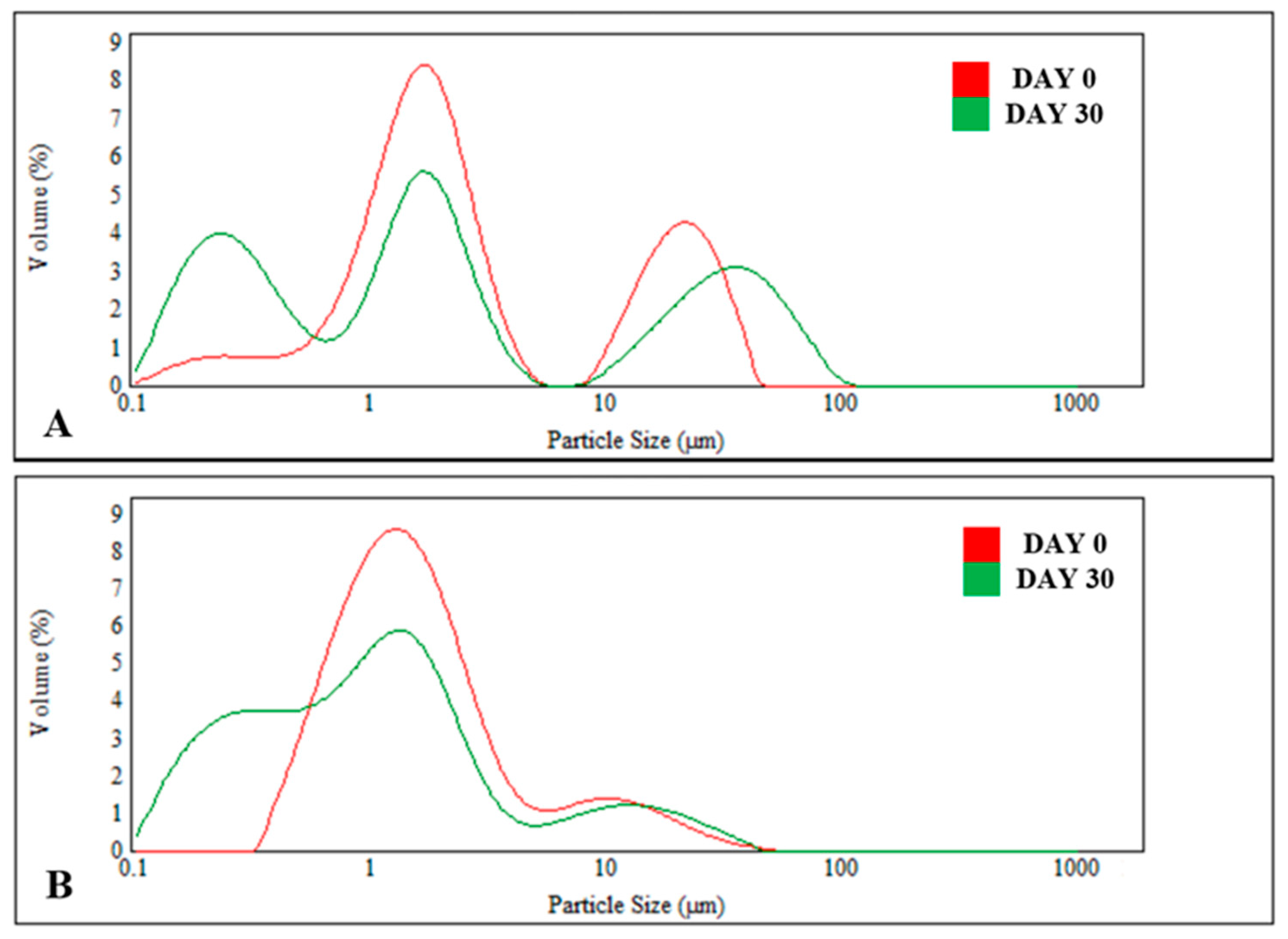
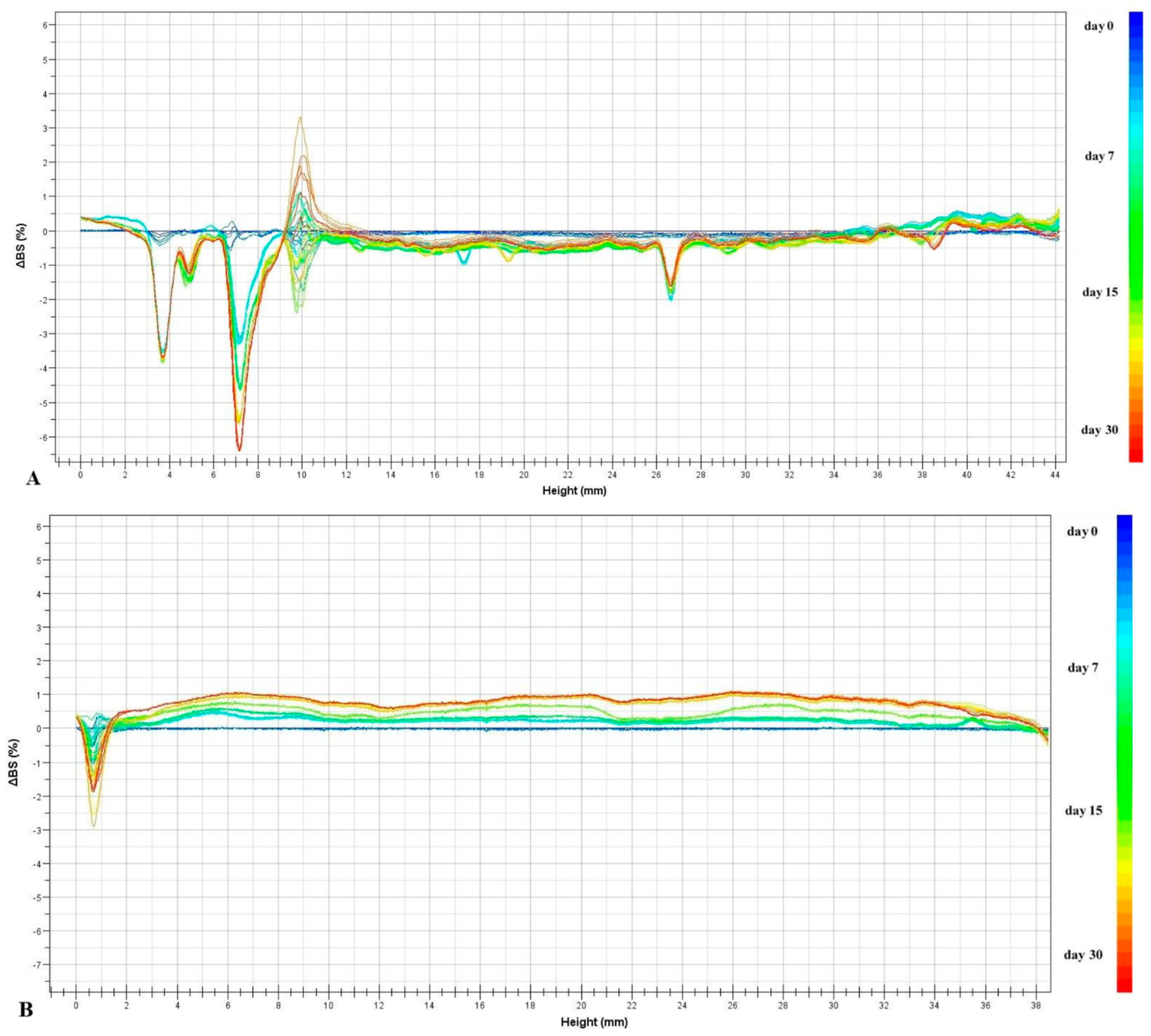
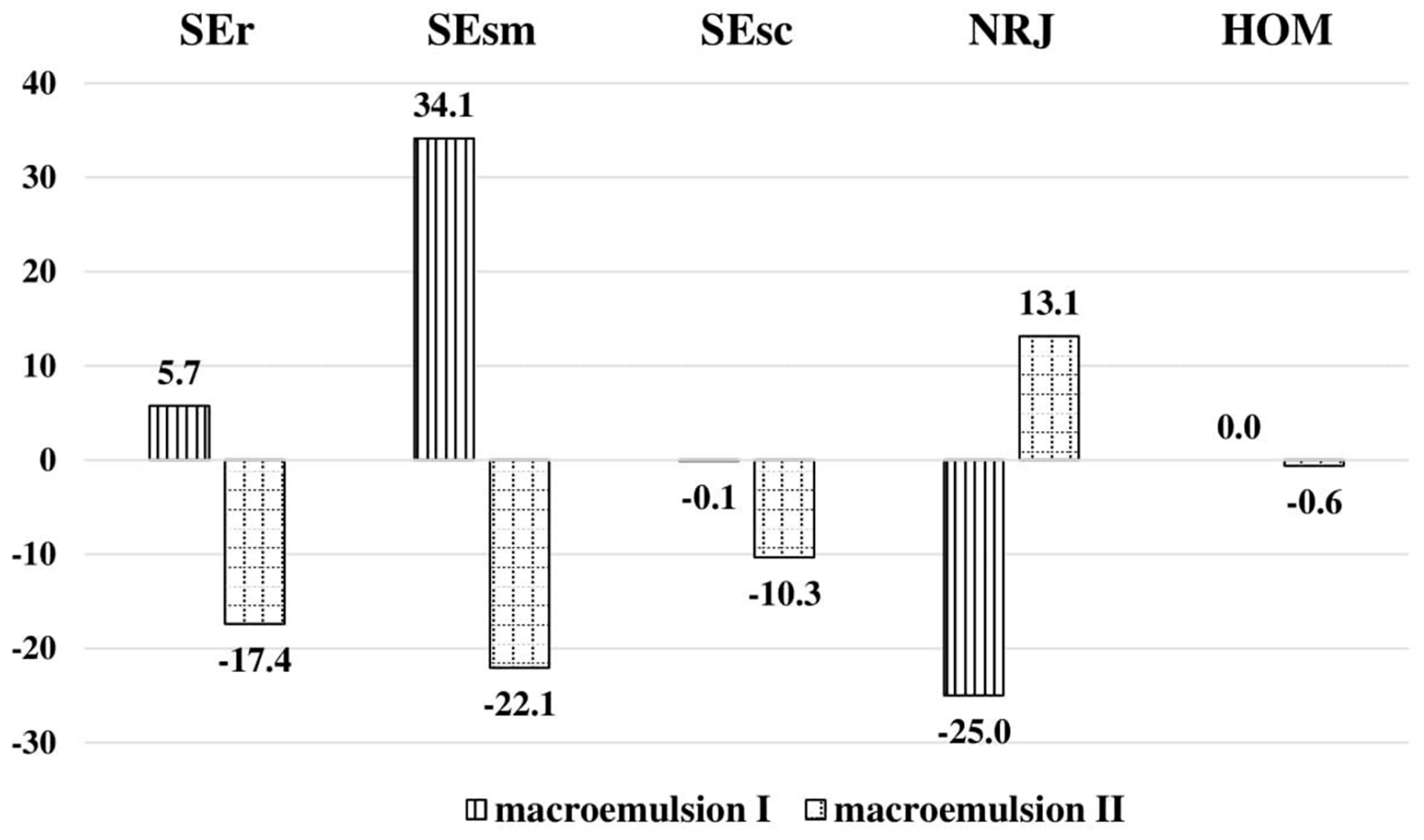
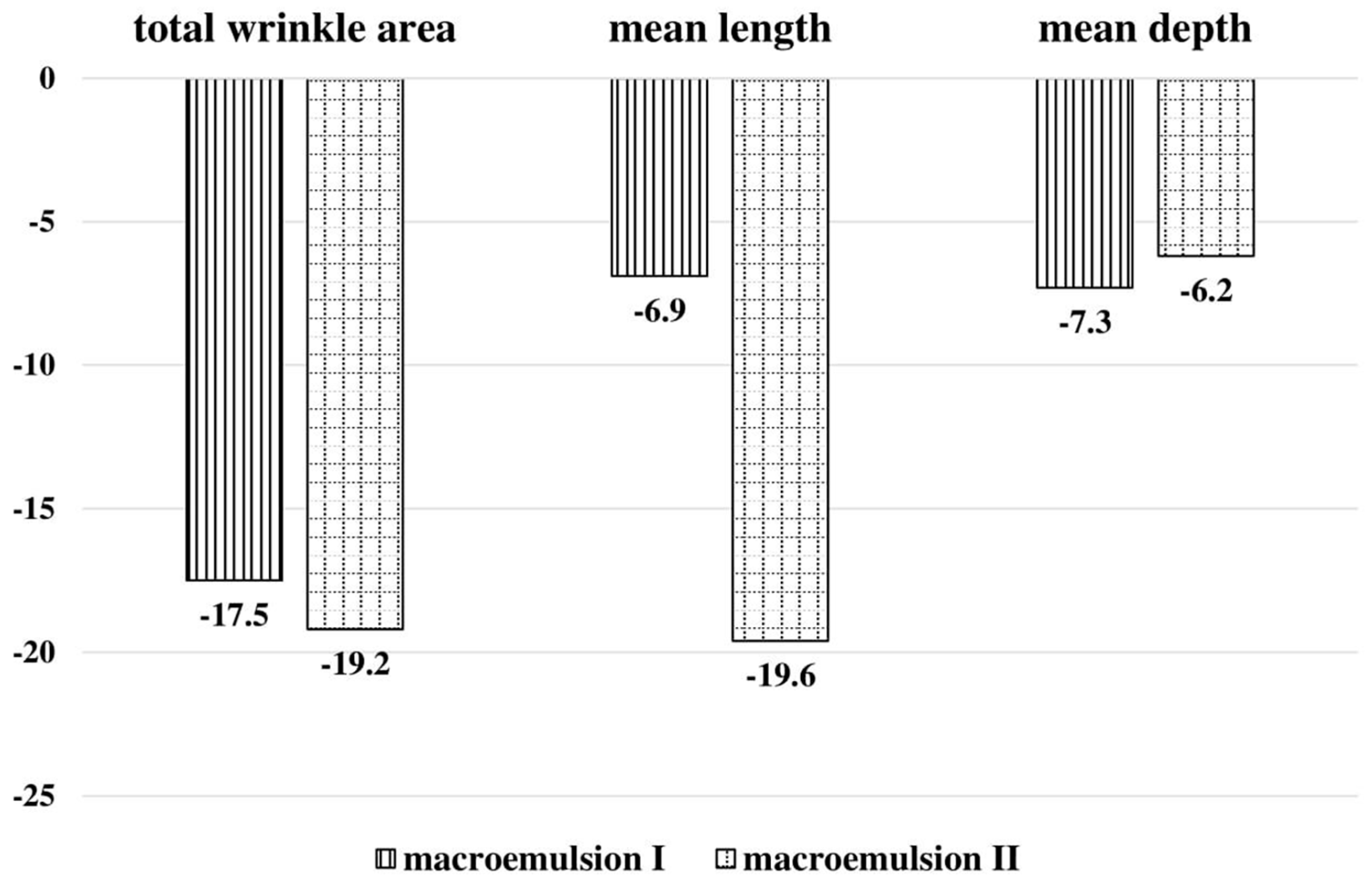
The use of Solidago virgaurea extract as a raw material for cosmetics production fits the eco-tendency prevalent in the cosmetic industry for many years now perfectly. The study reported in this paper included an evaluation of the potential of the above-mentioned plant extract as a natural cosmetic ingredient applied in the form of cosmetic macroemulsions. The physicochemical parameters (pH, viscosity, particle size distribution) and physical stability (multiple light scattering) of the cosmetic formulations containing Solidago virgaurea (1.0 wt.%) were studied. An in vivo study was carried out on a group of 20 female volunteers. The results showed a high compatibility of the tested extract with the other components in the macroemulsion in the form of a serum for the body, which was the formulation containing Sorbitan Stearate as an emulsifier. Analysis of the results revealed a relation between the compatibility of the investigated herbal extract with the components of the cosmetic base and the effectiveness of this extract as an active substance. As a result of an improvement in the application parameters, an over 70% increase in the level of epidermis moisturization was observed along with other beneficial changes in the parameters of skin macrorelief and topography.
Keywords: emulsion; Solidago virgaurea extract; stability study; in vivo study emulsion; Solidago virgaurea extract; stability study; in vivo study