Article

Research on an Energy Recovery Strategy for Fuel Cell Commercial Vehicles Based on Slope Estimation


1
School of Mechanical and Electrical Engineering, Guilin University of Electronic Technology, Guilin 541004, China
2
School of Mechanical and Automotive Engineering, Guangxi University of Science and Technology, Liuzhou 545616, China
3
Commercial Vehicle Technology Center, Dong Feng Liuzhou Automobile Co., Ltd., Liuzhou 545005, China
*
Author to whom correspondence should be addressed.
Appl. Sci. 2024, 14(2), 748; https://doi.org/10.3390/app14020748
Submission received: 16 December 2023 / Revised: 6 January 2024 / Accepted: 12 January 2024 / Published: 16 January 2024

Abstract

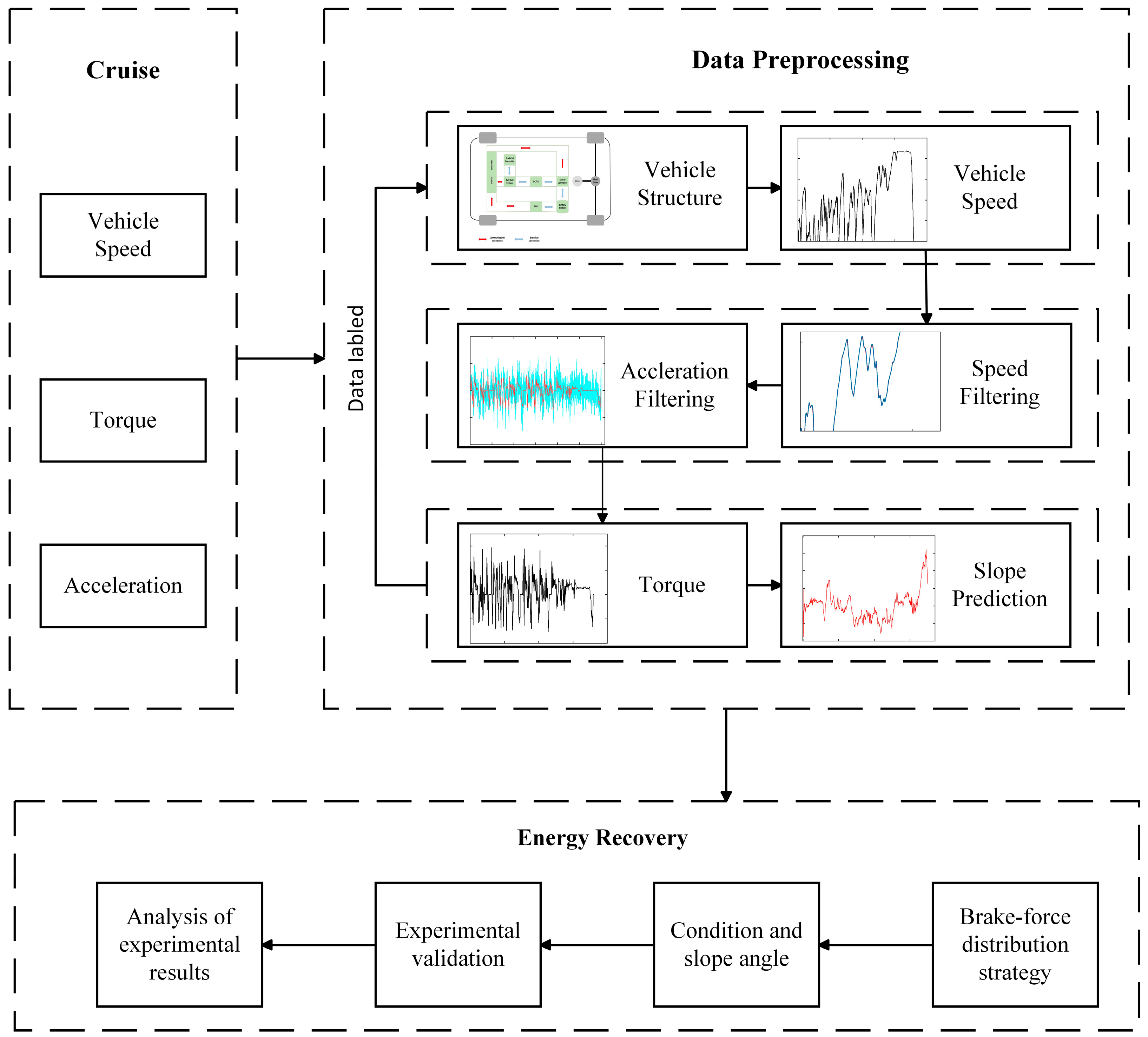
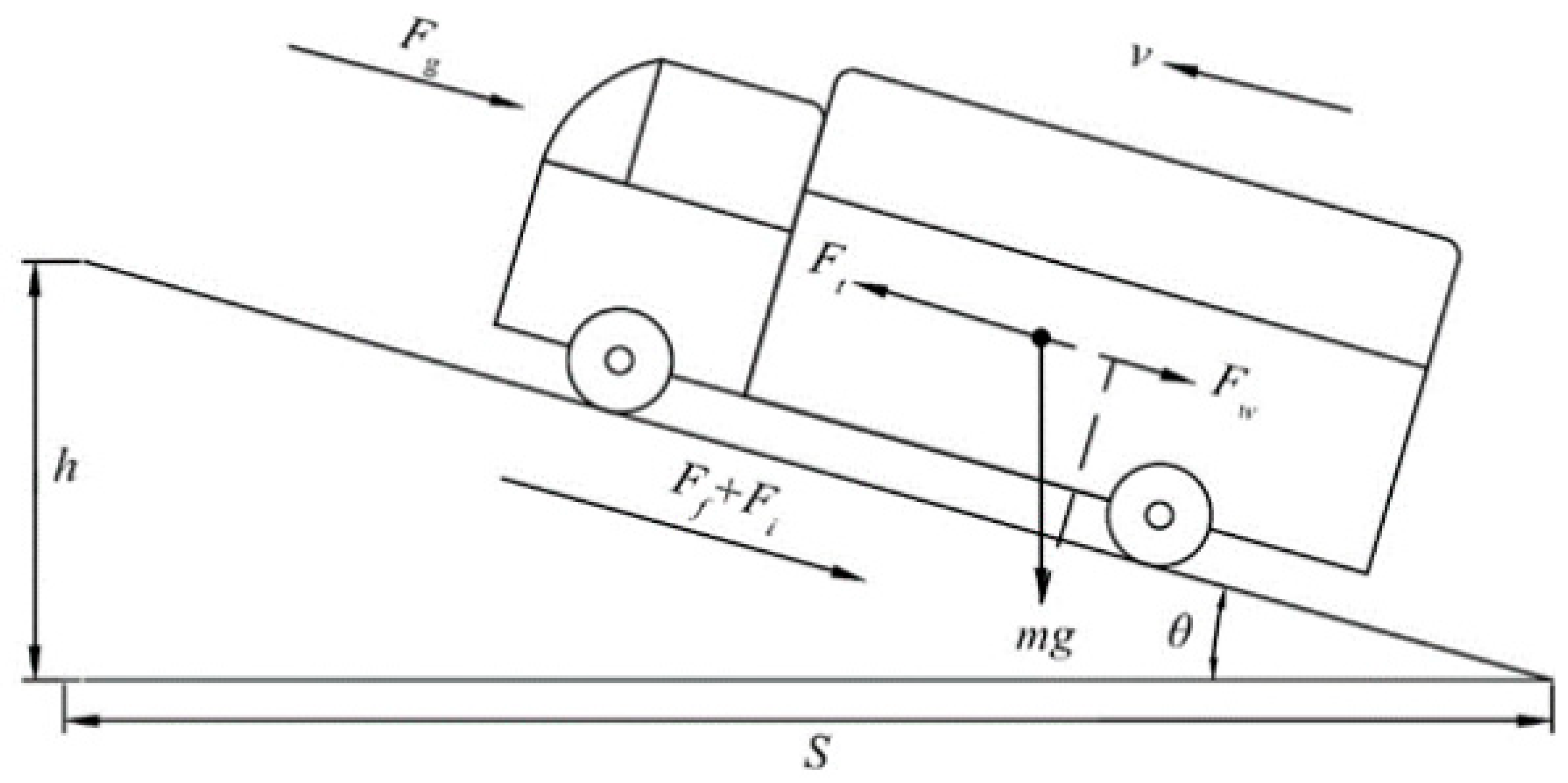
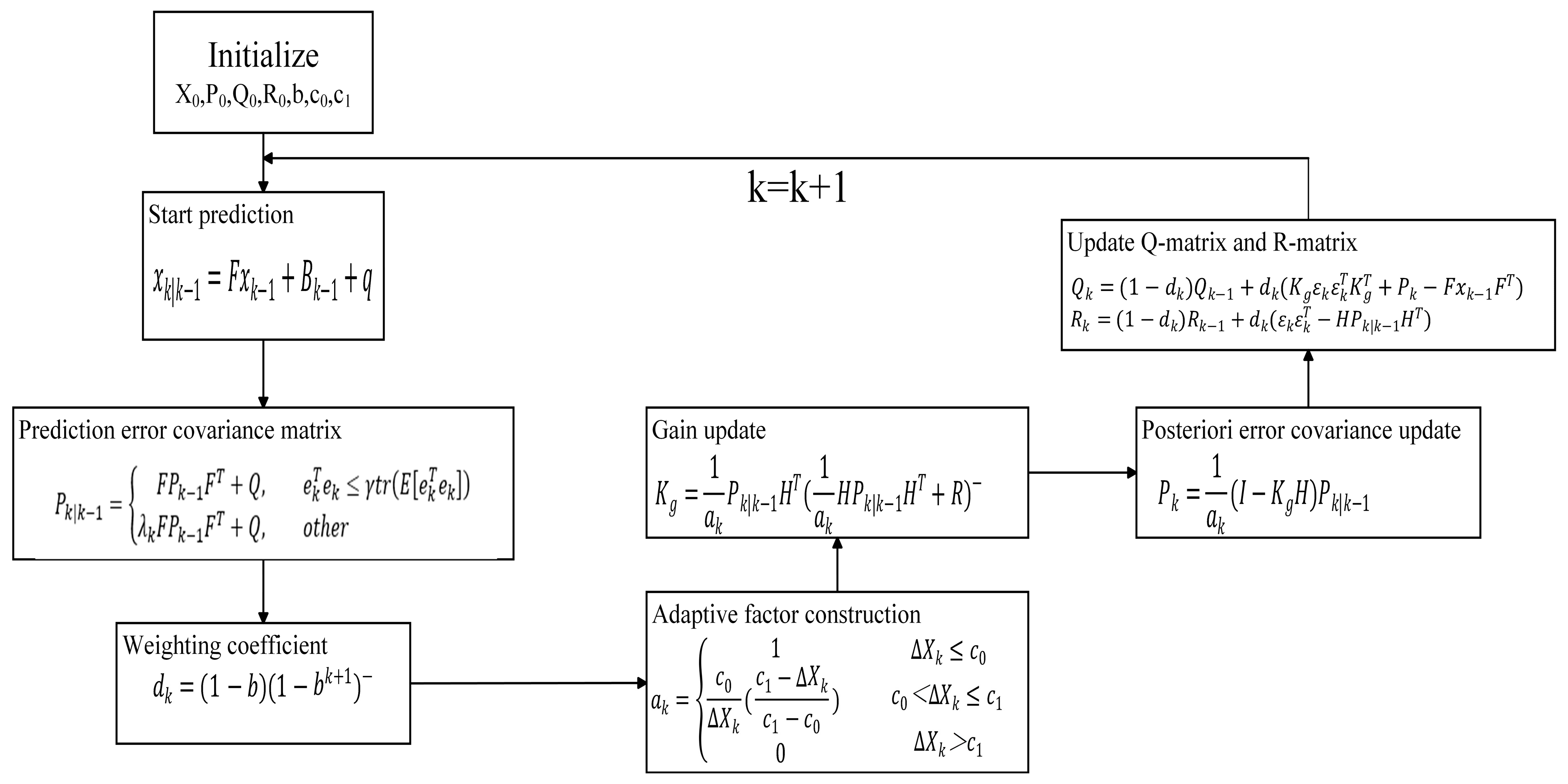
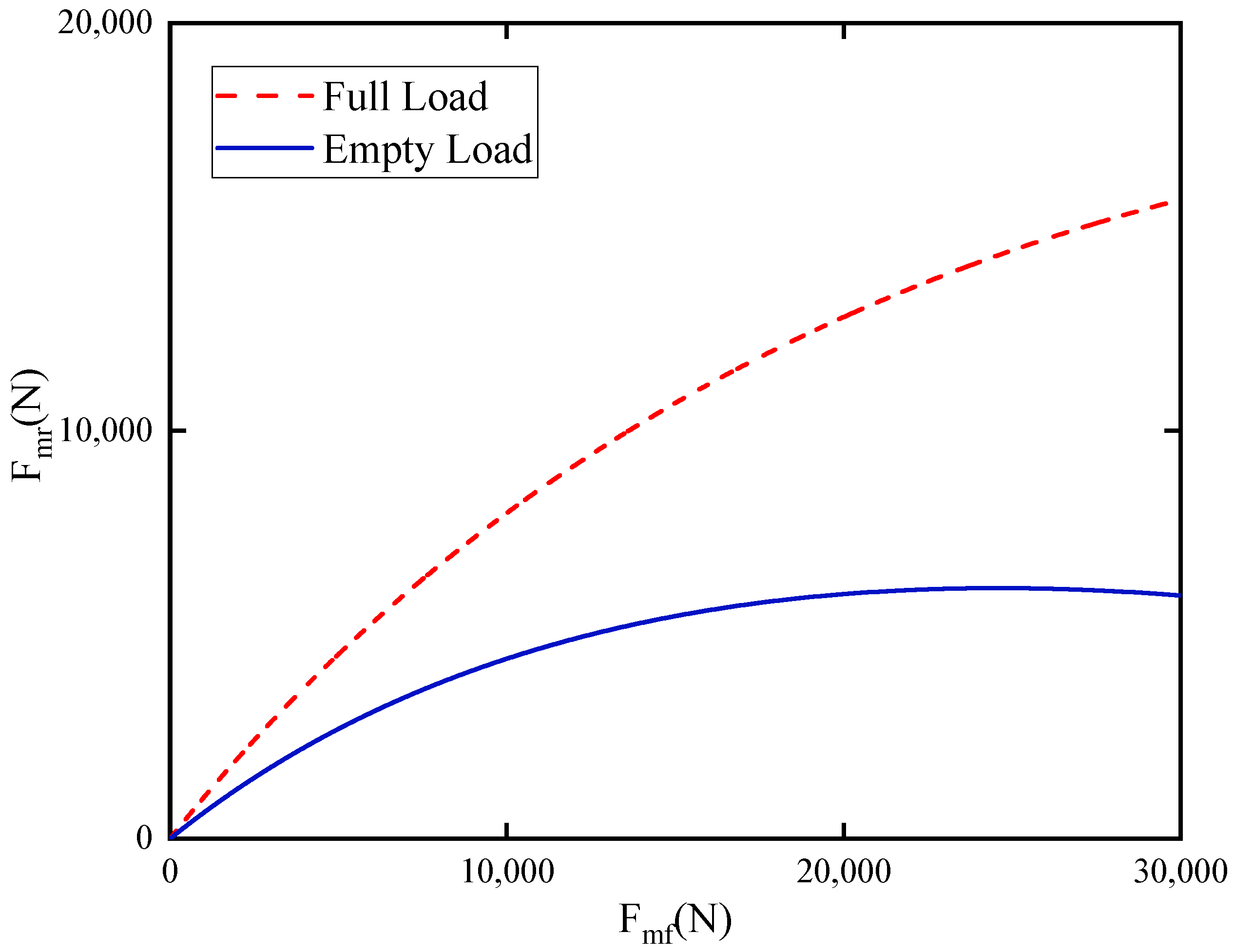
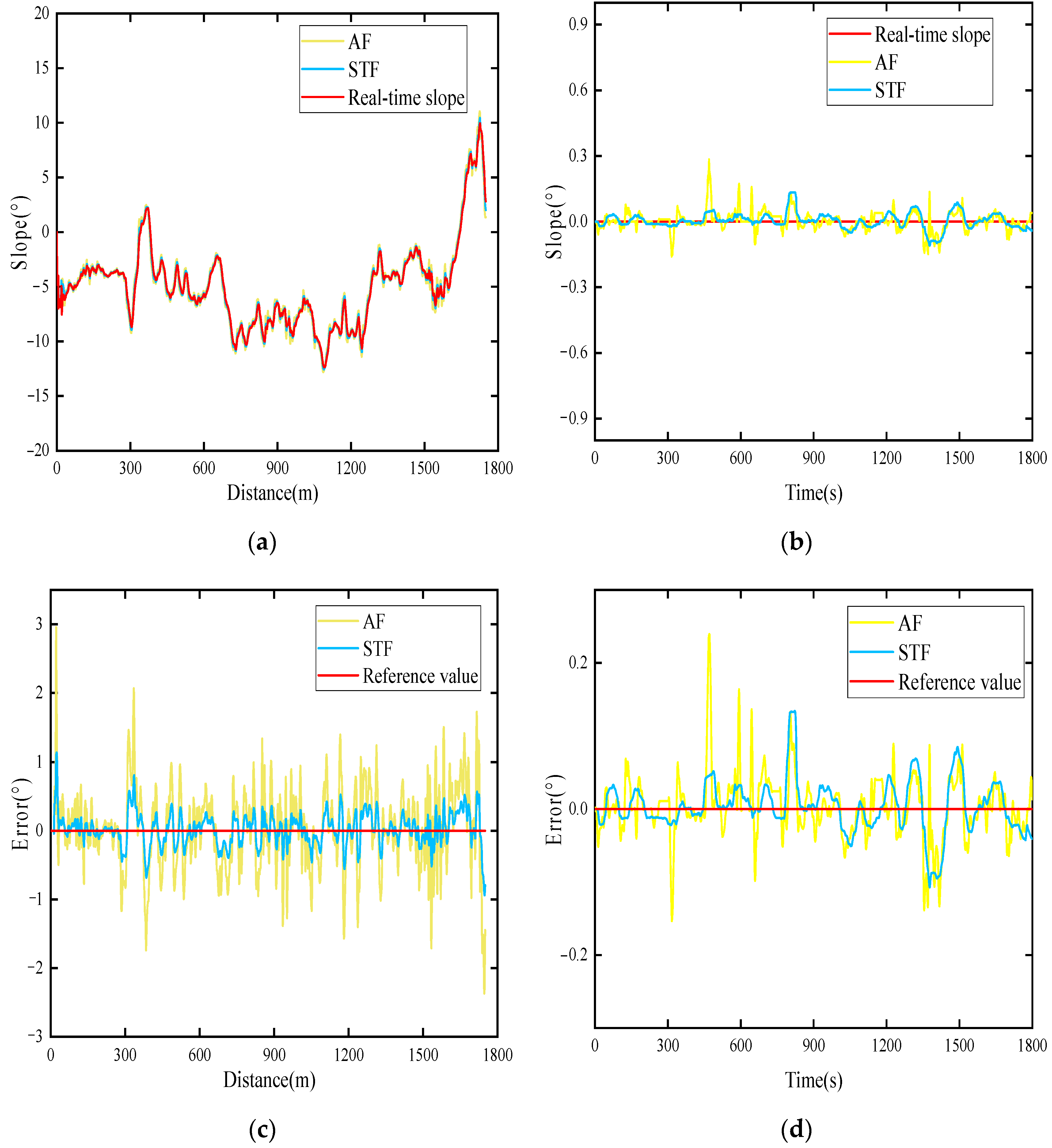
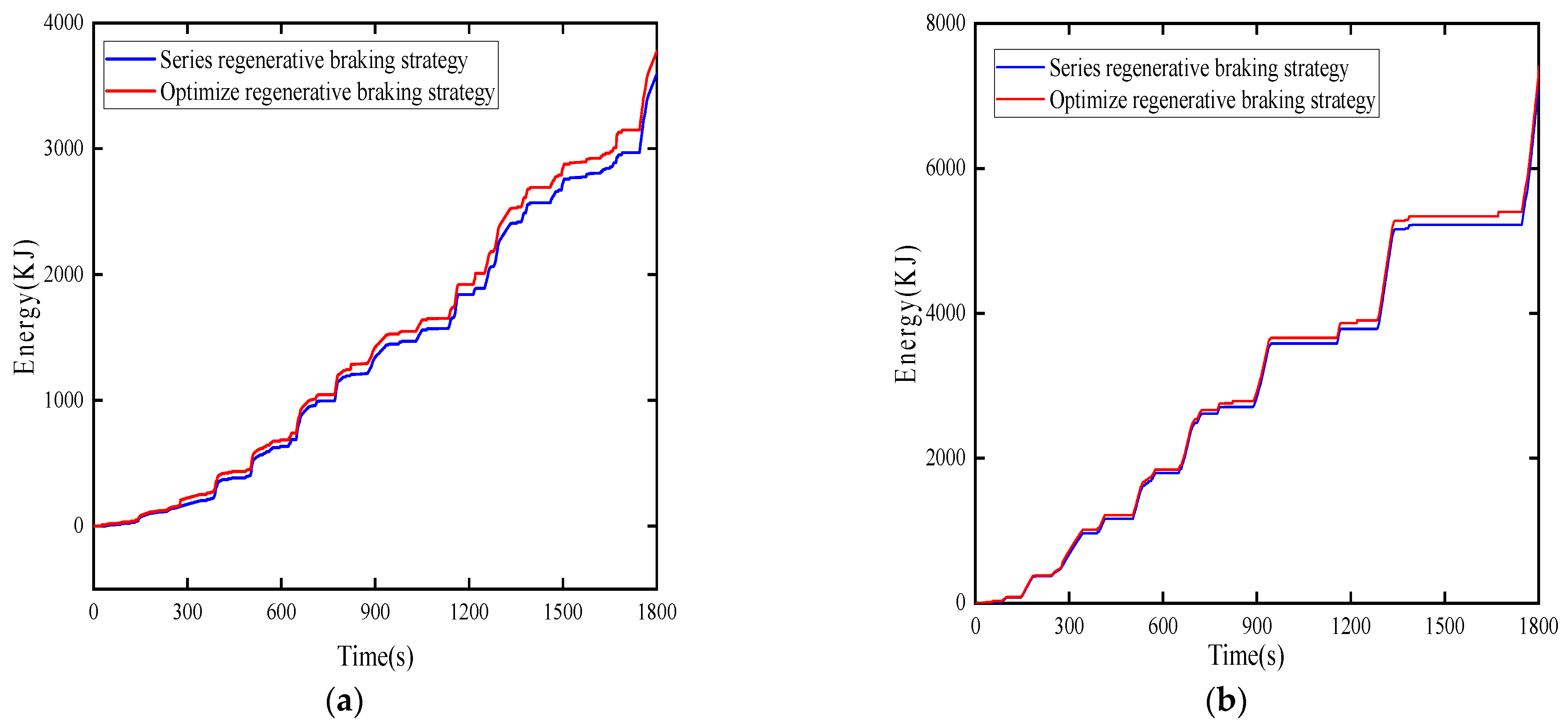
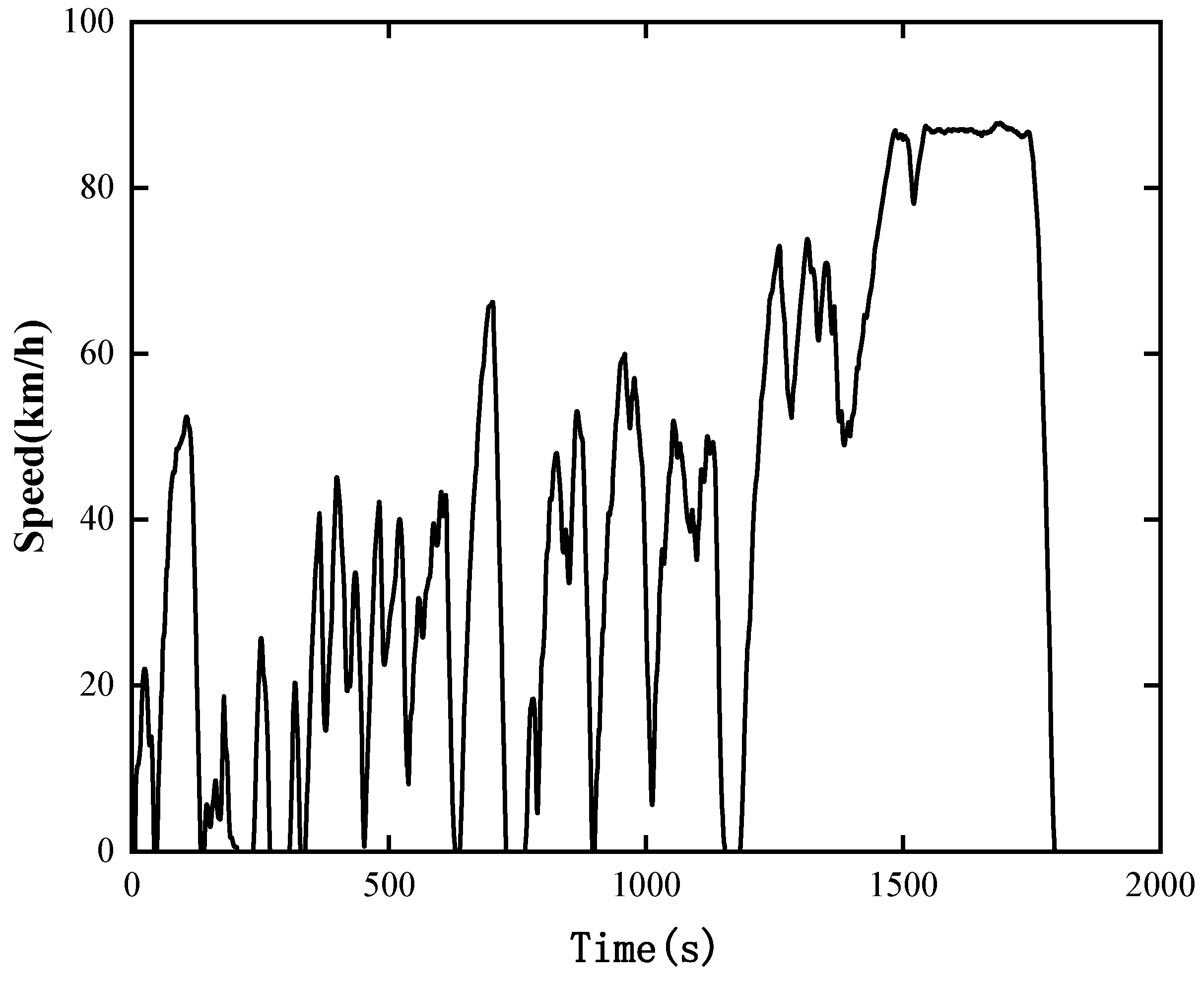
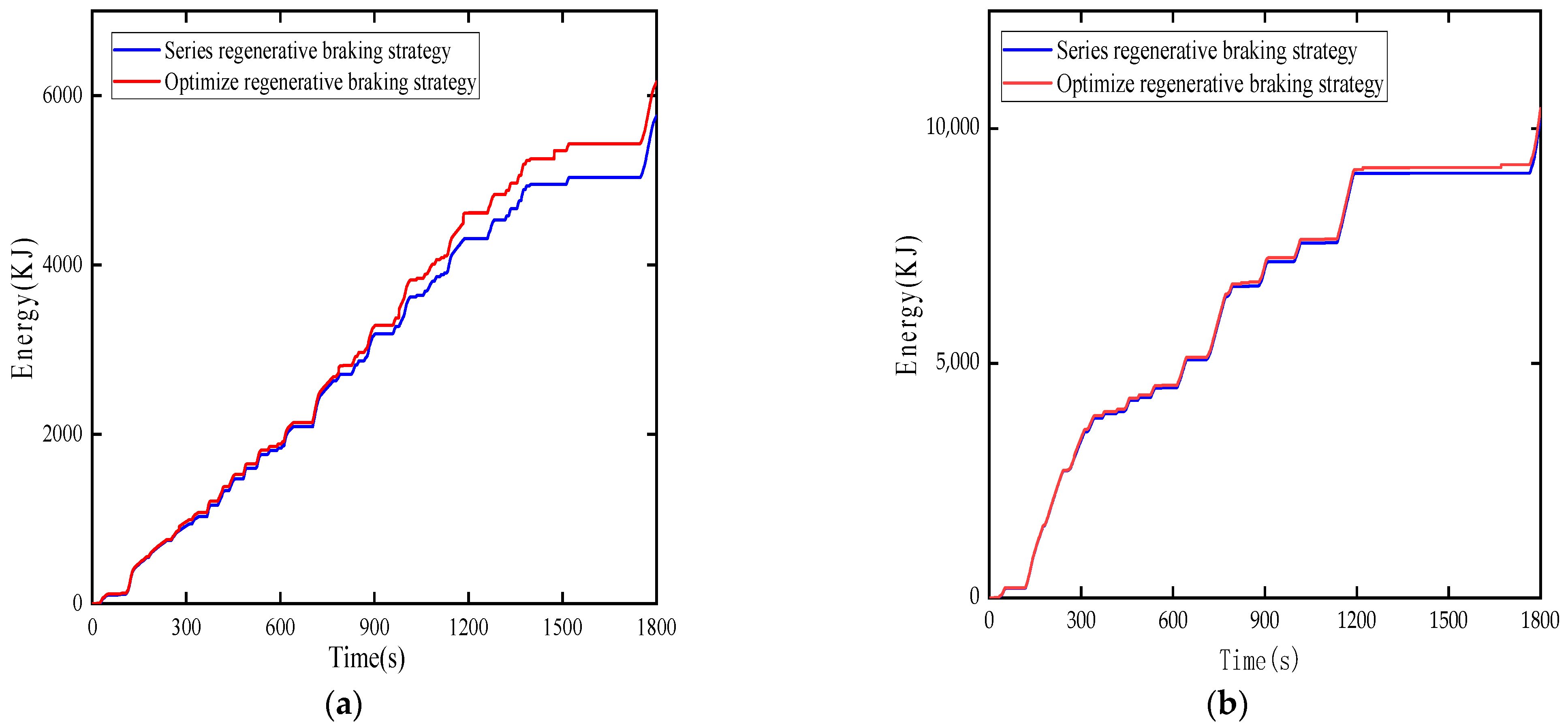
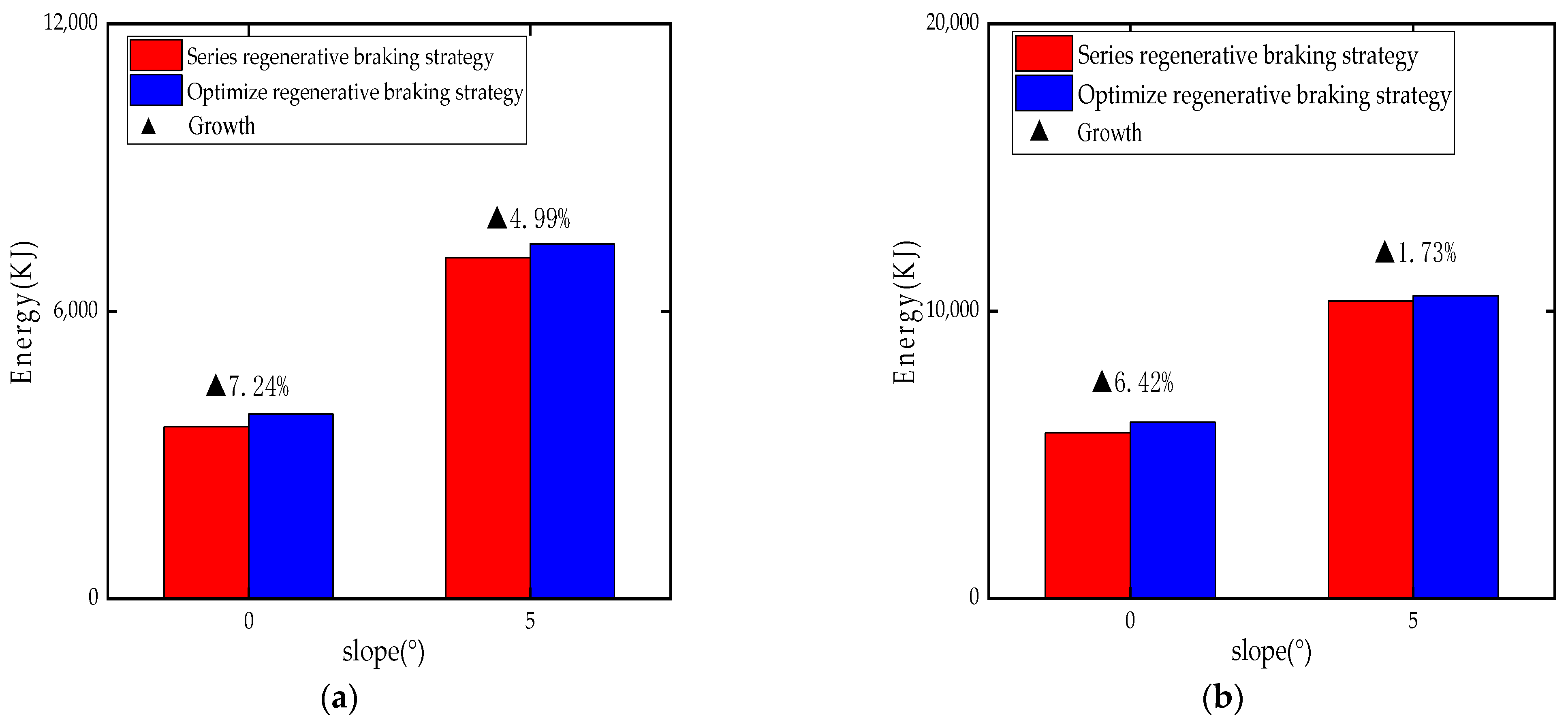
Road slope is an essential parameter in the study of vehicle driving processes. In future traffic development, constructing road segments with slopes is indispensable. Furthermore, road slope is a fundamental parameter for realizing energy recovery during braking. Hence, research on road slope estimation is extremely crucial. This article proposes a combination of adaptive filtering and strong tracking filter factors for road slope estimation, followed by establishing case settings for verification. It was found that the proposed slope estimation algorithm has a high degree of accuracy in estimating the slope angle, with a mean absolute error (MAE) and a root mean square error (RMSE) of 0.0254 and 0.0359, respectively, at fixed slopes, and a MAE and a RMSE of 0.2799 and 0.3710, respectively, at varying slopes. By combining the slope angle with a braking force distribution optimization algorithm, an optimized braking distribution coefficient is obtained. In the Cruise2019 software, slope angles of 0° and 5° are set and combined with the braking force distribution strategy built in Matlab2021/Simulink for verification under China Heavy-duty Commercial Vehicle Test Cycle (CHTC-HT) and Worldwide Transient Vehicle Cycle (C-WTVC) conditions. The recovered energy increased by 7.24% and 4.99%, respectively, under CHTC-HT conditions, and by 6.42% and 1.73%, respectively, under C-WTVC.
Keywords: road slope estimation; adaptive filtering; strong tracking filter factors; brake force distribution; energy recovery road slope estimation; adaptive filtering; strong tracking filter factors; brake force distribution; energy recovery