Article

High-Speed Cell Assembly with Piezo-Driven Two-Finger Microhand

1
School of Mechatronical Engineering, Beijing Institute of Technology, Beijing 100081, China
2
Department of Materials Engineering Science, Osaka University, Osaka 560-8531, Japan
3
Center for Neuroscience and Biomedical Engineering, The University of Electro-Communications, Tokyo 182-8585, Japan
*
Author to whom correspondence should be addressed.
Appl. Sci. 2024, 14(2), 617; https://doi.org/10.3390/app14020617
Submission received: 24 December 2023 / Revised: 9 January 2024 / Accepted: 9 January 2024 / Published: 11 January 2024

Abstract

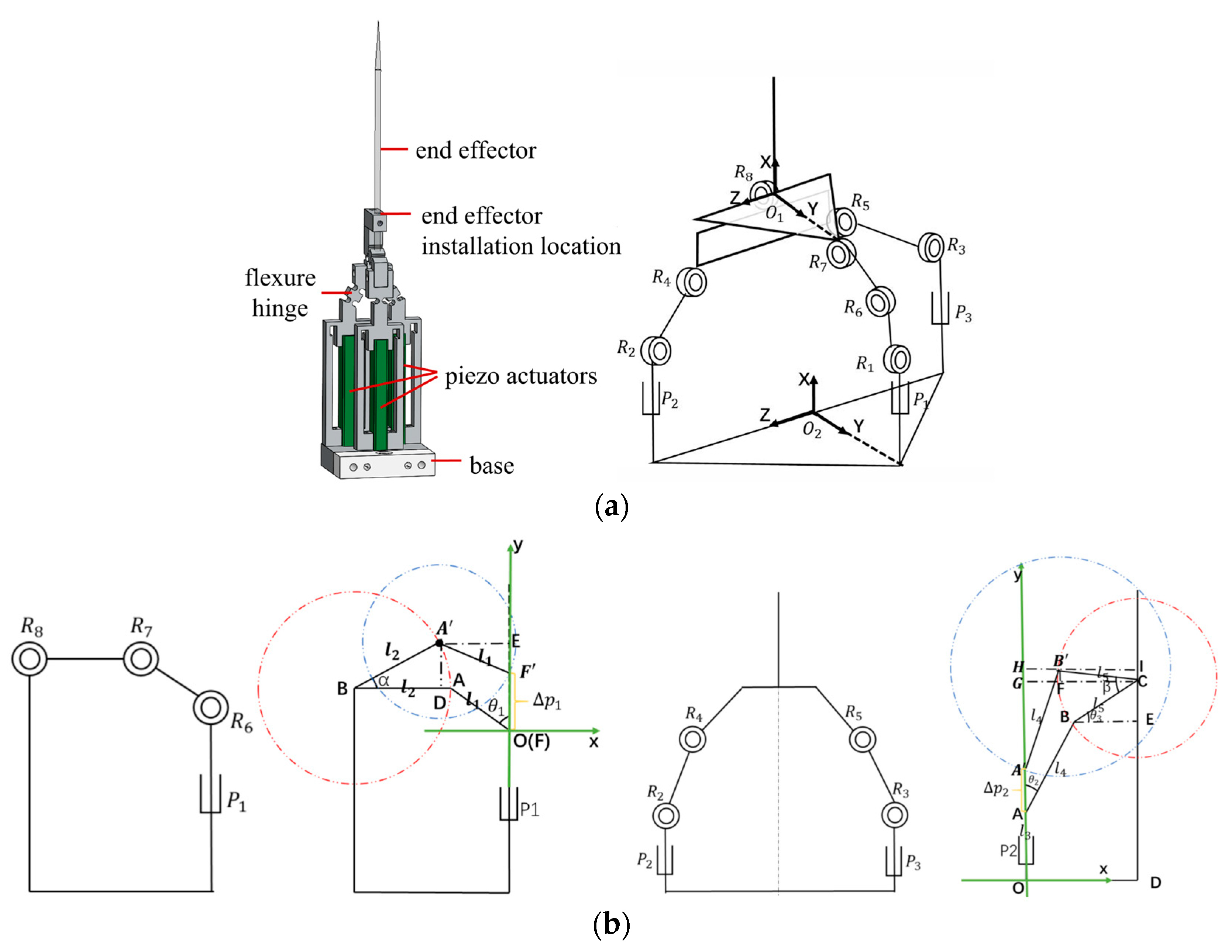
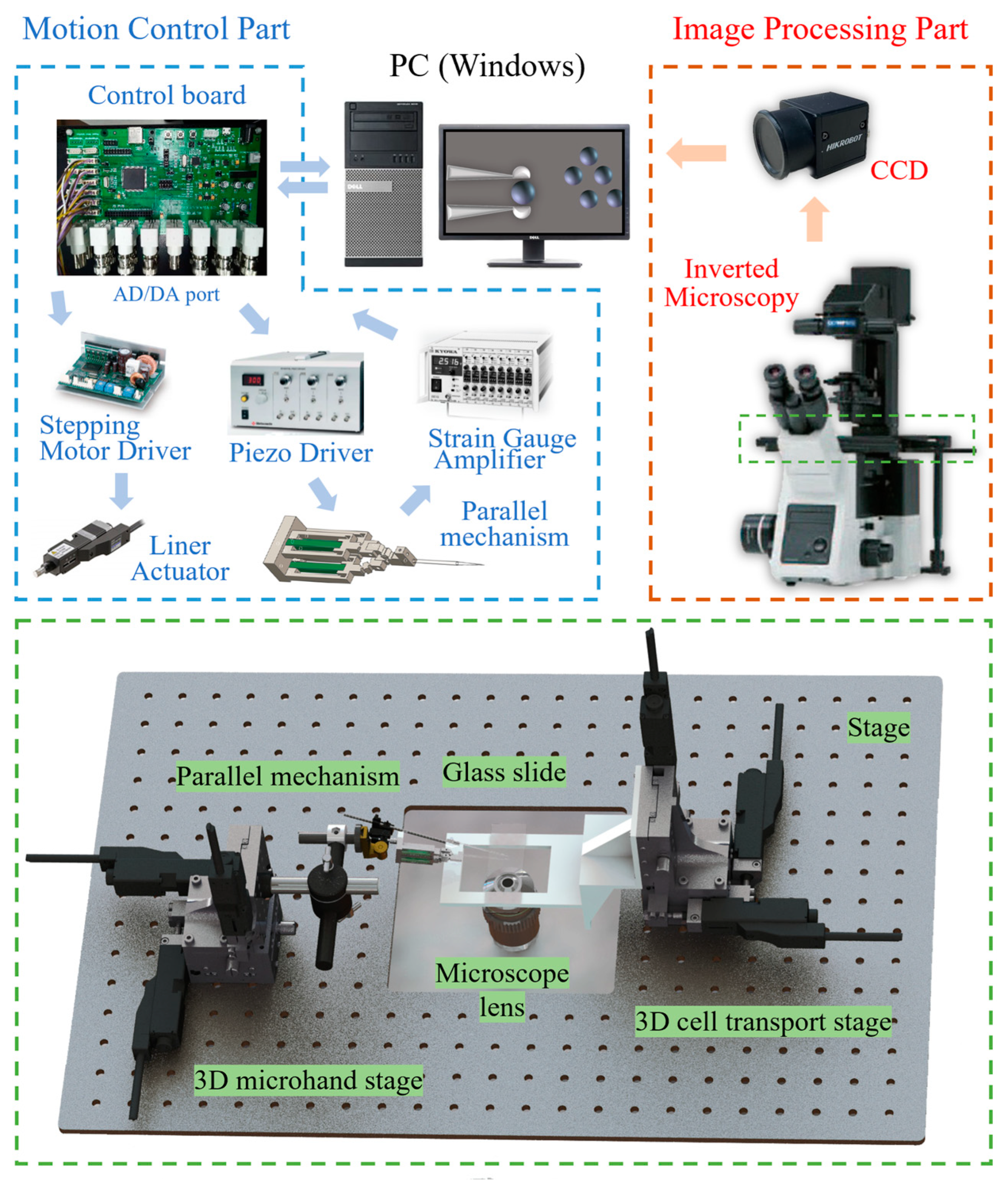
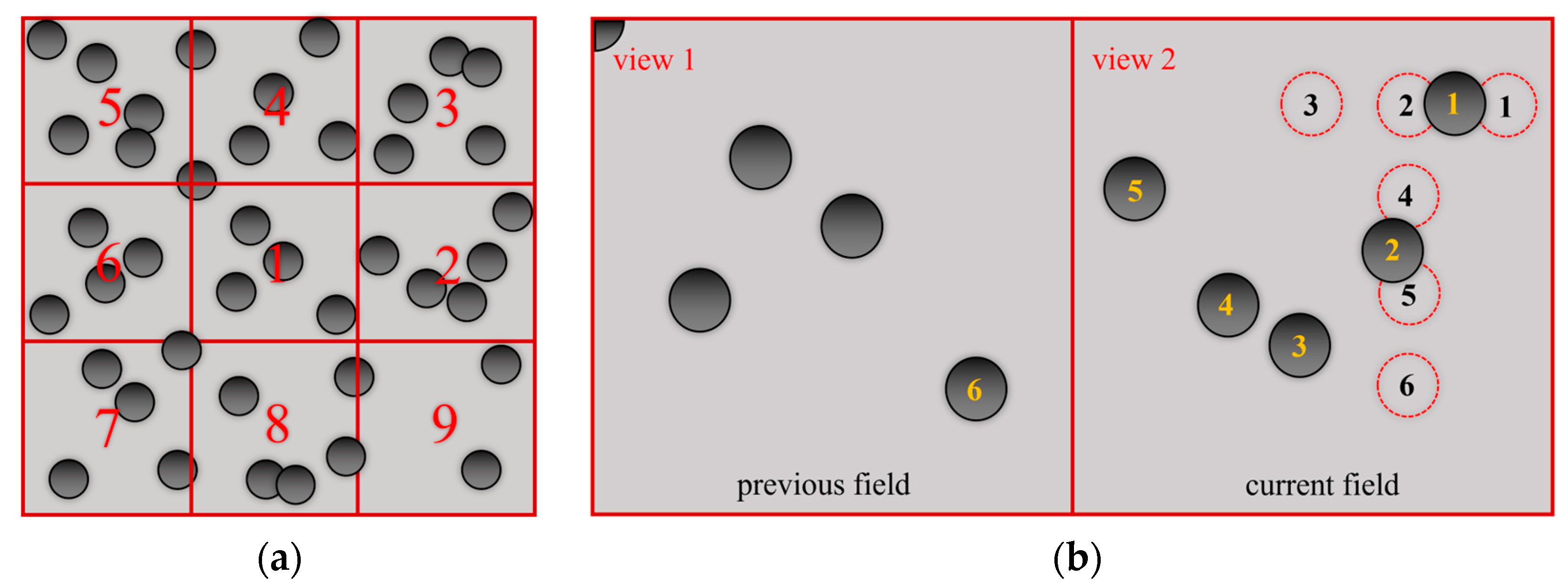
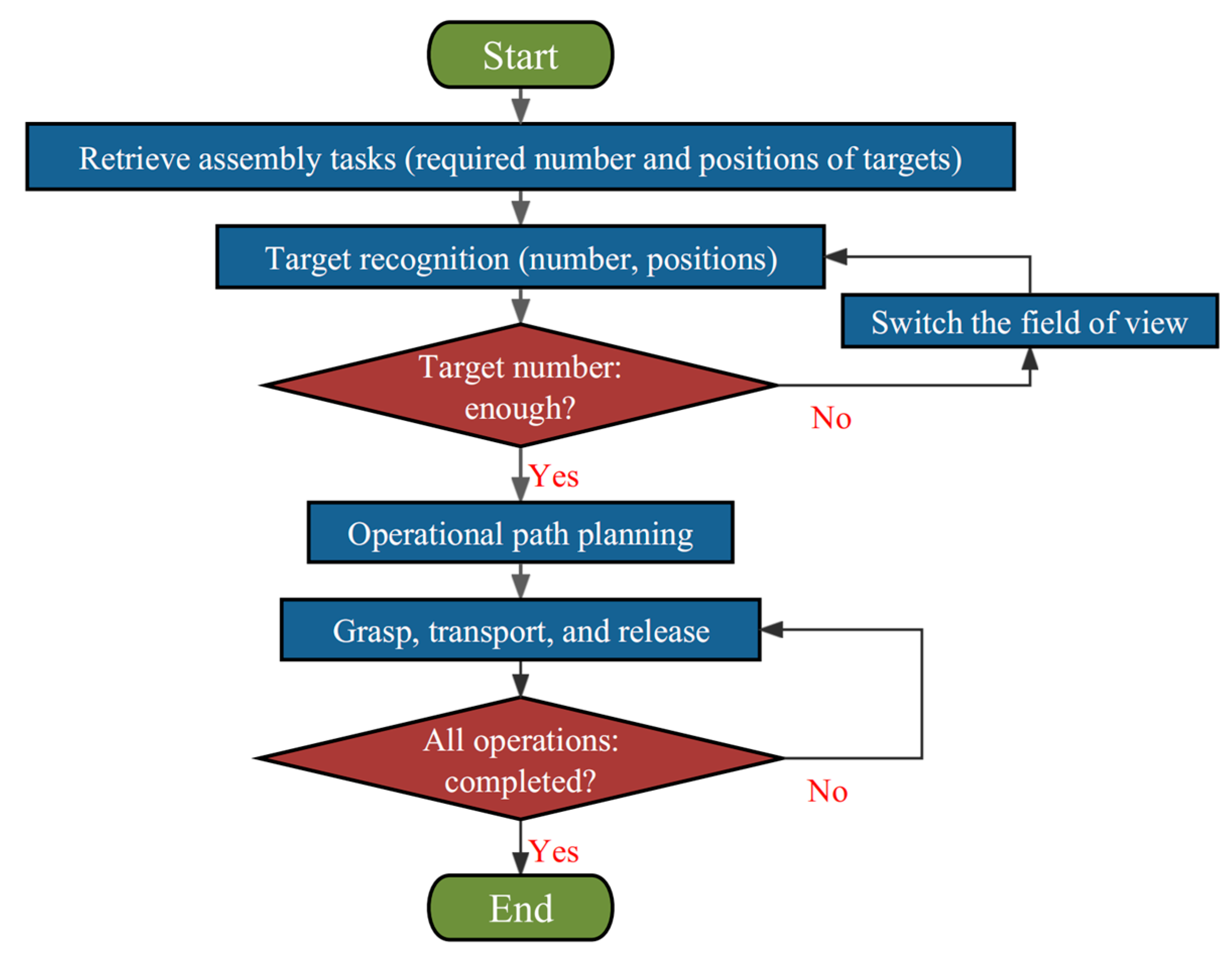
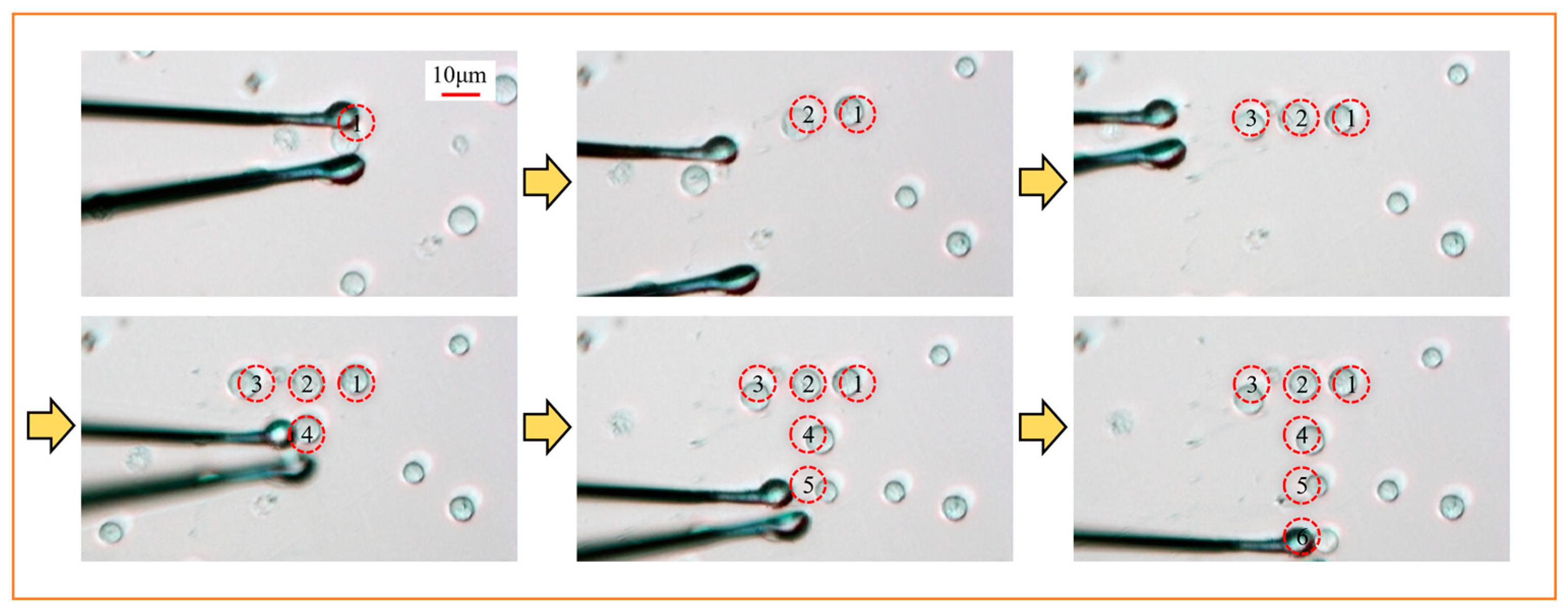
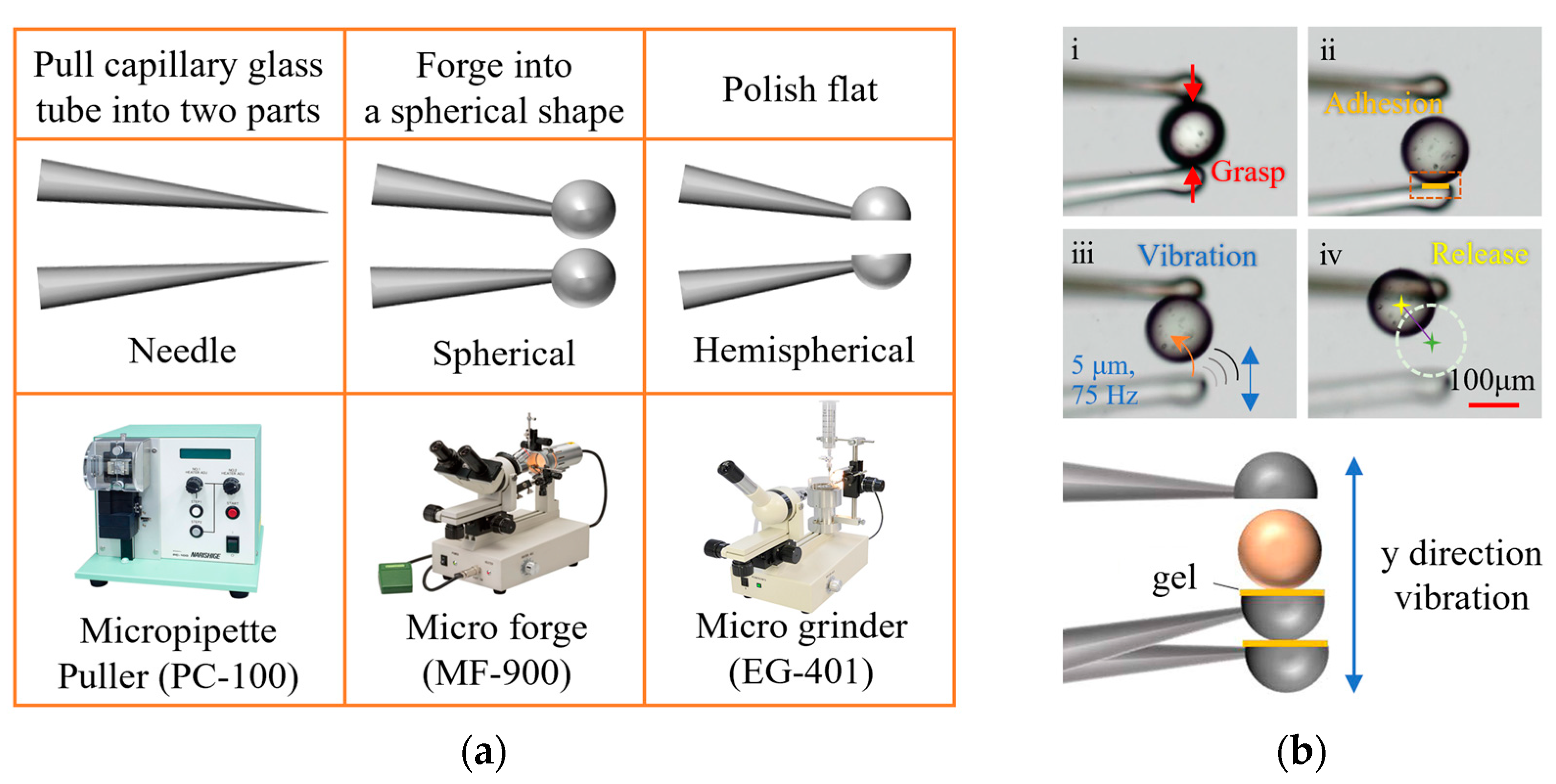
In the past few decades, researchers have conducted extensive studies on cell micromanipulation methods. However, there has consistently been a lack of a micromanipulation system that excels in both precision and speed. Additionally, many of these methods rely on manual control, thus significantly reducing efficiency. In this paper, a robotized micromanipulation system employing a two-finger microhand is proposed. The microhand has a 3-DoF parallel mechanism driven by three piezoelectric actuators, enabling high-precision micromanipulation. Replacing the needle-tip end-effector with a hemispherical end-effector makes cell grasping easier and more stable. In addition, a vibration-based release method combined with gel coating is proposed to reduce the release difficulty caused by adhesion forces. Through multiple sets of experiments, we have determined the optimal grasping and releasing conditions while balancing precision, stability, and damage degree to cells. An automated cell assembly strategy based on microscopic visual feedback and pick-and-place path planning is proposed to achieve the robotized high-speed cell array. Hela cells were chosen as the operation objects, achieving a 95% success rate in grasping and a 97% success rate in releasing. A “T” letter array formed by cells was successfully assembled with an average grasp and release time of less than 0.8 s and an assembly accuracy of 4.5 μm for a single cell. This study holds significant implications for the fields of biology and medicine, presenting potential applications in tissue engineering.
Keywords: cell assembly; micromanipulation; automation; tissue engineering cell assembly; micromanipulation; automation; tissue engineering