Study Protocol

Numerical Simulation and Flow Field Analysis of Porous Water Jet Nozzle Based on Fluent

1
School of Mechanical and Equipment Engineering, Hebei University of Engineering, Handan 056038, China
2
Hebei Jinan New Area Modern Equipment Manufacturing Collaborative Innovation Center, Handan 056038, China
*
Author to whom correspondence should be addressed.
Appl. Sci. 2024, 14(16), 7075; https://doi.org/10.3390/app14167075
Submission received: 15 June 2024 / Revised: 31 July 2024 / Accepted: 9 August 2024 / Published: 12 August 2024
(This article belongs to the Special Issue Advances and Applications of CFD (Computational Fluid Dynamics))

Abstract

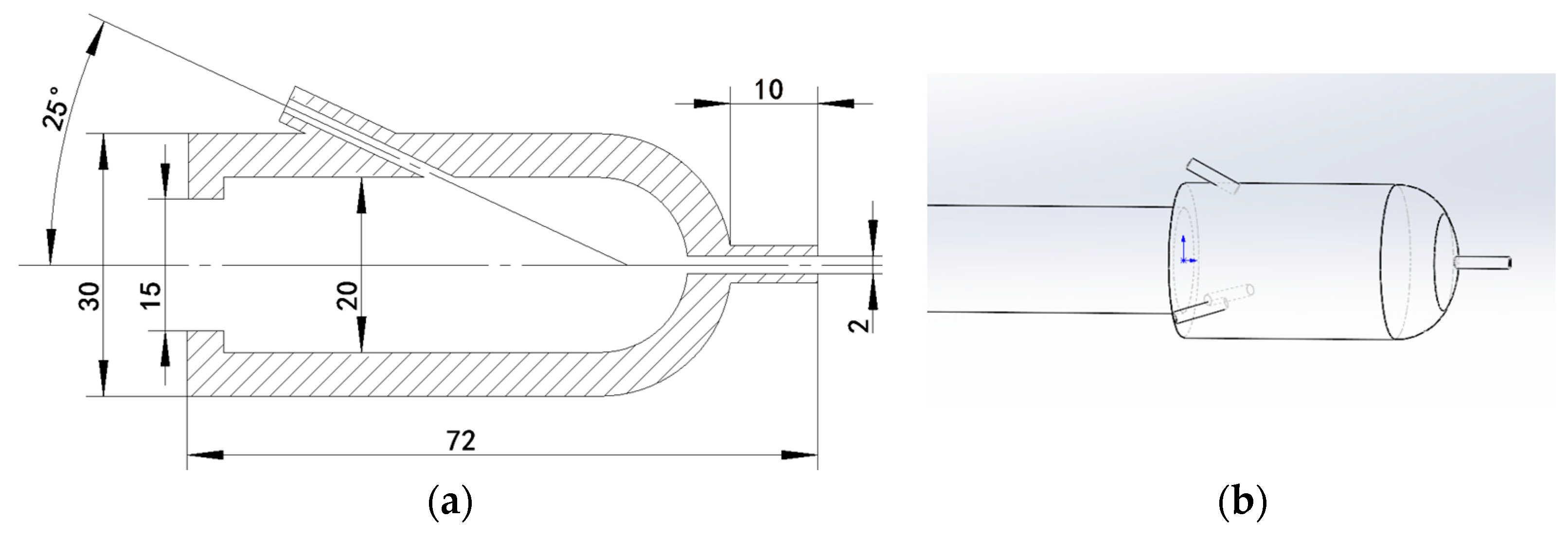
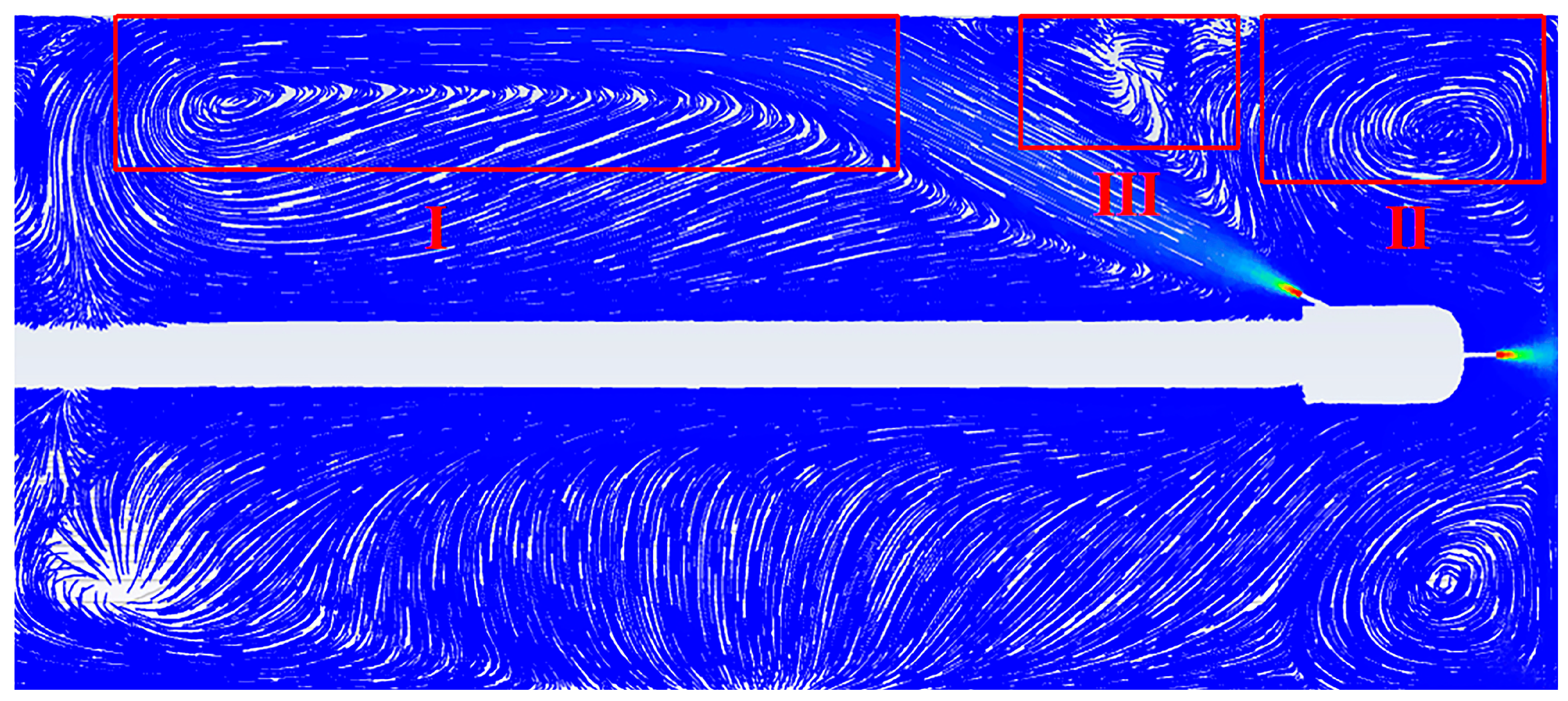
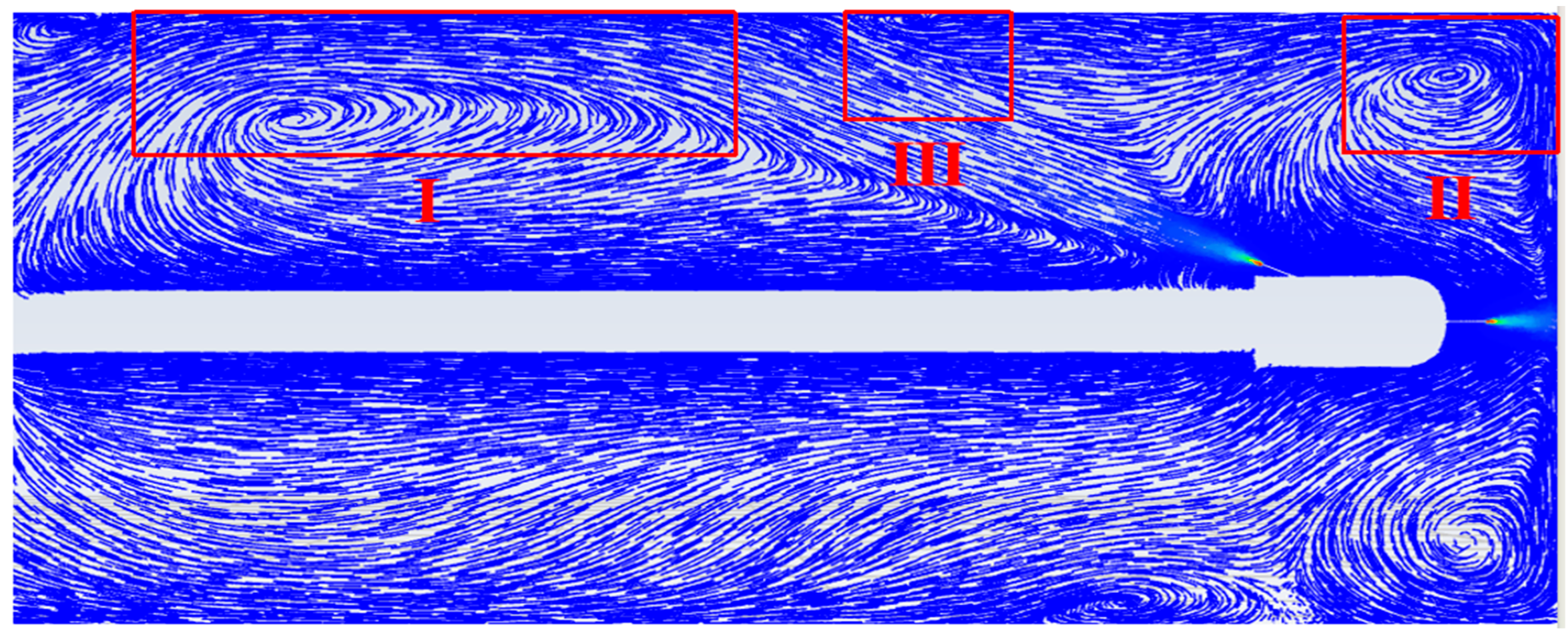
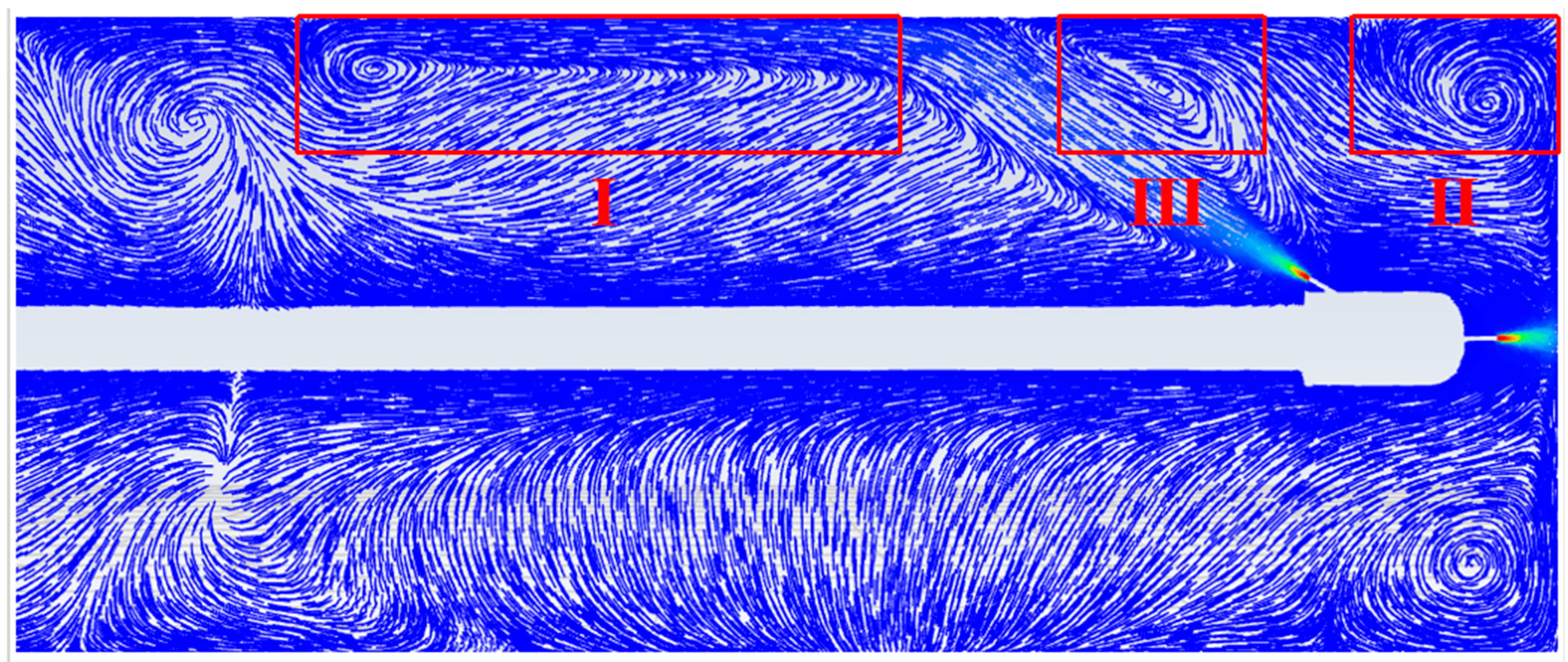
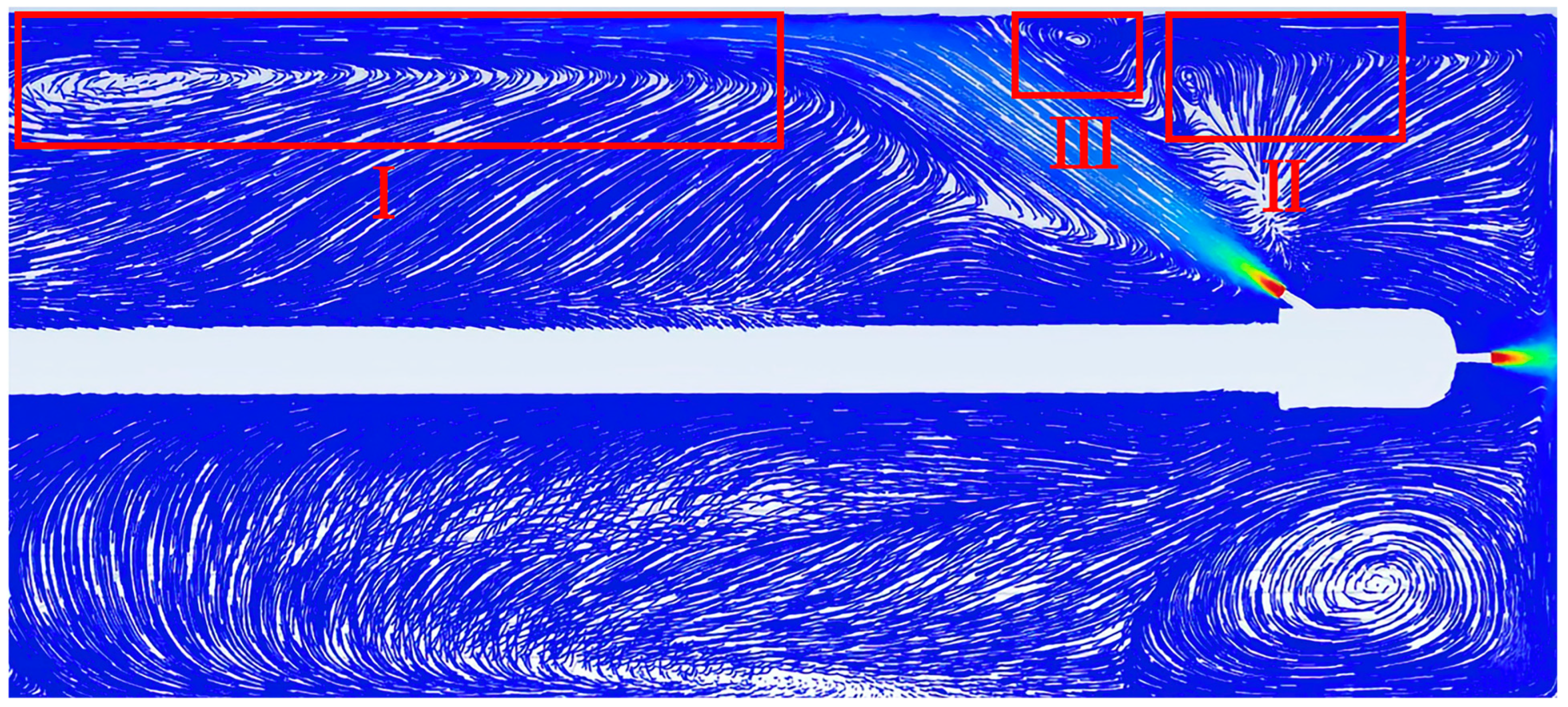
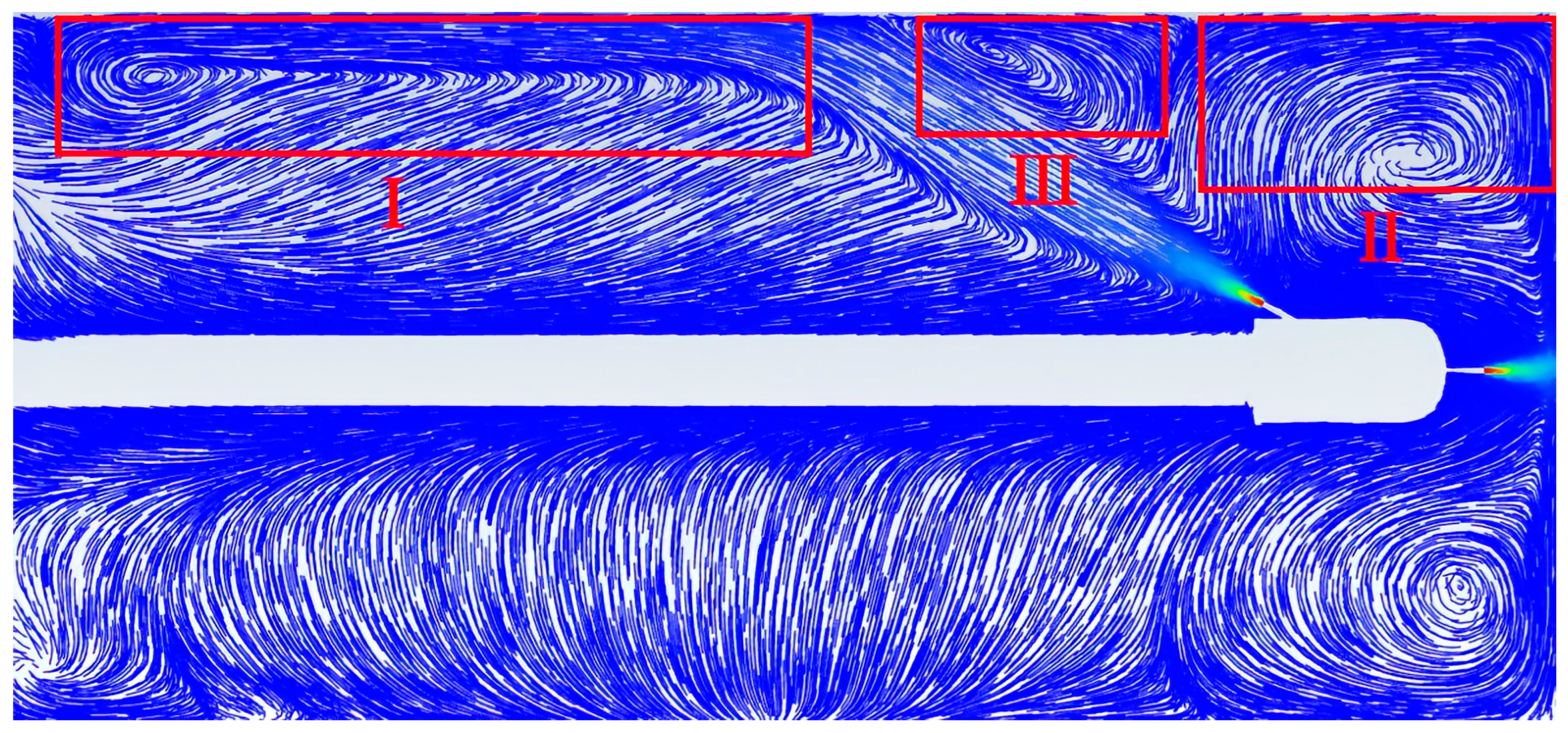
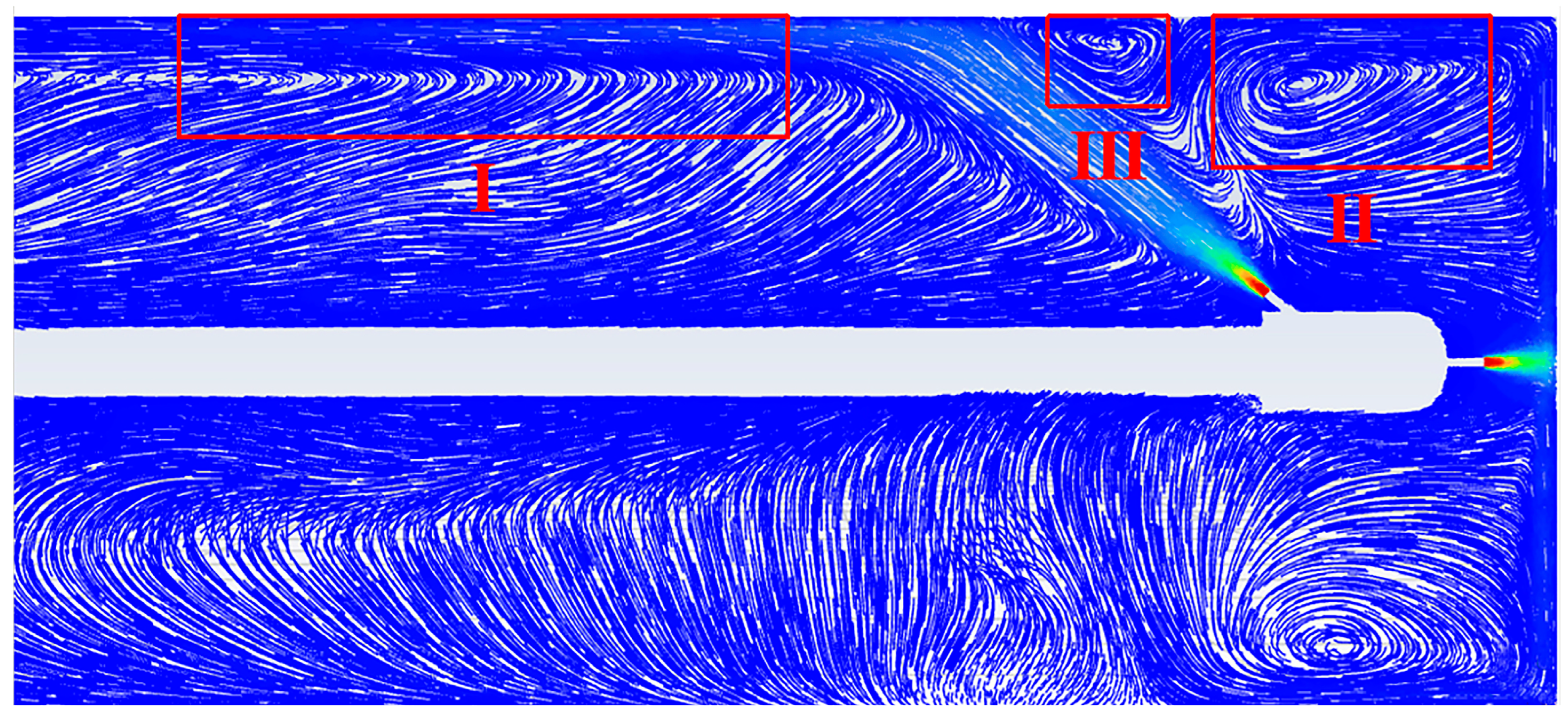
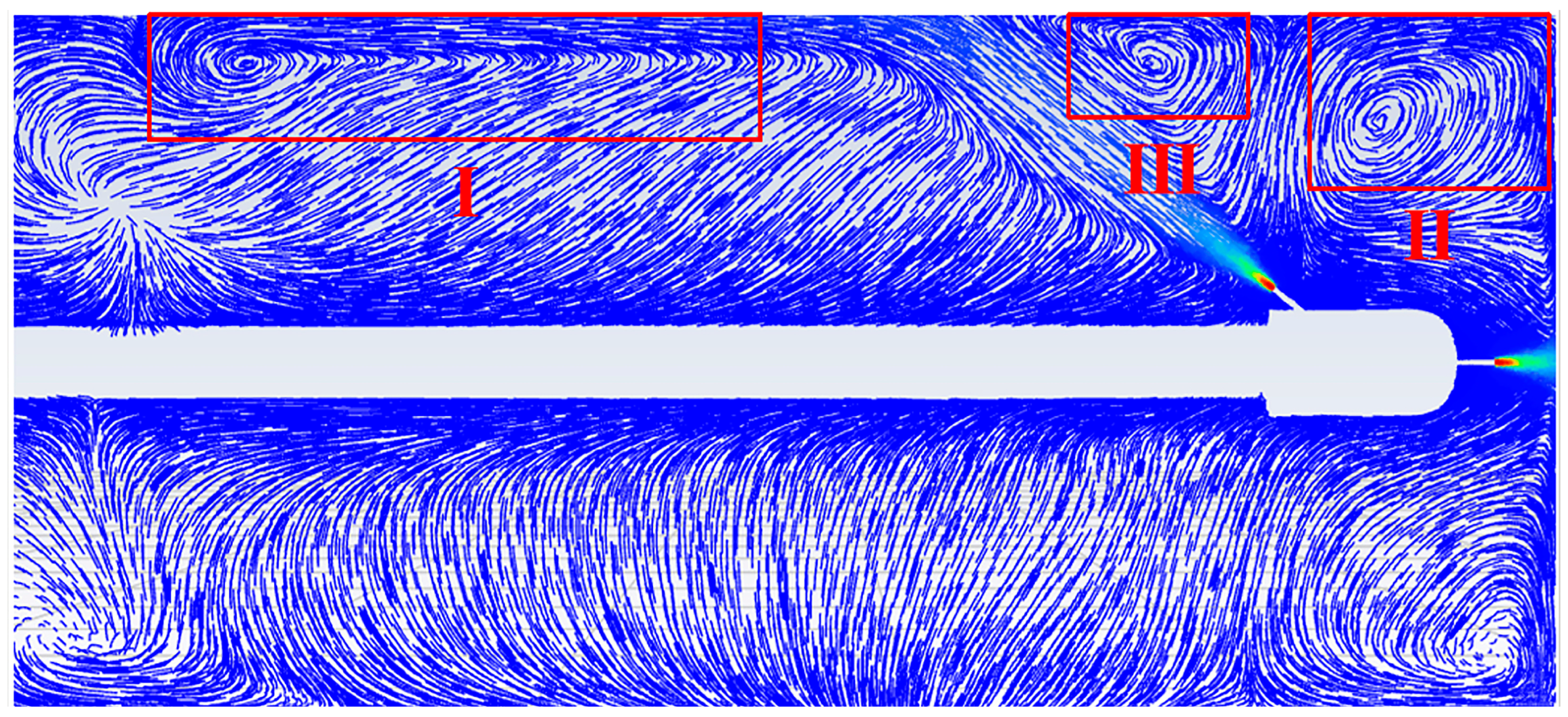
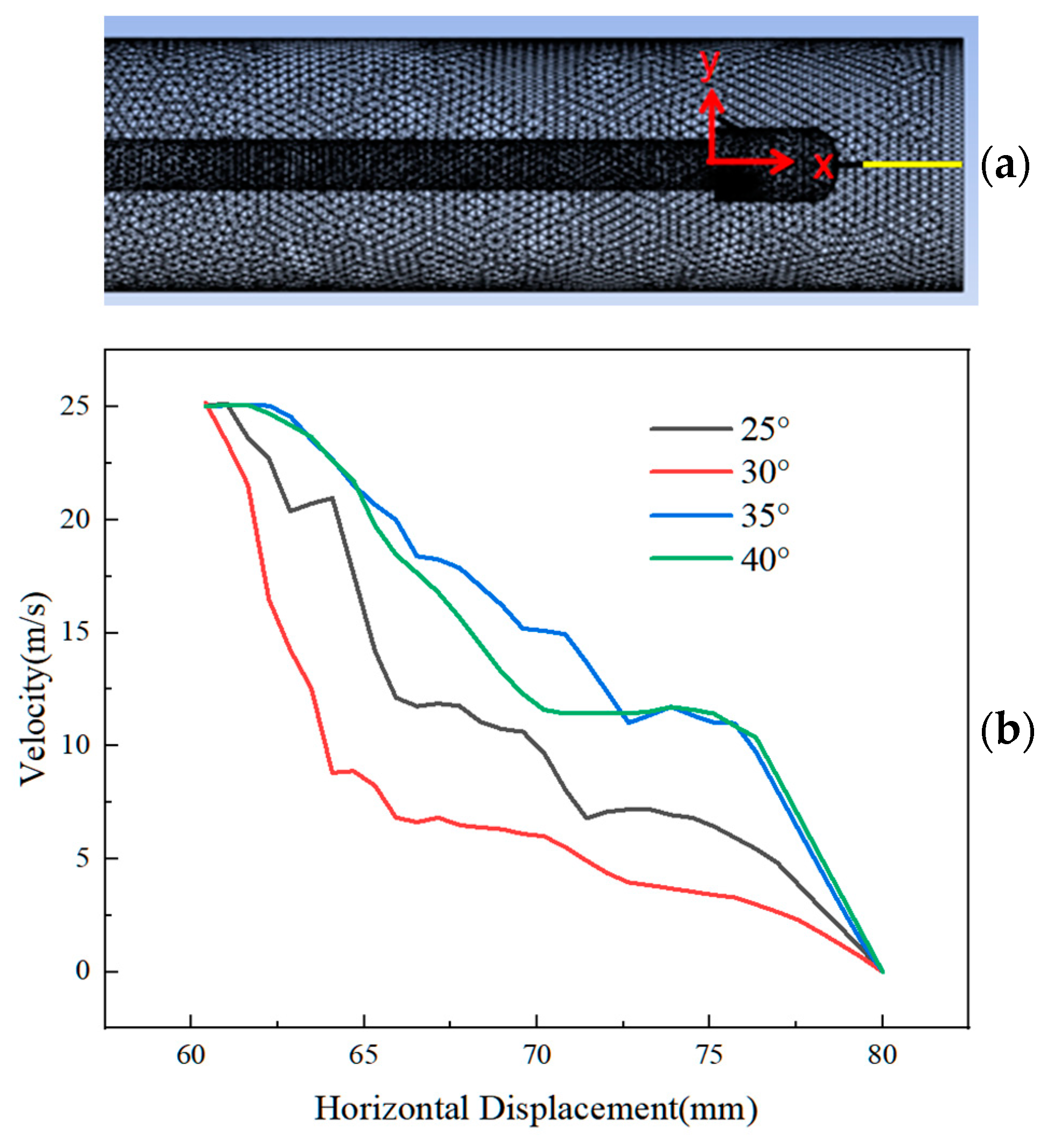
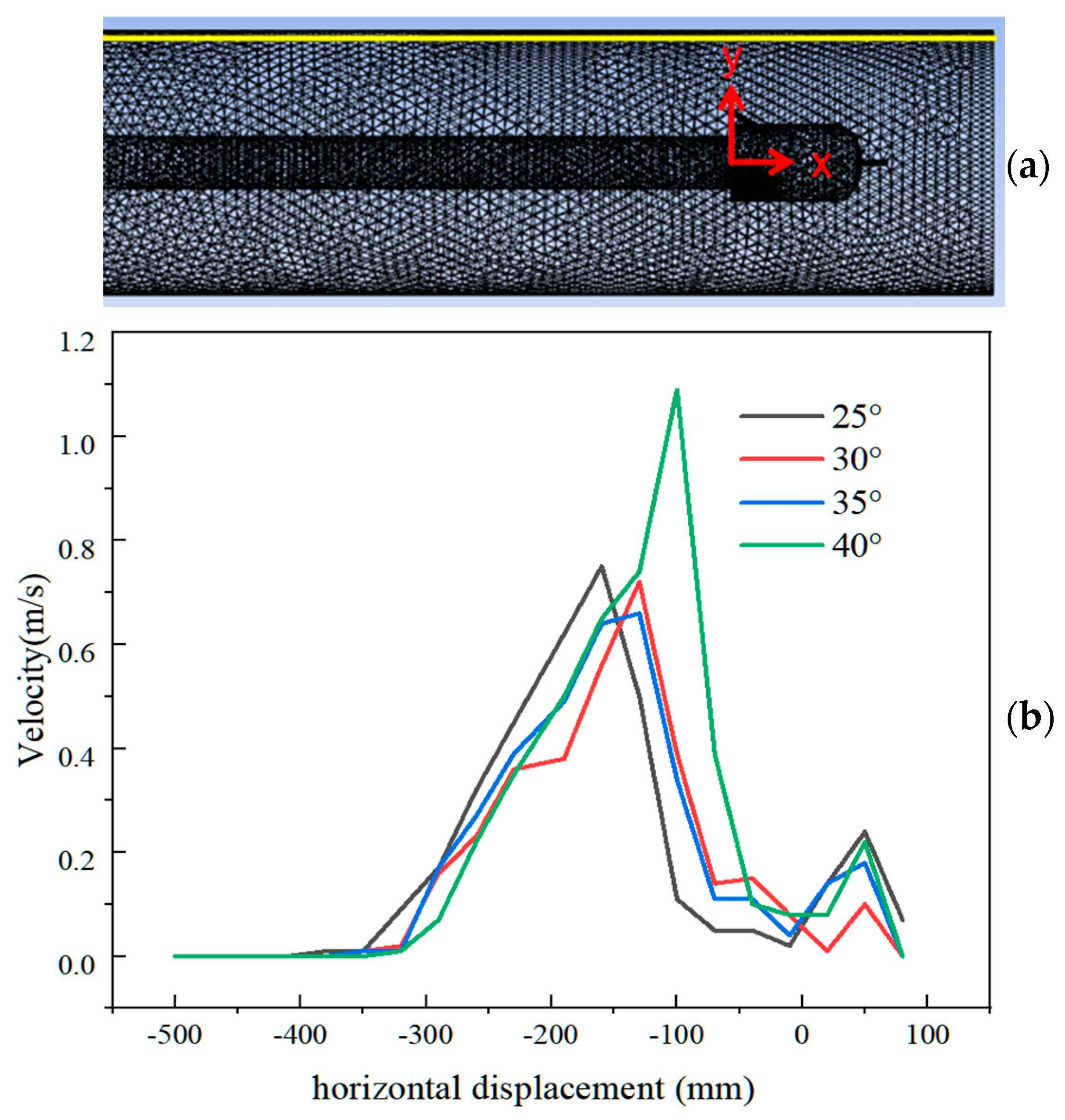
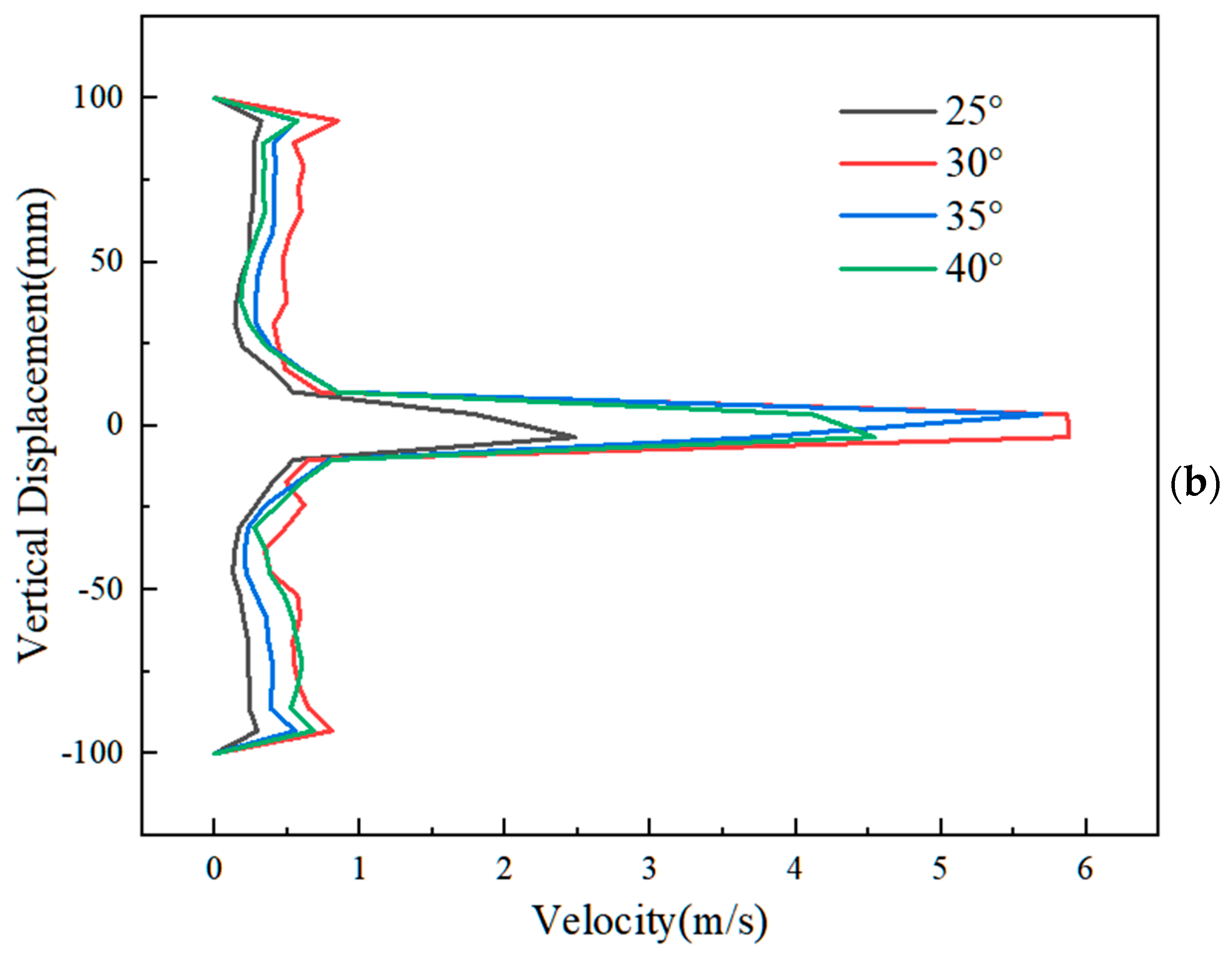
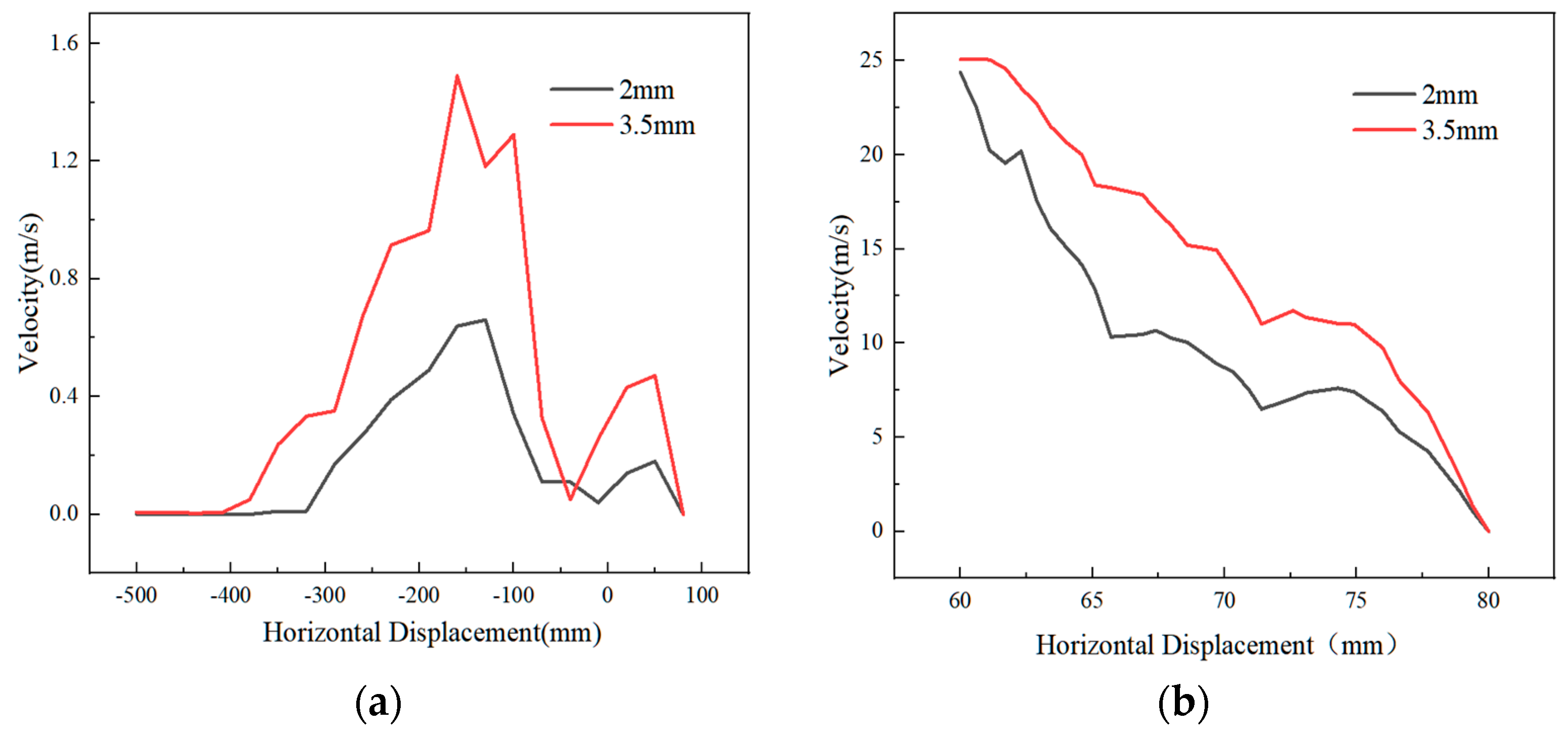
The water jet nozzle is a penetrating drilling tool, which sends the pumped water to the nozzle through a high-pressure hose. It can work in a variety of working environments. When it dredges the blockage in the pipeline, its structural parameters will affect the jet flow field in the pipeline. Taking the self-propelled water jet nozzle as the research object, SolidWorks was used to establish the nozzle model with different parameter structures. Based on Fluent, the k-ε turbulence model was used to simulate the jet of nozzles with different nozzle sizes and arrangements in the pipeline. The distribution of the jet flow field and the change in velocity and displacement of nozzles with different parameters in the pipeline were compared, and then computational fluid dynamics (CFD) were used to process the simulation data for further research. The results show that when the inclination angle of the rear nozzle is 35°, the attenuation of the front jet velocity and the fluctuation of the wall fluid velocity are the smallest. When the nozzle aperture is increased from 2 mm to 3.5 mm, the vortex area inside the pipe is reduced, and the velocity attenuation of the front jet is also reduced, with the velocity attenuation rate decreasing by about 10%. This study provides a reference for the design and parameter optimization of self-propelled water jet nozzles.
Keywords: water jet; flow field simulation; self-propelled water jet nozzle; Fluent water jet; flow field simulation; self-propelled water jet nozzle; Fluent