Article

Applicability of Magnetic Susceptibility Measurements on Cave Sediments in Karst Areas: Insight from Dinaric Karst (Velebit Mt., Croatia)


1
Faculty of Mining, Geology and Petroleum Engineering, University of Zagreb, 10000 Zagreb, Croatia
2
Croatian Geological Survey, 10000 Zagreb, Croatia
3
Department of Physics, Faculty of Science, University of Zagreb, 10000 Zagreb, Croatia
*
Authors to whom correspondence should be addressed.
Appl. Sci. 2024, 14(16), 6973; https://doi.org/10.3390/app14166973
Submission received: 13 June 2024 / Revised: 31 July 2024 / Accepted: 6 August 2024 / Published: 8 August 2024
(This article belongs to the Section Earth Sciences)

Abstract

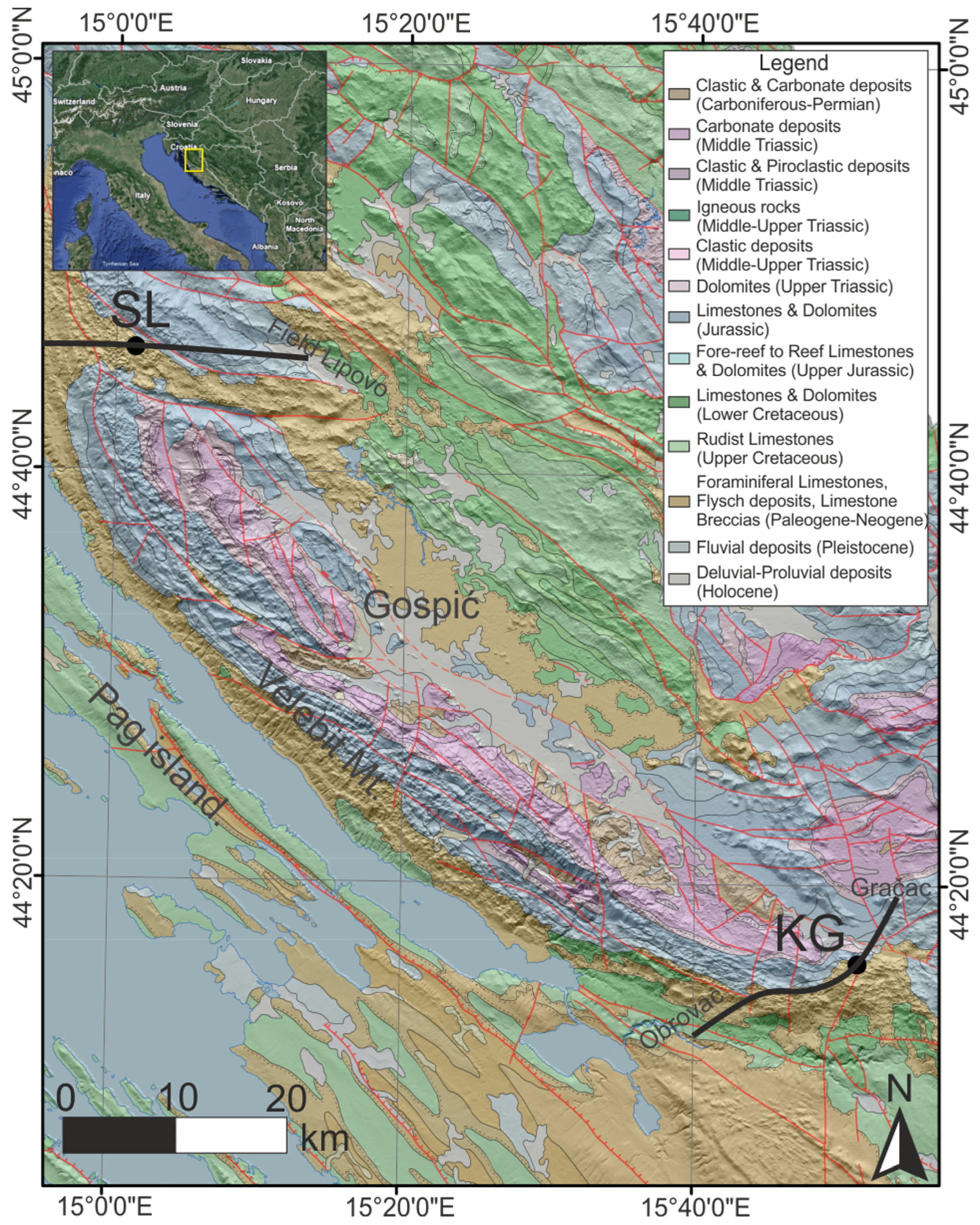
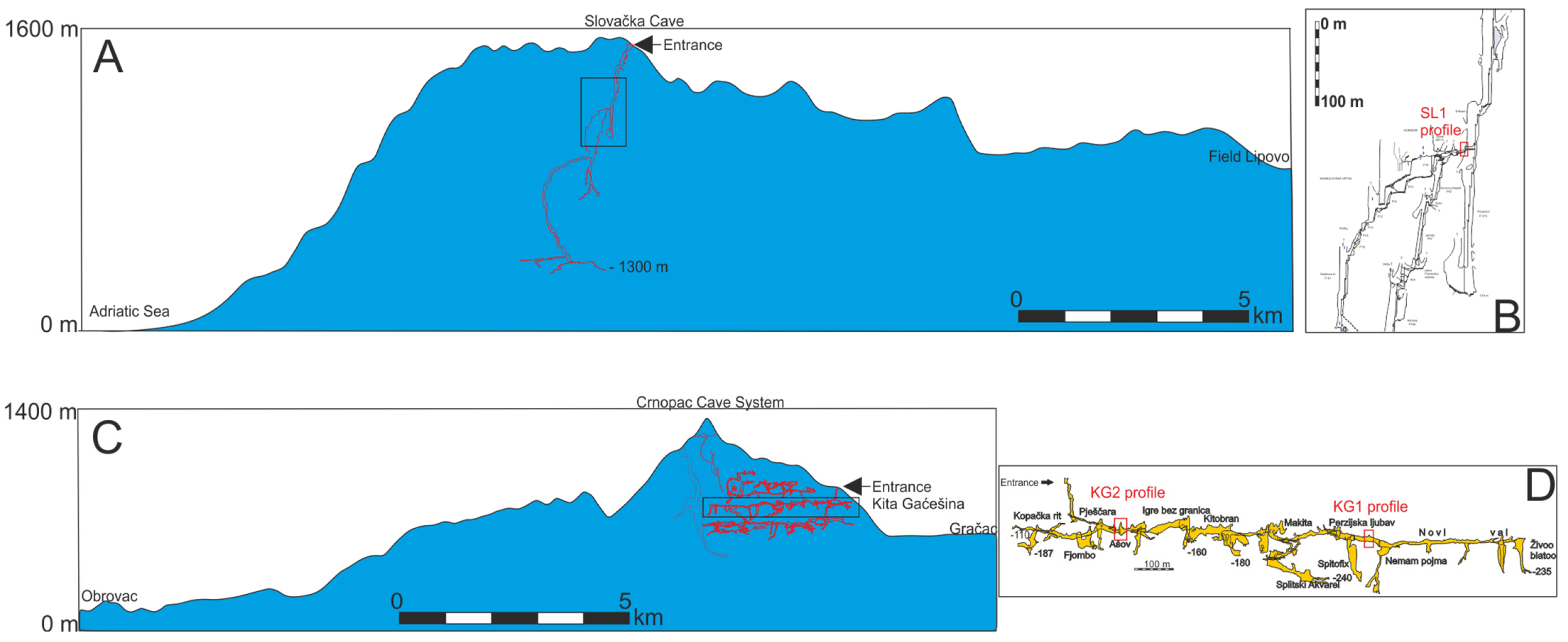
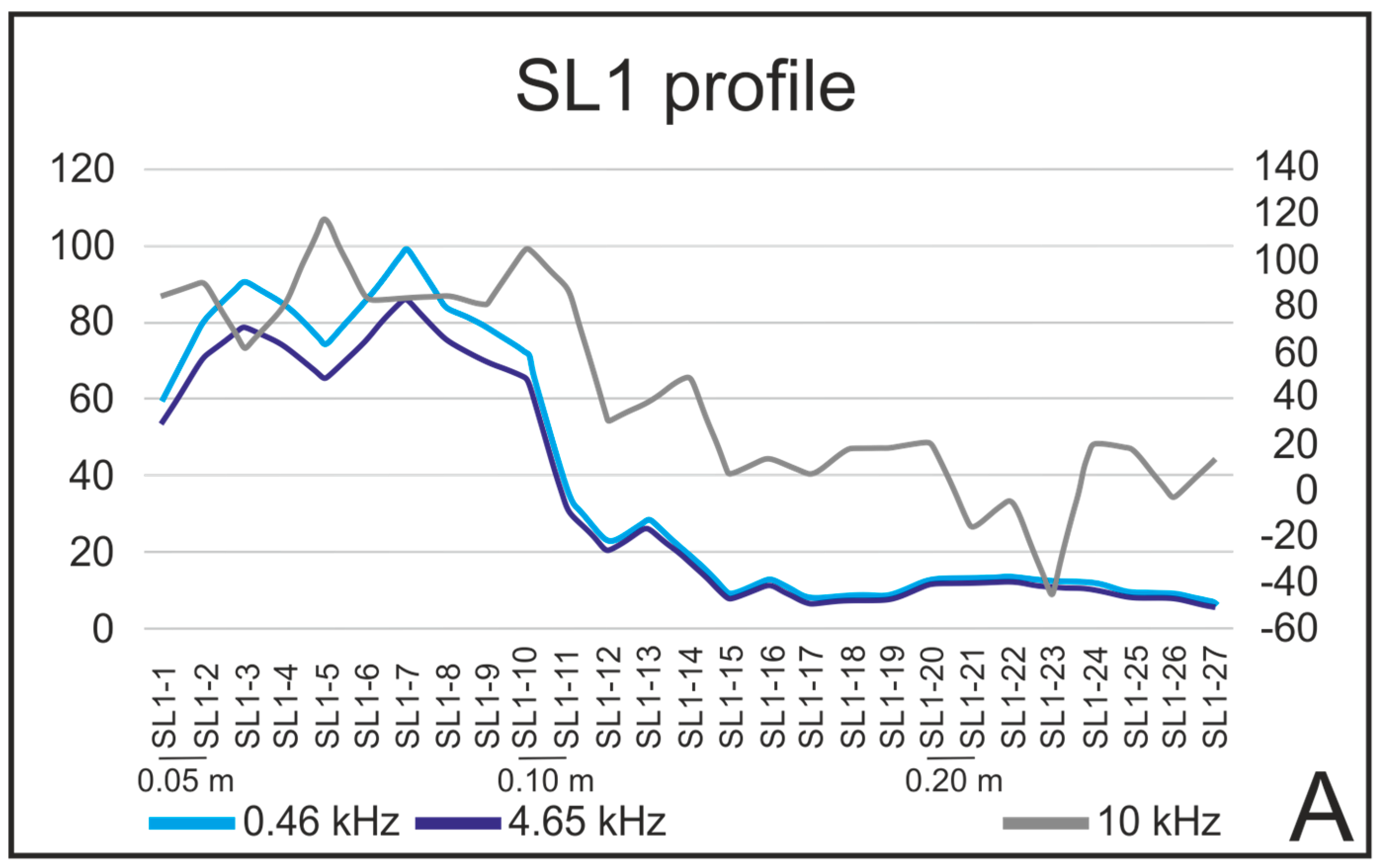
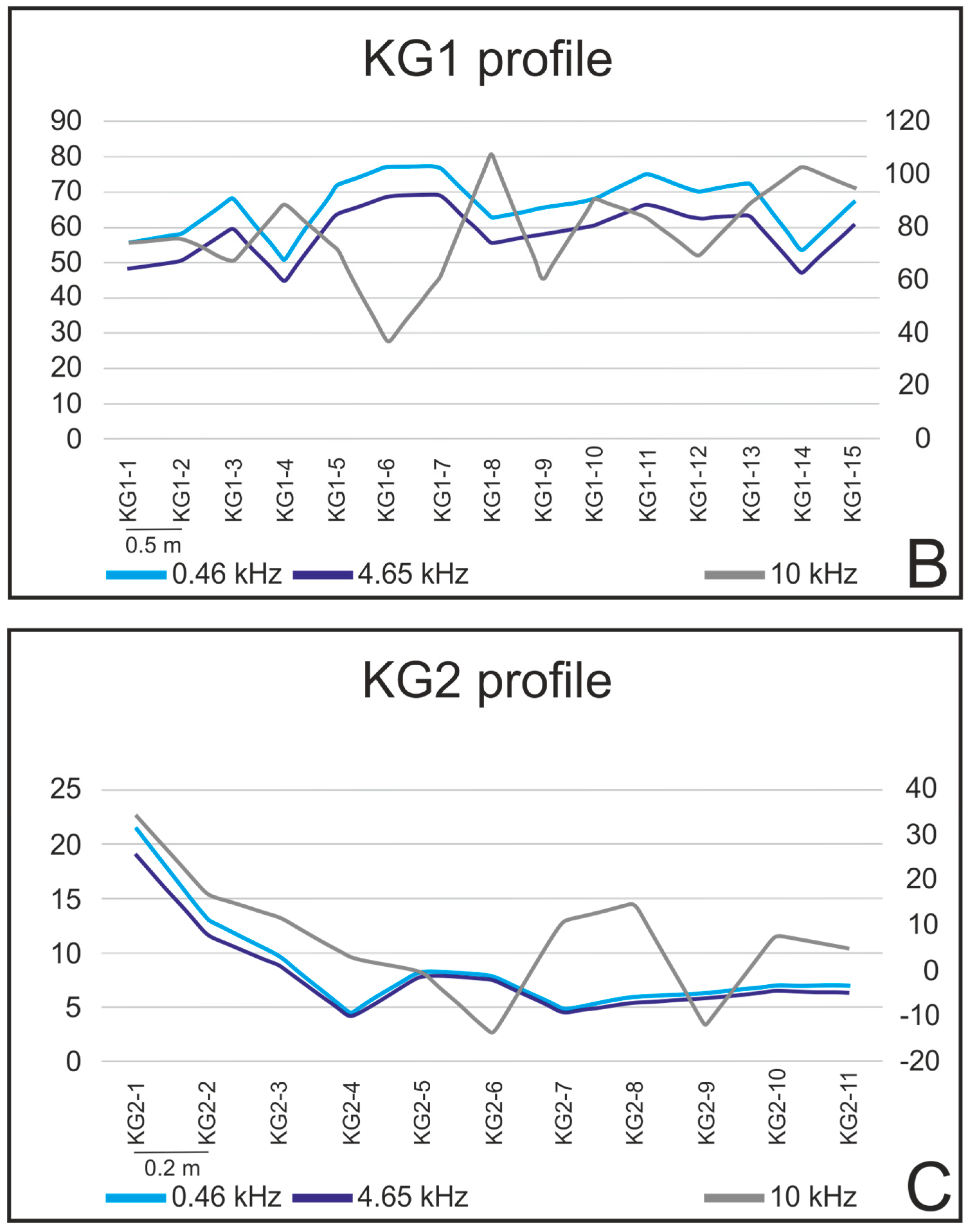
Magnetism in Croatian caves has been significantly underexplored, despite the well-documented preservation of cave sediments. This study investigates whether magnetic susceptibility can be effectively recorded in Croatian caves and, if so, whether there are differences between in situ and laboratory measurements, as well as the extent of these differences. The focus is on two prominent sites within the Velebit Mountain range of the Dinaric Karst: the deep Slovačka Cave and the extensive Crnopac Cave System (ex. Kita Gaćešina Cave). Magnetic susceptibility was measured in soft sediments using the Kappameter KM-7 for in situ assessments and the Bartington MS2B System for laboratory analyses. The comparison of the two devices aimed to evaluate the feasibility of detecting magnetic susceptibility variations within carbonate sediments. Sampling locations were selected based on preliminary assessments of magnetic susceptibility variations and accessibility for sampling. Characteristic samples from each profile underwent X-ray powder diffraction analysis. Results revealed significant variations in magnetic susceptibility across each profile under both in situ and laboratory conditions. In situ measurements ranged from −45 × 10−5 SI to 120 × 10−5 SI, while laboratory measurements ranged from 4.00 × 10⁻⁵ SI to 99.40 × 10⁻⁵ SI. The portable Kappameter KM-7 provided satisfactory results for preliminary investigations, while the Bartington MS2B System demonstrated high precision in analyzing these variations in detail. These findings support the potential for further investigations into magnetic susceptibility in karst cave environments, with an emphasis on understanding depositional history and the timeline of climate and tectonic changes.
Keywords: magnetic susceptibility; Dinaric Karst; caves; sediment analysis; Bartington MS2B magnetic susceptibility; Dinaric Karst; caves; sediment analysis; Bartington MS2B