Systematic Review

Integration of Building Services in Modular Construction: A PRISMA Approach

by
Kayode O. Kazeem
1,
Timothy O. Olawumi
2,*,
Jibrin J. Adam
3 and
Edmond Wai-Ming Lam
4
1
Department of Building and Real Estate, The Hong Kong Polytechnic University, Hong Kong, China
2
School of Computing, Engineering and Built Environment, Edinburgh Napier University, Edinburgh EH10 5DT, UK
3
Department of Architecture, The Federal University of Technology Akure, Akure 340106, Nigeria
4
School of Professional Education and Executive Development, The Hong Kong Polytechnic University, Hong Kong, China
*
Author to whom correspondence should be addressed.
Appl. Sci. 2024, 14(10), 4151; https://doi.org/10.3390/app14104151
Submission received: 23 February 2024 / Revised: 4 May 2024 / Accepted: 10 May 2024 / Published: 14 May 2024

Abstract

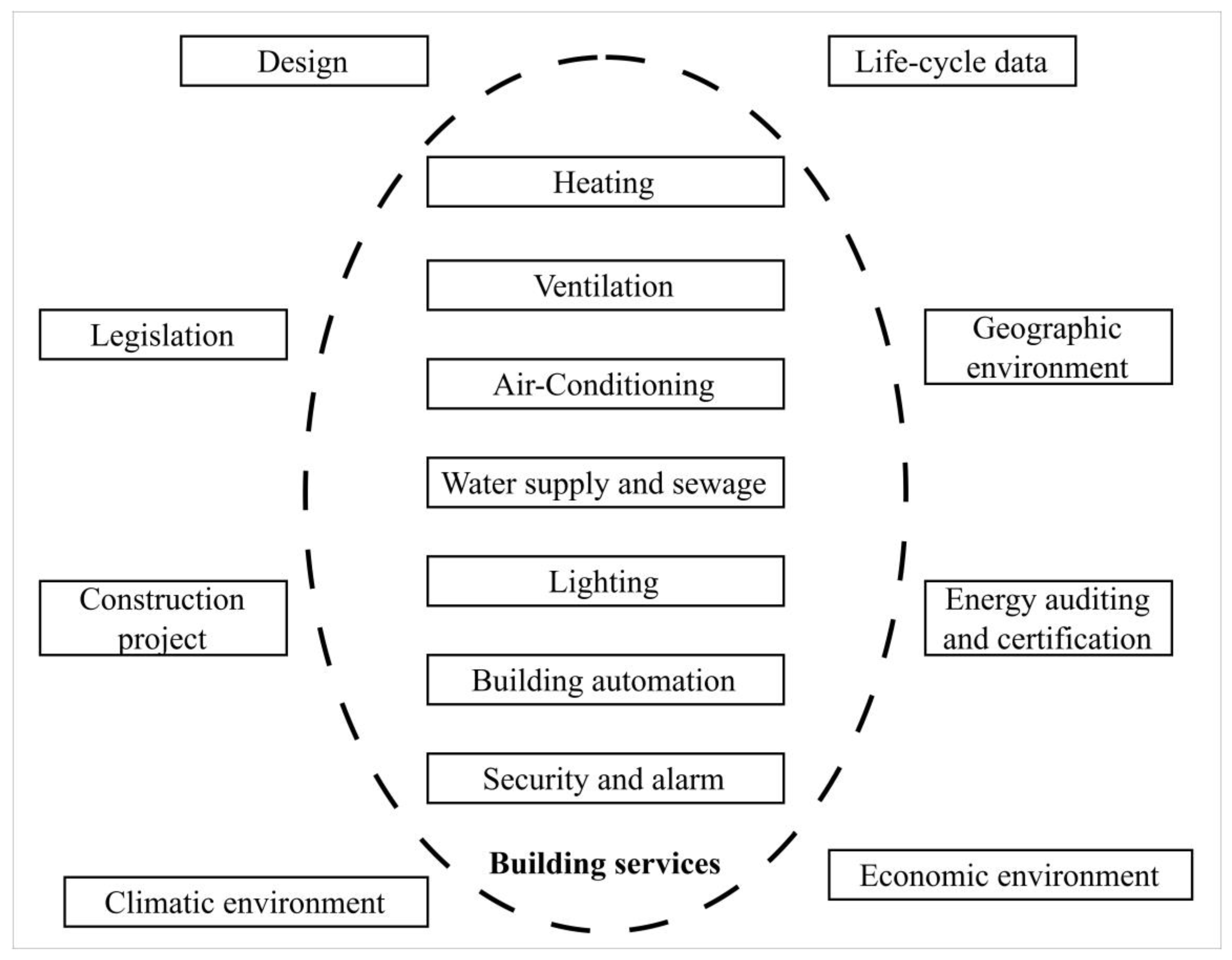
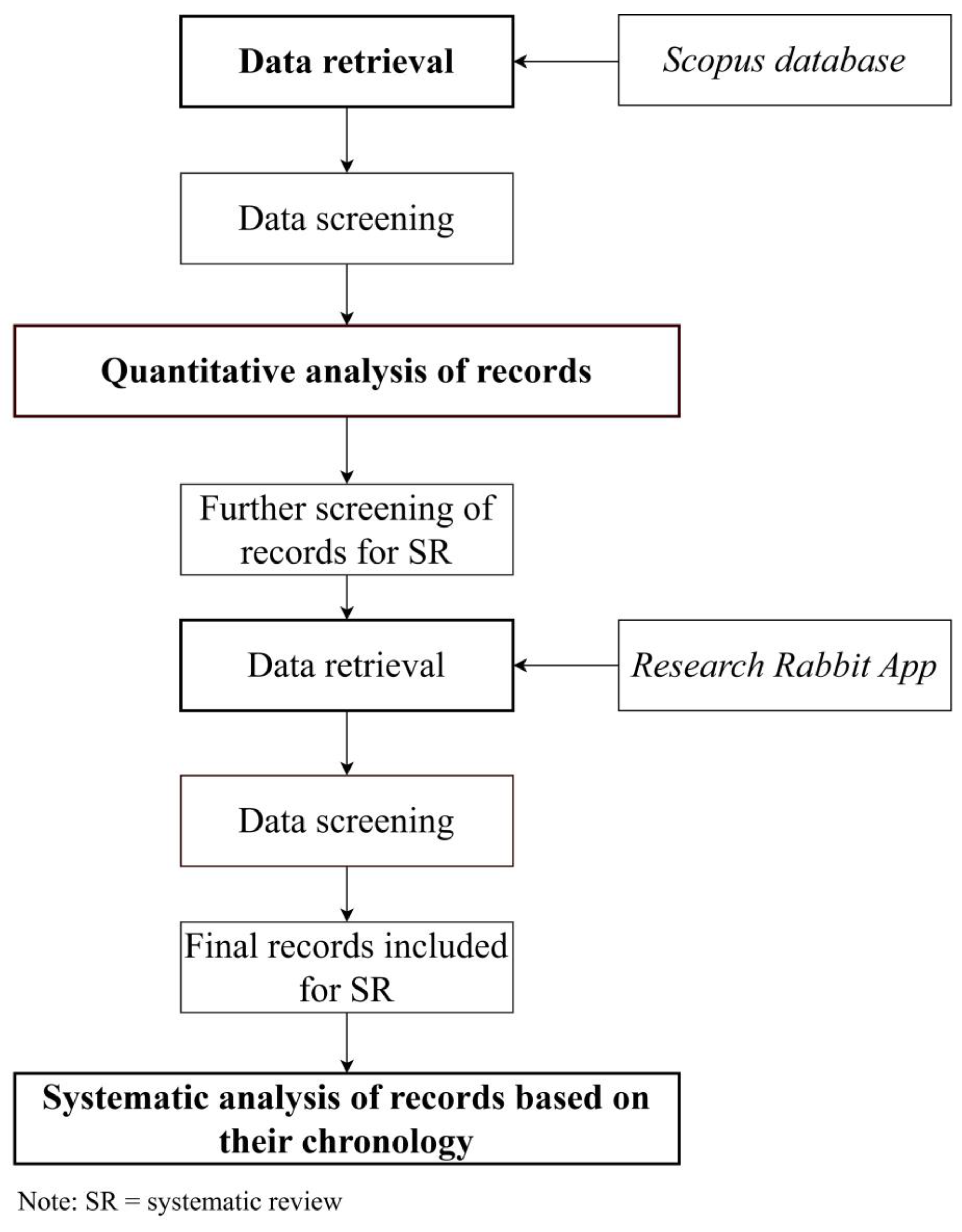
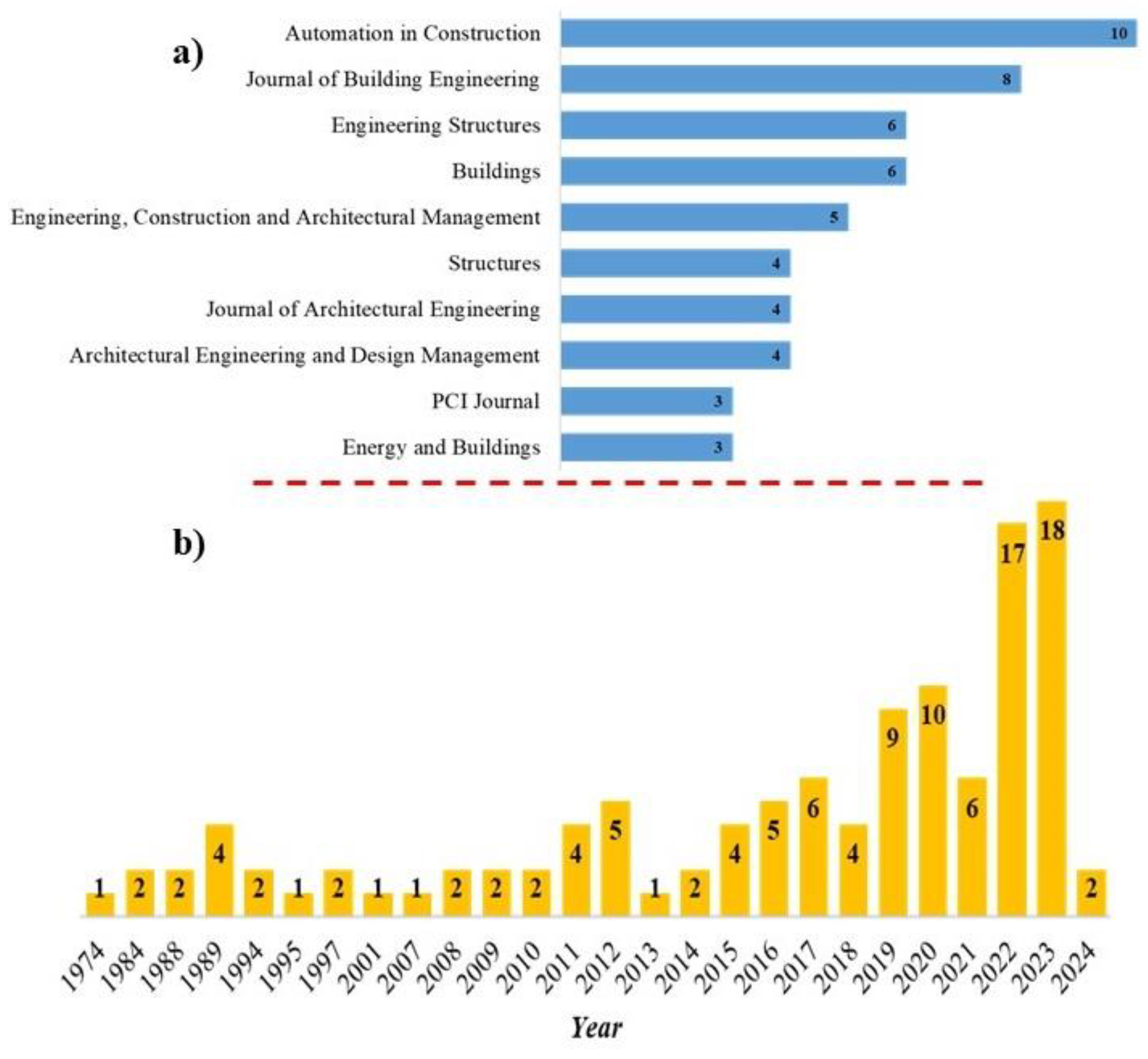
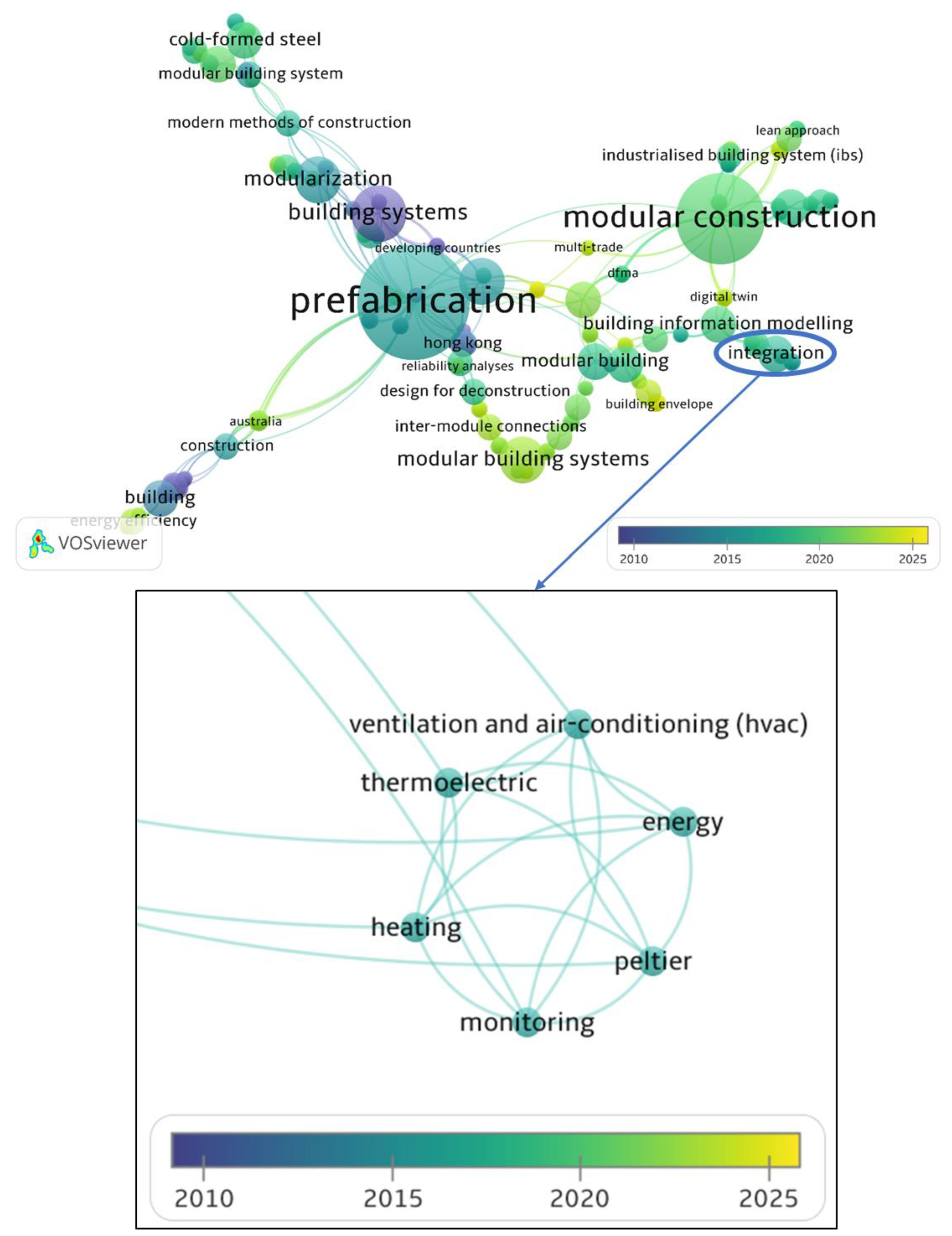
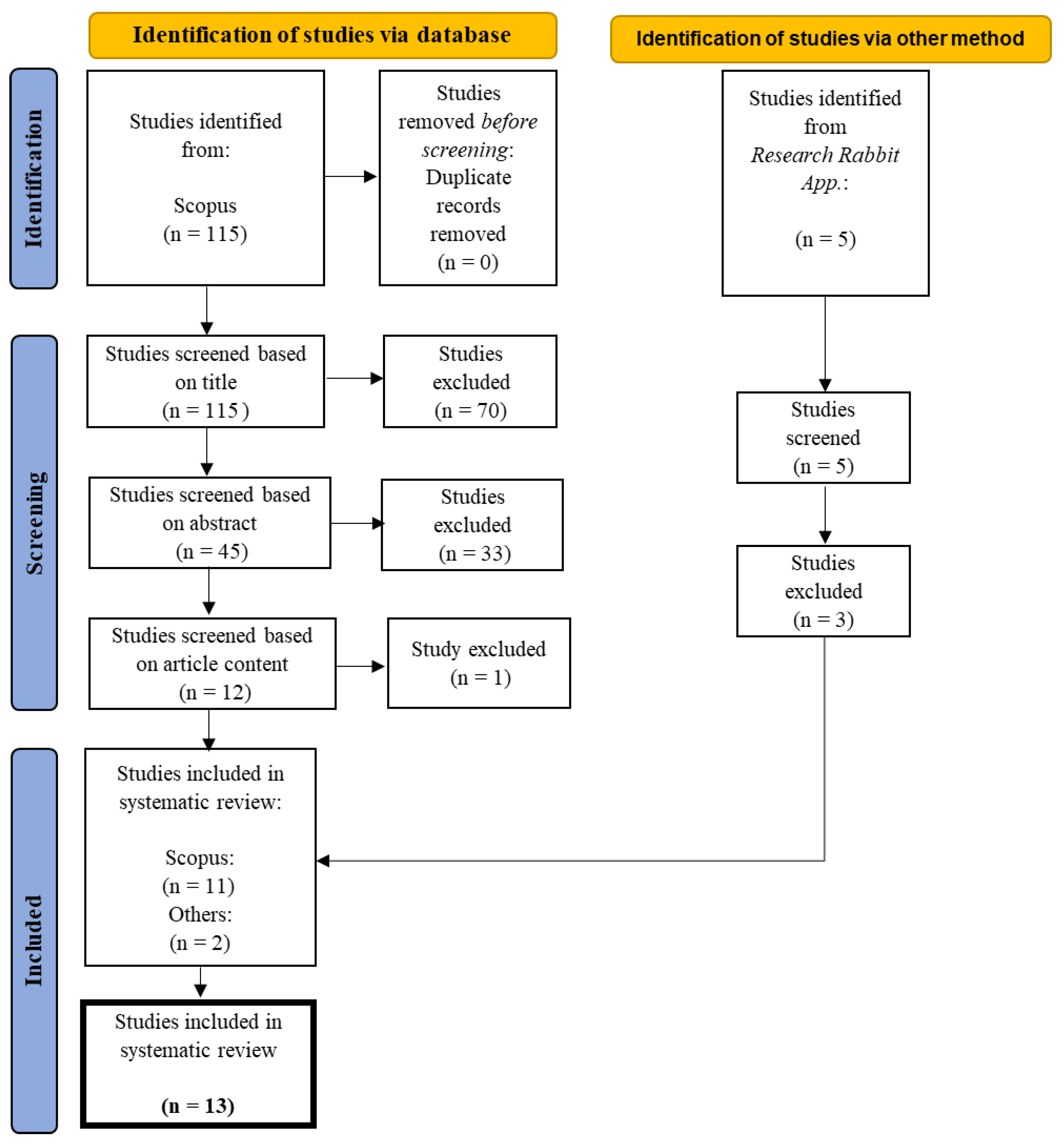
Modular construction is gaining worldwide attention. Building services are the systems that make buildings comfortable and efficient. Mechanical, electrical, and plumbing (MEP) systems provide heating, cooling, lighting, energy distribution, and water services. Modular construction integrates building services into prefabricated modules at the manufacturing site, which are then transported to the construction site. A systematic review (SR) of building services integration within modular construction is thus necessary. Prior to the SR, a quantitative analysis of the retrieved 115 publications from the Scopus database was explored. Using the Preferred Reporting Items for Systematic Reviews and Meta-Analyses (PRISMA) guide, 13 relevant publications from the Scopus database and via the Research Rabbit application were profiled. MEP systems integration approaches and research needs were examined. Recent literature emphasizes technology integration and sustainability, while early studies laid the framework for modular approaches. The findings highlight the potential of digital technologies like building information modeling (BIM) and recommend a holistic framework for the entire building’s lifetime, from design to operation. Future research directions include performance studies, modular building service adaptation, and industry-wide standards building. Researchers and practitioners seeking to improve modular construction methods and integrate complex building services will gain insights from this study.
Keywords: BIM; building services; integration; modular construction; MEP systems; prefabrication BIM; building services; integration; modular construction; MEP systems; prefabrication