Article

On the Evaluation of Complex Networks Designs for an Energy-Efficient IP/WDM Core Network

1
Department of Electronic Engineering, The Public Authority for Applied Education and Training, Kuwait City 130192, Kuwait
2
Department of Information Technology, College of Computer Science and Information Technology, University of Kerbala, Karbala 56001, Iraq
*
Author to whom correspondence should be addressed.
Appl. Sci. 2023, 13(9), 5756; https://doi.org/10.3390/app13095756
Submission received: 16 March 2023 / Revised: 24 April 2023 / Accepted: 1 May 2023 / Published: 6 May 2023

Abstract

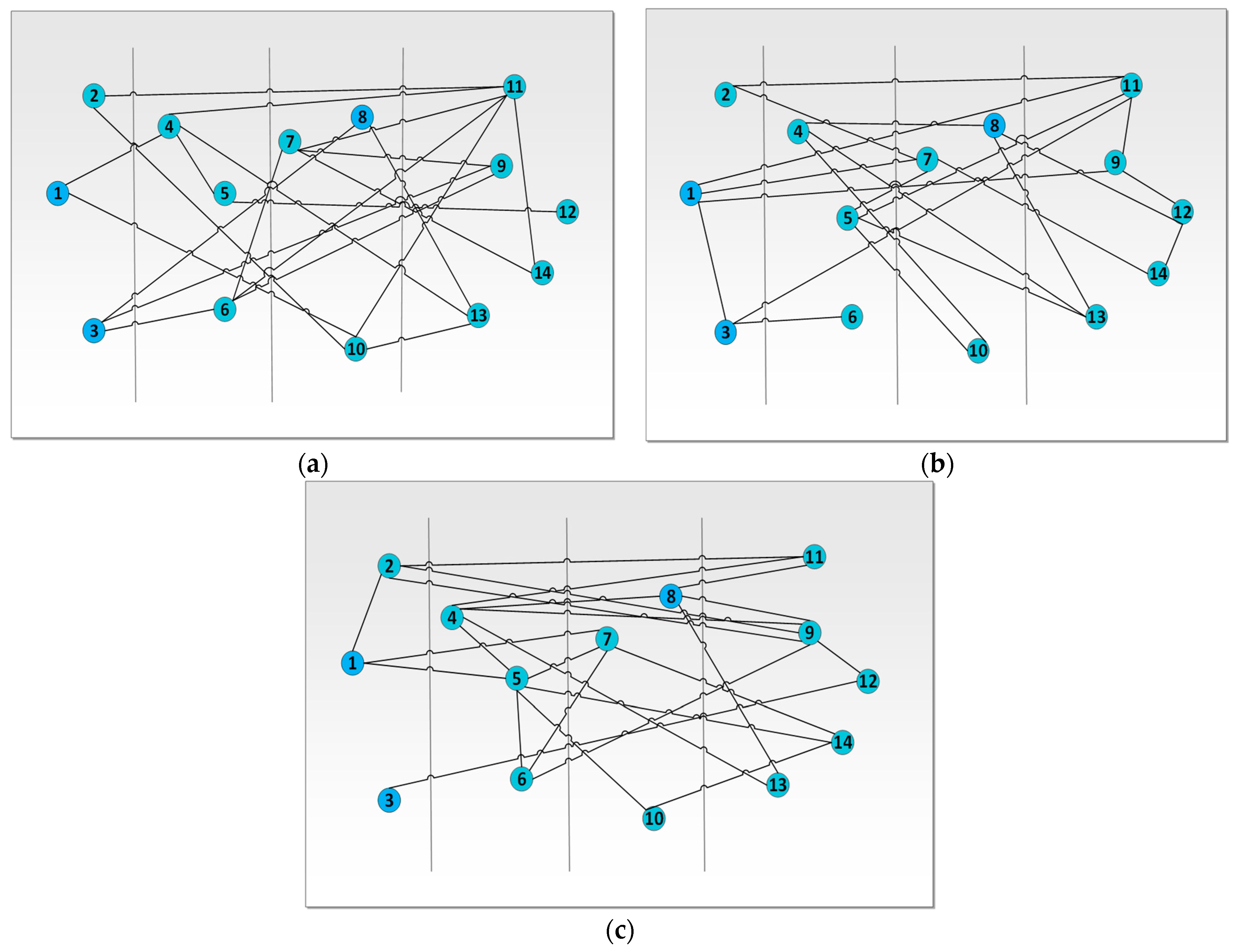
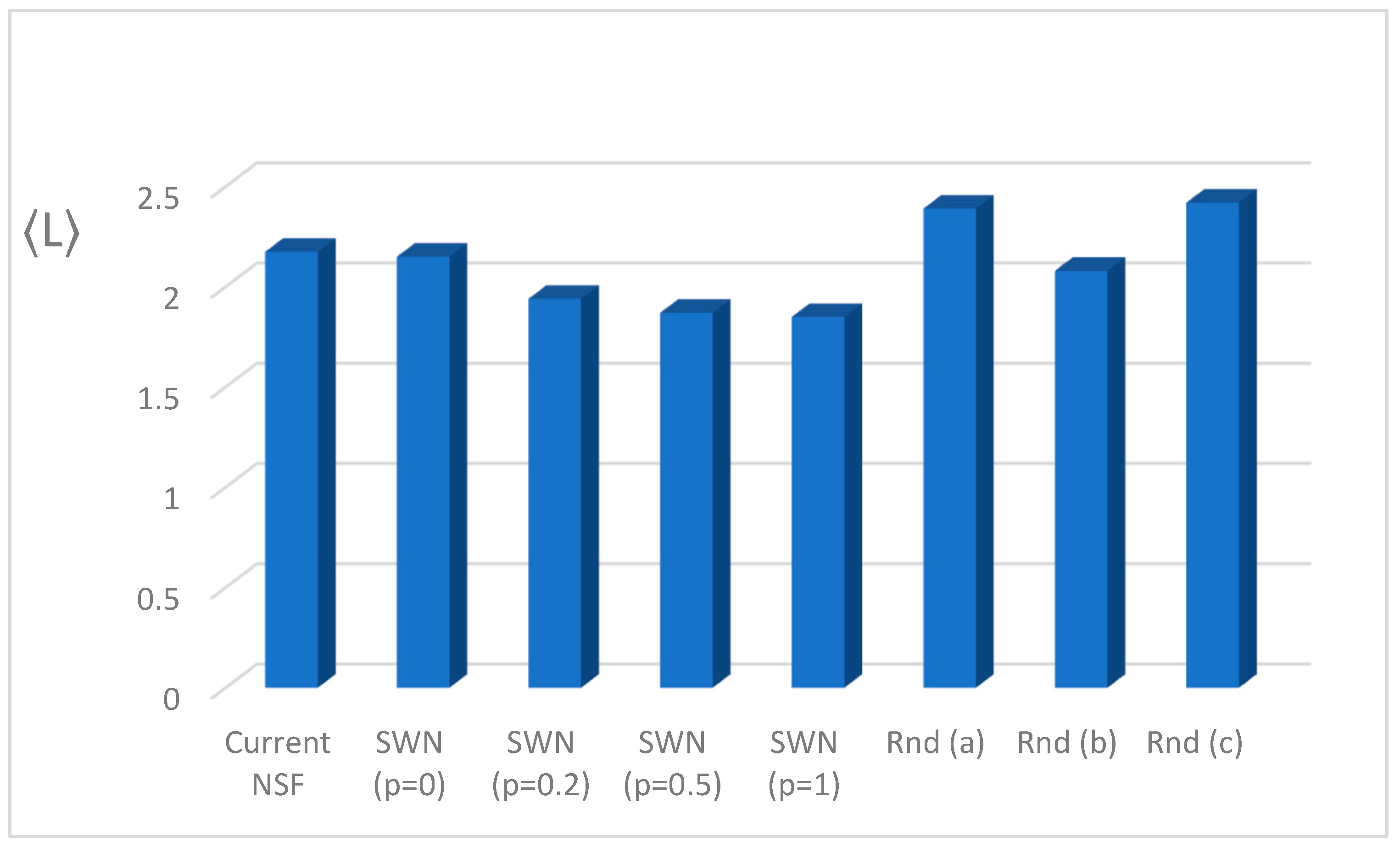
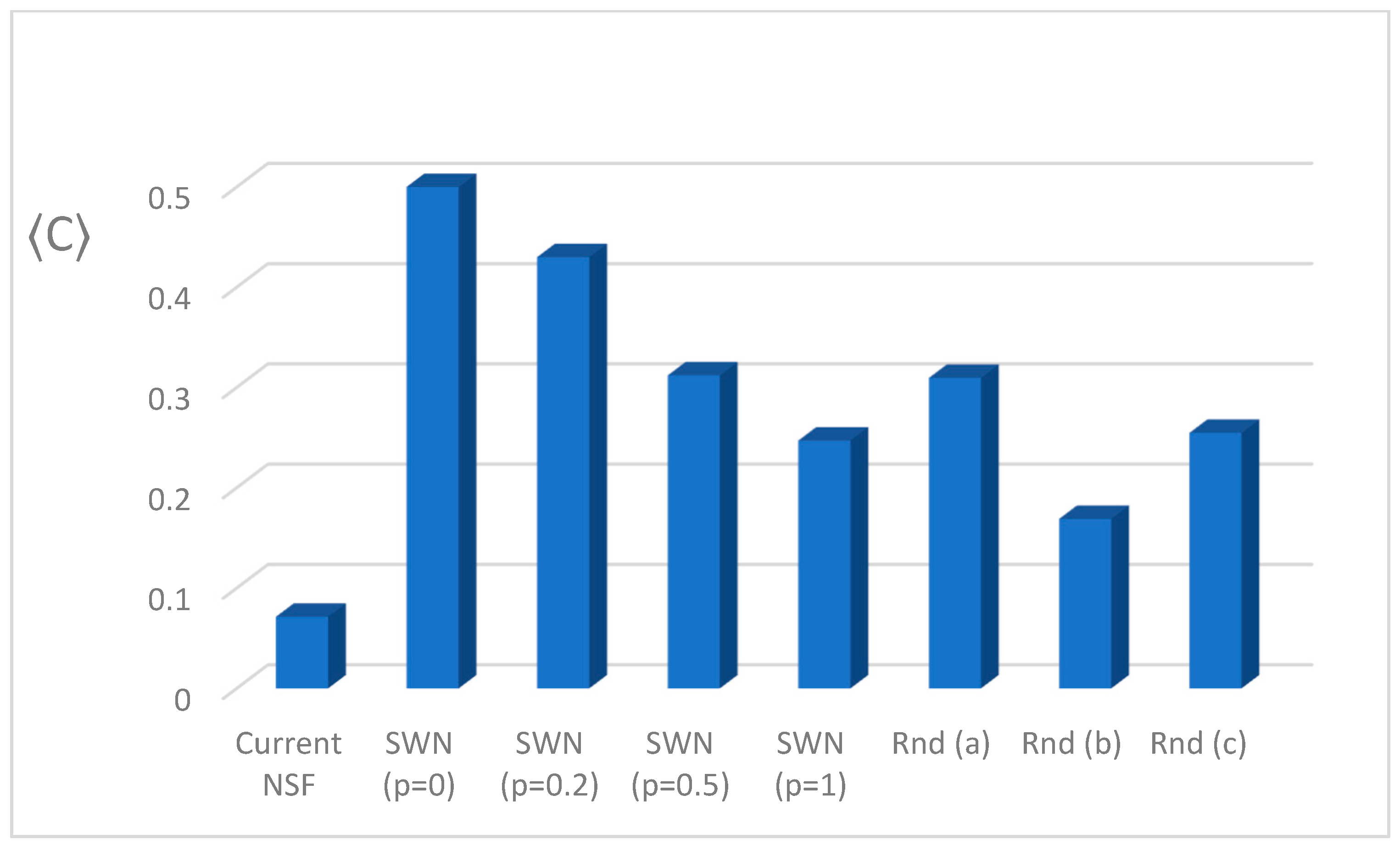
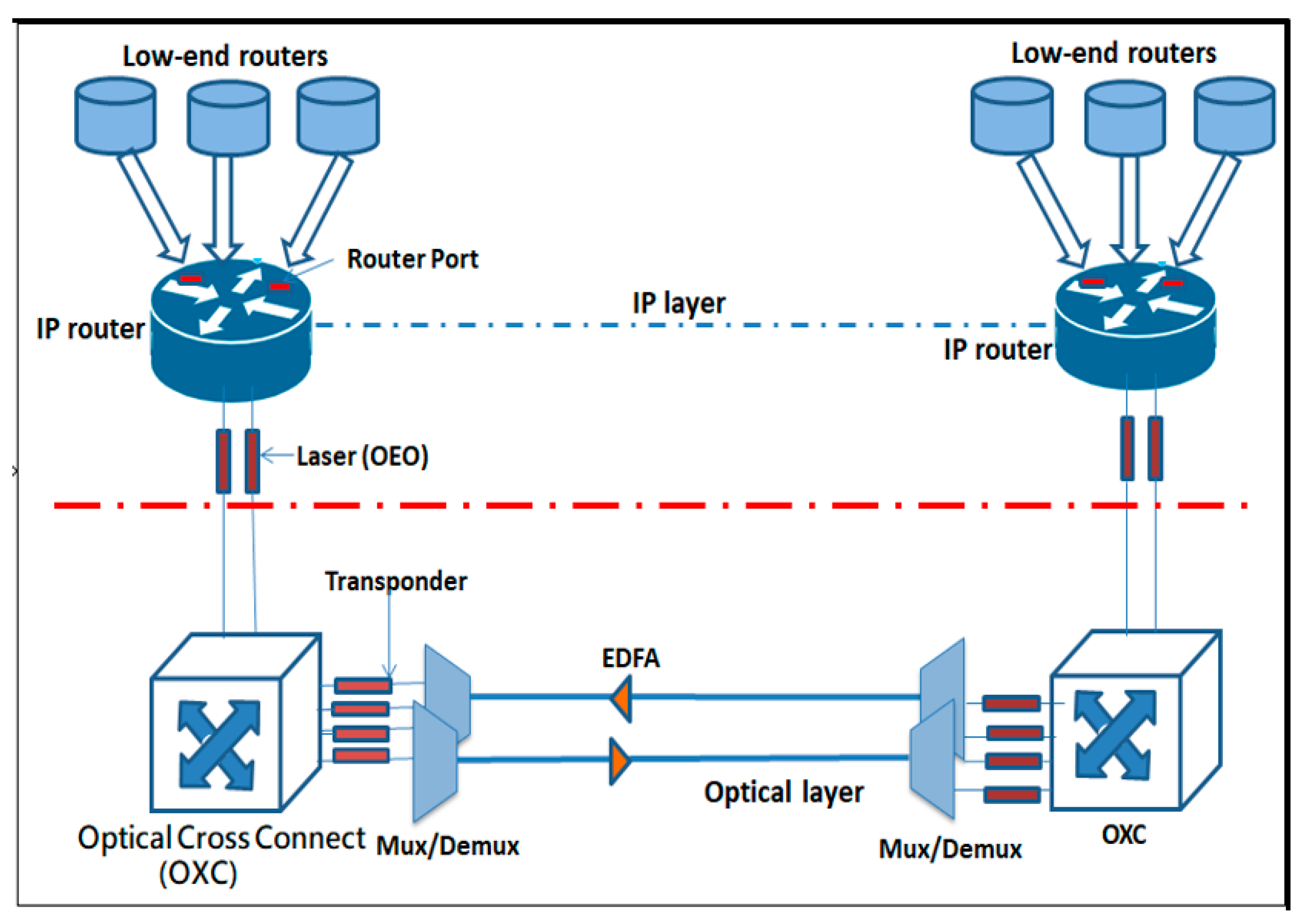
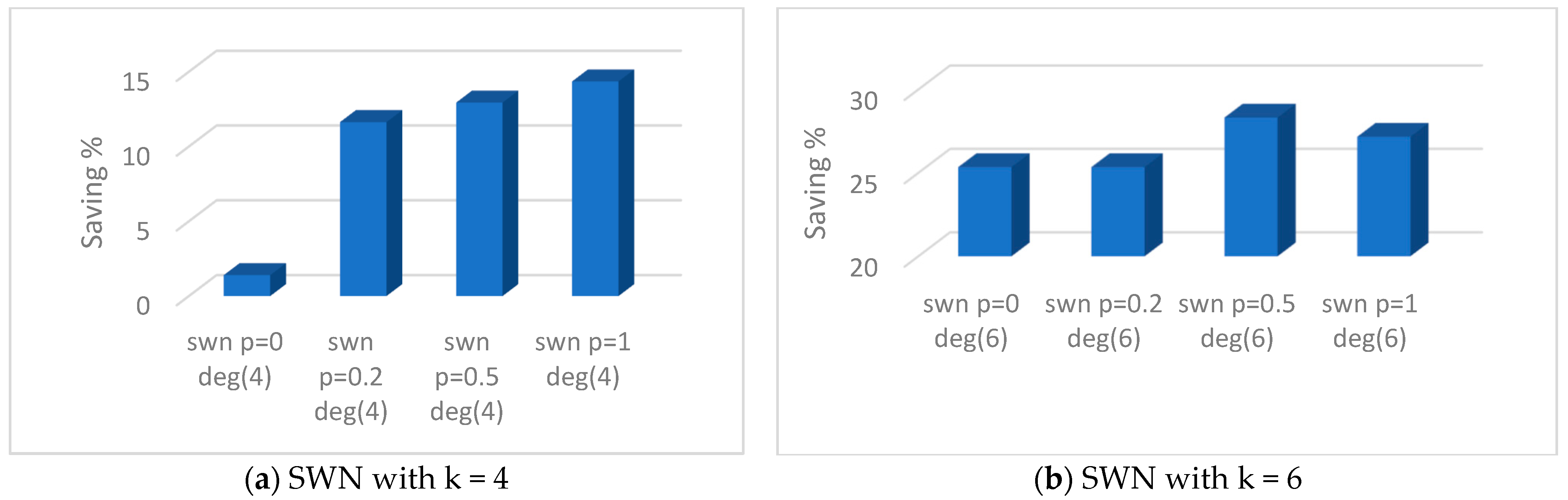
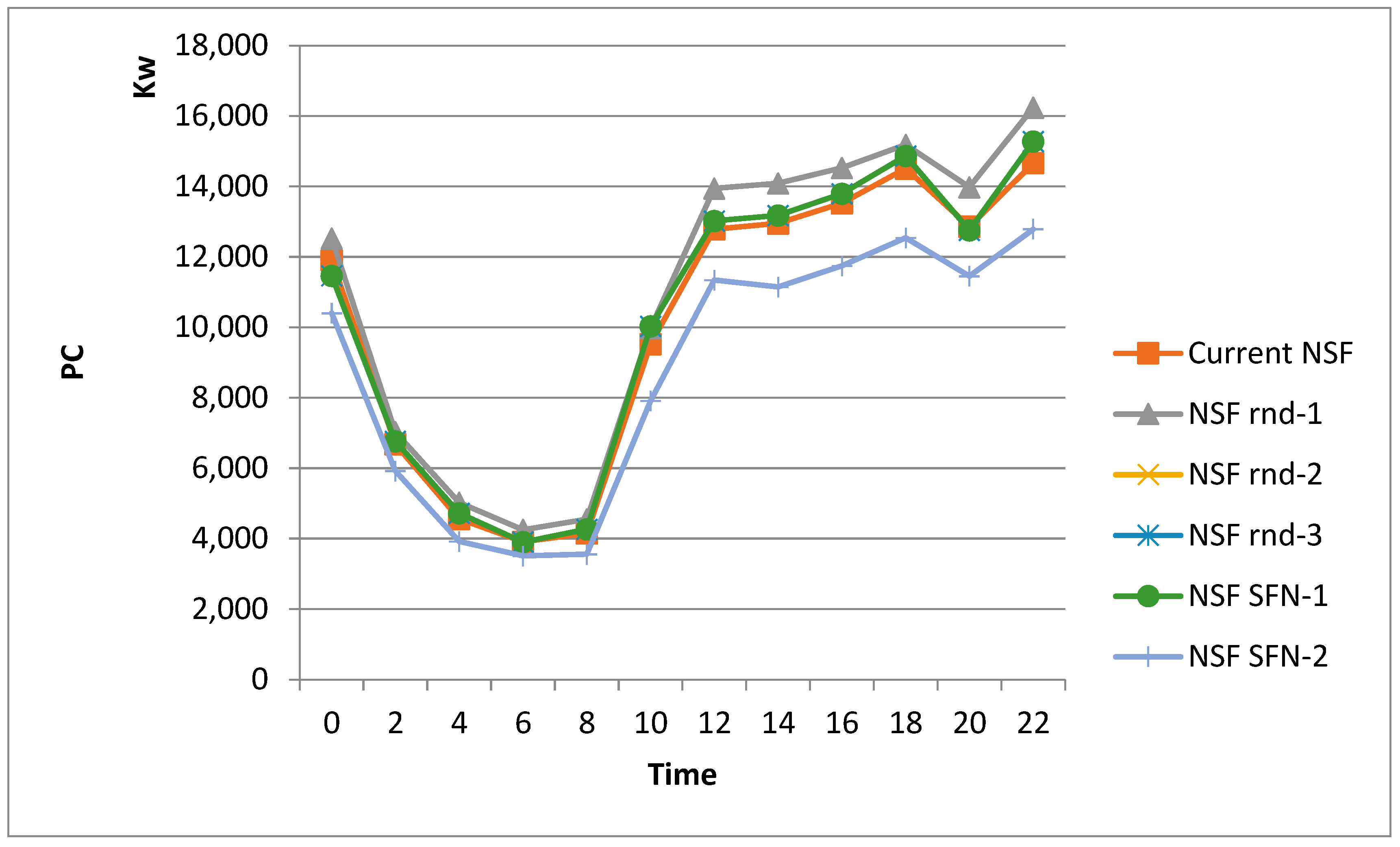
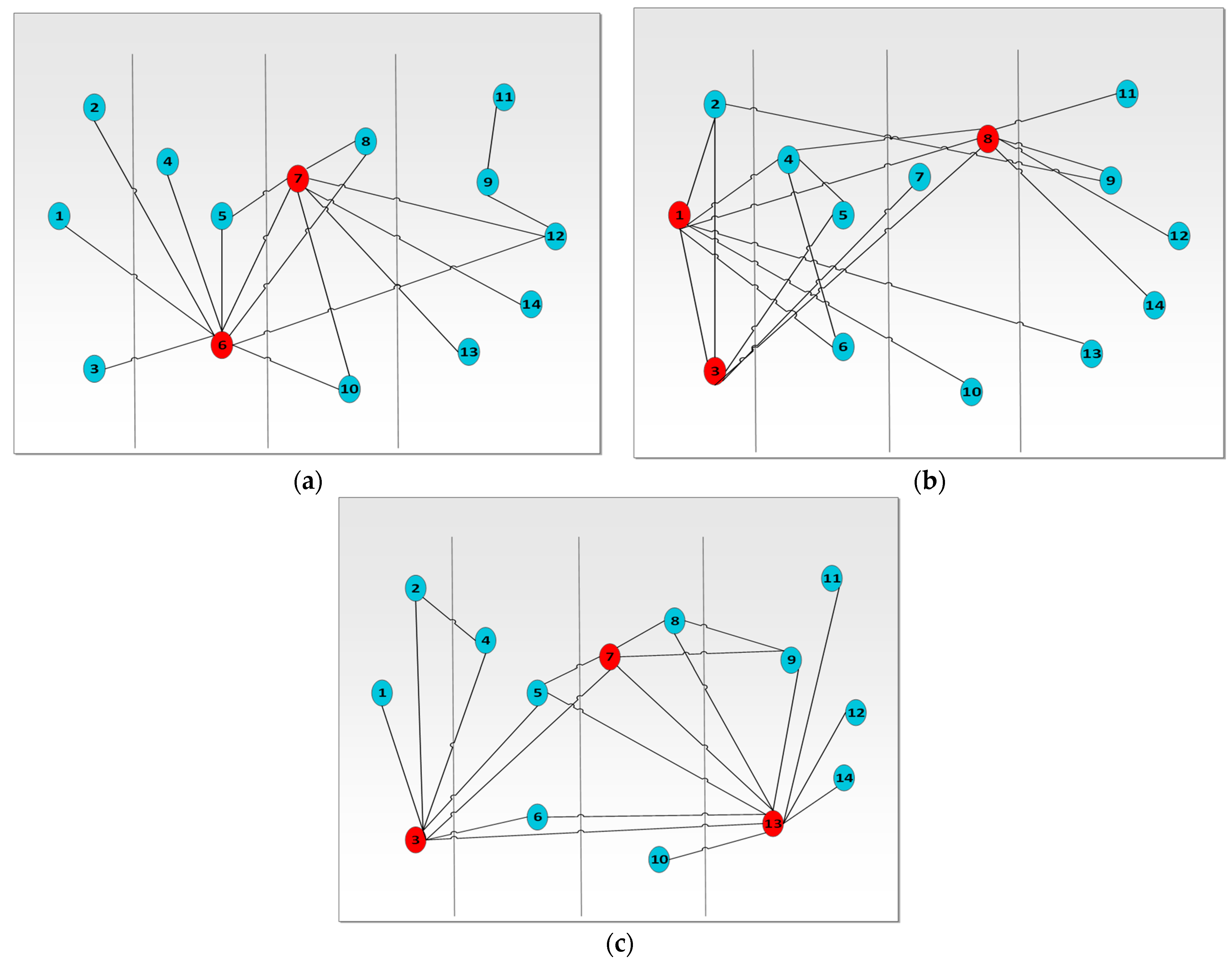
As the Internet grows in capacity, the energy consumption of Information and Communication Technologies (ICT) are significantly increasing. Significant research efforts on energy conservation have been devoted to devise different technological solutions to address raised concerns surrounding the power consumption of networking equipment and its impact firstly on the emission of greenhouse gases and secondly on electricity bills. In this work, we investigate energy-efficient physical topologies for NSF IP over wavelength-division multiplexing (WDM) network for the purpose of minimizing energy consumption by redesigning its current physical connectivity. We implement different network topologies, such as implementing the small-world, scale-free (SFN), and random networks on the NSF network, then evaluate and compare its physical properties and network power consumption with the current NSF topology design using a mixed-integer linear programming model, all with the aim of minimizing the network total power consumption. The evaluation shall optimize and minimize the embodied energy consumption of network equipment in the IP and optical layers. Results have demonstrated that the implementation of the proposed energy-minimized topology designs can significantly improve the node’s clustering coefficient, reduce network’s diameter, and reduce energy consumption of the NSF IP over WDM network to 28% if compared with the current design implementation.
Keywords: complex network; small-world networks; SFN; energy efficiency; WDM; optimization; MILP complex network; small-world networks; SFN; energy efficiency; WDM; optimization; MILP