Article

Diagenesis of the Permian Fengcheng Formation in the Mahu Sag, Junggar Basin, China

1
Research Institute of Petroleum Exploration & Development, Beijing 100083, China
2
School of Earth Sciences and Resources, Chang’an University, Xi’an 710054, China
3
School of Earth Sciences, East China University of Technology, Nanchang 330013, China
4
Research Institute of Exploration and Development, Xinjiang Oilfield Company, PetroChina, Karamay 834000, China
*
Author to whom correspondence should be addressed.
Appl. Sci. 2023, 13(24), 13186; https://doi.org/10.3390/app132413186
Submission received: 19 October 2023 / Revised: 15 November 2023 / Accepted: 29 November 2023 / Published: 12 December 2023

Abstract

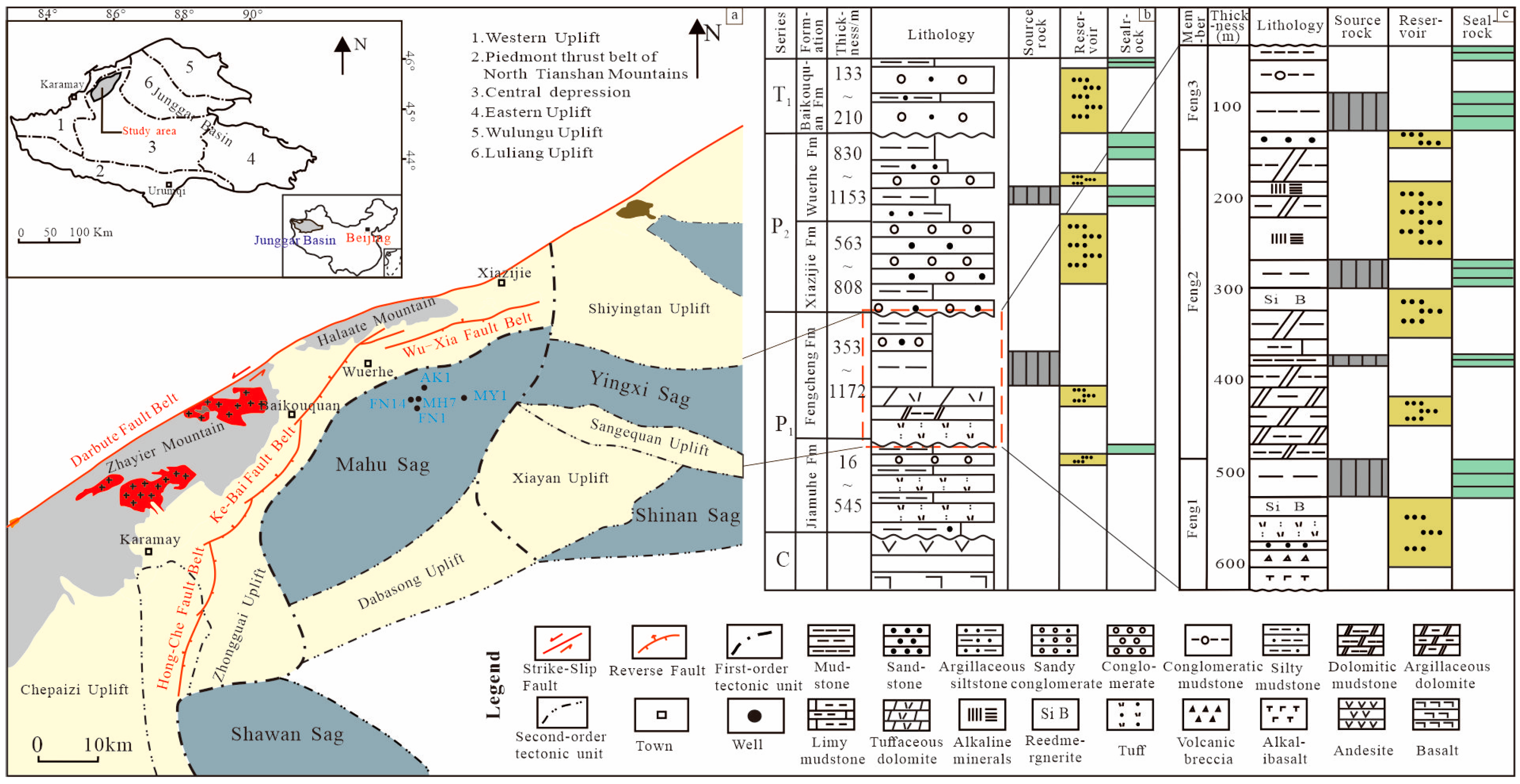
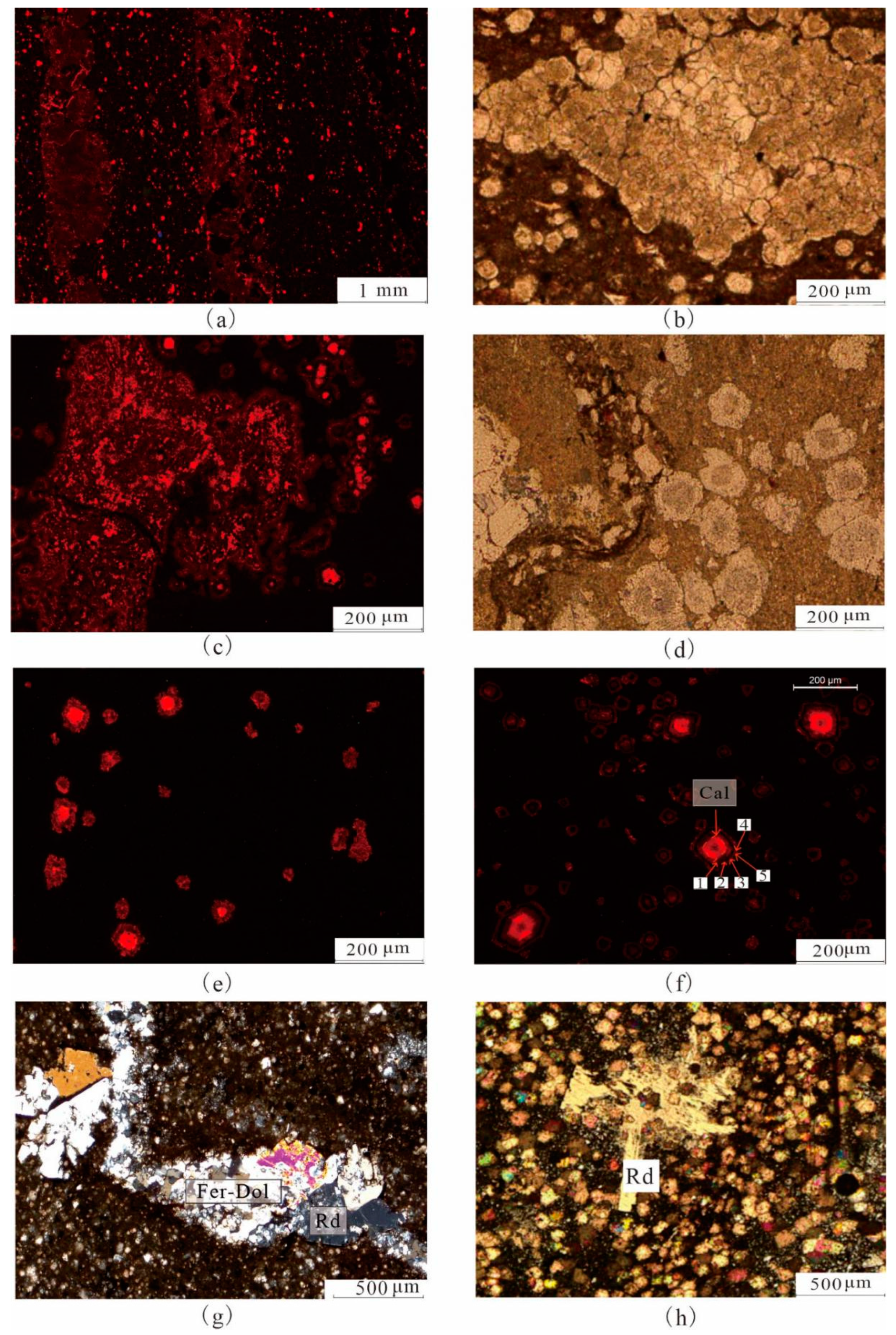
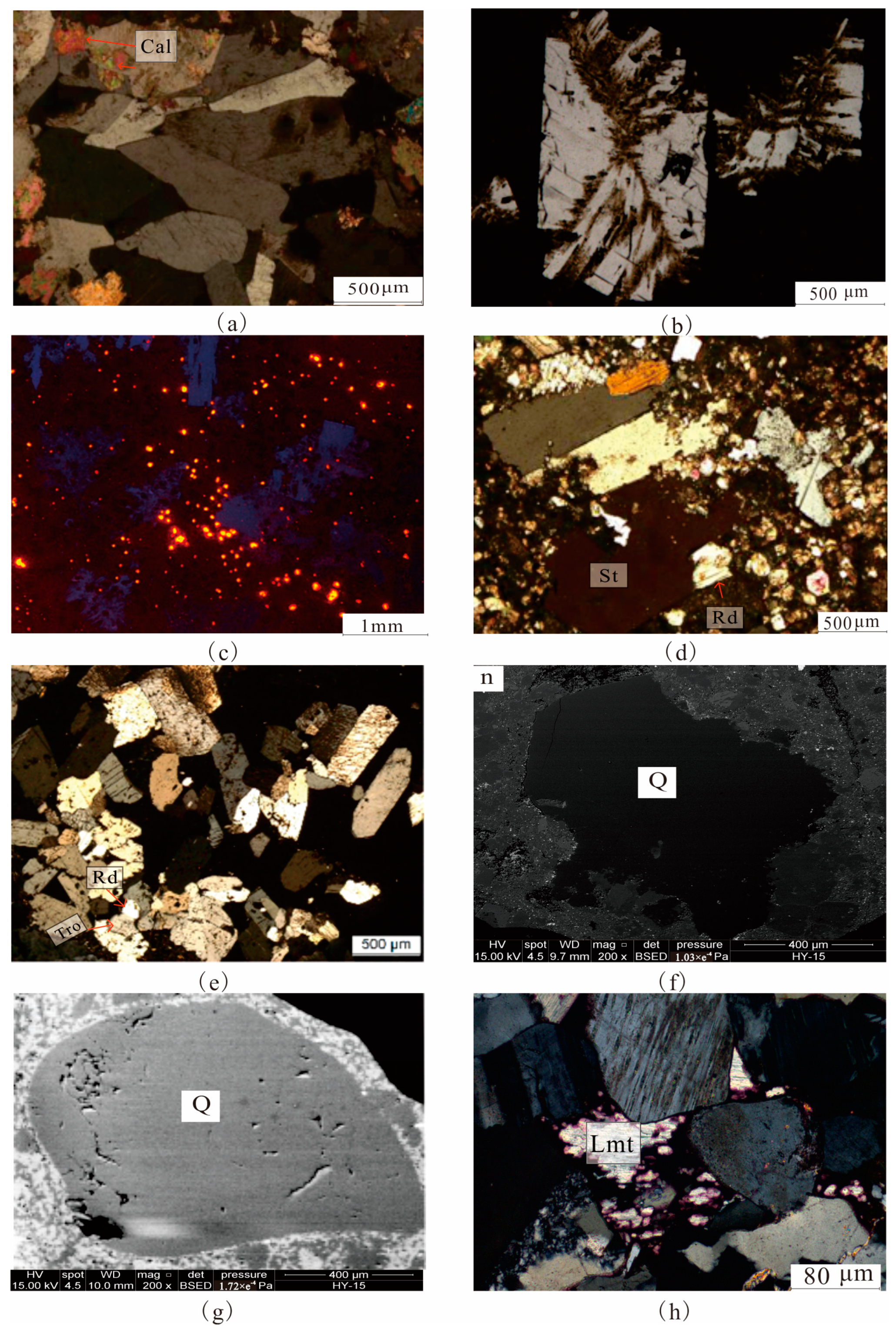
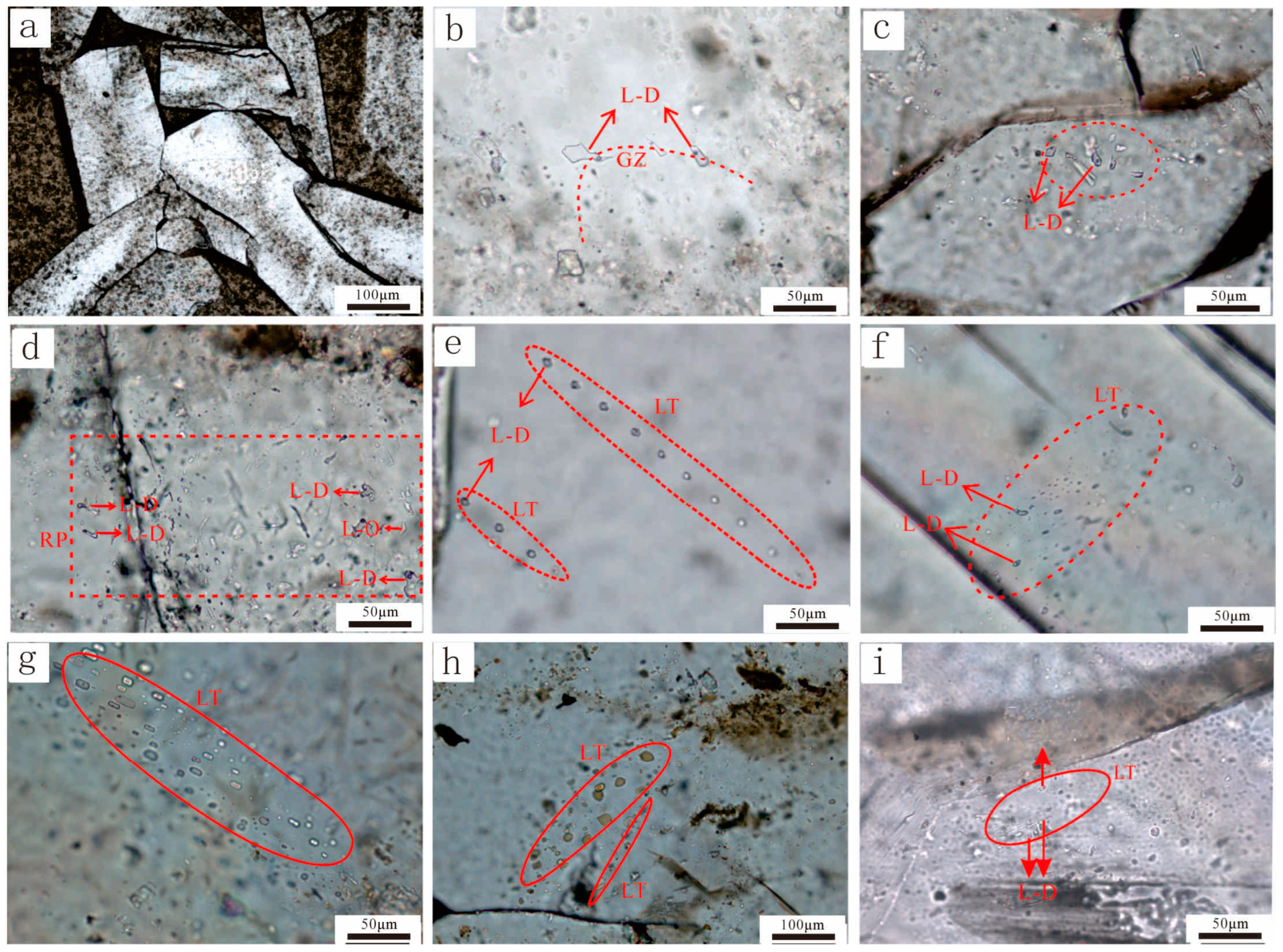
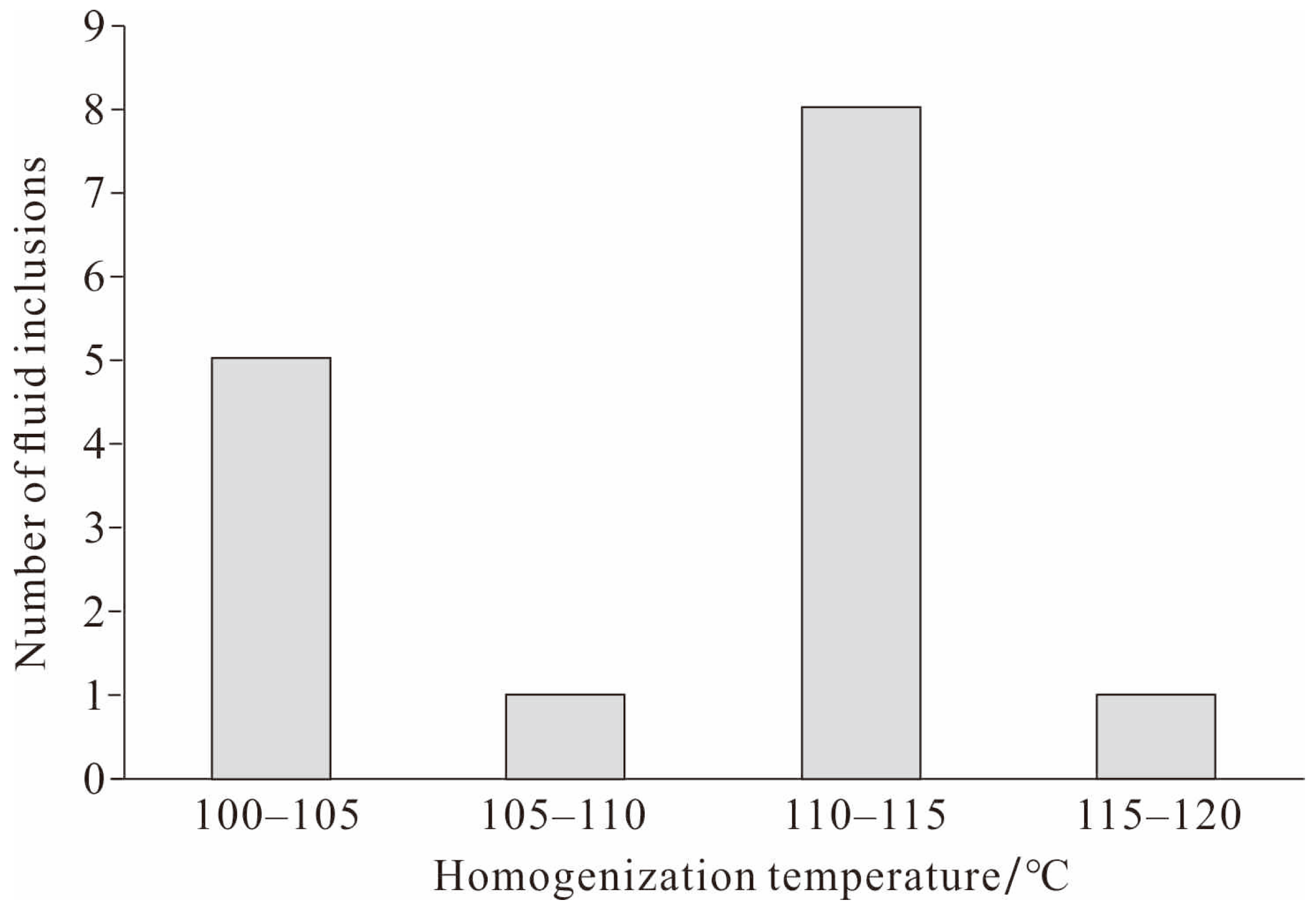
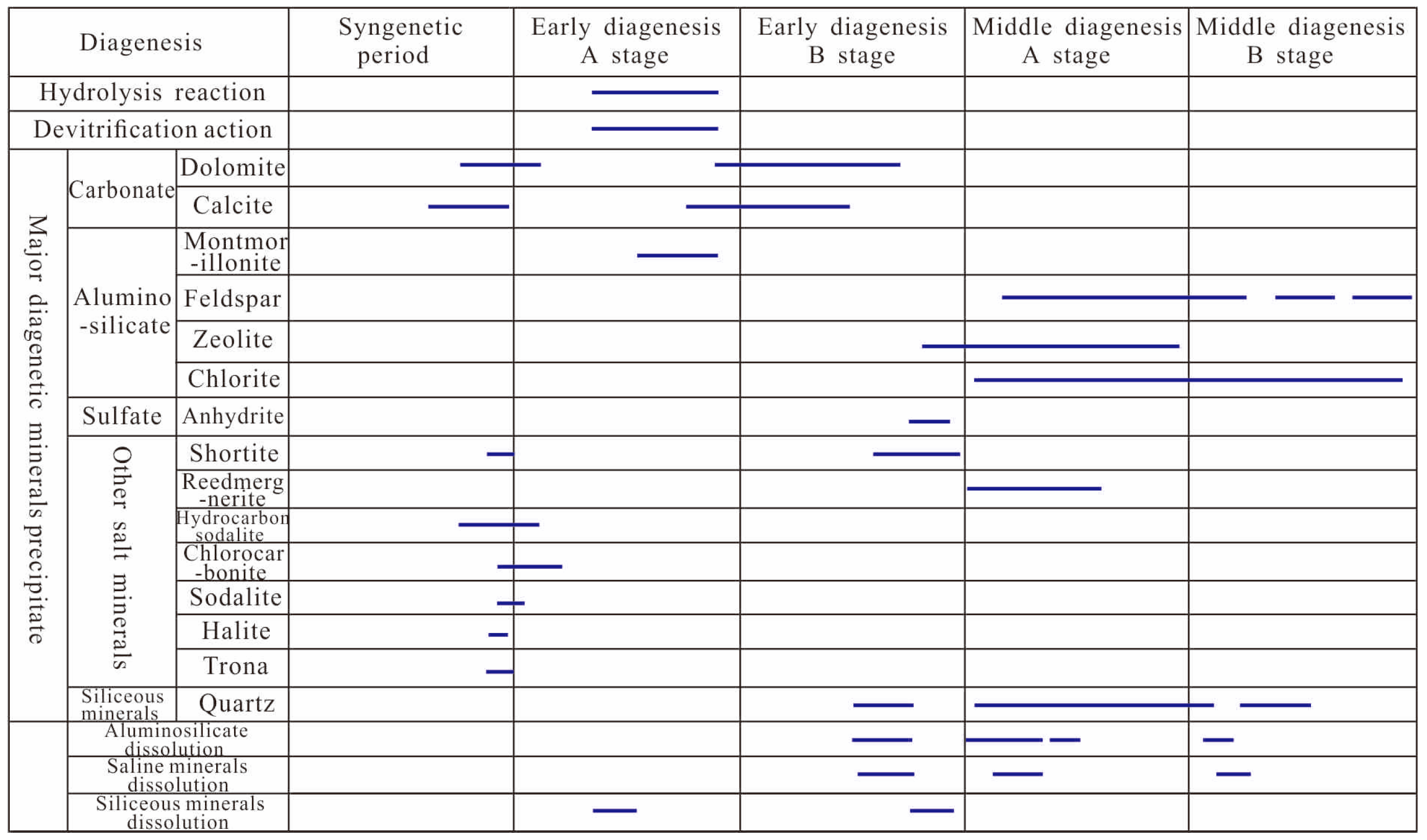
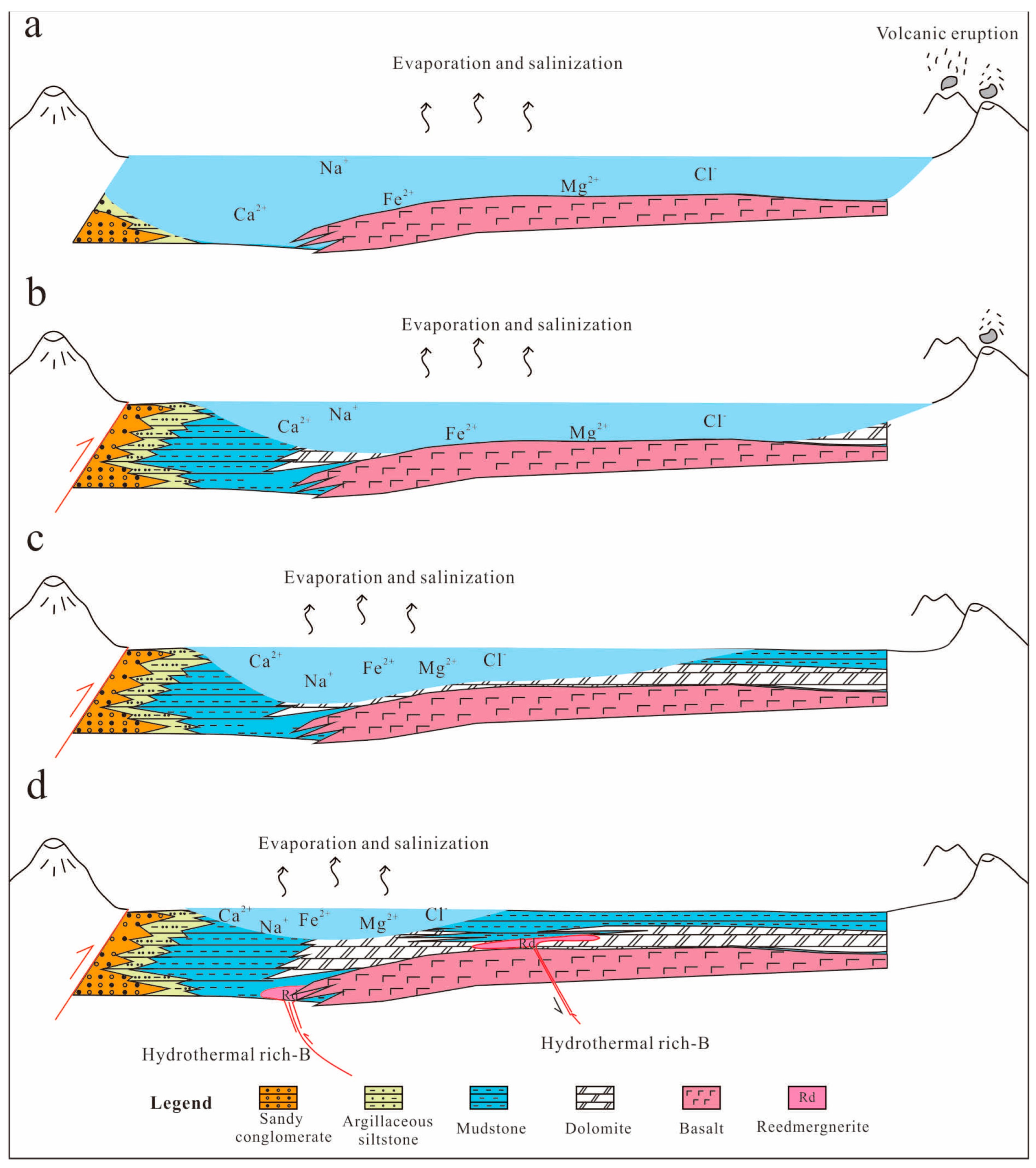
The Fengcheng Formation in the Mahu sag of the Junggar Basin was primarily composed of detritus, pyroclastic material, carbonates, and evaporites. In order to establish the diagenesis pathways of the Fengcheng Formation, some methods of polarized light microscope, SEM, CL, EPMA, LR, and fluid inclusion analysis were applied to discuss the diagenesis process. The results showed the following: (a) The formation of an alkaline lake was the result of the influence of a high concentration of sodium-rich sources, and it led to the preservation of alkaline minerals in the stratum. (b) After the sediments were buried, three mineral assemblages were formed in the Fengcheng Formation, which are carbonate mineral assemblages (i.e., calcite + ferreous dolomite), reedmergnerite and carbonate mineral assemblages (i.e., reedmergnerite + calcite + ferreous dolomite), and reedmergnerite and alkaline mineral assemblages (i.e., reedmergnerite + shortite + trona), respectively. (c) According to the homogenization temperature of reedmergnerite primary fluid inclusions, the alkaline diagenesis of Fengcheng Formation was divided into an early stage (≤100 °C) and a middle stage (>100 °C), respectively. The earlier stage is marked by the formation of ferrous saddle dolomite, quartz dissolution, and the agglutination of laumontite. These processes occurred under normal burial conditions. The latter is marked by the reedmergnerite’s appearance, which is correlated with the deep hydrothermal activity controlled by faults. (d) Based on sedimentary and diagenetic factors, including climate, provenance, diagenetic surroundings, and the action of subsurface fluid, the alkaline deposition-diagenesis model for shale series in four stages of the Fengcheng Formation was established.
Keywords: diagenesis pathways; Fengcheng Formation; Mahu sag; northwest China diagenesis pathways; Fengcheng Formation; Mahu sag; northwest China