Article

Binocular Vision-Based Pole-Shaped Obstacle Detection and Ranging Study

1
School of Mechanical Engineering, Tianjin University of Science and Technology, Tianjin 300222, China
2
Tianjin Key Laboratory for Integrated Design & Online Monitor Center of Light Design and Food Engineering Machinery Equipment, Tianjin University of Science &Technology, Tianjin 300222, China
*
Author to whom correspondence should be addressed.
Appl. Sci. 2023, 13(23), 12617; https://doi.org/10.3390/app132312617
Submission received: 13 October 2023 / Revised: 17 November 2023 / Accepted: 20 November 2023 / Published: 23 November 2023

Abstract

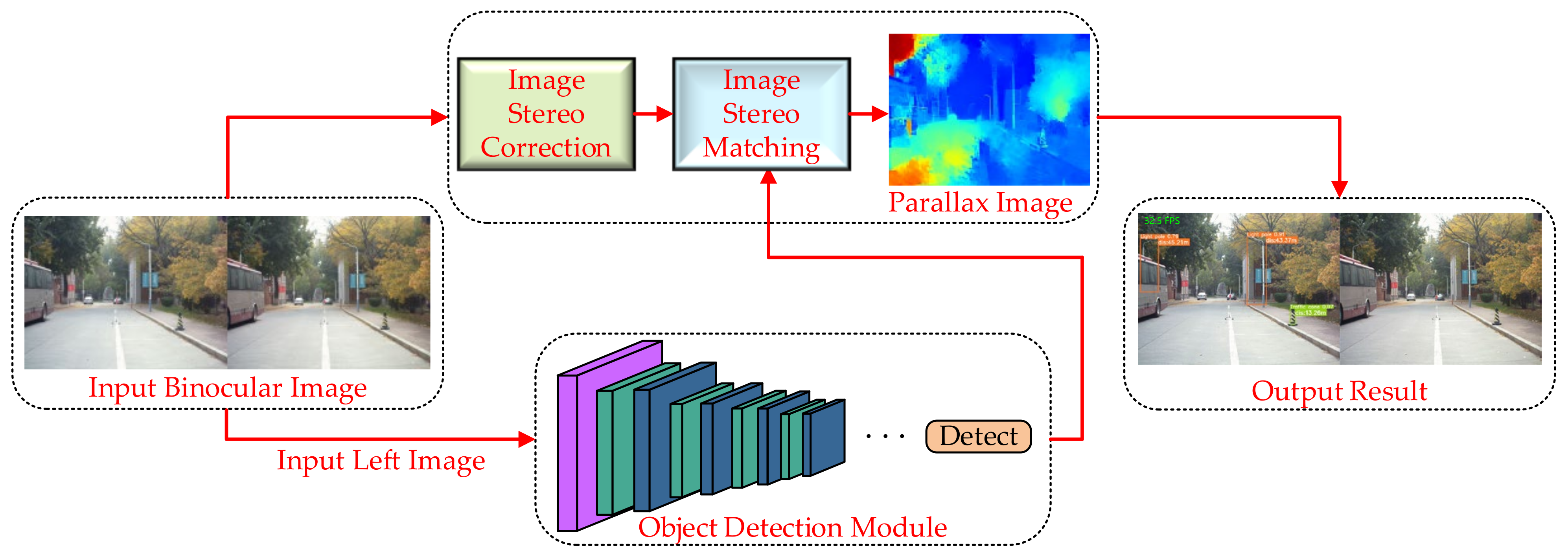
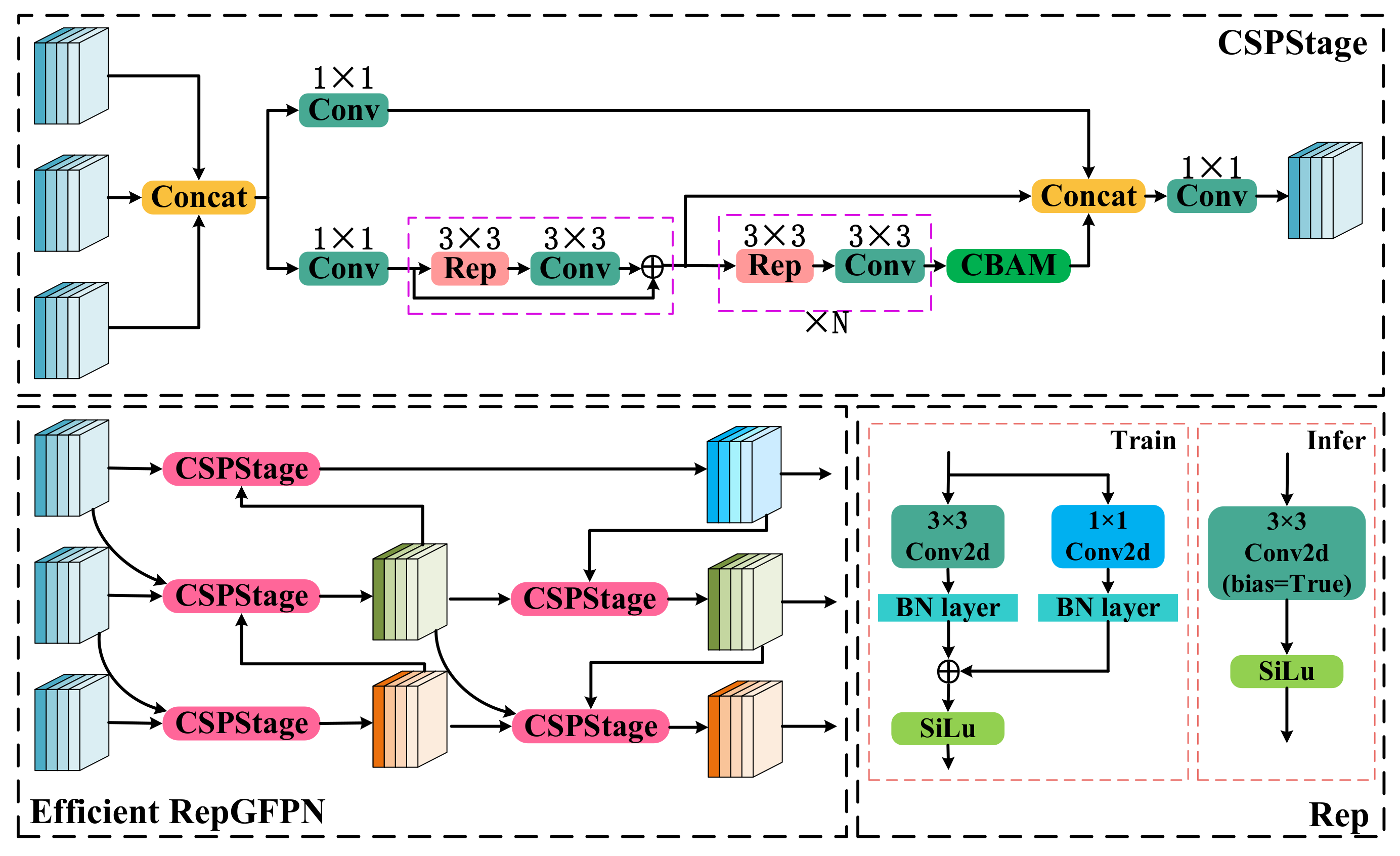
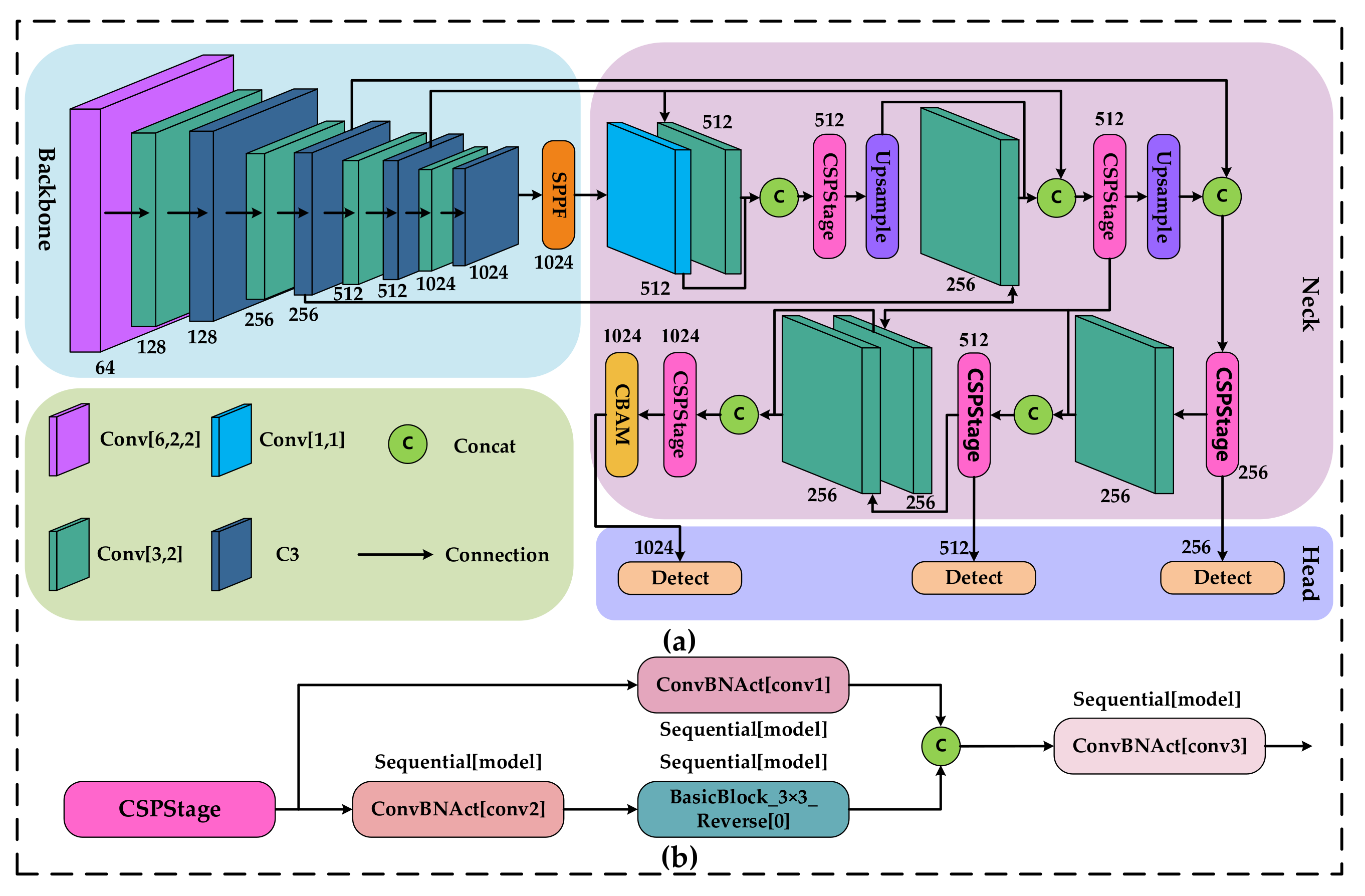
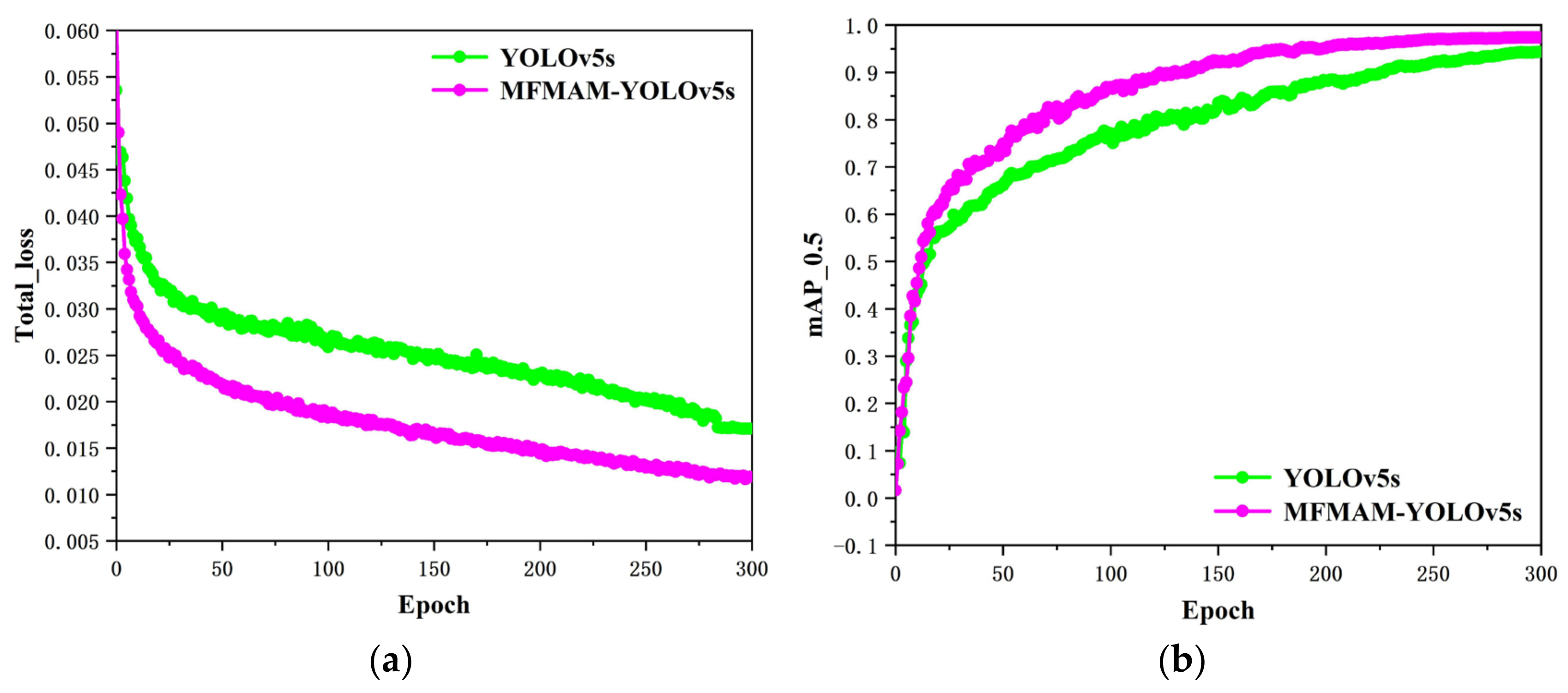
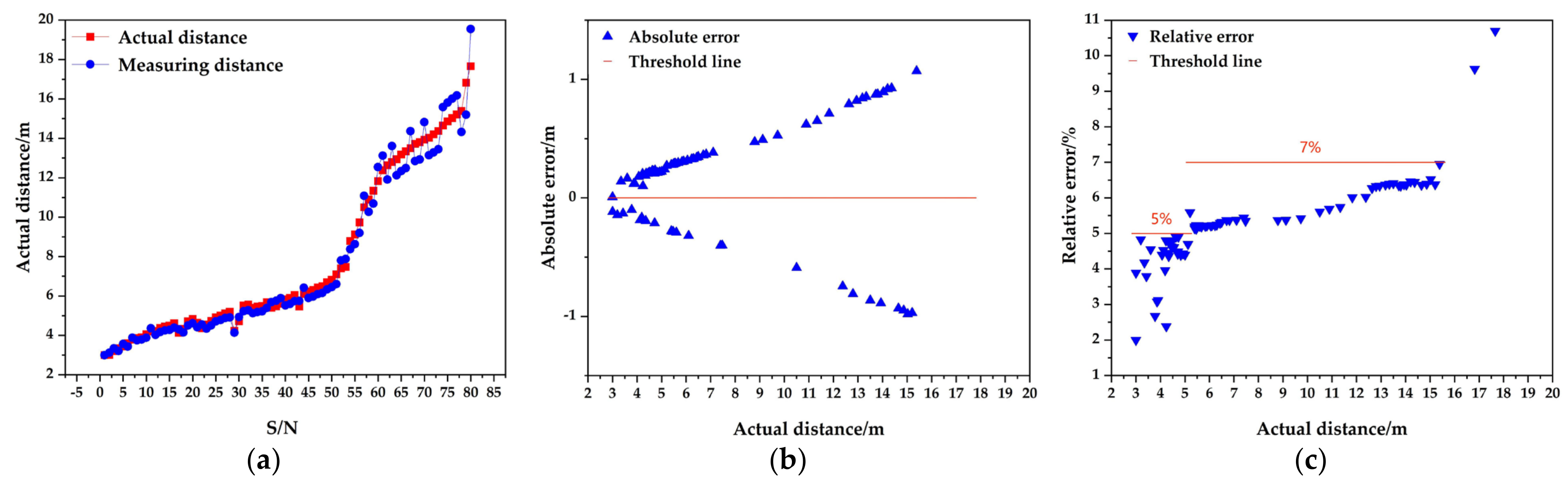
(1) Background: In real road scenarios, various complex environmental conditions may occur, including bright lights, nighttime, rain, and snow. In such a complex environment for detecting pole-shaped obstacles, it is easy to lose the feature information. A high rate of leakage detection, false positives, and measurement errors are generated as a result. (2) Methods: The first part of this paper utilizes the improved YOLOv5 algorithm to detect and classify pole-shaped obstacles. Then, the identified target frame information is combined with binocular stereo matching to obtain more accurate distance information. (3) Results: The experimental results demonstrate that this method achieves a mean average precision (mAP) of 97.4% for detecting pole-shaped obstacles, which is 3.1% higher than the original model. The image inference time is only 1.6 ms, which is 1.8 ms faster than the original algorithm. Additionally, the model size is only 19.0 MB. Furthermore, the range error of this system is less than 7% within the range of 3–15 m. (4) Conclusions: Therefore, the algorithm not only achieves real-time and accurate identification and classification but also ensures precise measurement within a specific range. Meanwhile, the model is lightweight and better suited for deploying sensing systems.
Keywords: complex environment; binocular stereo vision; object detection; YOLOv5; real-time and accuracy complex environment; binocular stereo vision; object detection; YOLOv5; real-time and accuracy