Article

MCAW-YOLO: An Efficient Detection Model for Ceramic Tile Surface Defects

1
The College of Computer Science and Engineering, North Minzu University, Yinchuan 750021, China
2
The Key Laboratory of Images and Graphics Intelligent Processing of State Ethnic Affairs Commission, North Minzu University, Yinchuan 750021, China
*
Author to whom correspondence should be addressed.
Appl. Sci. 2023, 13(21), 12057; https://doi.org/10.3390/app132112057
Submission received: 29 August 2023 / Revised: 27 October 2023 / Accepted: 30 October 2023 / Published: 5 November 2023
(This article belongs to the Section Computing and Artificial Intelligence)

Abstract

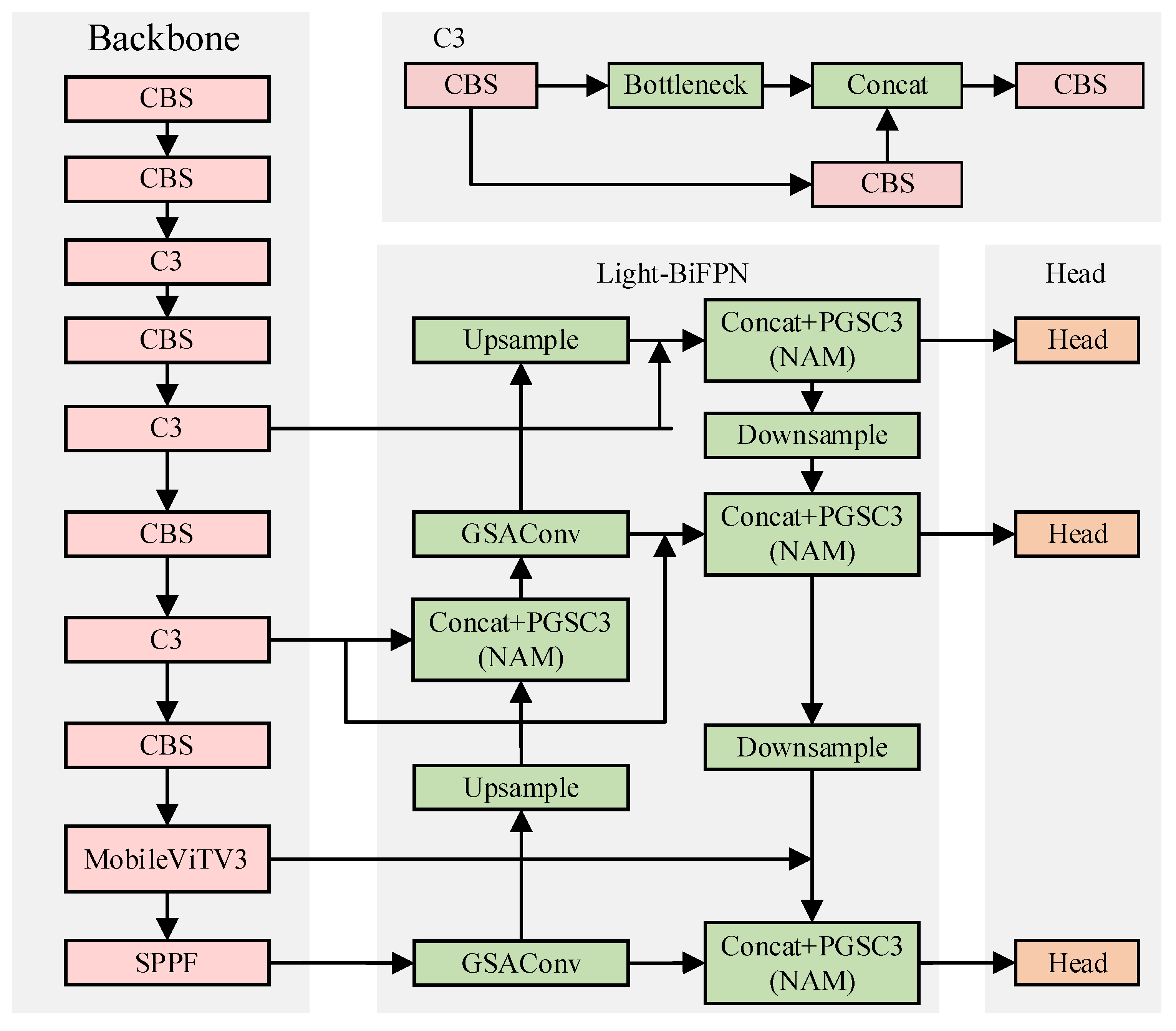
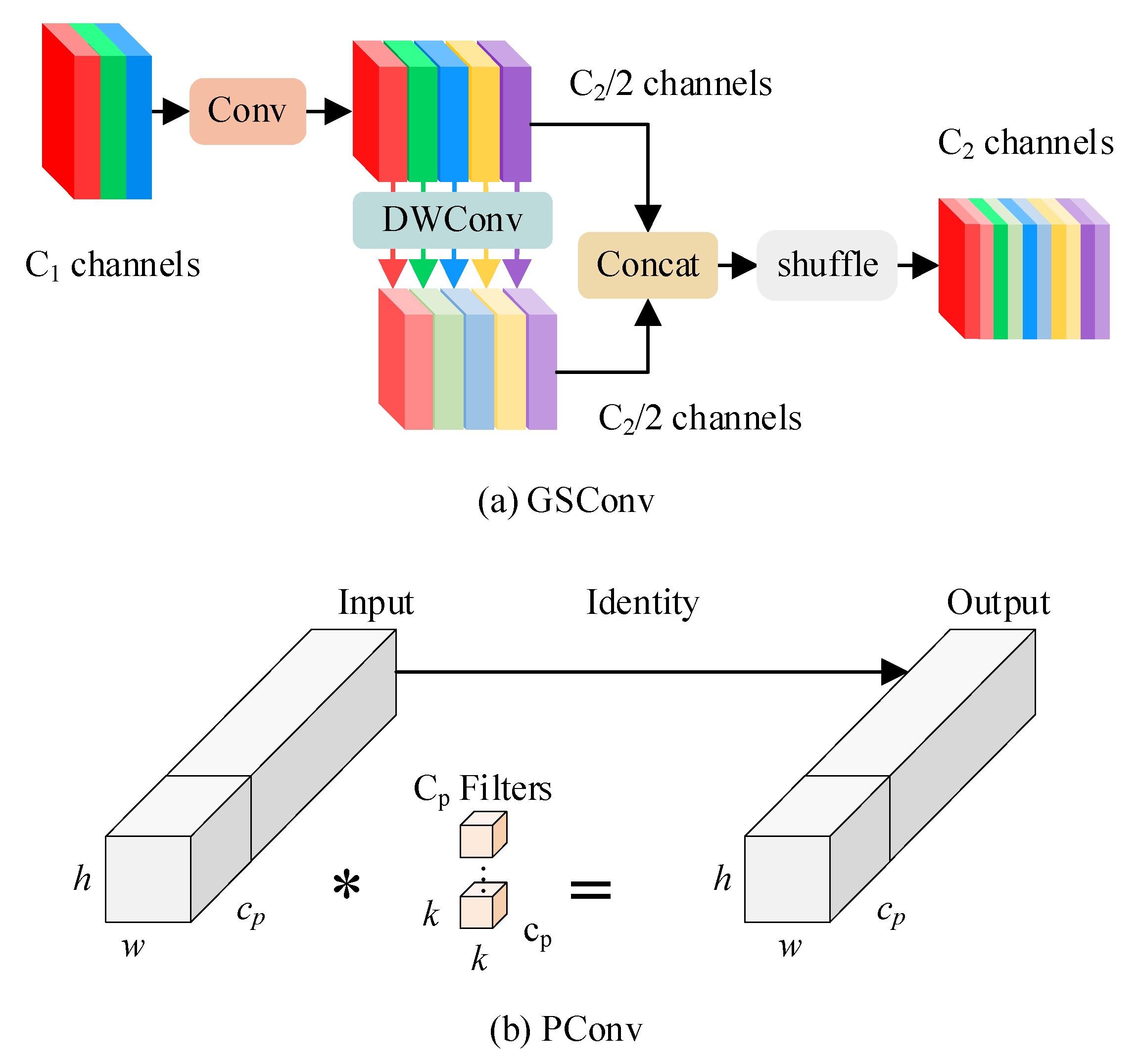
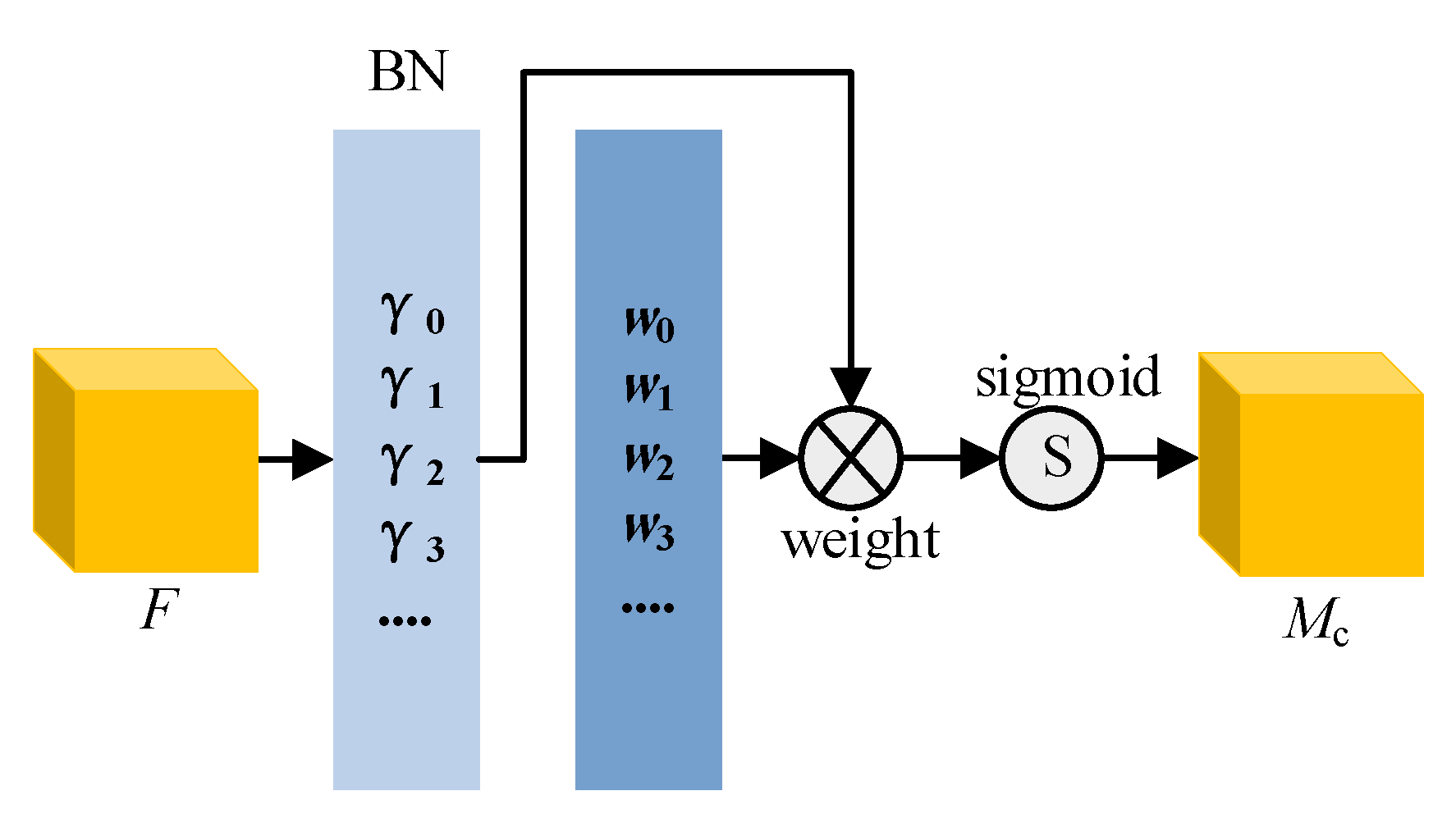
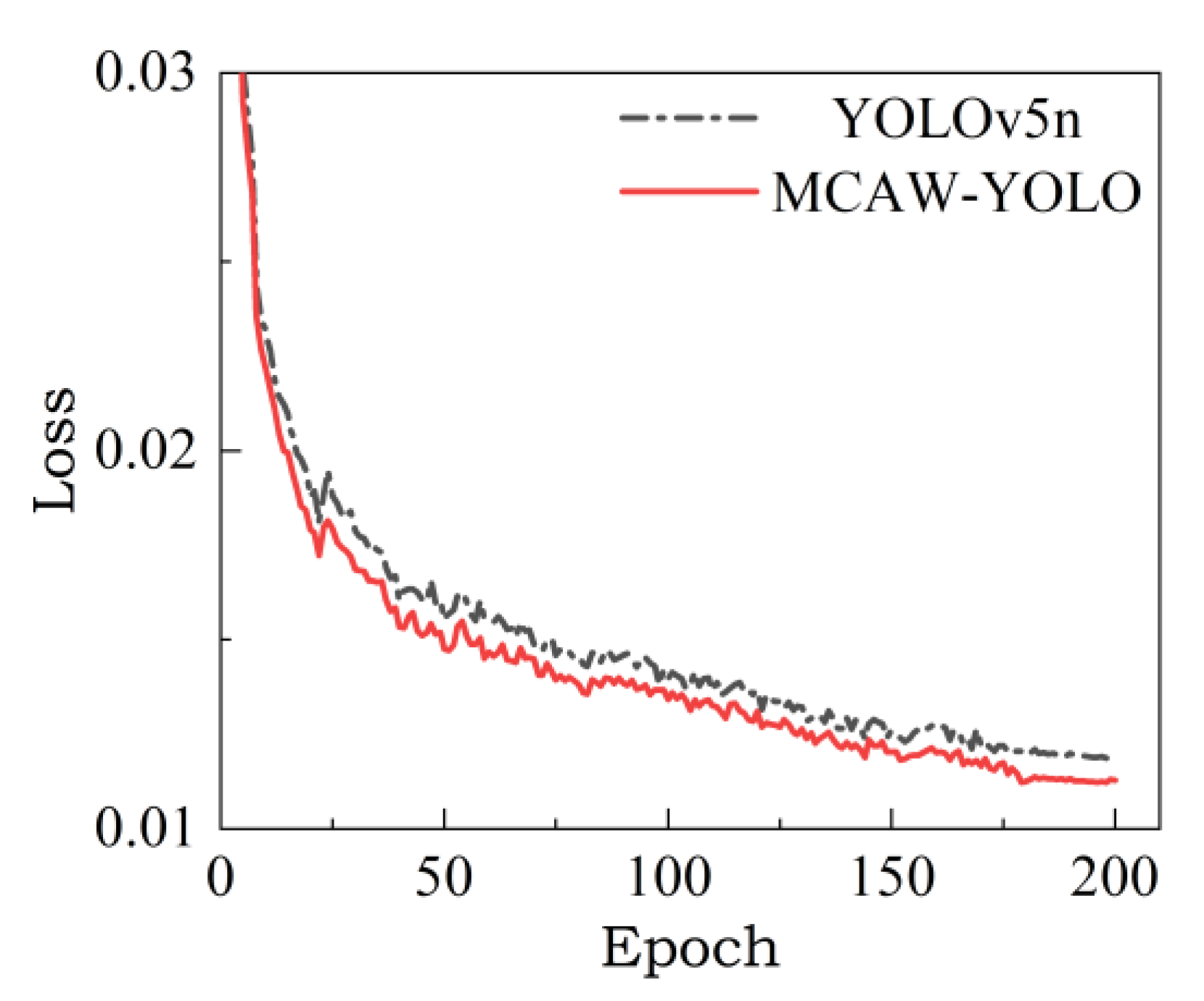
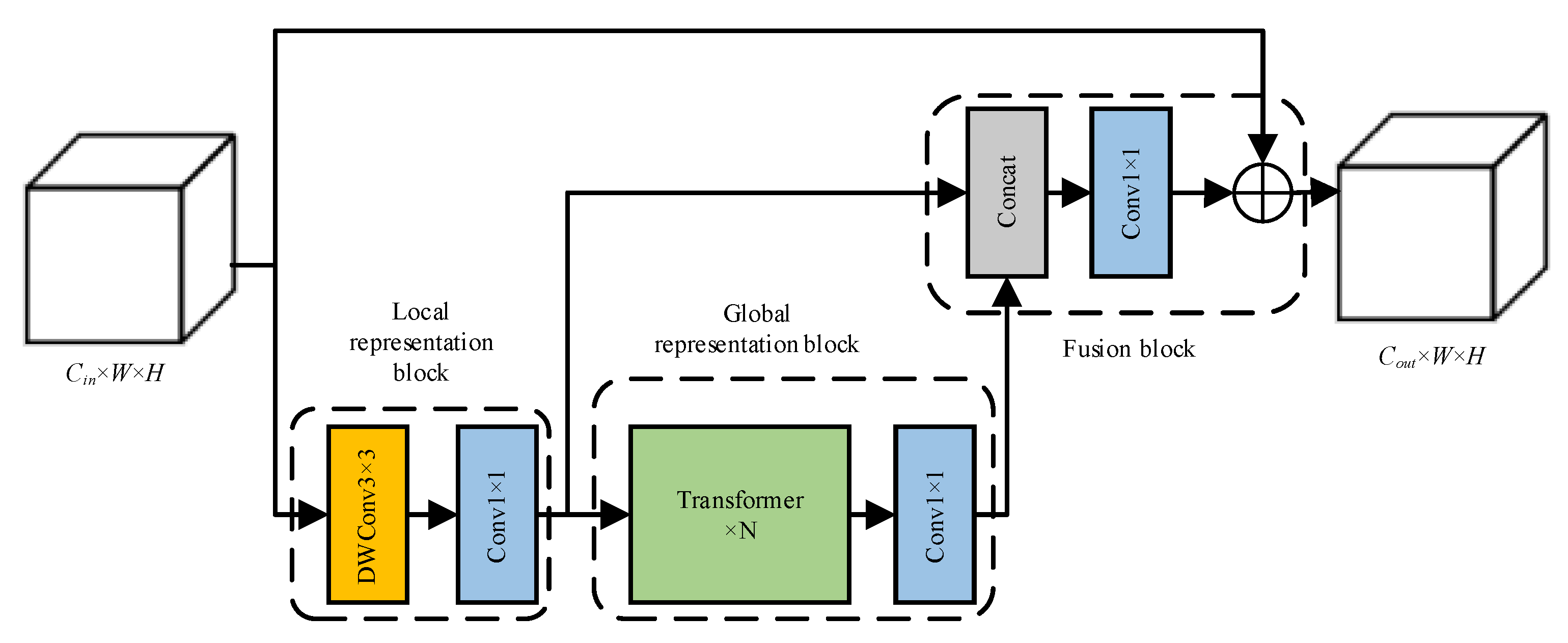
Traditional manual visual detection methods are inefficient, subjective, and costly, making them prone to false and missed detections. Deep-learning-based defect detection identifies the types of defects and pinpoints their locations. By employing this approach, we could enhance the production workflow, boost production efficiency, minimize company expenses, and lessen the workload on workers. In this paper, we propose a lightweight tile-defect detection algorithm that strikes a balance between model parameters and accuracy. Firstly, we introduced the mobile-friendly vision transformer into the backbone network to capture global and local information. This allowed the model to comprehend the image content better and enhance defect feature extraction. Secondly, we designed a lightweight feature fusion network. This design amplified the network’s detection capability for defects of different scales and mitigated the blurriness and redundancy in the feature maps while reducing the model’s parameter count. We then devised a convolution module incorporating the normalization-based attention module, to direct the model’s focus toward defect features. This reduced background noise and filtered out features irrelevant to defects. Finally, we utilized a bounding box regression loss with a dynamic focusing mechanism. This approach facilitated the prediction of more precise object bounding boxes, thereby improving the model’s convergence rate and detection precision. Experimental results demonstrated that the improved algorithm achieved a mean average precision of 71.9%, marking a 3.1% improvement over the original algorithm. Furthermore, there was a reduction of 26.2% in the model’s parameters and a 20.9% decrease in the number of calculations.
Keywords: ceramic tile surface-defect detection; multi-scale feature fusion; attention mechanism; loss function ceramic tile surface-defect detection; multi-scale feature fusion; attention mechanism; loss function