Article

Product Styling Cognition Based on Kansei Engineering Theory and Implicit Measurement

1
School of Mechanical Engineering, Hefei University of Technology, Hefei 230009, China
2
College of Mechatronic Engineering, North Minzu University, Yinchuan 750021, China
3
Key Laboratory of Advanced Manufacturing Technology of Ministry of Education, Guizhou University, Guiyang 550025, China
*
Author to whom correspondence should be addressed.
Appl. Sci. 2023, 13(17), 9577; https://doi.org/10.3390/app13179577
Submission received: 25 July 2023 / Revised: 19 August 2023 / Accepted: 19 August 2023 / Published: 24 August 2023

Abstract

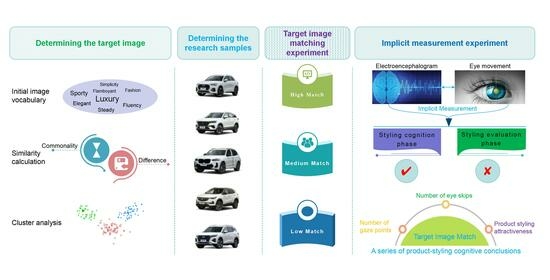
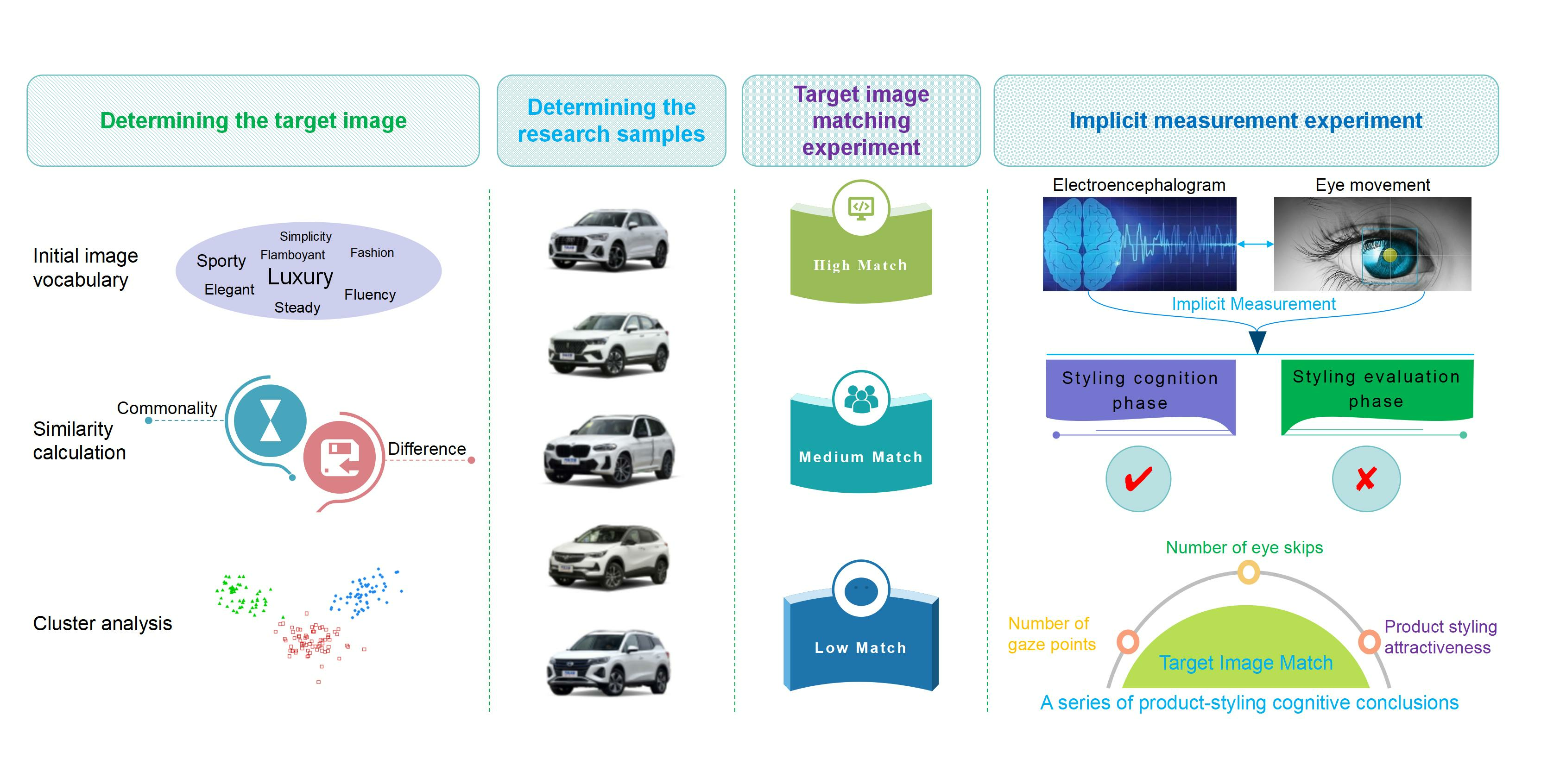
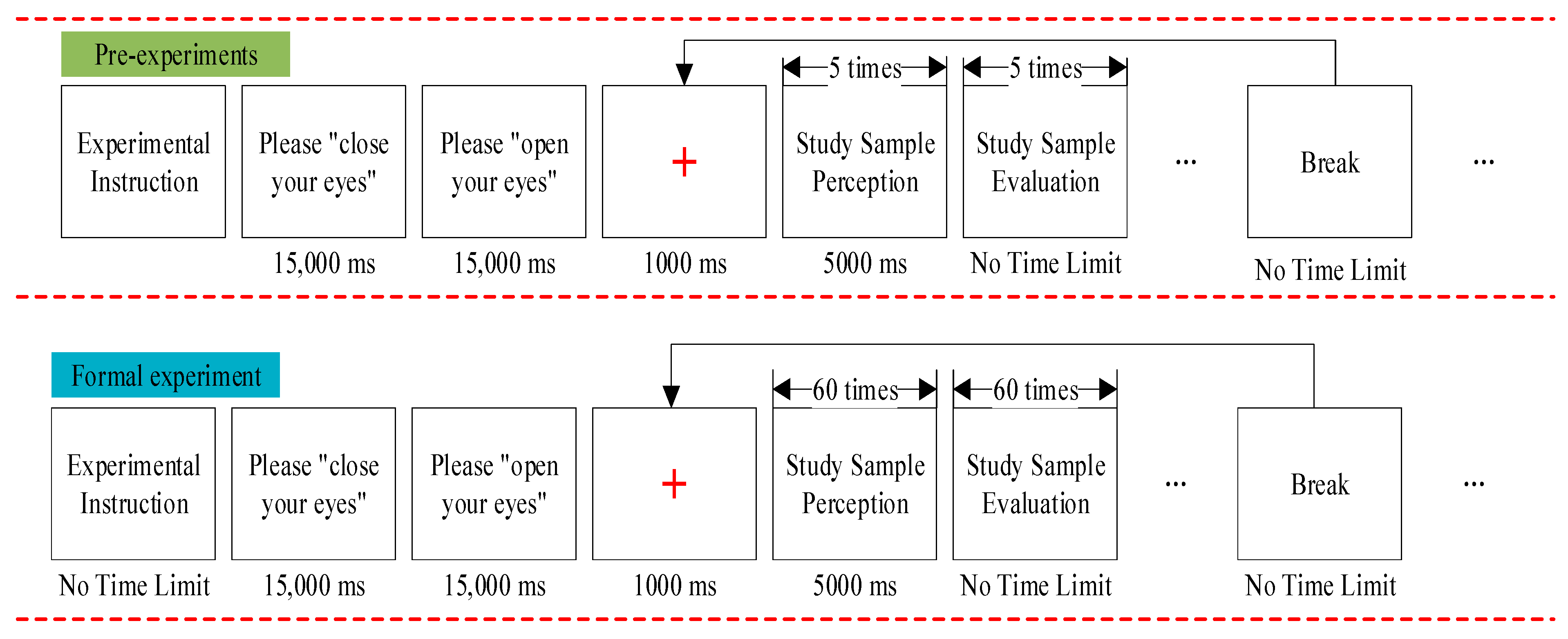
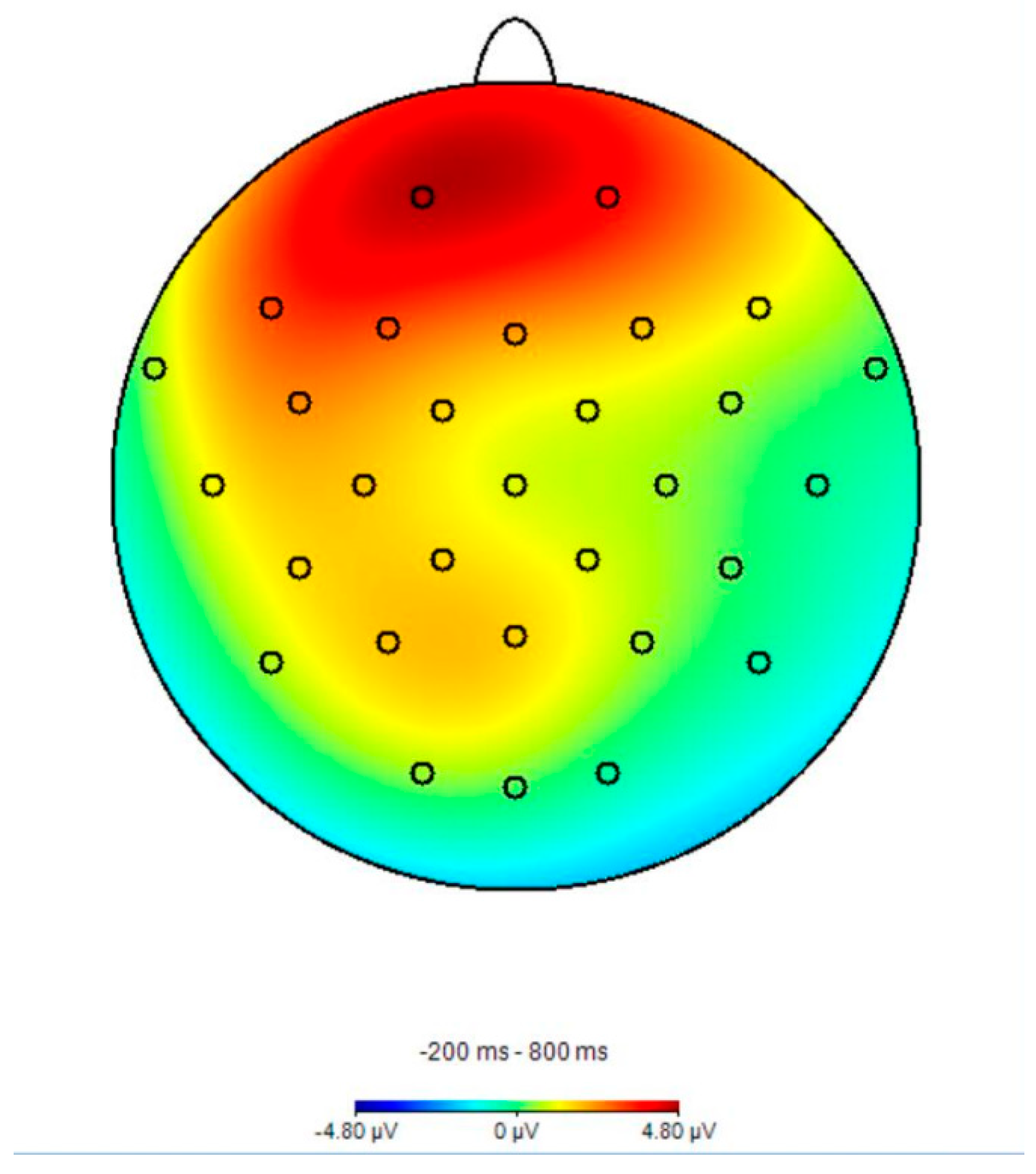
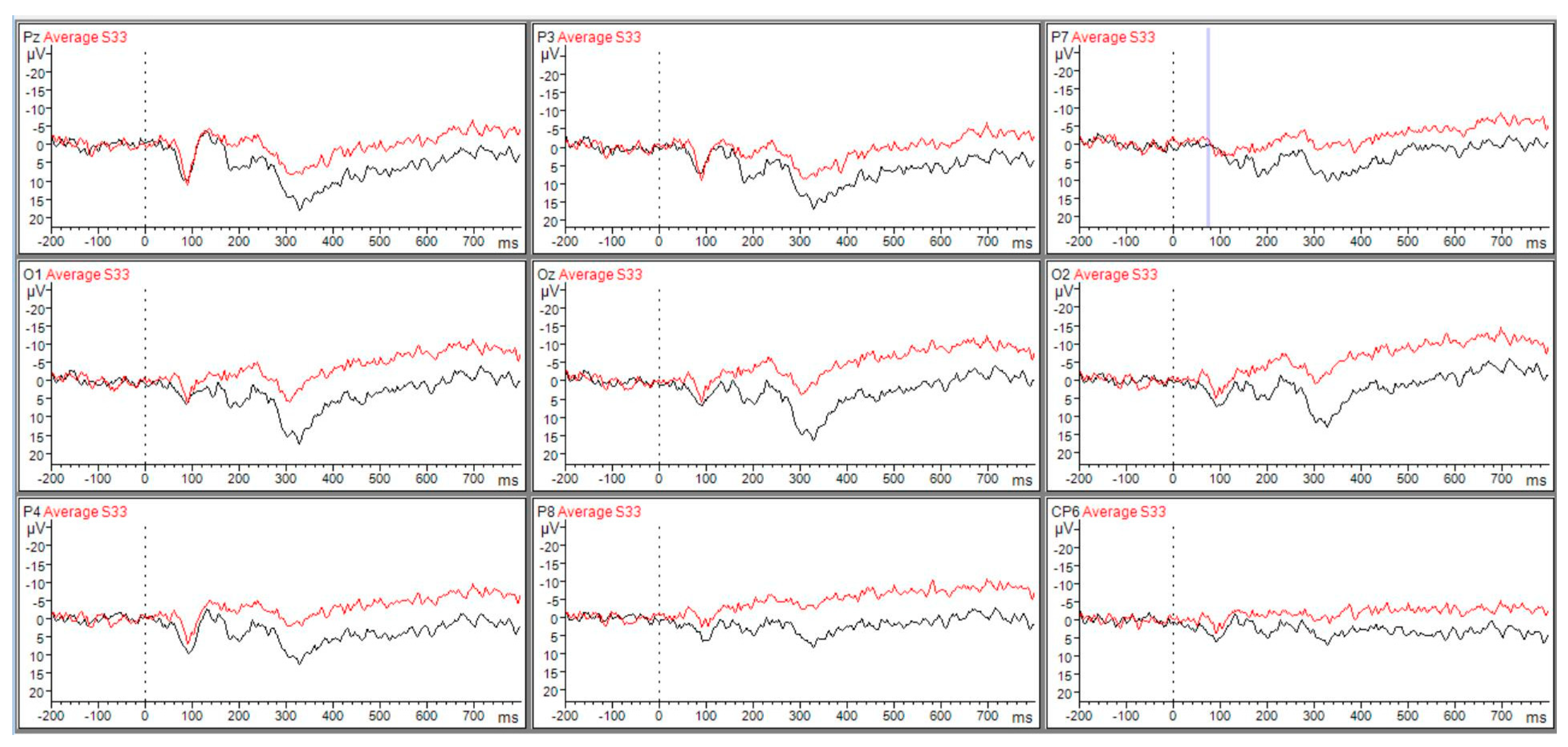
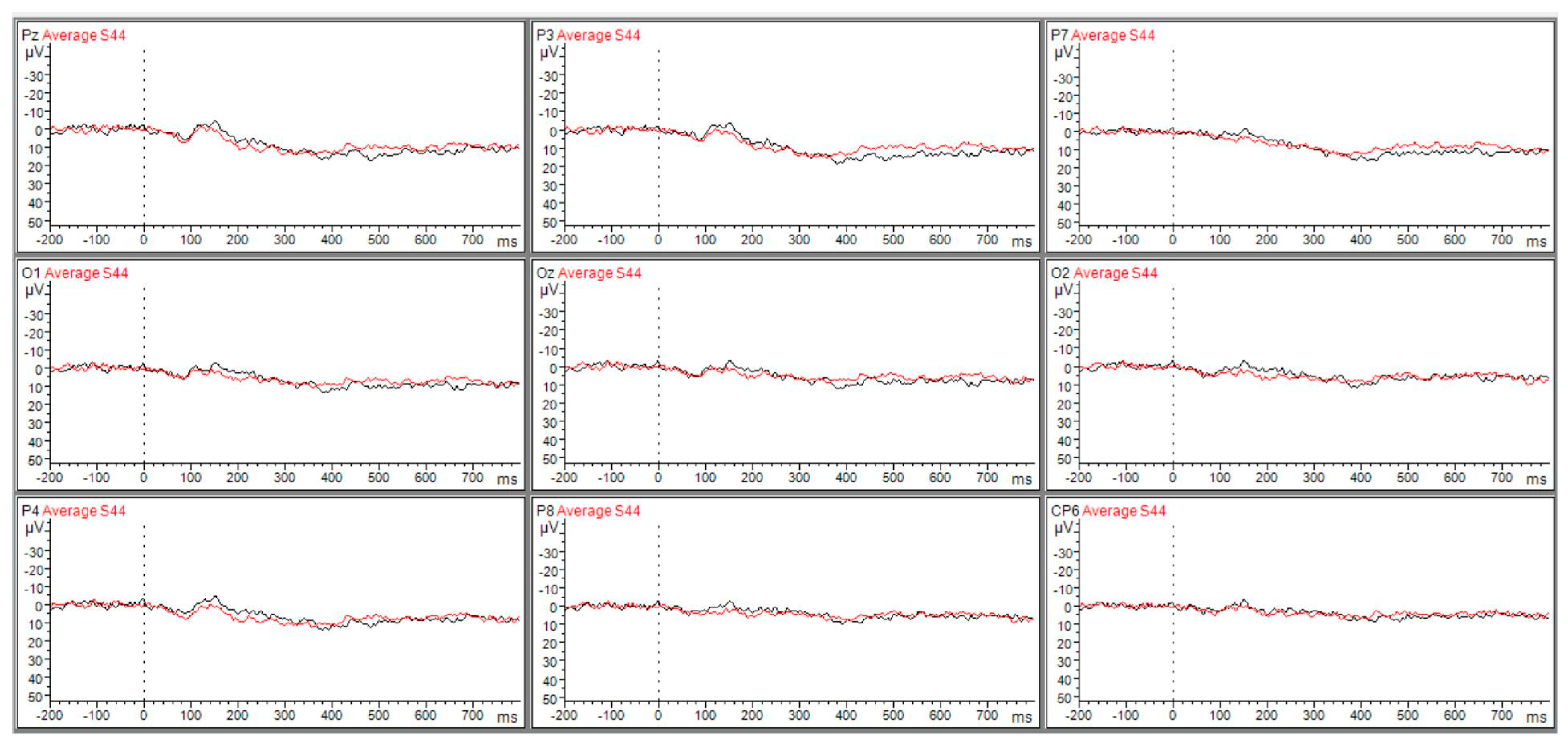
Effective product styling designs must increasingly address users’ emotional requirements. This study introduces a product styling design method combining electroencephalography (EEG) and eye tracking for multimodal measurement based on the Kansei engineering theory. The feasibility of determining a target image using a similarity calculation model is verified. An experimental paradigm based on implicit measures is presented for product styling cognition research. This paradigm involves determining the target image, sample selection, target image matching experiments, and product styling cognition experiments. Based on the combined EEG and eye-tracking measurements, insights into product-form cognition are deduced to provide a scientific basis for product-form innovation design. Notably, variations in event-related potential during user cognition of product styling are more evident in the product-styling perception phase than in the evaluation phase. In the styling perception phase, samples with “high match” with the target image elicit more pronounced EEG responses than those with “low match”. These findings demonstrate the viability of understanding product-form cognition through multimodal implicit measurements, addressing issues such as the pronounced subjectivity inherent in traditional methods. Furthermore, this approach provides a pioneering technique for Kansei engineering research and offers a methodology for multimodal implicit measurements of product innovation design.
Keywords: electroencephalogram; eye tracking; event-related potential; implicit measurement; Kansei engineering; industrial design; styling design; emotional design electroencephalogram; eye tracking; event-related potential; implicit measurement; Kansei engineering; industrial design; styling design; emotional design
Graphical Abstract