Article

Antimicrobial Activity and Biodiversity Study of a Homemade Vegetable Puree Treated with Antimicrobials from Paenibacillus dendritiformis


Department of Health Sciences, University of Jaen, 23071 Jaen, Spain
*
Author to whom correspondence should be addressed.
Appl. Sci. 2023, 13(12), 6901; https://doi.org/10.3390/app13126901
Submission received: 30 April 2023 / Revised: 5 June 2023 / Accepted: 5 June 2023 / Published: 7 June 2023

Featured Application

Strain UJA2219 shows antibacterial activity in a model food system, inducing changes in the food microbiota. This opens the way for future studies on the effects of preparations derived from strain UJA2219 in food preservation, either by direct application in other food systems or for the development of active coatings aimed at controlling food spoilage or pathogenic bacteria.

Abstract

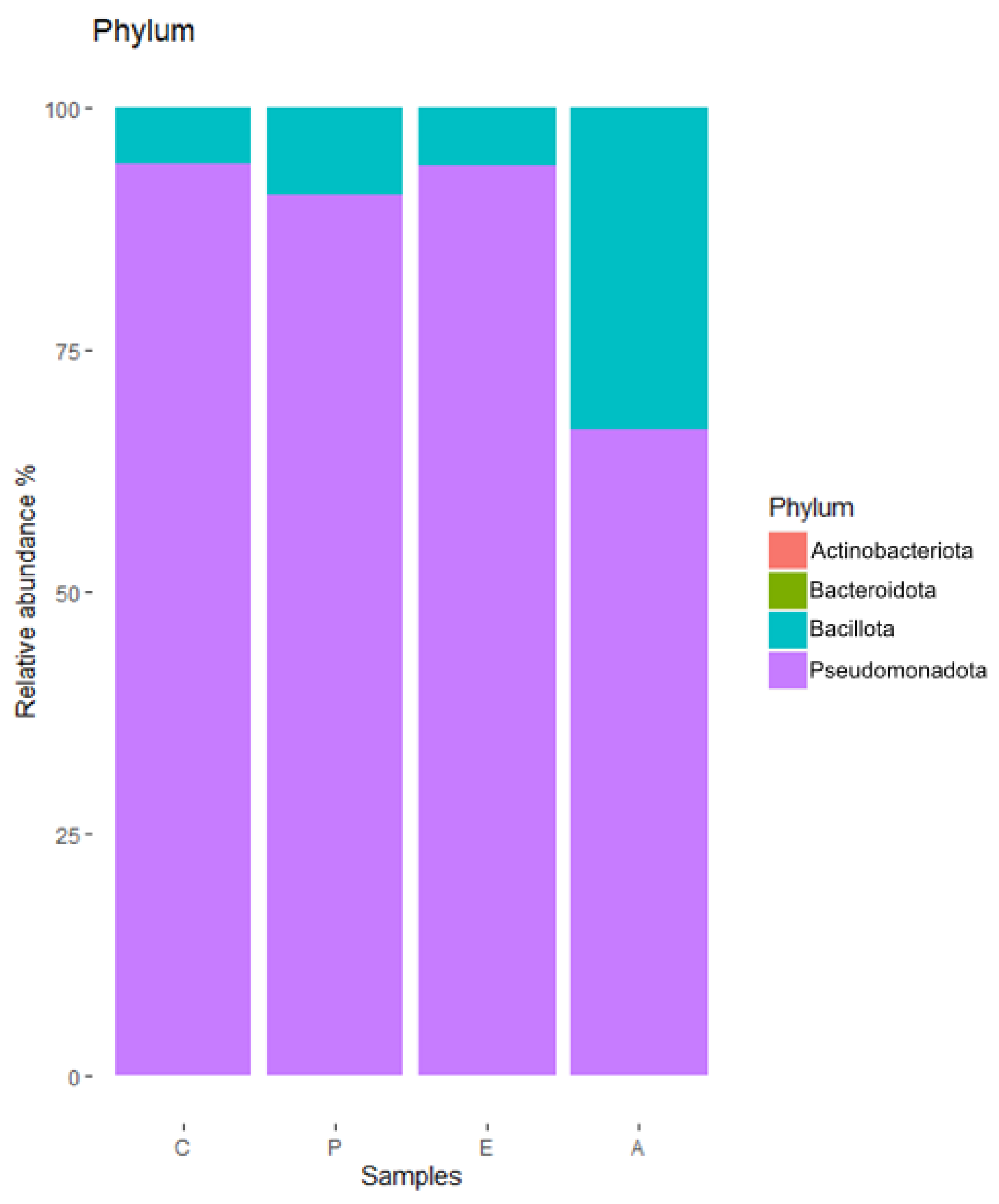
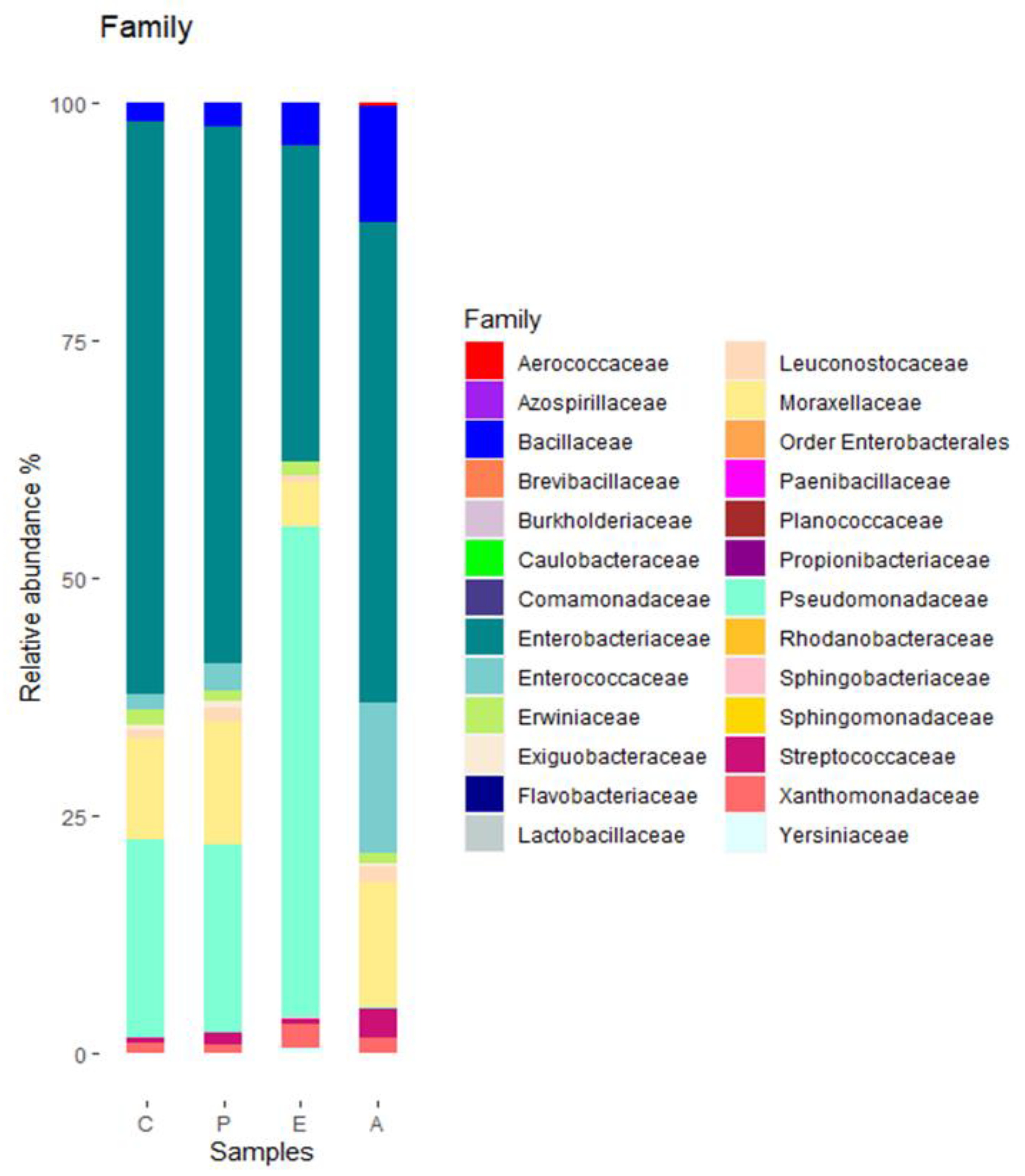
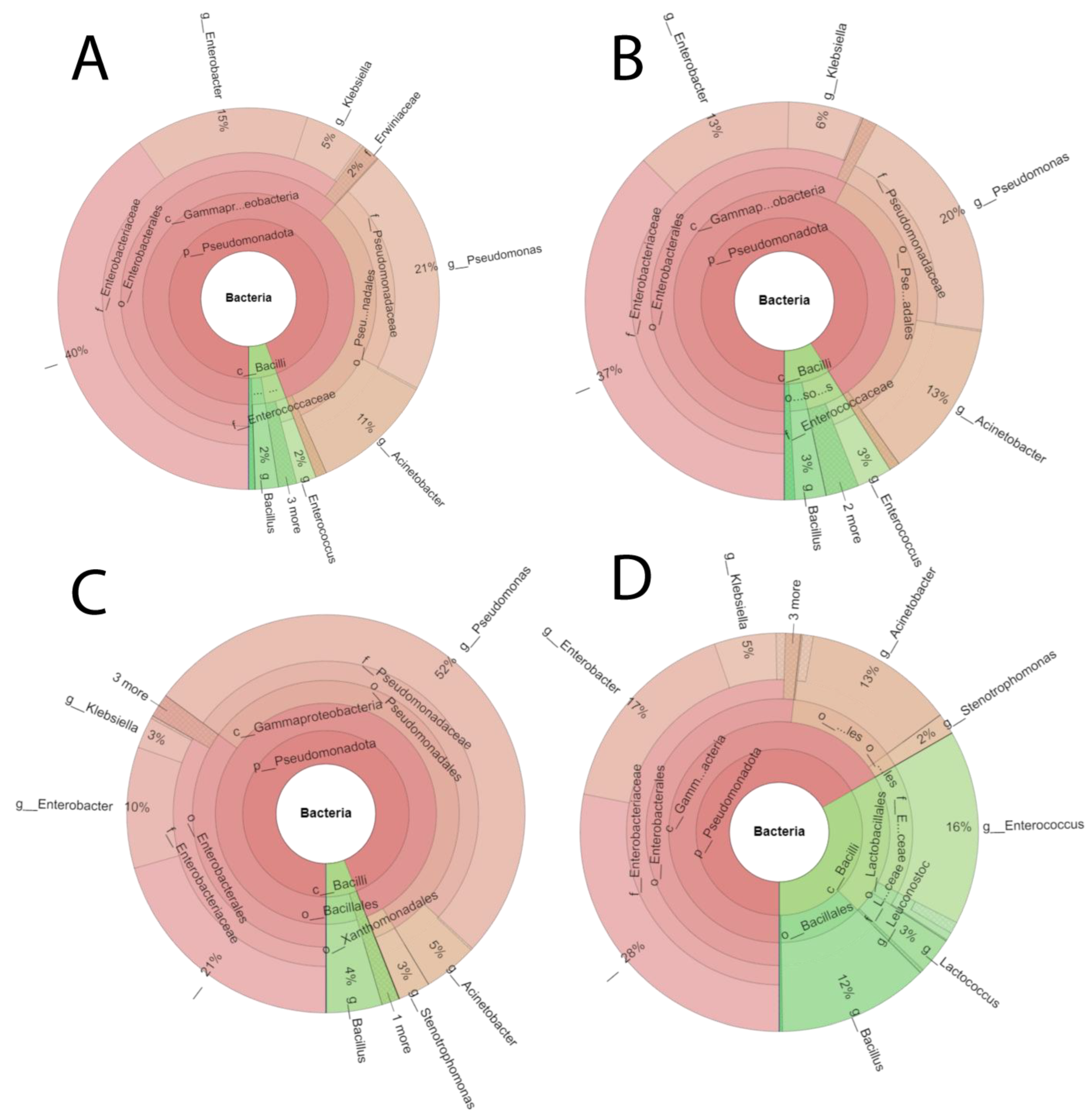
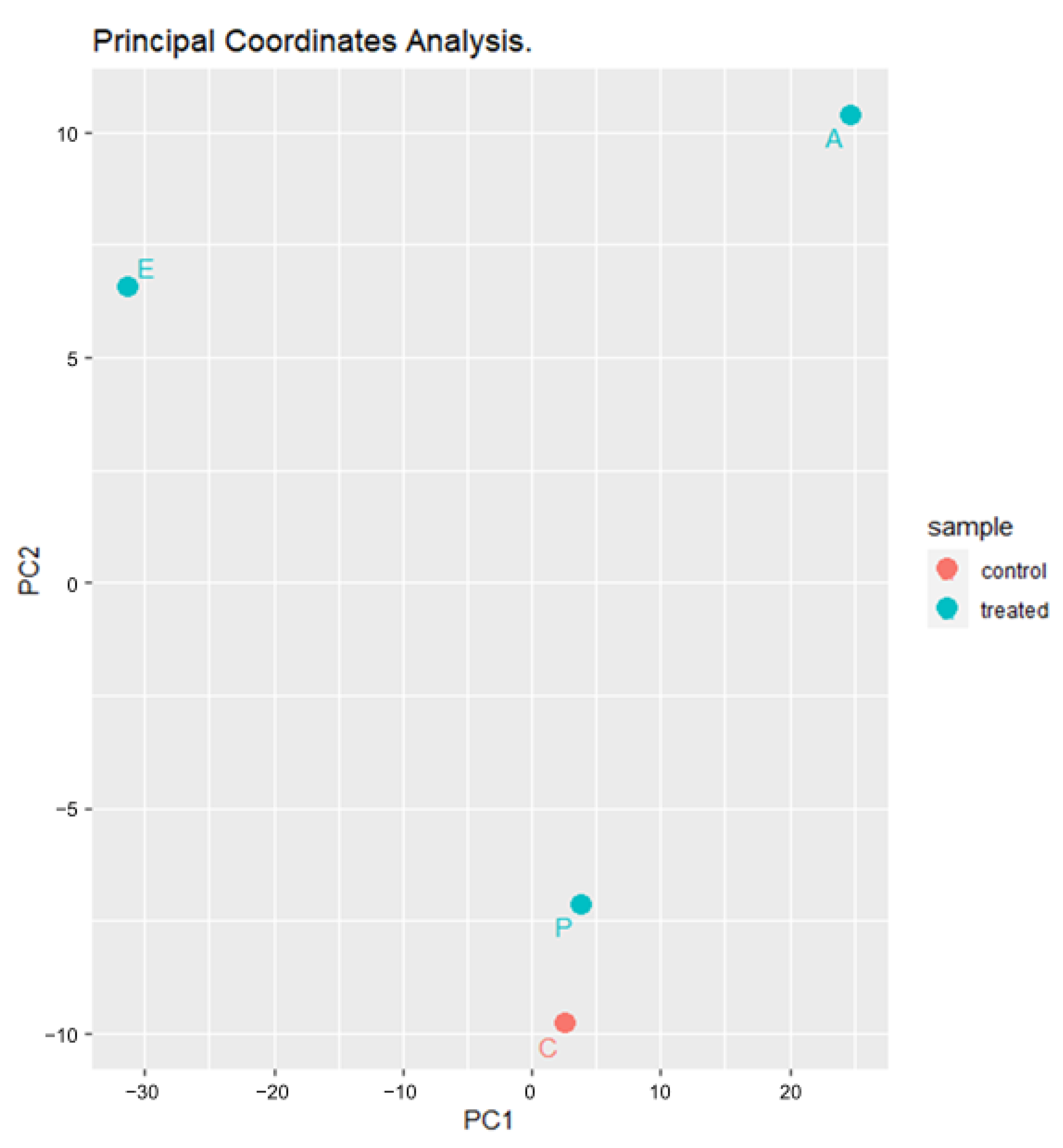
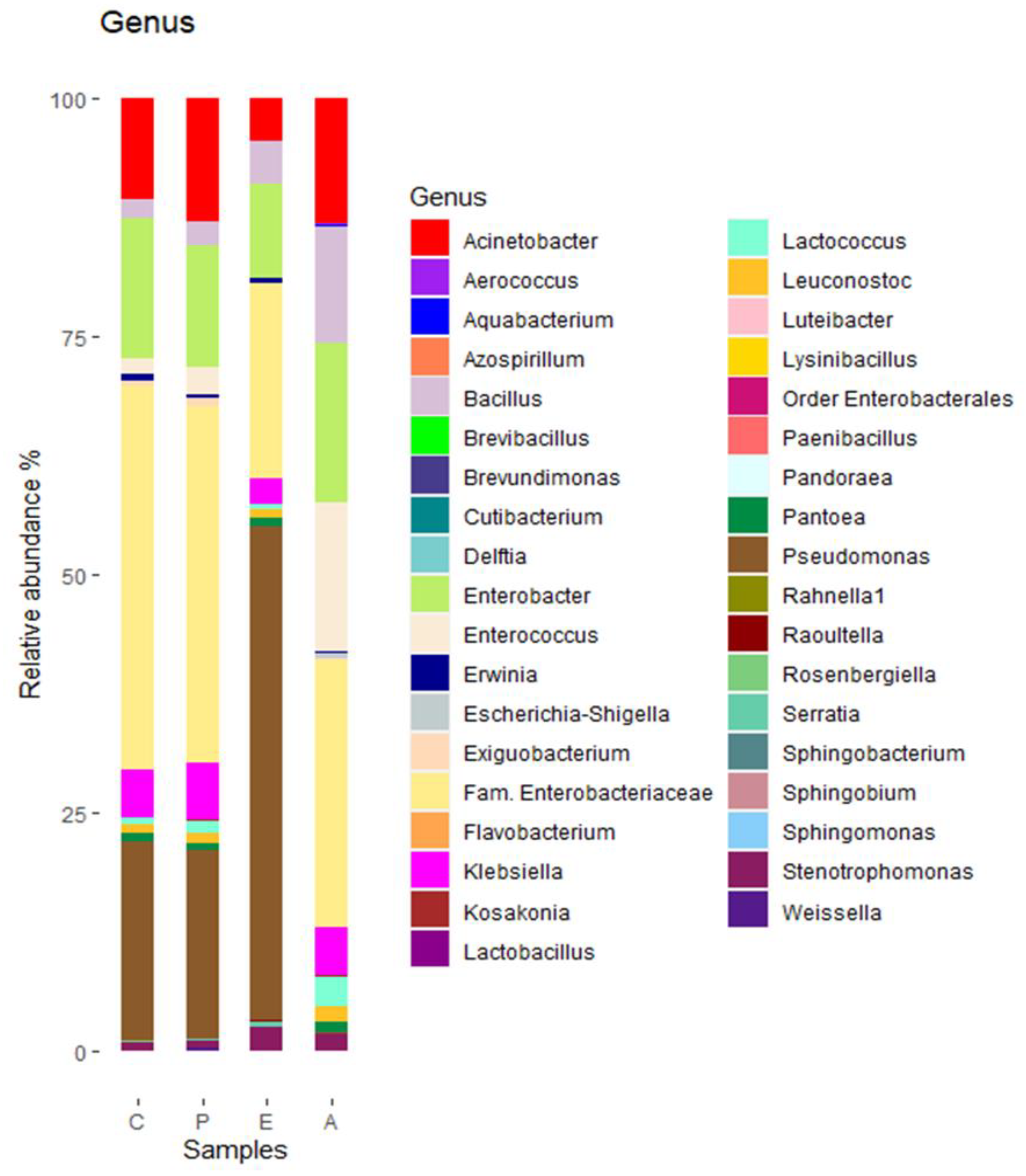
Paenibacillus dendritiformis UJA2219 isolated from carrot produces broad-spectrum antibacterial activity. The aim of the present study was to determine the impact of partially-purified cell-culture extracts of strain UJA2219 on the microbial load and bacterial diversity of a homemade vegetable puree. The puree was challenged with an overnight culture of strain UJA2219 or with cultured broth extracts partially purified by cation exchange (CE) chromatography or reversed-phase (RP) chromatography and incubated for 7 days at temperatures of 4 °C or 25 °C. The best results were obtained at 25 °C with the RP extract, decreasing counts of the presumptive Enterobacteriaceae below detectable levels. The bacterial diversity of control and treated puree was studied by Illumina paired-end sequencing, using DNA extracted from the puree samples incubated at 25 °C for 24 h. The controls and the puree inoculated with the UJA2219 strain showed an almost-identical bacterial diversity profile, with Pseudomonadota (mainly Fam. Pseudomonadaceae -gen. Pseudomonas- and Enterobacteriace as the most abundant groups). The greatest differences in bacterial diversity were obtained in the puree treated with RP extract, showing a decrease in the relative abundance of Pseudomonadota (especially gen. Pseudomonas) and an increase of Bacillota (mainly of the genera Bacillus, Enterococcus and Lactococcus). Results from the study suggest that the antimicrobial preparations from strain UJA2219 have a potential for application in food biopreservation.
Keywords: food preservation; biodiversity; antimicrobial; Paenibacillus dendritiformis food preservation; biodiversity; antimicrobial; Paenibacillus dendritiformis