Article

Numerical Simulation of Catalytic Methane Combustion in Al2O3 Directional Nanotubes Modified by Pt and Pd Catalyst


1
School of Safety Engineering, Heilongjiang University of Science and Technology, Harbin 150022, China
2
Coal Mine Gas Separation Comprehensive and Utilization Technology Innovation Center, Harbin 150022, China
*
Author to whom correspondence should be addressed.
Appl. Sci. 2023, 13(11), 6547; https://doi.org/10.3390/app13116547
Submission received: 17 March 2023 / Revised: 19 April 2023 / Accepted: 18 May 2023 / Published: 27 May 2023
(This article belongs to the Special Issue Latest Research and Challenges in Mining Safety)

Abstract

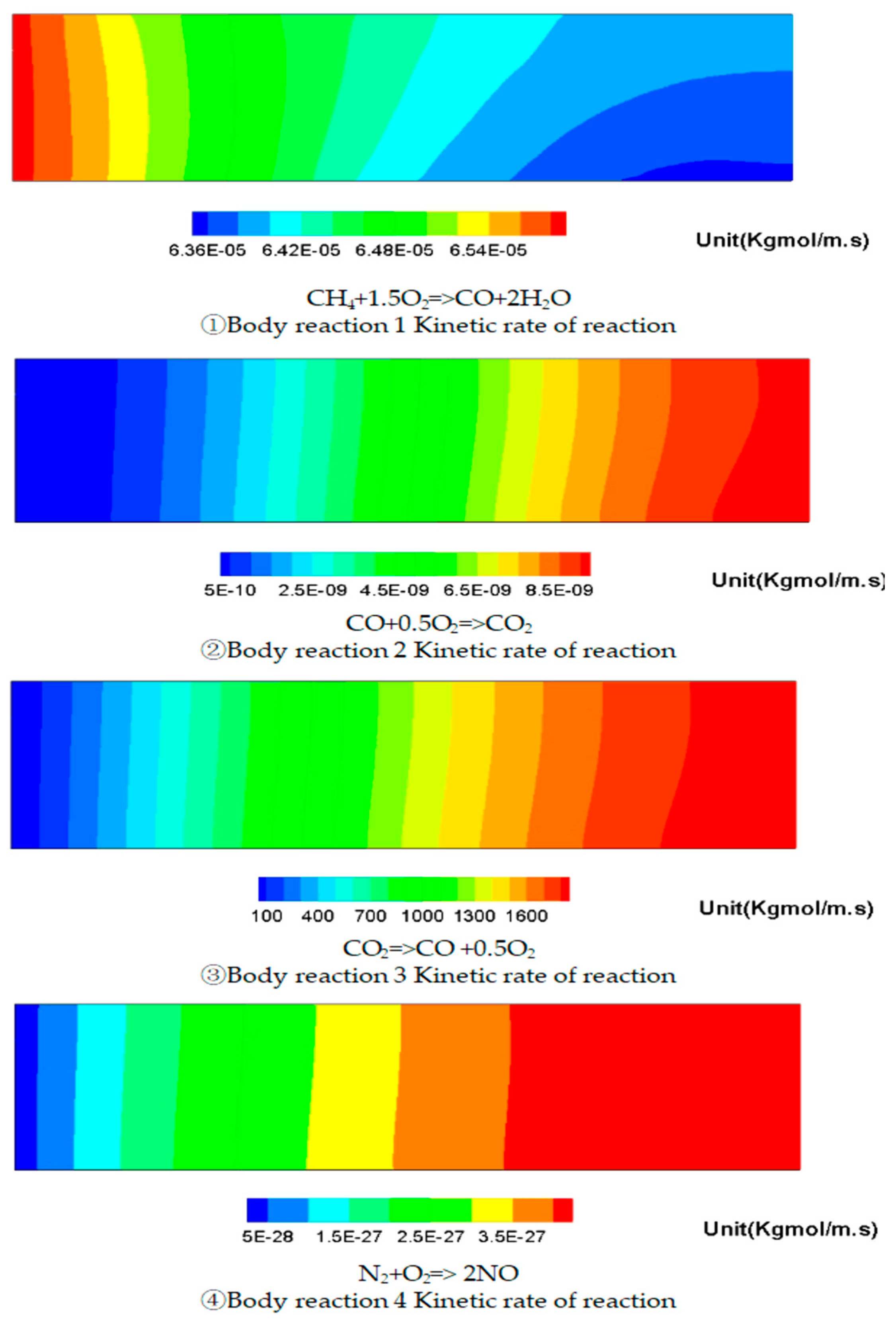
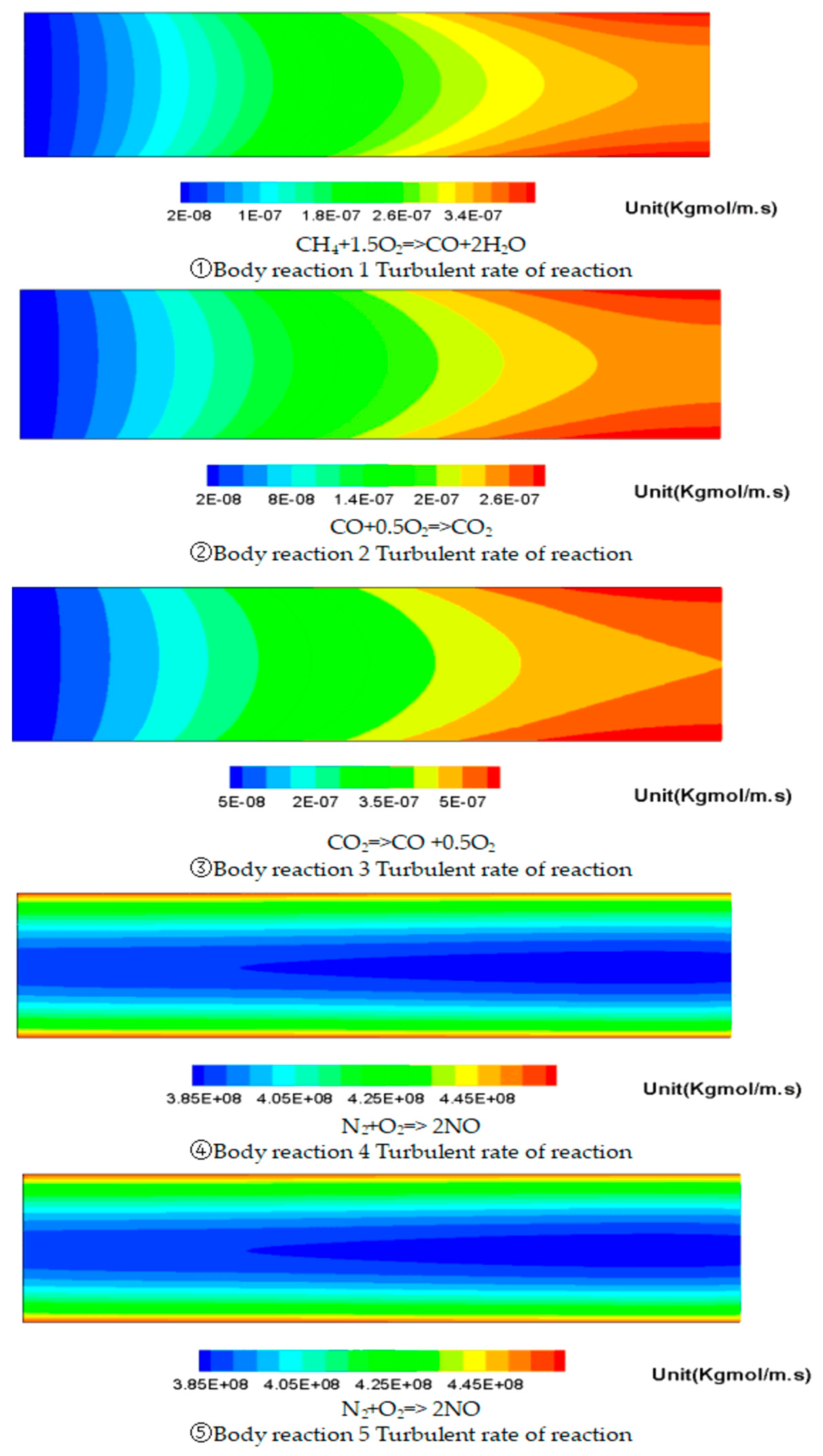
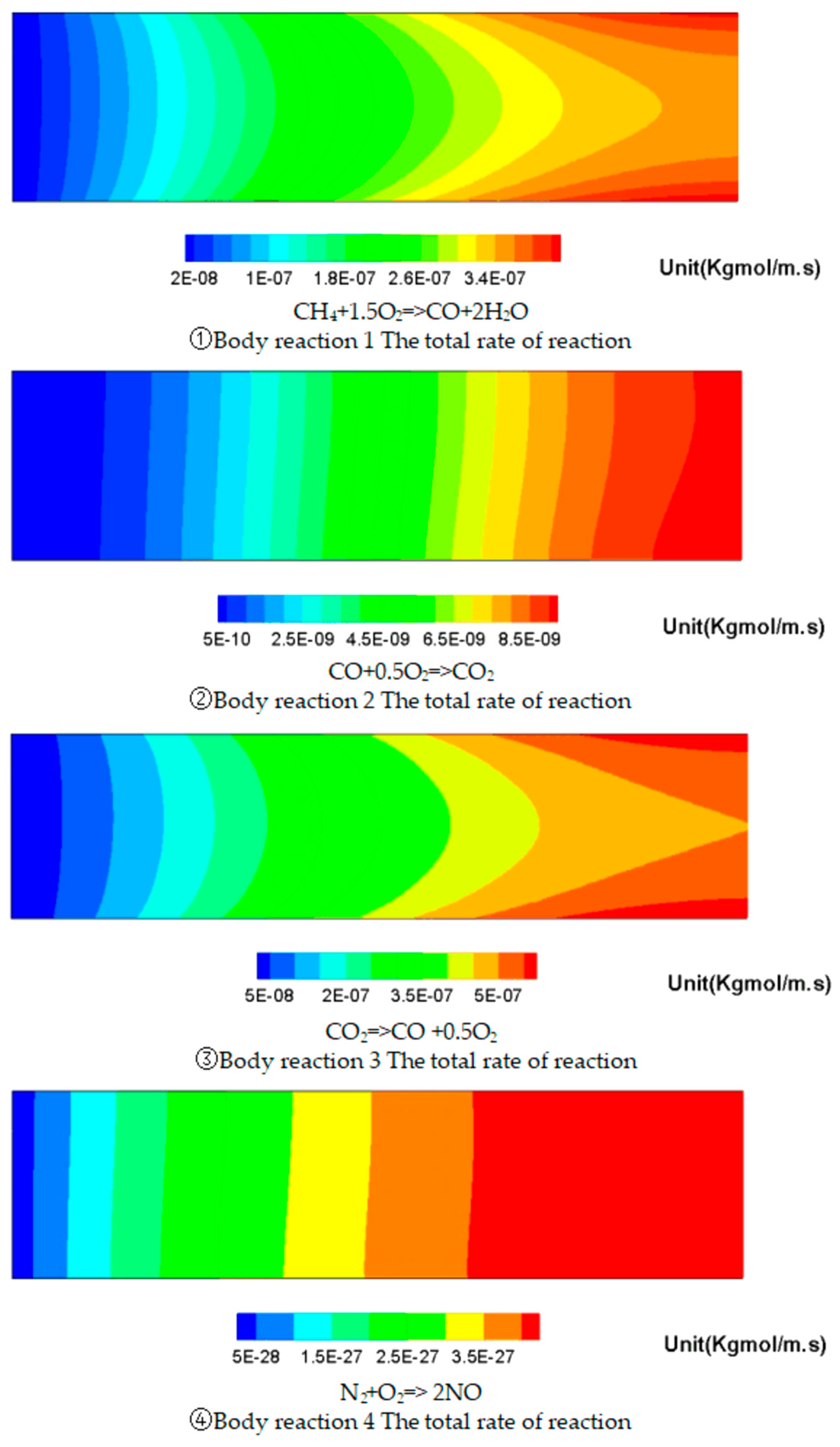
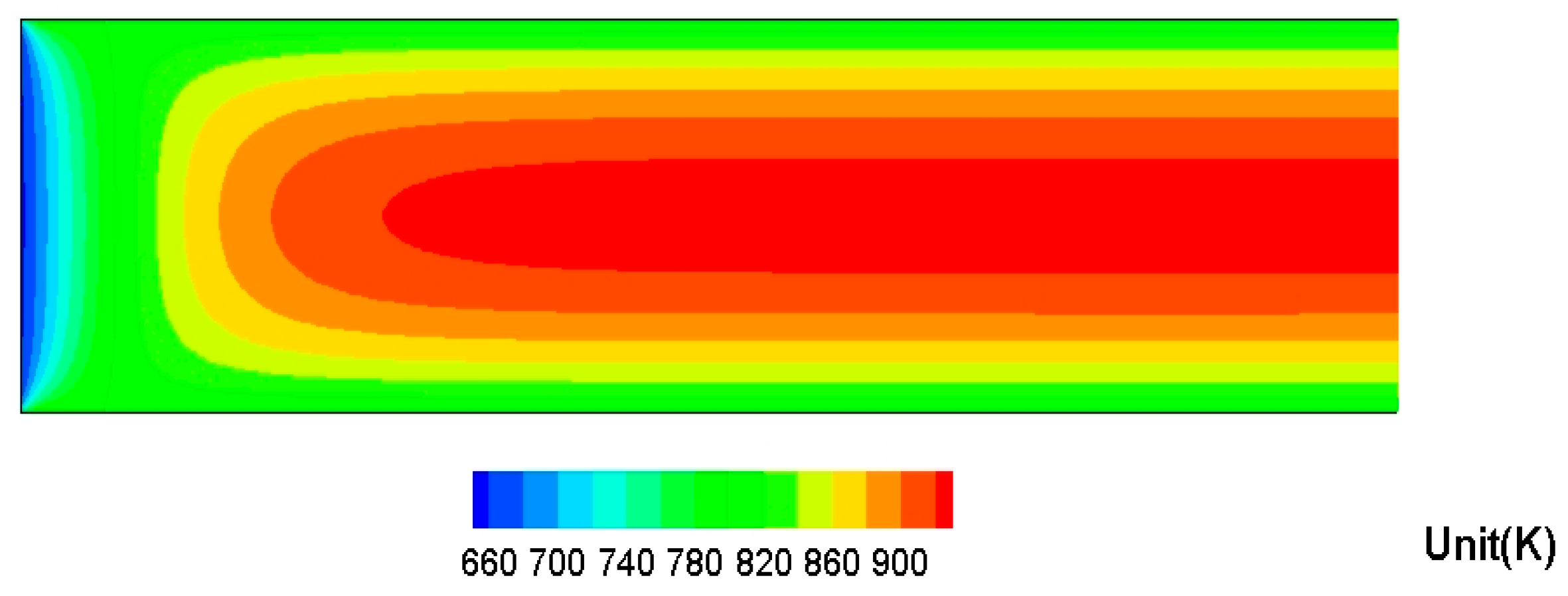
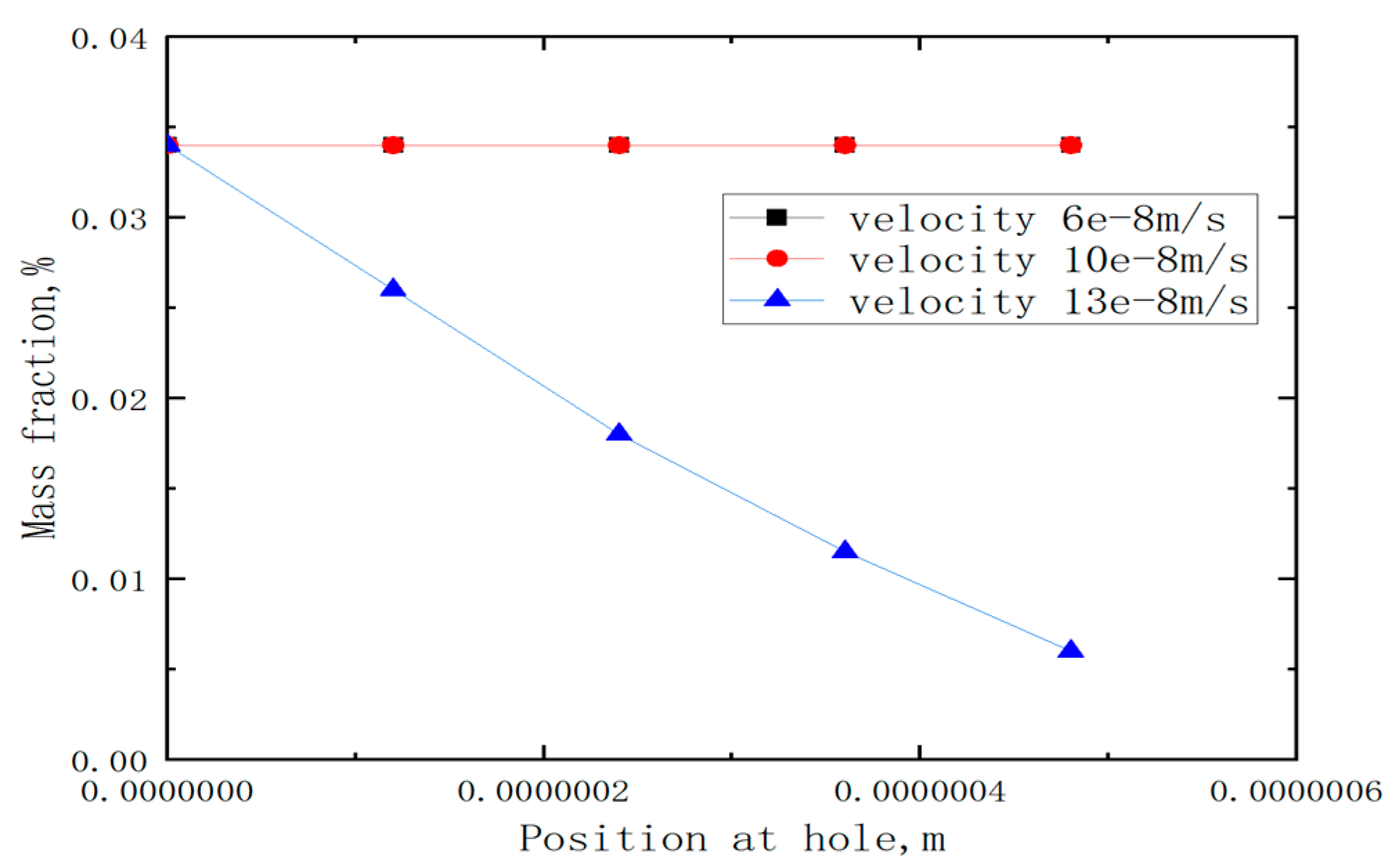
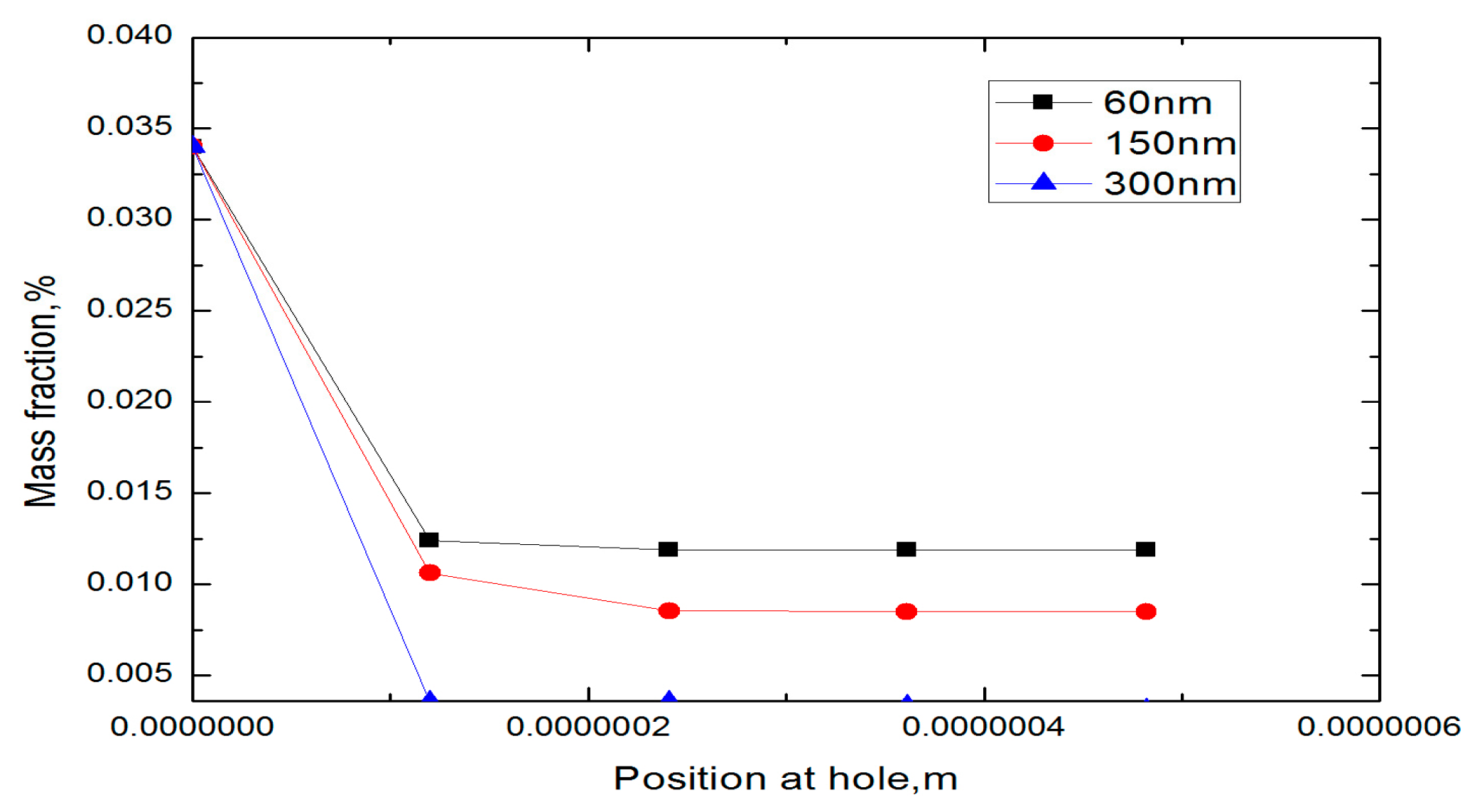
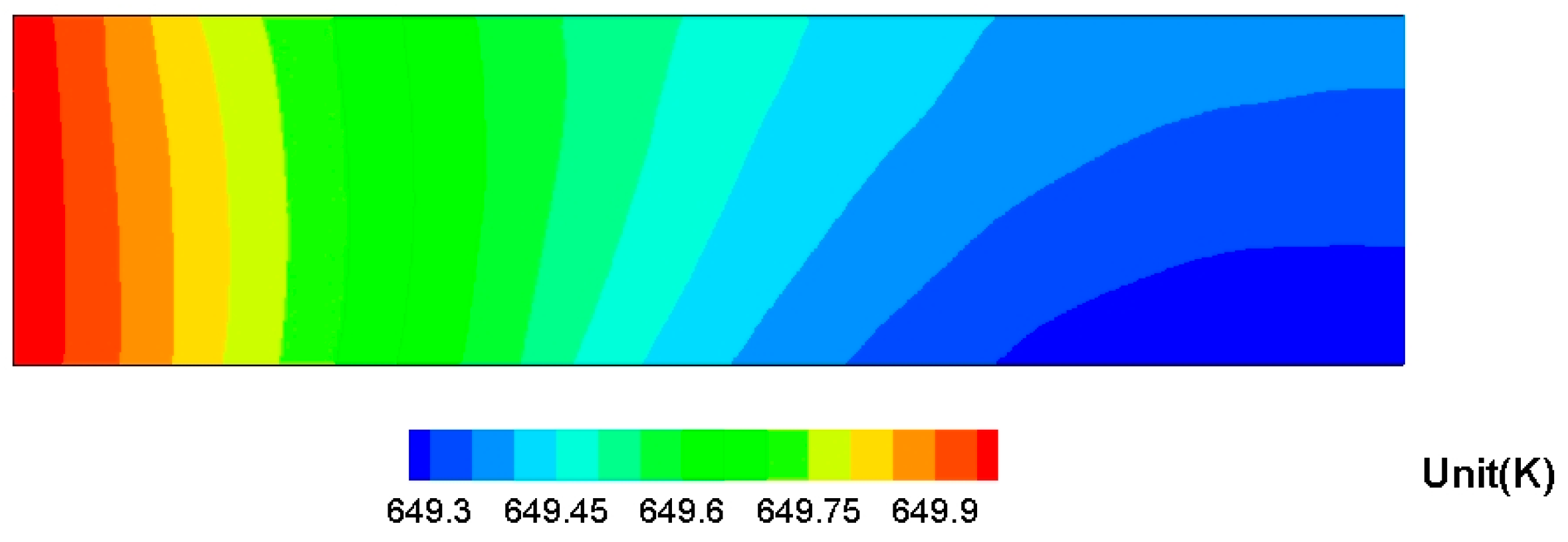
“Blind holes” are the main reasons for the reduced performance of microgas sensor carriers. To improve the “blind hole” of catalytic combustion methane sensors and therefore, their thermal stability, this study presents a numerical simulation of the catalytic combustion in an Al2O3 oriented ceramic array involving porous microthermal plates. A three-visualization model of the sensor is established using the FLUENT software, and the simulation results are systematically analyzed based on the dynamics and thermodynamic mechanism of the microgas sensor. The results show that the regularity of the surface reaction presents a circular distribution, with the center line of the channel serving as the axis symmetry. The total reaction velocity in the array hole increases gradually from the inlet to the outlet. The flow velocity at the inlet should be controlled at more than 1 × 10⁻⁸ m/s, which is more accurate compared with the concept of “uniform velocity” in previous studies. The optimum pore size at the inlet should be 150 nm, and the inner pore size of the wall should be slightly higher than 300 nm, which is a more careful division compared with previous pore-size studies. The efficient reaction position is from the inlet to the quarter of the hole. The simulation results make up for the deficiencies in the analysis of the process parameters of the methane sensor carrier array hole and the internal reaction change process, as well as provide innovative comments on the sensor structure design. Through digital simulations, the limitations associated with the experiments can be avoided, the theoretical study can be improved, theoretical support can be provided for experiments related to the improvement of thermal stability, the predictability of experiments can be improved, and the feasibility of the research proposal can be verified. These steps are important for the improvement of the “blind hole” problem of catalytic combustion methane sensors.
Keywords: blind hole; numerical simulation of catalytic combustion; sensor model; thermodynamic mechanism; flow velocity; hole size blind hole; numerical simulation of catalytic combustion; sensor model; thermodynamic mechanism; flow velocity; hole size