Review

Measuring Resilience in Smart Infrastructures: A Comprehensive Review of Metrics and Methods
by
Abdulaziz Almaleh
Information Systems Department, King Khalid University, Abha 62529, Saudi Arabia
Appl. Sci. 2023, 13(11), 6452; https://doi.org/10.3390/app13116452
Submission received: 17 April 2023 / Revised: 13 May 2023 / Accepted: 22 May 2023 / Published: 25 May 2023
(This article belongs to the Special Issue Advances in Geotechnologies in Infrastructure Engineering)

Abstract

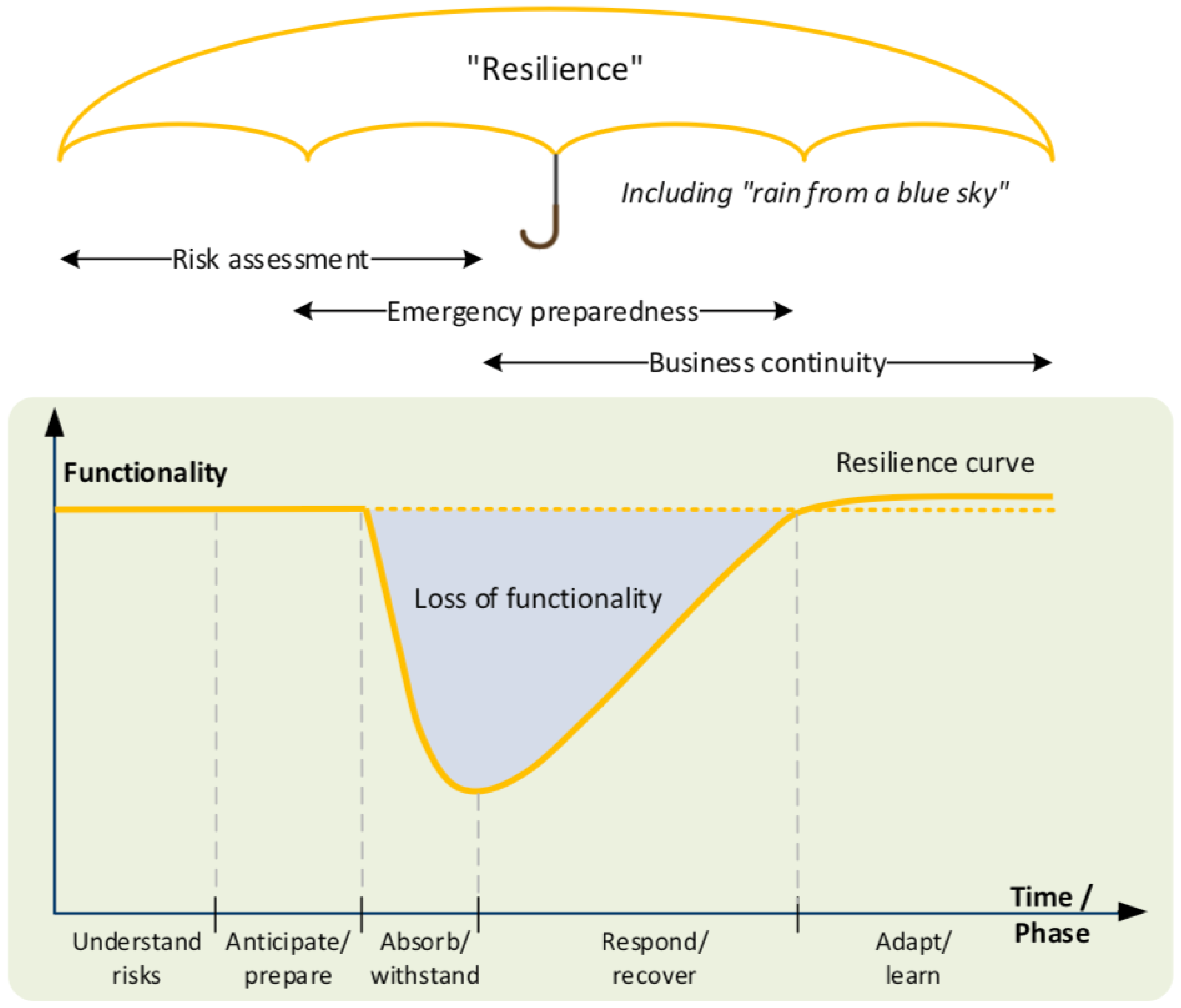
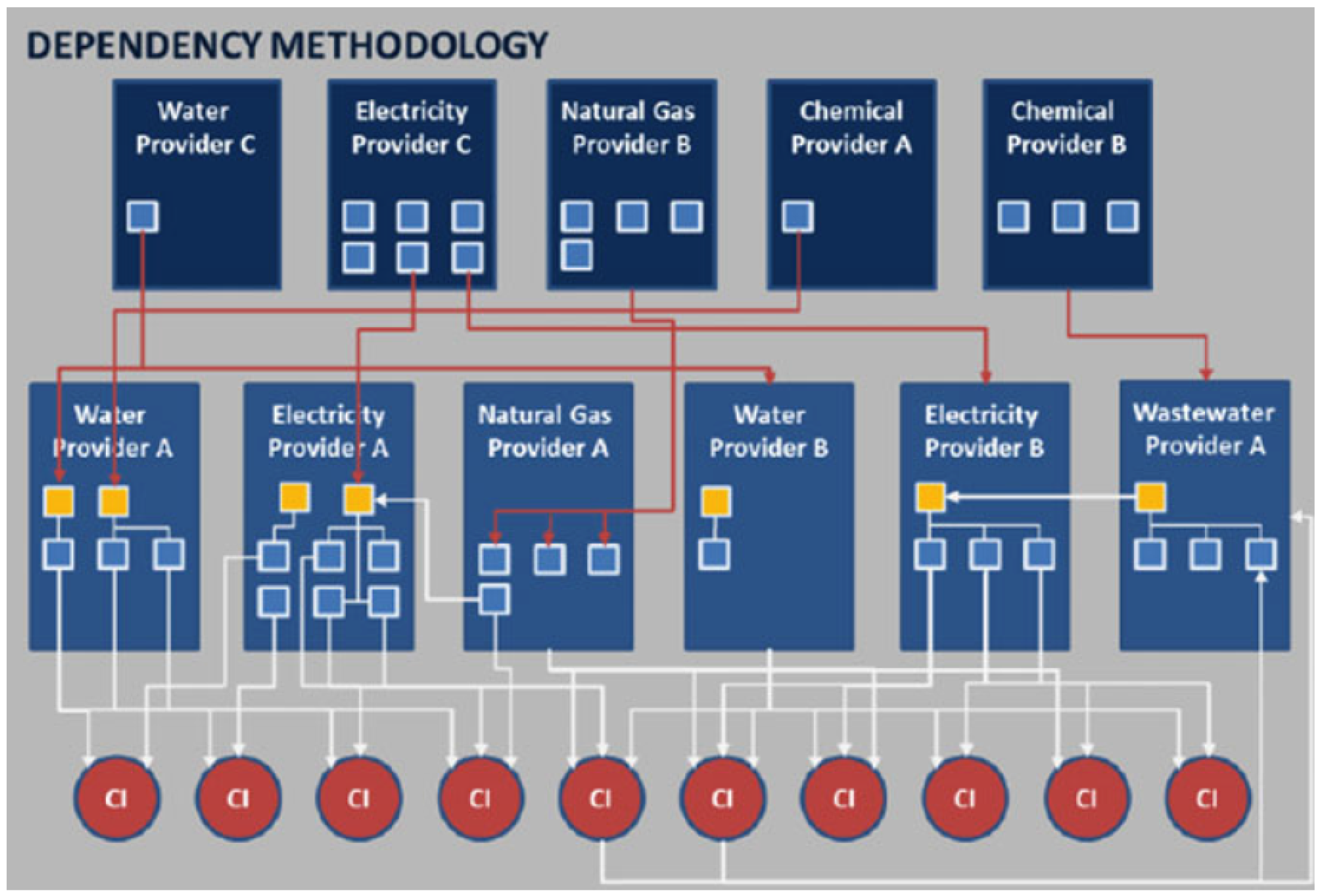
In today’s world, the safety, economic prosperity, and social well-being of nations depend heavily on highly interconnected critical infrastructures. These infrastructures encompass power networks, natural gas systems, communication networks, water treatment facilities, and transportation systems. Gaining insight into the behavior of these infrastructures, particularly during stress or attacks, has become crucial for both the private and public sectors. Ensuring an adequate level of functionality during emergencies, such as disasters, is also a priority, which can be attained by enhancing infrastructure resilience. Resilience metrics and models play a significant role in understanding the complex interplay between the behaviors and operational characteristics of interdependent critical infrastructures. Additionally, these models and metrics must demonstrate the interdependencies among infrastructures to provide a more comprehensive representation of infrastructure resilience. This paper reviews, categorizes, and presents resilience metrics and models for Smart Interdependent Critical Infrastructures (Smart ICIs). This paper provides a comprehensive evaluation of various resilience models and measurements tailored specifically for interdependent critical smart infrastructures. It includes the essential terminology and definitions related to the resilience of Smart ICIs, investigates the universally recognized phases and capabilities of resilience, and examines the various types of failures that could potentially affect Smart ICIs.
Keywords: infrastructure systems; interdependencies; resilience assessment; smart infrastructures infrastructure systems; interdependencies; resilience assessment; smart infrastructures