Article

Study on Load–Slip Curve of a PBL Shear Key at a Steel–Concrete Composite Joint

School of Civil Engineering, Central South University, Changsha 410075, China
*
Author to whom correspondence should be addressed.
Appl. Sci. 2023, 13(10), 6165; https://doi.org/10.3390/app13106165
Submission received: 1 March 2023 / Revised: 13 May 2023 / Accepted: 14 May 2023 / Published: 17 May 2023

Featured Application

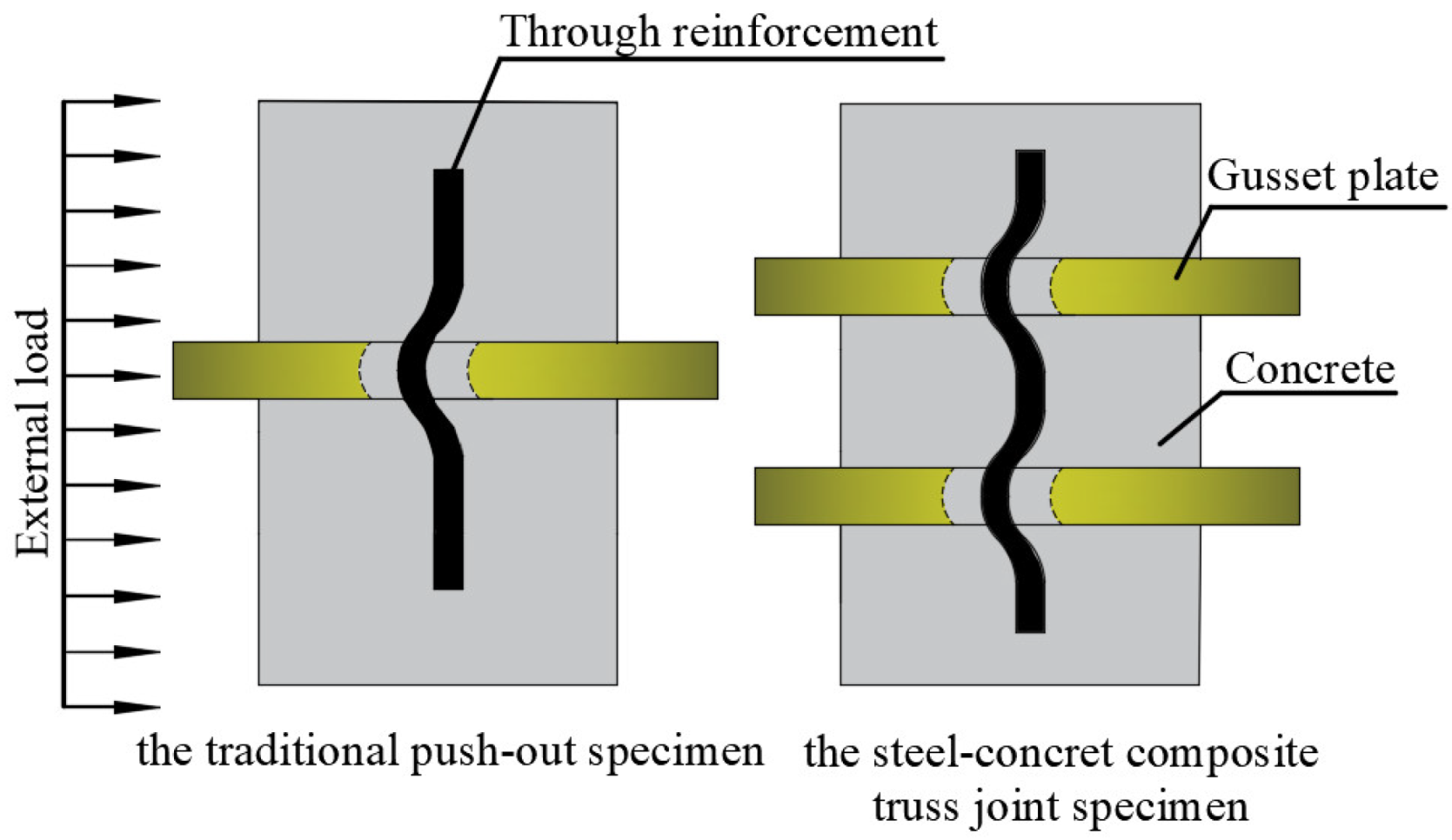
The key link of the steel–concrete composite truss structure, a new type of beam bridge structure, is the joint, and the core area of the joint is mainly transferred via the PBL shear key group. This composite structure puts forward higher requirements for the PBL shear key. Since the calculation results of PBL shear keys in composite joints have not been obtained at this stage, the purpose of this study is to (i) more conveniently and clearly grasp the working mechanism and stress law of PBL shear keys in the core area of new composite structures, such as steel–concrete composite trusses, and (ii) solve the lack of strong theoretical support for the theoretical formula of the load–slip relationship in the entire loading process of a single PBL shear key.

Abstract

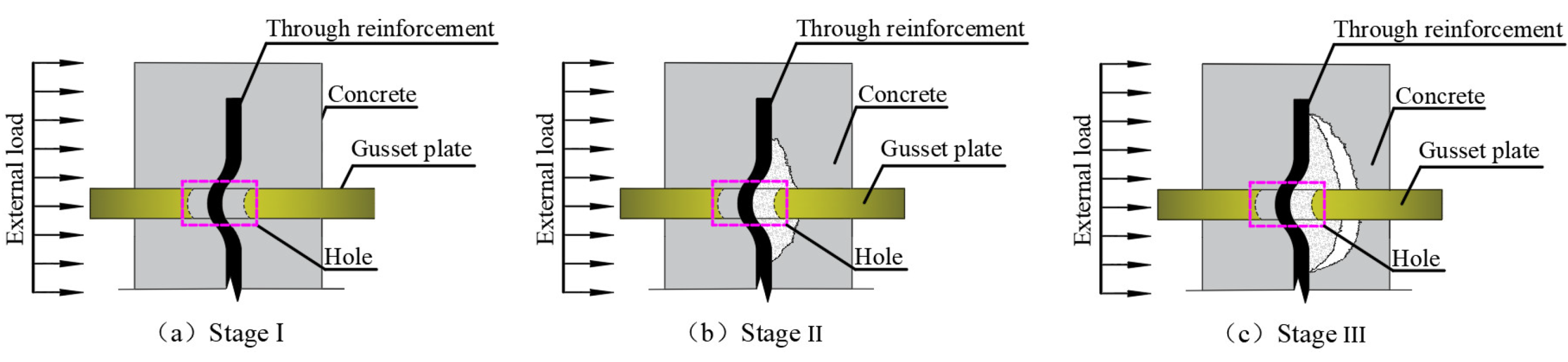
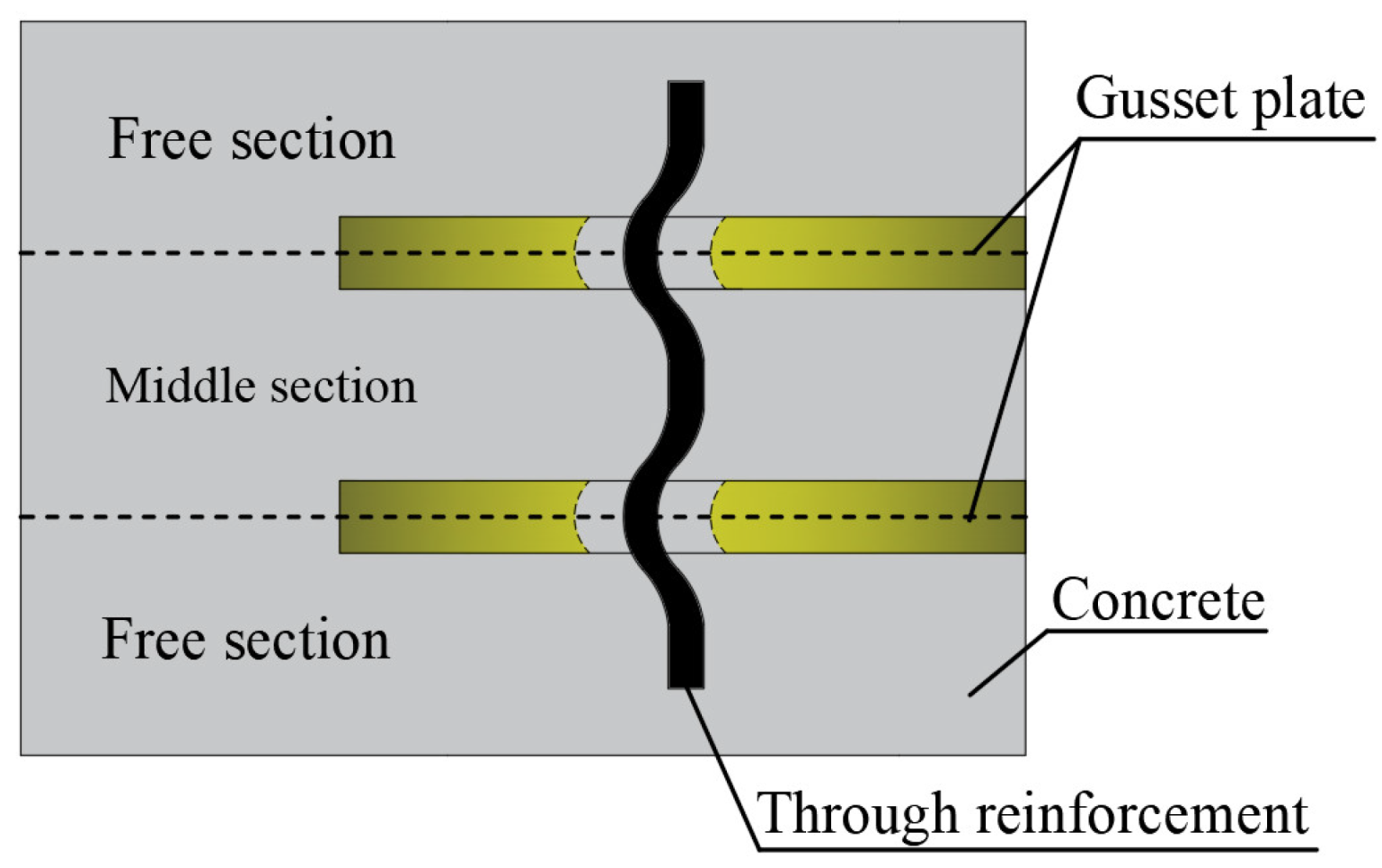
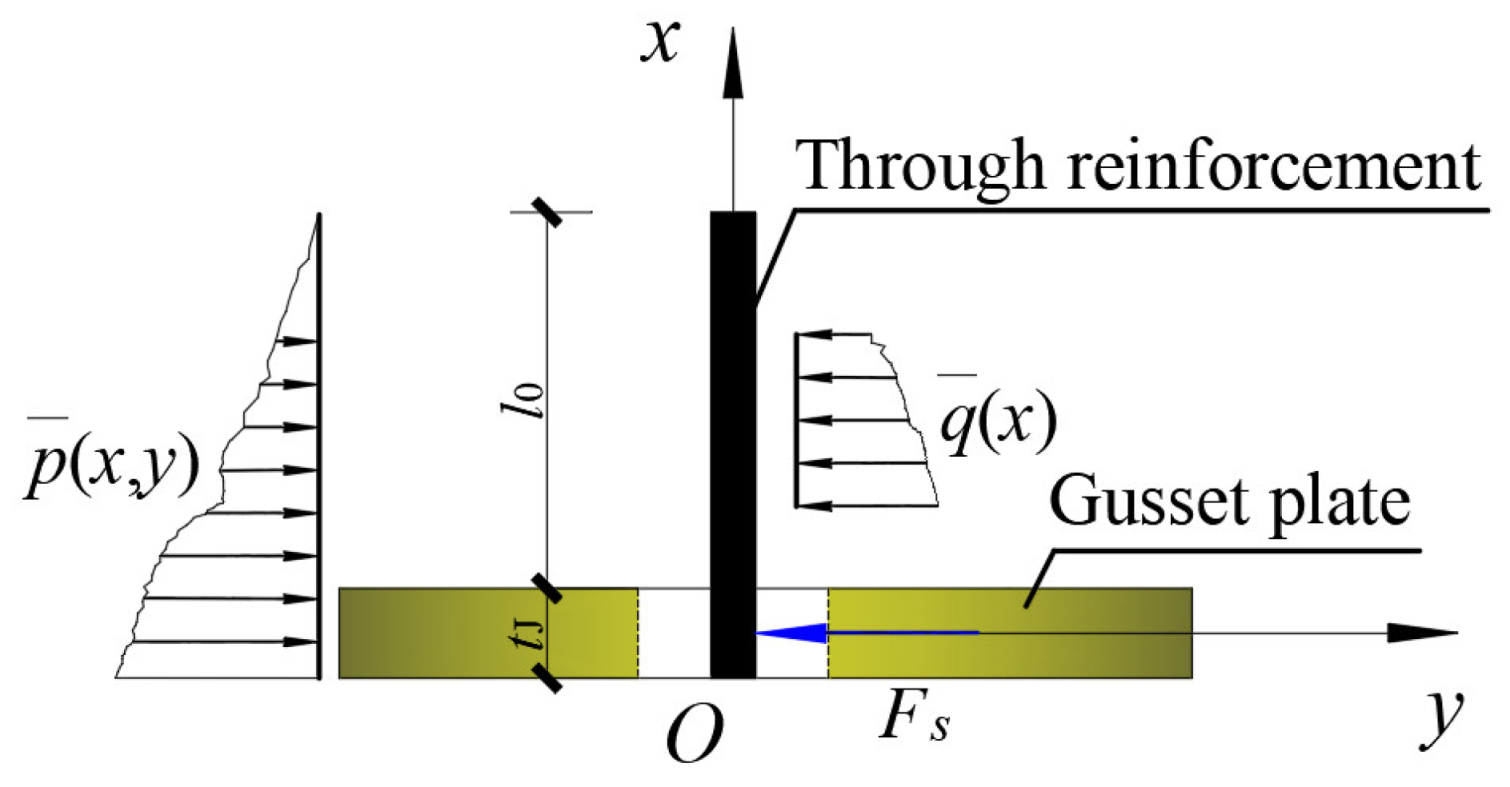
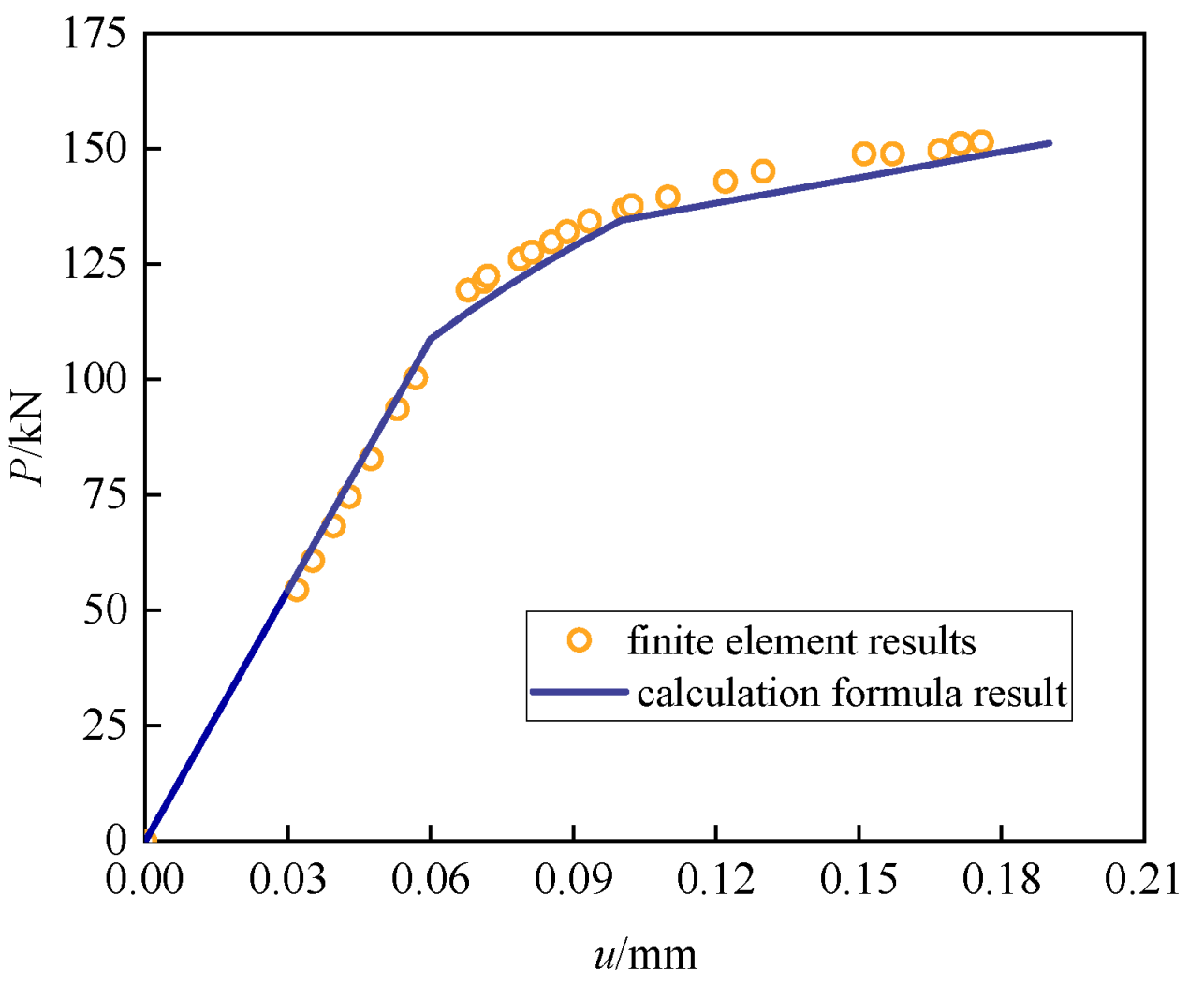
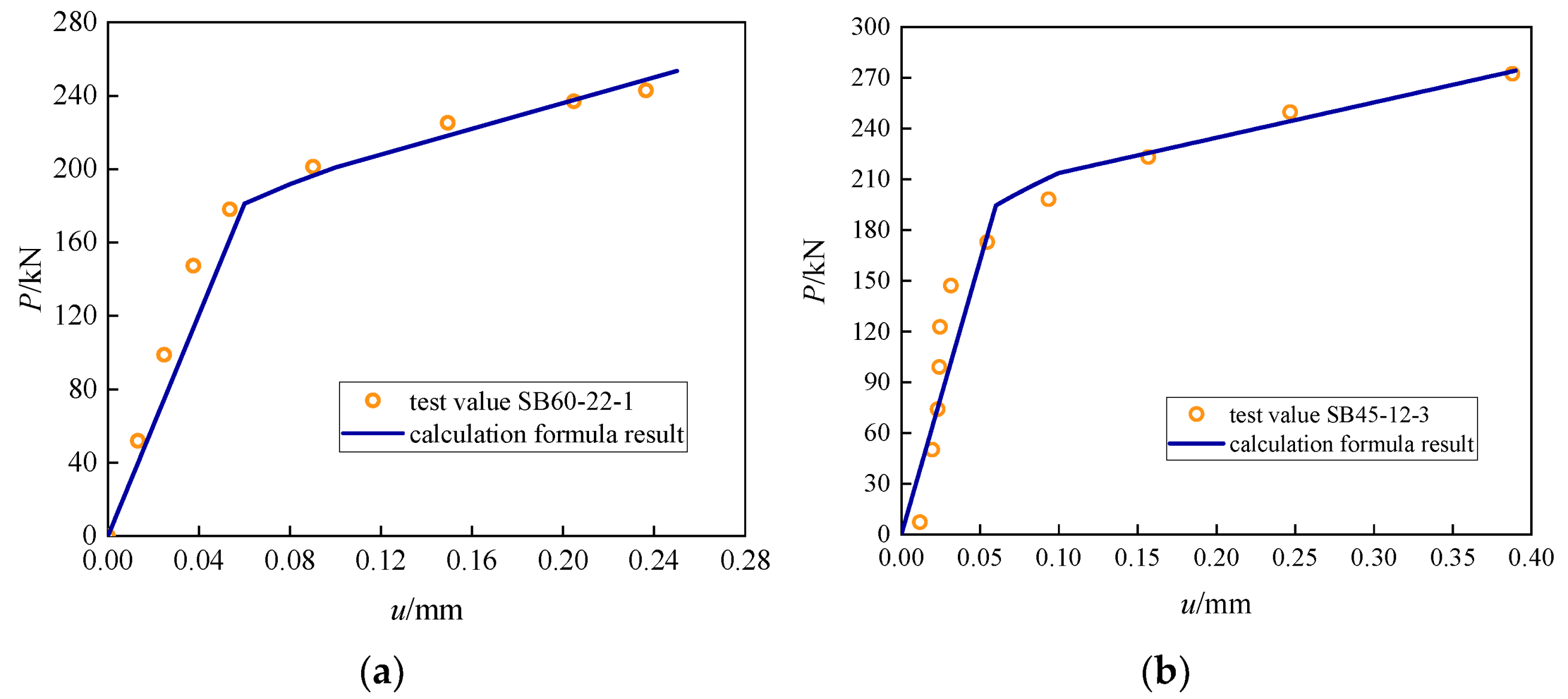
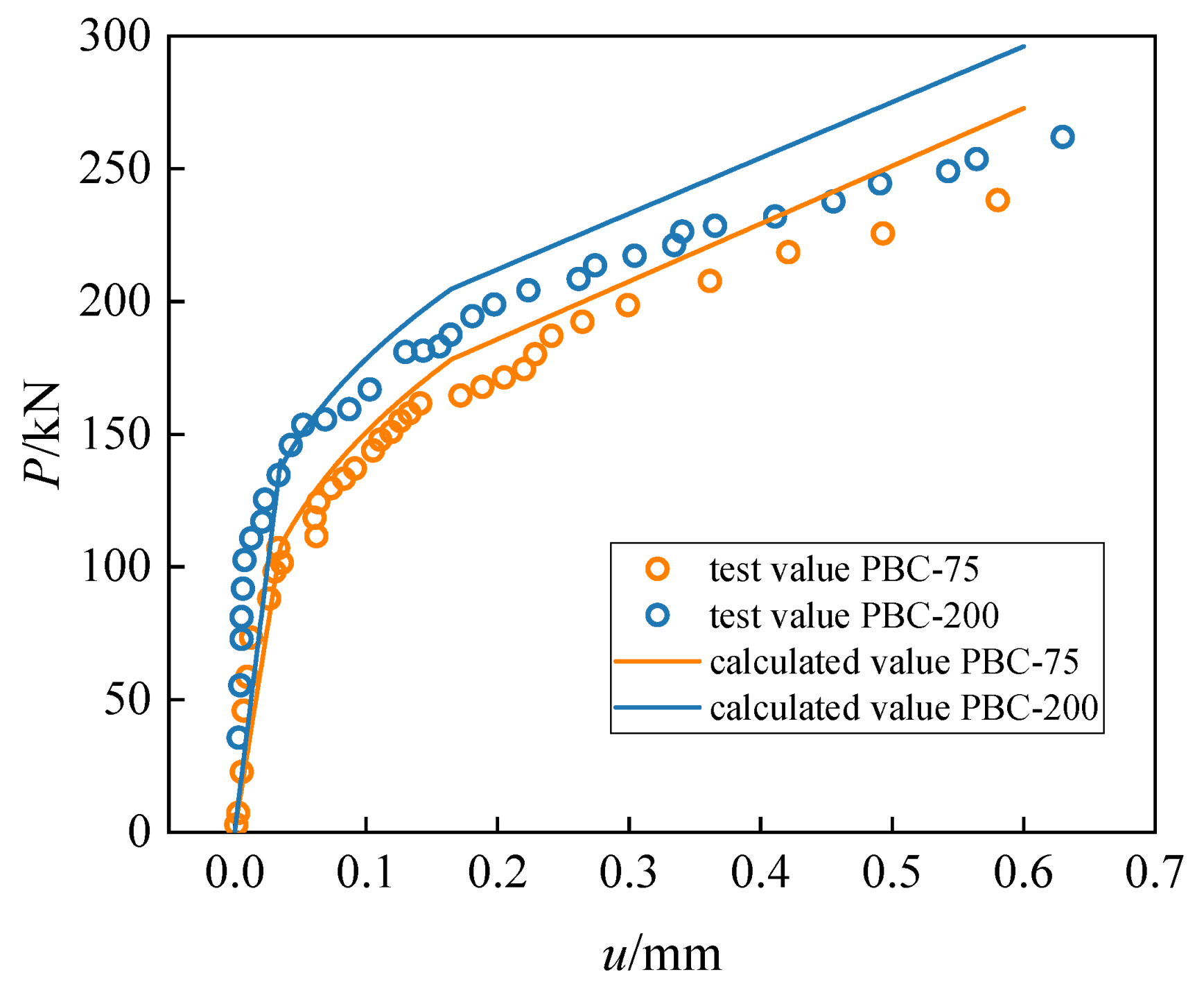
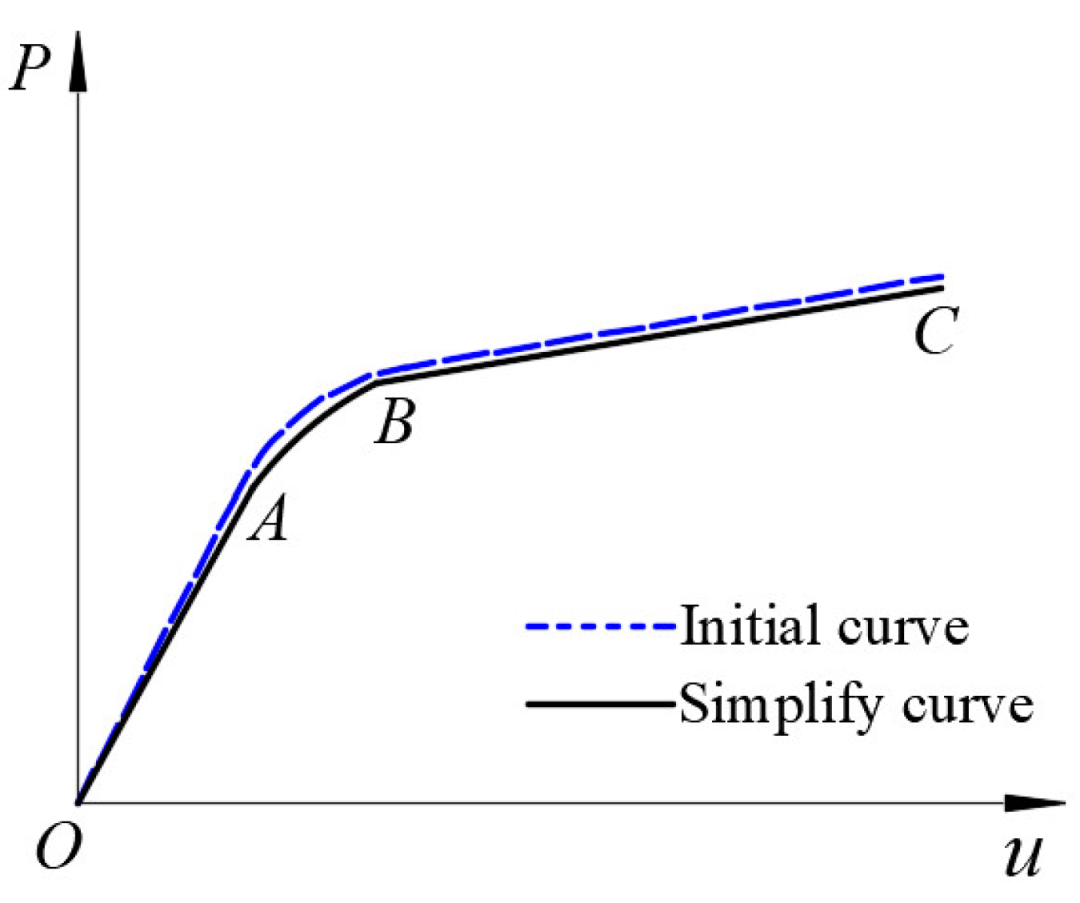
The steel–concrete composite truss adopts a new type of steel-concrete composite joint with high rigidity and load-carrying capacity. In order to more conveniently and clearly grasp the working mechanism of Perfobond Leiste (PBL) shear keys in the core area of new composite structures such as steel–concrete composite trusses, the lack of strong theoretical support for the theoretical formula of load–slip relationships in the entire loading process of single PBL shear keys is solved. By proposing a straight–curved–straight three-stage simplified load–slip curve with respect to the PBL shear key, the stress process of the PBL shear key is divided into three stages—the elastic stage, plastic stage, and strengthening stage—based on the compressive yield and failure critical point of tenon concrete in the shear key. With reference to the calculation method of the bearing capacity of the order pile under horizontal loads and by calculating the shear stiffness of the shear key, a theoretical formula suitable for separating the load–slip relationship of a single PBL shear key in the entire loading process of the ear plate composite joint is proposed. The results show that, in the elastic section, the slope of the curve is related to the concrete reaction coefficient and the material parameters of the penetrating steel bar; moreover, in the strengthened section, the coefficient is related to the shear modulus of the penetrating steel bar, and a more uniform length distribution of the penetrating steel bar between the two joint plates will improve the initial stiffness of the PBL shear key to a certain extent. The results of the proposed method are in good agreement with the finite element results and experimental values. This research study’s results can provide a convenient design method for the design of the internal PBL shear keys of new composite structure joints, promoting the promotion and application of new composite structures and advancing the development of the engineering field.
Keywords: PBL shear key; separated ear plate joint; load–slip curve; force transmission mechanism; composite structure PBL shear key; separated ear plate joint; load–slip curve; force transmission mechanism; composite structure