Article

A Surrogate-Model-Based Approach for the Optimization of the Thermal Design Parameters of Space Telescopes


1
Changchun Institute of Optics, Fine Mechanics and Physics, Chinese Academy of Sciences, Changchun 130033, China
2
University of Chinese Academy of Sciences, Beijing 100049, China
*
Author to whom correspondence should be addressed.
Appl. Sci. 2022, 12(3), 1633; https://doi.org/10.3390/app12031633
Submission received: 9 January 2022 / Revised: 31 January 2022 / Accepted: 1 February 2022 / Published: 4 February 2022

Abstract

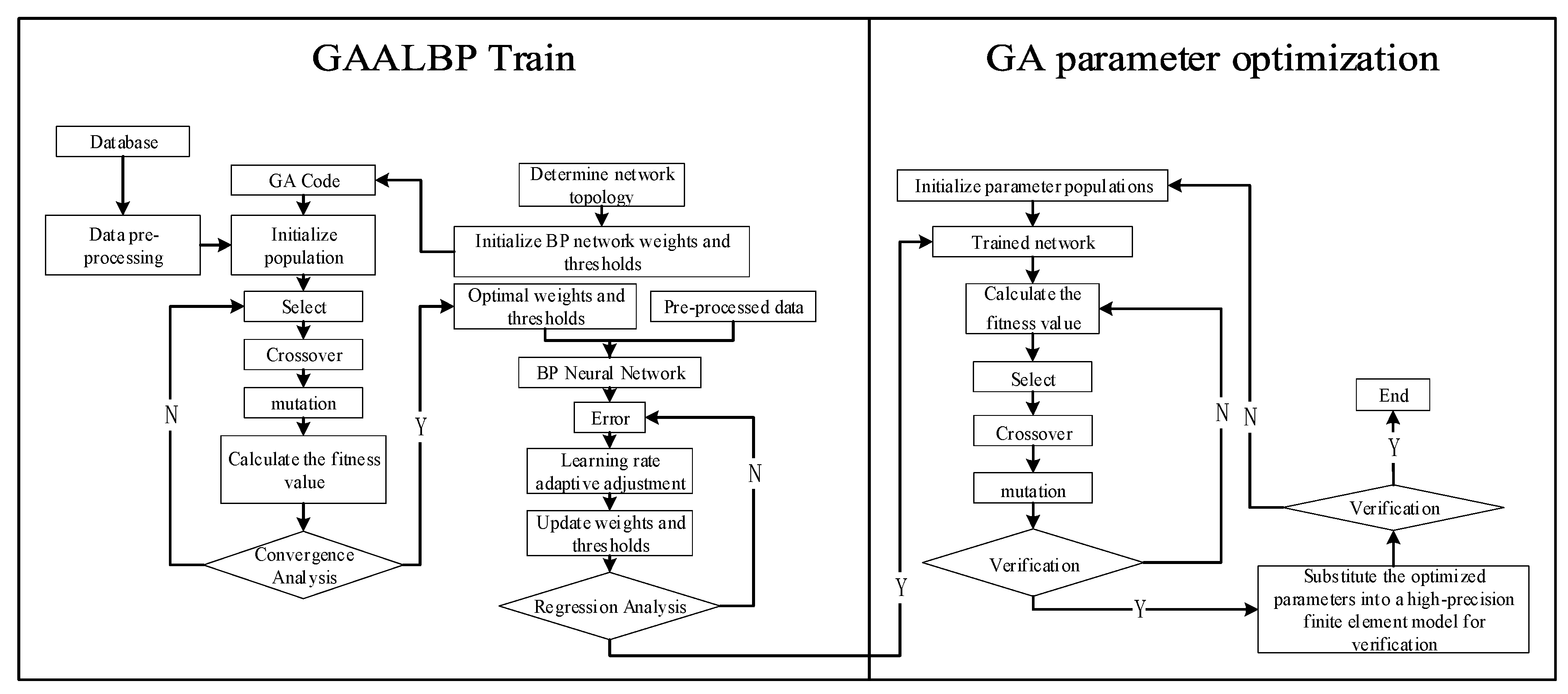
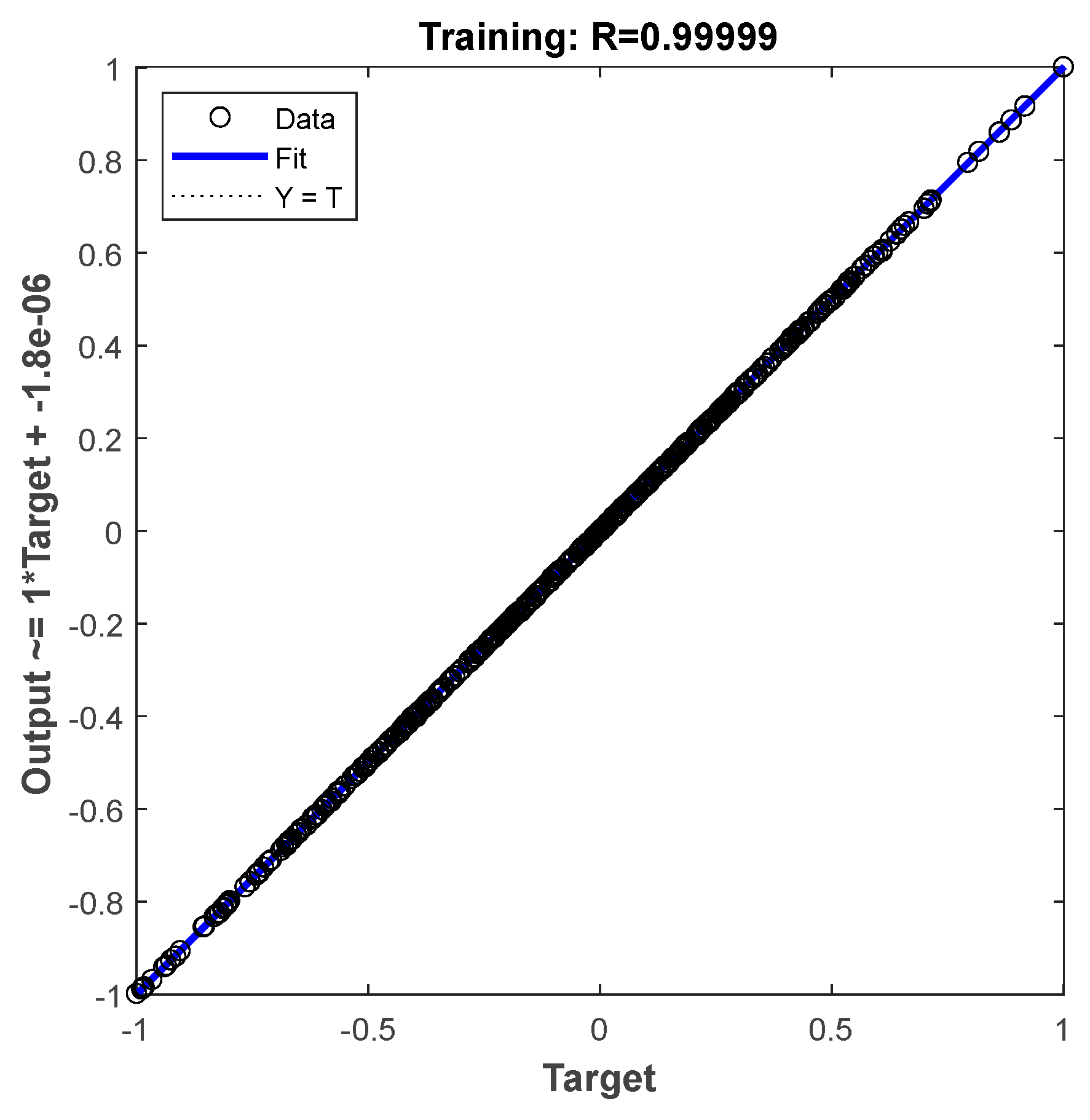
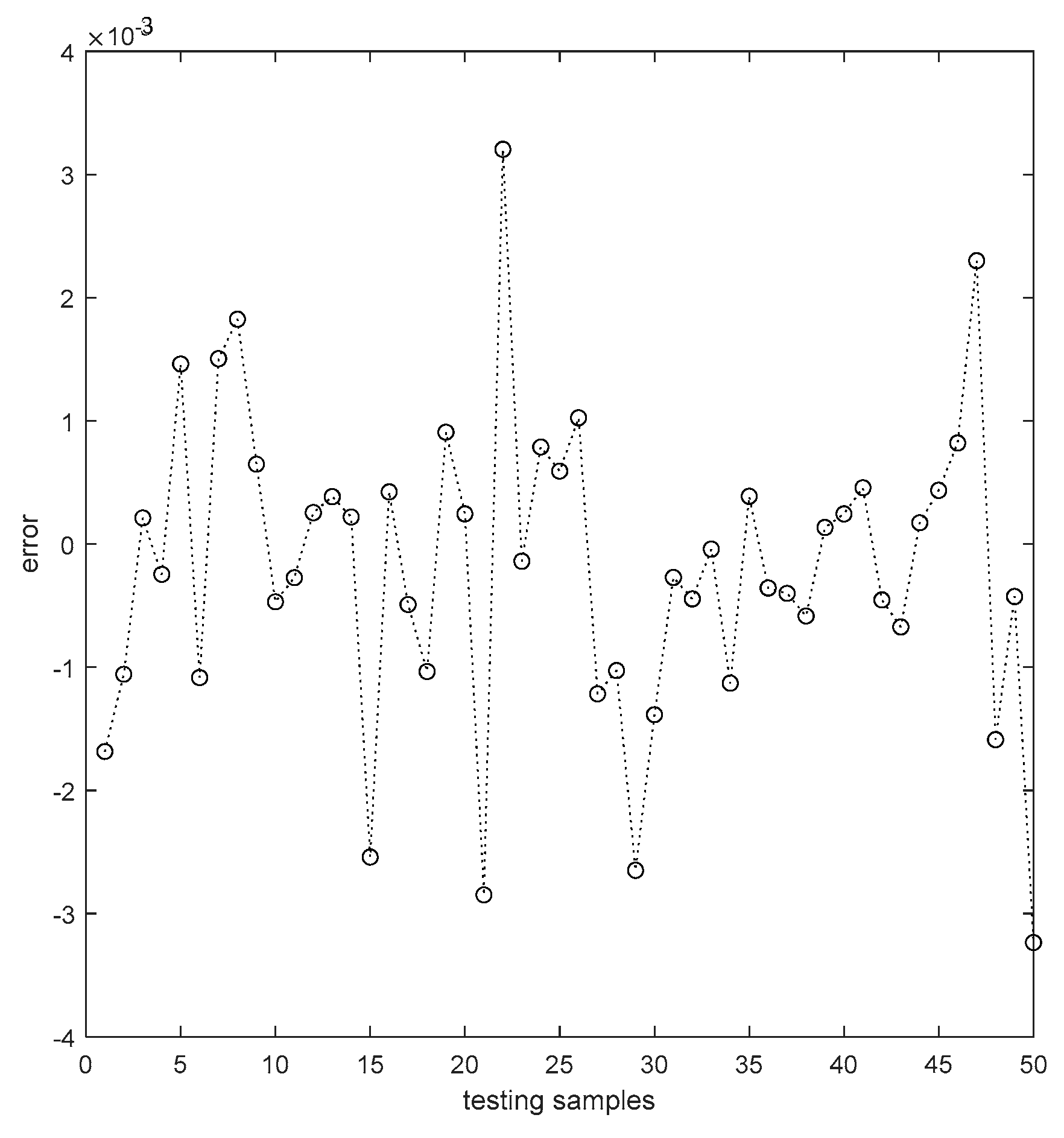
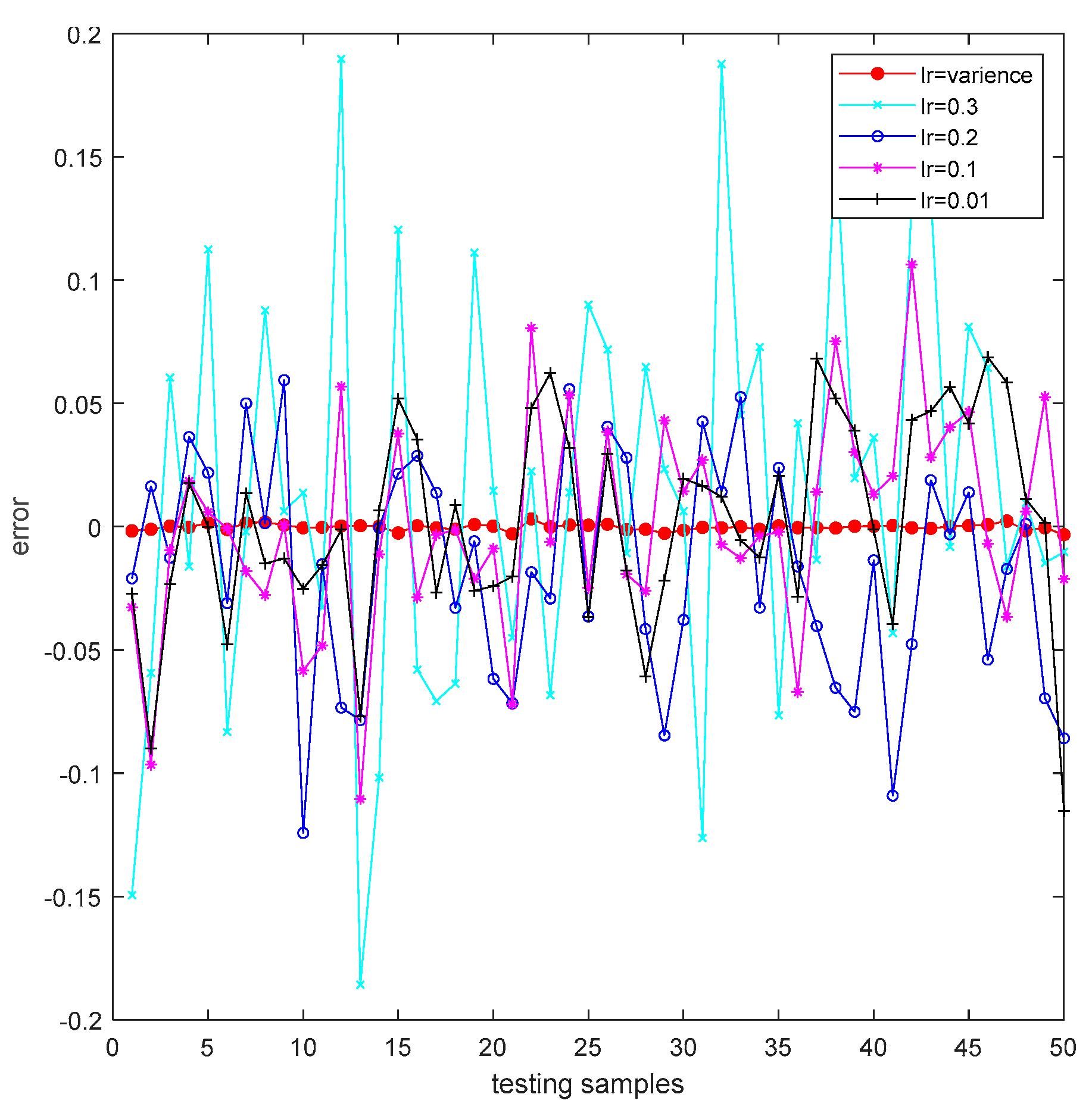
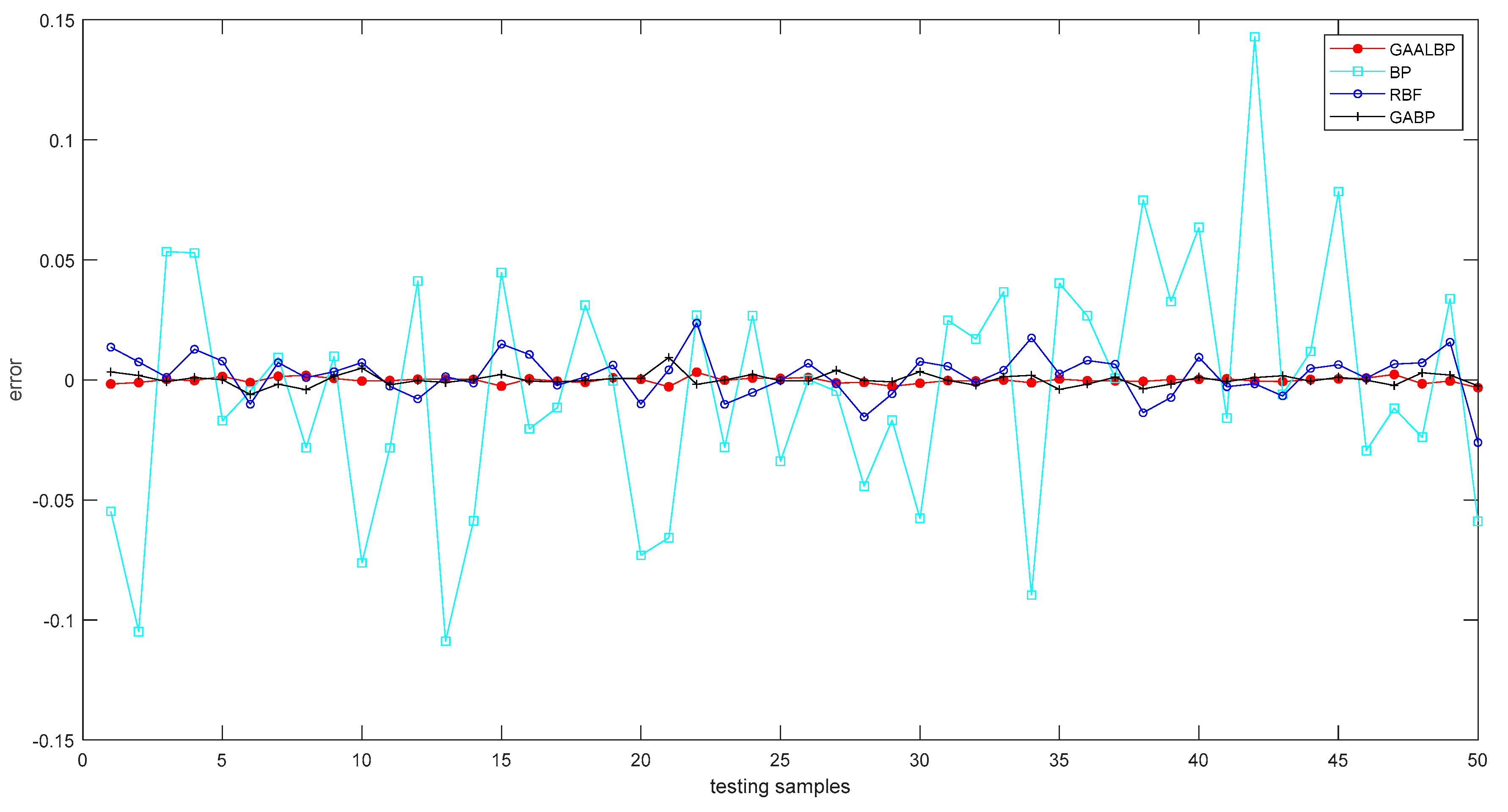
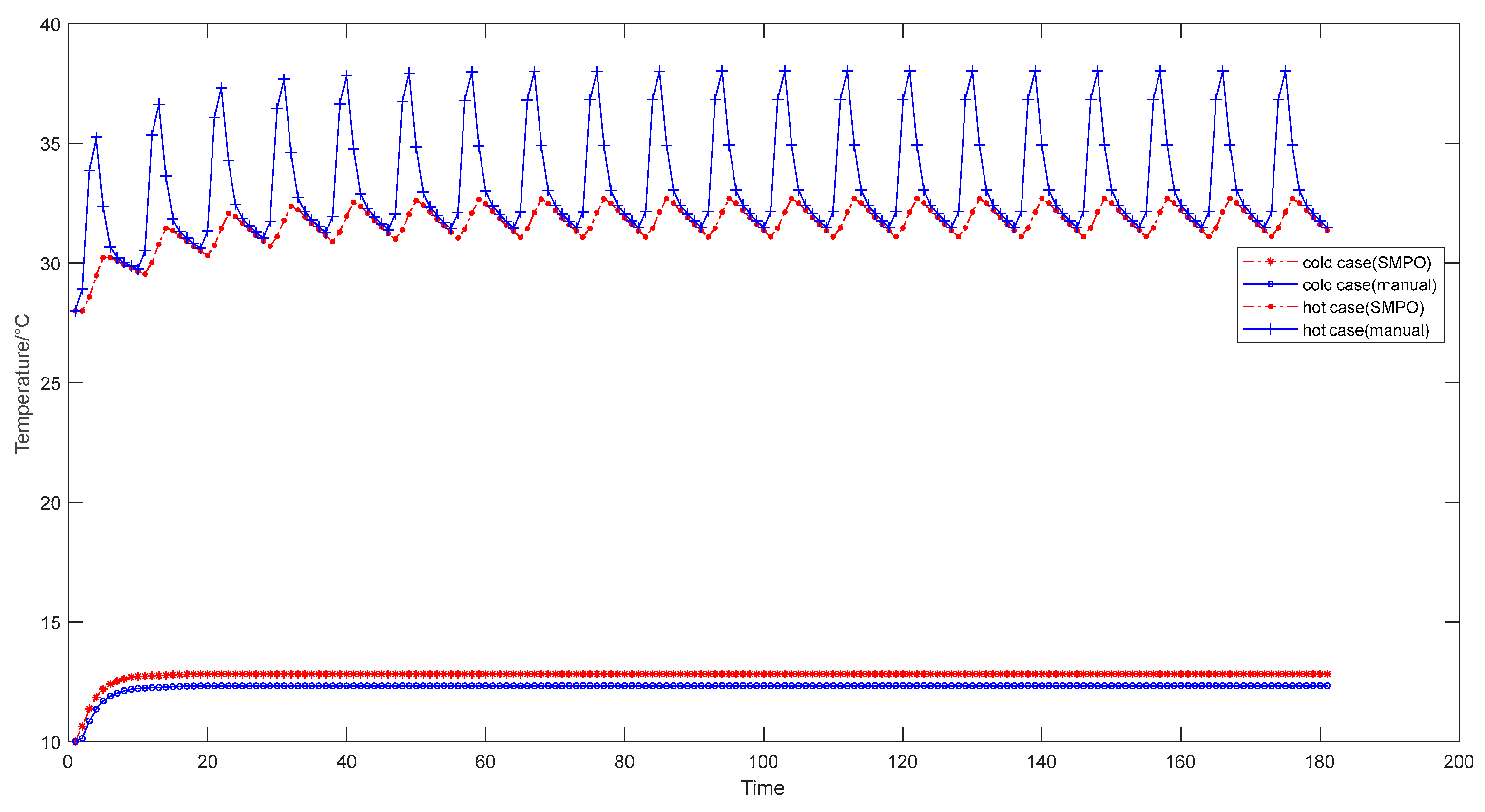
The thermal design parameters of space telescopes are mainly optimized through traversal and iterative attempts. These optimization techniques are time consuming, rely heavily on the experience of the engineer, bear a large computational workload, and have difficulty in achieving optimal outcomes. In this paper, we propose a design method (called SMPO) based on an improved back-propagation neural network (called GAALBP) that builds a surrogate model and uses a genetic algorithm to optimize the model parameters. The surrogate model of a space telescope that measures the atmospheric density is established using GAALBP and then compared with surrogate models established using a traditional BP neural network and radial-basis-function neural network. The results show that the regression rate of the surrogate model based on the GAALBP reaches 99.99%, a mean square error of less than 2 × 10⁻⁶, and a maximum absolute error of less than 4 × 10⁻³. The thermal design parameters of the surrogate model are optimized using a genetic algorithm, and the optimization results are verified in a finite element simulation. Compared with the design results of the manually determined thermal design parameters, the maximum temperature of the CMOS is reduced by 5.33 °C, the minimum temperature is increased by 0.39 °C, and the temperature fluctuation is reduced by a factor of 4. Additionally, SMPO displays versatility and can be used in various complex engineering applications to provide guidance for the better selection of appropriate parameters and optimization.
Keywords: spacecraft thermal design; BP neural network; optimization; surrogate-model spacecraft thermal design; BP neural network; optimization; surrogate-model