Article

Influence of Ball Bearing Size on the Flight and Damage Characteristics of Blast-Driven Ball Bearings †

by
Genevieve S. Langdon
1,2,*,
Ruixuan Qi
2,
Trevor J. Cloete
2 and
Steeve Chung Kim Yuen
2
1
Department of Civil and Structural Engineering, University of Sheffield, Sheffield S1 3JD, UK
2
Blast and Impact Survivability Research Unit (BISRU), Department of Mechanical Engineering, University of Cape Town, Cape Town 7700, South Africa
*
Author to whom correspondence should be addressed.
This paper is an extended version of paper published in the 13th International Conference on the Mechanical and Physical Behaviour of Materials under Dynamic Loading, Madrid, Spain, 20–24 September 2021.
Appl. Sci. 2022, 12(3), 1133; https://doi.org/10.3390/app12031133
Submission received: 23 December 2021 / Revised: 18 January 2022 / Accepted: 20 January 2022 / Published: 21 January 2022
(This article belongs to the Section Civil Engineering)

Abstract

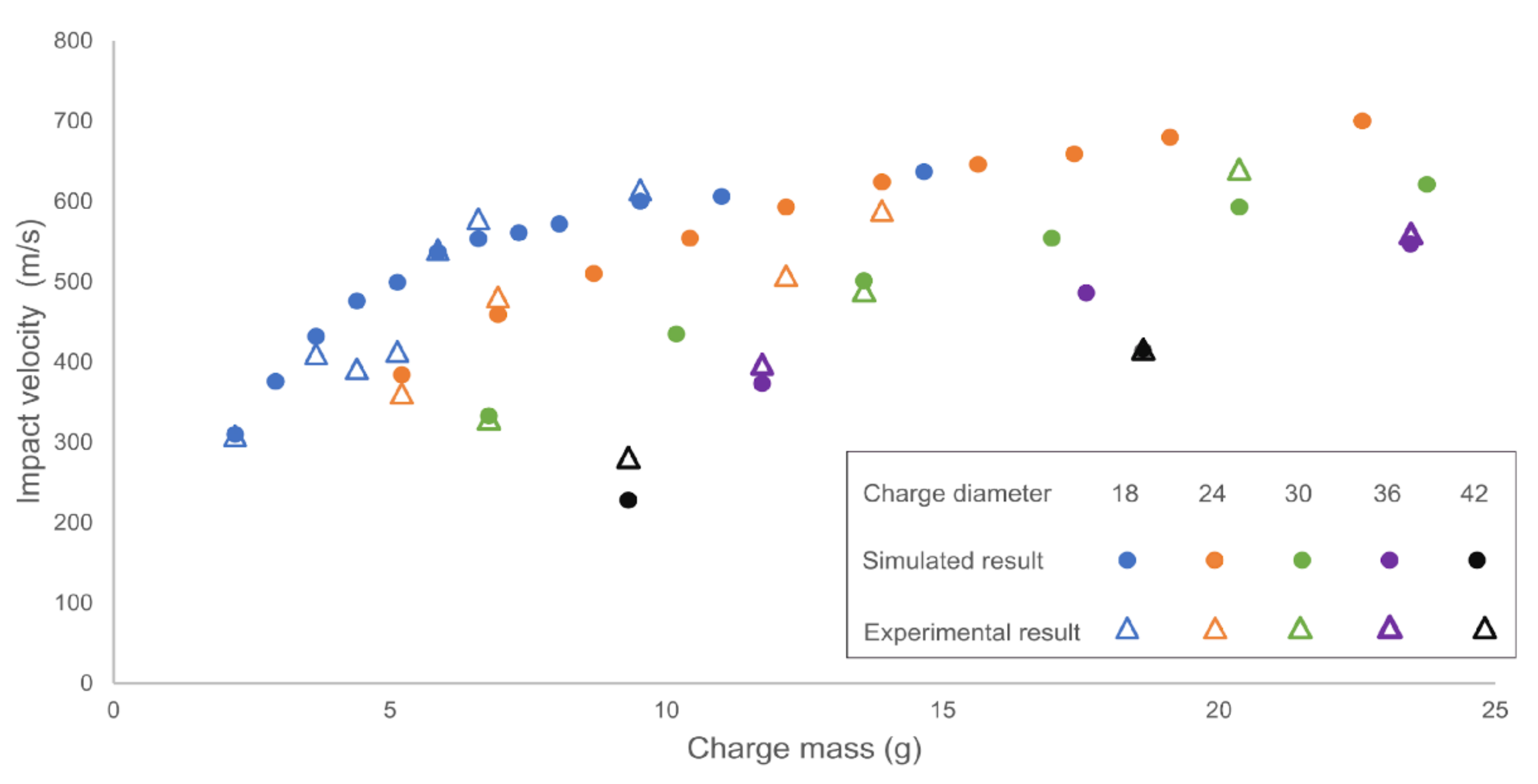
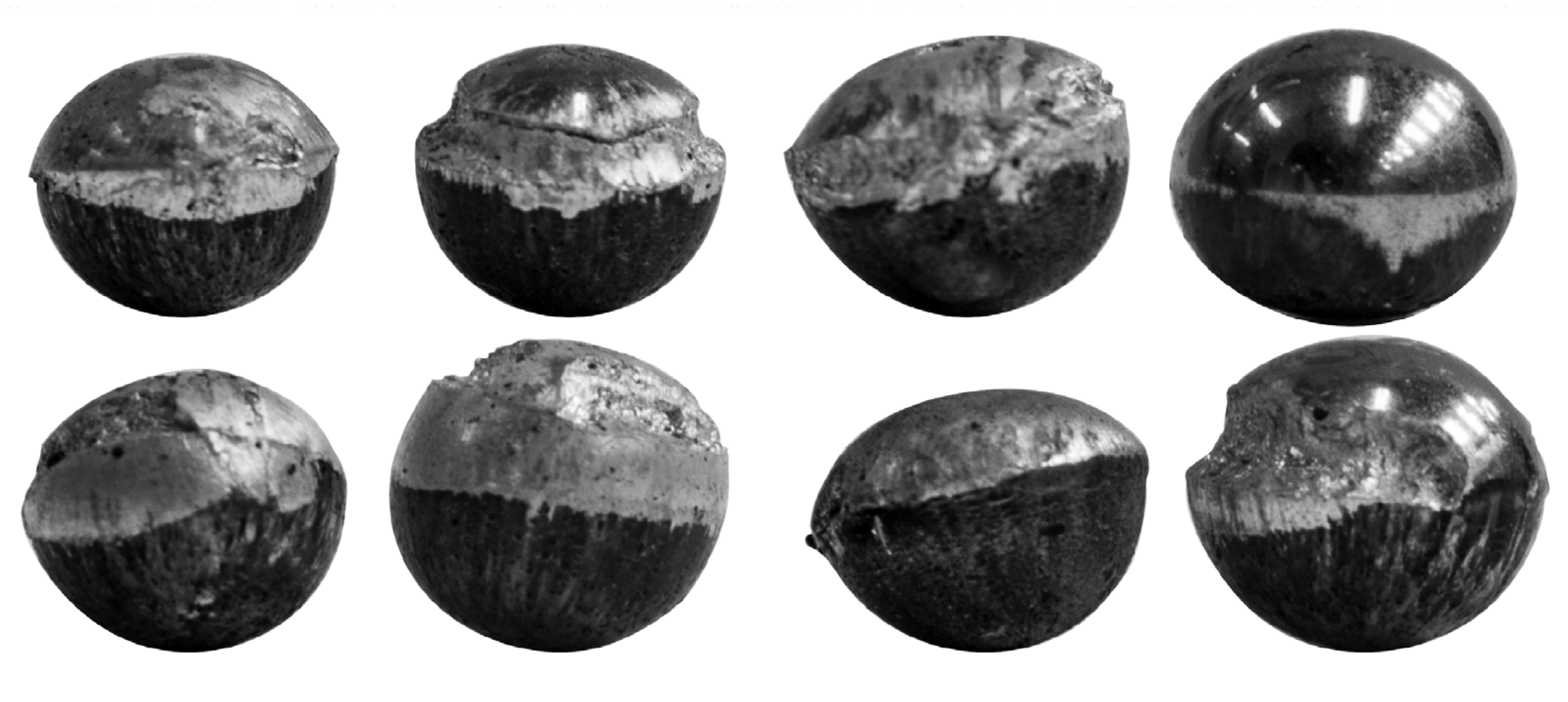
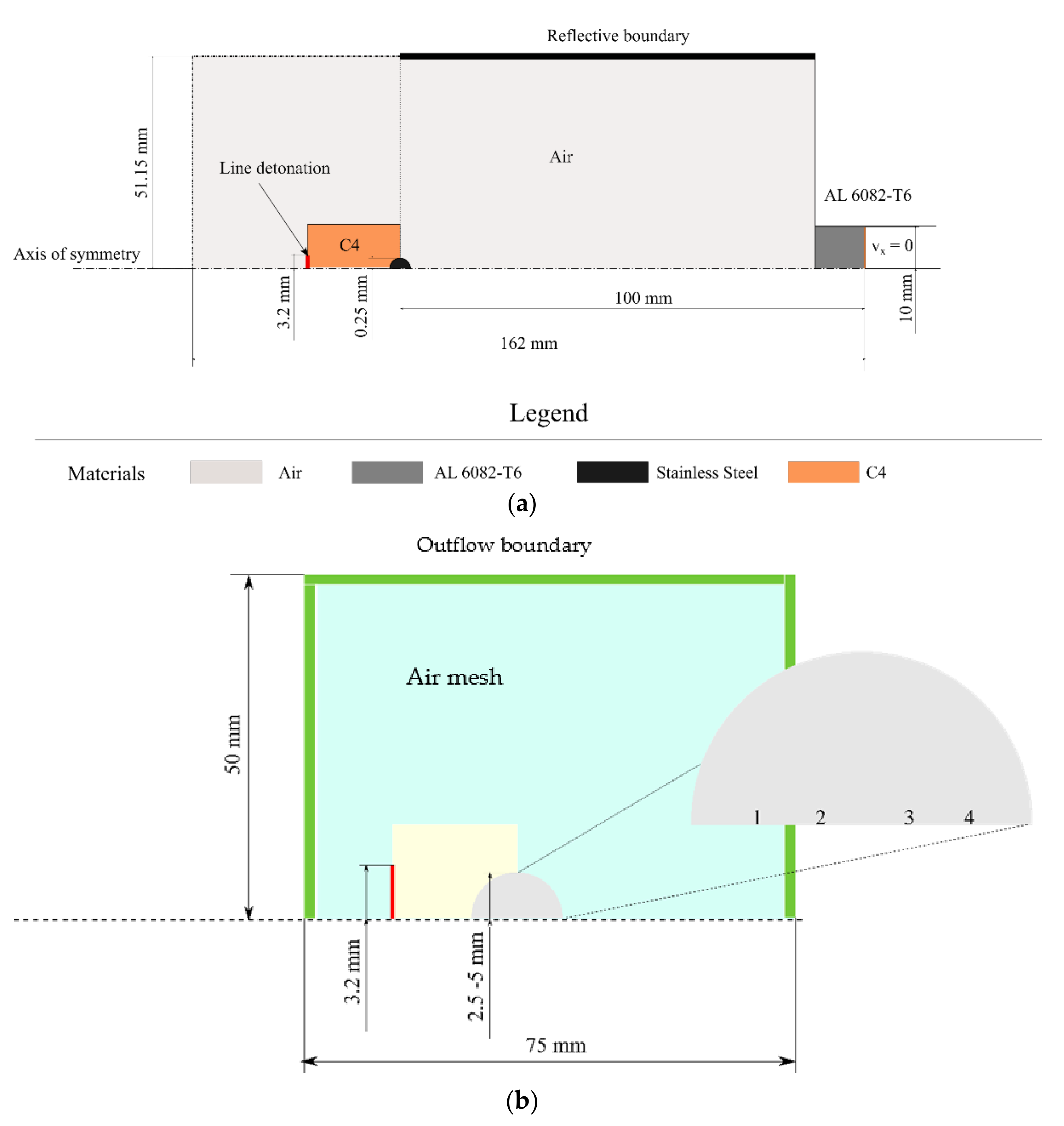
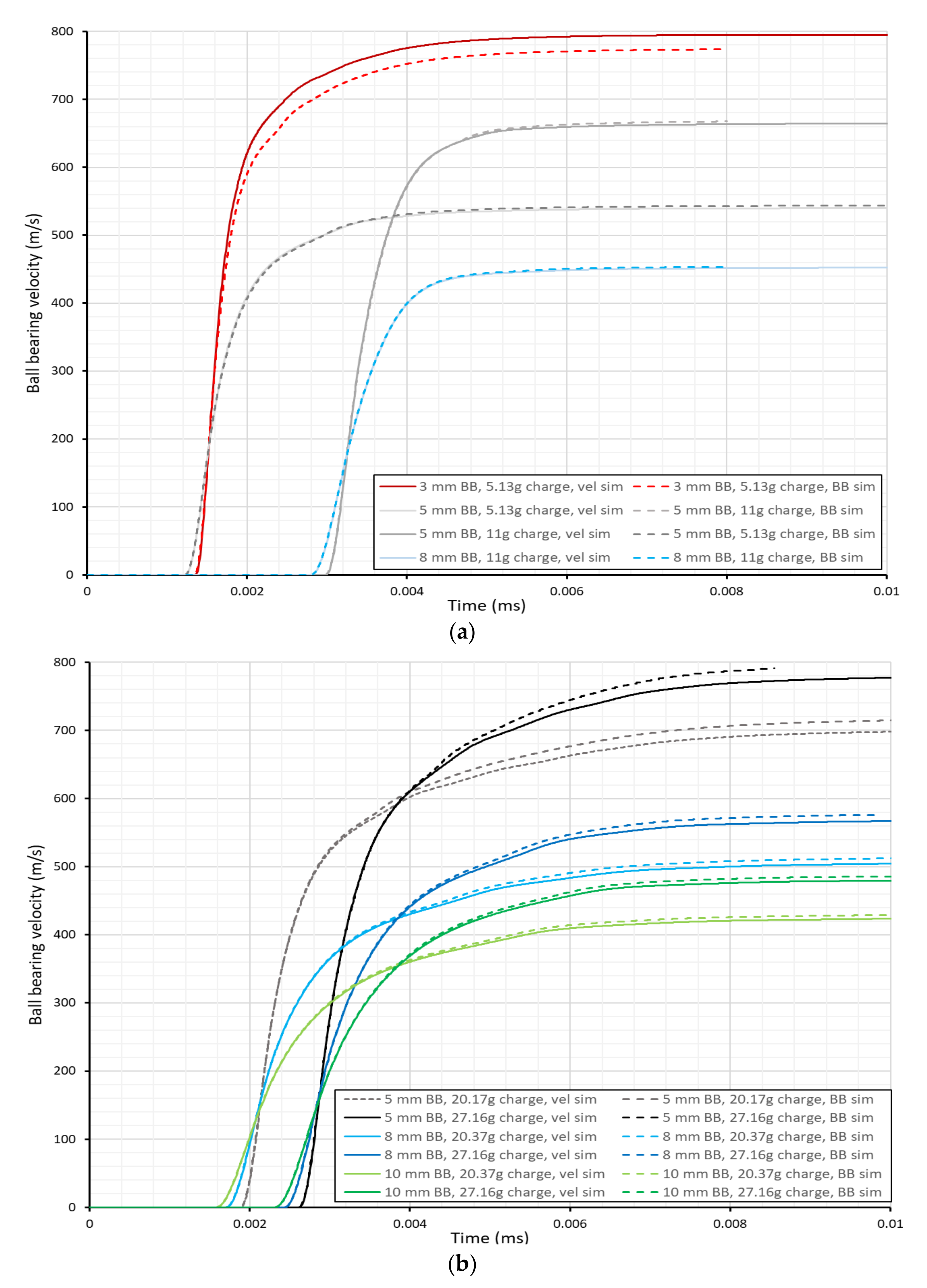
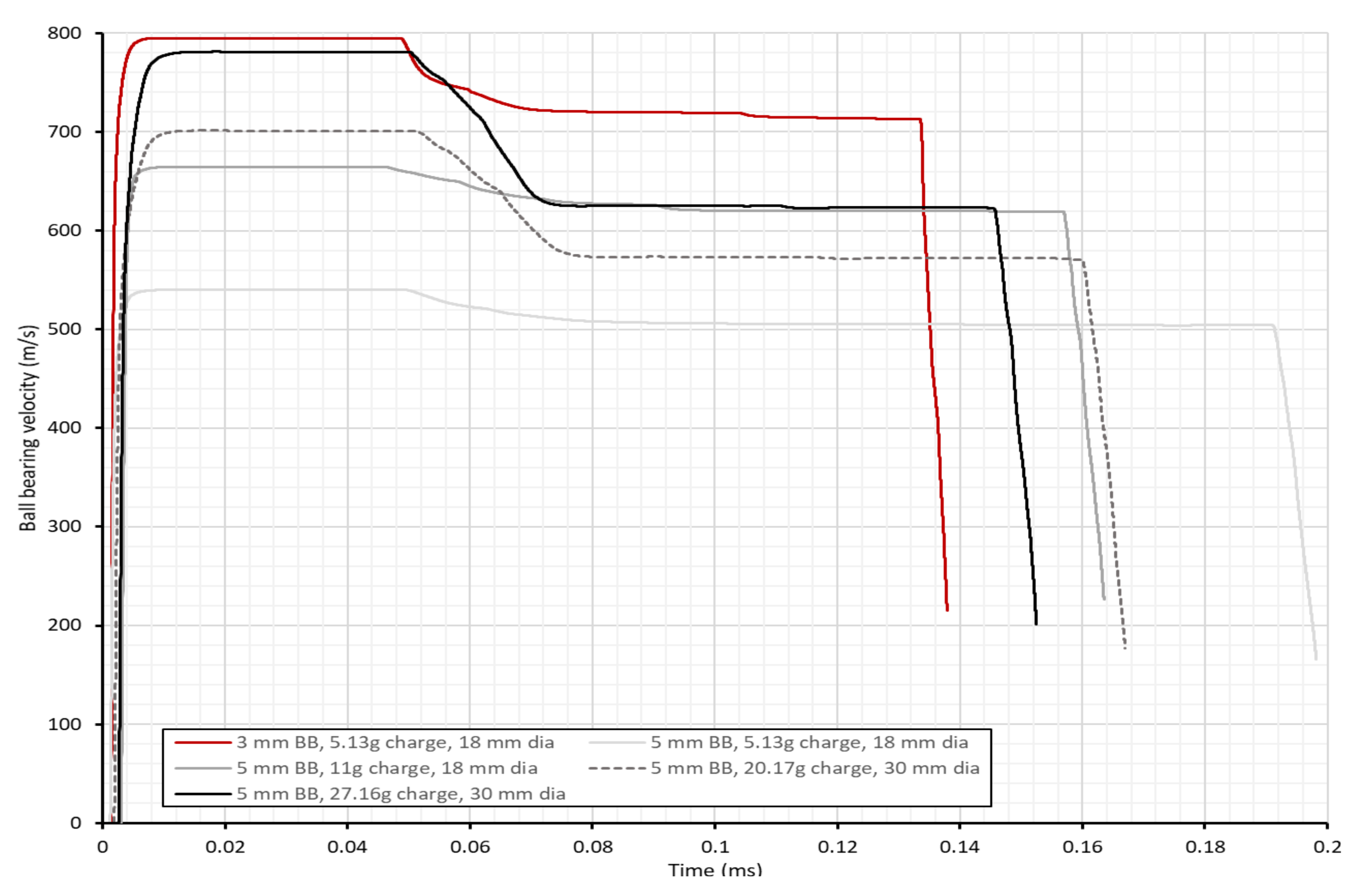
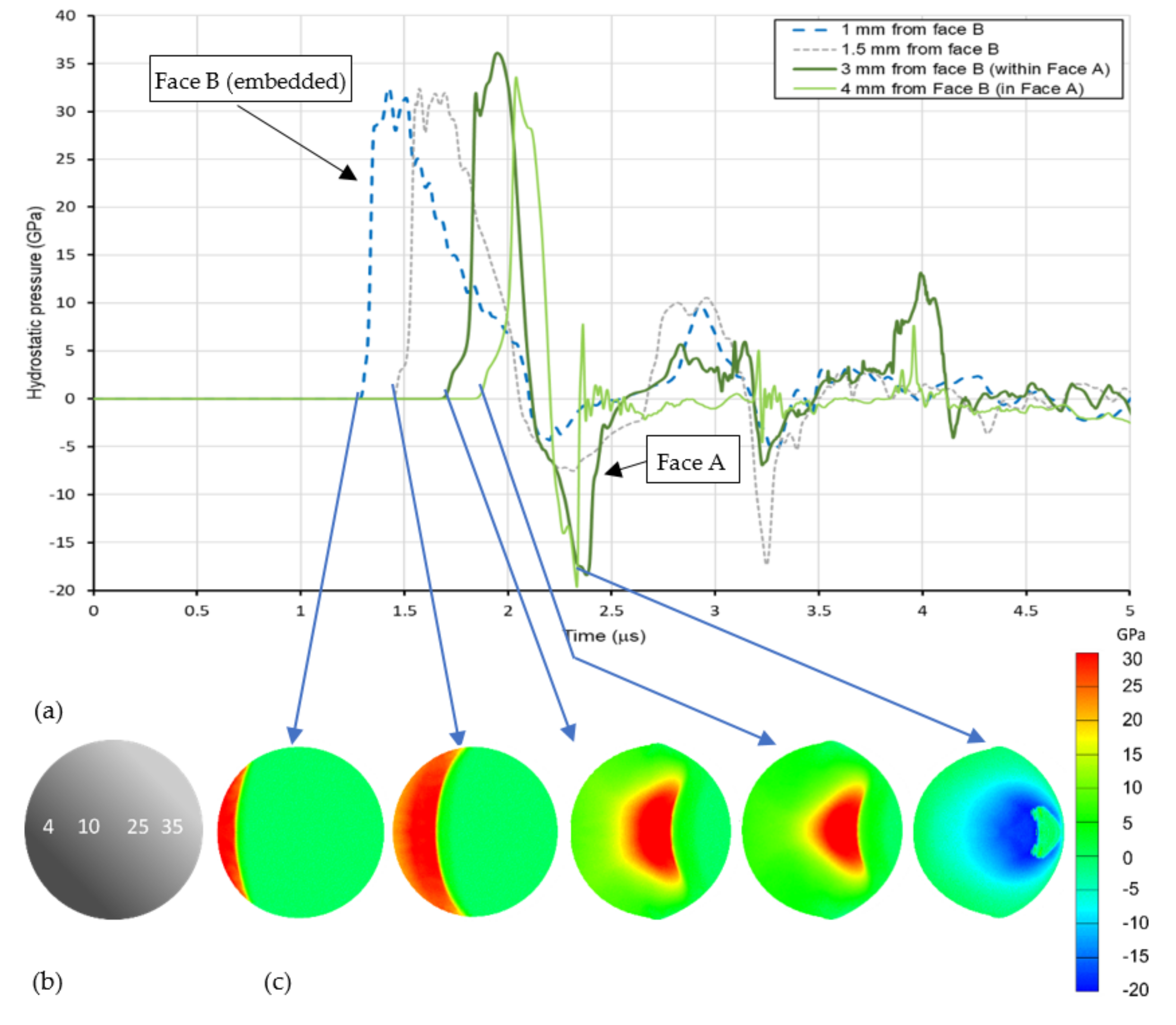
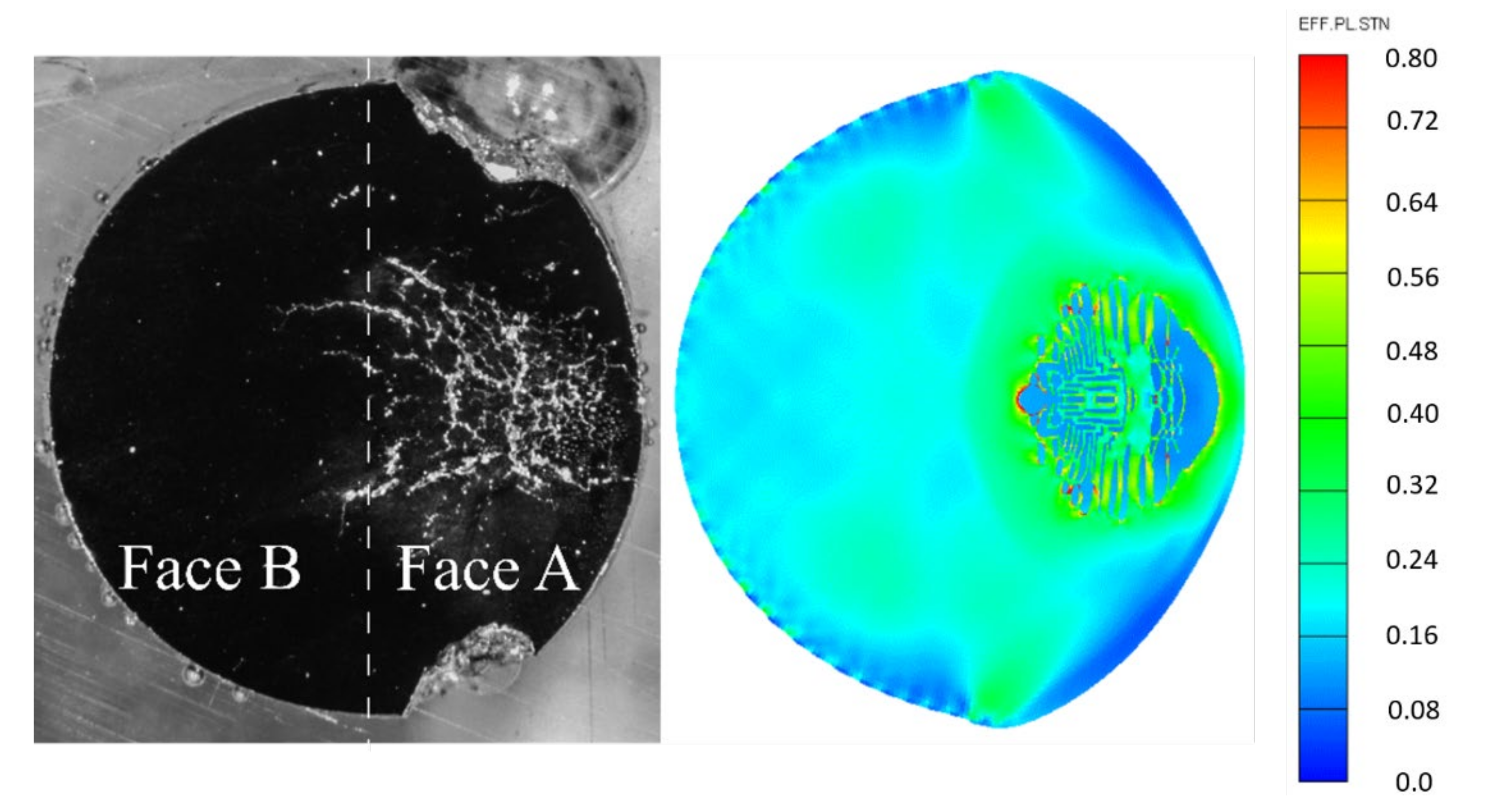
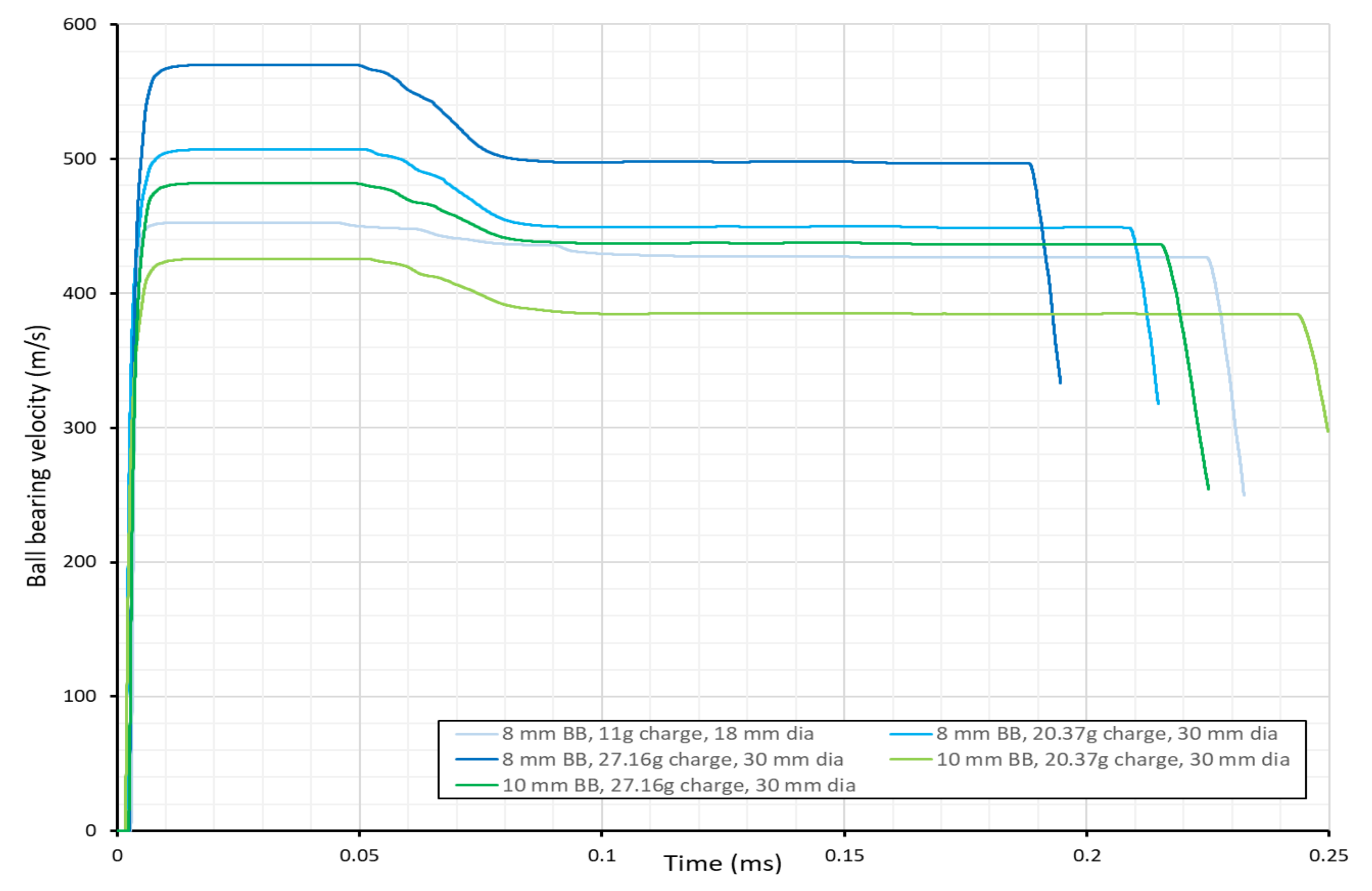
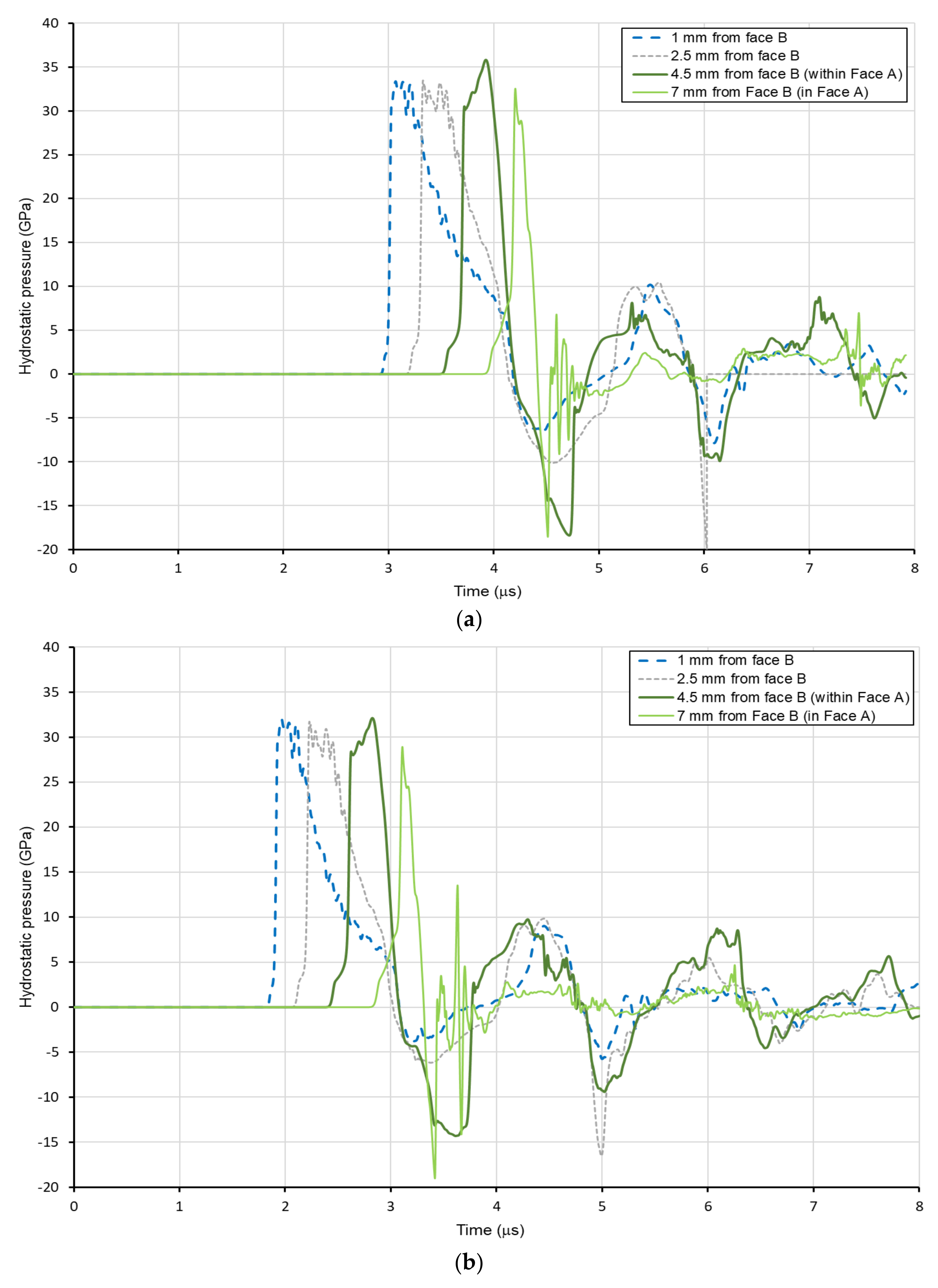
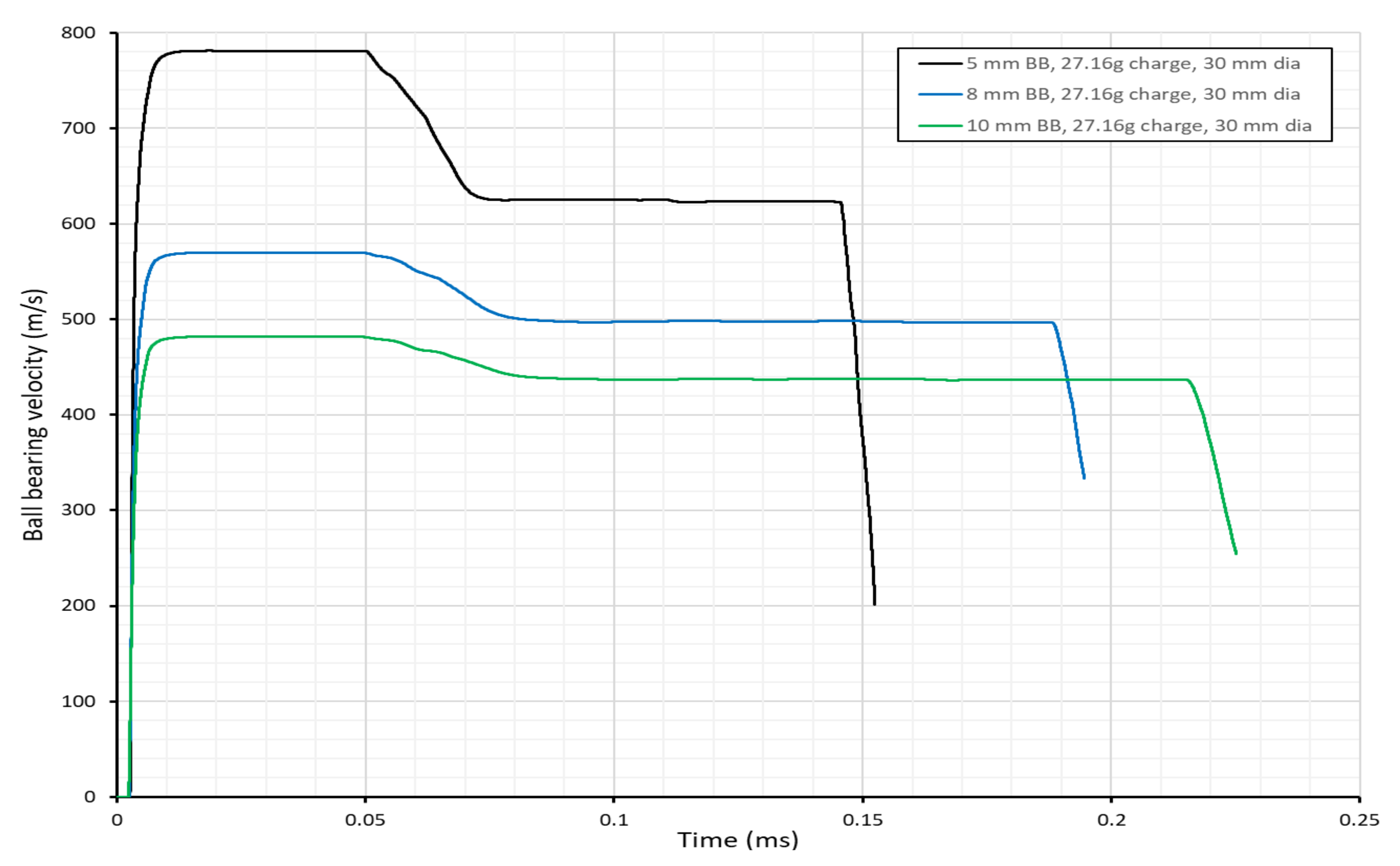
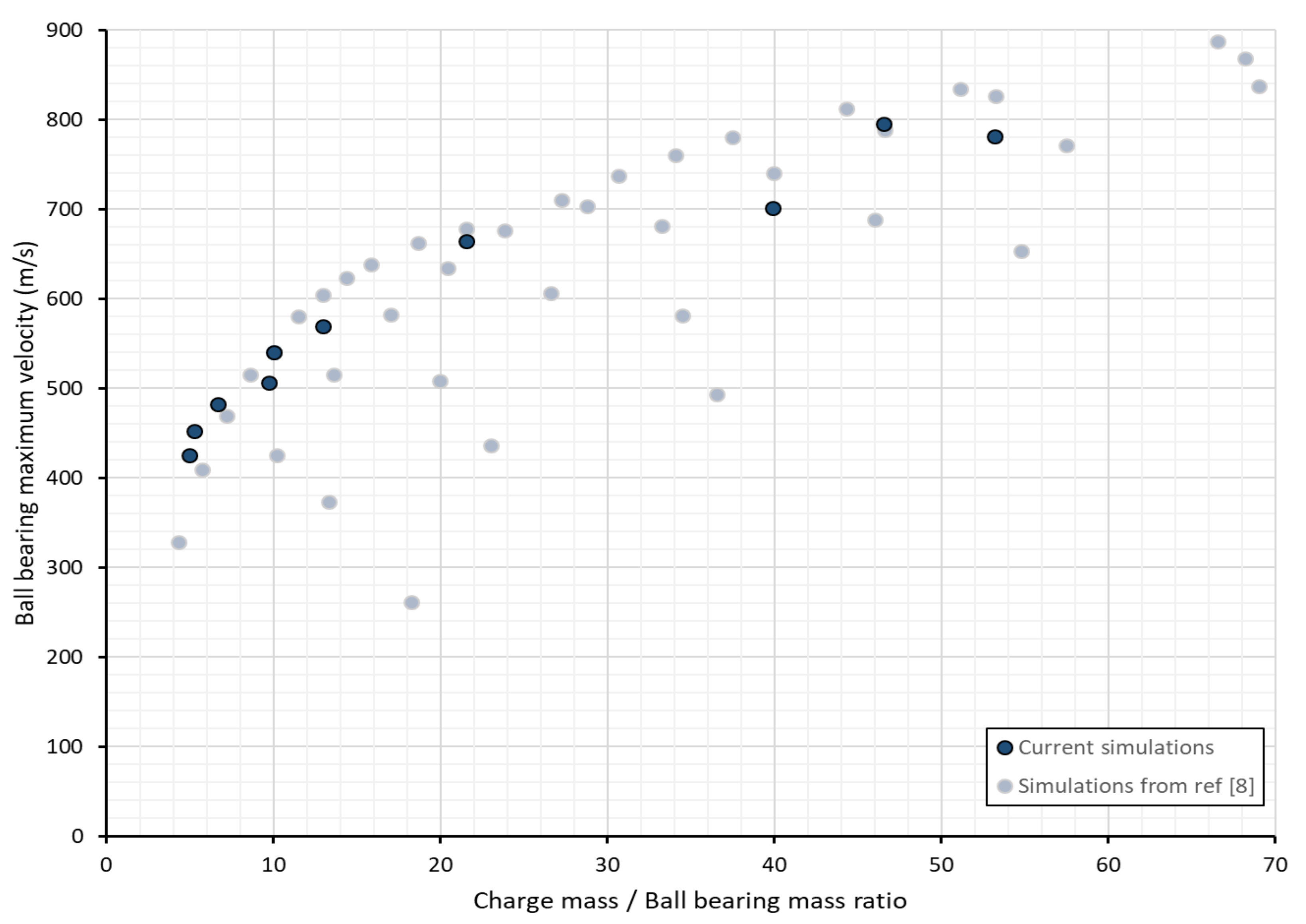
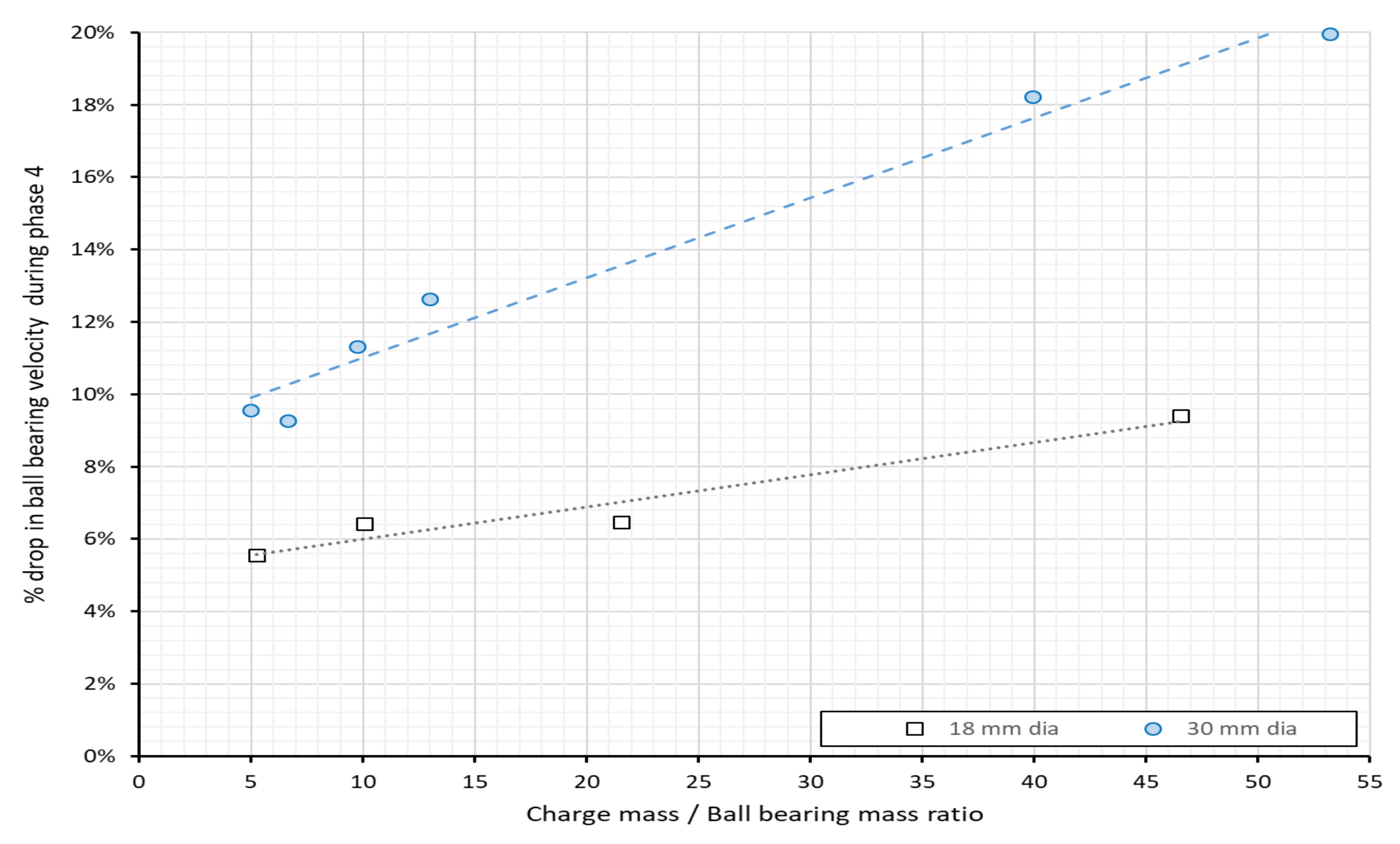
This paper presents insights into the influence of ball size on the flight characteristics and damage of a ball bearing embedded in a rear detonated cylindrical charge. It includes results from a post-test damage analysis of ball bearings from previously reported experiments. Computational simulations using Ansys Autodyn were used to provide extra information about the velocity variation during flight and the damage sustained by the ball bearings during the blast event. The influence of bearing size (diameter and mass) was investigated using the validated simulation models to extend the dataset beyond the initial experimental work. The peak bearing velocity is influenced by the charge mass to ball bearing mass ratio and the aspect ratio of the charge. Larger ball bearings require extra momentum to accelerate them to higher velocities, but their higher surface area means a greater portion of the explosive charge is involved in transferring kinetic energy to the projectile. Tensile spalling was to be the major damage mechanism within the ball bearings. The charge aspect ratio also influenced the hydrostatic pressure propagation within the ball bearing itself, affecting the location and degree of internal cracking within the bearings. These findings will prove valuable to blast protection engineers considering the effects of embedded projectiles in improvised explosive devices.
Keywords: improvised explosive devices; blast loading; deformation; damage; ball bearings improvised explosive devices; blast loading; deformation; damage; ball bearings