Article

Variation Mechanism and Prediction of Soil–Water Characteristic Curve Parameters of Low-Liquid-Limit Silty Clay under Freeze–Thaw Cycles


1
College of Transportation, Jilin University, Changchun 130022, China
2
WISDRI City Construction Engineering & Research Incorporation Ltd., Wuhan 430000, China
*
Author to whom correspondence should be addressed.
Appl. Sci. 2022, 12(21), 10713; https://doi.org/10.3390/app122110713
Submission received: 25 July 2022 / Revised: 5 September 2022 / Accepted: 20 October 2022 / Published: 22 October 2022
(This article belongs to the Section Civil Engineering)

Abstract

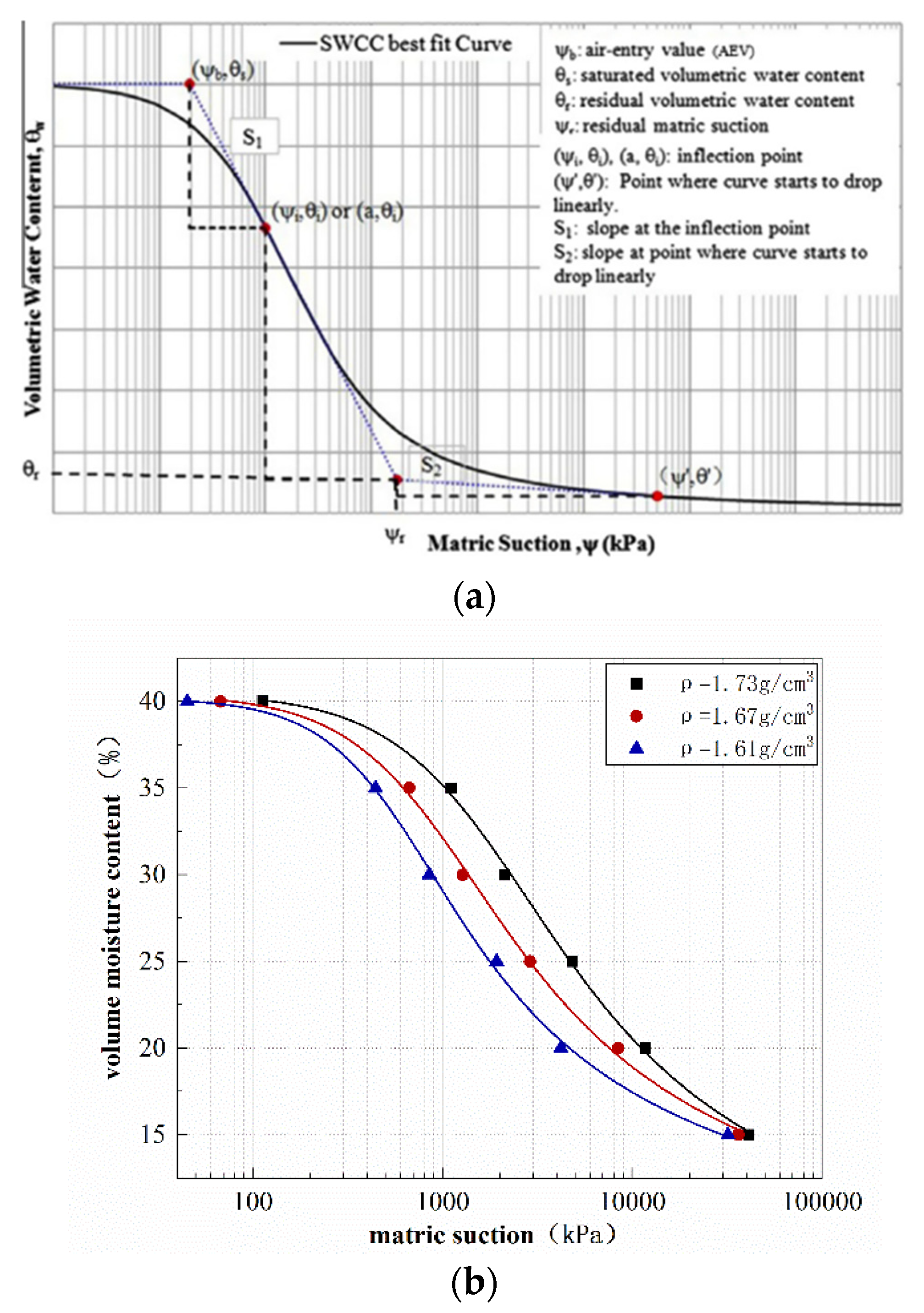
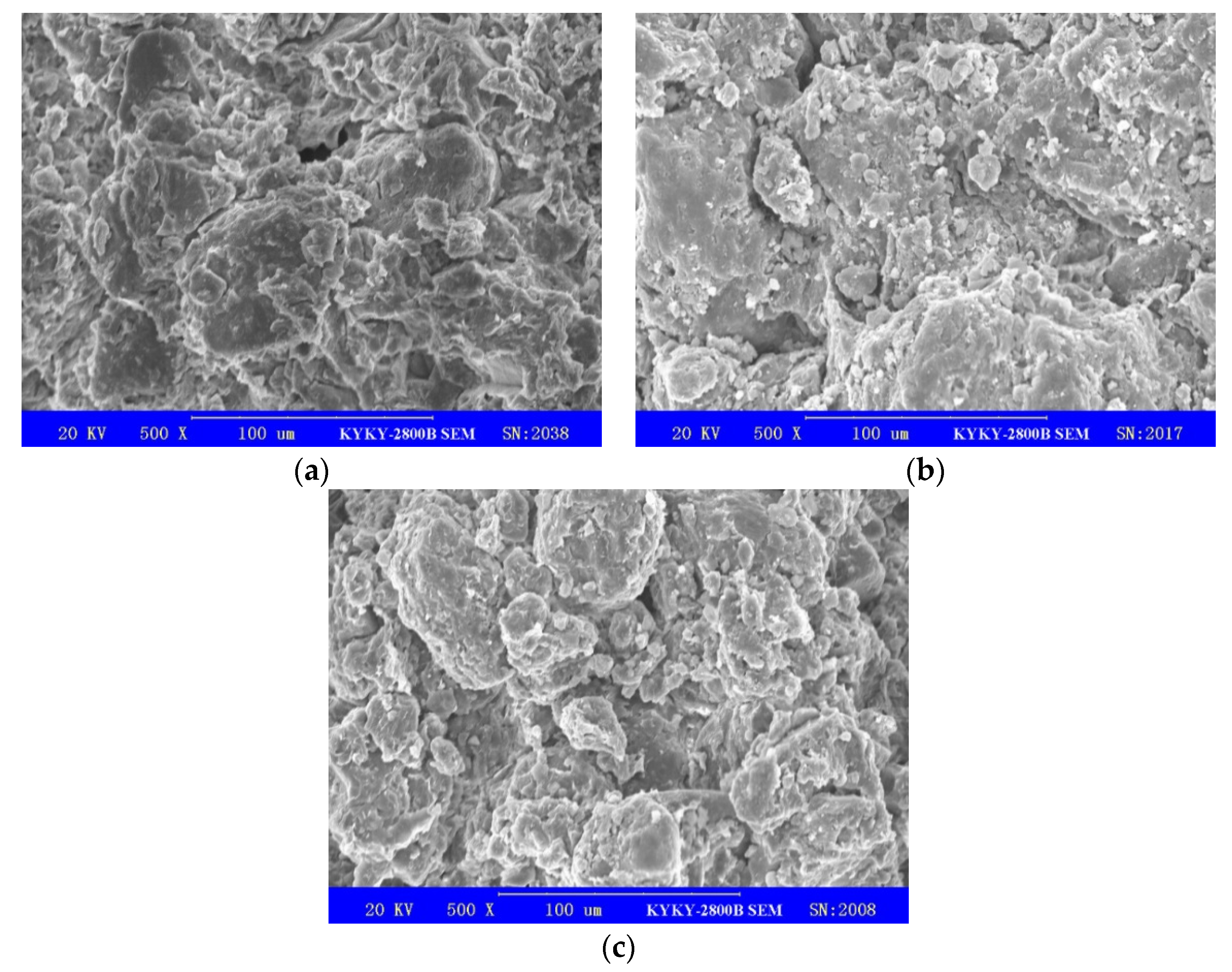
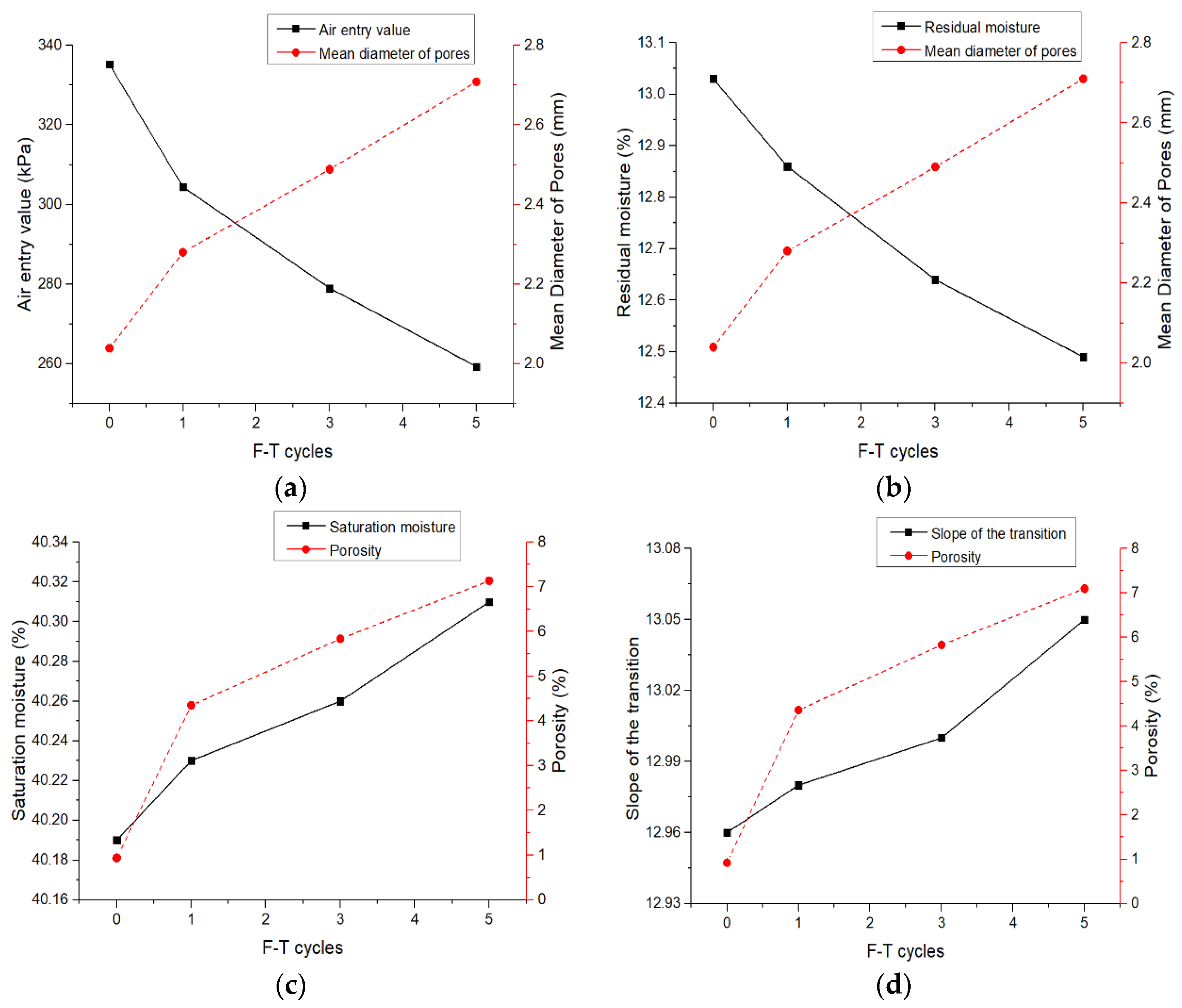
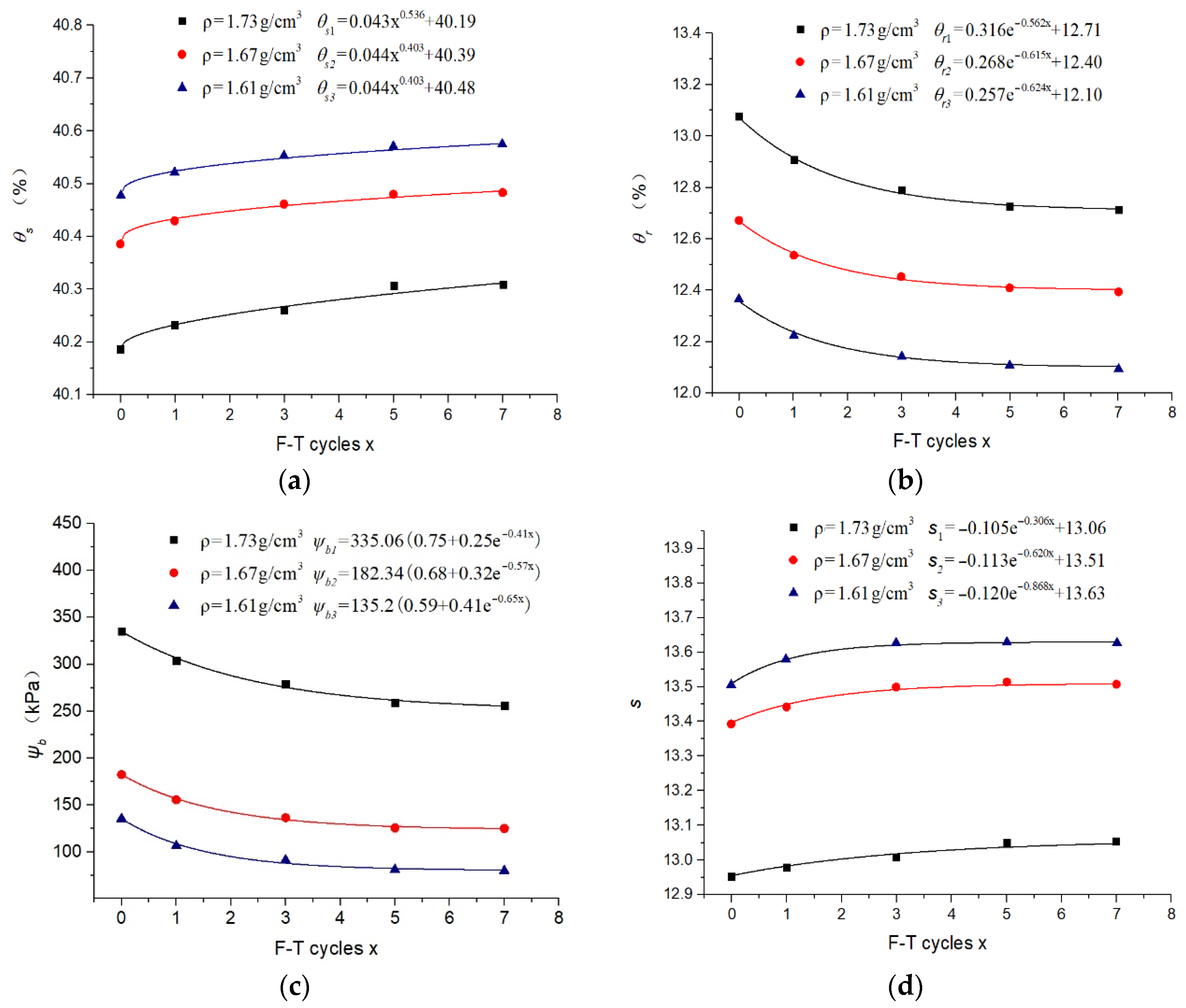
The soil–water characteristic curve (SWCC) is a key input for the numerical simulation of geotechnical engineering. It contains the basic information needed to describe the mechanical behavior of unsaturated soil. In order to study the variation of the SWCC characteristics and its mechanism after the freeze–thaw (F–T) process of low-liquid-limit silty clay in seasonally frozen regions, the SWCC of the soil samples subjected to zero, one, three, five, and seven F–T cycles at three dry densities were measured; then the microstructure was scanned by scanning electron microscopy (SEM) to analyze the relationship between the characteristic parameters of the SWCC and the microstructure after F–T cycles. Finally, according to the mathematical law of characteristic parameters, the prediction equation for the parameters of the SWCC considering the F–T cycles was established, which has a suitable fitting effect with the experimental data. The result shows that with the increase in F–T cycles, the air-entry value (AEV) and residual saturation (RS) decrease gradually, while the saturated water content and the moisture-losing rate of the transition section slightly increased. According to the microstructure analysis, it is due to the F–T process that the compacted soil sample has cracks, the entire plate structure is destroyed, and thus the arrangement between the soil particles becomes looser, and the porosity and average pore size increase. This study can provide data support and references for the design of low-liquid-limit silty clay foundation engineering in seasonally freezing regions.
Keywords: soil–water characteristic curve; low-liquid-limit silty clay; F–T cycles; microstructure analysis; parameters prediction soil–water characteristic curve; low-liquid-limit silty clay; F–T cycles; microstructure analysis; parameters prediction