Article

Effects of Glucose Addition on Dynamics of Organic Carbon Fractions and cbbL-Containing Bacteria in Wetlands


1
School of Architecture and Urban Planning, Shandong Jianzhu University, Jinan 250101, China
2
College of Chemistry and Chemical Engineering, Qilu Normal University, Jinan 250200, China
3
School of Municipal and Environmental Engineering, Shandong Jianzhu University, Jinan 250101, China
*
Authors to whom correspondence should be addressed.
Appl. Sci. 2022, 12(20), 10239; https://doi.org/10.3390/app122010239
Submission received: 20 August 2022 / Revised: 5 October 2022 / Accepted: 8 October 2022 / Published: 12 October 2022

Abstract

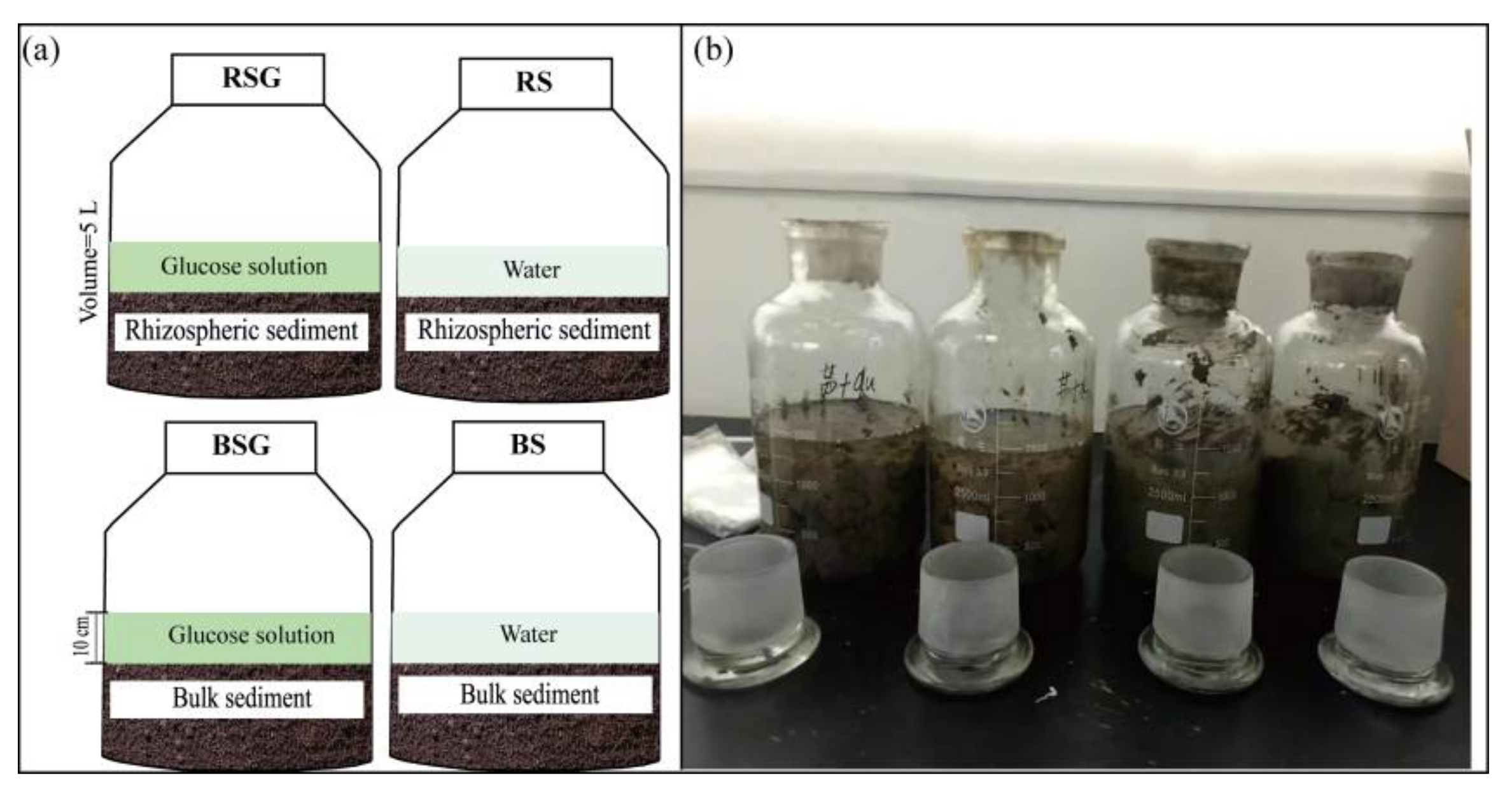
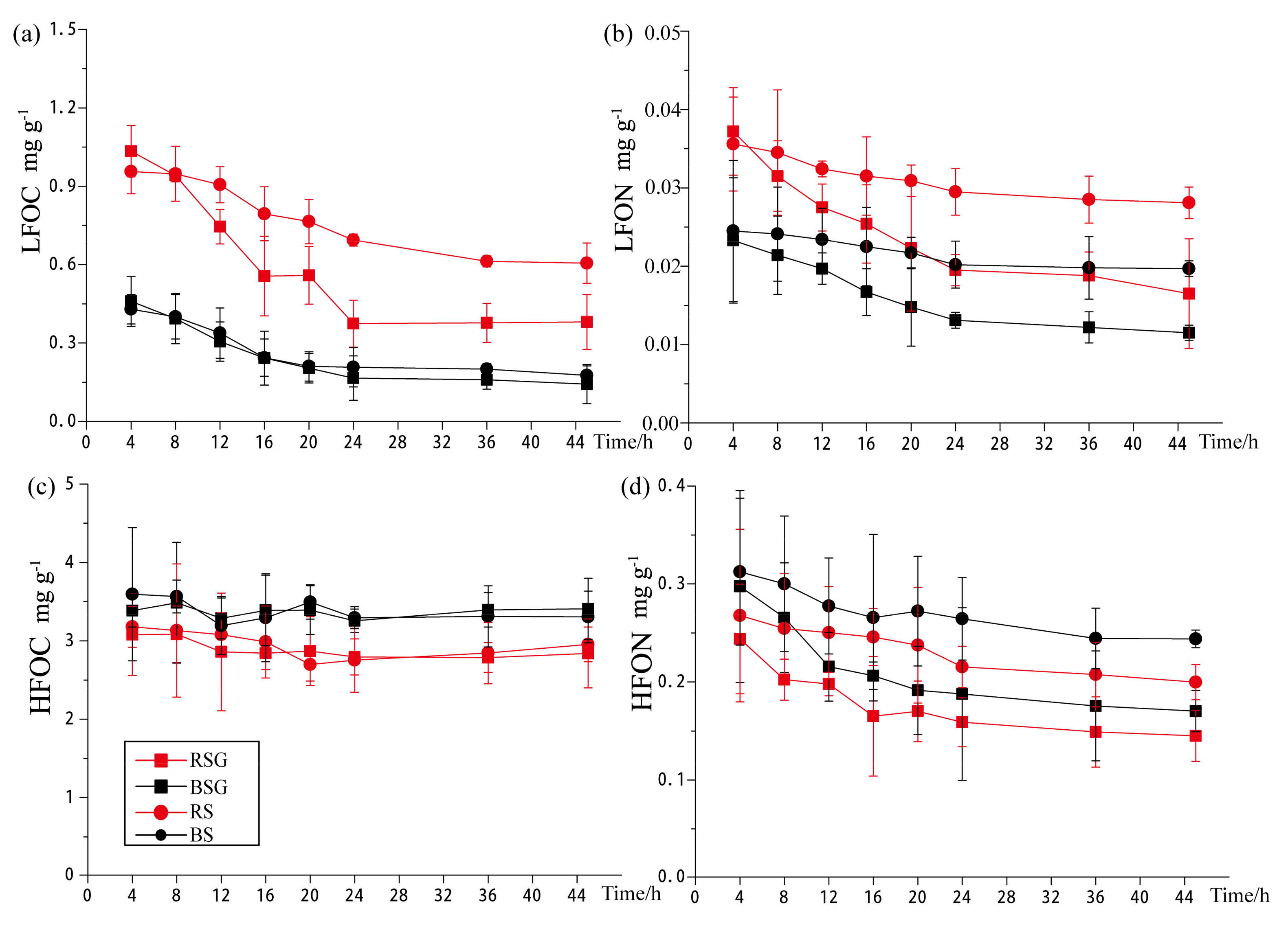
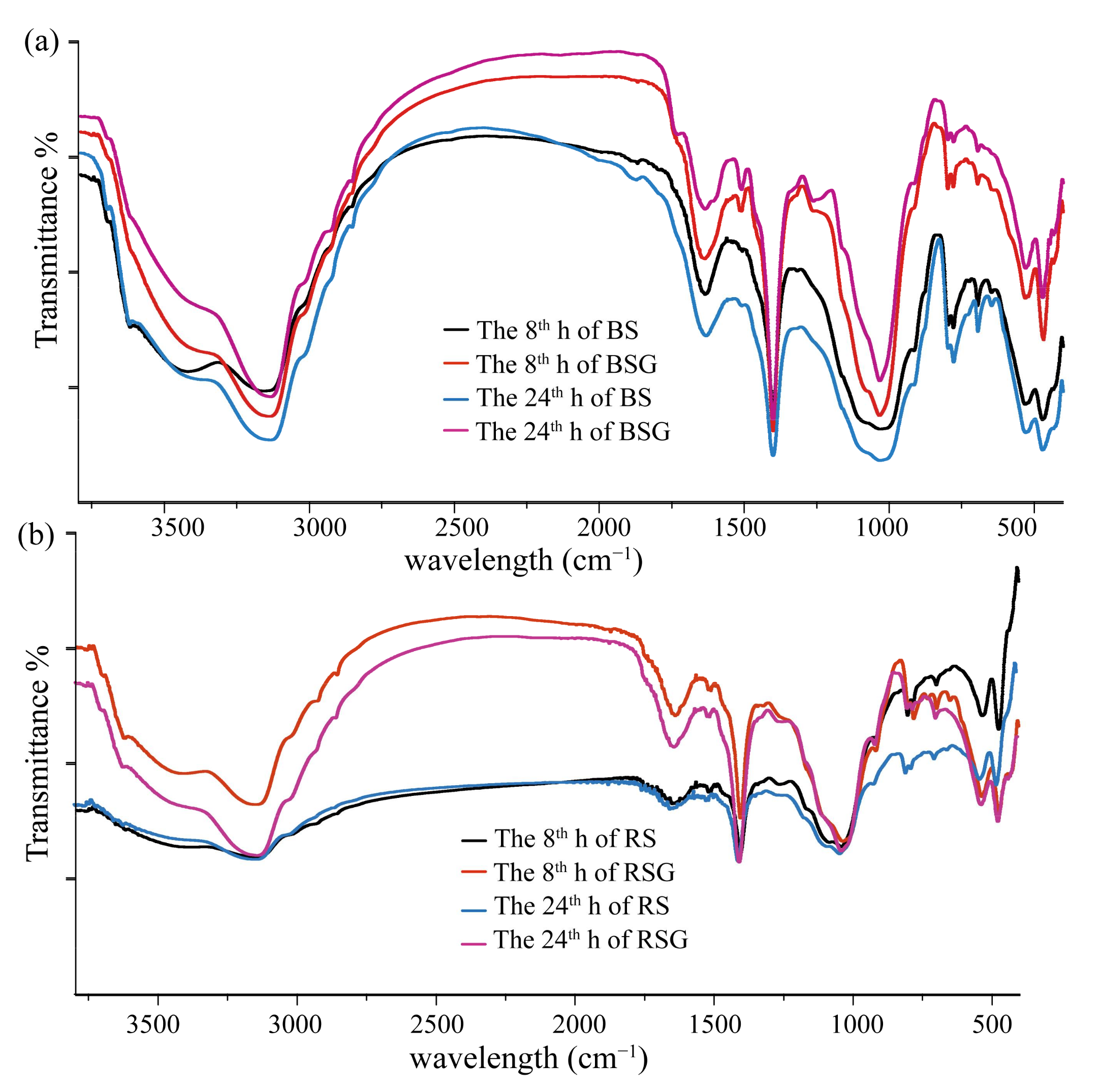
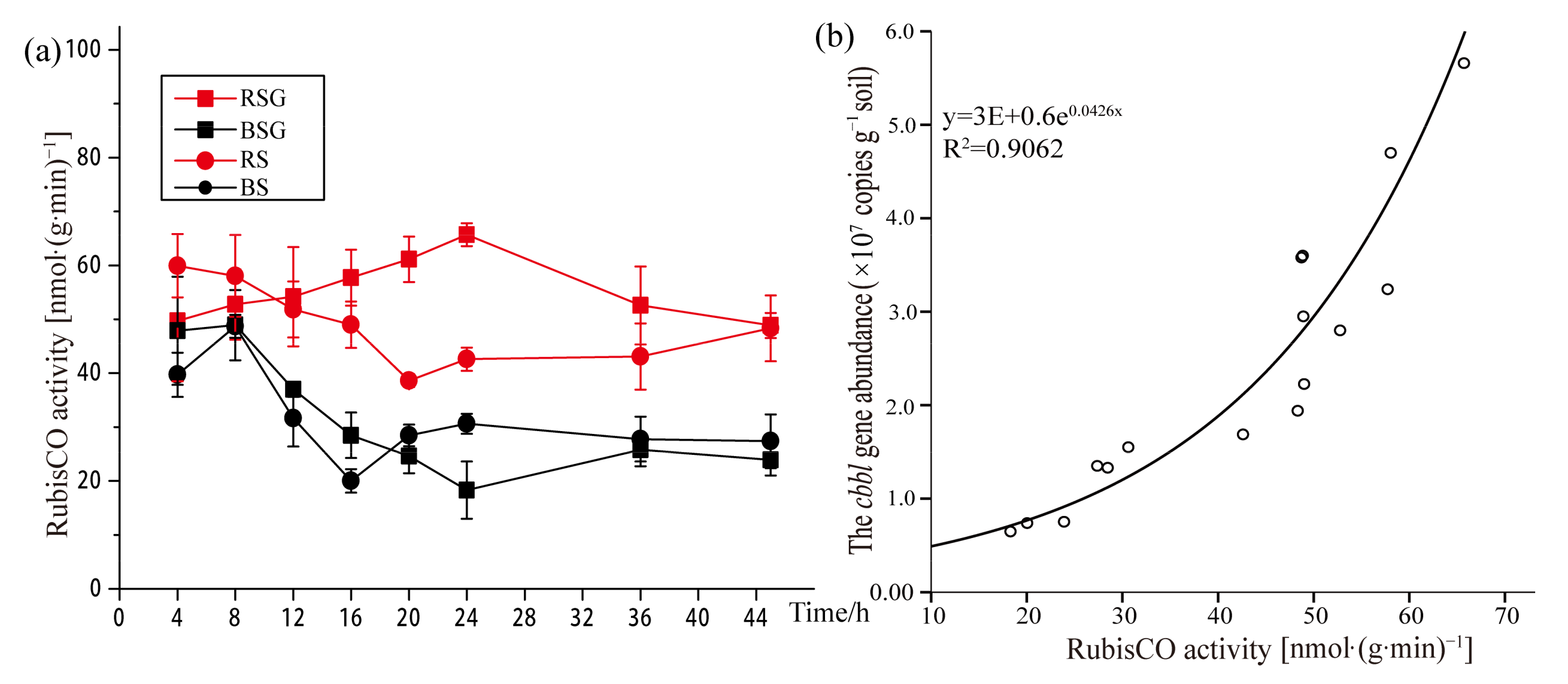
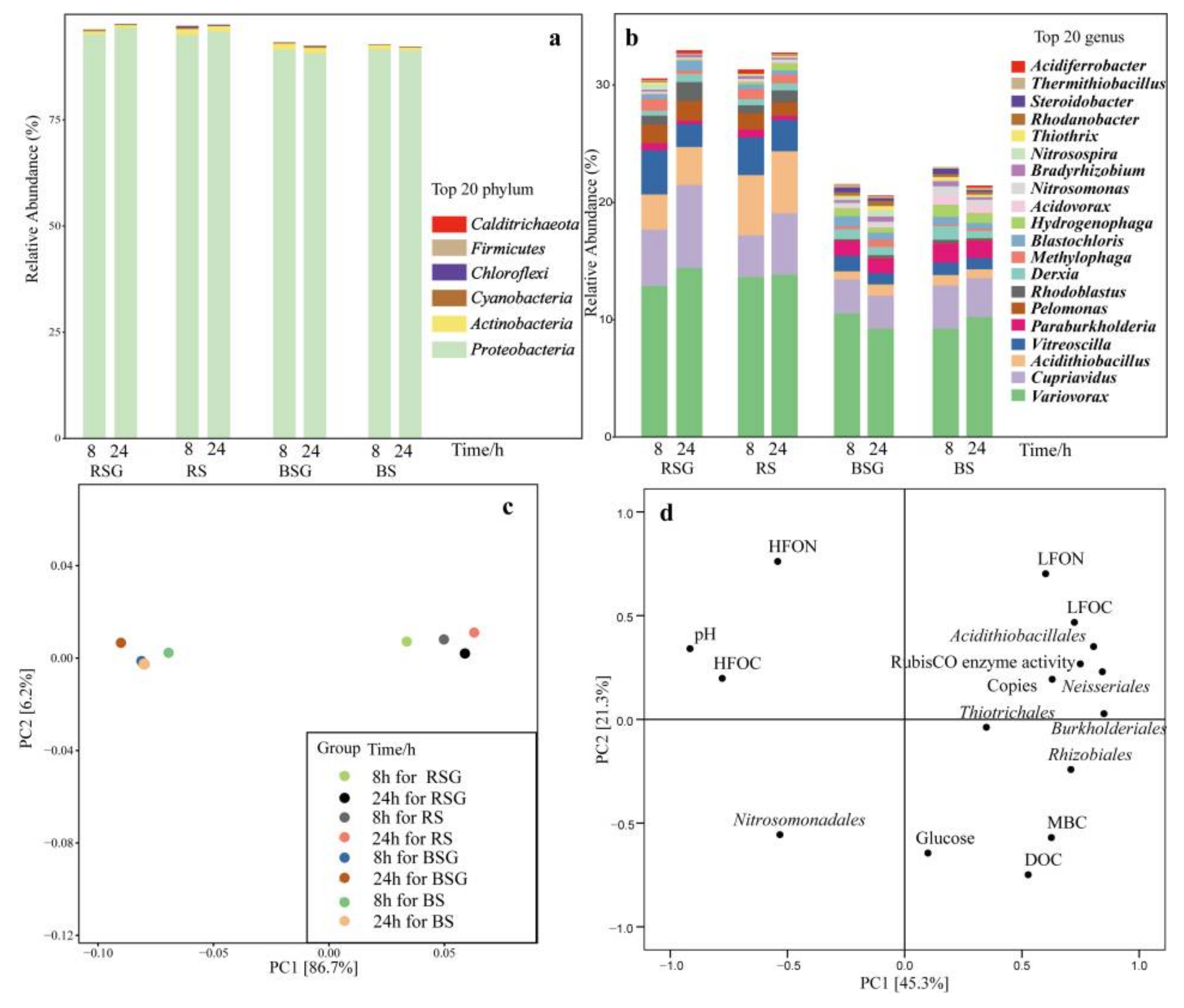
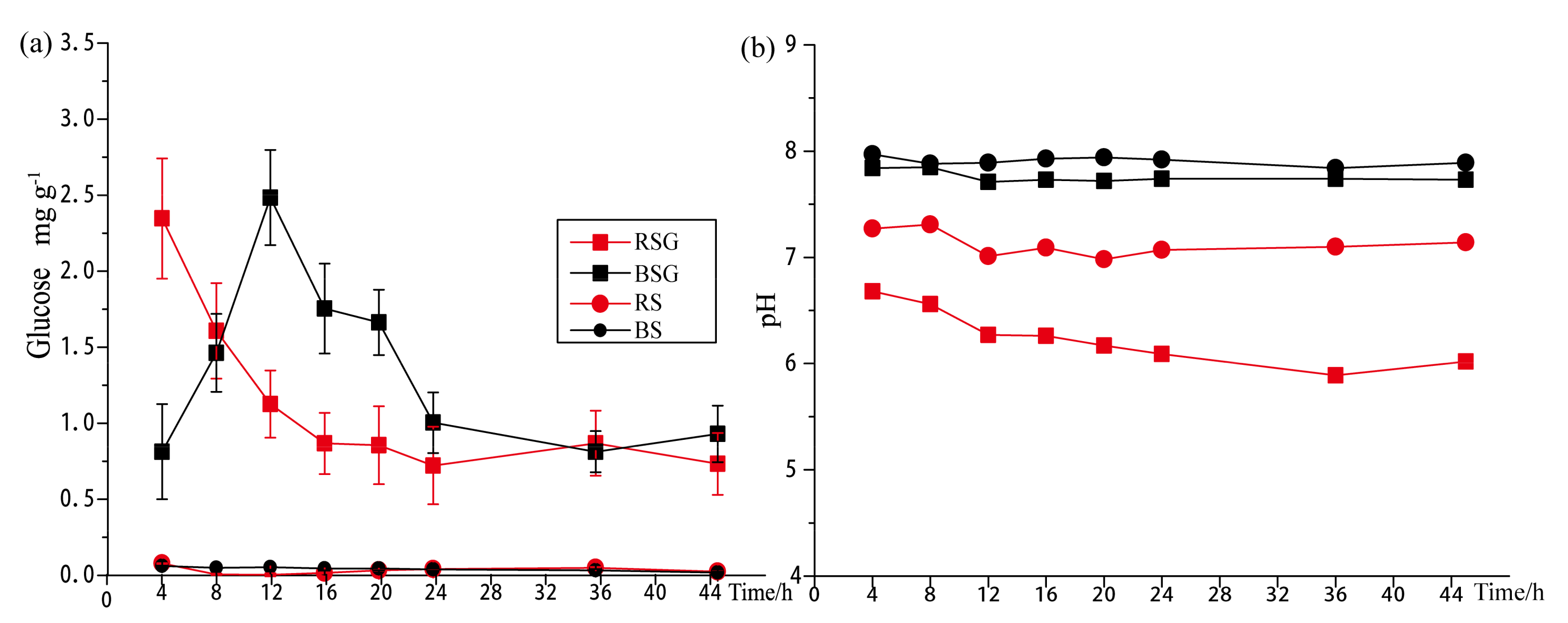
Studying the CO2-assimilation potential under the effect of glucose addition is of great significance to completely comprehend the dynamic carbon cycle in wetland ecosystems. Rhizospheric sediments (RS) and bulk sediments (BS) were selected, with the addition of glucose (G) or not, and two experimental pots (RSG and BSG) and two control pots (RS and BS) were formed. Then, within 45 h of glucose addition, the sediments were sampled at intervals of 4 h for dynamic monitoring. The bacterial communities encoded by CO2-assimilating function genes (cbbL) and the corresponding activities of key enzyme (ribulose-1,5-bisphosphate carboxylase oxygenase, RubisCO), and the light fraction (LF) and heavy fraction (HF) of organic carbon (C) and nitrogen (N) of the samples were determined. The results demonstrated that the dynamic processes of glucose deposition and degradation occurred in sediments from RSG and BSG, with the greatest depositions of 2.35 and 2.48 mg·g−1 in the 4th and 12th hour, respectively. The contents of LFOC, LFON, HFOC, and HFON decreased by 171.70%, 125.45%, 8.40%, and 68.17% in the RSG pot, and decreased by 221.55%, 102.61%, 0.07%, and 74.74% in the BSG pot, respectively, which suggested the dominant activities of C and N mineralization. The FT-MIR of LF showed different changes of typical chemical bonds between RSG and BSG during the process, which further indicated irregular and inconsistent mineralization activities. The RubisCO activities in the rhizospheric sediments (52.14 nmol (g·min)−1 on average) were substantially greater than in the bulk sediments, which indicated the high potential of carbon assimilation in rhizospheric sediments. Moreover, it showed a lower trend in BSG, BS, and RS, but an increasing trend in RSG after the glucose addition, albeit the effects were recovered in the 45th hour. The cbbL-containing bacteria were more abundant in the rhizospheric sediments than in the bulk sediments, and this effect was higher than that of the glucose addition. Proteobacteria were the dominating phylum with mean values of 93.49%, and Burkholderiales was found to be the dominant order (37.74% on average). Moreover, the changes in bacterial composition between the rhizospheric sediments and bulk sediments were more pronounced than they were during the process. Therefore, the effects of glucose degradation on RubisCO activity and cbbL-containing bacteria were transient, but the effects on organic matter fractions were straightforward, which probably further change the bacterial abundance and composition.
Keywords: cbbL gene; glucose addition; organic matter; rhizospheric sediments; RubisCO activity cbbL gene; glucose addition; organic matter; rhizospheric sediments; RubisCO activity