Article

Study on Vertically Distributed Aerosol Optical Characteristics over Saudi Arabia Using CALIPSO Satellite Data
1
Engineering Research Center of Environmental Laser Remote Sensing Technology and Application of Henan Province, Nanyang Normal University, Wolong Road No. 1638, Nanyang 473061, China
2
Key Laboratory of Natural Disaster and Remote Sensing of Henan Province, Nanyang Normal University, Wolong Road No. 1638, Nanyang 473061, China
3
College of Civil Engineering, Nanjing Forestry University, Nanjing 210037, China
4
Henan School of Surveying and Land Information Engineering, Henan Polytechnic University, Jiaozuo 454000, China
5
School of Marine Sciences, Nanjing University of Information Science & Technology, Nanjing 210044, China
6
Department of Ecology and Water Resources Management, Tashkent Institute of Irrigation and Agricultural Mechanization Engineers, Tashkent 100000, Uzbekistan
7
Department of Civil Engineering, College of Engineering, King Khalid University, Abha 61421, Saudi Arabia
8
Department of Civil Engineering, High Institute of Technological Studies, Mrezgua University Campus, Nabeul 8000, Tunisia
*
Author to whom correspondence should be addressed.
Appl. Sci. 2022, 12(2), 603; https://doi.org/10.3390/app12020603
Submission received: 26 September 2021 / Revised: 11 December 2021 / Accepted: 27 December 2021 / Published: 9 January 2022

Abstract

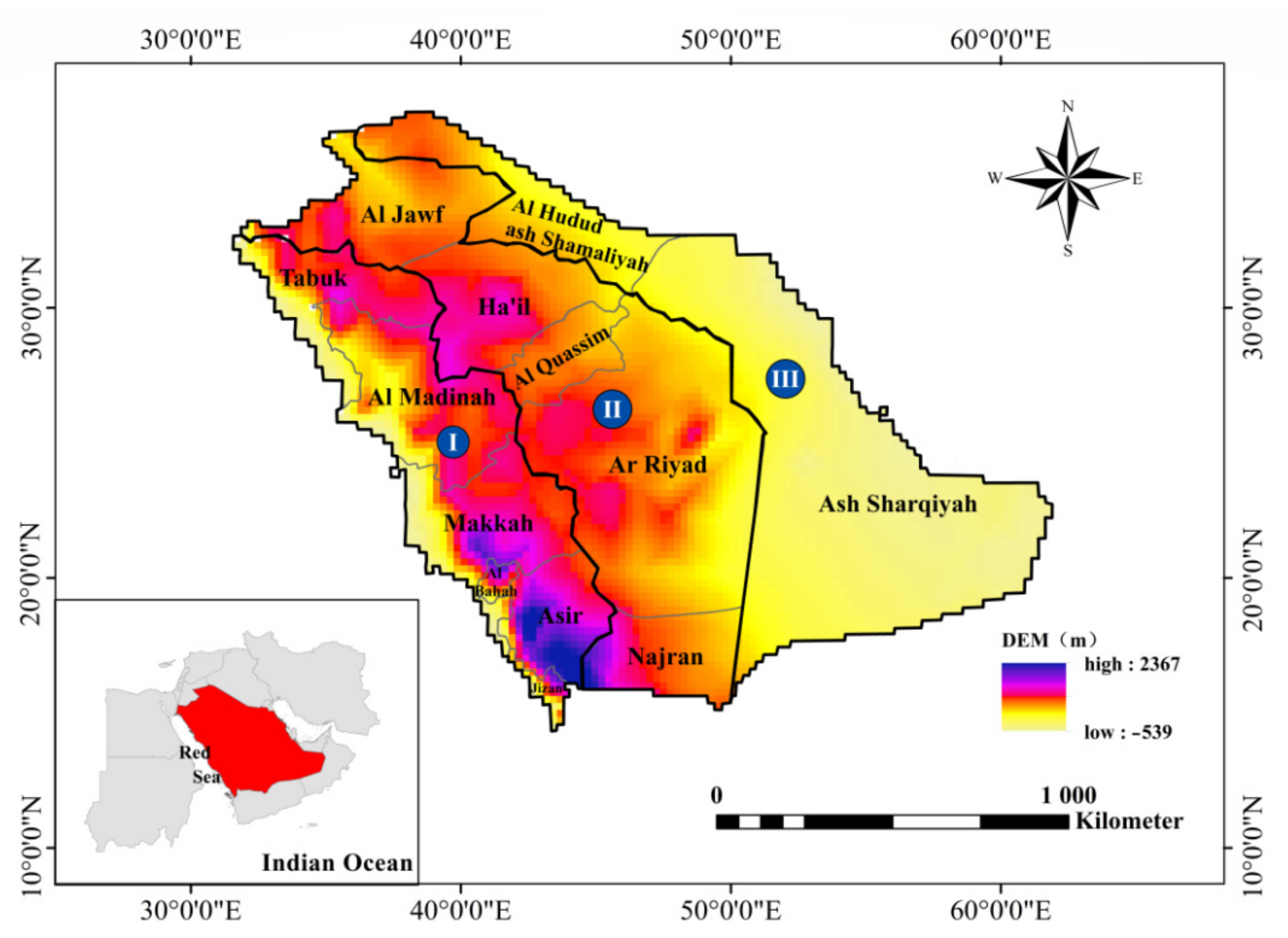
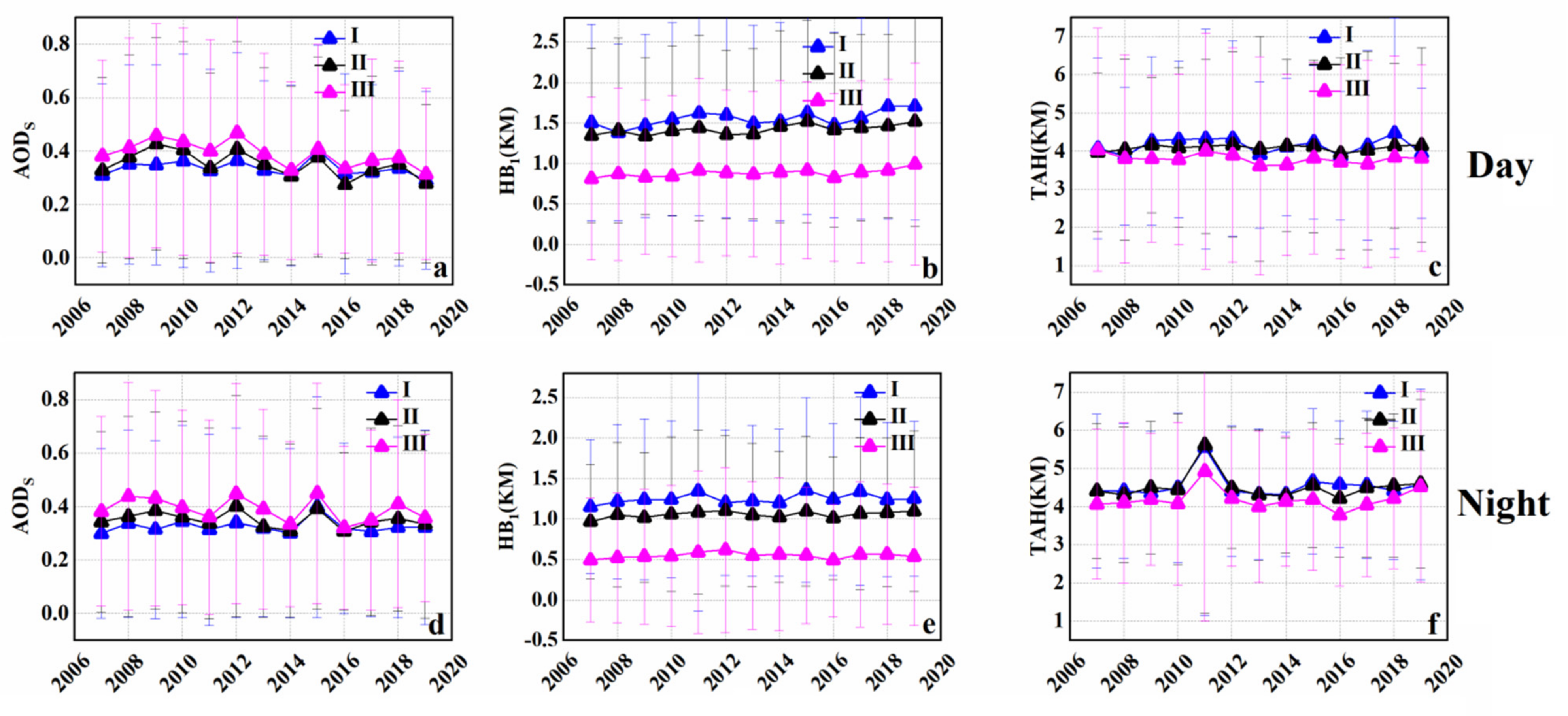
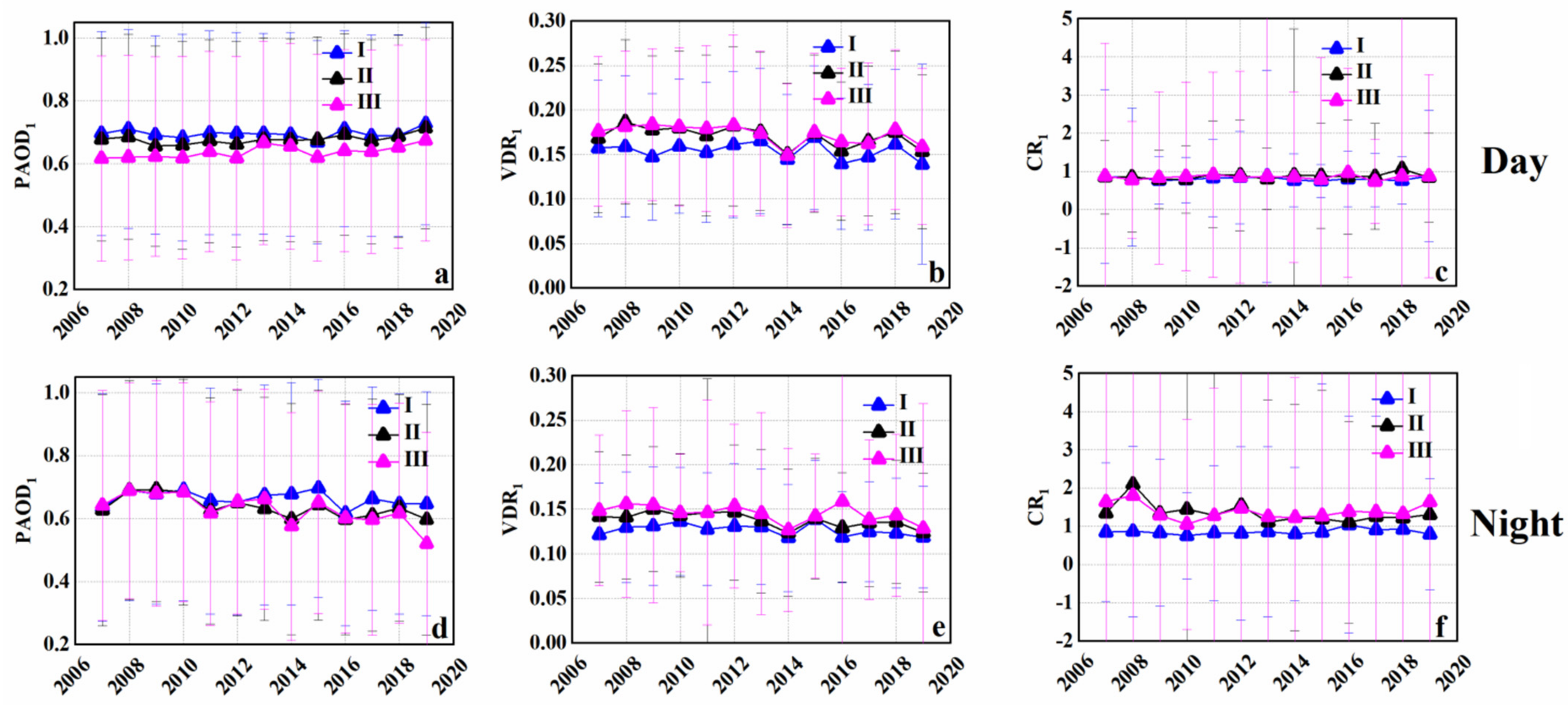
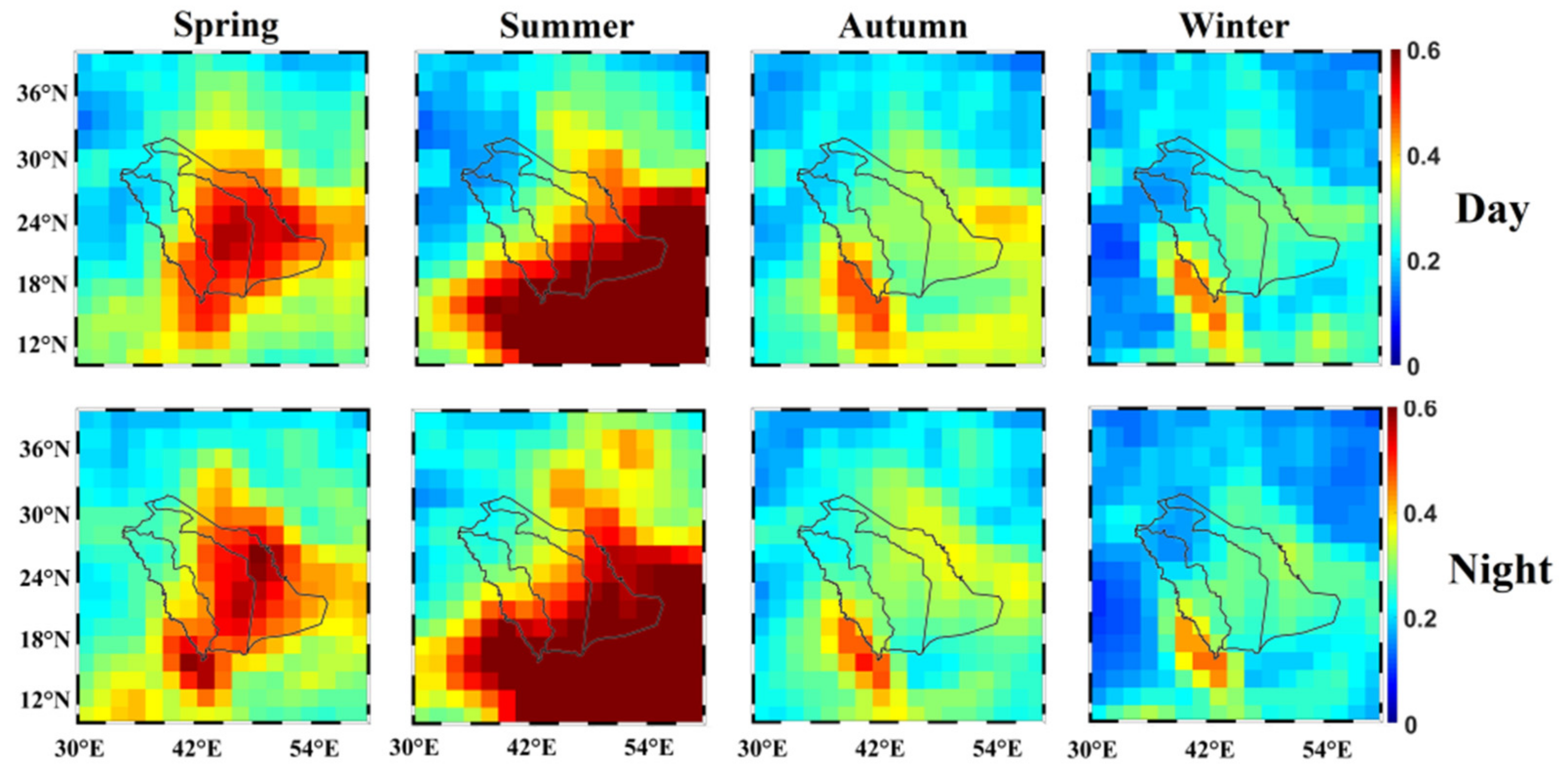
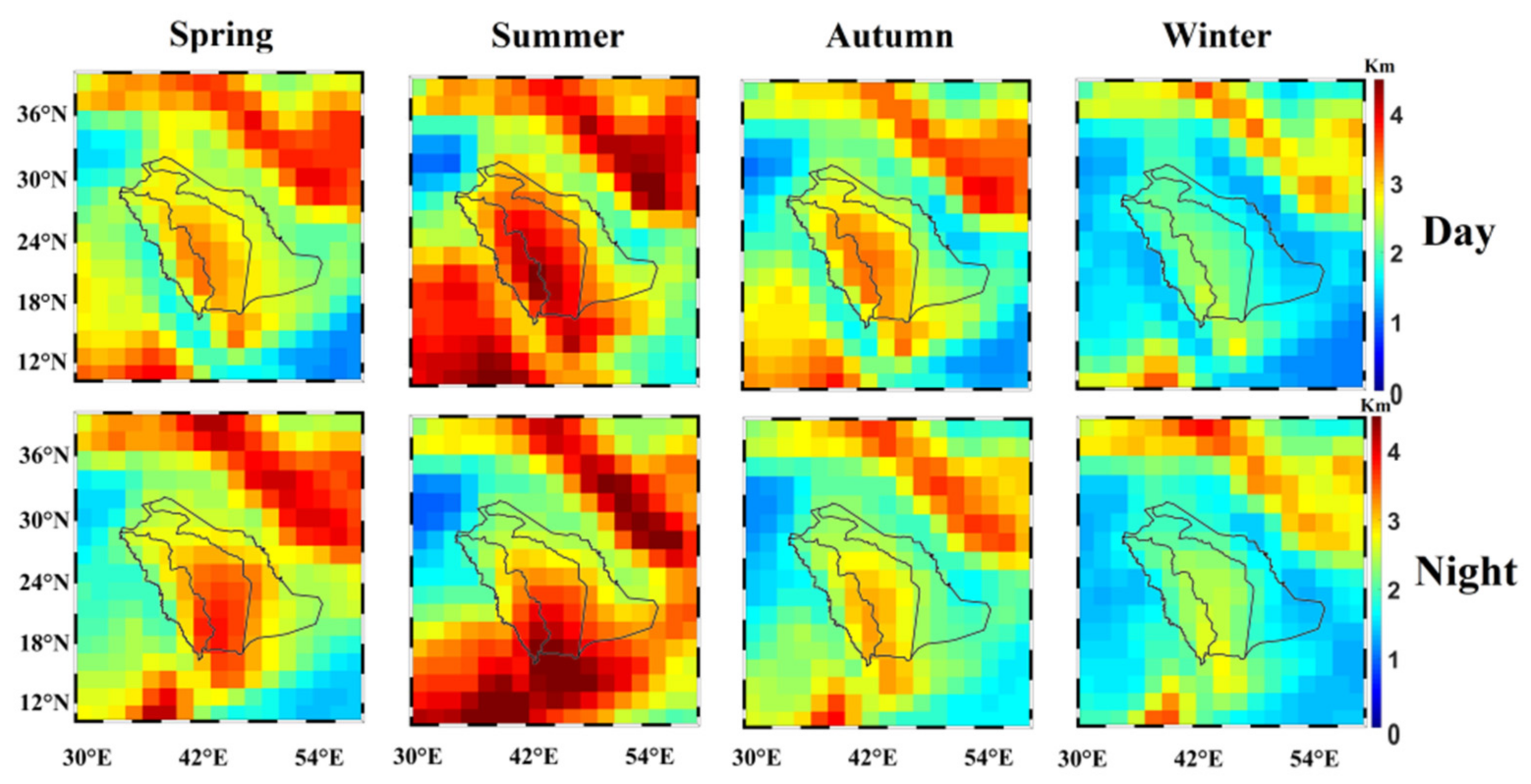
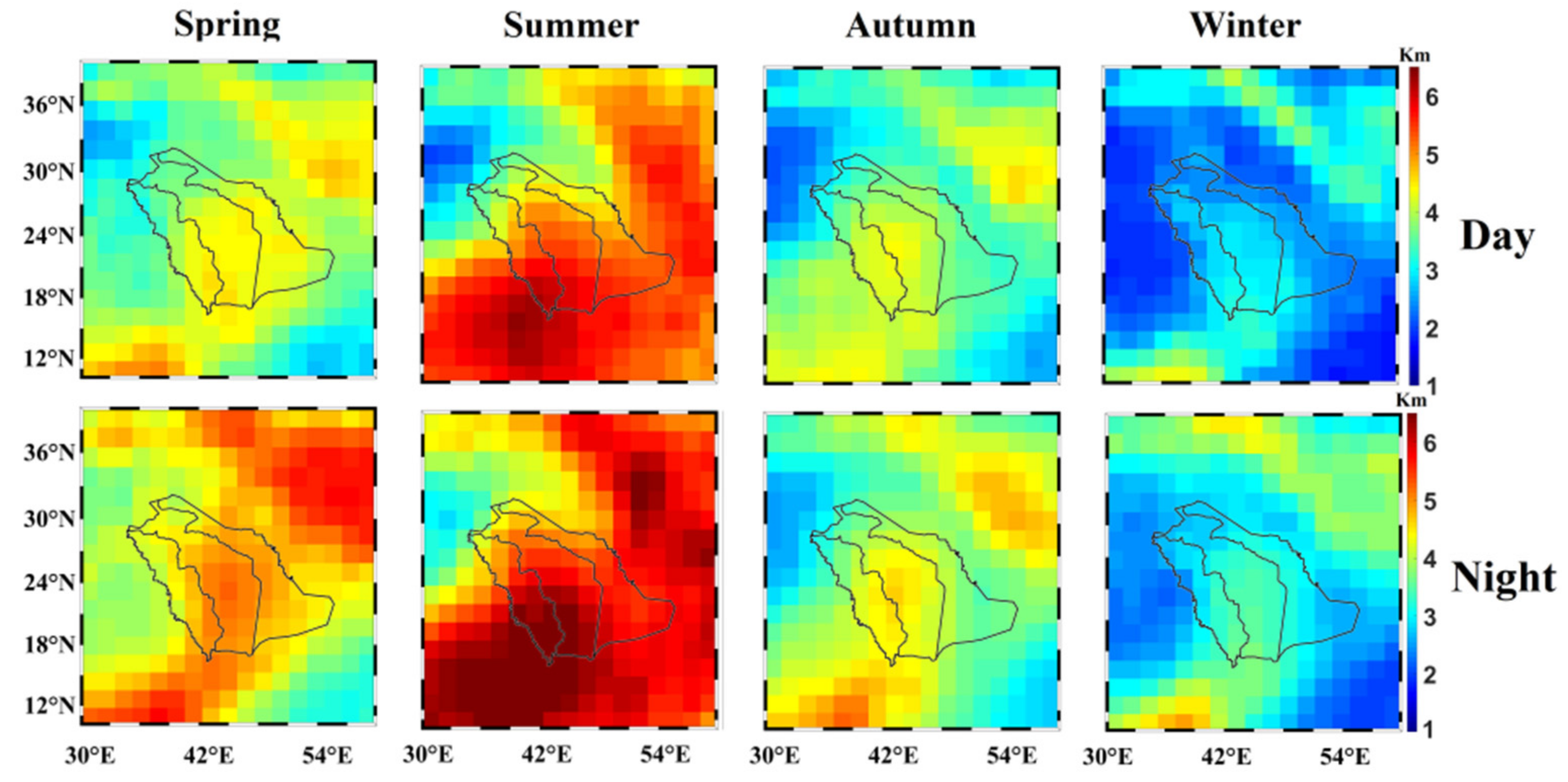
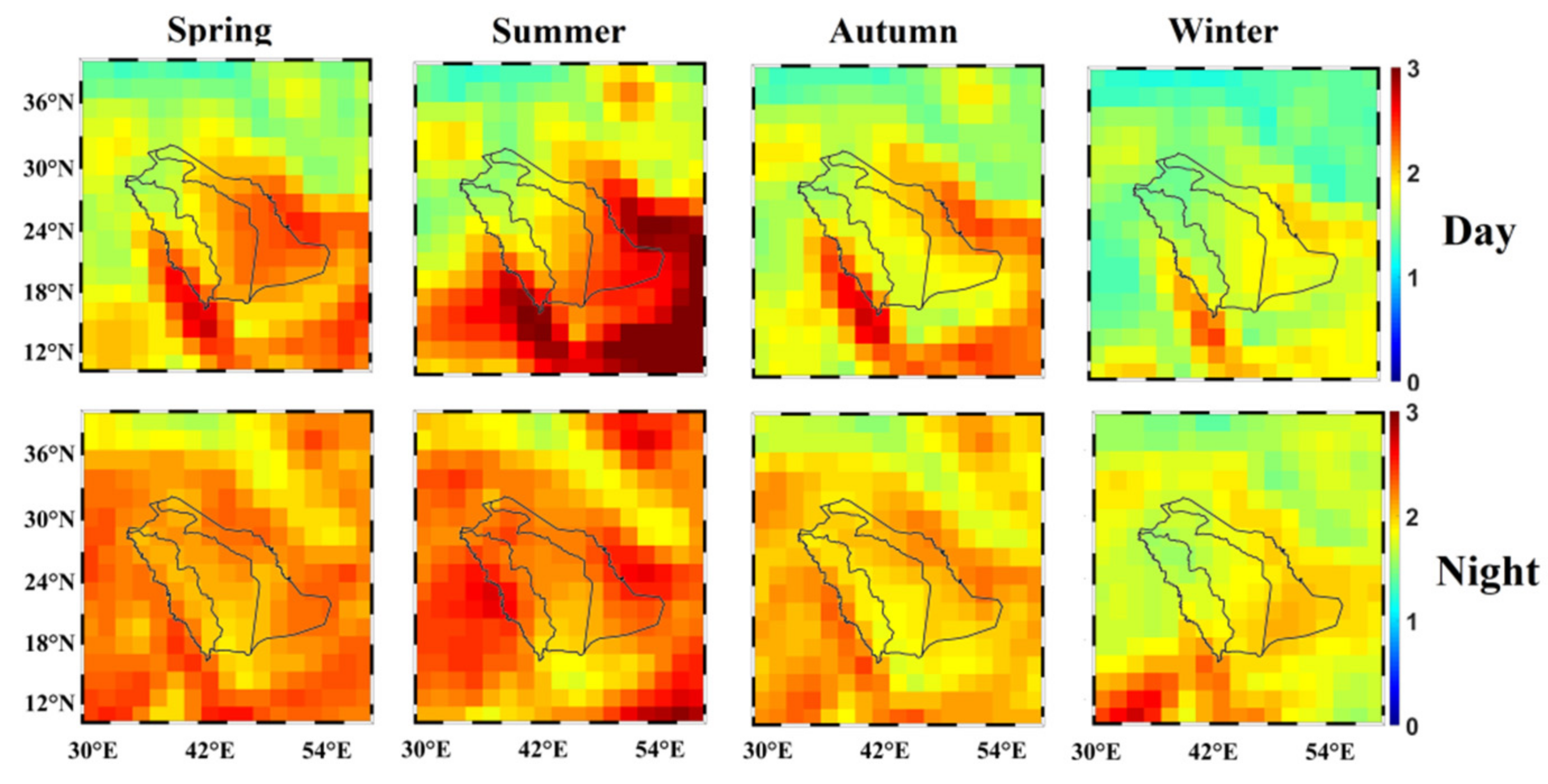
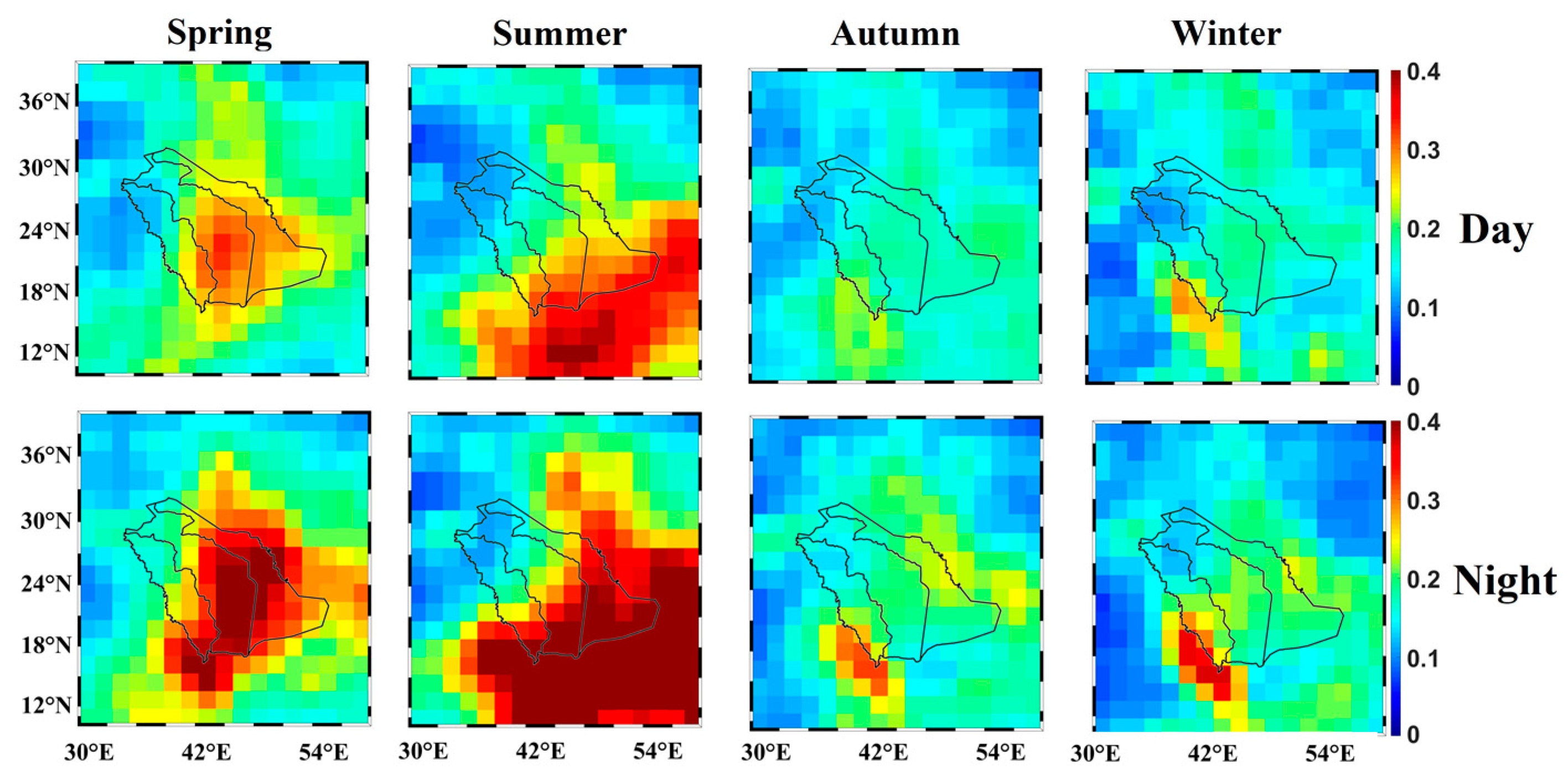
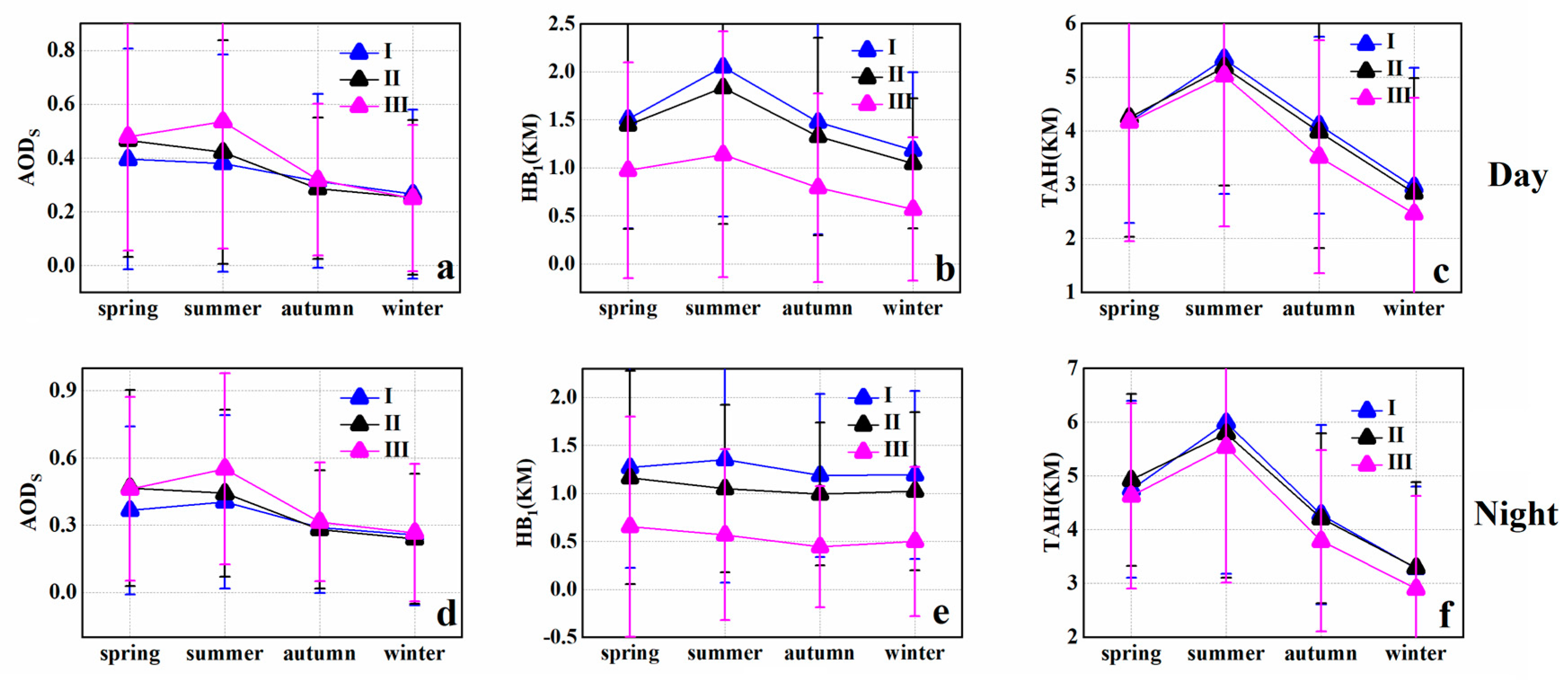
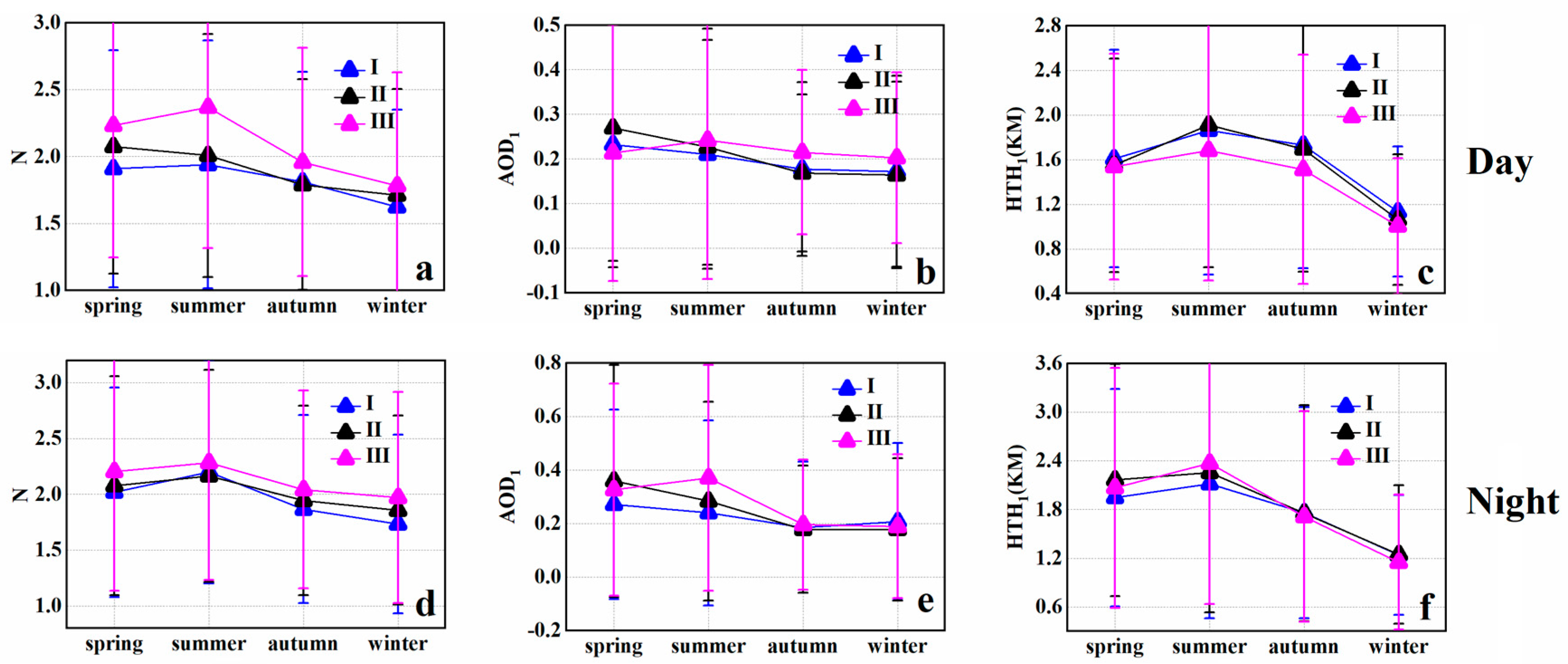
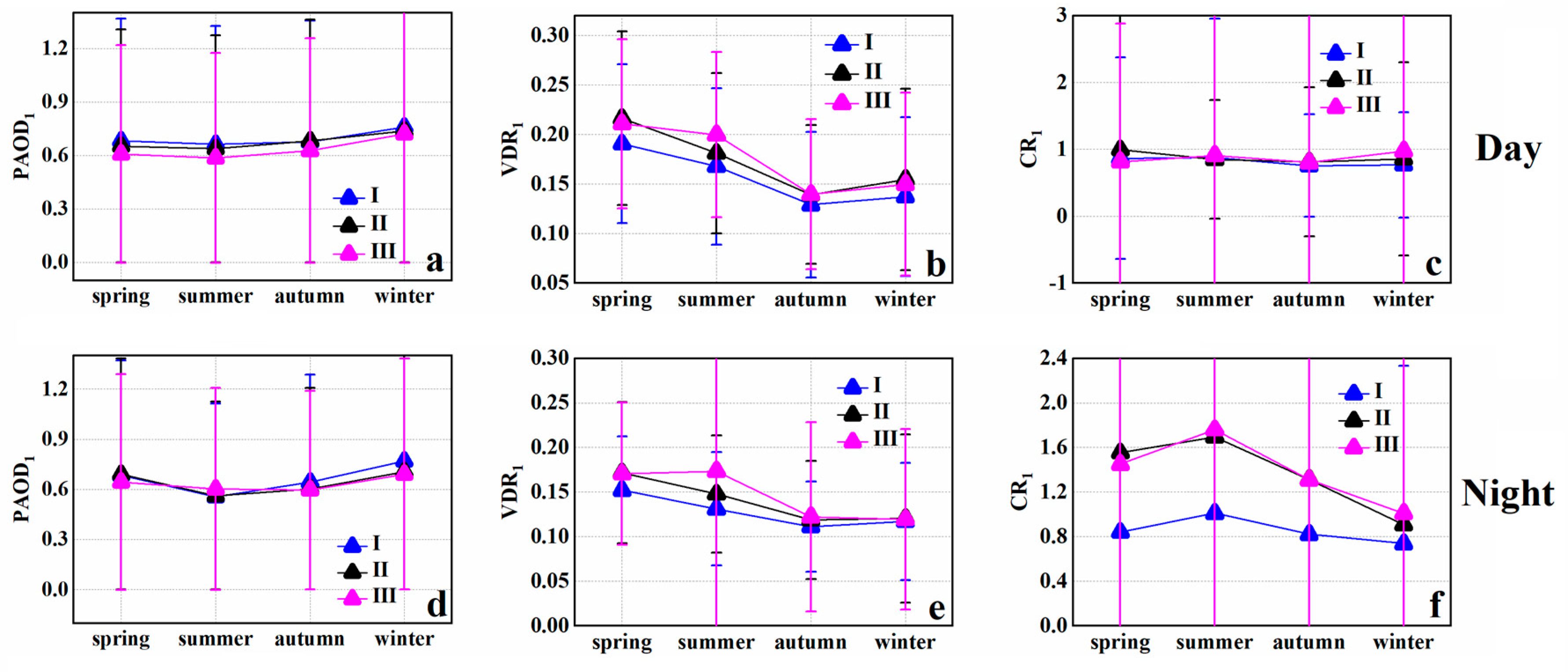
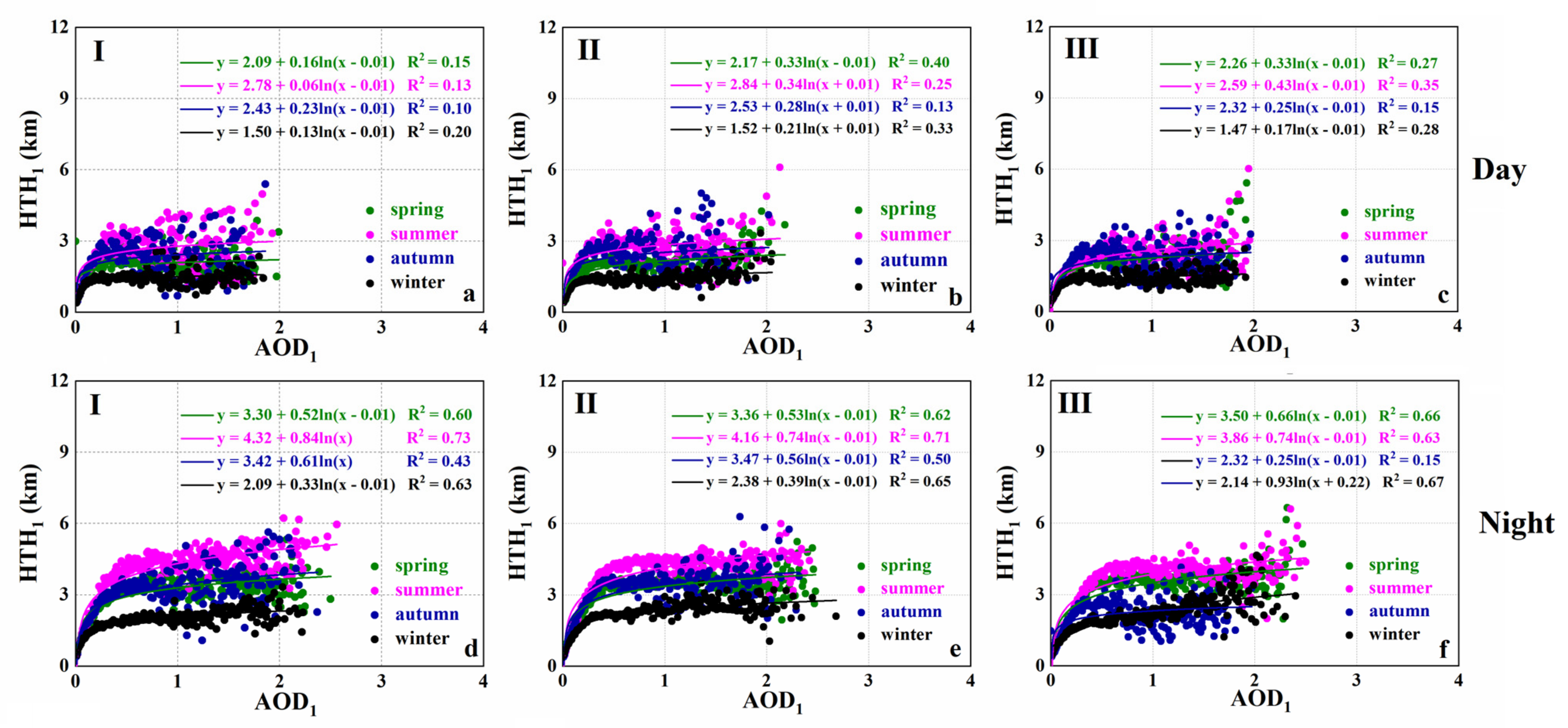
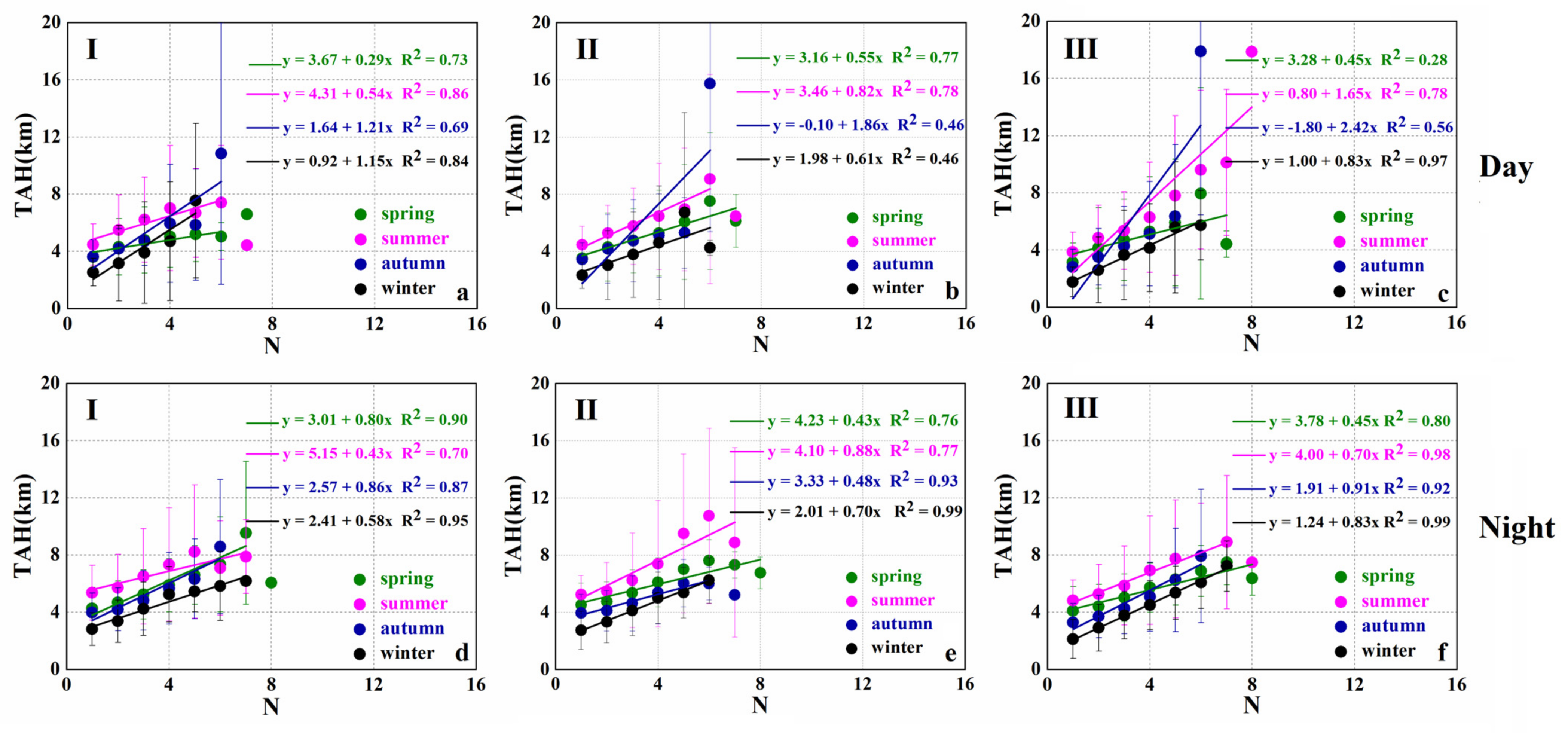
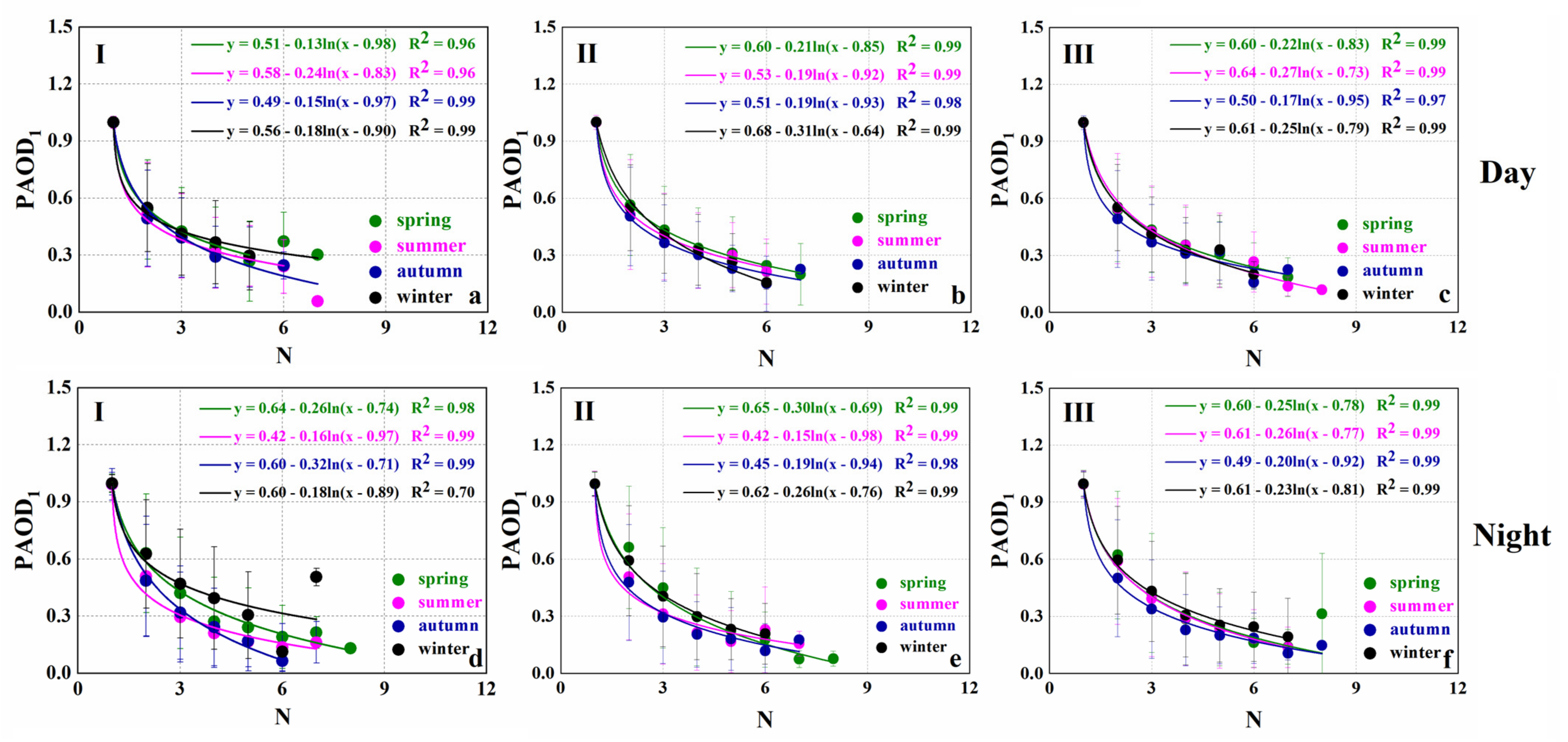
The optical characteristics of vertically distributed aerosols over Saudi Arabia were investigated using the Cloud-Aerosol Lidar and Infrared Pathfinder Satellite Observation (CALIPSO) data from 2007 to 2019. The study region was divided into three parts (Region I: Tabuk, Makkah, Al Madinah, Asir, Al Bahah, Jizan, Riyadh, Mecca, Medina, the eastern region, Kassim, Hale, Asir, Baha, Tabuk, the northern border region, Jizan, Najilan, and Jufu. Region II: Ar, Al, Ha, Al, and Najran. Region III Al Hudud ash Shamaliyah and Ash Sharqiyah) to understand regional aerosol characteristics by performing interannual and seasonal analysis for nine aerosol types during the day and nighttime. We found that the aerosol optical depth (AOD) estimates were the highest over eastern Saudi Arabia (region III) and were seemingly driven by the presence of an expansive desert in the region. As anticipated, the AOD observations were substantially higher in spring and summer than in autumn and winter owing to the frequent occurrence of dust events during the former. Daytime observations exhibited higher AOD values than those at nighttime, which might be related to higher daytime anthropogenic activities. The estimates of the base height of the lowest aerosol layer (HB1) and the top altitude of the highest aerosol layer (TAH) were altered depending on the topography (the higher the altitude, the higher the annual mean value of HB1 and TAH). The aerosol layers (N) were relatively abundant over region III, seemingly due to the relatively stronger atmospheric convection over this region. The volume depolarization ratio of the lowest aerosol layer (VDR1) was considerable during the night due to deposition at nighttime, and VDR1 was relatively substantial in spring and summer. The color ratio of the lowest aerosol layer (CR1) estimates over regions II and III was higher at night. We report a weak positive correlation between the thickness of the lowest aerosol layer (HTH1) and the AOD of the lowest aerosol layer (AOD1) in the three regions, a strong positive correlation between TAH and N, and a negative correlation between the AOD proportion of the lowest aerosol layer (PAOD1) and N in Saudi Arabia. In this paper, the optical and physical properties of aerosols in Saudi Arabia have been studied for 13 years. Our results could provide references for researchers and the government, and relevant departments with data support on the aerosol layer to help control air pollution in Saudi Arabia.
Keywords: aerosols; CALIPSO; Saudi Arabia; aerosol layers; AOD aerosols; CALIPSO; Saudi Arabia; aerosol layers; AOD