Article

Comparative Analysis of Atterberg Limits, Liquidity Index, Flow Index and Undrained Shear Strength Behavior in Binary Clay Mixtures


Department of Civil Engineering, Faculty of Engineering and Architecture, Kilis 7 Aralik University, Kilis 79000, Turkey
Appl. Sci. 2022, 12(17), 8616; https://doi.org/10.3390/app12178616
Submission received: 28 July 2022 / Revised: 22 August 2022 / Accepted: 25 August 2022 / Published: 28 August 2022
(This article belongs to the Section Civil Engineering)

Abstract

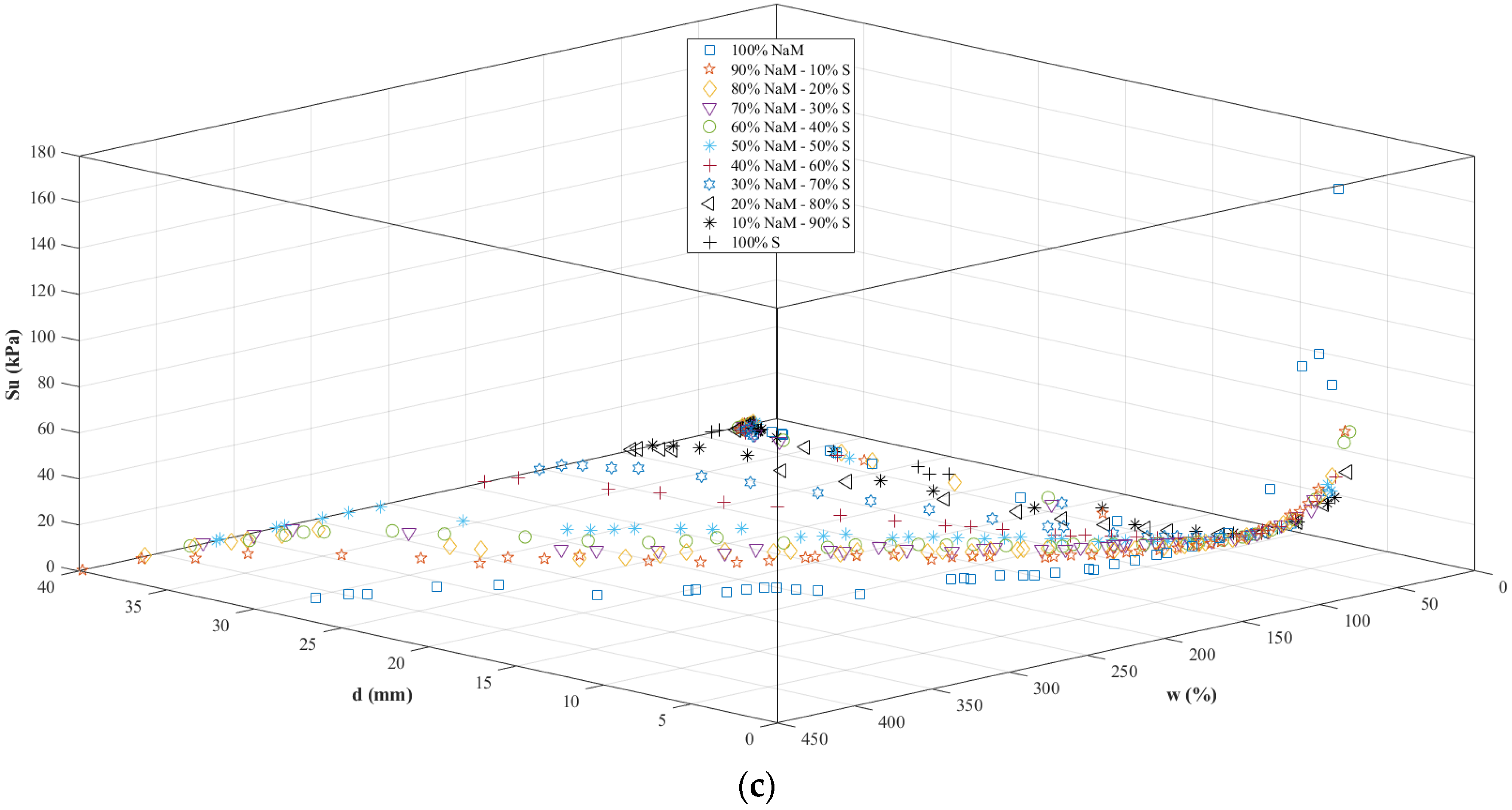
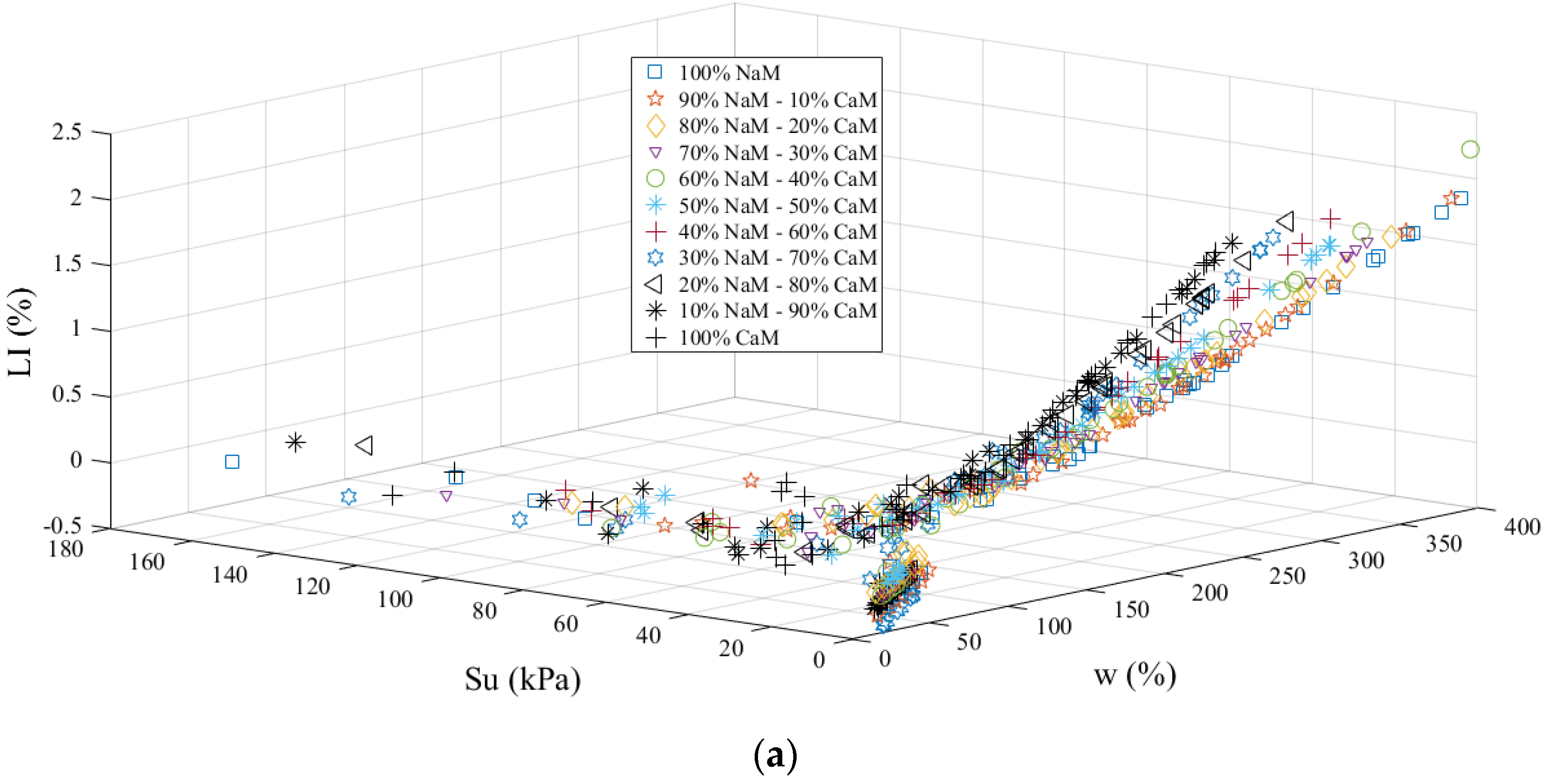
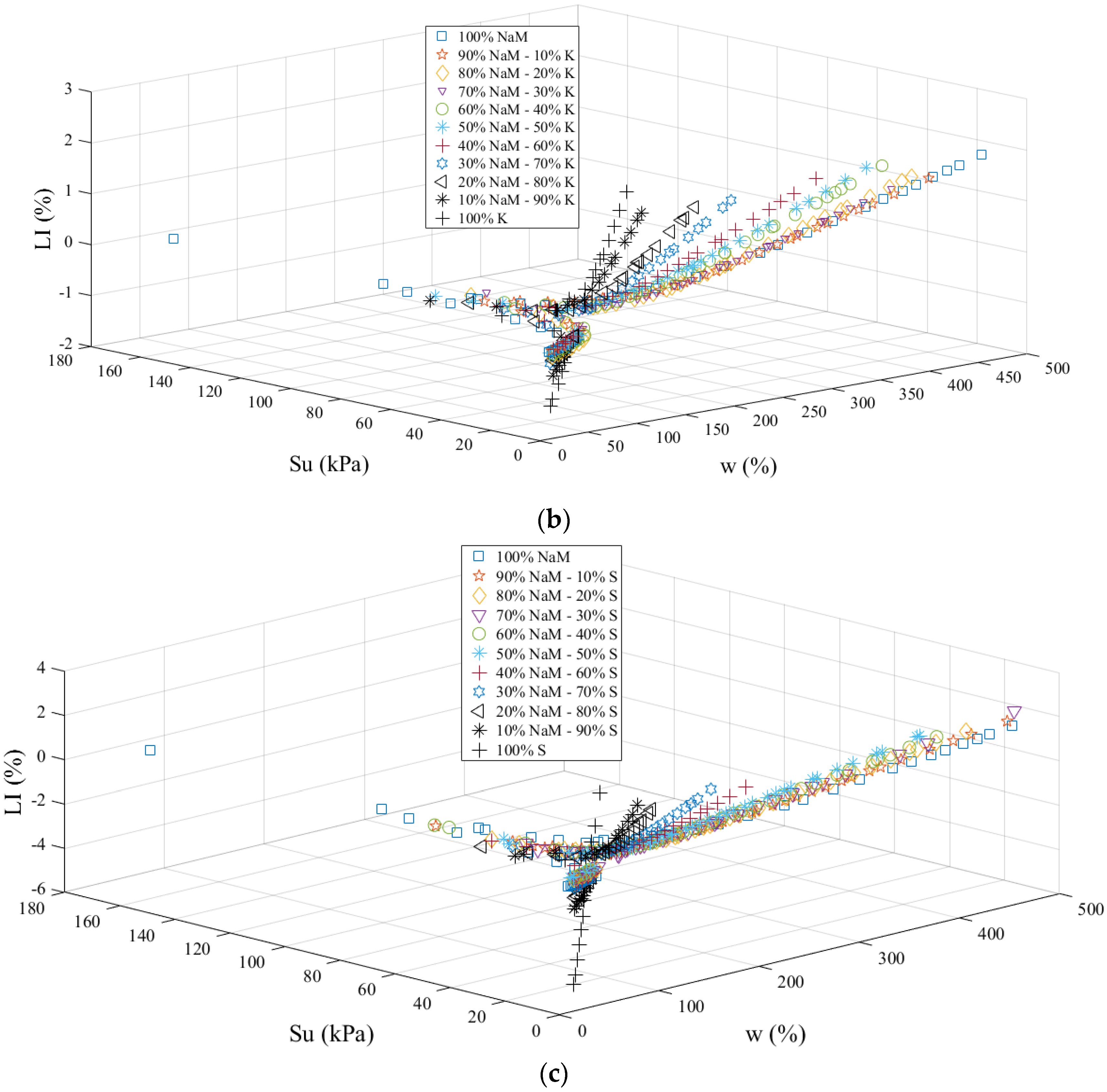
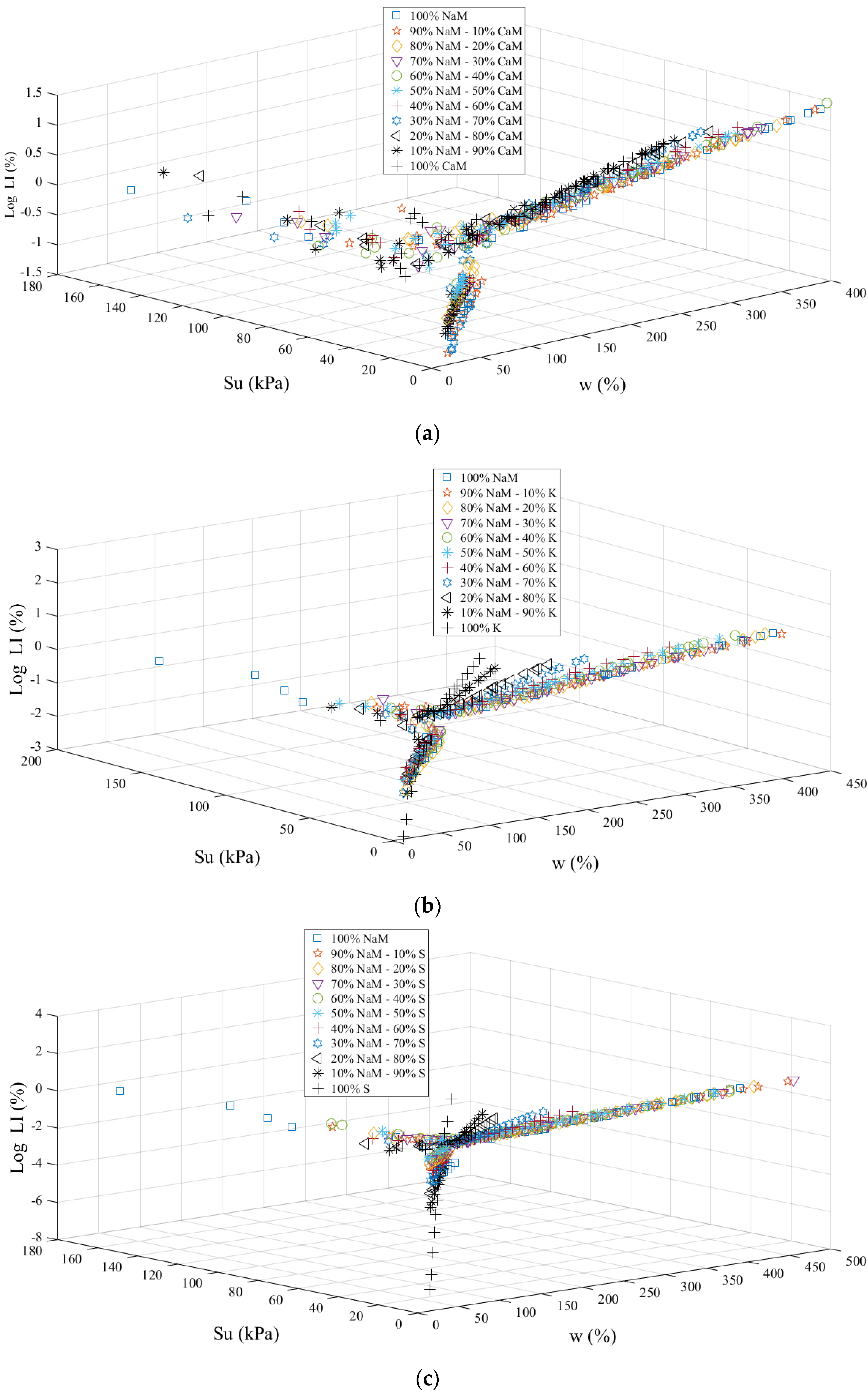
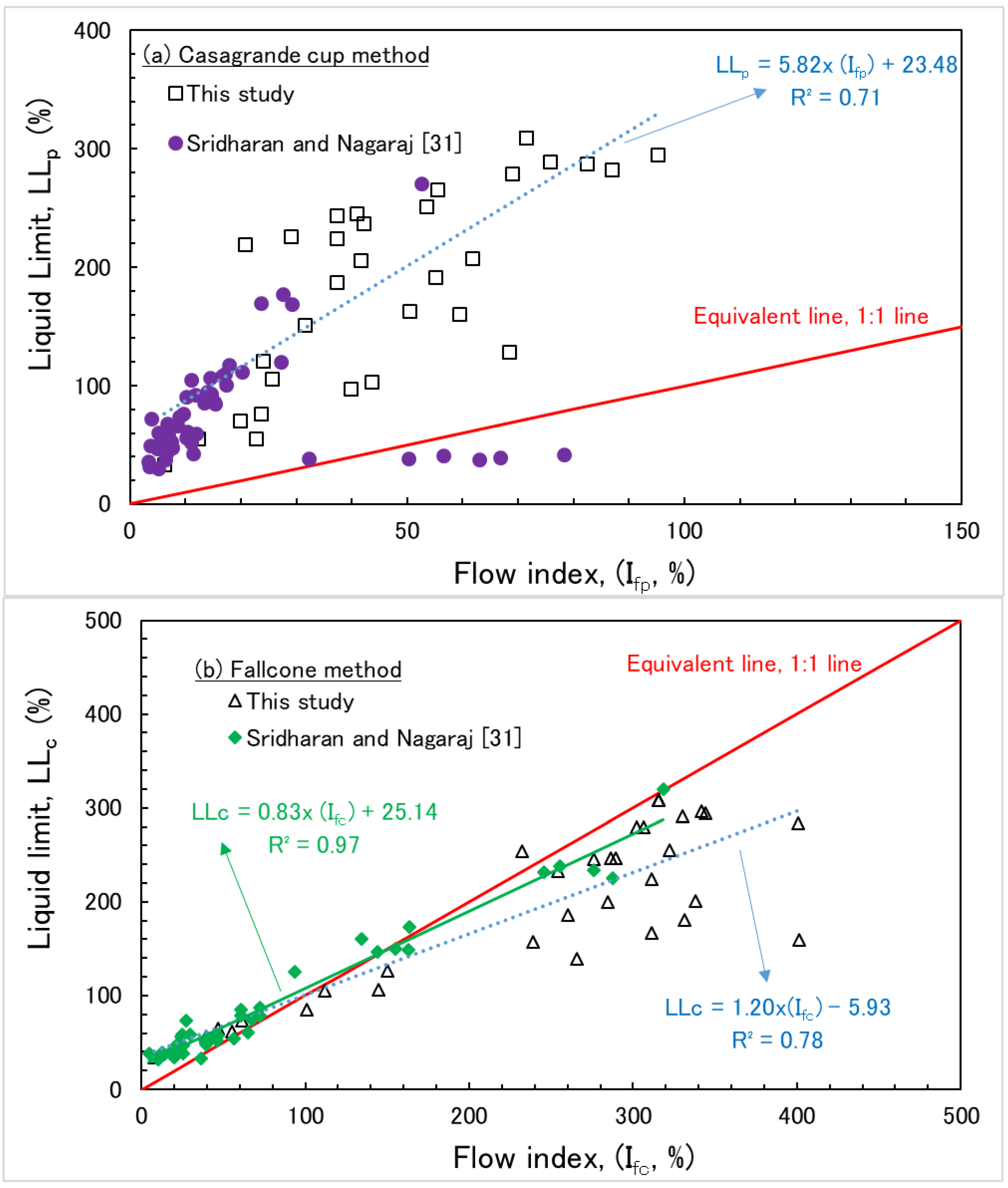
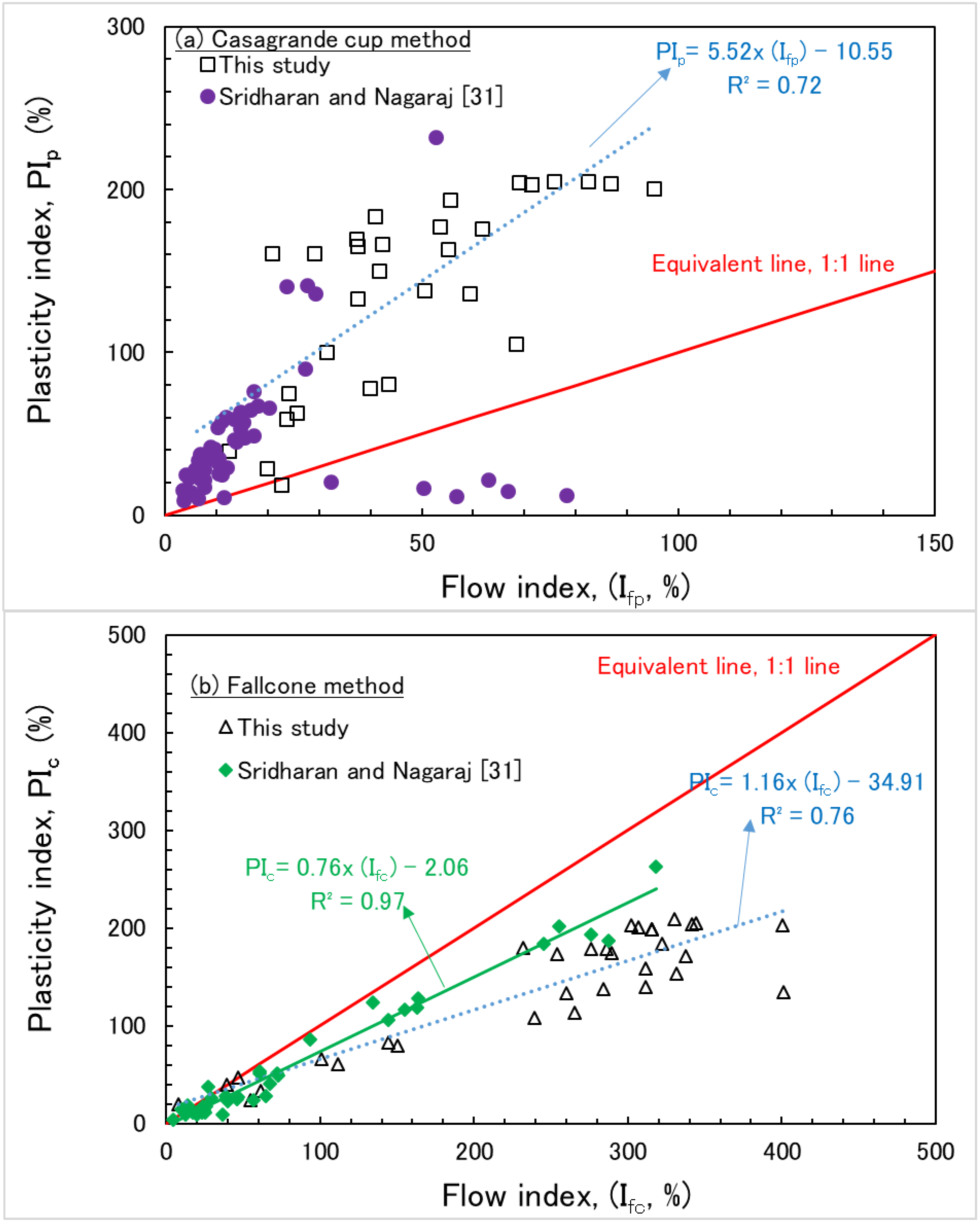
In geotechnical engineering applications, it is very important to obtain the undrained shear strength of remolded soils accurately and reliably. This study aims to obtain a trustworthy solution to determine the undrained shear strength of remolded clay mixtures using Atterberg limit test results in various states of consistency. An experimental study was carried out involving a wide range of clay mixtures of varying plasticity and geological origin. In the analyses, the variation in the undrained shear strength of remolded soil depending on the cone penetration depth, water content, flow index, liquidity index and log liquidity index was investigated. In the study, the highest undrained shear strength of 100% Na-montmorillonite (NaM) was obtained at 171.89 kPa and 56.60% water content, while the lowest undrained shear strength was obtained for 100% Sepiolite (S) at 9.28 kPa and 31.65% water content. The results of this study revealed that the shear strength is significantly affected by soil conditions, rather than dominant clay mineral. Moreover, it was observed that the undrained shear strength at the plastic limit was approximately 30–35 times greater than that at the liquid limit. Equations for liquid limit–flow index and plasticity index–flow index were proposed. It was concluded that the interdependence between undrained shear strength, liquidity index, log liquidity index and flow index is not unique due to the different physical and chemical properties of clays.
Keywords: Atterberg limits; Fall cone; Casagrande; flow index; clay mineralogy Atterberg limits; Fall cone; Casagrande; flow index; clay mineralogy