You are currently viewing a new version of our website. To view the old version click .
Applied Sciences
  • Feature Paper
  • Review
  • Open Access

16 April 2021

Autonomous Vehicles: An Analysis Both on Their Distinctiveness and the Potential Impact on Urban Transport Systems


,
,
,
and
1
Department of Civil Engineering and Architecture, University of Catania, 95123 Catania, Italy
2
Faculty of Engineering and Architecture, Kore University of Enna, 94100 Enna, Italy
*
Author to whom correspondence should be addressed.
This article belongs to the Special Issue Urban Transport Systems Efficiency, Network Planning and Safety

Abstract

Autonomous driving is a technological innovation that involves the use of Artificial Intelligence (AI) in the automotive area, representing the future of transport and whose applications will influence the concept of driving and many other features of modern society. Indeed, the introduction of Autonomous Vehicles (AVs) on the market, along with the development of related technologies, will have a potential impact not only on the automotive industry but also on urban transport systems. New mobility-related businesses will emerge, whereas existing ones will have to adapt to changes. There are various aspects that affect urban transport systems: in this work, we highlight how road markings, intersections, and pavement design upgradings have a key role for AVs operation. This work aims to describe how contemporary society will be influenced by Autonomous Vehicles’ spread in regard to urban transport systems. A comprehensive analysis of the expected developments within urban transport systems is hereby presented, and some crucial issues concerning benefits and drawbacks are also discussed. From our studies, it emerges that the detection performed by vehicles is mainly affected by road markings characteristics, especially at intersections. Indeed, the need for a new cross-sections type arise, since vehicles wandering phenomena will be reduced due to AVs position-keeping systems.

1. Introduction

In modern era, safety aspects have gained considerable importance within the transportation industry. As a consequence of significantly increasing traffic volumes and in association with the growing popularity of mass transportation, in recent years, the number of vehicle accidents has increased leading to greater consequences on people’s quality of life but also having an effect on government financial expenses.
In 2016, The World Health Organization estimated that the number of deaths related to road accidents was over 3.400 per day, with associated cost having an impact of nearly the 3% on the World’s Gross Domestic Product. One of the most recent solutions to ease and improve traffic operations is the introduction of Autonomous Vehicles (AVs), which consists of special vehicles operated automatically by electronic systems designed to achieve high-performance levels with superior accuracy, greater than human capabilities.
A reduction in the number of accidents and related financial losses is expected as traffic becomes regulated by electronic devices and computer algorithms, reducing the probability of accidents caused by human mistakes. In this sense, an example of a commonly adopted device is the Adaptive Cruise Control (ACC), a driving assistant system that allows the driver to automatically cruise its vehicle according to the preceding user’s behavior. Cooperation between AVs leads to interconnected systems called “Connected and Automated Vehicles technology” (CAVs) [1].
In recent years, several car manufacturers such as Tesla and Audi have launched on the market autonomous vehicles for private use. A significant spread can also be noted within the public transport sector, with the more frequent employment of autonomous minibuses with a maximum capacity of 15 passengers, mostly powered by electric engines; for example, Navya or Easymile are some of the companies providing autonomous shuttles for various environments such as parks, universities, hospitals, and airports (these types of shuttles operate with a maximum speed of 25 km/h and with a maximum slope of 12%. Speaking of safety, middle- and low-income countries should deserve a particular focus. Indeed, it has been noted that they are more susceptible to road accidents with all the related consequences, possibly due to the reduced availability of advanced technological devices for roads and vehicles. These countries represent 84% of the global population and, despite the low number of registered vehicles, 92% of road accidents have fatal consequences [2].
Eventually, this work presents an analysis of AVs’ effects on urban transport systems. An overview about AVs’ peculiarities is reported in Section 2, introducing the typical hardware, some autonomous driving classification, and typical operational tools and discussing also the expectations in terms of economic impact. As AVs spread into common use, many arising problems must be solved in order to improve transport safety; Section 3 describes the state of the art presenting some of the principal AV benefits and drawbacks, highlighting how the urban transport system could receive potential feedbacks in terms of emissions, leading to positive effects on public health also considering the recent COVID-19 pandemic. Although AVs are equipped with several high-level sensors, both current urban transport systems and road infrastructure demand upgrades to guarantee an efficienct use and safe journeys. In this sense, Section 4 and analyze several AV critical issues, two of which influence both infrastructure design and operation phases. Finally, Section 5 and Section 6 summarize and discuss all the treated topics, suggesting observations and proposing new ideas about the spread of AVs into urban transport systems.

2. Background

The introduction of AVs within the transport industry has become gradually effective with time, with an acceleration in the last decade. Their operations are affected by several factors, depending mainly on elements such as type of installed devices, scenarios, and country legislations; since these aspects affect the specific level of autonomy of vehicles, they heavily influence the spread of AVs.
Depending on tools and vehicles equipment and according to the classification provided by SAE (Society of Automotive Engineers), it is possible to divide autonomous vehicles into two classes, each characterized by six levels of automation: the first class, equipped with ADS (Automated Driving Systems) which offers autonomous vehicle performances, and the latter equipped with tools for driver assistance only. Eventually, ADS sensors and the aforementioned tools allow vehicles to establish a V2I, V2V, and V2X communication that enables environment detection and, consequently, autonomous driving maneuvers. In addition to these technological systems, autonomous vehicles are equipped with LiDAR, GPS, cameras, and sensors whose performances have recently achieved high standards. In any case, autonomous vehicles still require an operational environment that facilitates the detection phases.
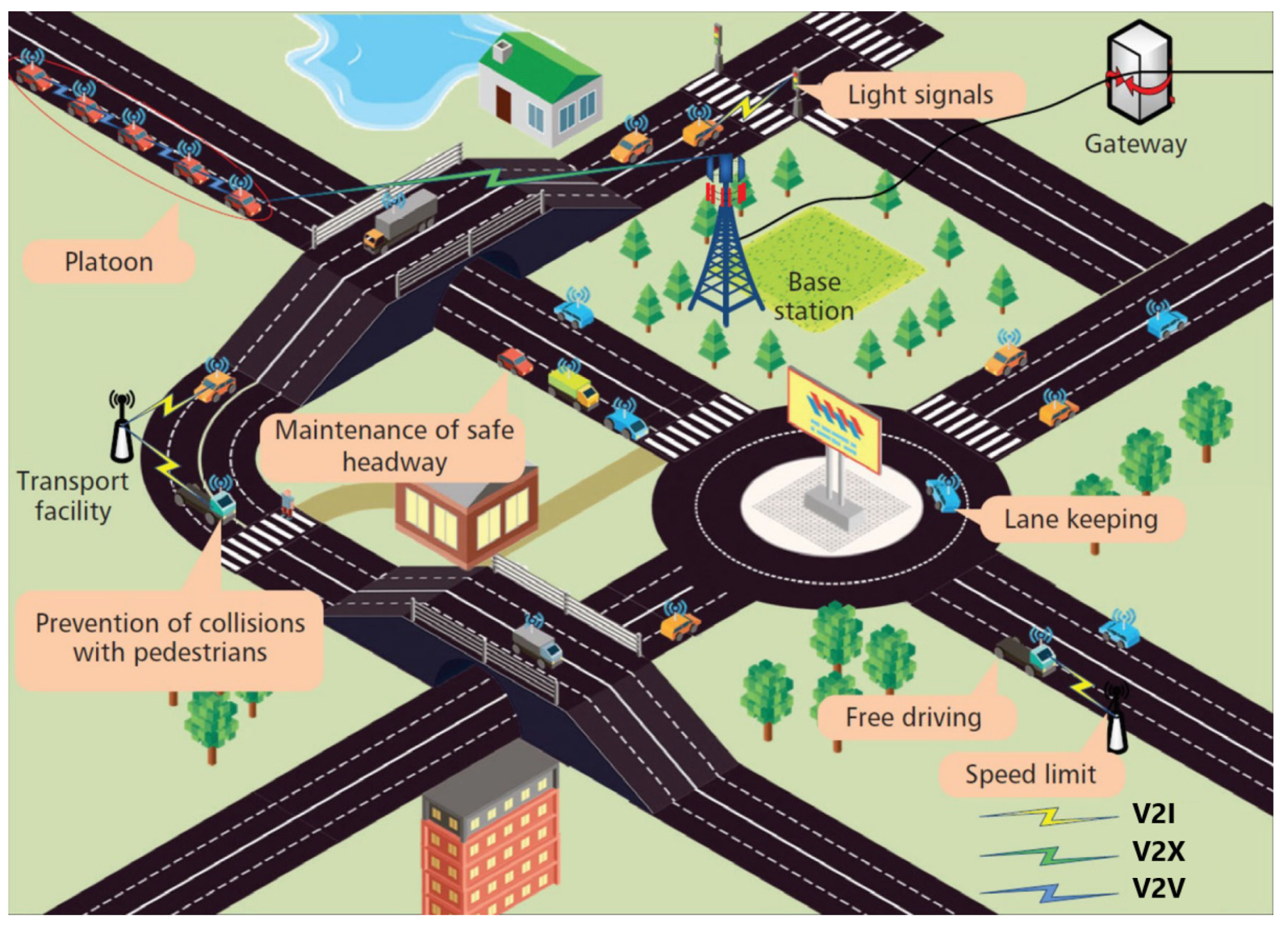
For these reasons, any environment where autonomous vehicles are expected to operate must establish an information exchange activity through specific devices within the ITS (Intelligent Transport System) identified as RSU (Road Side Units). Such tools communicate with AVs so that a single vehicle can be informed about a specific roadway stretch, to perform all the appropriate interventions. Moreover, communication involves the monitoring of traffic and pavement conditions, and this system is identified as SRE (Smart Road Environment) [3]. In Figure 1, it is possible to recognize an example of how an SRE can cooperate with AVs.
Figure 1. Example of potential SRE scenario with AVs [4].
A more accurate analysis of the advantages brought by AVs can be appreciated when making a distinction among vehicle service types; vehicles are generally classified according to their load capacity, or whether they operate for public or private service. AVs’ availability for private use would significantly improve urban traffic in terms of traffic management (congestion phenomena reduction) and safety, as a consequence of the high degree of precision of AVs maneuvers. Consequently, mass transit and public transport service [5,6] would increase their capacity and frequency due to the possibility of reducing the headway between mass transit AVs, as they would be able to brake promptly thanks to the high number of electronic sensors. Nowadays, several AVs are already in use for public service; similarly, AVs for private use are already on the market, although mainly of level-3 type within the SAE classification. Speaking of public transport, AVs have been introduced through the adoption of electrical minibuses with a maximum capacity of 20 passengers. Their main operational scenarios are airports, parks, and hospitals, just to name a few; generally, their maximum speed can reach 25 km/h [7]. The main real obstacle potentially slowing down the AV spread is of financial nature, as these vehicles are generally expensive for the common buyer; the minimum cost for manufacturing a single AV ranges in fact between EUR 6500 and 200,000. On the other side, AVs with their high precision performances lead to a reduction of car accidents, meaning reduced insurance fees and lower accident-related expenses [8,9].
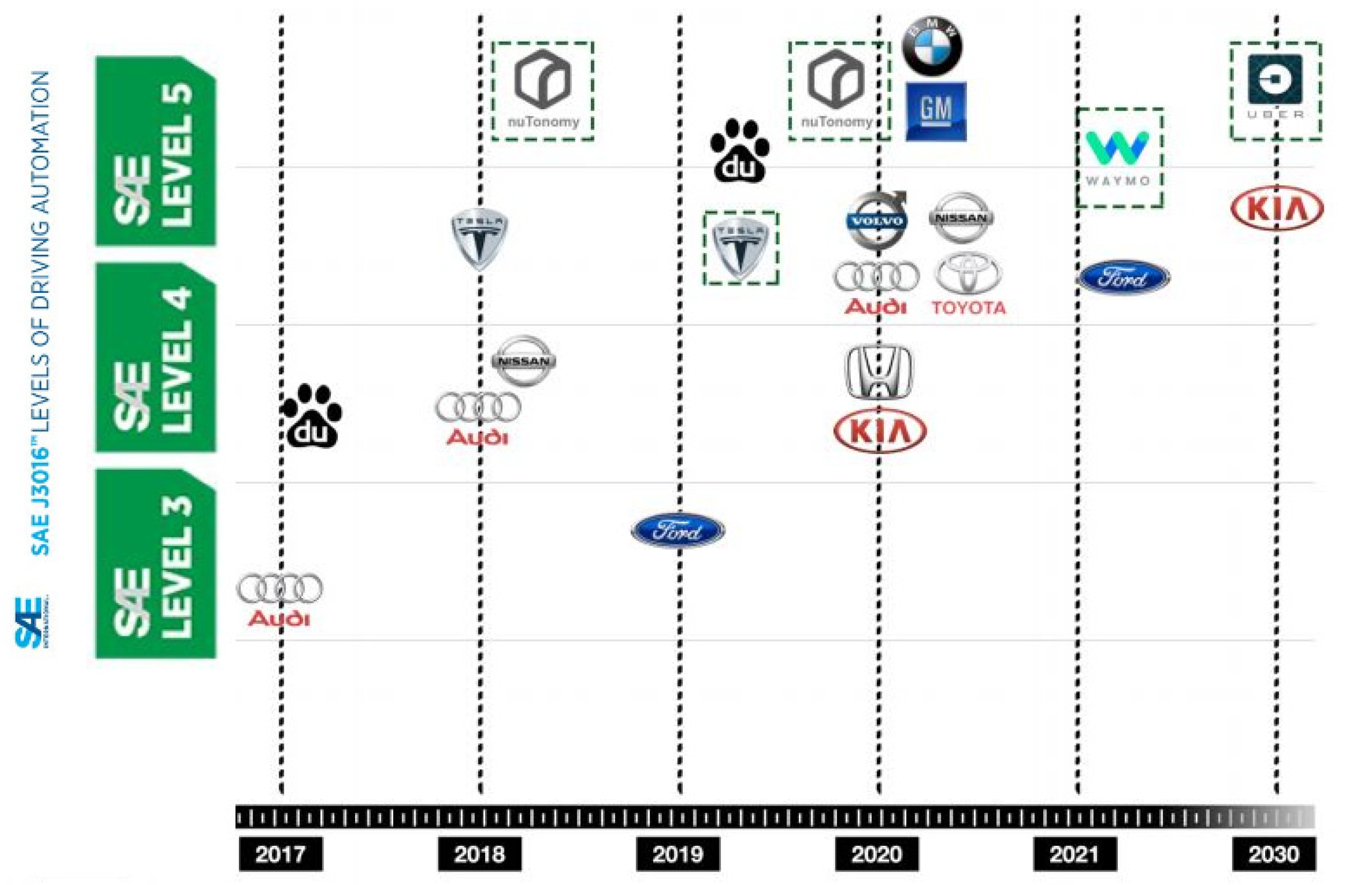
Autonomous vehicles represent a new business in which several automotive manufacturers and transport companies are already focusing. Figure 2 shows some of the brands that have already begun investing funds in AVs, and that are expected to strongly influence the market by 2030 [10].
Figure 2. Evolution and expectations about automotive companies AVs market [10].

3. State of Art: An Overview on Safety for AVs (Risks, Drawbacks, and Benefits)

The current scientific literature on safety for AVs covers diverse technical aspects, spanning from the electronic and software progress to the interaction with other vehicles and surrounding infrastructure. The range of AV-related risks is quite broad, considering the heterogeneity of the transportation industry and how it can affect people lives in many different ways: from political decisions and governances to technology investments, from safety-related costs to user behavioral models, and from the effects on financial markets to the environmental impact, to mention a few. Through efficient risk management actions, risk reduction and mitigation should be attained in order to improve the AV technology and make it widespread to the public, primarily accepted by mass and everyday use.
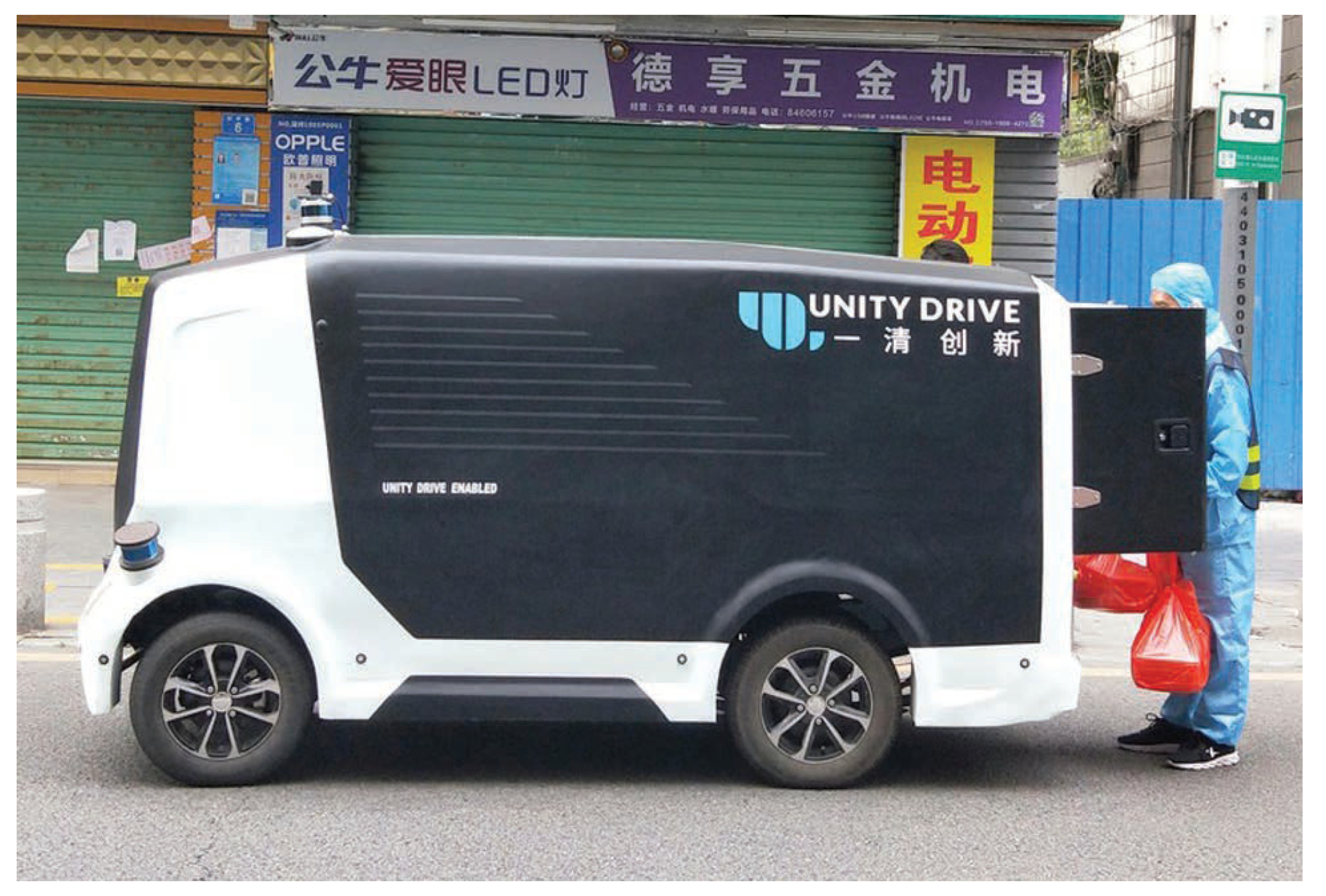
Even if not strictly related to AVs’ mechanical design and dynamics, a risk recently coming under the spotlight is that of health, with a particular reference to COVID-19 and by extension to other sanitary hazards. AV sharing can potentially constitute a carrier of diseases; therefore, proper measures must be identified and implemented to reduce this risk. In the case of Coronavirus, for shared and public vehicles which are used by different users, the infection can be spread mainly by contact with infected surfaces and through airborne droplets. Hence, adequate sanitation systems should be developed and implemented to allow safe sharing conditions, and to increase the sense of trust and safety perception towards shared vehicles; in fact, users might be less enticed to use shared vehicles for fear of diseases. On the other side, it is interesting to note that since AVs can be operated automatically to transport goods and carry out deliveries without the need to employ human drivers (i.e., drones) [11], the risk of transmitting diseases gets potentially reduced, as the interaction between consignees and the driver is basically absent (should they be appropriately designed to minimize contact between the various consignees); AVs are therefore useful also for delivering sanitary goods such as vaccines or bio-hazard materials during pandemics [12]. Moreover, implementing strategies and devices to monitor passengers’ health status on shared AVs can help with controlling and monitoring the spread of diseases over a specific area. In this sense, there is potential for new related ideas for further research studies in the upcoming years. Figure 3 shows the Hercules logistic Autonomous Vehicle used during the COVID-19 pandemic to deliver food and medical supplies.
Figure 3. Hercules logistic AV used during COVID-19 pandemic to deliver goods [12].
In terms of governance, governments and agencies can adopt various strategies to manage AVs related risks depending on their visions and desired outcomes. In this type of approach, risks mainly refer to road accidents and their consequences, typically having significant impacts on people’s life quality (principally physical injuries and deaths) and costs impacting national health systems and transport infrastructure. The way governments decide to intervene to manage traffic and, specifically, to regulate AV will affect how transportation systems respond in terms of safety. Examples of strategies typically vary from a no-response approach to implementing control interventions [13,14]. The adoption and spread of AVs impact the surrounding environment and territory, both urbanized and countryside, by affecting transport dynamics and user behaviors [15] such as commuting or logistics. All of these aspects reflect the way transport infrastructure is thought and built [16]. In addition, the application of AVs to public transport systems could further incentivize their use rather than smaller vehicles with lower capacity (i.e., cars) [17].
Applying these concepts to road design leads to a change in the typical paradigms of the road infrastructure design, considering, for example, all the work necessary for the implementation of those roadside electronic devices that communicate with AVs (i.e., cameras, pavement sensors, and electronic booths). All these elements must be taken into account in urban and land use planning, as they can affect parameters such as urban density, land use, impact on the environment, used materials, and emissions, to name a few. Table 1 lists some of the possible governance strategies adopted to manage AV-related risks on the transport network.
Table 1. A brief description of several strategic approaches [17].
Electronic and Information-Technology (IT) applied to AVs also constitute a potential risk in terms of safety. Automatic vehicles adopt electronic platforms and computer processors (Hardware, or H/W), along with dedicated software programs and specific code lines (Software, or S/W). Like any other technological device, these systems are subject to malfunction or failure risks, with possible consequences to the entire surrounding environment. In case of the automated systems’ failure, an up-to-date backup plan managed by human beings should always be available and ready to be put into action, involving trained staff (traffic managers and constables, to name a few). In addition, additional issues may appear due to the potentially inaccurate interaction between computerized and non-computerized elements, such as pedestrians or bicycles, as the surrounding context of an AV is often unpredictable [18]. For instance, some recent studies have focused on AVs’ interaction with ramp metering [19]. AV models are based on mathematical algorithms that can be translated into software [20], and dedicated studies have been developed over the last decades. Different models bear different pros and cons and should be examined singularly. Another issue concerns security, as IT systems can potentially get hacked and hijacked [21]. An adequate level of cyber-security is, therefore, necessary [22]. Since AVs work with automated systems, a well-calibrated model should guarantee precise and optimized vehicle flows, leading to improved travel times, lower traffic congestion, reduced levels of pollution, and higher safety standards. As an example, Table 2 shows how applying fitting algorithms to AVs’ interaction with ramp metering can lead to improved Levels of Service (LOS), lower levels of fuel consumption (g/kg of fuel) and emissions (grams) in the road network [23]. Acronyms reported in Table 2 are Carbon Monoxide (CO), Volatile Organic Compounds (VOC), Nitrogen Oxides (NOx), referring to the quantity of Vehicles (VEH).
Table 2. Improvement of LOS, fuel consumption, and emissions with the application of specific algorithms [23].

5. Discussion

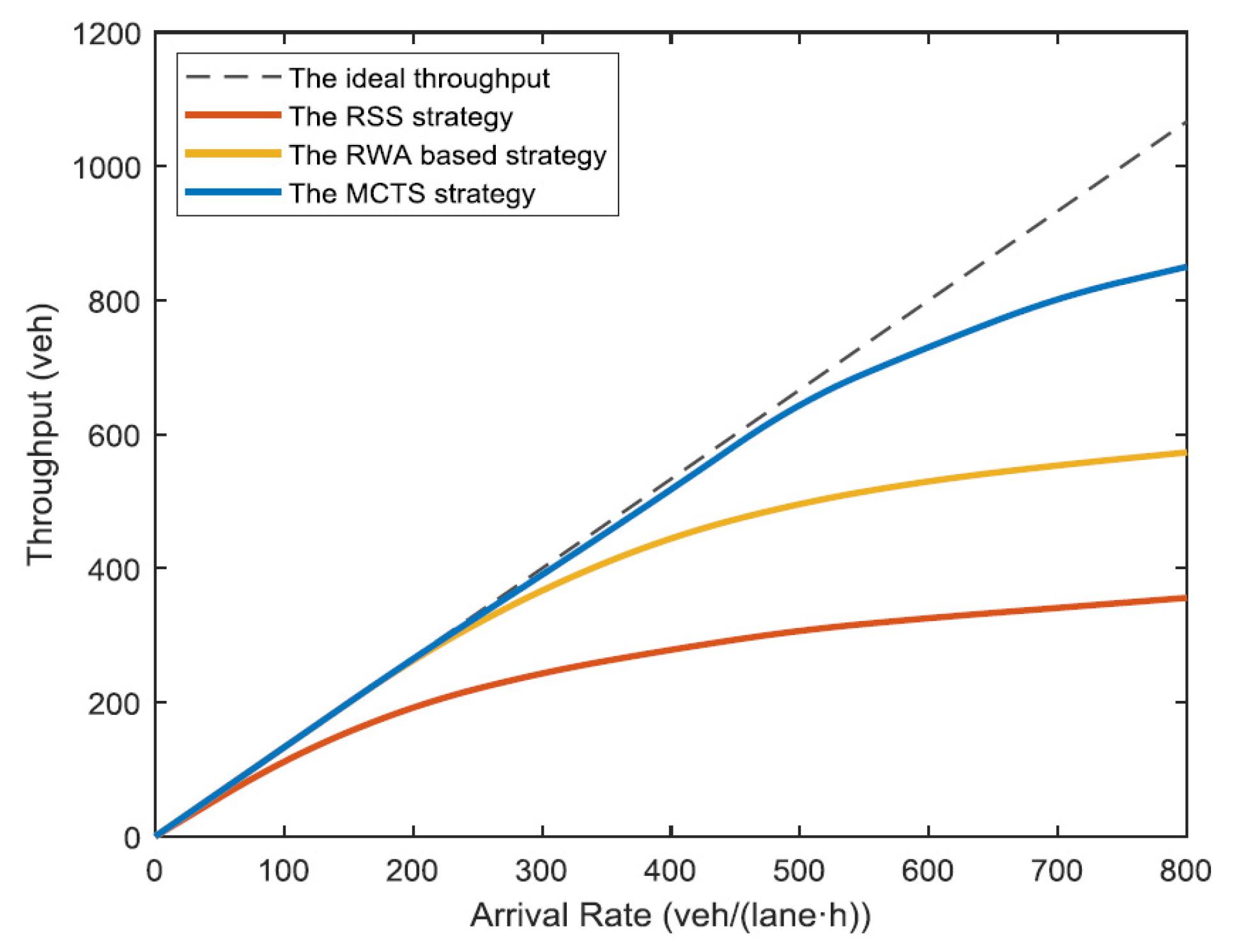
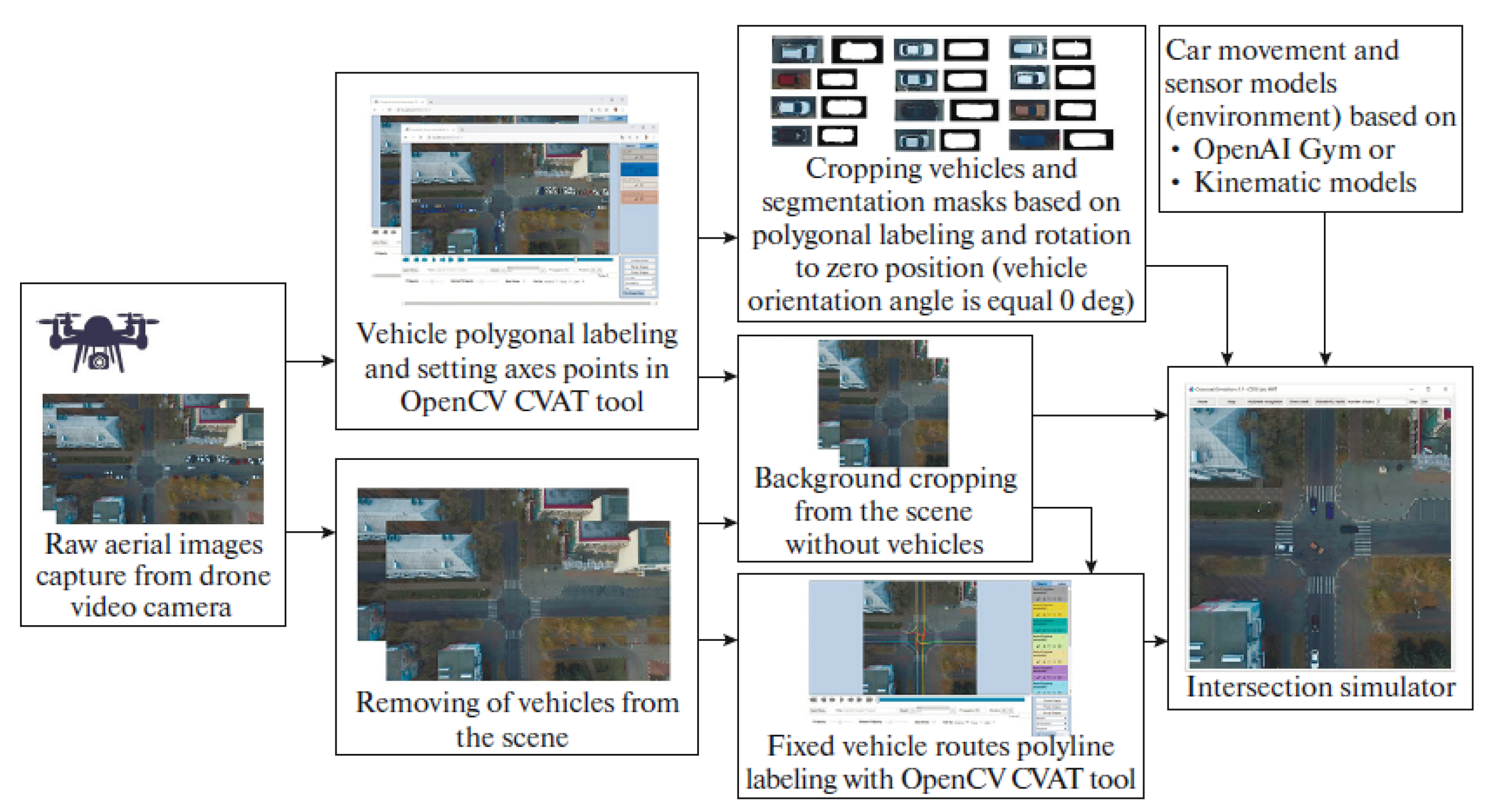
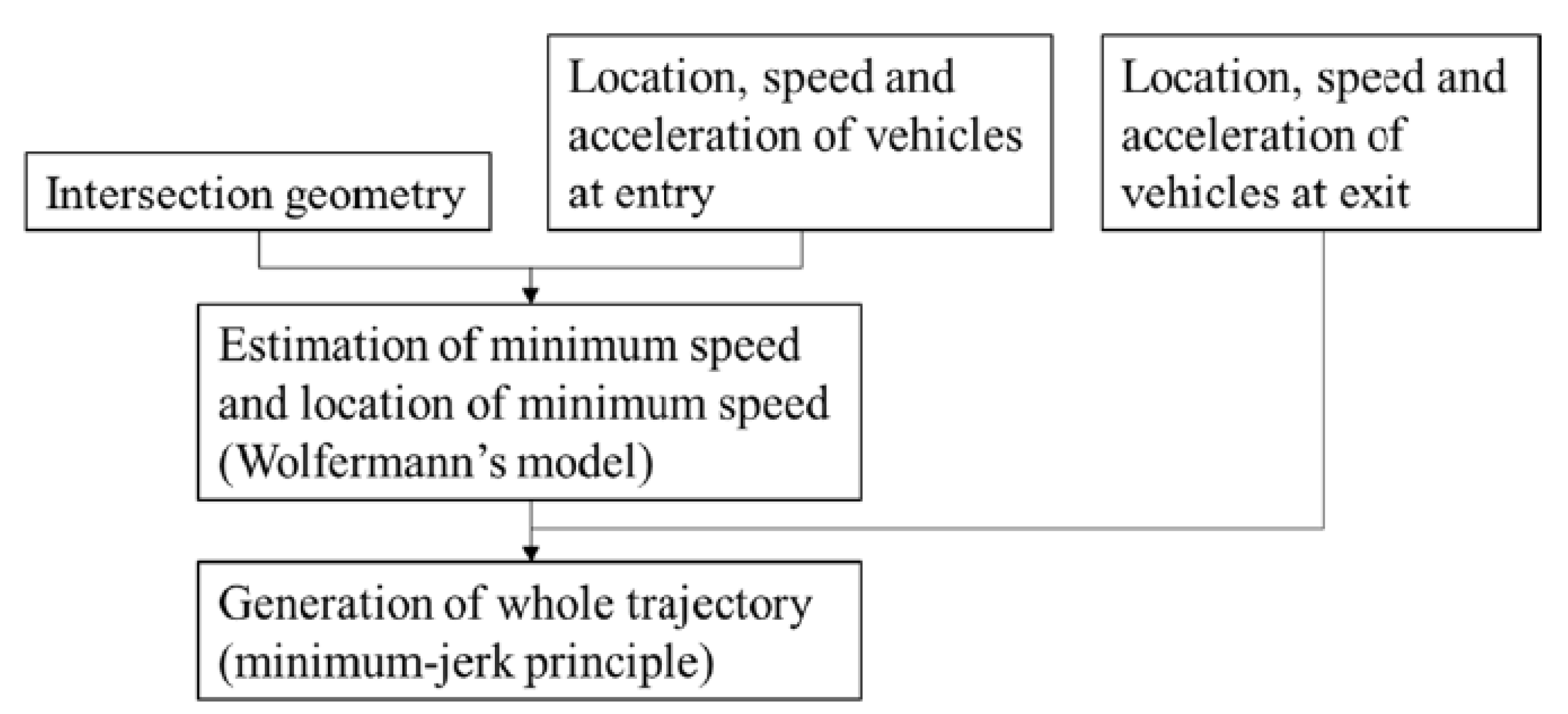
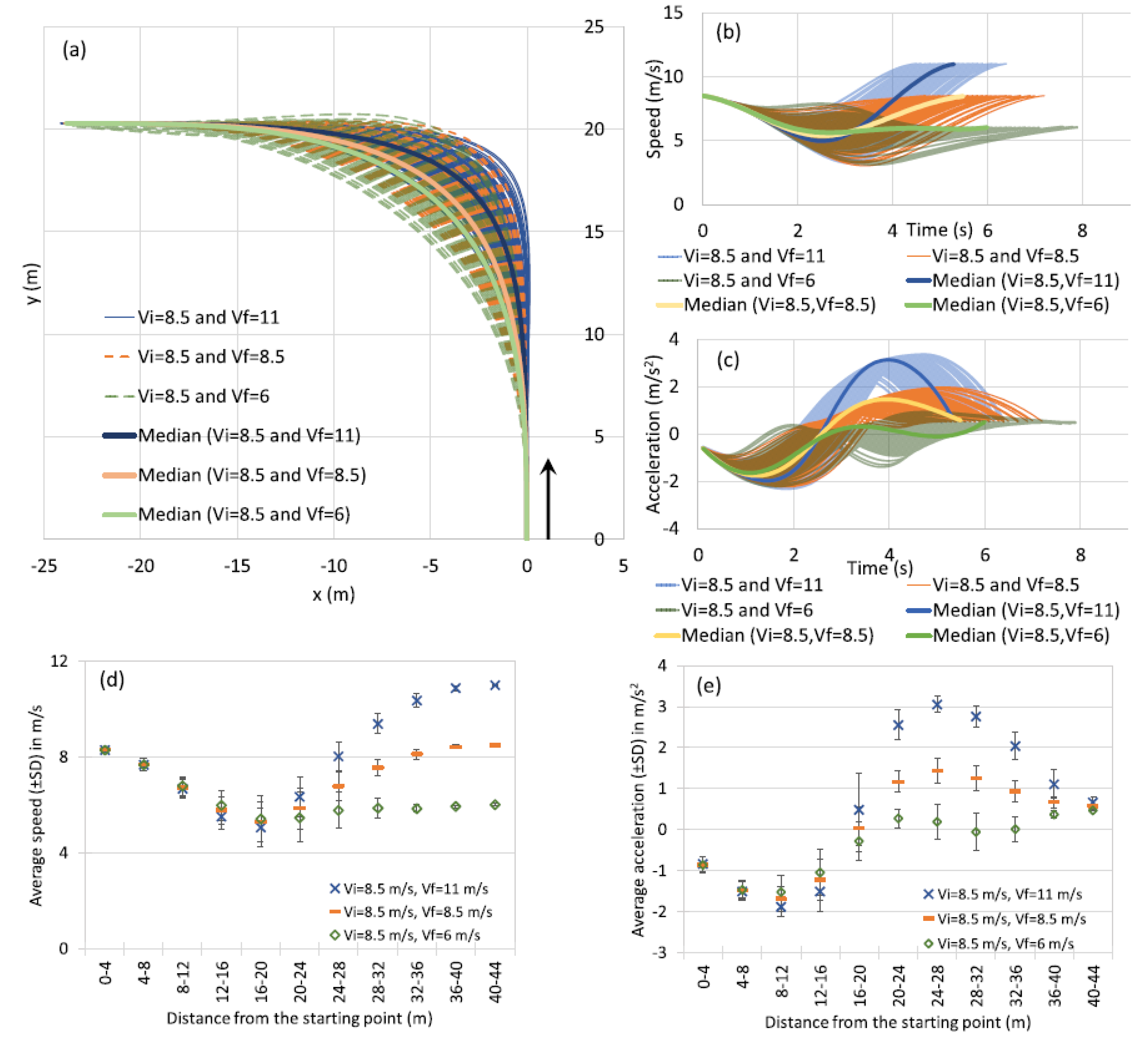
AVs are a relatively recent technology, developed and spread over the last decades and now becoming more common in daily life, thanks to technology’s progress, particularly in the IT field. The most recent AV technology exploits mathematical algorithms converted into software codes to regulate automated traffic and maneuvers undertaken at road intersections [47]. Neural networks have been implemented for this purpose too. One of the main challenges, in this sense, consists of the accuracy levels achieved when replicating the analysis scenario, as it can be characterized by a multitude of different variables that cannot always be translated into computerized models (for instance, trying to predict pedestrian traffic trajectories). Accuracy also depends on the type of algorithm used for the scenario. The best results are achieved the more the algorithm fits the objective case. Calibration plays another critical role in this sense. General considerations for some of the AV algorithms have been introduced in this article, explicitly concerning automated intersections. AVs technology offers ongoing opportunities for upgrades and improvements. Therefore, the goal to replicate real-life models and random interactions with decent accuracy still constitutes a significant challenge for multidisciplinary research studies. Regarding road intersections, one of the most common approaches considers the interaction between vehicles, both autonomous and unmanned, and special devices installed at the intersection to detect and interact with traffic, optimizing velocities and space between vehicles in order to achieve the best and most certain traffic conditions.
AVs bring many benefits to several areas, considering the improvement in road safety, reduction of emissions, and travel time optimization, to name a few. Additional benefits concern health as these vehicles deliver sensitive goods without exposing any driver to them (for instance, delivering hazardous substances to hospitals). Current scientific literature already shows the benefits introduced by AVs, improving day by day research progresses with its course. An optimized traffic flow means reducing travel times and lower congestion levels, consequently reducing pollution emissions. Moreover, since maneuvers become automatized, the probability of accidents caused by human errors and misbehavior becomes lower, with clear consequences for people’s quality of life and government services costs. Although reducing some risks, AVs introduce new ones, some of which have been reported in this article, risks related to errors and malfunctioning of the automated systems, and consequent to hacking attempts. As a proposed idea, it could be interesting, for example, to make a comparative study between some of the reduced risks against the introduced ones, especially trying to assess and compare the impact of possible consequences. One of the most significant challenges would probably lie in their assessment and attempt to translate them into comparable numerical values (safety, direct and indirect costs, and emissions, to name a few) [48]. The research could also focus on improving the existing algorithms, analyzing new scenarios, deepening recent aspects such as the COVID19 and its effects on traffic automation. In any case, it is understandable how the research in AVs will be helpful in the following years and will have to proceed side by side with several different disciplines such as IT, electronics, and even medicine.

6. Conclusions

The main objective pursued by this work is to stimulate interest in Autonomous Vehicles, presenting some of the benefits that can be achieved with their implementation within road networks. Through a review of the most recent dedicated literature, this manuscript firstly introduces the basics of AVs, describing their background and evolution through time, mentioning some of the main uses (for example, the delivery of bio-hazardous substances during pandemics), what are the possible approaches adopted by governments to regulate AVs, and some among AV related risks. The interaction of AVs with automated intersections is also examined, highlighting the technical risks that arise from implementing these systems and mentioning some of the models adopted for simulations. Eventually, the impact of AV on road pavements is also assessed. Future research can focus on many AV aspects, especially regarding security and environmental impacts, considering how new risks arise as technology advances (Artificial Intelligence, new electronic sensors, etc.), together with the improvement of computer alghorithms and new studies on behavioral models.

Author Contributions

The authors contributed equally to this work. All authors have read and agreed to the published version of the manuscript.

Funding

This research received no external funding.

Institutional Review Board Statement

Not applicable.

Acknowledgments

This work was related to the D.D. 407 of 27 February 2018 AIM—Attrazionee MobilitàInternazionale, issued by the Italian Ministry of Education, University, and Researchin implementation of Action I.2 Mobilitàdei Ricercatori Asse I—PON R&I 2014–2020, taking intoaccount the written amendment procedure of the PON R&I 2014–2020, pursuant to articles 30 and 90 of Regulation (EU) 1303/2013 started on 21 February 2018, as well as the relevant implementationregulations.

Conflicts of Interest

The authors declare no conflict of interests.

References

  1. Arvin, R.; Khattak, A.J.; Kamrani, M.; Rio-Torres, J. Safety evaluation of connected and automated vehicles in mixed traffic with conventional vehicles at intersections. J. Intell. Transp. Syst. 2020, 25, 170–187. [Google Scholar] [CrossRef]
  2. Burghardt, T.E.; Mosböck, H.; Pashkevich, A.; Fiolić, M. Horizontal road markings for human and machine vision. Transp. Res. Procedia 2019, 48, 3622–3633. [Google Scholar] [CrossRef]
  3. Trubia, S.; Severino, A.; Curto, S.; Arena, F.; Pau, G. Smart Roads: An Overview of What Future Mobility Will Look Like. Infrastructures 2020, 5, 107. [Google Scholar] [CrossRef]
  4. Bagloee, S.A.; Tavana, M.; Asadi, M.; Oliver, T. Autonomous vehicles: Challenges, opportunities, and future implications for transportation policies. J. Mod. Transp. 2016, 24, 284–303. [Google Scholar] [CrossRef]
  5. Susanna, A.; Crispino, M.; Giustozzi, F.; Toraldo, E. Deterioration trends of asphalt pavement friction and roughness from medium-term surveys on major Italian roads. Int. J. Pavement Res. Technol. 2017, 10, 421–433. [Google Scholar] [CrossRef]
  6. Świderski, A.; Jóżwiak, A.; Jachimowski, R. Operational quality measures of vehicles applied for the transport services evaluation using artificial neural networks. Ekspolatacja Niezawodn. Maint. Reliab. 2018, 20, 292–299. [Google Scholar] [CrossRef]
  7. Trubia, S.; Severino, A.; Curto, S.; Arena, F.; Pau, G. On BRT Spread around the World: Analysis of Some Particular Cities. Infrastructures 2020, 5, 88. [Google Scholar] [CrossRef]
  8. Duarte, F.; Ratti, C. The Impact of Autonomous Vehicles on Cities: A Review. J. Urban Technol. 2018, 25, 3–18. [Google Scholar] [CrossRef]
  9. Bösch, P.M.; Becker, F.; Becker, H.; Axhausen, K.W. Cost-based analysis of autonomous mobility services. Transp. Policy 2017, 64, 76–91. [Google Scholar] [CrossRef]
  10. Favarò, F.M.; Nader, N.; Eurich, S.O.; Tripp, M.; Varadaraju, N. Examining accident reports involving autonomous vehicles in California. PLoS ONE 2017, 12, e0184952. [Google Scholar] [CrossRef]
  11. Tasiguano, C.; Danny, Z.; Alex, T.; Camacho, O.; Alvaro, P.; Ananganó Alvarado, G. A review of autonomous vehicle technology and its use for the COVID-19 contingency. In Artículo de Investigación. Revista Ciencia e Ingeniería; Universidad de los Andes (ULA): Merida, Venezuela, 2021; Volume 42, pp. 43–52, ISSN 1316-7081; ISSN Elect. 2244-8780. [Google Scholar]
  12. Liu, T.; Liao, Q.H.; Gan, L.; Ma, F.; Cheng, J.; Xie, X.; Wang, Z.; Chen, Y.; Zhu, Y.; Zhang, S.; et al. The Role of the Hercules Autonomous Vehicle during the COVID-19 Pandemic: An Autonomous Logistic Vehicle for Contactless Goods Transportation. IEEE Robot. Autom. Mag. 2021, 28, 48–58. [Google Scholar] [CrossRef]
  13. Li, Y.; Taeihagh, A.; De Jong, M. The Governance of Risks in Ridesharing: A Revelatory Case from Singapore. Energies 2018, 11, 1277. [Google Scholar] [CrossRef]
  14. Taeihagh, A.; Lim, H.S.M. Governing autonomous vehicles: Emerging responses for safety, liability, privacy, cybersecurity, and industry risks. Transp. Rev. 2018, 39, 103–128. [Google Scholar] [CrossRef]
  15. Sun, S.; Wong, Y.D.; Liu, X.; Rau, A. Exploration of an integrated automated public transportation system. Transp. Res. Interdiscip. Perspect. 2020, 8, 100275. [Google Scholar] [CrossRef]
  16. Mouratidis, K.; Peters, S.; van Wee, B. Transportation technologies, sharing economy, and teleactivities: Implications for built environmentand travel. Transp. Res. Part D Transp. Environ. 2021, 92, 1027. [Google Scholar] [CrossRef]
  17. Ceder, A. Urban mobility and public transport: Future perspectives and review. Int. J. Urban Sci. 2020, 1–25. [Google Scholar] [CrossRef]
  18. Riccardo Mariani, R. An Overview of Autonomous Vehicles Safety. In Proceedings of the 2018 IEEE International Reliability Physics Symposium (IRPS), Burlingame, CA, USA, 11–15 March 2018; pp. 6A.1-1–6A.1-6. [Google Scholar] [CrossRef]
  19. Trubia, S.; Curto, S.; Barberi, S.; Severino, A.; Arena, F.; Pau, G. Analysis and Evaluation of Ramp Metering: From Historical Evolution to the Application of New Algorithms and Engineering Principles. Sustainability 2021, 13, 850. [Google Scholar] [CrossRef]
  20. Arjun, P. Comparative Study of Artificial Intelligence Algorithms for Autonomous Vehicle. Int. J. Sci. Res. (IJSR) 2020, 9, 1579–1584. Available online: https://www.ijsr.net/search_index_results_paperid.php?id=ART20204360 (accessed on 16 April 2021).
  21. Khan, S.K.; Shiwakoti, N.; Stasinopoulos, P.; Chen, Y. Cyber-attacks in the next-generation cars, mitigation techniques, anticipated readiness and future directions. Accid. Anal. Prev. 2020, 148, 105837. [Google Scholar] [CrossRef]
  22. Chowdhury, M.; Islam, M.; Khan, Z. ‘Security of Connected and Automated Vehicles’, The Bridge. Natl. Acad. Eng. 2019, 49, 46–56. [Google Scholar]
  23. Dadashzadeh, N.; Ergun, M. An Integrated Variable Speed Limit and ALINEA Ramp Metering Model in the Presence of High Bus Volume. Sustainability 2019, 11, 6326. [Google Scholar] [CrossRef]
  24. Zhao, J.; Xu, H.; Liu, H.; Wu, J.; Zheng, Y.; Wu, D. Detection and tracking of pedestrians and vehicles using roadside LiDAR sensors. Transp. Res. Part C Emerg. Technol. 2019, 100, 68–87. [Google Scholar] [CrossRef]
  25. Hoang, T.M.; Nam, S.H.; Park, K.R. Enhanced Detection and Recognition of Road Markings Based on Adaptive Region of Interest and Deep Learning. IEEE Access 2019, 7, 109817–109832. [Google Scholar] [CrossRef]
  26. Kang, Z.; Zhang, Q. Semi-automatic road lane marking detection based on point-cloud data for mapping. J. Phys. Conf. Ser. 2020, 1453. [Google Scholar] [CrossRef]
  27. Tran, L.A.; Le, M.H. Robust U-Net-based Road Lane Markings Detection for Autonomous Driving. In Proceedings of the 2019 International Conference on System Science and Engineering (ICSSE), Dong Hoi, Vietnam, 20–21 July 2019. [Google Scholar]
  28. Singh, P.; Islam, M.A. Movement of Autonomous Vehicles in Work Zone Using New Pavement Marking: A New Approach. J. Transp. Technol. 2020, 10, 183–197. [Google Scholar] [CrossRef]
  29. Choi, M.; Rubenecia, A.; Choi, H.H. Reservation-Based Intersection Crossing Scheme for Autonomous Vehicles Traveling in a Speed Range. In Proceedings of the 2019 International Conference on Information Networking (ICOIN), Kuala Lumpur, Malaysia, 9–11 January 2019. [Google Scholar]
  30. Chuprov, S.; Viksnin, I.; Kim, I.; Nedosekin, G. Optimization of Autonomous Vehicles Movement in Urban Intersection Management System. In Proceedings of the 24th Conference of Open Innovations Association (FRUCT), Moscow, Russia, 8–12 April 2019. [Google Scholar]
  31. Dedinsky, R.; Khayatian, M.; Mehrabian, M.; Shrivastava, A. A Dependable Detection Mechanism for Intersection Management of Connected 2 Autonomous Vehicles Aviral Shrivastava. In Workshop on Autonomous Systems Design (ASD 2019); Schloss Dagstuhl-Leibniz-Zentrum fuer Informatik: Wadern, Germany, 2019. [Google Scholar] [CrossRef]
  32. Xing, Y.; Zhao, C.; Li, Z.; Zhang, Y.; Li, L.; Wang, F.Y.; Wang, X.; Wang, Y.; Su, Y.; Cao, D. A Right-of-Way Based Strategy to Implement Safe and Efficient Driving at Non-Signalized Intersections for Automated Vehicles. arXiv 2019, arXiv:1905.01150. [Google Scholar]
  33. Yudin, D.A.; Skrynnik, A.; Krishtopik, A.; Belkin, I.; Panov, A.I. Object Detection with Deep Neural Networks for Reinforcement Learning in the Task of Autonomous Vehicles Path Planning at the Intersection. Opt. Mem. Neural Netw. 2019, 28, 283–295. [Google Scholar] [CrossRef]
  34. Isele, D.; Rahimi, R.; Cosgun, A.; Subramanian, K.; Fujimura, K. Navigating Occluded Intersections with Autonomous Vehicles using Deep Reinforcement Learning. In Proceedings of the 2018 IEEE International Conference on Robotics and Automation (ICRA), Brisbane, QLD, Australia, 21–25 May 2018. [Google Scholar]
  35. Wong, A.; Shafiee, M.J.; Siva, P.; Wang, X.Y. A Deep-Structured Fully Connected Random Field Model for Structured Inference. IEEE Access 2015, 3, 469–477. [Google Scholar] [CrossRef]
  36. Olayode, O.I.; Tartibu, L.K.; Okwu, M.O. Application of Artificial Intelligence in Traffic Control System of Non-autonomous Vehicles at Signalized Road Intersection. Procedia CIRP 2020, 91, 194–200. [Google Scholar] [CrossRef]
  37. Dias, C.; Iryo-Asano, M.; Abdullah, M.; Oguchi, T.; Alhajyaseen, W. Modeling Trajectories and Trajectory Variation of Turning Vehicles at Signalized Intersections. IEEE Access 2020, 8, 109821–109834. [Google Scholar] [CrossRef]
  38. Wolfermann, A.; Alhajyaseen, W.K.; Nakamura, H. Modeling speed pro_les of turning vehicles at signalized intersections. In Proceedings of the 3rd International Conference on Road Safety and Simulation RSS2011, Indianapolis, IN, USA, 14–16 September 2011; Transportation Research Board TRB, 01/01/2011. pp. 1–7. [Google Scholar]
  39. Flash, T.; Hogan, N. The coordination of arm movements: An experimentally confirmed mathematical model. J. Neurosci. 1985, 5, 1688–1703. [Google Scholar] [CrossRef] [PubMed]
  40. Berktaş, E. Şentürk; Tanyel, S. Effect of Autonomous Vehicles on Performance of Signalized Intersections. J. Transp. Eng. Part A Syst. 2020, 146, 04019061. [Google Scholar] [CrossRef]
  41. Levin, M.W.; Rey, D. Conflict-point formulation of intersection control for autonomous vehicles. Transp. Res. Part C Emerg. Technol. 2017, 85, 528–547. [Google Scholar] [CrossRef]
  42. Chen, F.; Song, M.; Ma, X.; Zhu, X. Assess the impacts of different autonomous trucks’ lateral control modes on asphalt pavement performance. Transp. Res. Part C Emerg. Technol. 2019, 103, 17–29. [Google Scholar] [CrossRef]
  43. Gołębiowski, P.; Gołda, I.J.; Izdebski, M.; Kłodawski, M.; Jachimowski, R.; Szczepański, E. The evaluation of the sustainable transport system development with the scenario analyses procedure. J. Vibroeng. 2017, 19, 5627–5638. [Google Scholar] [CrossRef]
  44. Gungor, O.E.; Al-Qadi, I.L. Wander 2D: A flexible pavement design framework for autonomous and connected trucks. Int. J. Pavement Eng. 2020, 1–16. [Google Scholar] [CrossRef]
  45. Jacyna, M.; Wasiak, M.; Kłodawski, M.; Lewczuk, K. Simulation model of transport system of poland as a tool for developing sustainable transport. Arch. Transp. 2014, 31, 23–35. [Google Scholar] [CrossRef]
  46. Steyn, W.J.V.; Maina, J.W. Guidelines for the use of accelerated pavement testing data in autonomous vehicle infrastructure research. J. Traffic Transp. Eng. (Engl. Ed.) 2019, 6, 273–281. [Google Scholar] [CrossRef]
  47. Tesoriere, G.; Canale, A.; Severino, A.; Mrak, I.; Campisi, T. The management of pedestrian emergency through dynamic assignment: Some consideration about the “Refugee Hellenism” Square of Kalamaria (Greece). AIP Conf. Proc. 2019, 2186, 160004. [Google Scholar]
  48. Arena, F.; Pau, G.; Severino, A. An Overview on the Current Status and Future Perspectives of Smart Cars. Infrastructures 2020, 5, 53. [Google Scholar] [CrossRef]
Publisher’s Note: MDPI stays neutral with regard to jurisdictional claims in published maps and institutional affiliations.

Article Metrics

Citations

Article Access Statistics

Multiple requests from the same IP address are counted as one view.