Article

Thermodynamic Analysis of Compressed Air Energy Storage (CAES) Reservoirs in Abandoned Mines Using Different Sealing Layers

by
Laura Álvarez de Prado
1,
Javier Menéndez
2,*,
Antonio Bernardo-Sánchez
1,
Mónica Galdo
3,
Jorge Loredo
4 and
Jesús Manuel Fernández-Oro
3
1
Department of Mining Technology, Topography and Structures, University of León, 24071 León, Spain
2
Mining Department, SADIM Engineering, Avda. Galicia, 44, 33005 Oviedo, Spain
3
Energy Department, University of Oviedo, 33271 Gijón, Spain
4
Mining Exploitation Department, University of Oviedo, 33004 Oviedo, Spain
*
Author to whom correspondence should be addressed.
Appl. Sci. 2021, 11(6), 2573; https://doi.org/10.3390/app11062573
Submission received: 16 February 2021 / Revised: 7 March 2021 / Accepted: 11 March 2021 / Published: 13 March 2021
(This article belongs to the Special Issue Advances in Underground Energy Storage for Renewable Energy Sources)

Abstract

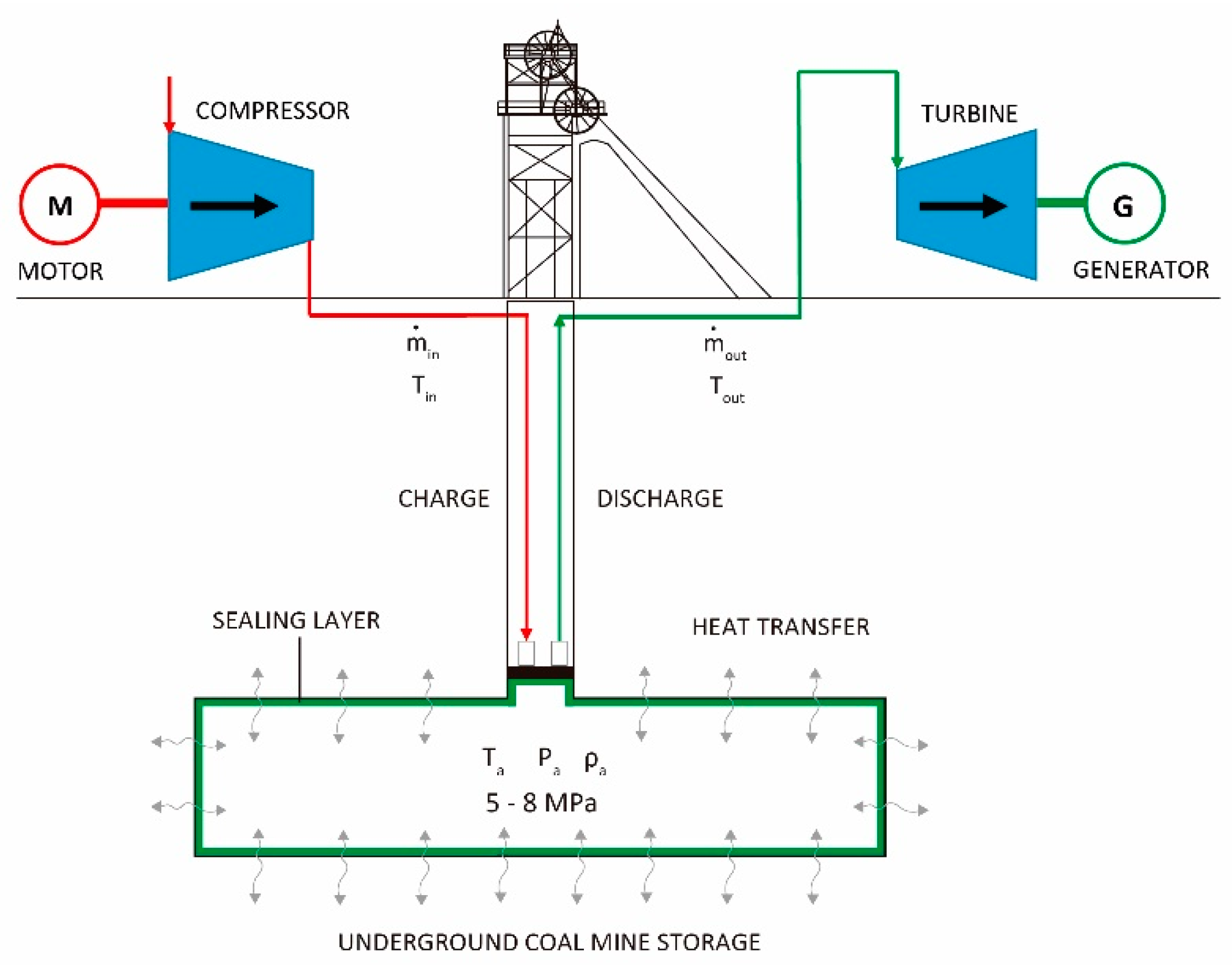
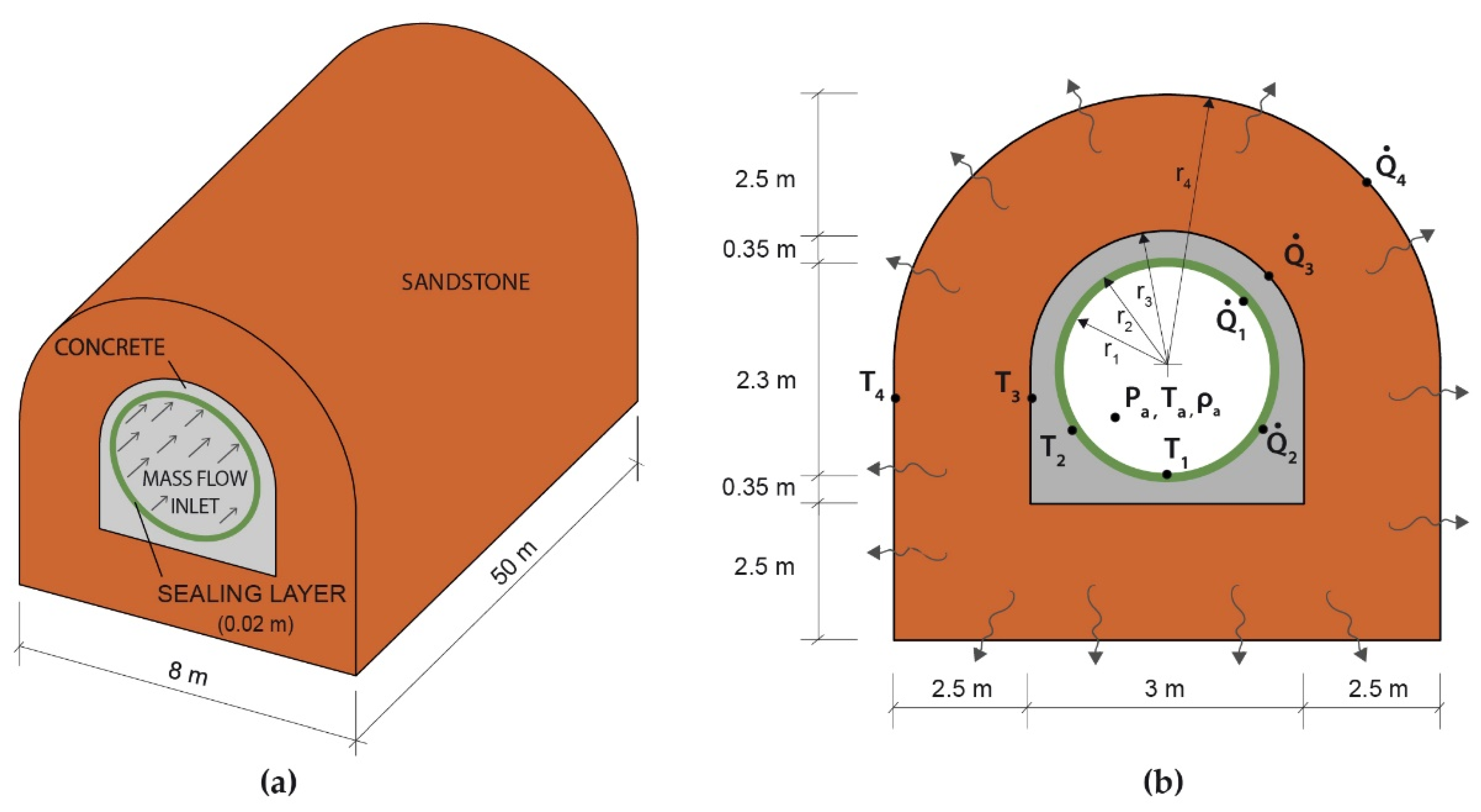
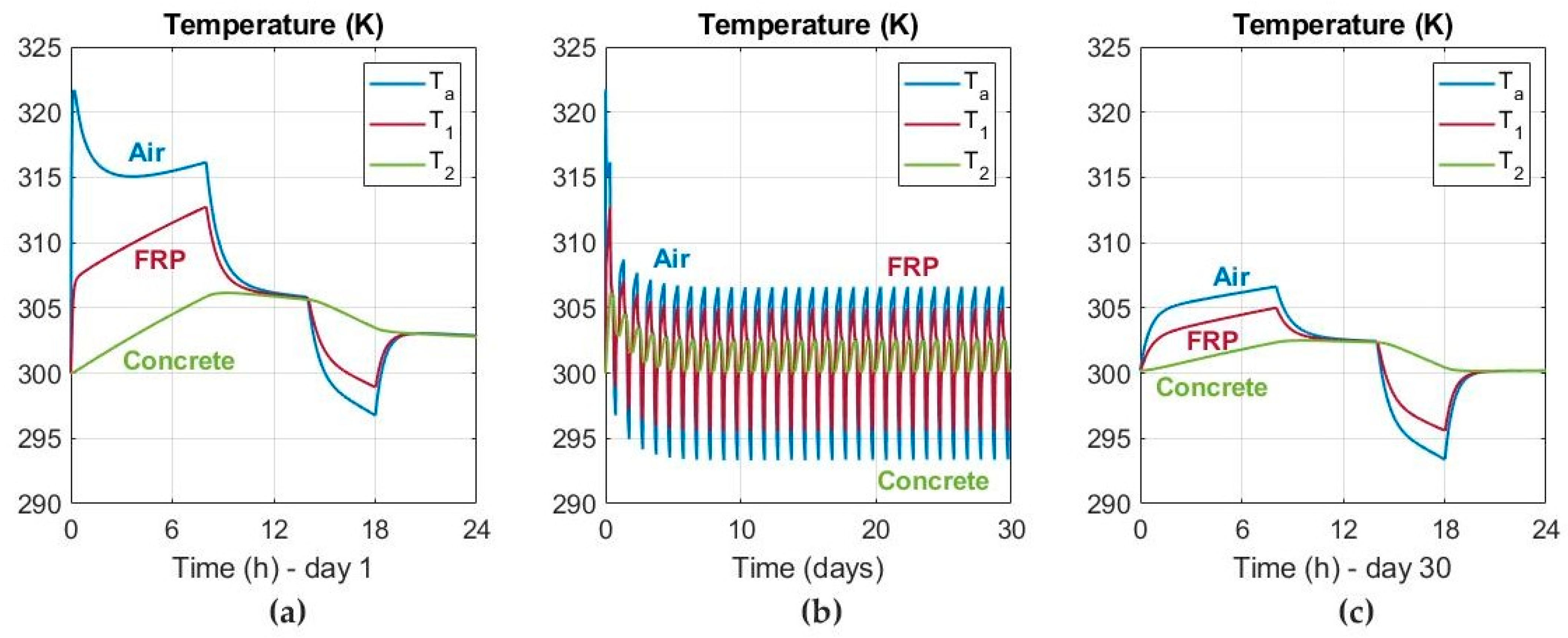
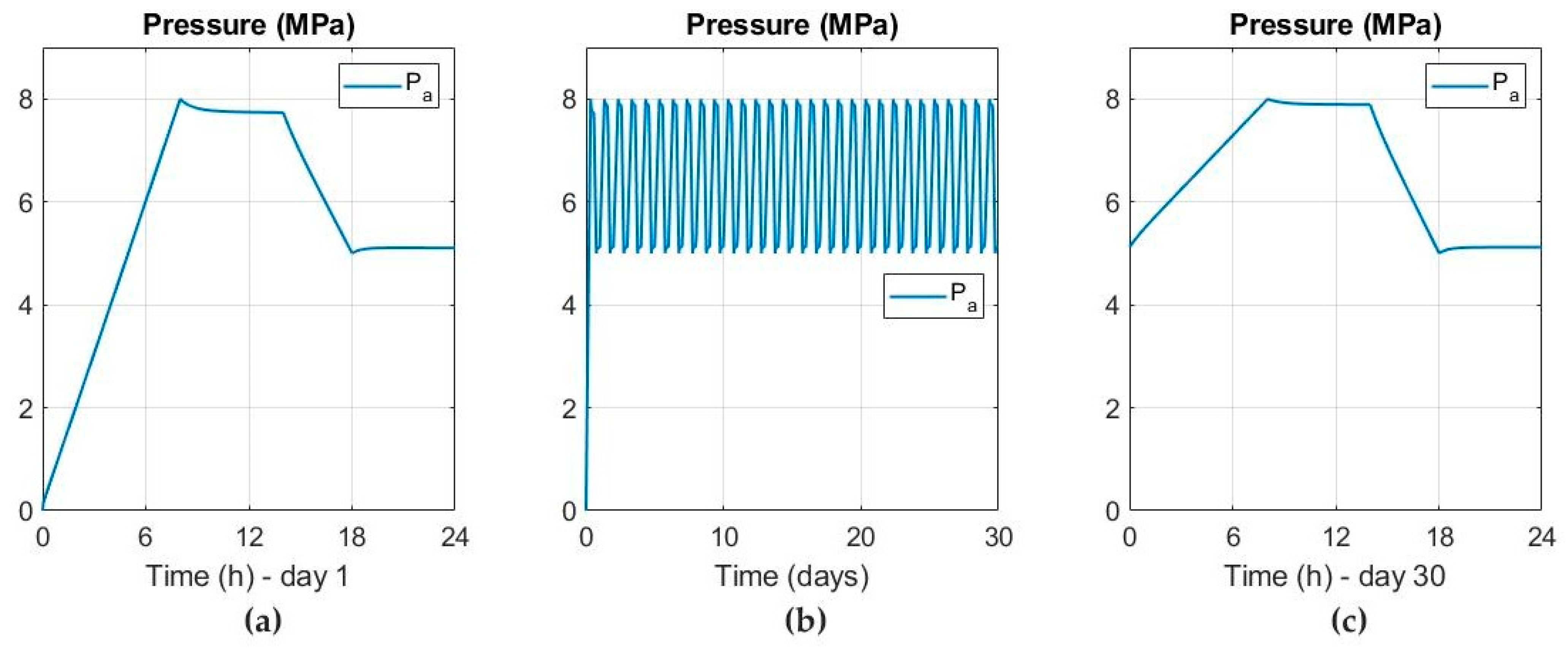
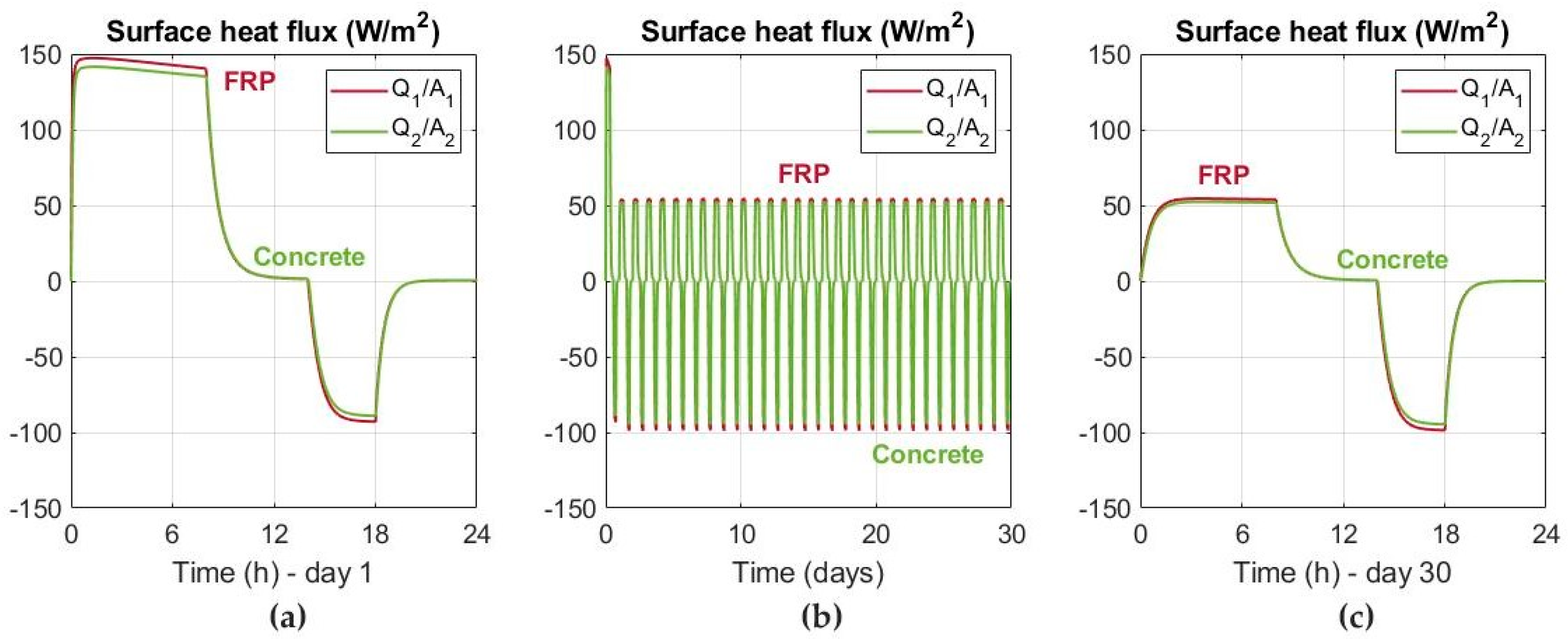
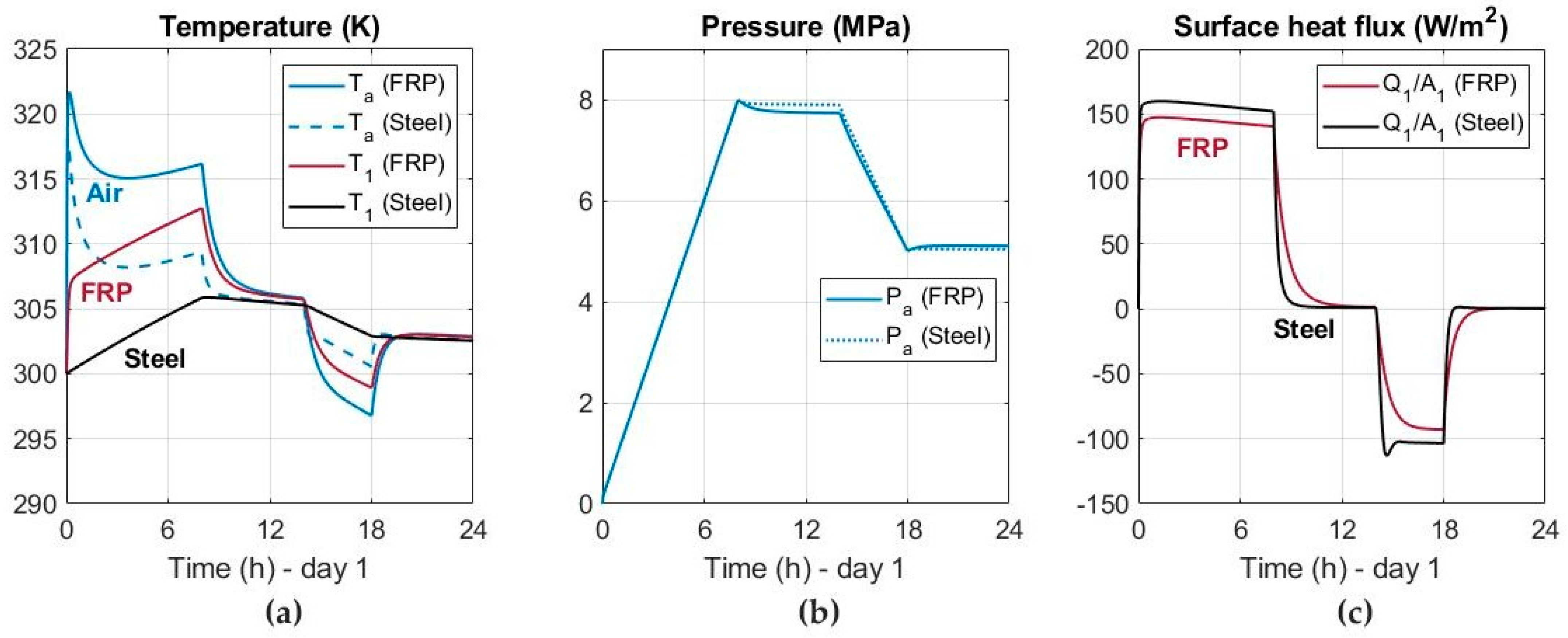
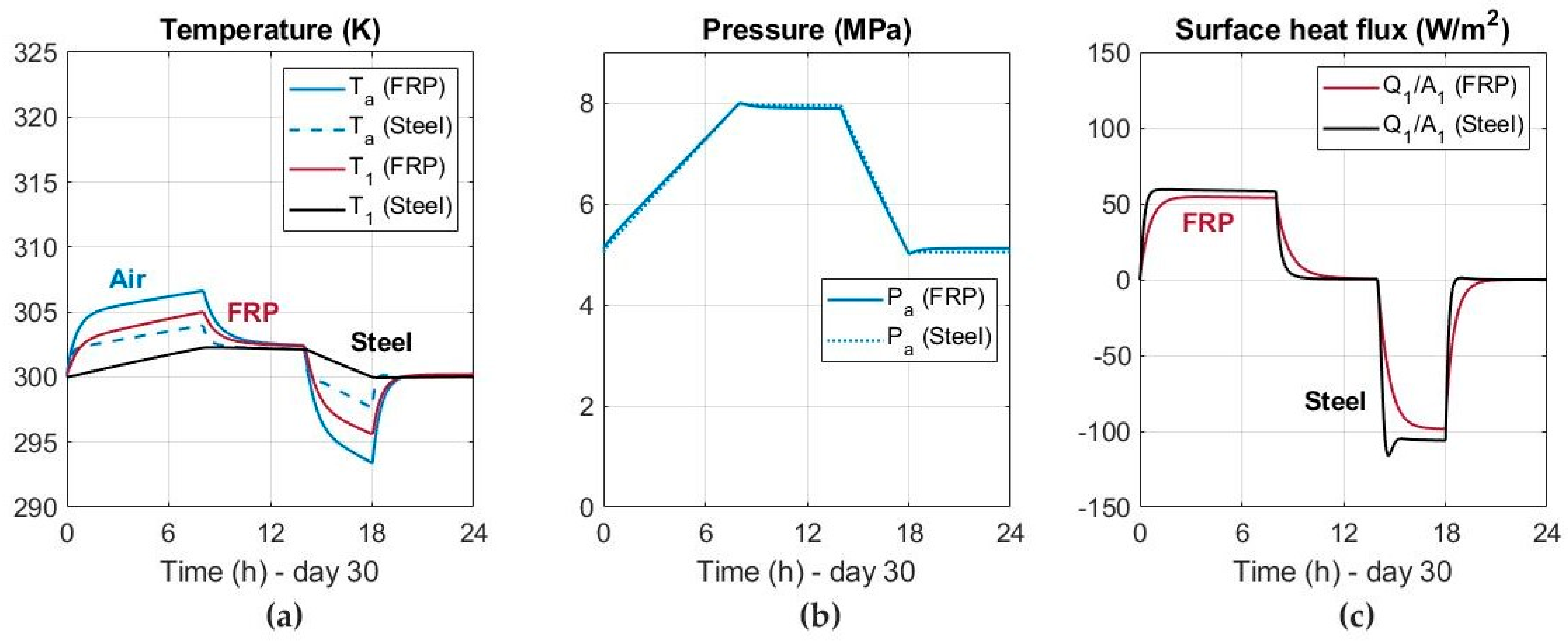
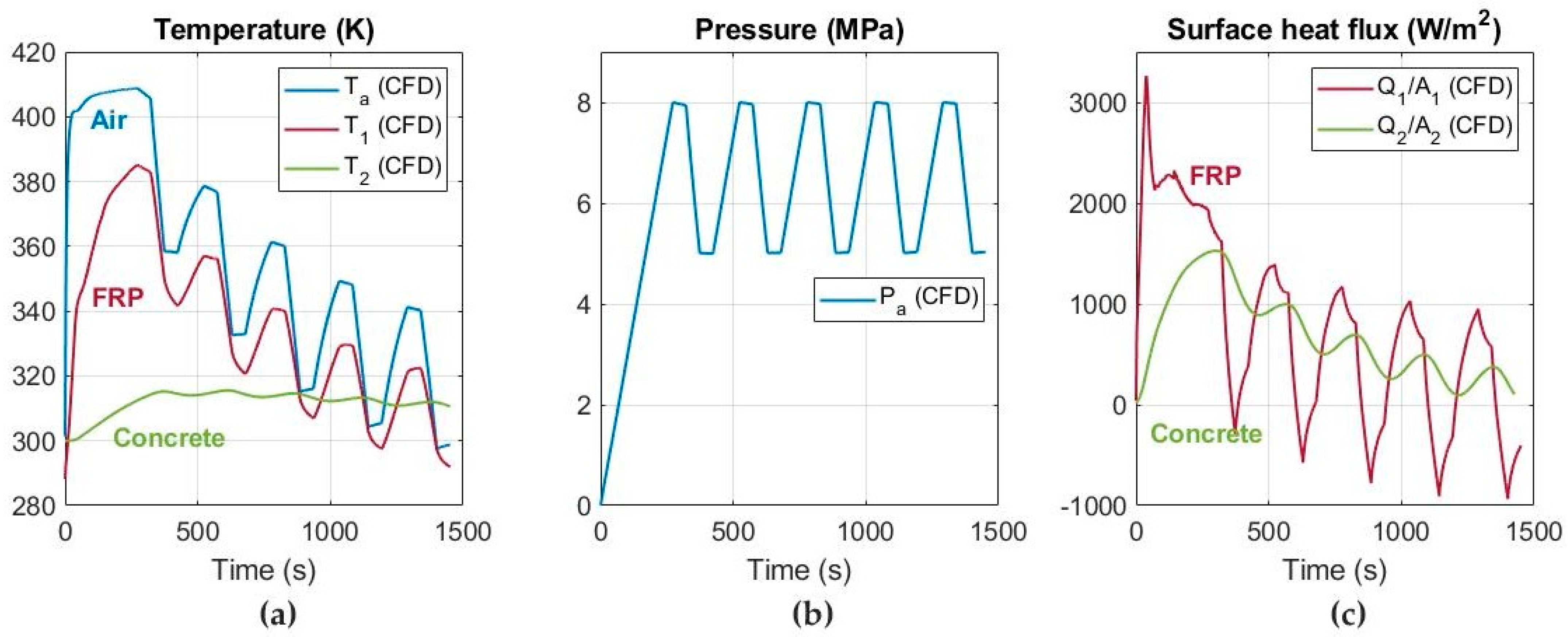
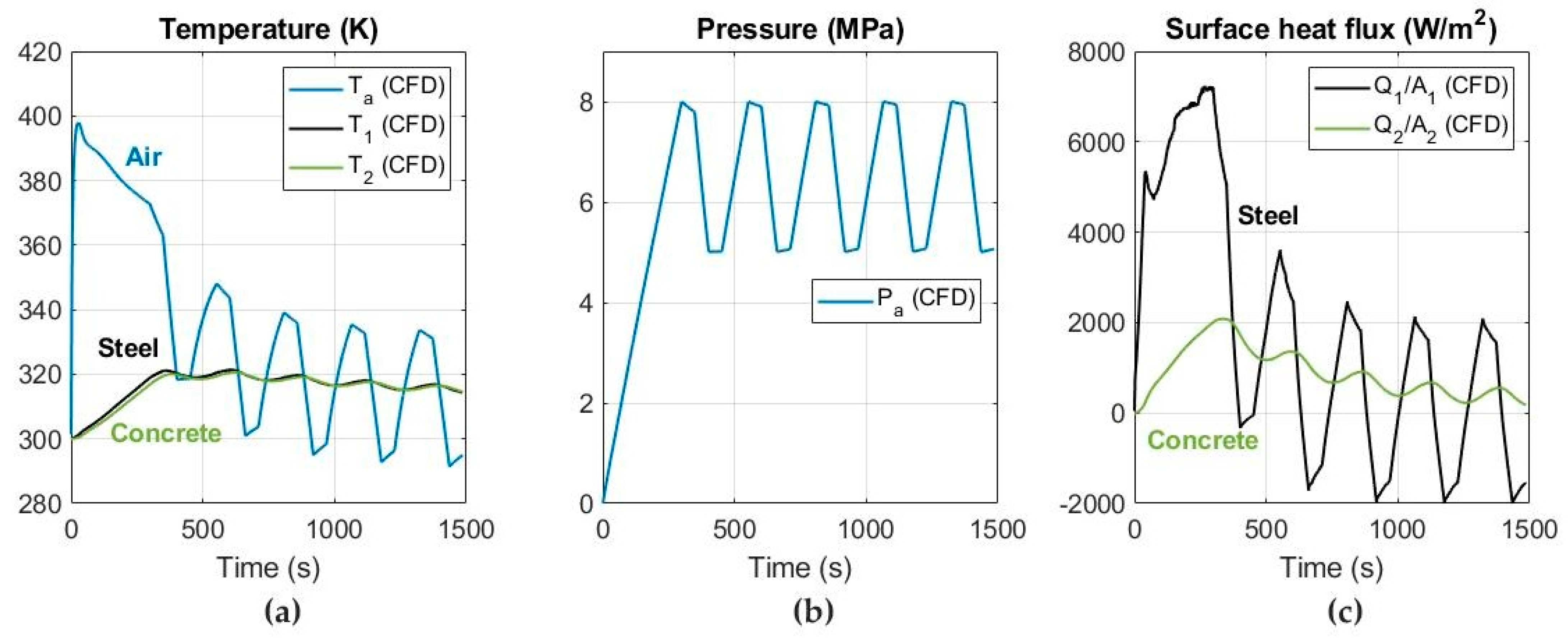
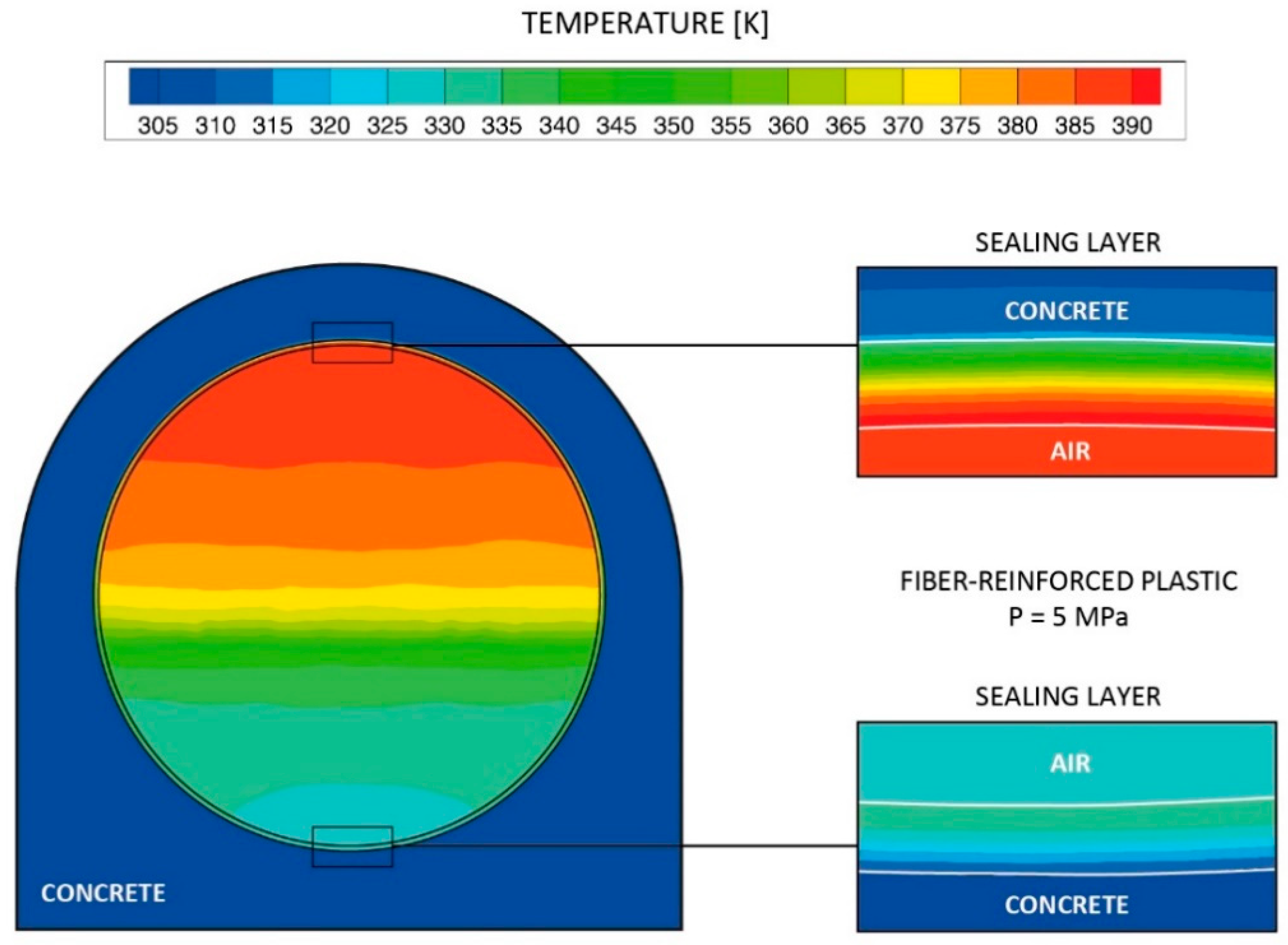
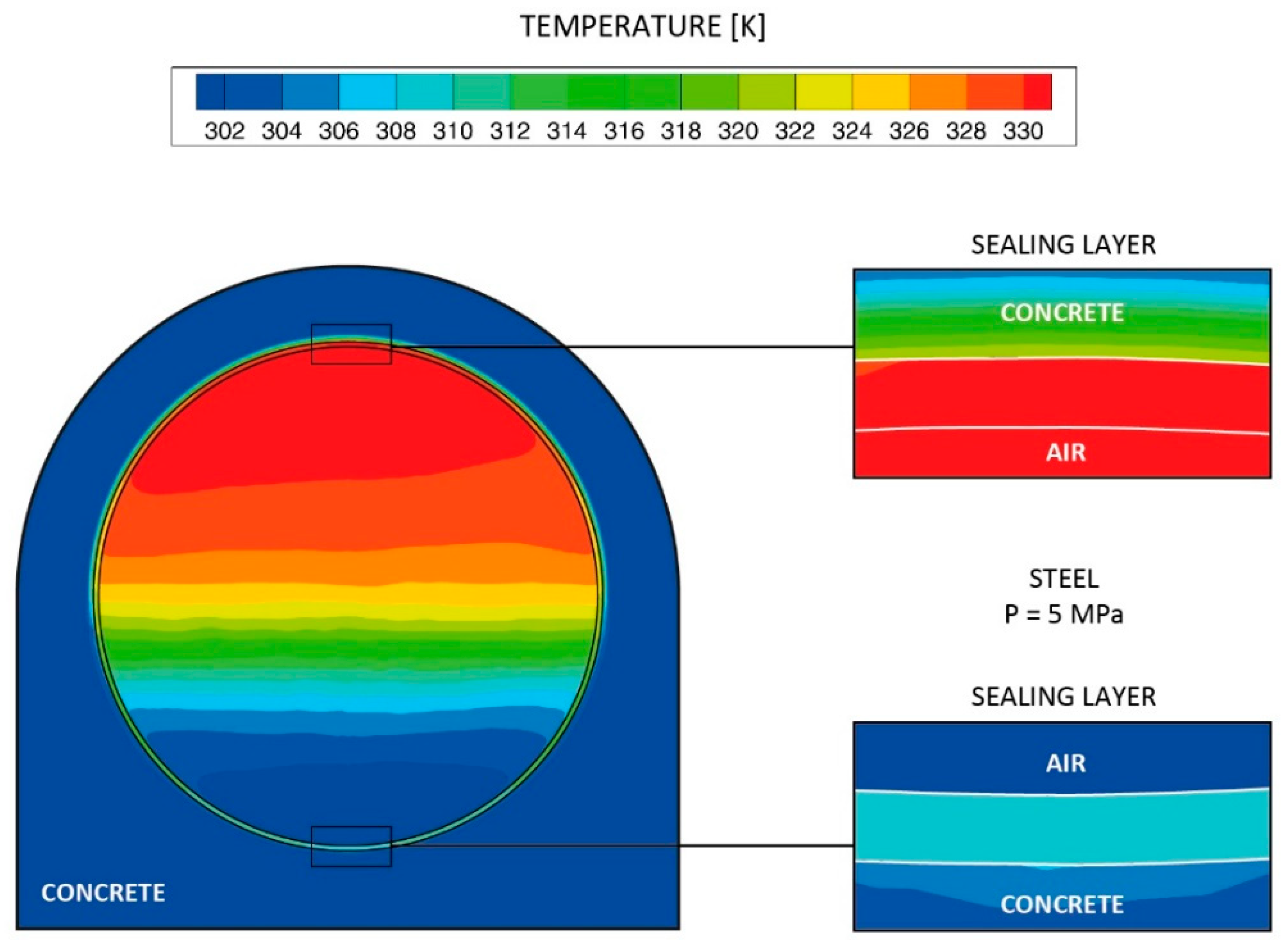
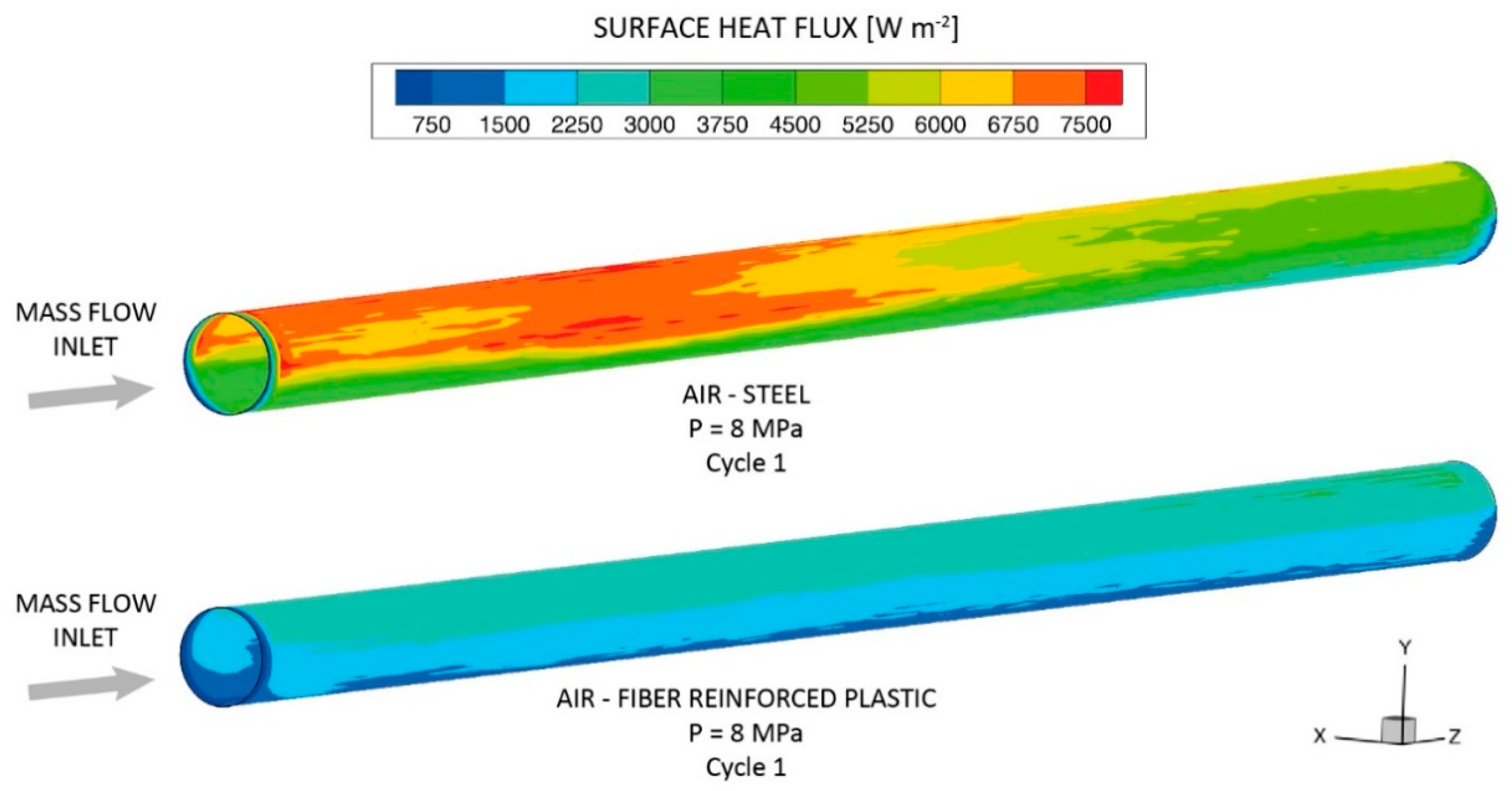
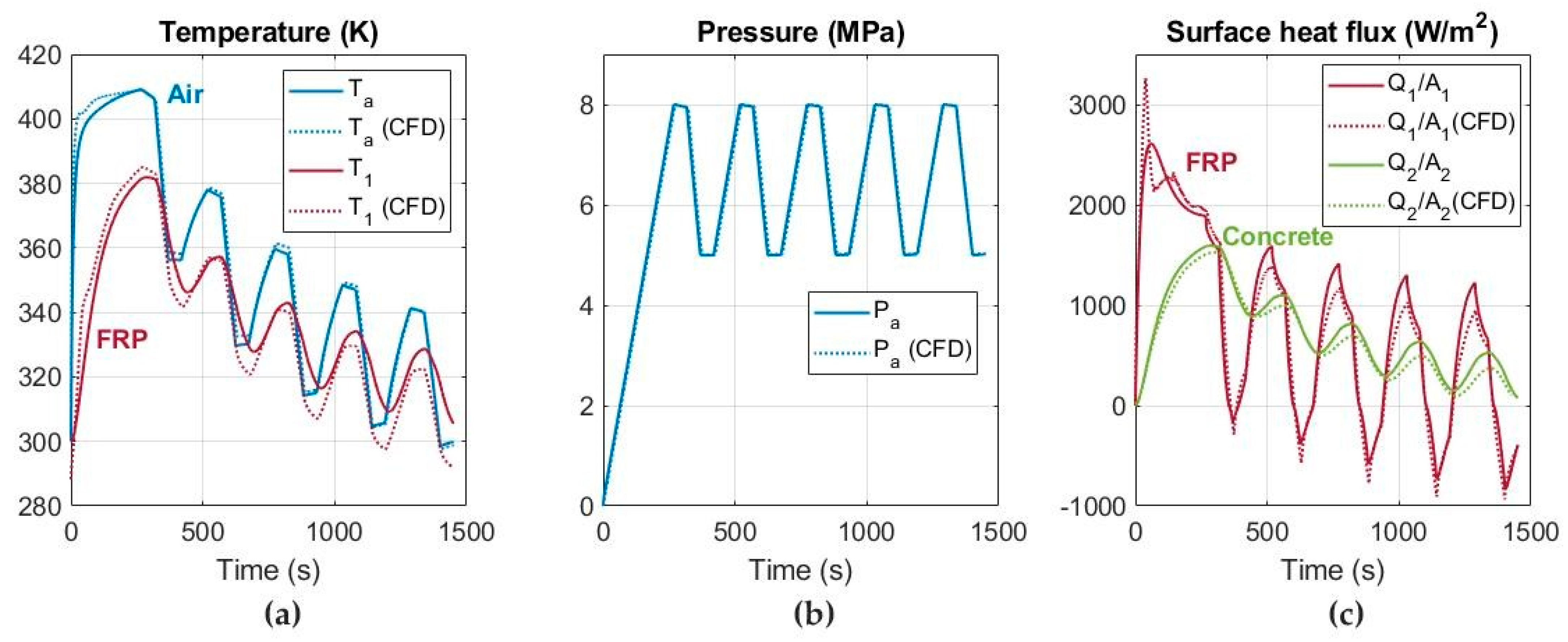
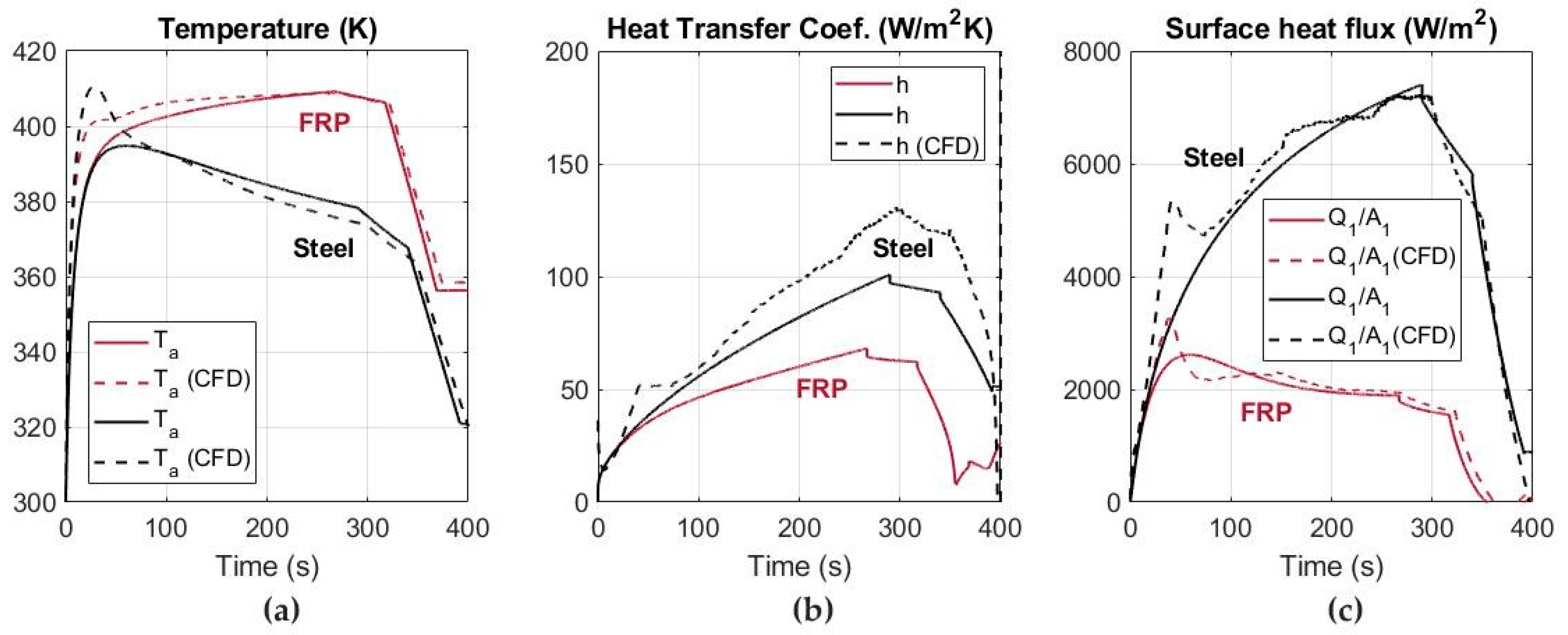
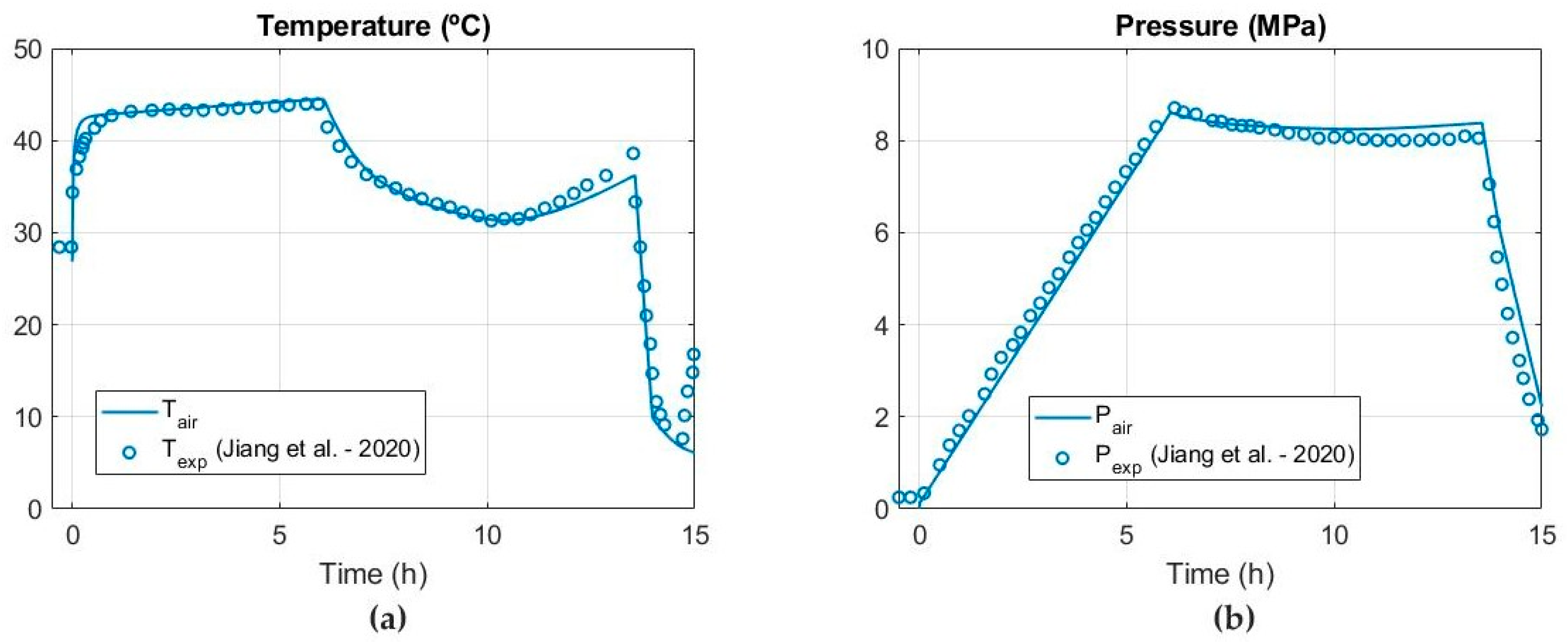
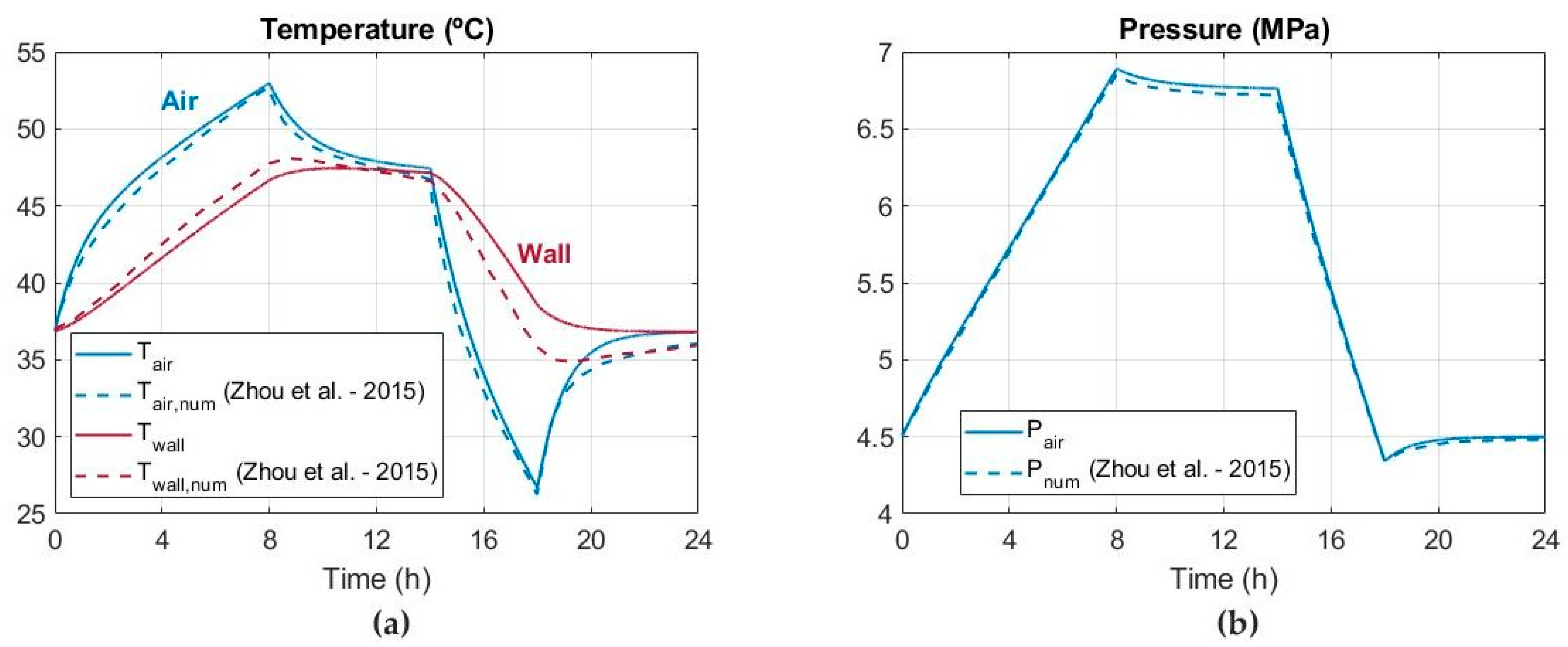
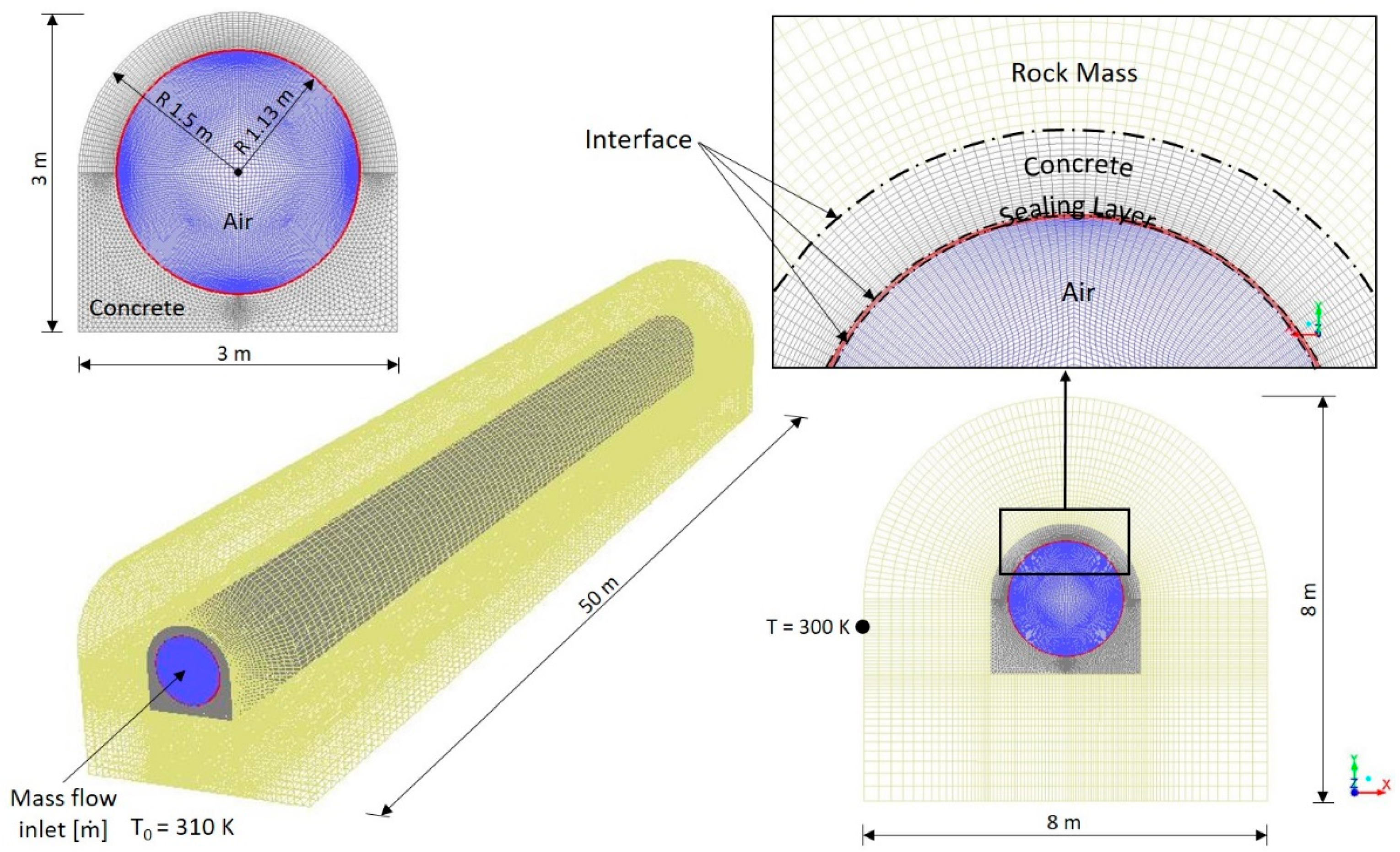
Million cubic meters from abandoned mines worldwide could be used as subsurface reservoirs for large scale energy storage systems, such as adiabatic compressed air energy storage (A-CAES). In this paper, analytical and three-dimensional CFD numerical models have been conducted to analyze the thermodynamic performance of the A-CAES reservoirs in abandoned mines during air charging and discharging processes. Unlike other research works, in which the heat transfer coefficient is considered constant during the operation time, in the present investigation a correlation based on both unsteady Reynolds and Rayleigh numbers is employed for the heat transfer coefficient in this type of application. A tunnel with a 35 cm thick concrete lining, 200 m3 of useful volume and typical operating pressures from 5 to 8 MPa were considered. Fiber-reinforced plastic (FRP) and steel were employed as sealing layers in the simulations around the fluid. Finally, the model also considers a 2.5 m thick sandstone rock mass around the concrete lining. The results obtained show significant heat flux between the pressurized air and the sealing layer and between the sealing layer and concrete lining. However, no temperature fluctuation was observed in the rock mass. The air temperature fluctuations are reduced when steel sealing layer is employed. The thermal energy balance through the sealing layer for 30 cycles, considering air mass flow rates of 0.22 kg s−1 (charge) and −0.45 kg s−1 (discharge), reached 1056 and 907 kWh for FRP and steel, respectively. In general, good agreements between analytical and numerical simulations were obtained.
Keywords: abandoned mines; underground reservoirs; energy storage; renewable energy; CAES; analytical modelling; numerical modelling; sealing layer abandoned mines; underground reservoirs; energy storage; renewable energy; CAES; analytical modelling; numerical modelling; sealing layer