Article

Household Energy Management
by
Piotr Powroźnik
1,
Robert Szulim
1,
Wiesław Miczulski
1 and
Krzysztof Piotrowski
2,*
1
Institute of Metrology, Electronics and Computer Science, University of Zielona Góra, 65-516 Zielona Góra, Poland
2
IHP—Leibniz Institute for High Performance Microelectronics, 15236 Frankfurt (Oder), Germany
*
Author to whom correspondence should be addressed.
Appl. Sci. 2021, 11(4), 1626; https://doi.org/10.3390/app11041626
Submission received: 17 December 2020 / Revised: 24 January 2021 / Accepted: 7 February 2021 / Published: 11 February 2021
(This article belongs to the Special Issue Power Electronics in Power Networks)

Abstract

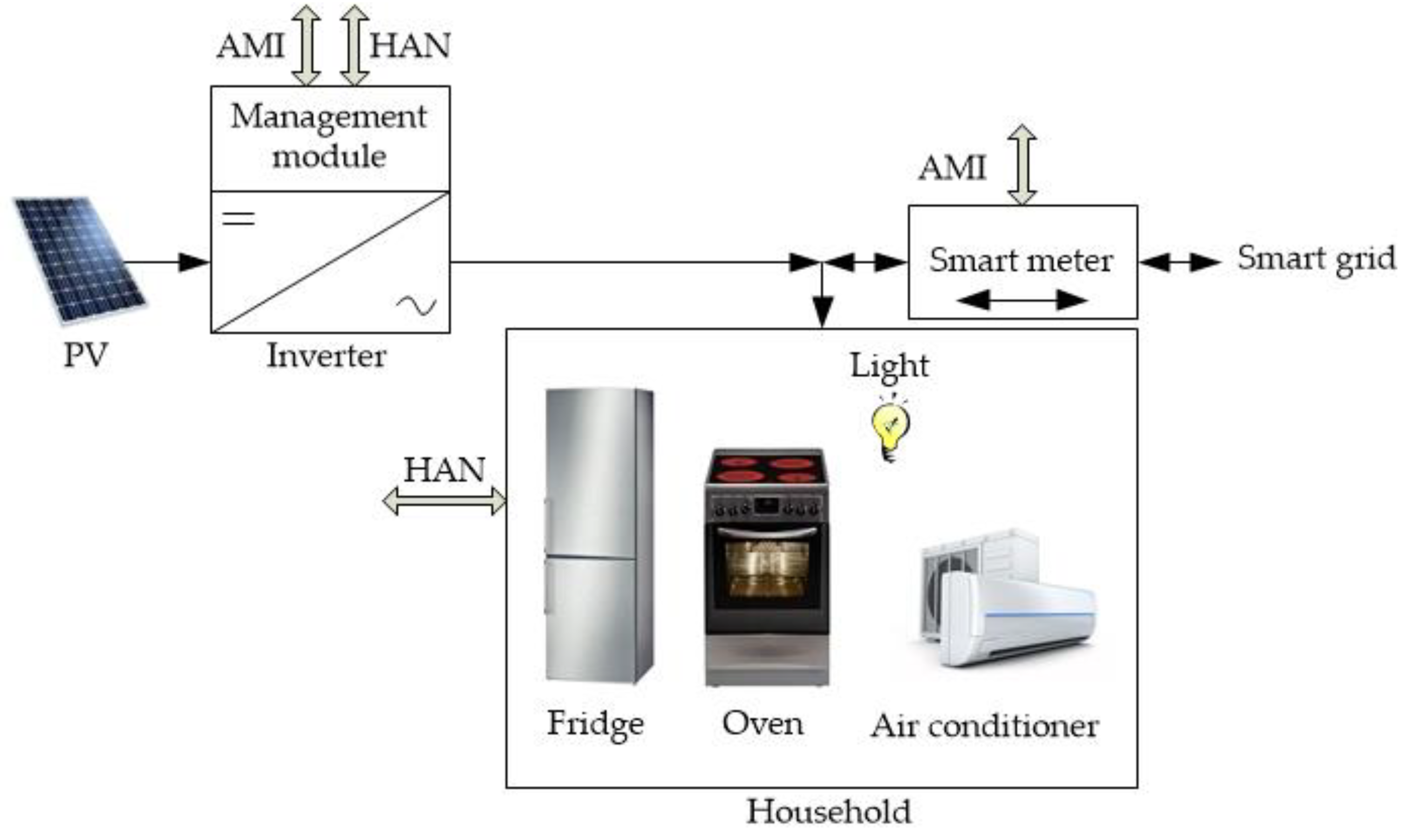
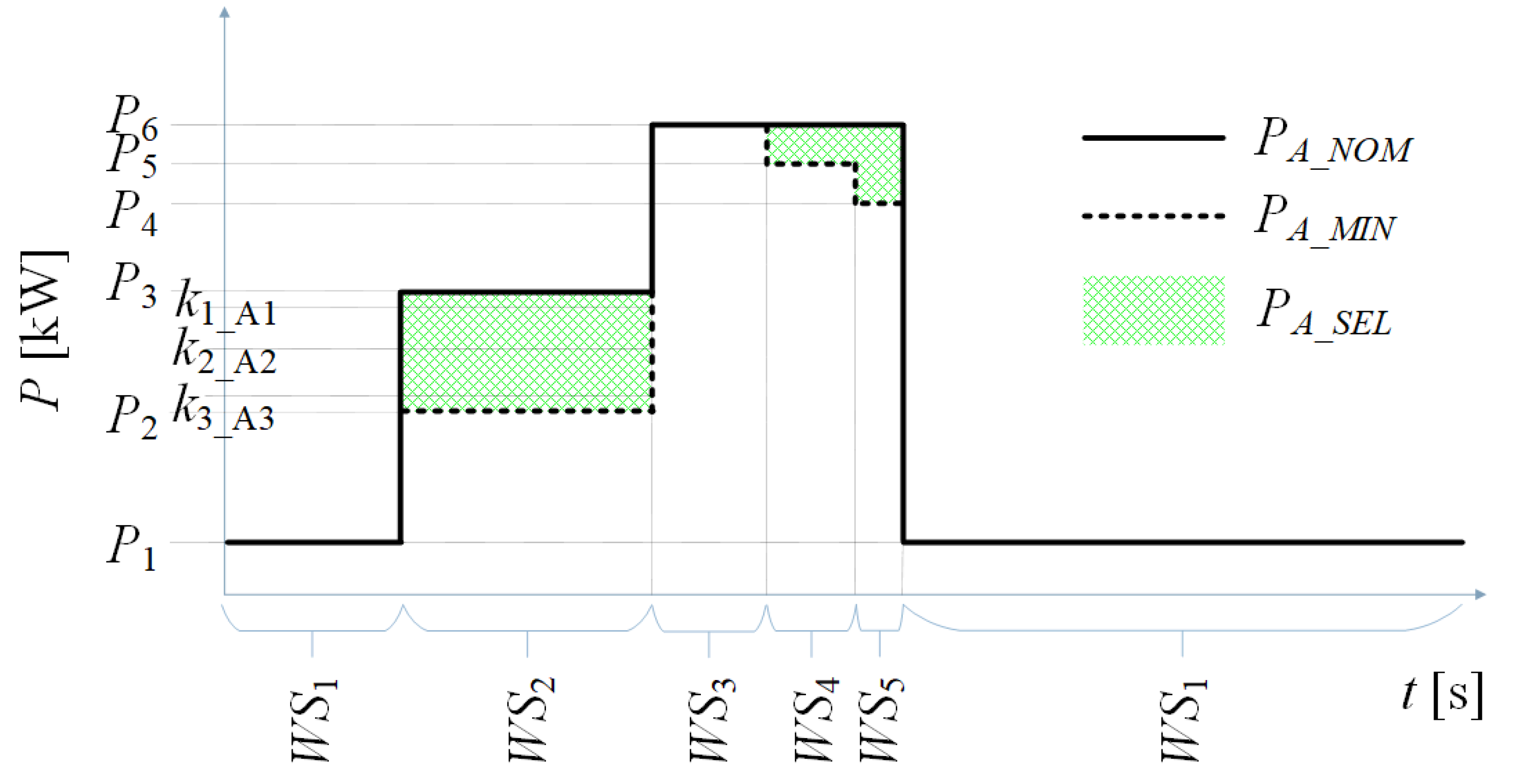
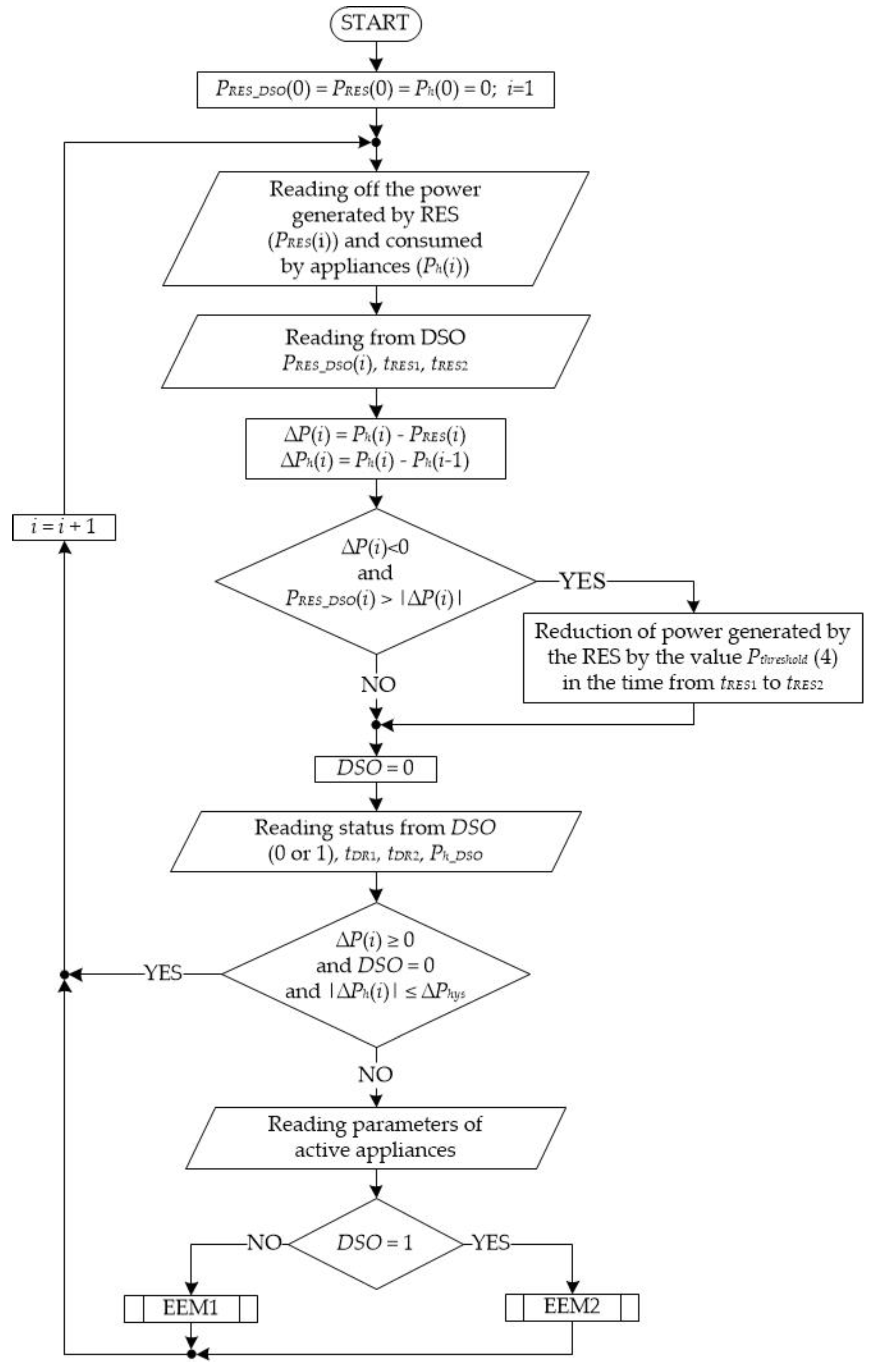
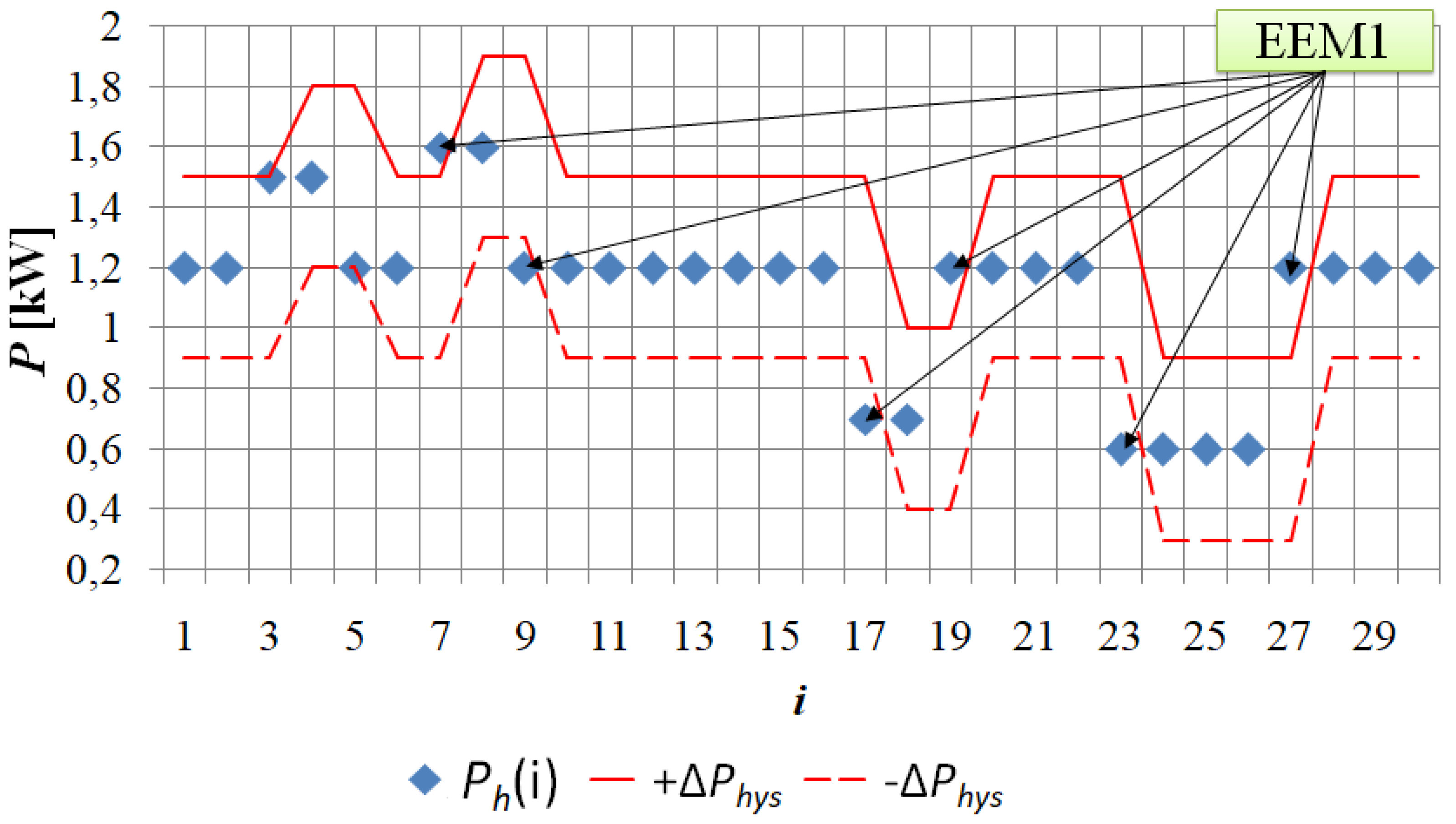
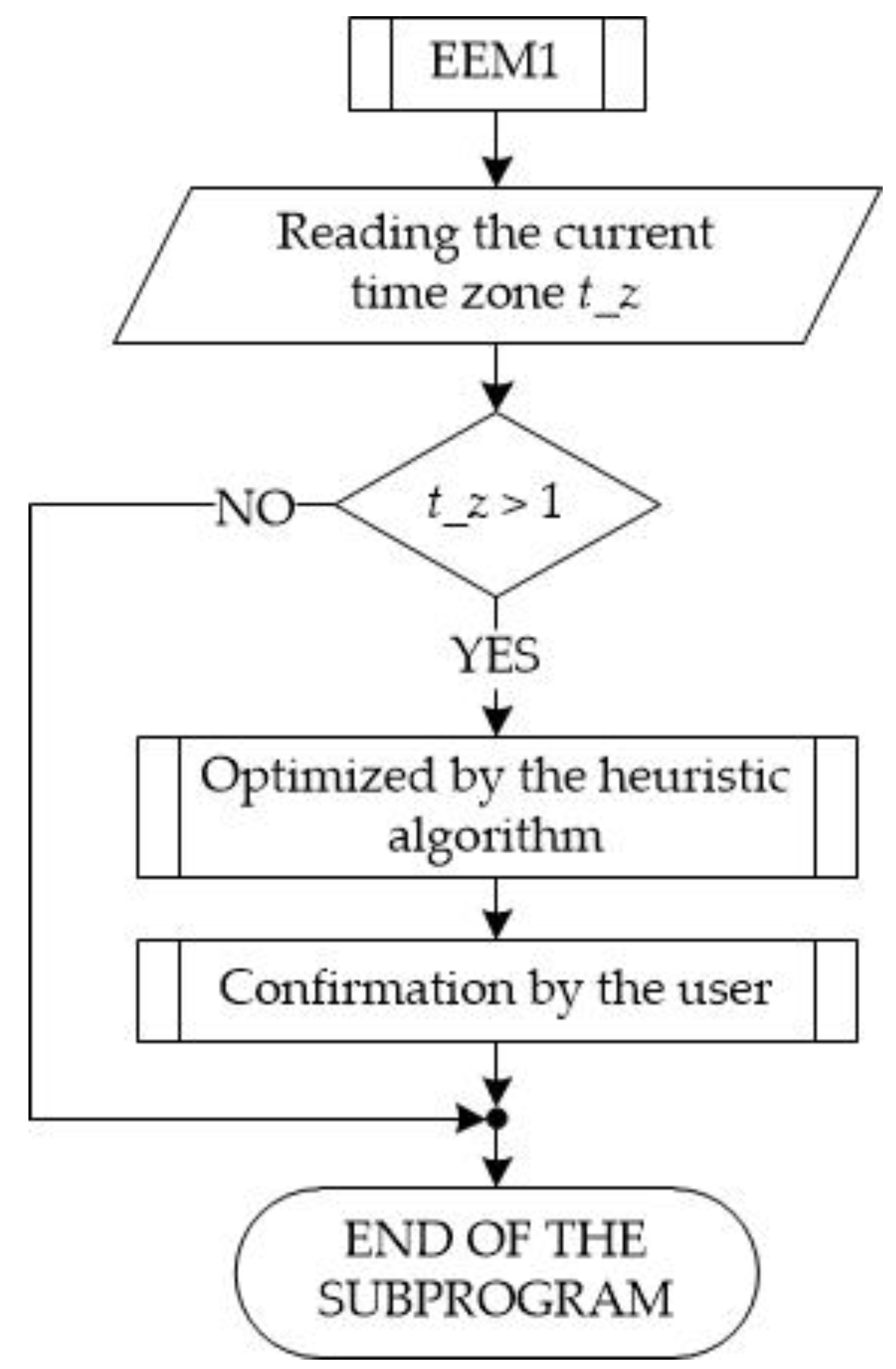
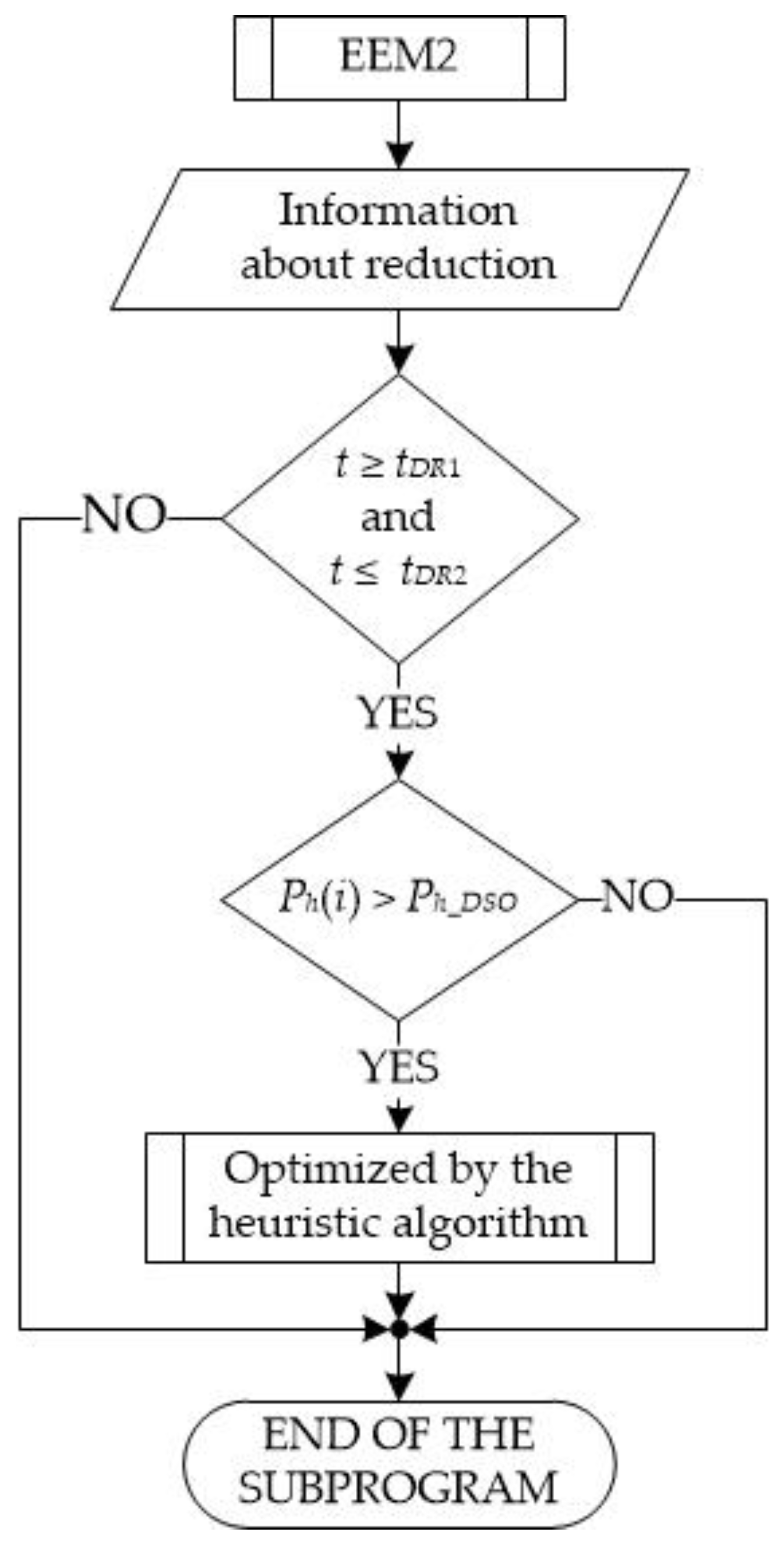
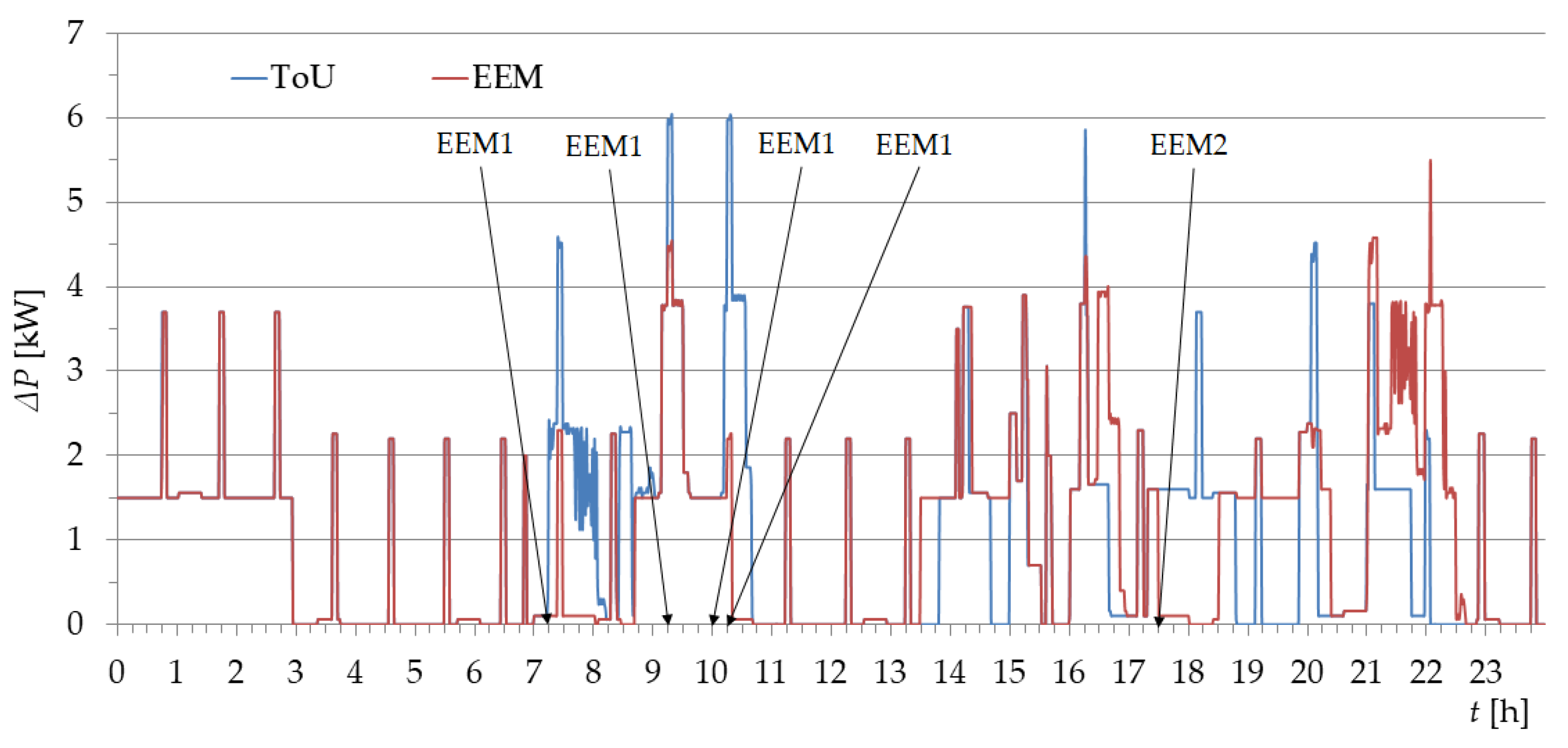
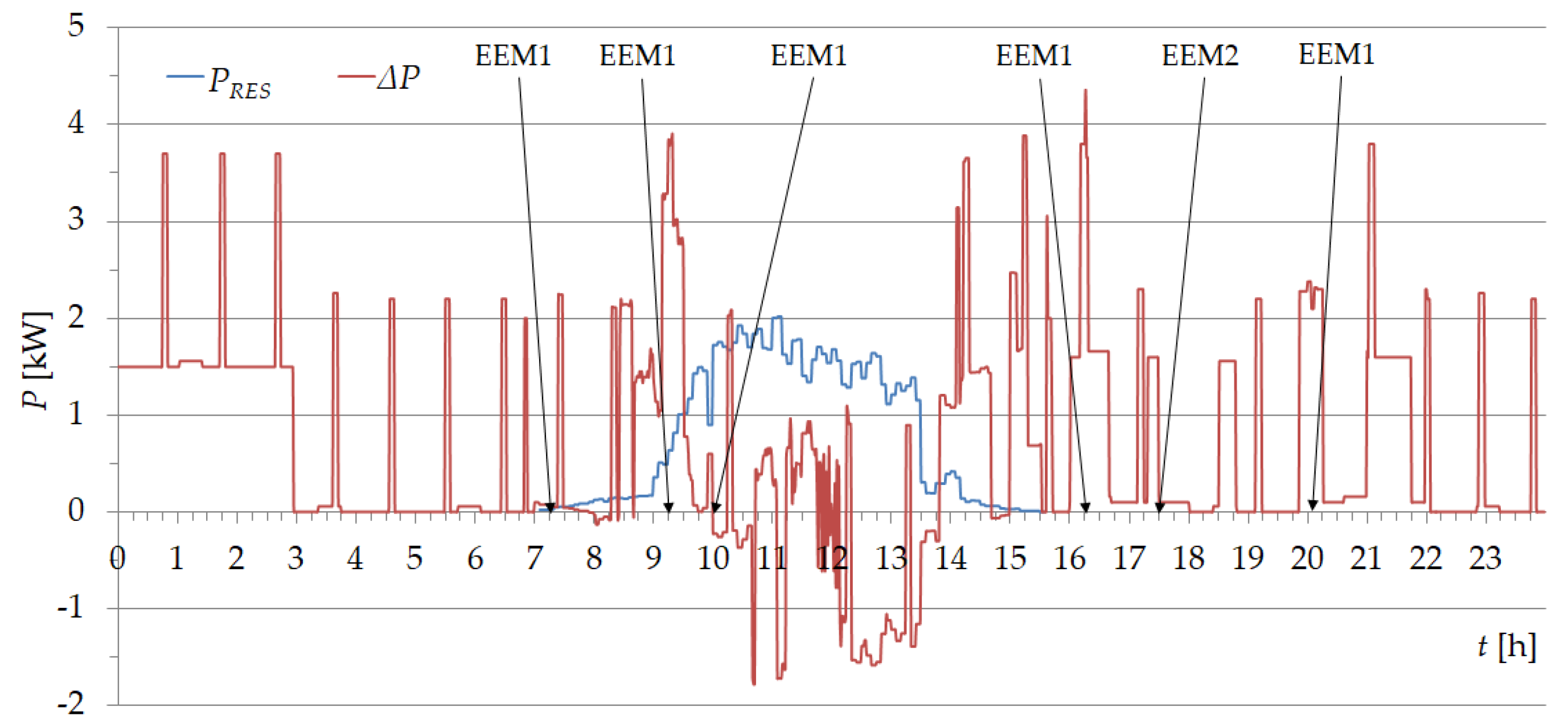
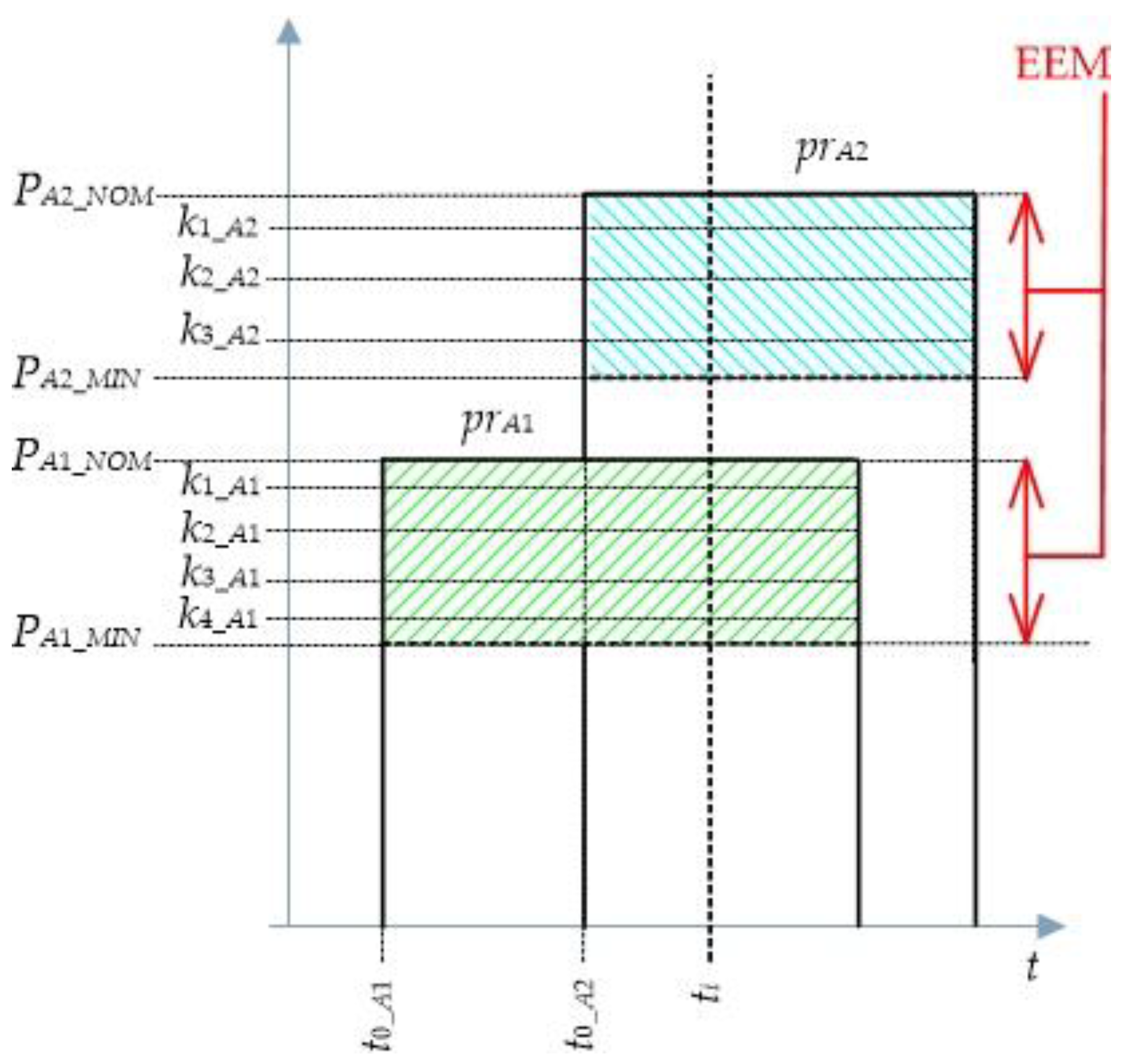
Ensuring flexibility and security in power systems requires the use of appropriate management measures on the demand side. The article presents the results of work related to energy management in households in which renewable energy sources (RES) can be installed. The main part of the article is about the developed elastic energy management algorithm (EEM), consisting of two algorithms, EEM1 and EEM2. The EEM1 algorithm is activated in time periods with a higher energy price. Its purpose is to reduce the power consumed by the appliances to the level defined by the consumer. In contrast, the EEM2 algorithm is run by the Distribution System Operator (DSO) when peak demand occurs. Its purpose is to reduce the power of appliances in a specified time period to the level defined by the DSO. The optimization tasks in both algorithms are based on the Greedy Randomized Adaptive Search Procedure (GRASP) metaheuristic algorithm. The EEM1 and EEM2 algorithms also provide energy consumer comfort. For this purpose, both algorithms take into account the smart appliance parameters proposed in the article: sections of the working devices, power reduction levels, priorities and enablingof time shifting devices. The EEM algorithm in its operation also takes into account the information about the production of power, e.g., generated by the photovoltaic systems. On this basis, it makes decisions on the control of smart appliances. The EEM algorithm also enables inverter control to limit the power transferred from the photovoltaic system to the energy system. Such action is taken on the basis of the DSO request containing the information on the power limits. Such a structure of EEM enables the balancing of energy demand and supply. The possibility of peak demand phenomenon will be reduced. The simulation and experiment results presented in the paper confirmed the rationality and effectiveness of the EEM algorithm.
Keywords: renewable energy sources; photovoltaic systems; inverter power control; energy demand control; demand side management and response; smart appliances; elastic energy management algorithm; GRASP algorithm renewable energy sources; photovoltaic systems; inverter power control; energy demand control; demand side management and response; smart appliances; elastic energy management algorithm; GRASP algorithm