Article

Oil-In-Water Microemulsion Encapsulation of Antagonist Drugs Prevents Renal Ischemia-Reperfusion Injury in Rats

1
Department of Biology, School of Basic Sciences, University of Zabol, 98613-35856 Zabol, Iran
2
Department of Physics, School of Basic Sciences, University of Zabol, 98613-35856 Zabol, Iran
3
Department of Chemistry, Shahid Bahonar University of Kerman, 76169-14111 Kerman, Iran
4
Institute of Materials Physics and Engineering, Department of Applied Science and Technology, Politecnico di Torino, 10129 Torino, Italy
5
Department of Biology, School of Basic Sciences, Bu-Ali Sina University, 67178-38695 Hamedan, Iran
*
Authors to whom correspondence should be addressed.
Appl. Sci. 2021, 11(3), 1264; https://doi.org/10.3390/app11031264
Submission received: 4 January 2021 / Revised: 25 January 2021 / Accepted: 26 January 2021 / Published: 30 January 2021
(This article belongs to the Special Issue Biomaterials, Polymers and Tissue Engineering)

Abstract

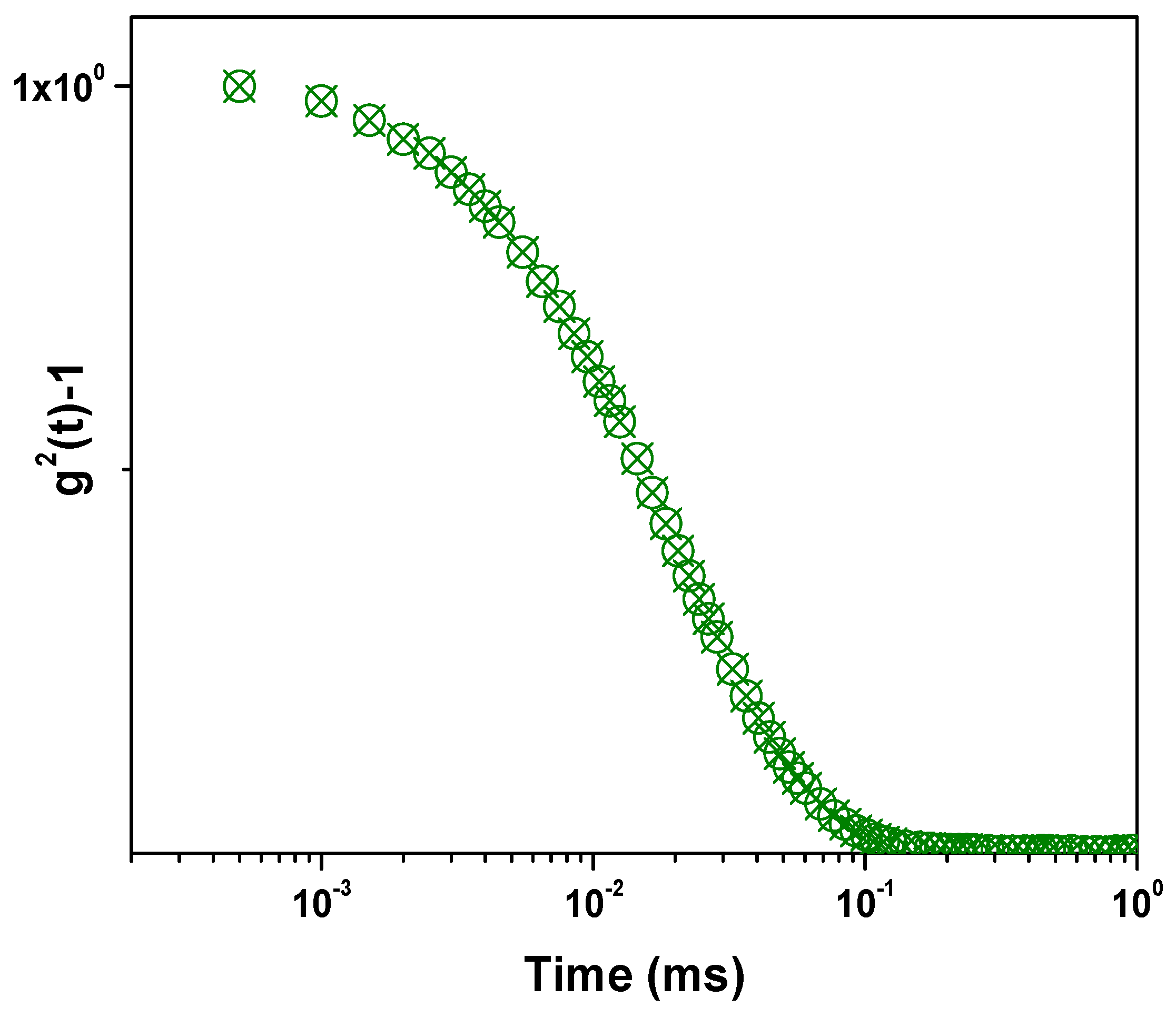
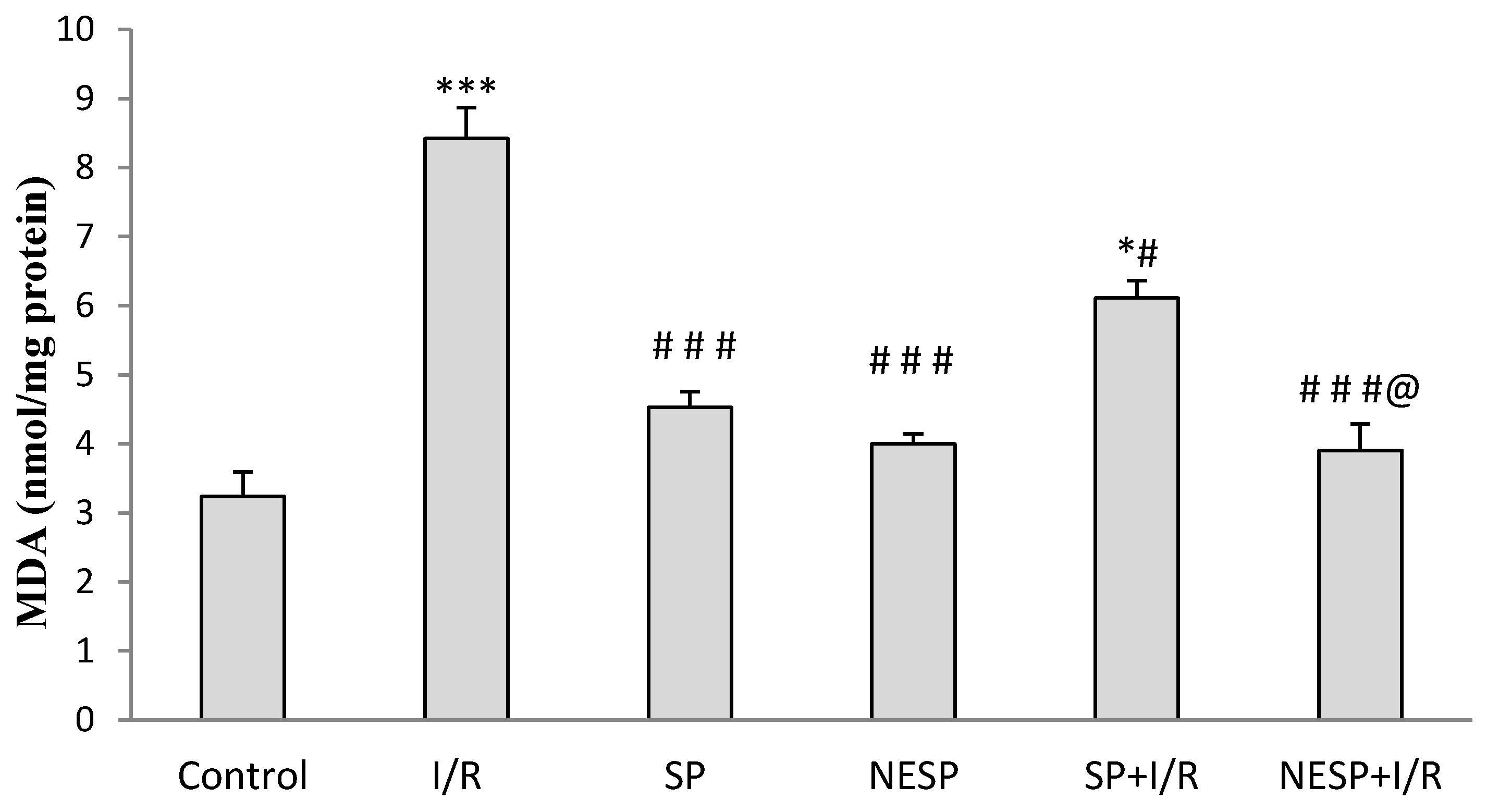
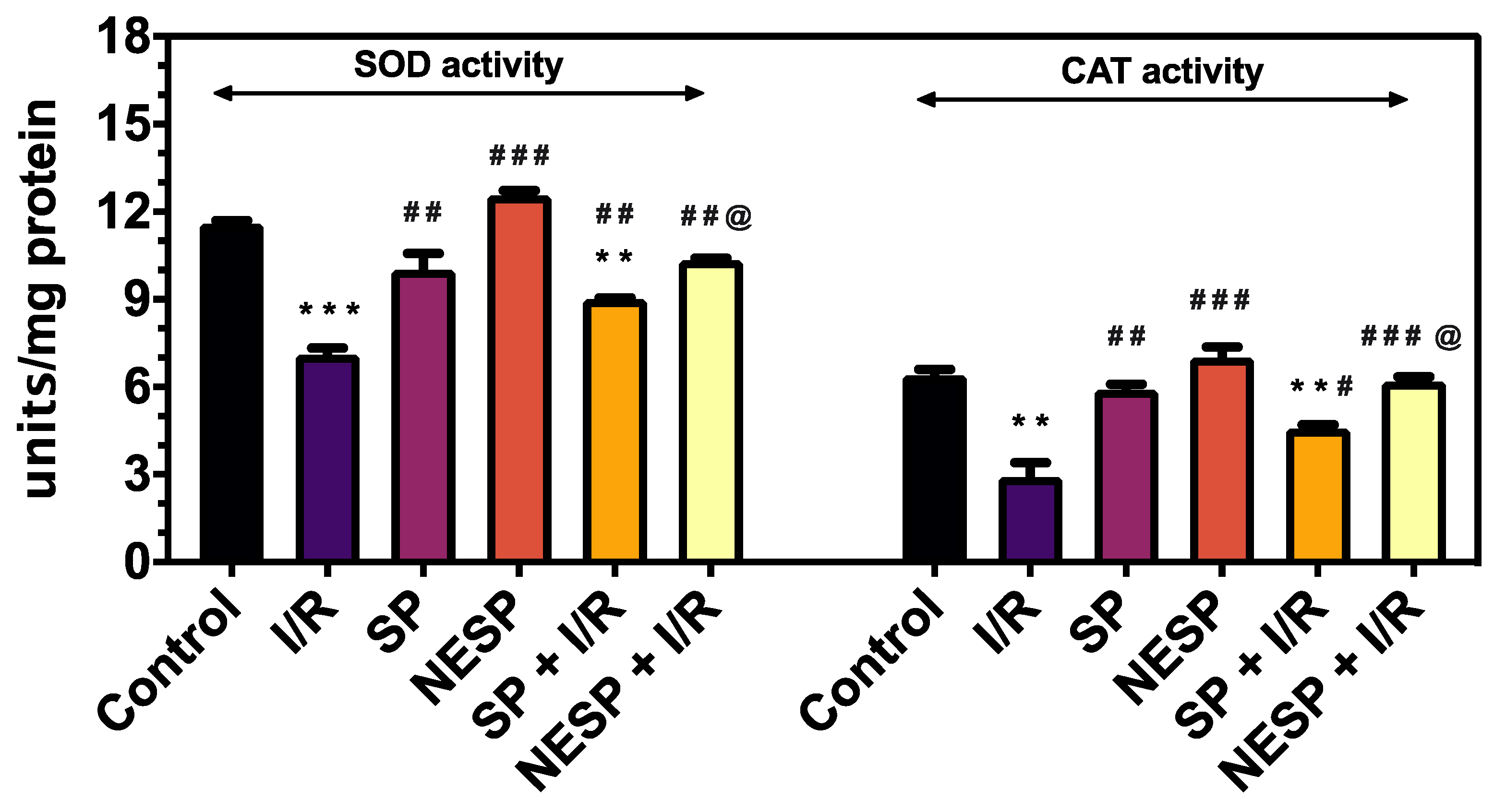
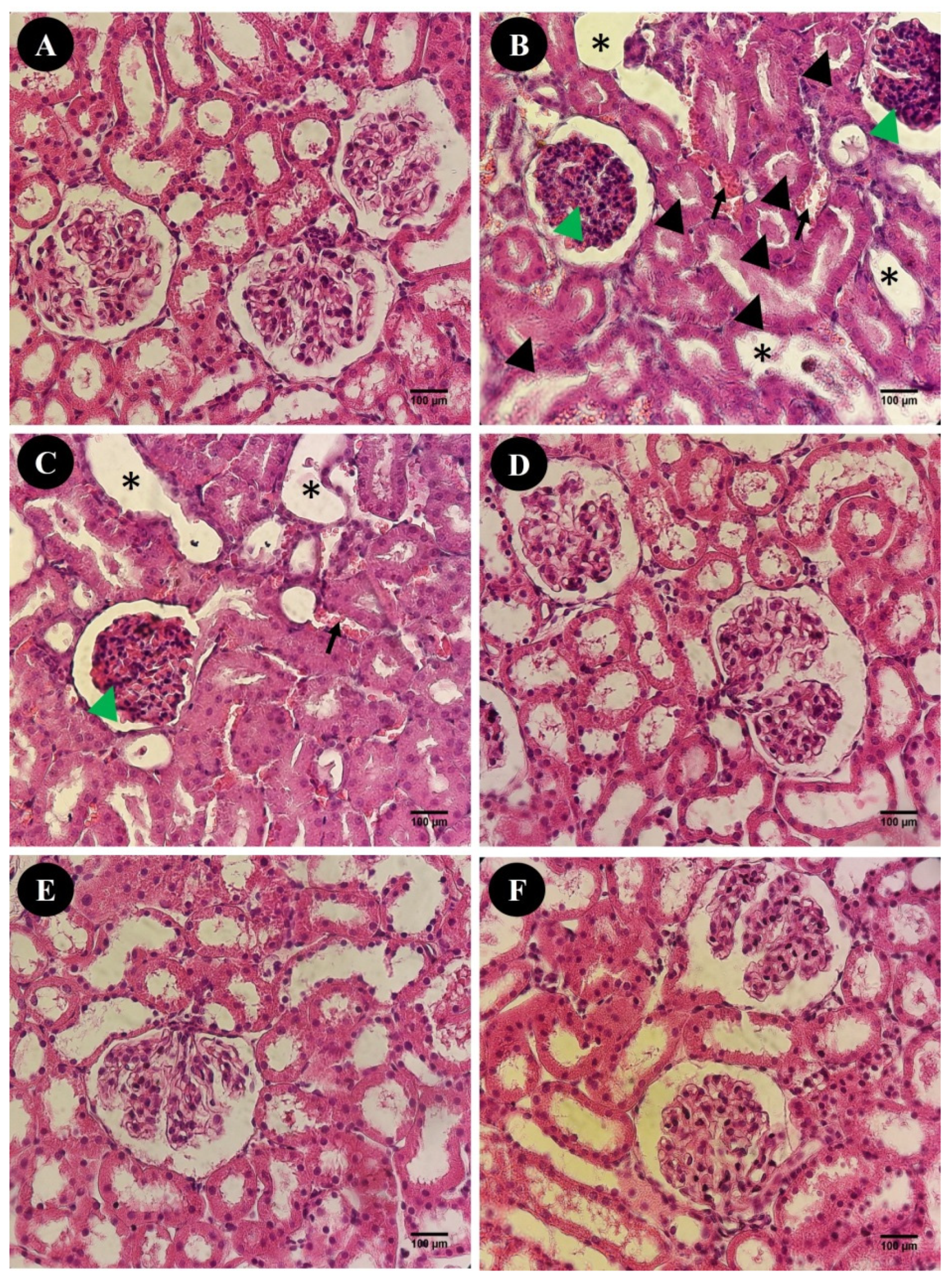
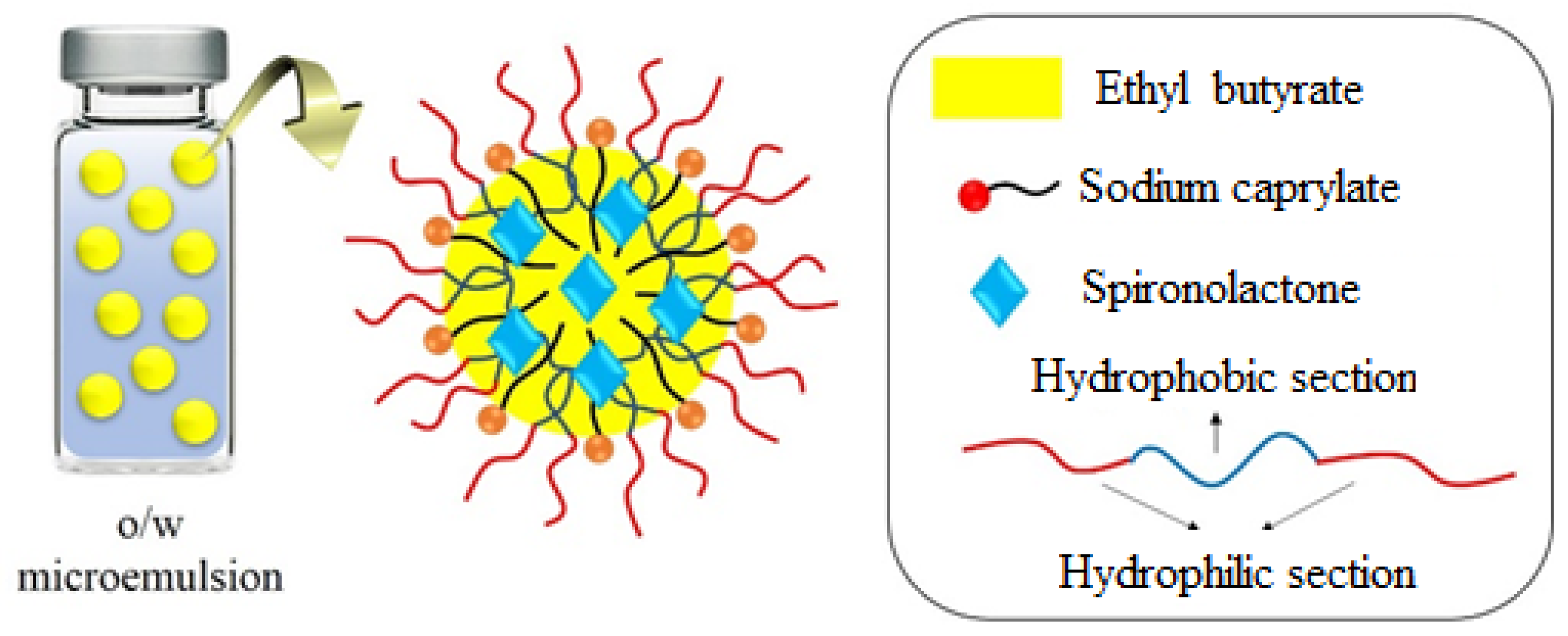
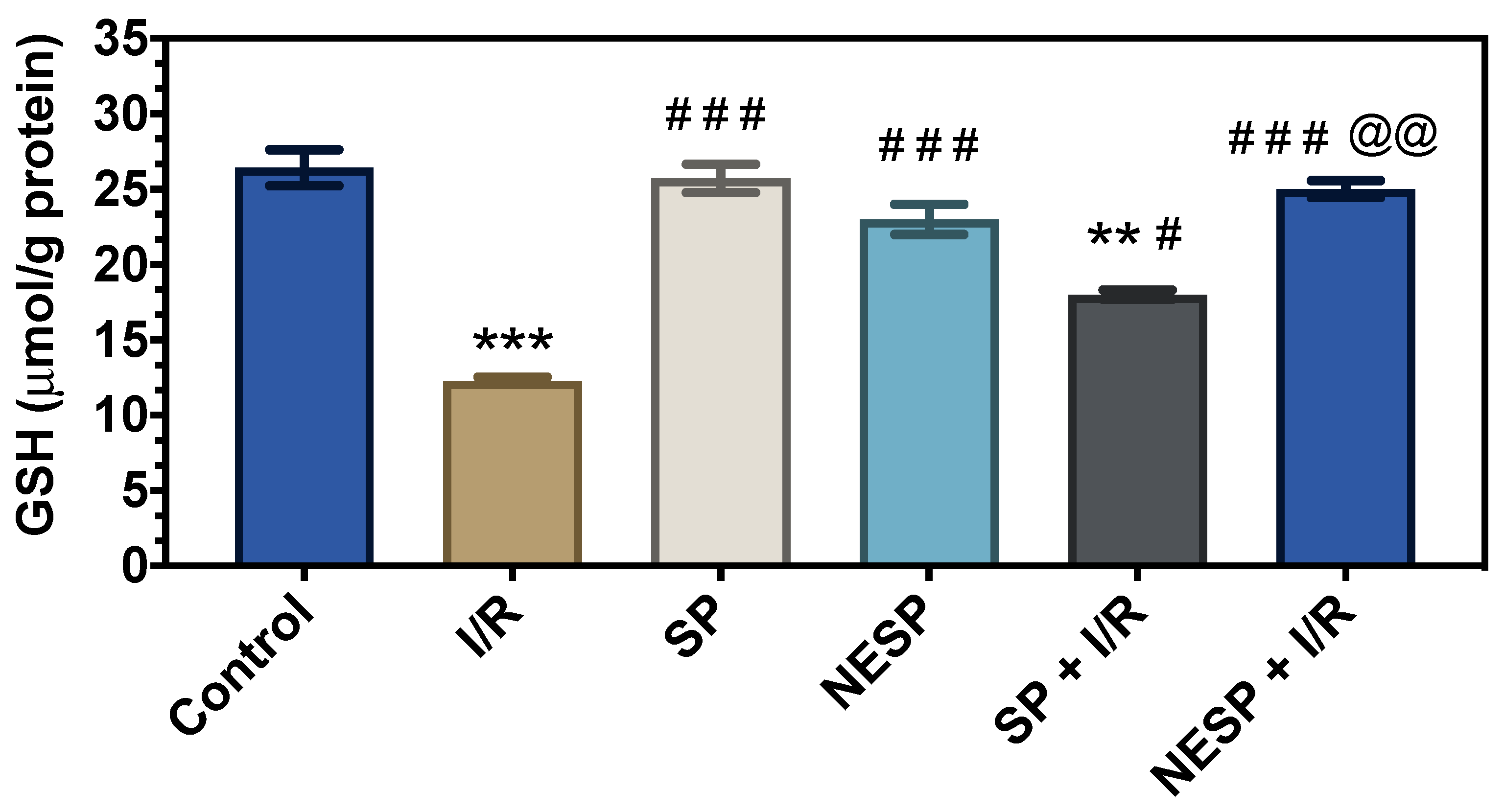
Developing new therapeutic drugs to prevent ischemia/reperfusion (I/R)-induced renal injuries is highly pursued. Liposomal encapsulation of spironolactone (SP) as a mineralocorticoid antagonist increases dissolution rate, bioavailability and prevents the drug from degradation. In this context, this work develops a new formulation of oil-in-water type microemulsions to enhance the bioavailability of SP. The size of the SP-loaded microemulsion was about 6.0 nm by dynamic light scattering analysis. Briefly, we investigated the effects of nano-encapsulated SP (NESP) on renal oxidative stress, biochemical markers and histopathological changes in a rat model of renal I/R injury. Forty eight male Wistar rats were divided into six groups. Two groups served as control and injury model (I/R). Two groups received “conventional” SP administration (20 mg/kg) and NESP (20 mg/kg), respectively, for two days. The remaining two groups received SP (20 mg/kg) and NESP (20 mg/kg) two days before induction of I/R. At the end of the experiments, serum and kidneys of rats underwent biochemical, molecular and histological examinations. Our results showed that I/R induces renal oxidative stress, abnormal histological features and altered levels of renal biomarkers. Administration of SP in healthy animals did not cause any significant changes in the measured biochemical and histological parameters compared to the control group. However, SP administration in the I/R group caused some corrections in renal injury, although it could not completely restore I/R-induced renal oxidative stress and kidney damage. On the contrary, NESP administration restored kidney oxidative injury via decreasing renal lipid peroxidation and enhancing glutathione, superoxide dismutase and catalase in kidneys of the I/R group. The deviated serum levels of urea, creatinine, total proteins and uric acid were also normalized by NESP administration. Furthermore, NESP protected against renal abnormal histology features induced by I/R. Therefore, NESP has beneficial effects in preventing kidney damage and renal oxidative stress in a rat model of I/R, which deserves further evaluations in the future.
Keywords: spironolactone; polymeric biomaterials; nanomaterials; renoprotective; oxidative stress; renotoxicity; nanocapsule; rat model spironolactone; polymeric biomaterials; nanomaterials; renoprotective; oxidative stress; renotoxicity; nanocapsule; rat model