Article

GoZone: A Numerical Model for Travelling Fires Based on Cellular Automata Concept
UEE Department, Liege University, 4000 Liege, Belgium
*
Author to whom correspondence should be addressed.
Appl. Sci. 2021, 11(22), 10679; https://doi.org/10.3390/app112210679
Submission received: 1 October 2021 / Revised: 5 November 2021 / Accepted: 9 November 2021 / Published: 12 November 2021
(This article belongs to the Special Issue New Challenges in Civil Structure for Fire Response)

Abstract

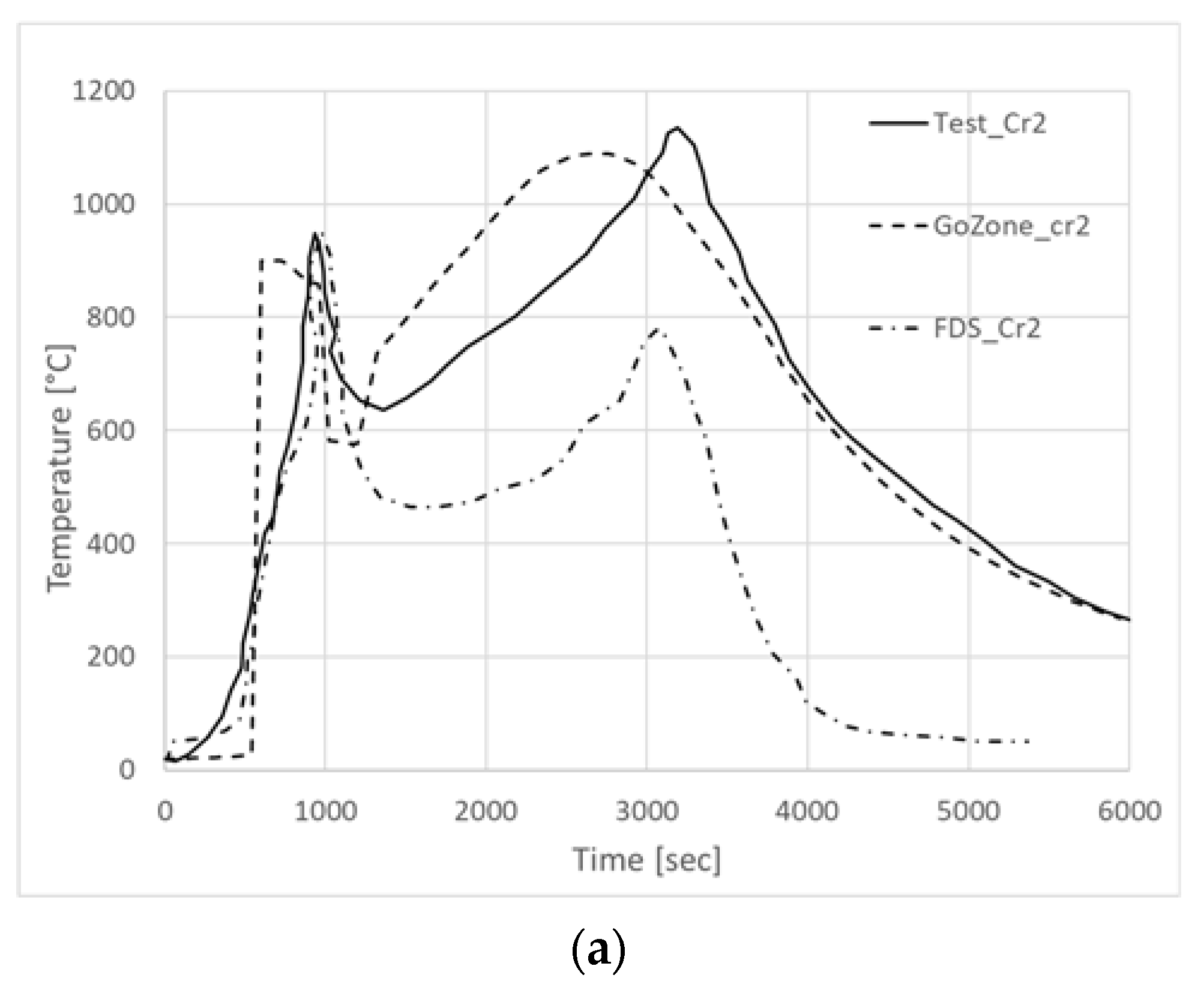
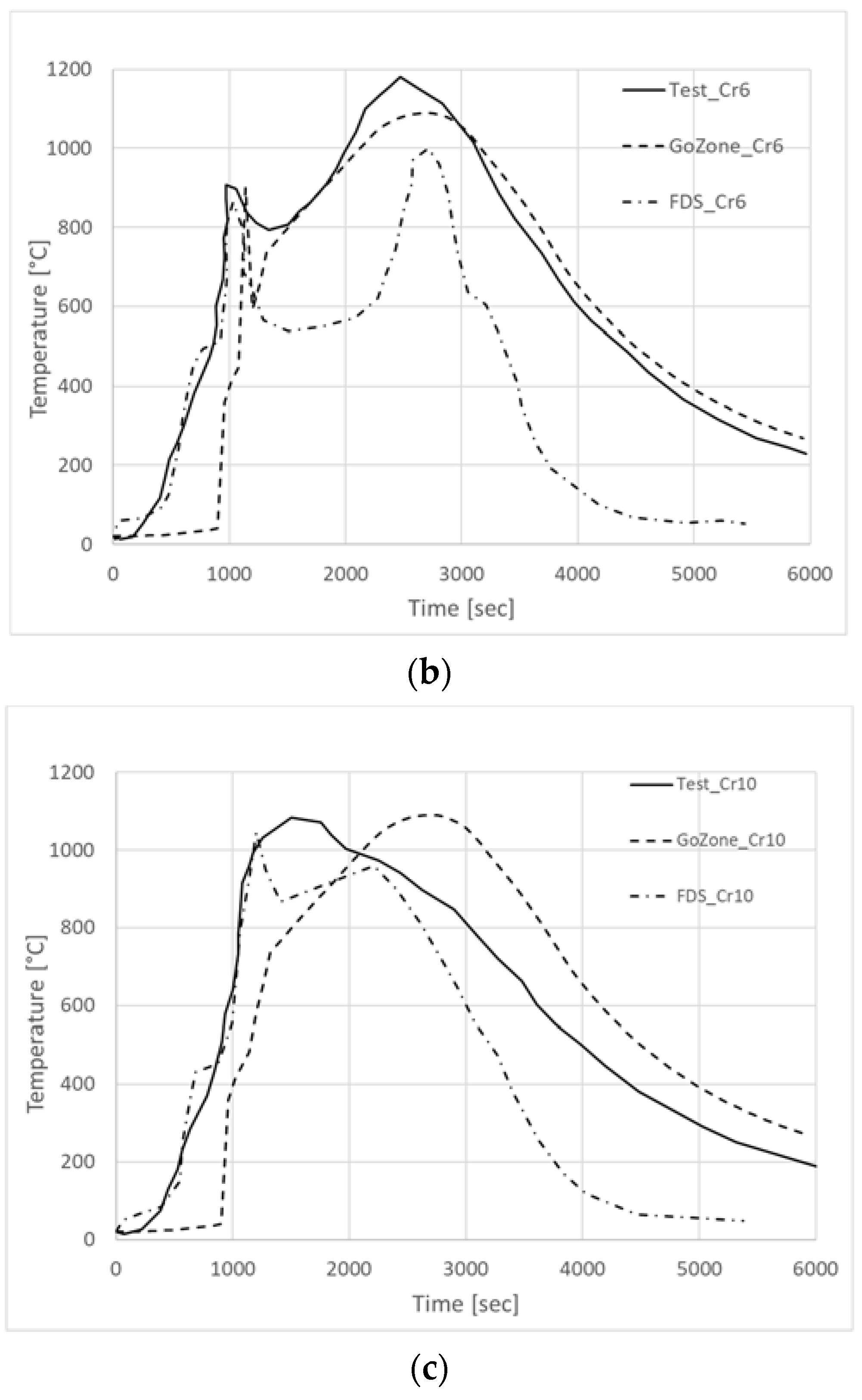
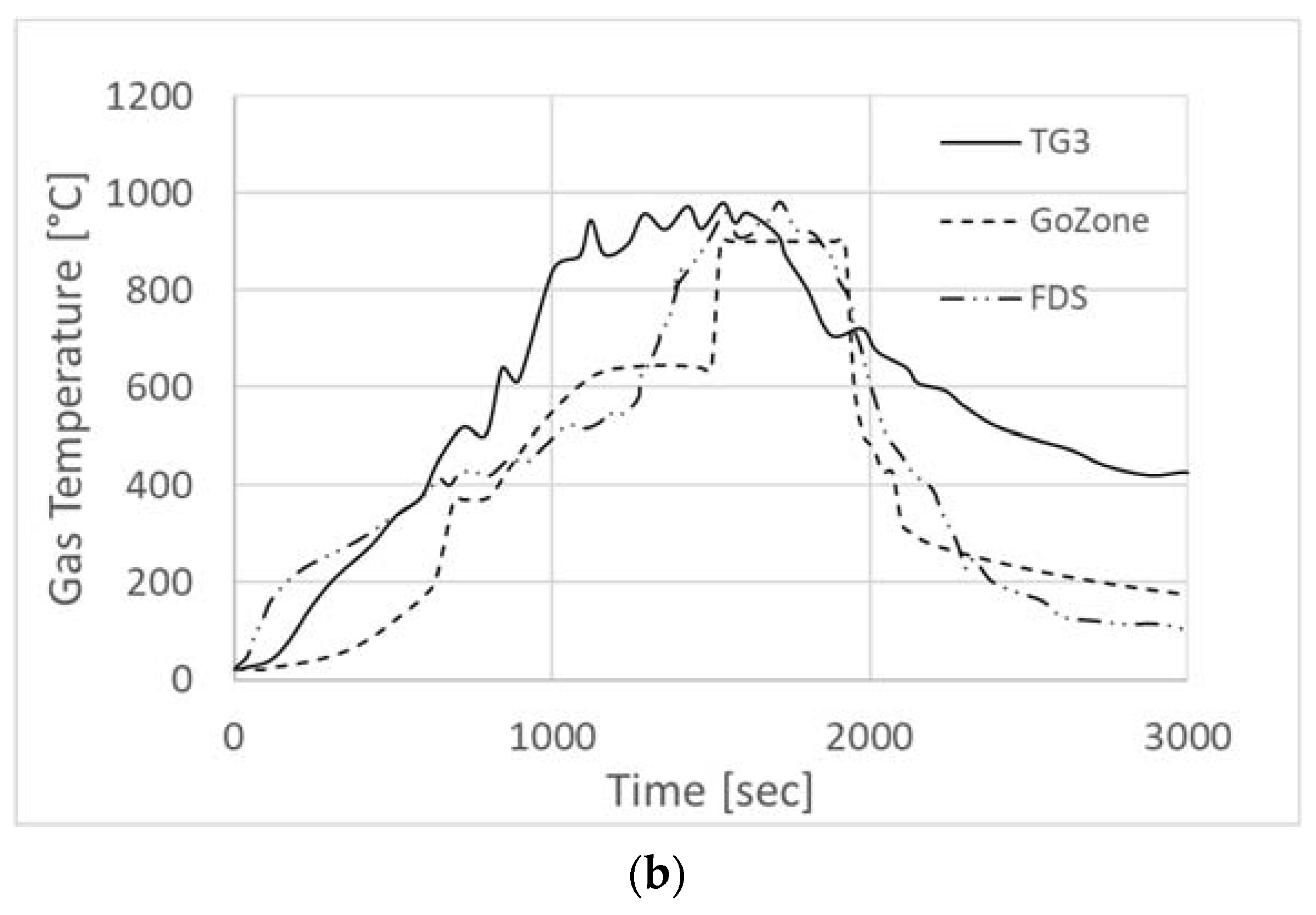
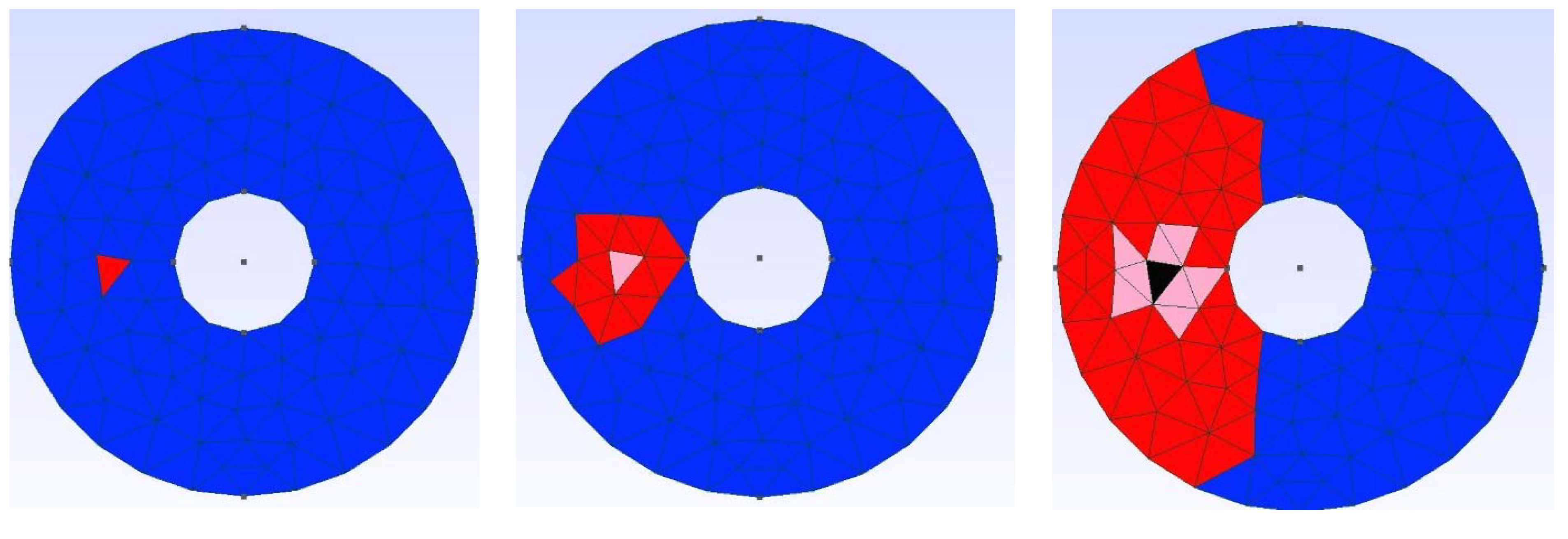
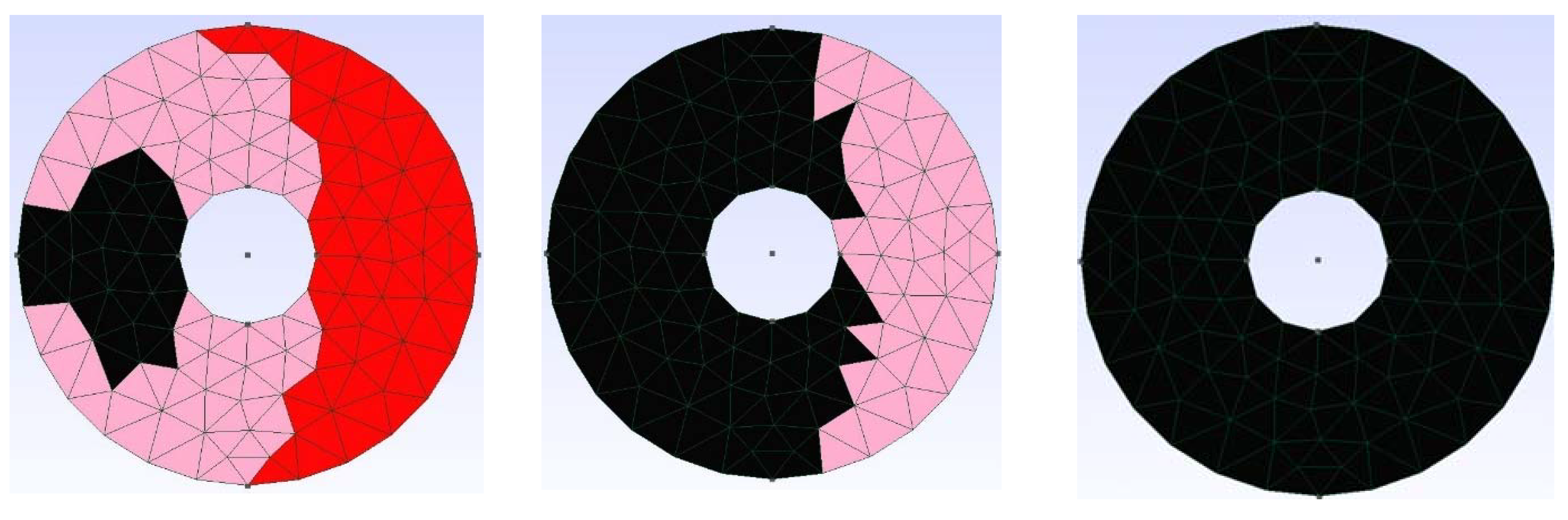
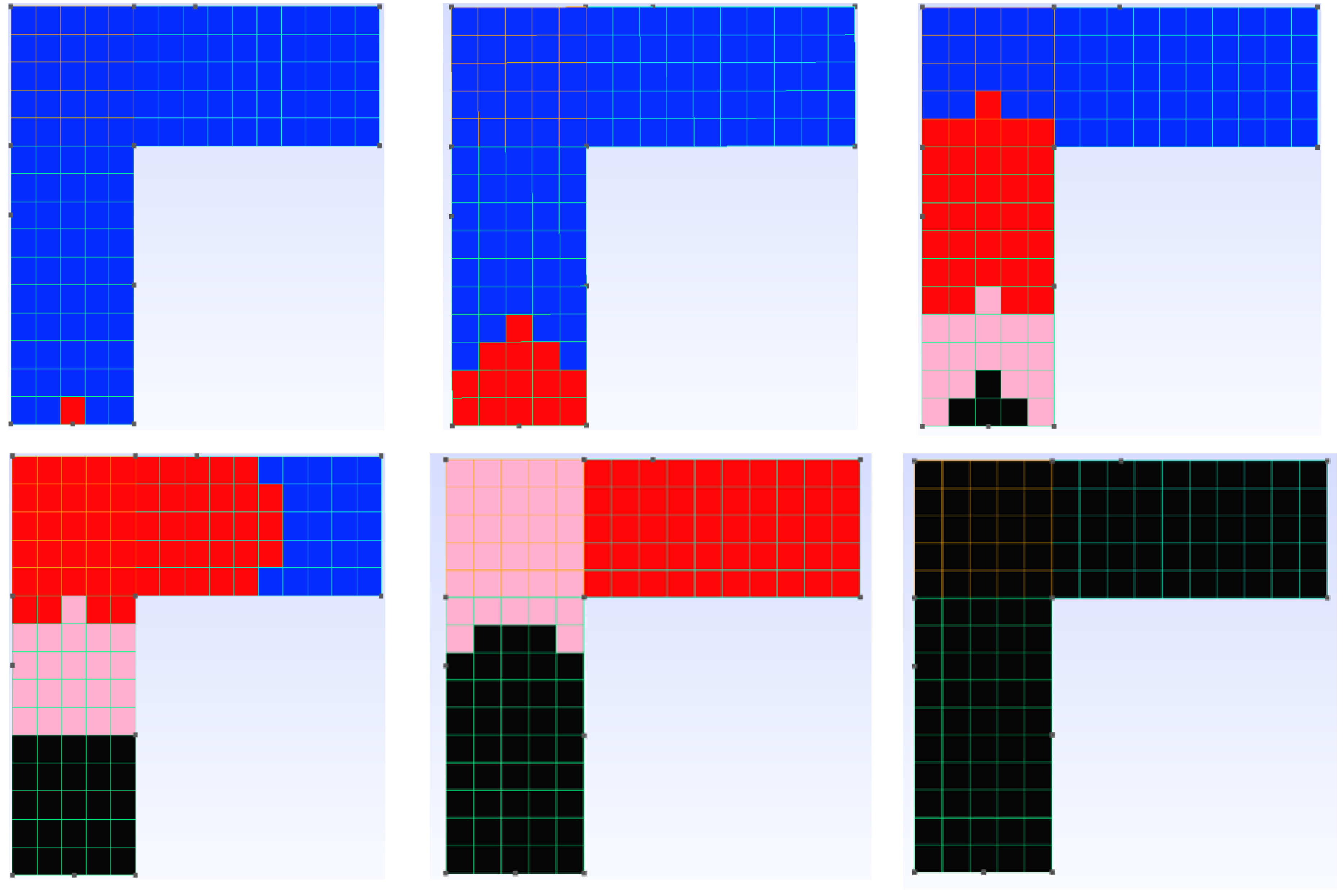
Fires in large compartments tend to burn locally and to move across the floor over a period of time; this particular behaviour has been discovered to challenge the assumption of uniform gas temperature in the fire compartment. Recent studies on fires in large compartments have led to the now widely known concept of “travelling fires”. Several models have been proposed to describe the evolution in time of travelling fires. Although these models represented an innovative step in the field of travelling fires, the major drawbacks of these models can be found in the simplification of fire dynamics (constant spread rate, 1D imposed fire path) and limited field of application (rectangular based geometries). The purpose of this paper is to present a numerical model of travelling fire. The model was based on an improved zone model combined with a cellular automata model. The software GoZone, in which the model was implemented, is intended to be a practical solution to analyse fires in large compartments of potentially any shape. GoZone is aimed to describe the complex dynamics of the fire from ignition to a phase of growing localised fire that may eventually travel in the compartment, possibly followed by a flashover. The main sub models comprising GoZone are presented. A comparison is given with the results of under ventilated fire test 2 of the BST/FSR 1993 test series and with respect to the Veselì travelling fire test is shown. GoZone shows a promising capacity to represent fires in a large compartment in both air and fuel controlled fire conditions.
Keywords: travelling fire; fire dynamics; numerical fire model travelling fire; fire dynamics; numerical fire model