Article

Chinese Character Image Completion Using a Generative Latent Variable Model

1
Department of Computer, Dankook University, Yongin-si, Gyeonggi-do 16890, Korea
2
Department of Software Science, Dankook University, Yongin-si, Gyeonggi-do 16890, Korea
*
Author to whom correspondence should be addressed.
Appl. Sci. 2021, 11(2), 624; https://doi.org/10.3390/app11020624
Submission received: 25 November 2020 / Revised: 30 December 2020 / Accepted: 7 January 2021 / Published: 11 January 2021
(This article belongs to the Collection The Development and Application of Fuzzy Logic)

Abstract

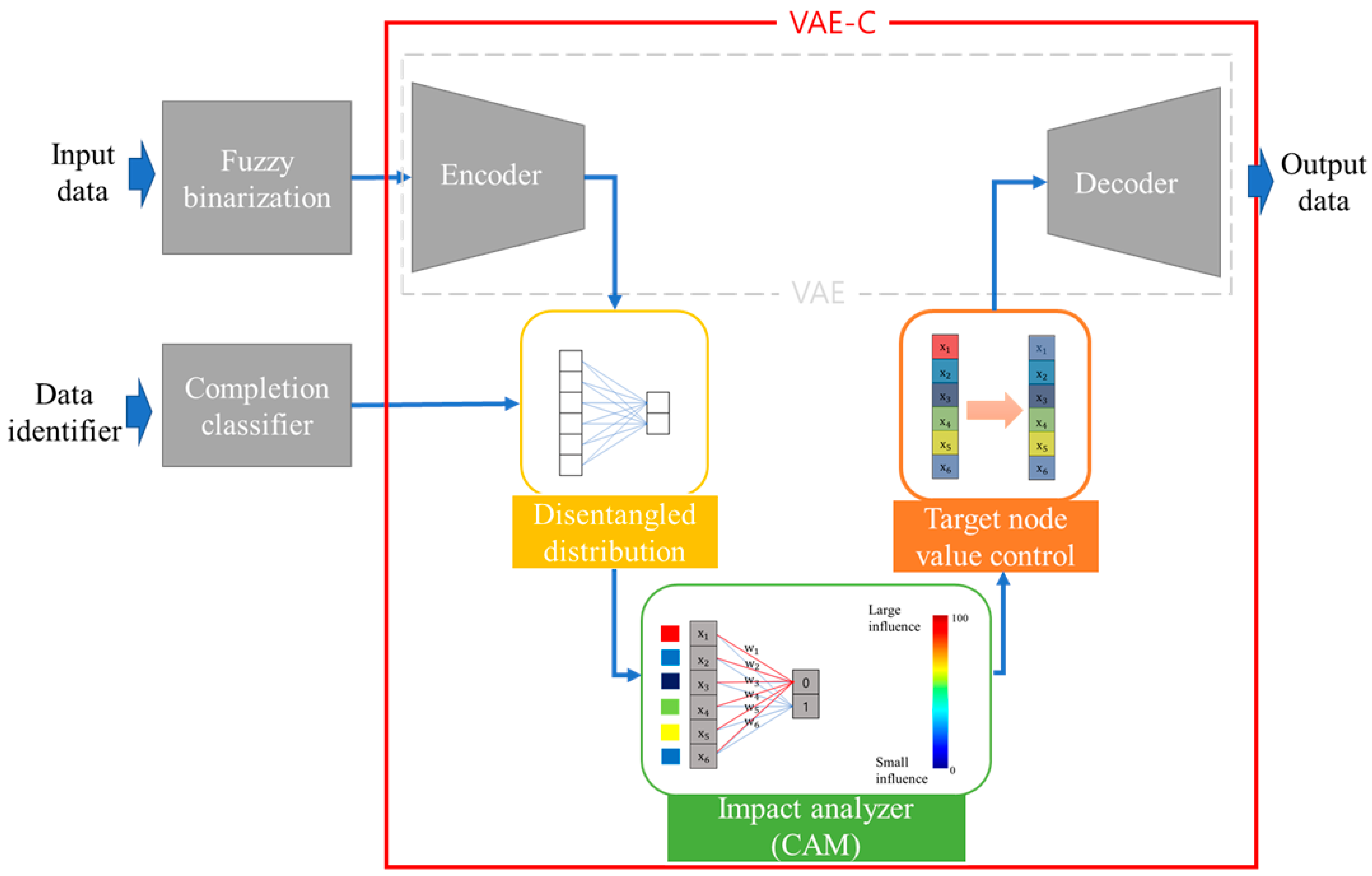
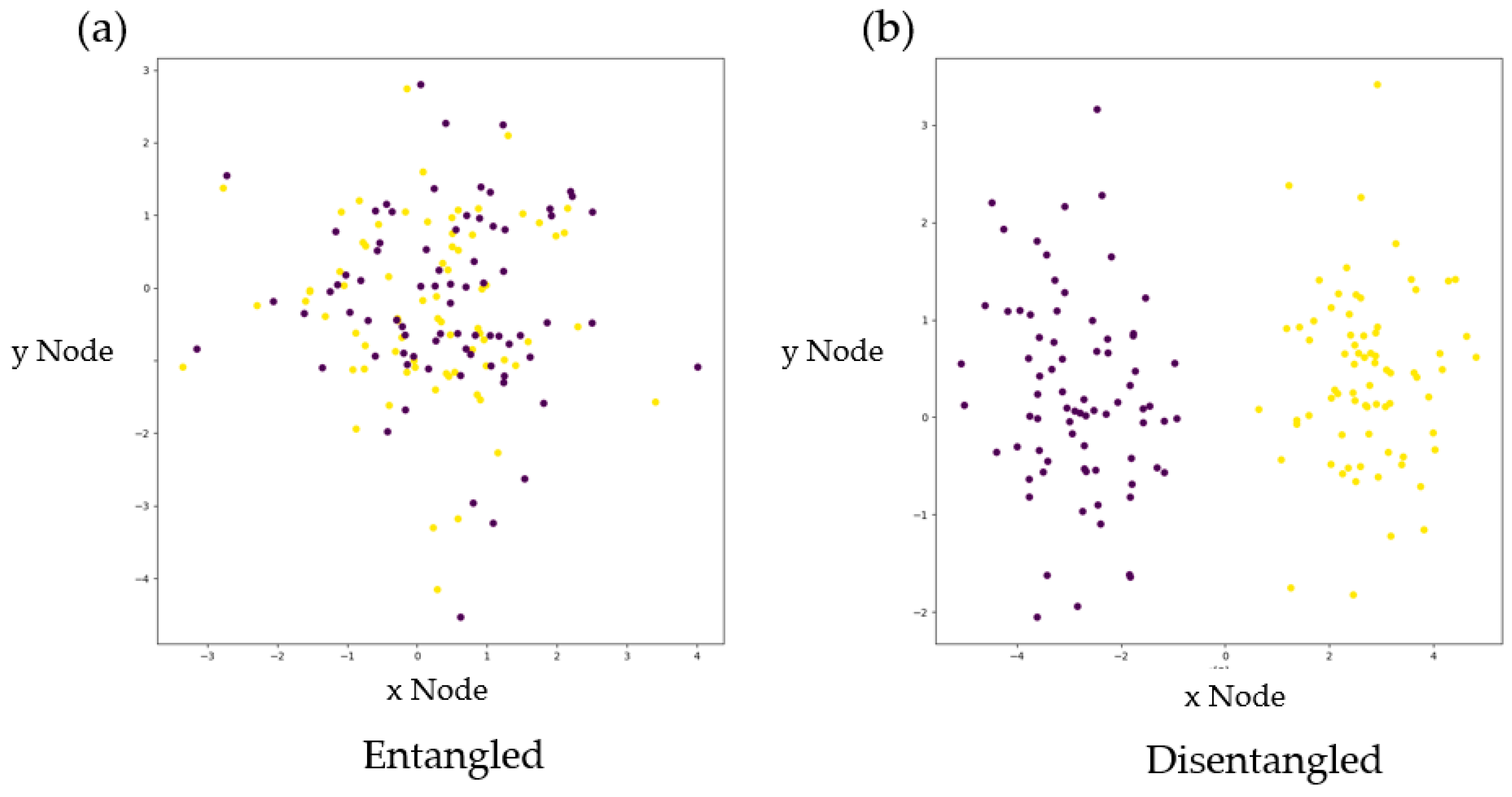
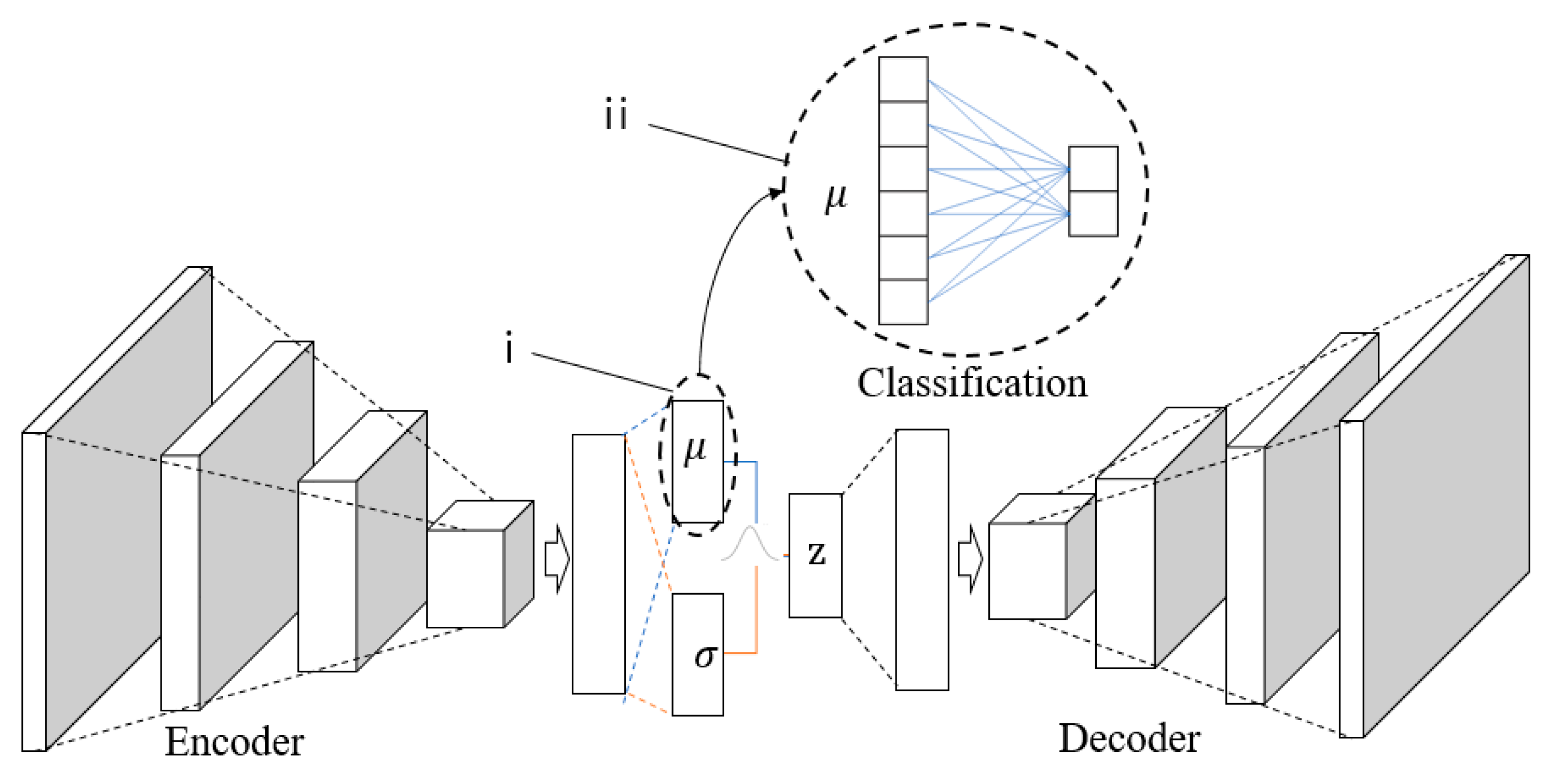
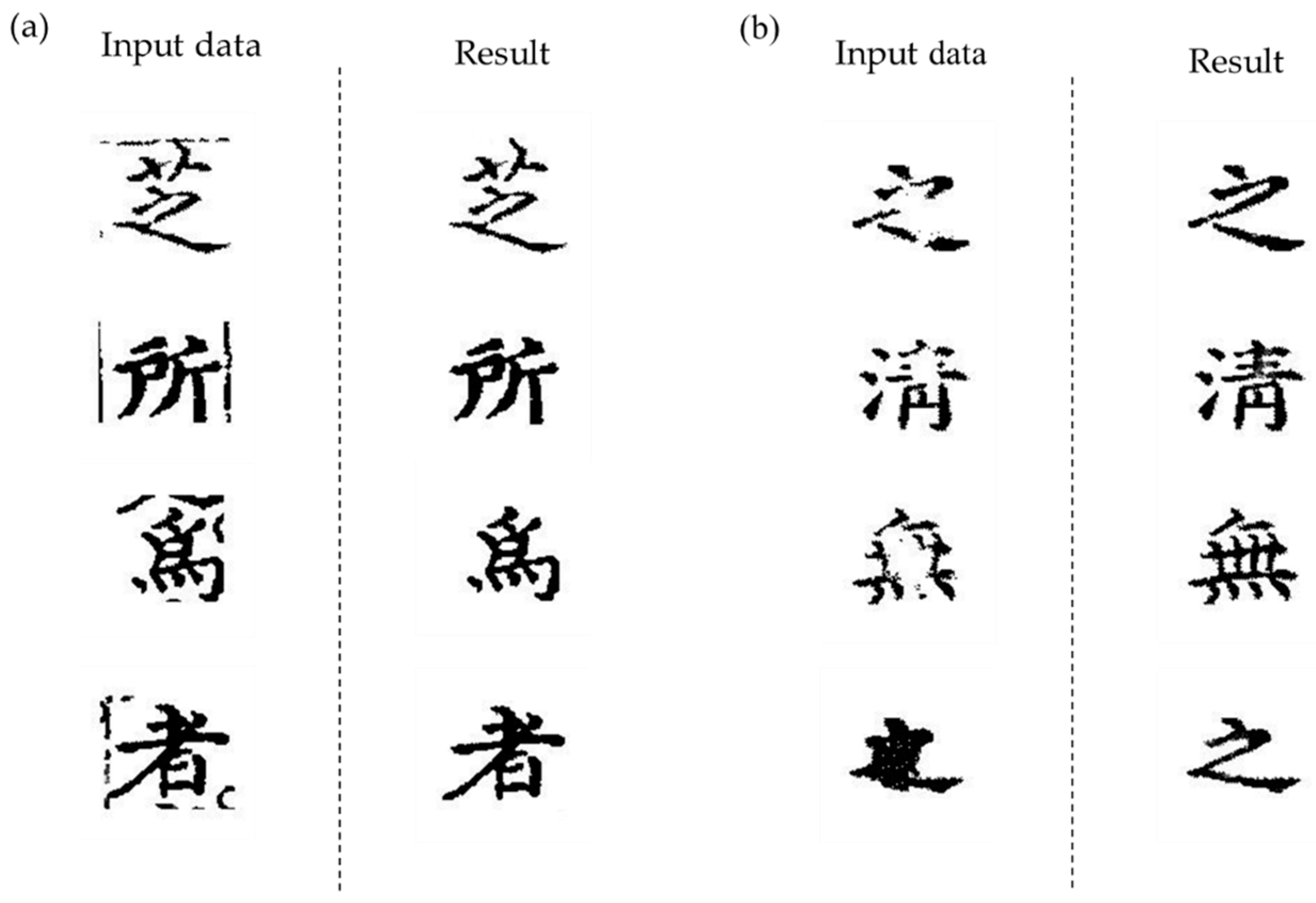
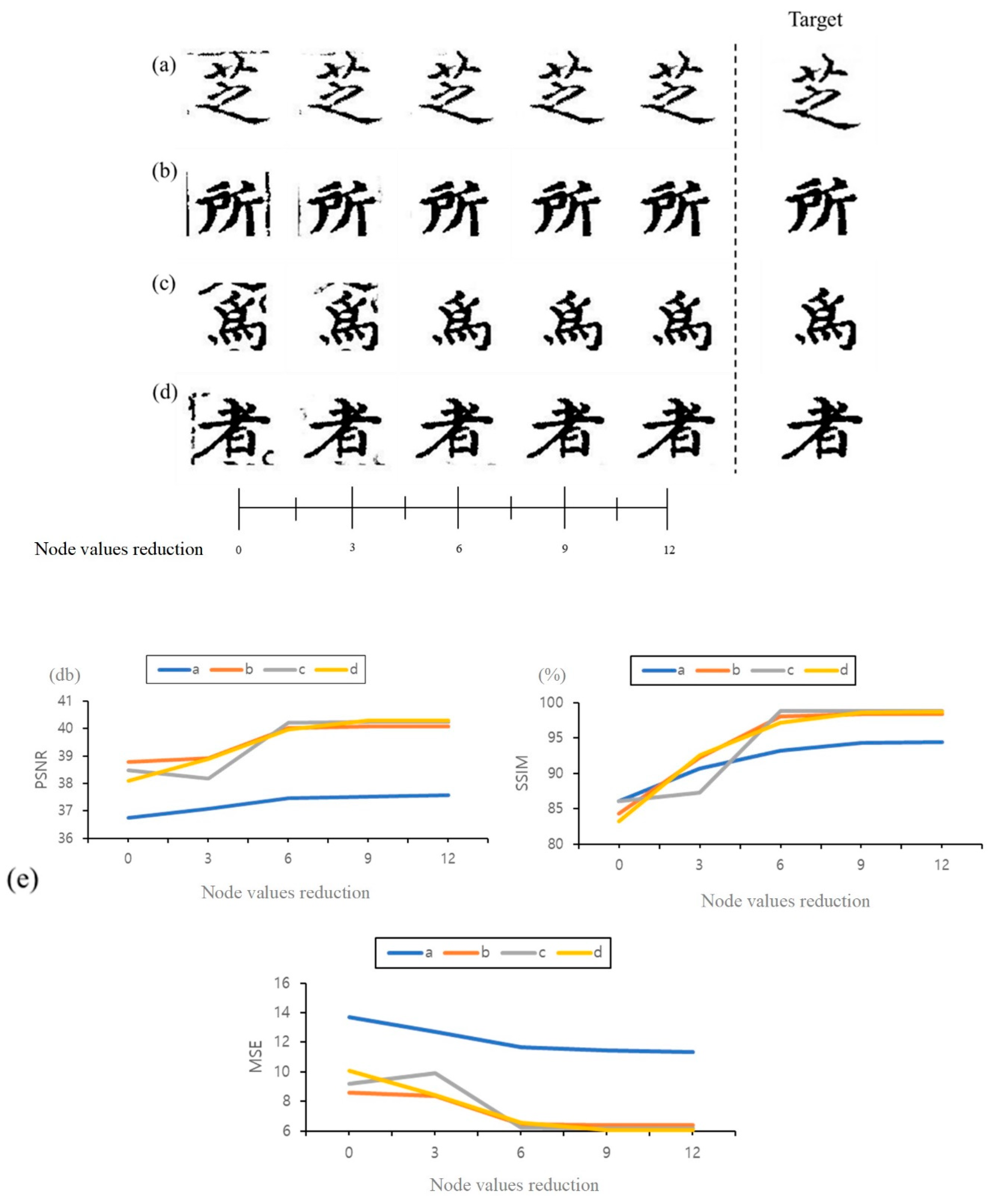
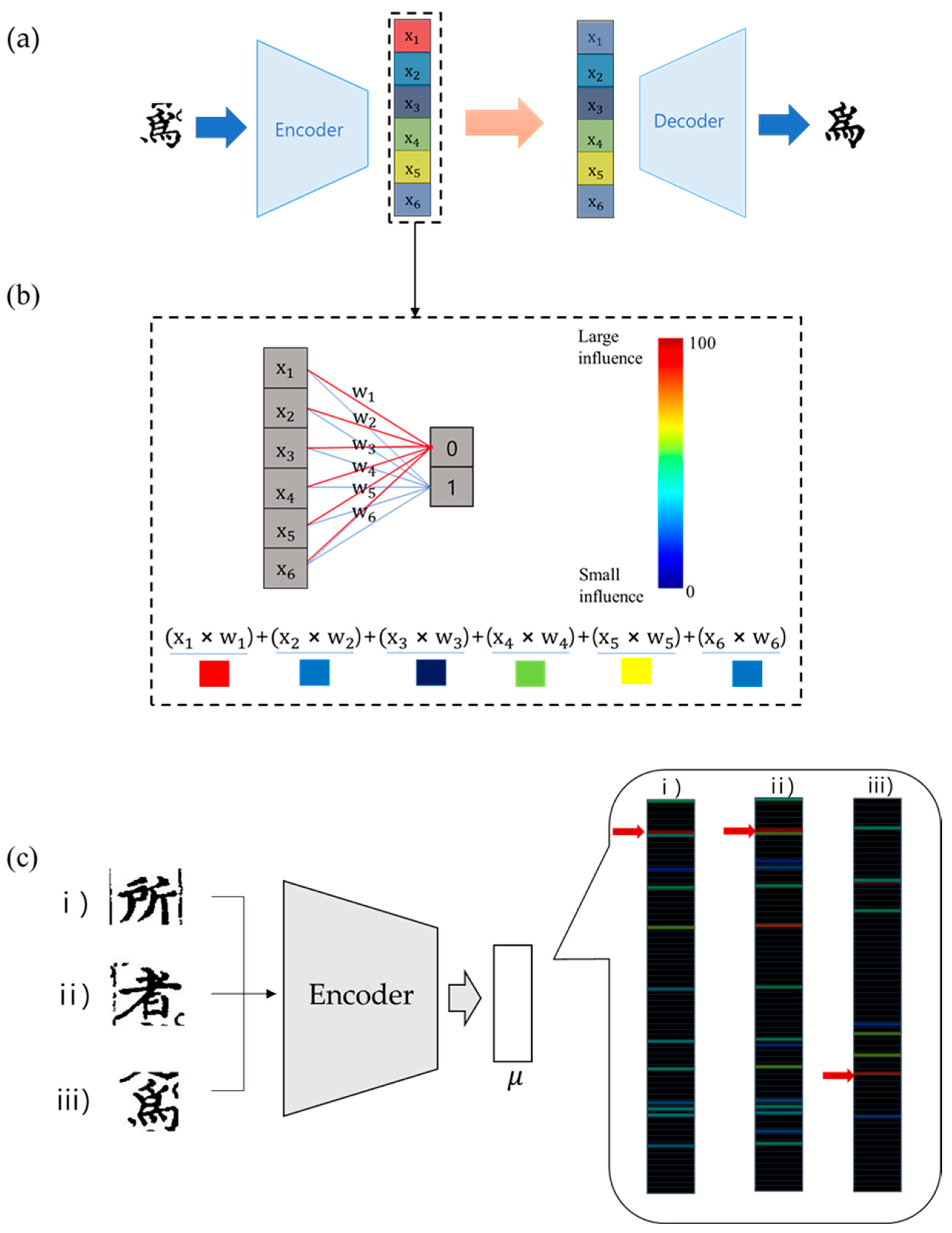
Chinese characters in ancient books have many corrupted characters, and there are cases in which objects are mixed in the process of extracting the characters into images. To use this incomplete image as accurate data, we use image completion technology, which removes unnecessary objects and restores corrupted images. In this paper, we propose a variational autoencoder with classification (VAE-C) model. This model is characterized by using classification areas and a class activation map (CAM). Through the classification area, the data distribution is disentangled, and then the node to be adjusted is tracked using CAM. Through the latent variable, with which the determined node value is reduced, an image from which unnecessary objects have been removed is created. The VAE-C model can be utilized not only to eliminate unnecessary objects but also to restore corrupted images. By comparing the performance of removing unnecessary objects with mask regions with convolutional neural networks (Mask R-CNN), one of the prevalent object detection technologies, and also comparing the image restoration performance with the partial convolution model (PConv) and the gated convolution model (GConv), which are image inpainting technologies, our model is proven to perform excellently in terms of removing objects and restoring corrupted areas.
Keywords: variational autoencoder; class activation map; object removal; image variational autoencoder; class activation map; object removal; image