Article

Study on Active Tracking of Underwater Acoustic Target Based on Deep Convolution Neural Network
1
School of Mechanical Engineering, Hangzhou Dianzi University, Hangzhou 310018, China
2
College of Electrical Engineering, Zhejiang University, Hangzhou 310027, China
*
Author to whom correspondence should be addressed.
Appl. Sci. 2021, 11(16), 7530; https://doi.org/10.3390/app11167530
Submission received: 24 May 2021 / Revised: 29 July 2021 / Accepted: 12 August 2021 / Published: 17 August 2021
(This article belongs to the Special Issue Deep Learning for Signal Processing Applications)

Abstract

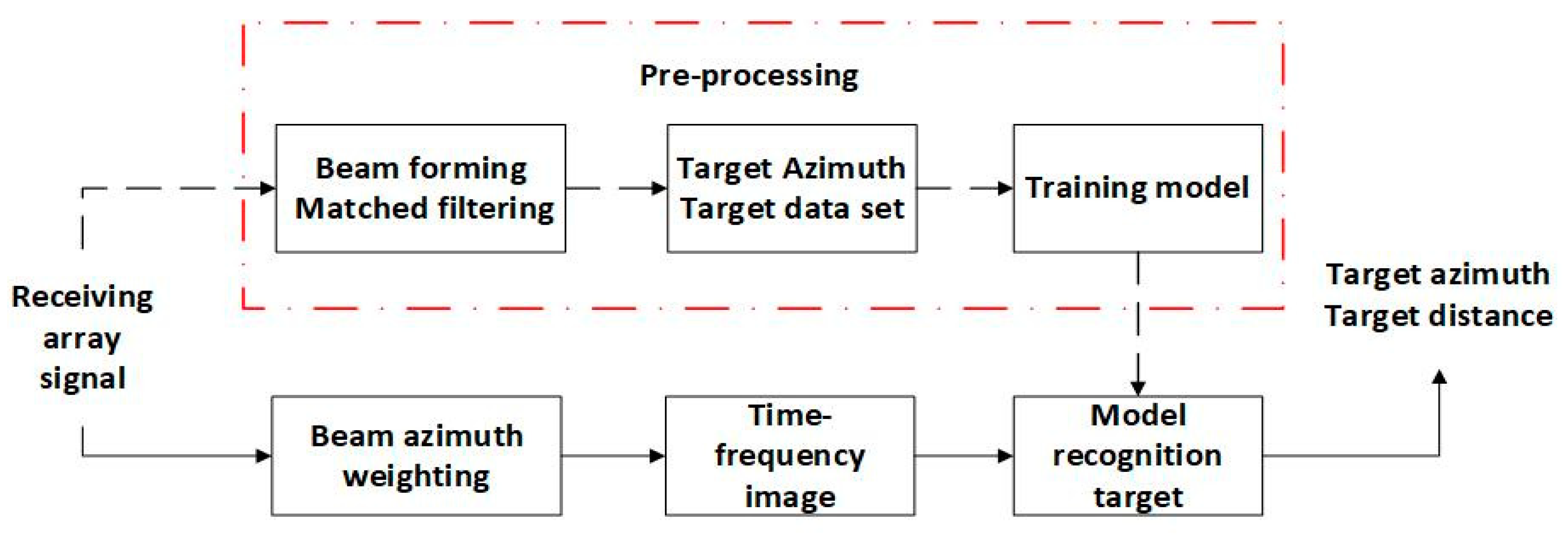
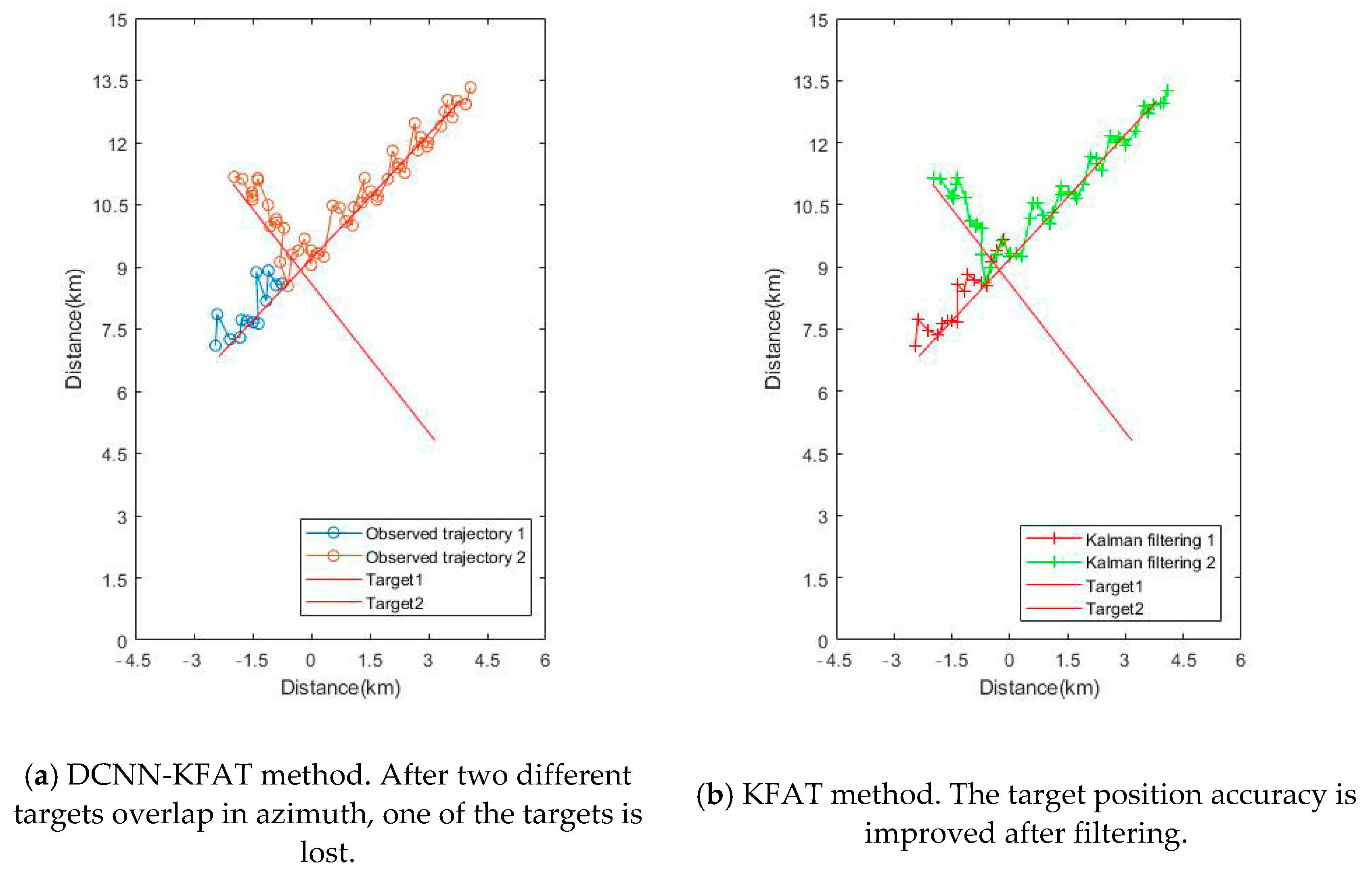
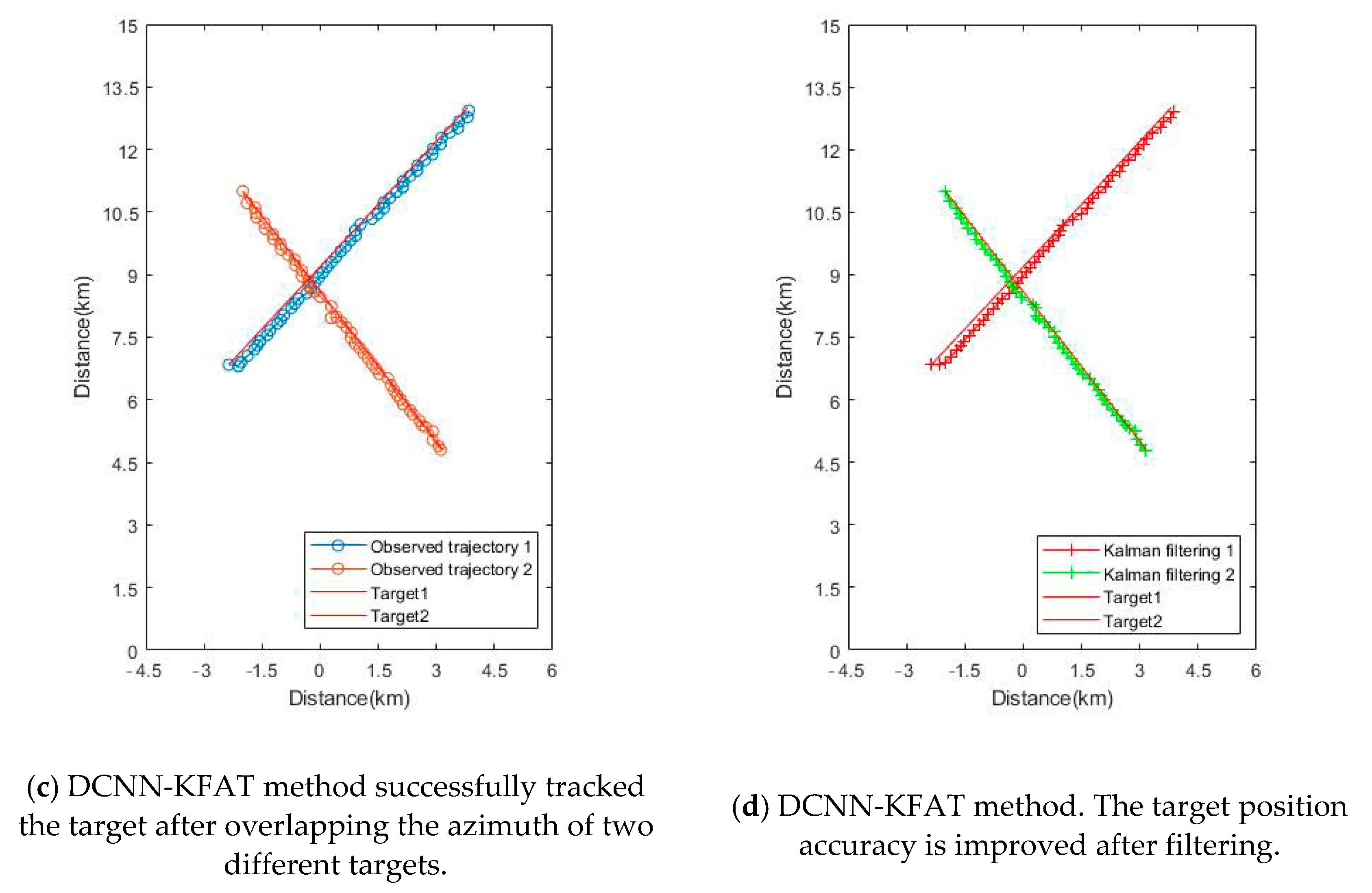
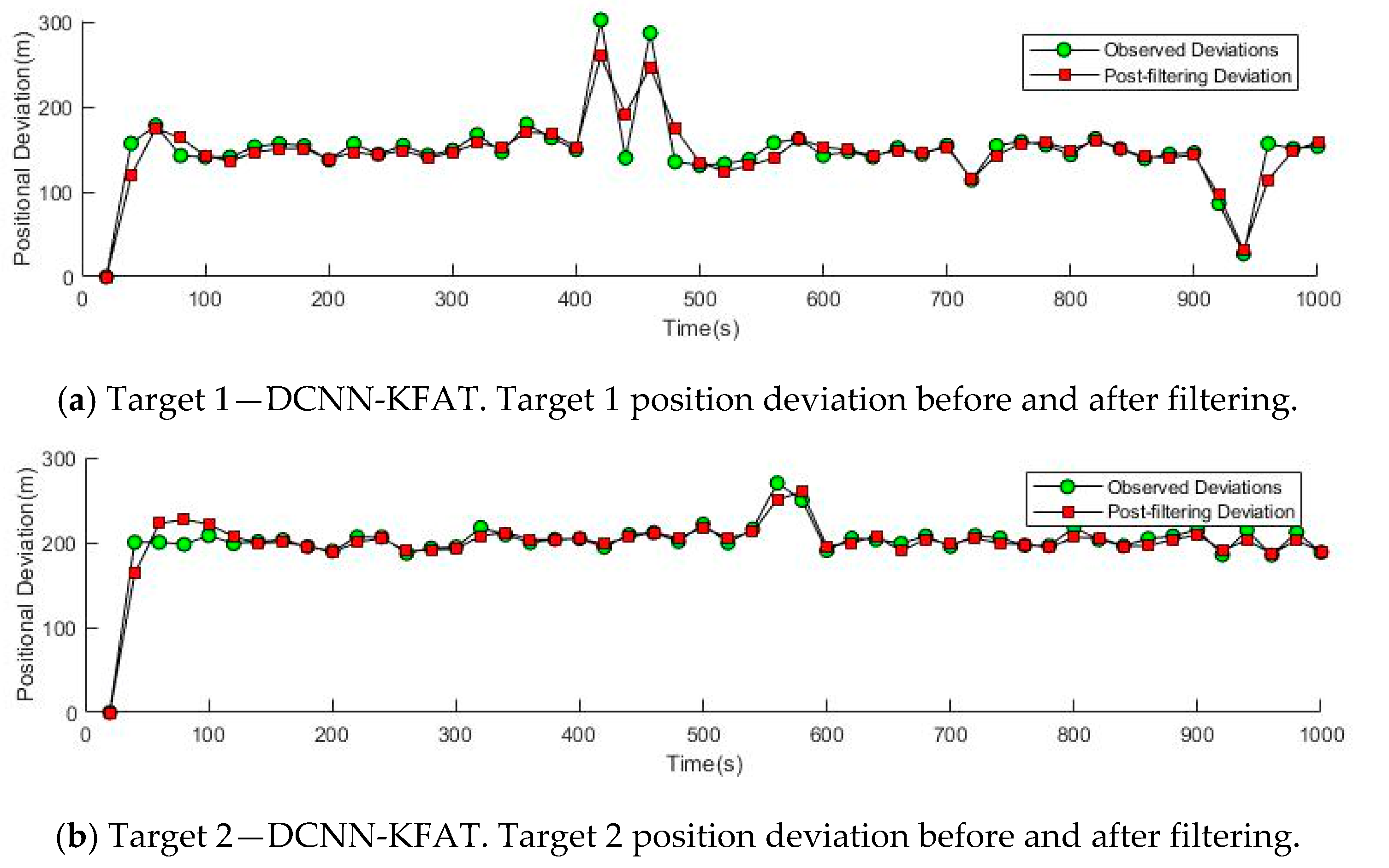
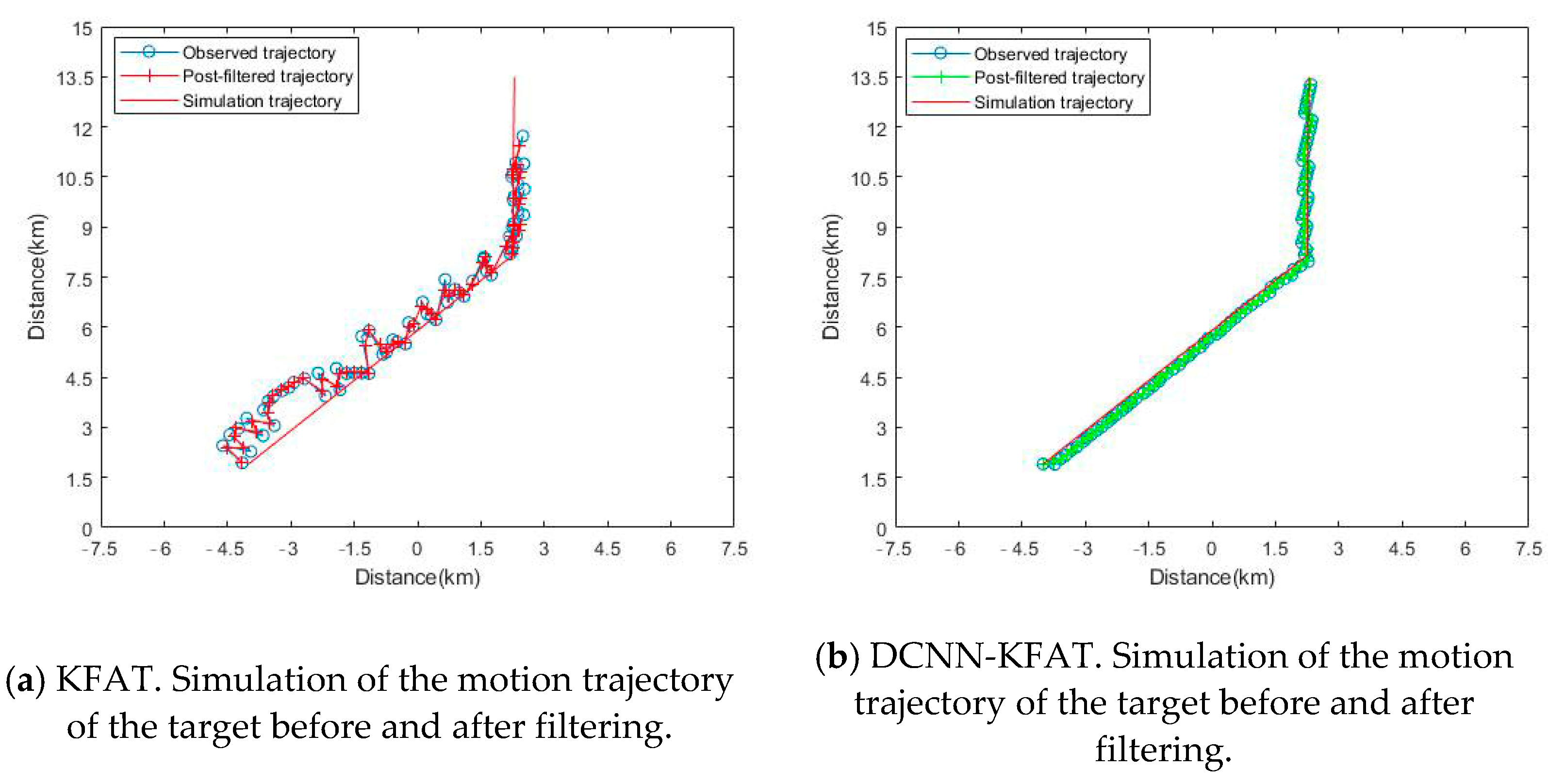
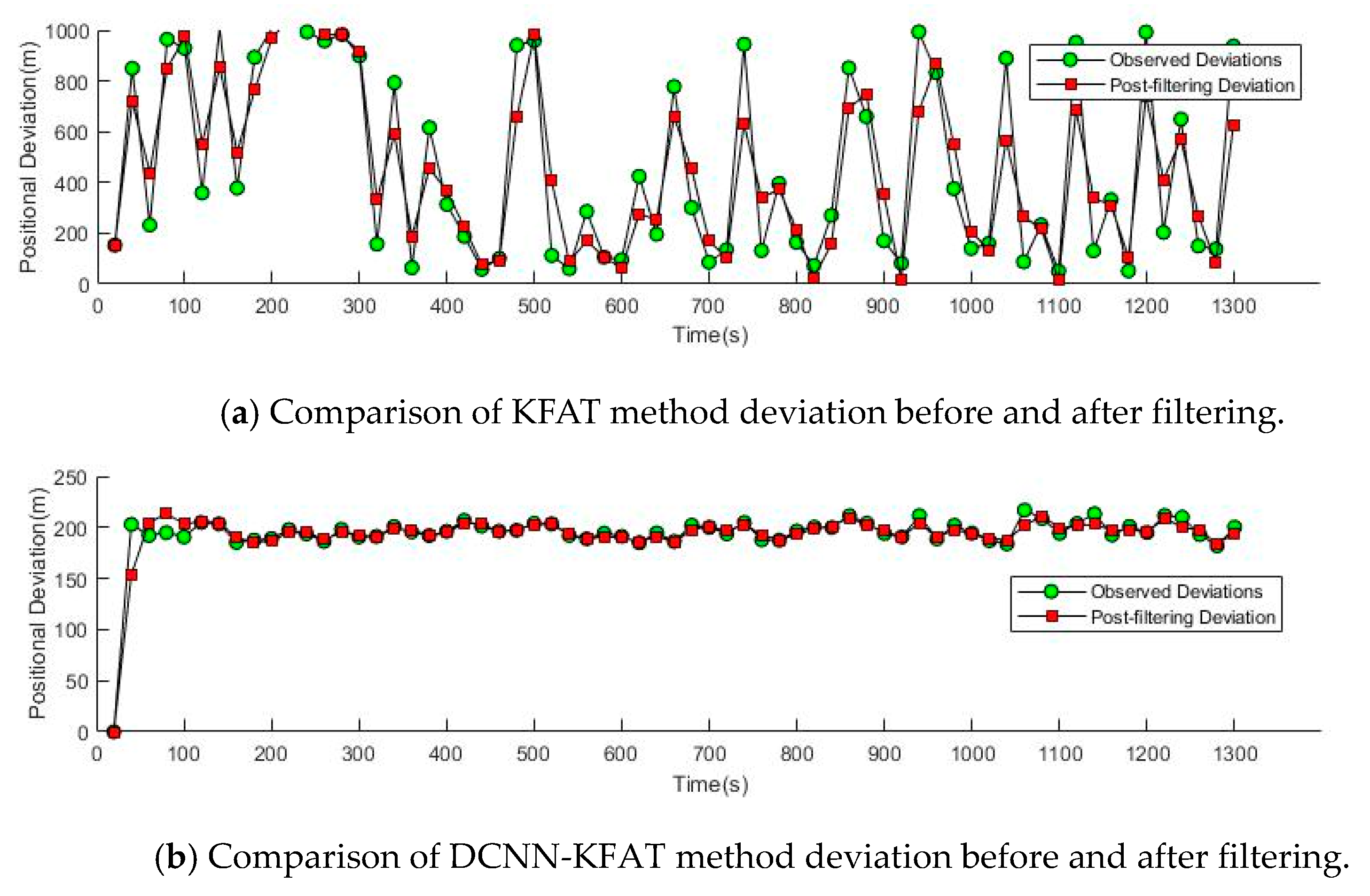
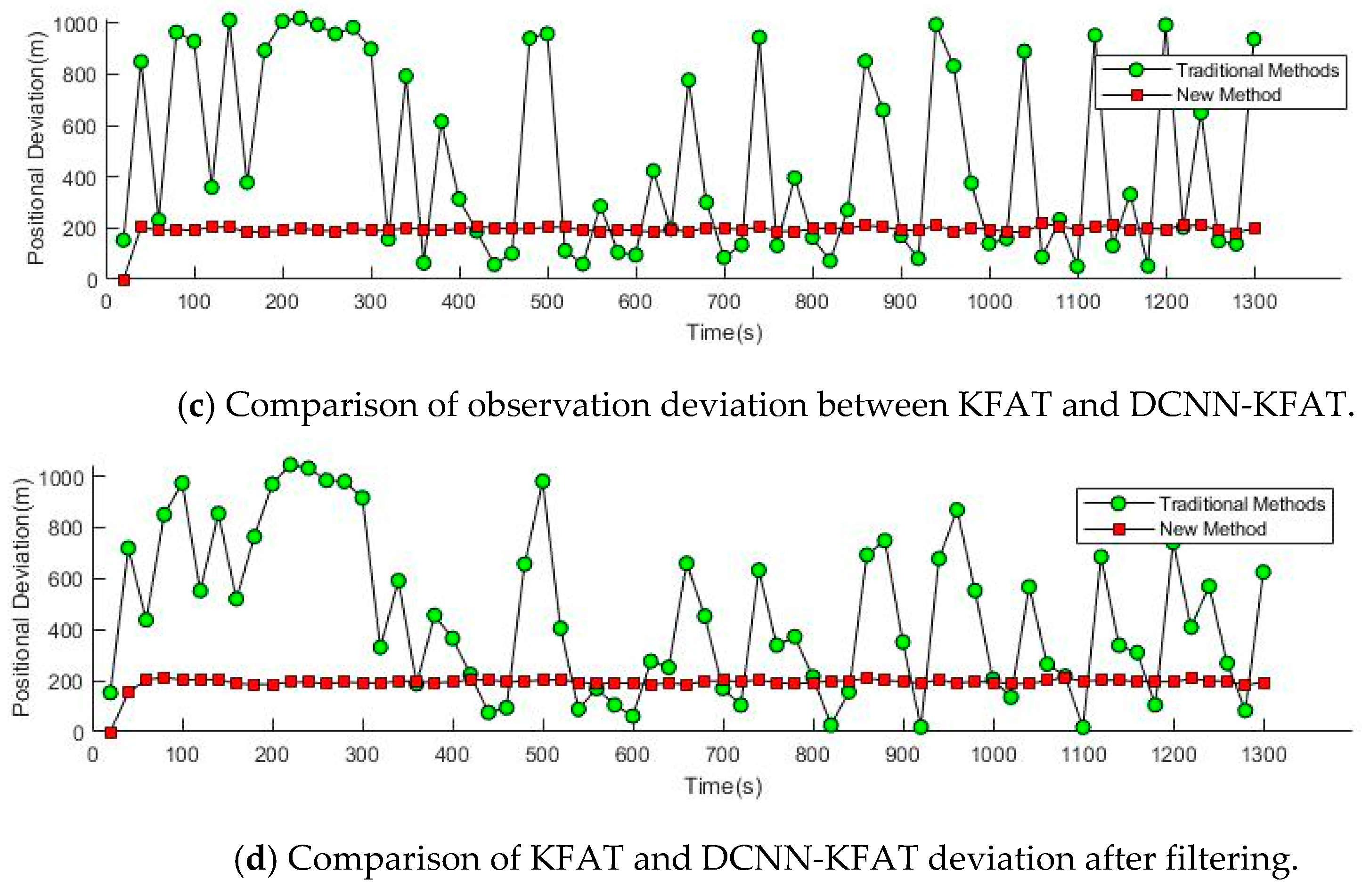
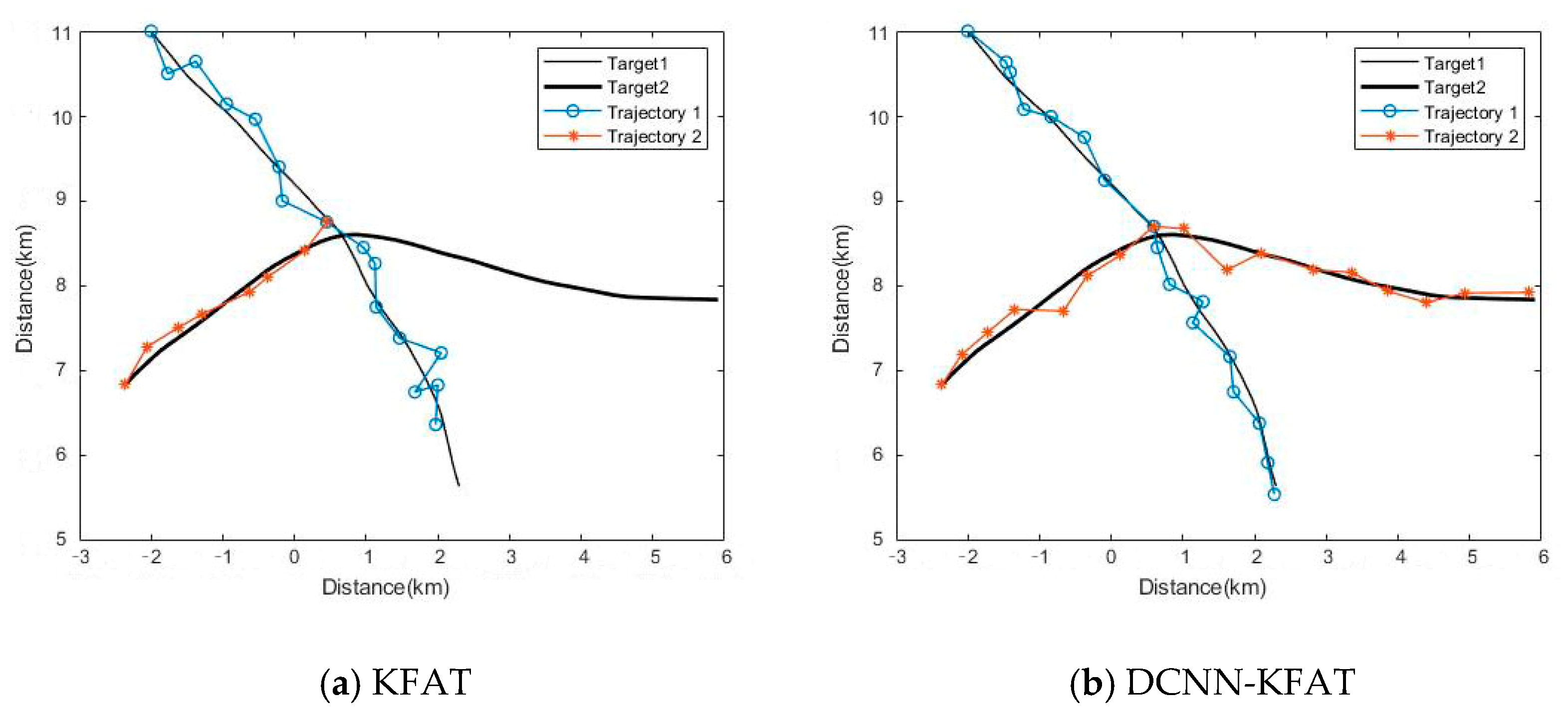
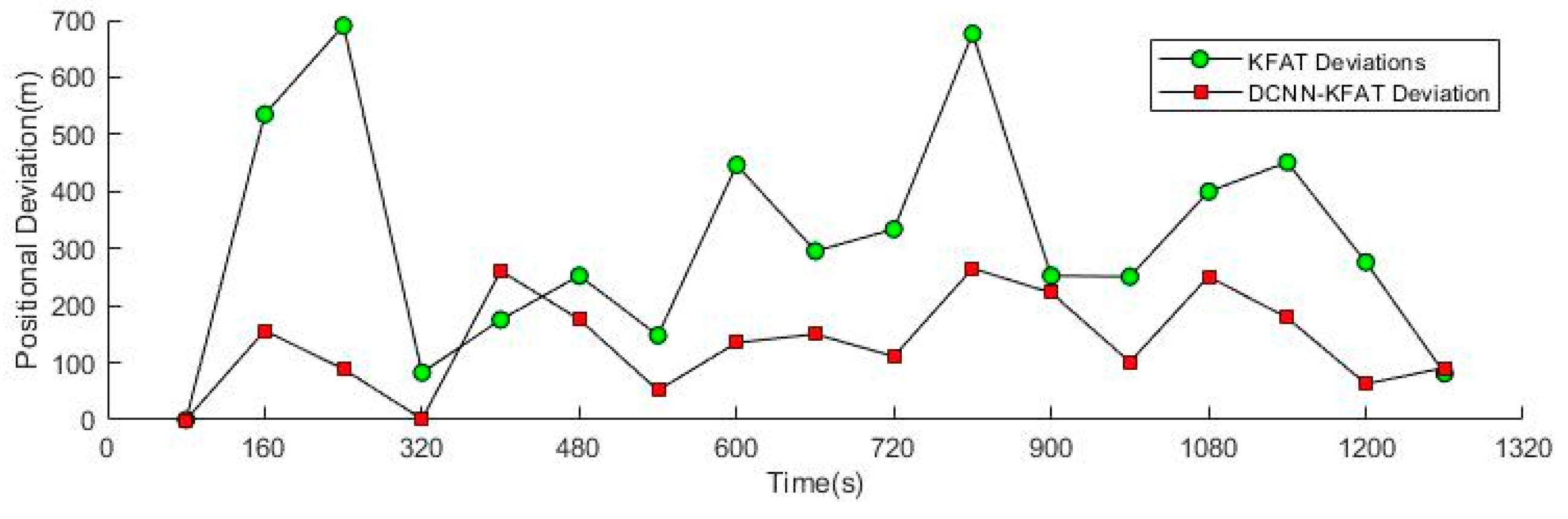
The active tracking technology of underwater acoustic targets is an important research direction in the field of underwater acoustic signal processing and sonar, and it has always been issued that draws researchers’ attention. The commonly used Kalman filter active tracking (KFAT) method is an effective tracking method, however, it is difficult to detect weak SNR signals, and it is easy to lose the target after the azimuth of different targets overlaps. This paper proposes a KFAT based on deep convolutional neural network (DCNN) method, which can effectively solve the problem of target loss. First, we use Kalman filtering to predict the azimuth and distance of the target, and then use the trained model to identify the azimuth-weighted time-frequency image to obtain the azimuth and label of the target and obtain the target distance by the time the target appears in the time-frequency image. Finally, we associate the data according to the target category, and update the target azimuth and distance information for this cycle. In this paper, two methods, KFAT and DCNN-KFAT, are simulated and tested, and the results are obtained for two cases of tracking weak signal-to-noise signals and tracking different targets with overlapping azimuths. The simulation results show that the DCNN-KFAT method can solve the problem that the KFAT method is difficult to track the target under the weak SNR and the problem that the target is easily lost when two different targets overlap in azimuth. It reduces the deviation range of the active tracking to within 200 m, which is 500~700 m less than the KFAT method.
Keywords: DCNN; active sonar; tracking; Kalman filtering; underwater acoustic targets DCNN; active sonar; tracking; Kalman filtering; underwater acoustic targets