Article

Computationally Efficient Models of High Pressure Rolling for Wire Arc Additively Manufactured Components

Welding Engineering and Laser Processing Centre, School of Aerospace, Transport and Manufacturing, Cranfield University, Cranfield MK43 0AL, UK
*
Author to whom correspondence should be addressed.
Appl. Sci. 2021, 11(1), 402; https://doi.org/10.3390/app11010402
Submission received: 30 November 2020 / Revised: 22 December 2020 / Accepted: 29 December 2020 / Published: 4 January 2021
(This article belongs to the Special Issue Advances in Modelling for Additive Manufacturing)

Abstract

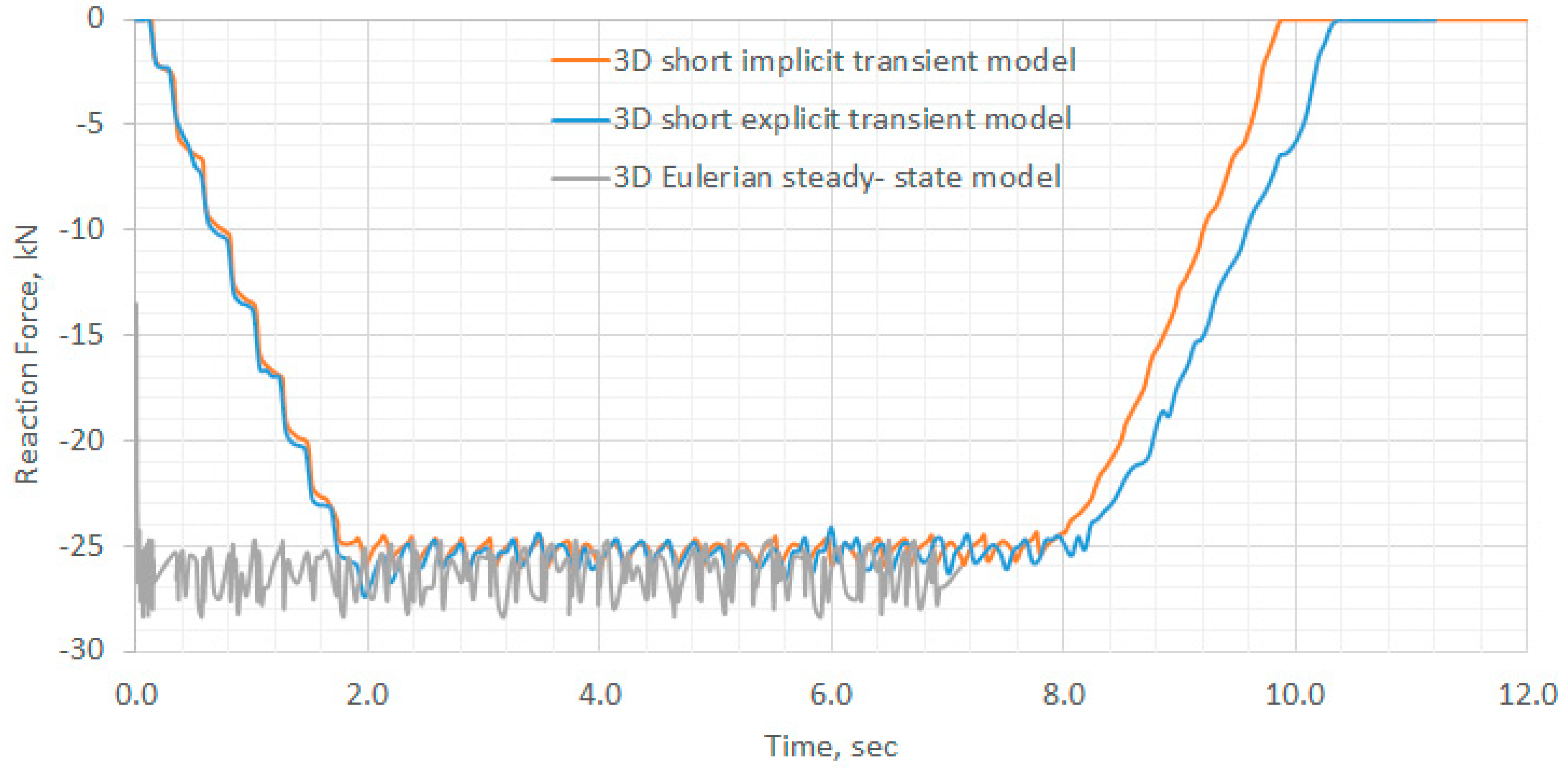
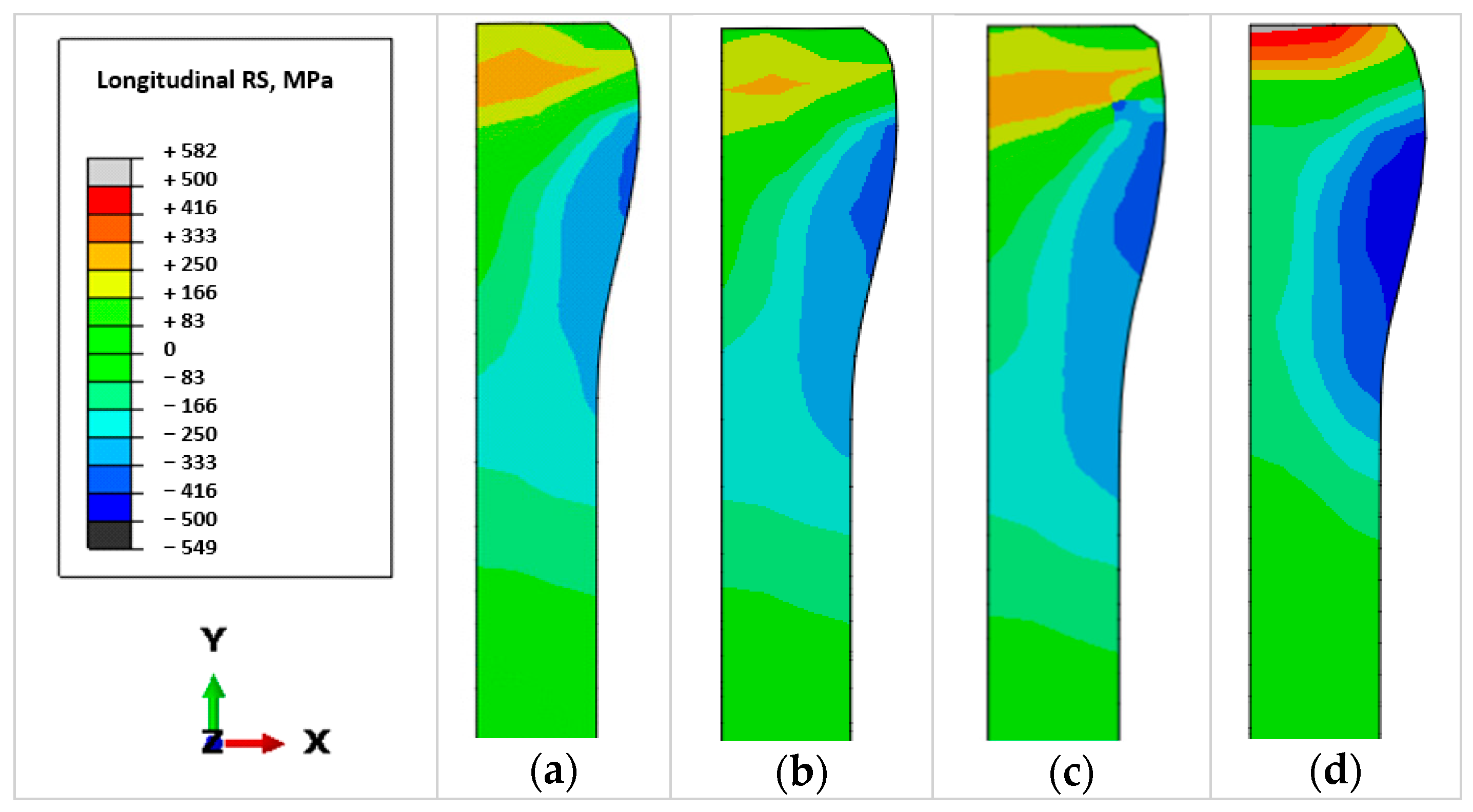
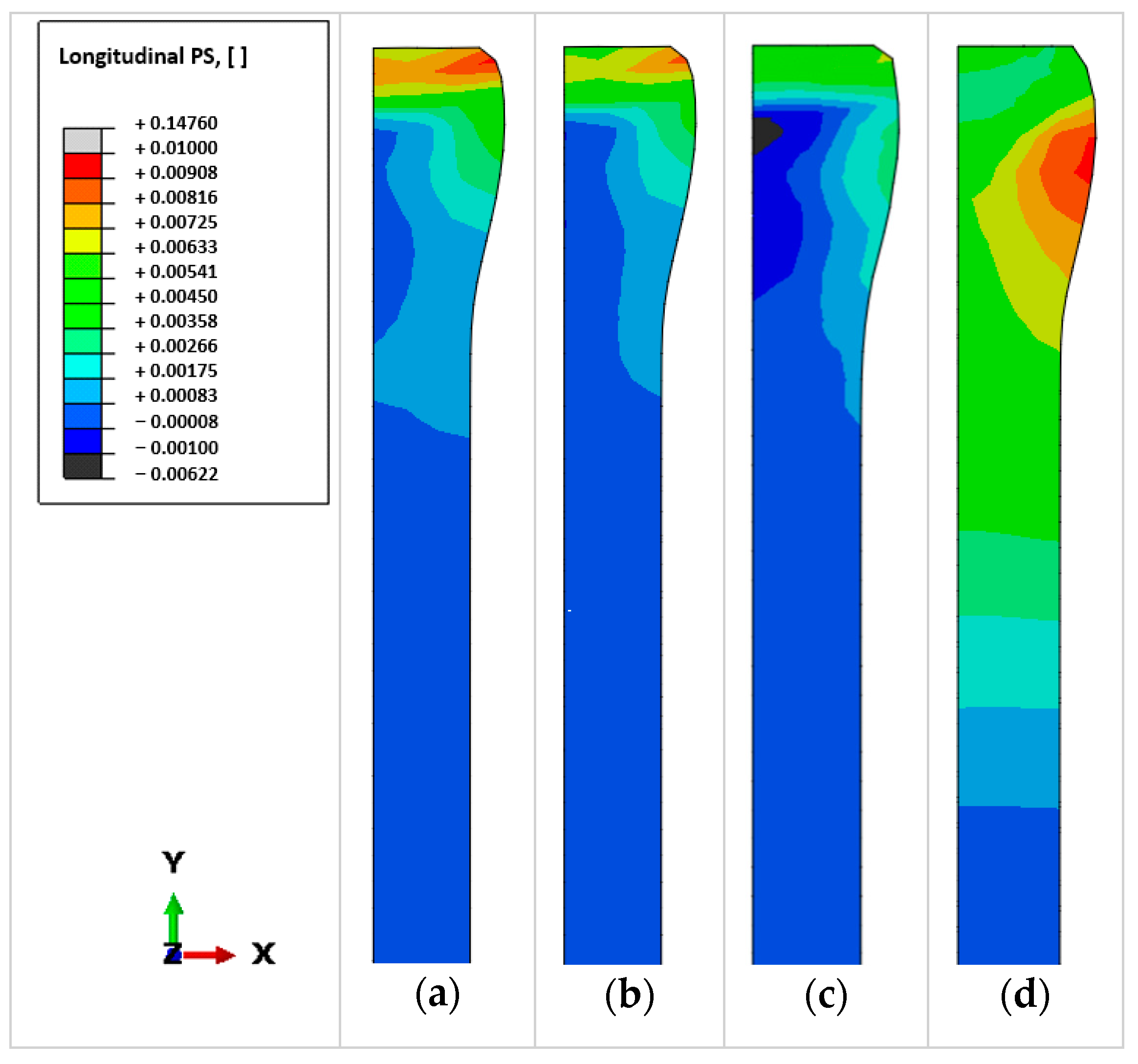
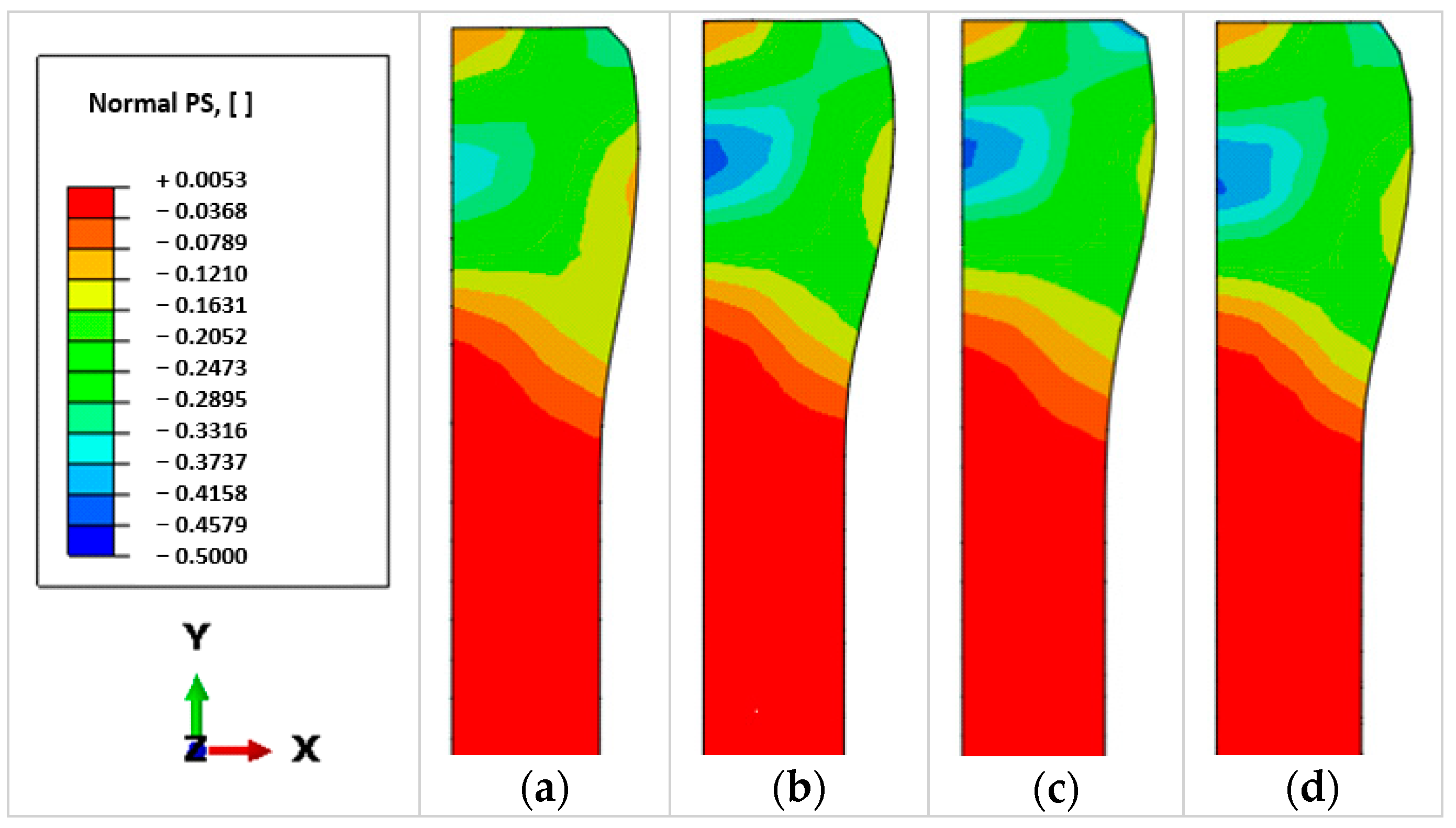
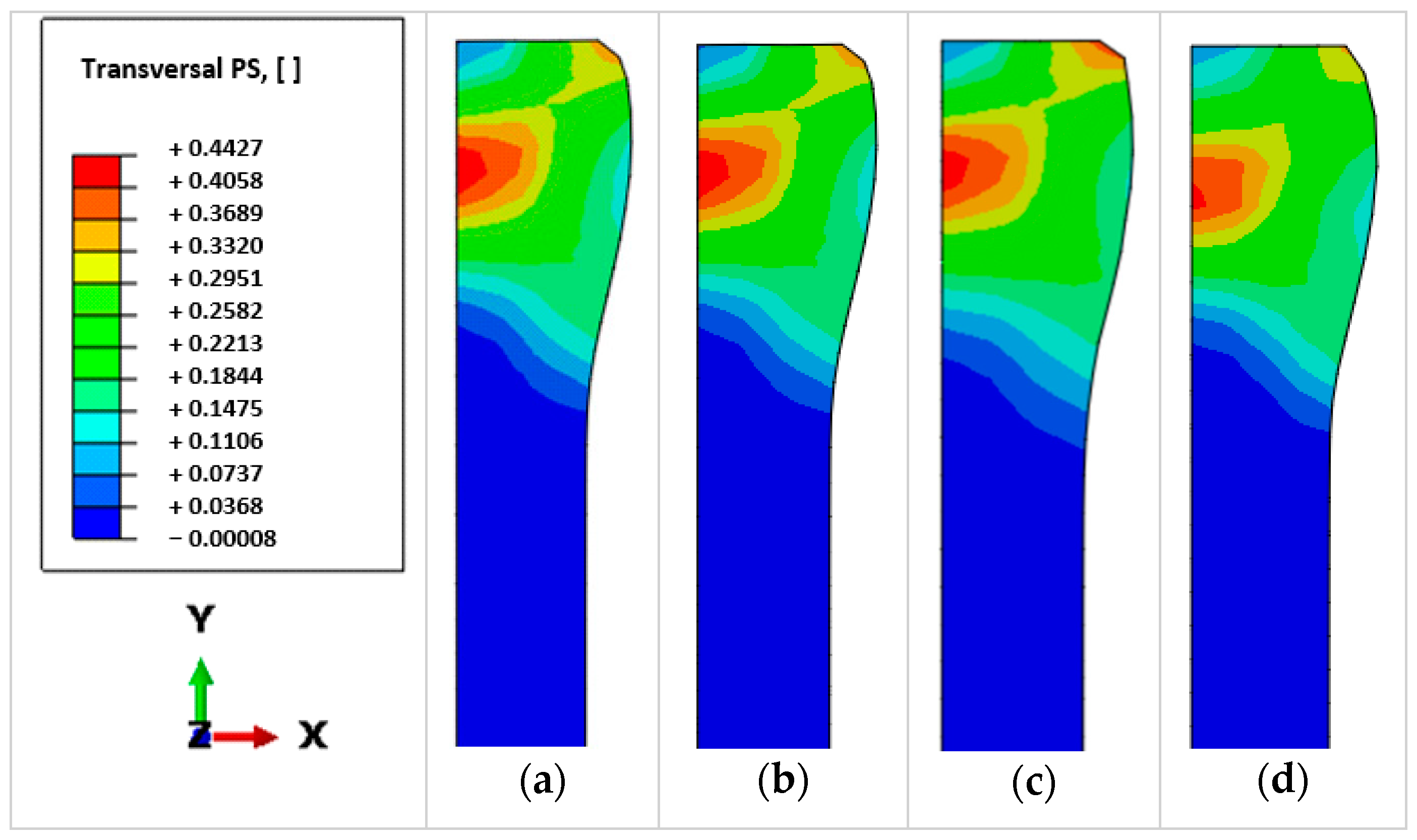
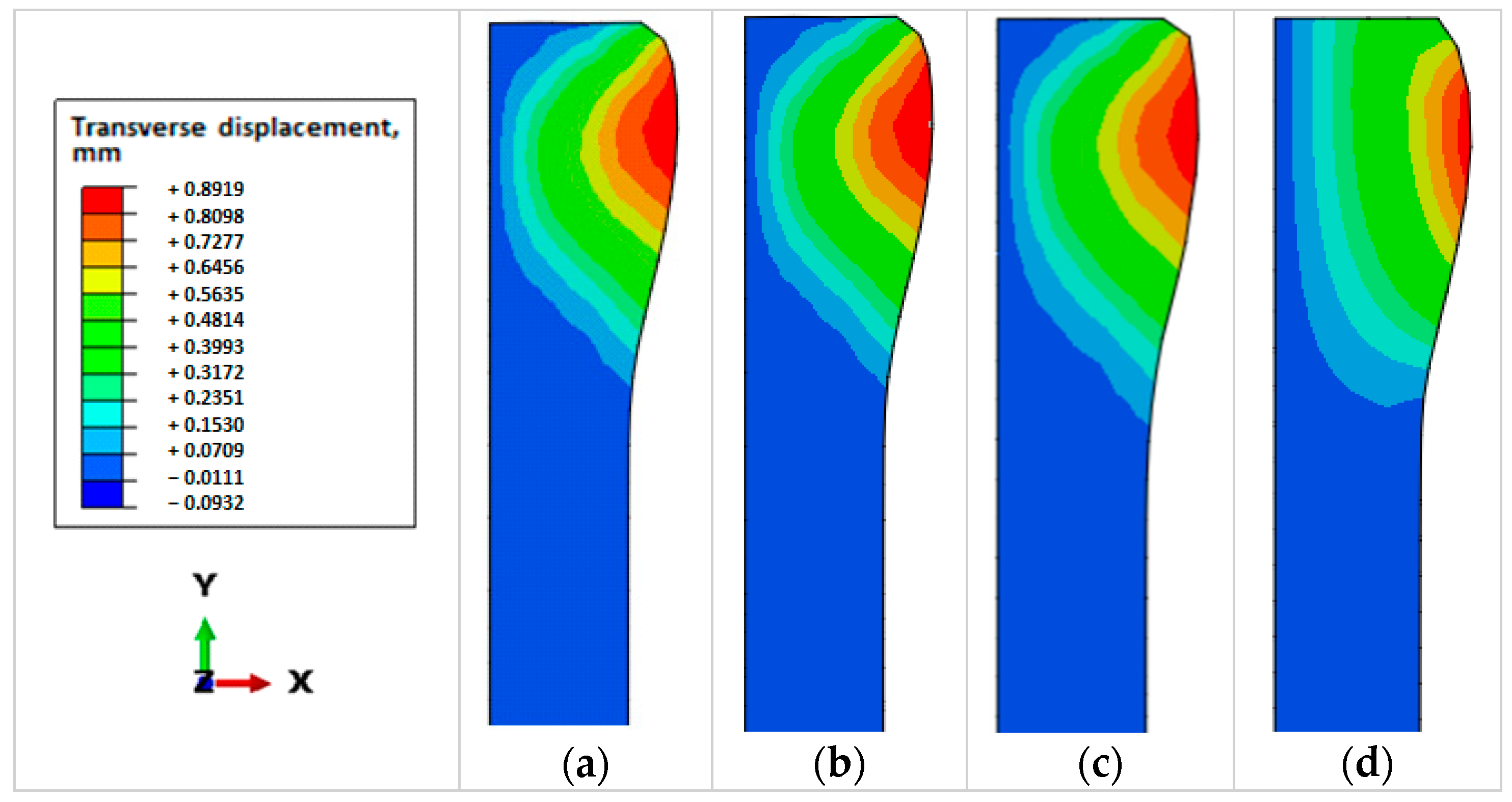
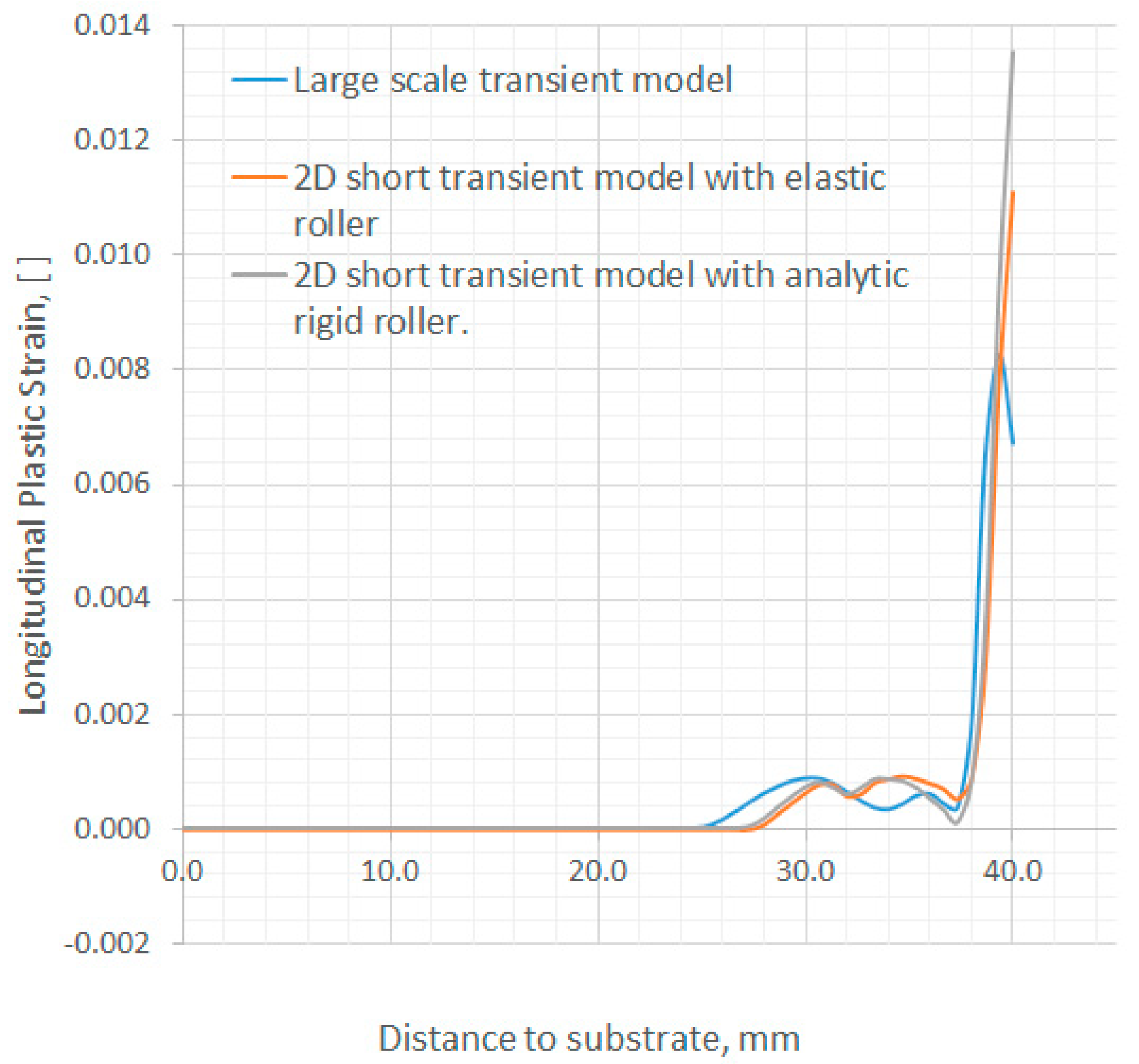
High pressure multi-layer rolling is an effective method to reduce residual stress and distortion in metallic components built by wire arc additive manufacturing (WAAM). However, the mechanisms of the reduction in residual stress and distortion during multi-layer rolling are not well understood. Conventional finite element models for rolling are highly inefficient, hindering the simulation of multi-layer rolling for large WAAM components. This study aims to identify the most suitable modelling technique for finite element analysis of large WAAM component rolling. Four efficient rolling models were developed, and their efficiency and accuracy were compared with reference to a conventional large-scale rolling model (i.e., control model) for a WAAM built wall. A short-length transient model with fewer elements than the control model was developed to reduce computational time. Accurate predictions of stress and strain and a reduction in computational time by 96.5% were achieved using the short-length model when an implicit method for numerical solution was employed, while similar efficiency but less accurate prediction was obtained when an explicit solution method was adopted. A Eulerian steady-state model was also developed, which was slightly less efficient (95.91% reduction in computational time) but was much less accurate due to unrealistic representation of rolling process. The applicability of a 2D rolling model was also examined and it was found that the 2D model is highly efficient (99.52% time reduction) but less predictive due to the 2D simplification. This study also shows that the rigid roller adopted in the models is beneficial for improving efficiency without sacrificing accuracy.
Keywords: wire + arc additive manufacturing; computationally efficient rolling model; implicit analysis; explicit analysis; Eulerian analysis; 2D plane stress model wire + arc additive manufacturing; computationally efficient rolling model; implicit analysis; explicit analysis; Eulerian analysis; 2D plane stress model