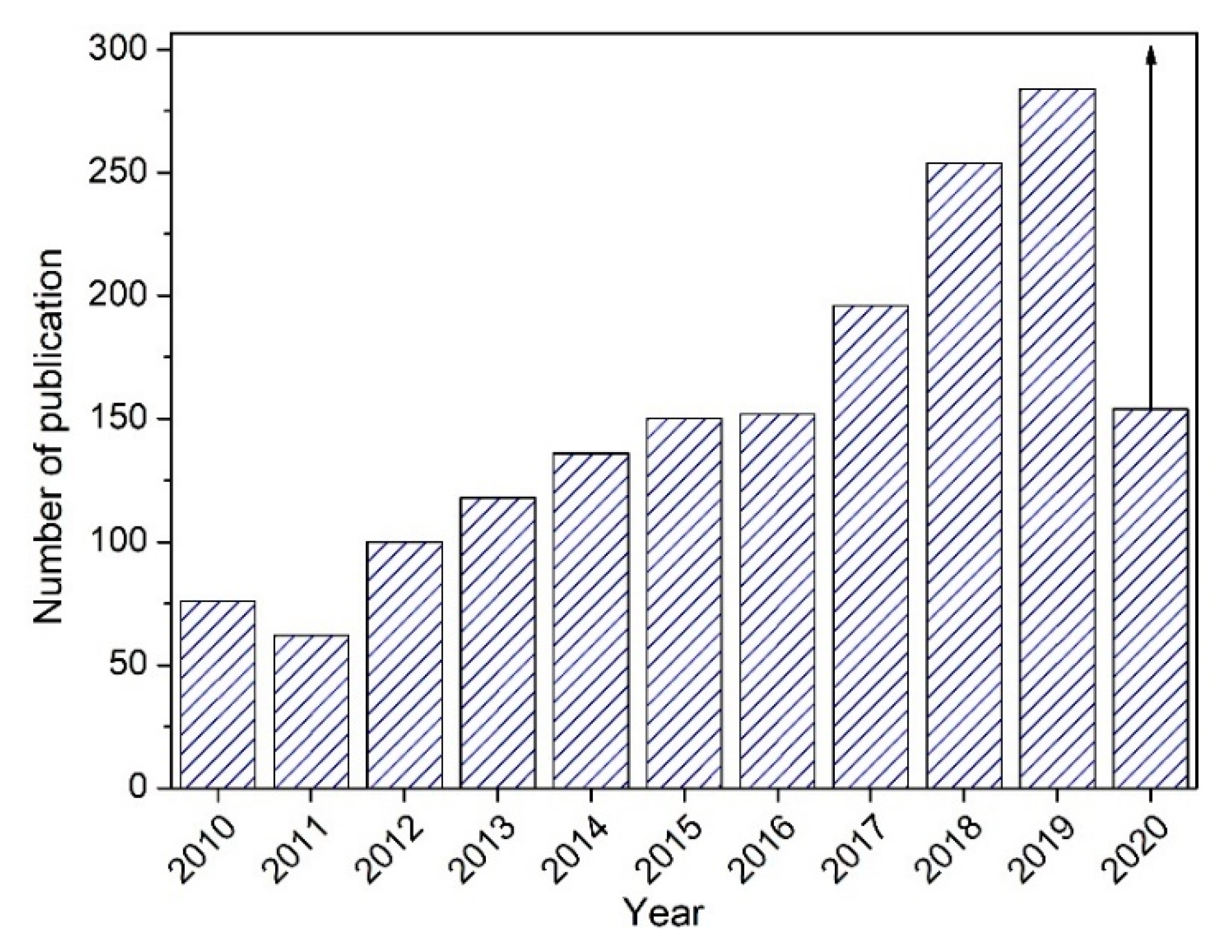
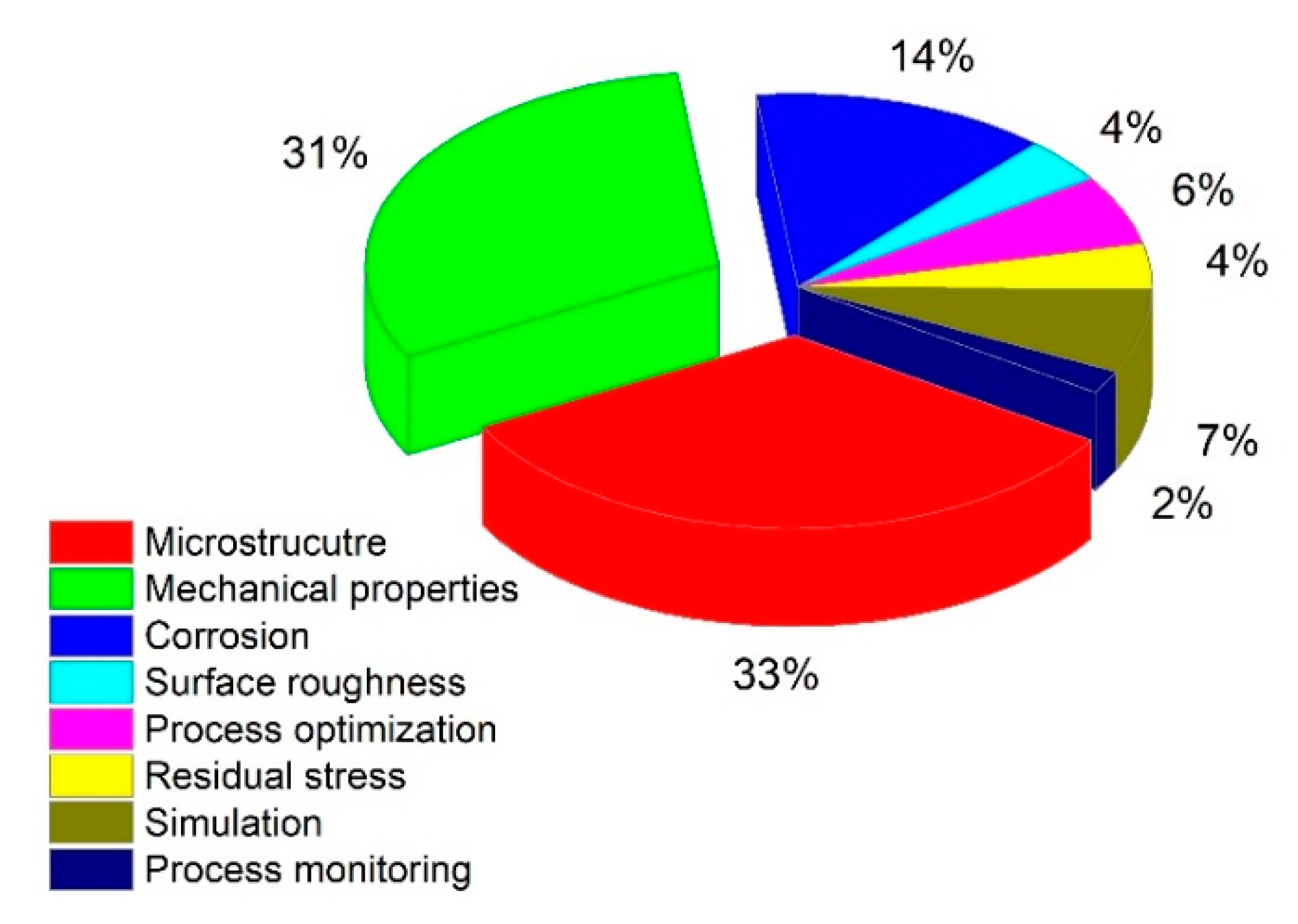
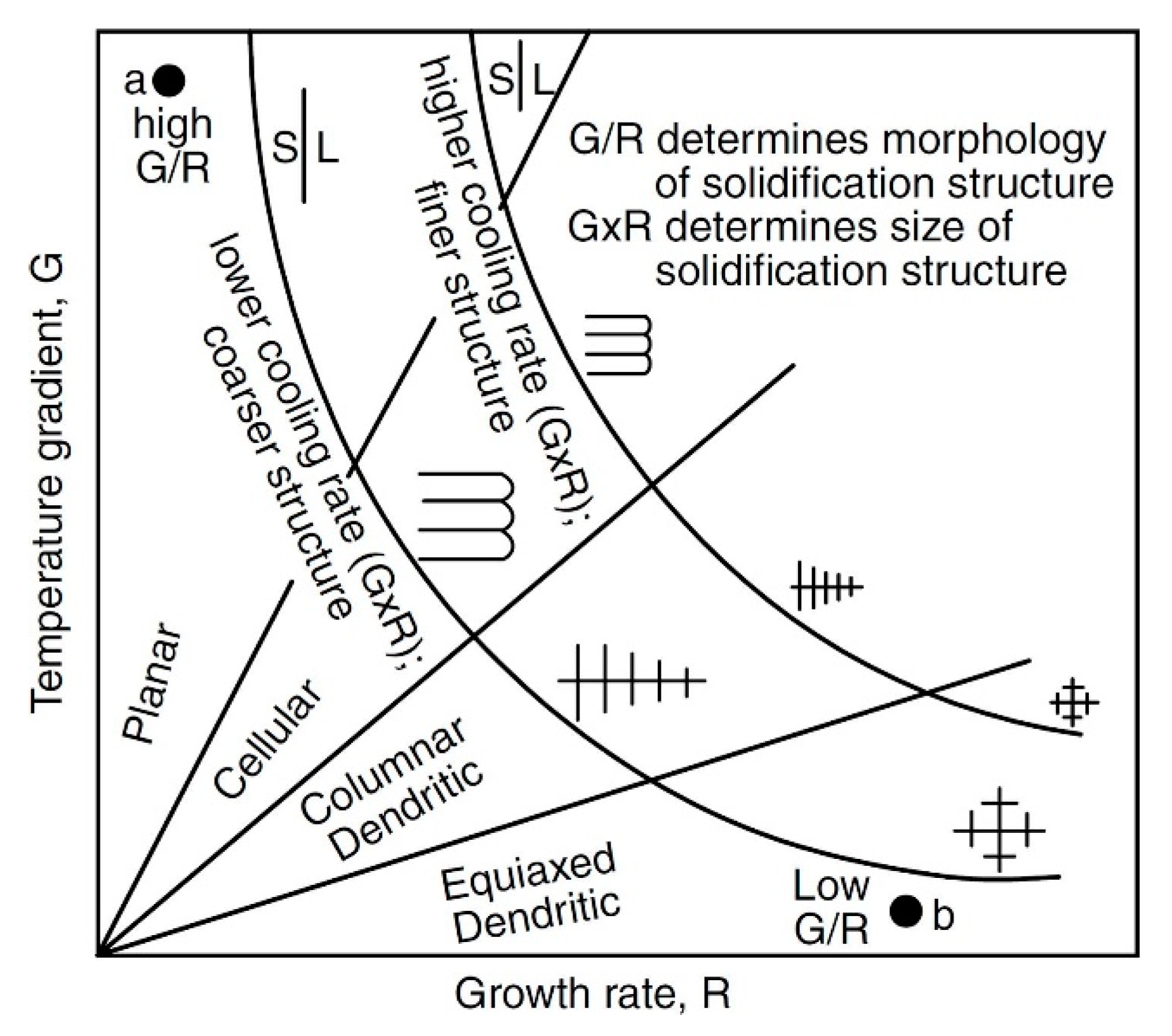
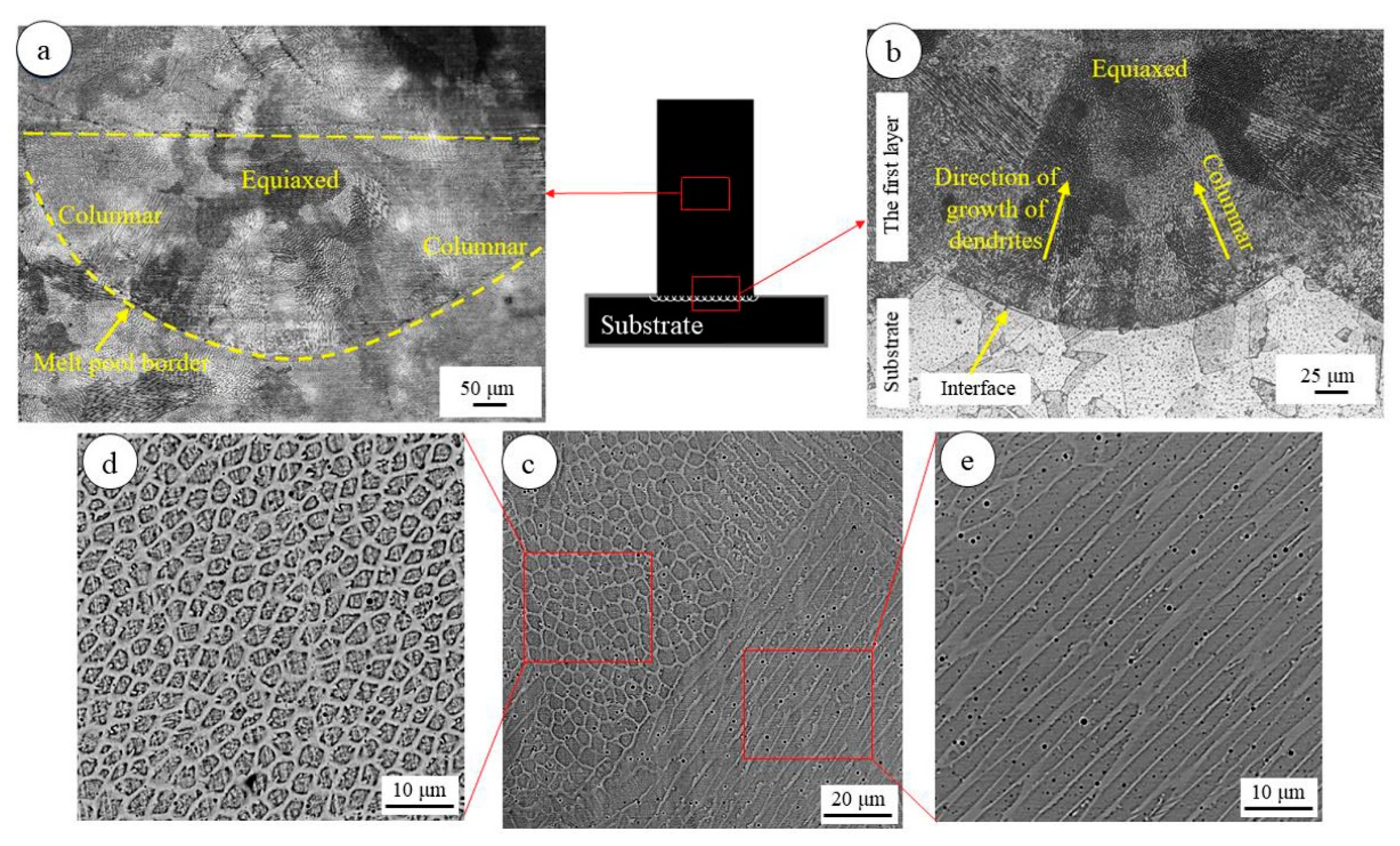
Microstructure and Mechanical Properties of AISI 316L Produced by Directed Energy Deposition-Based Additive Manufacturing: A Review

 ,
,  ,
,  ,
,  ,
,  and
and 
Abstract
Share and Cite
Saboori, A.; Aversa, A.; Marchese, G.; Biamino, S.; Lombardi, M.; Fino, P. Microstructure and Mechanical Properties of AISI 316L Produced by Directed Energy Deposition-Based Additive Manufacturing: A Review. Appl. Sci. 2020, 10, 3310. https://doi.org/10.3390/app10093310
Saboori A, Aversa A, Marchese G, Biamino S, Lombardi M, Fino P. Microstructure and Mechanical Properties of AISI 316L Produced by Directed Energy Deposition-Based Additive Manufacturing: A Review. Applied Sciences. 2020; 10(9):3310. https://doi.org/10.3390/app10093310
Chicago/Turabian StyleSaboori, Abdollah, Alberta Aversa, Giulio Marchese, Sara Biamino, Mariangela Lombardi, and Paolo Fino. 2020. "Microstructure and Mechanical Properties of AISI 316L Produced by Directed Energy Deposition-Based Additive Manufacturing: A Review" Applied Sciences 10, no. 9: 3310. https://doi.org/10.3390/app10093310
APA StyleSaboori, A., Aversa, A., Marchese, G., Biamino, S., Lombardi, M., & Fino, P. (2020). Microstructure and Mechanical Properties of AISI 316L Produced by Directed Energy Deposition-Based Additive Manufacturing: A Review. Applied Sciences, 10(9), 3310. https://doi.org/10.3390/app10093310