Article

Region-Based CNN Method with Deformable Modules for Visually Classifying Concrete Cracks


1
Key Laboratory for Damage Diagnosis of Engineering Structures of Hunan Province, Hunan University, Changsha 410082, China
2
College of Civil Engineering, Hunan University, Changsha 410082, China
*
Author to whom correspondence should be addressed.
Appl. Sci. 2020, 10(7), 2528; https://doi.org/10.3390/app10072528
Submission received: 2 March 2020 / Revised: 28 March 2020 / Accepted: 2 April 2020 / Published: 7 April 2020
(This article belongs to the Special Issue Health Structure Monitoring for Concrete Materials, Volume II)

Abstract

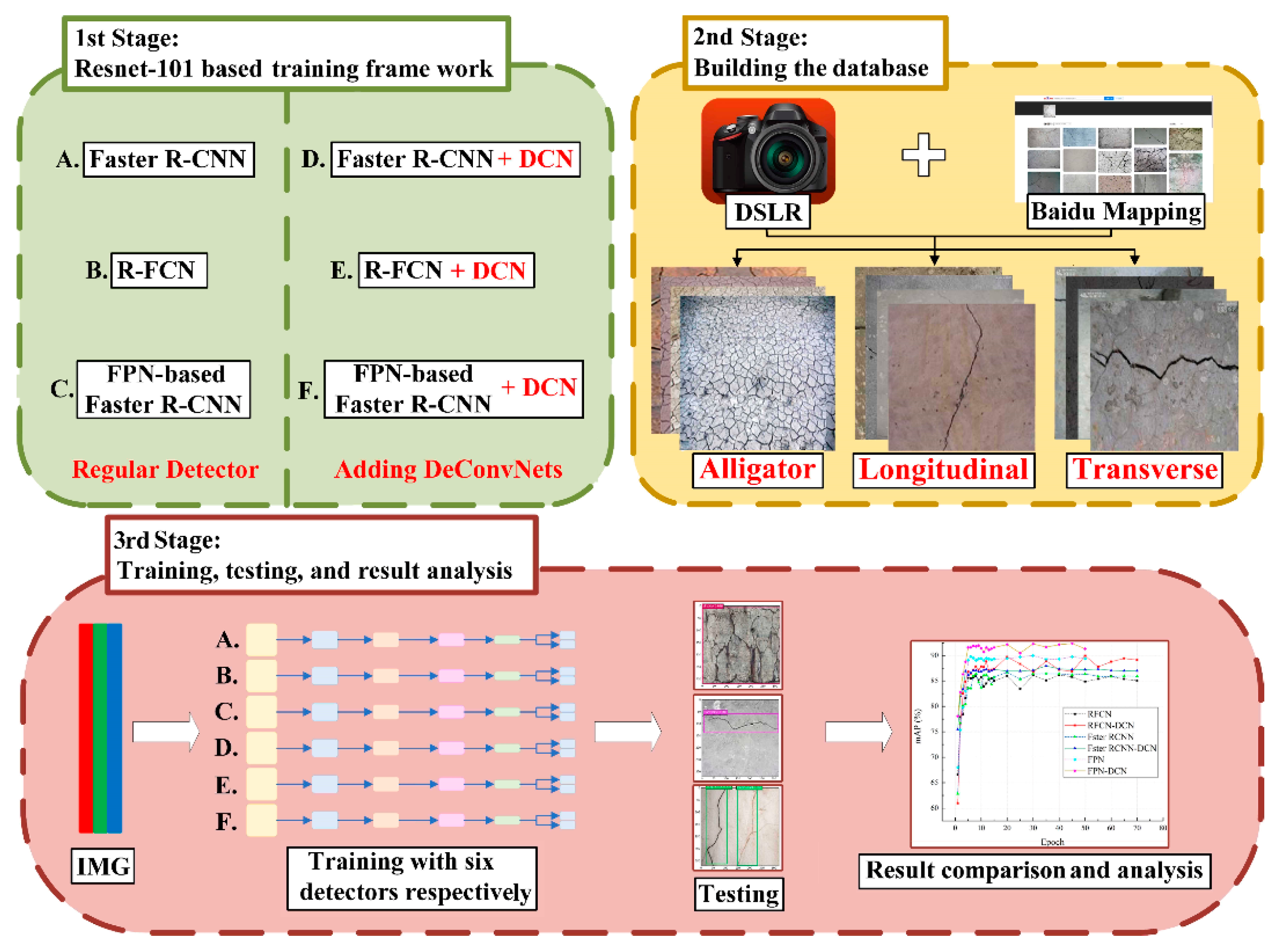
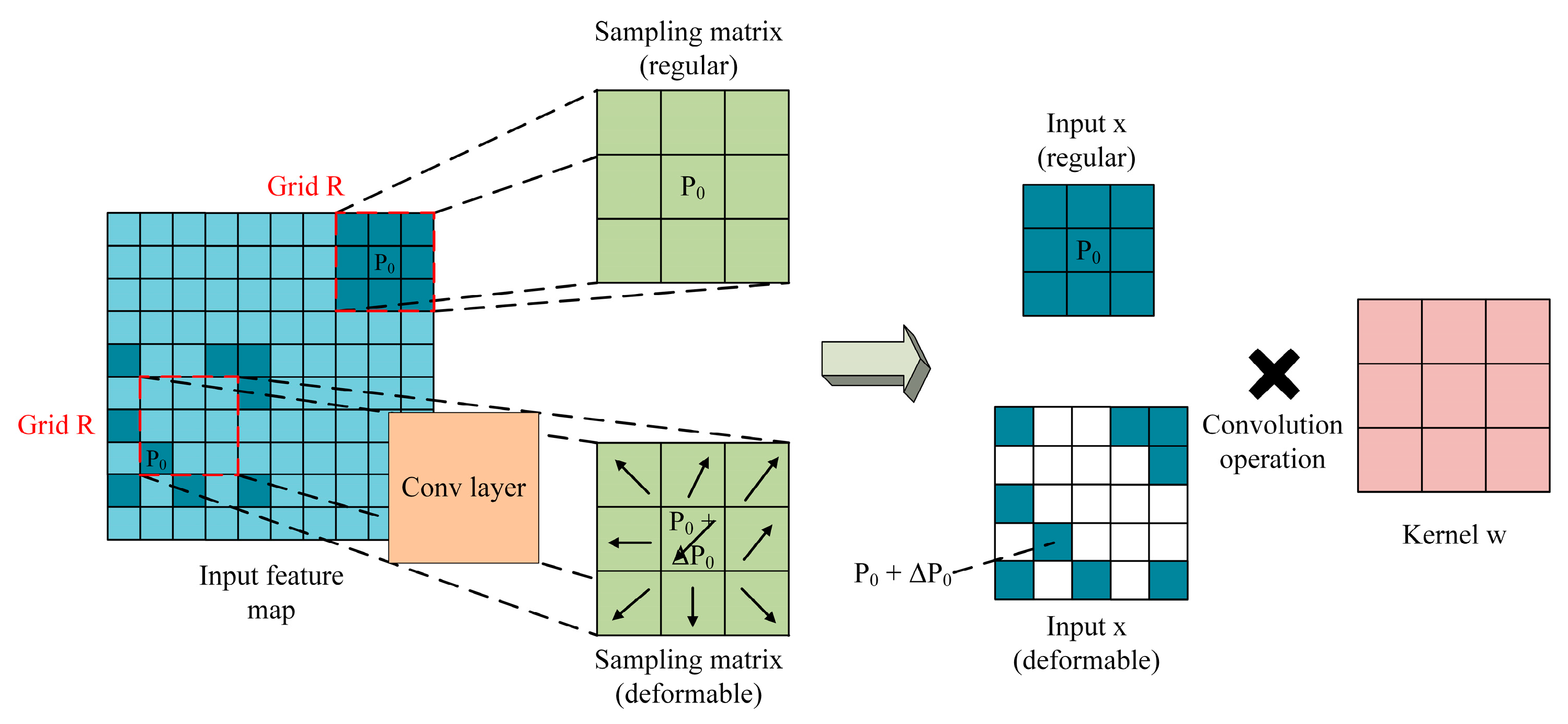
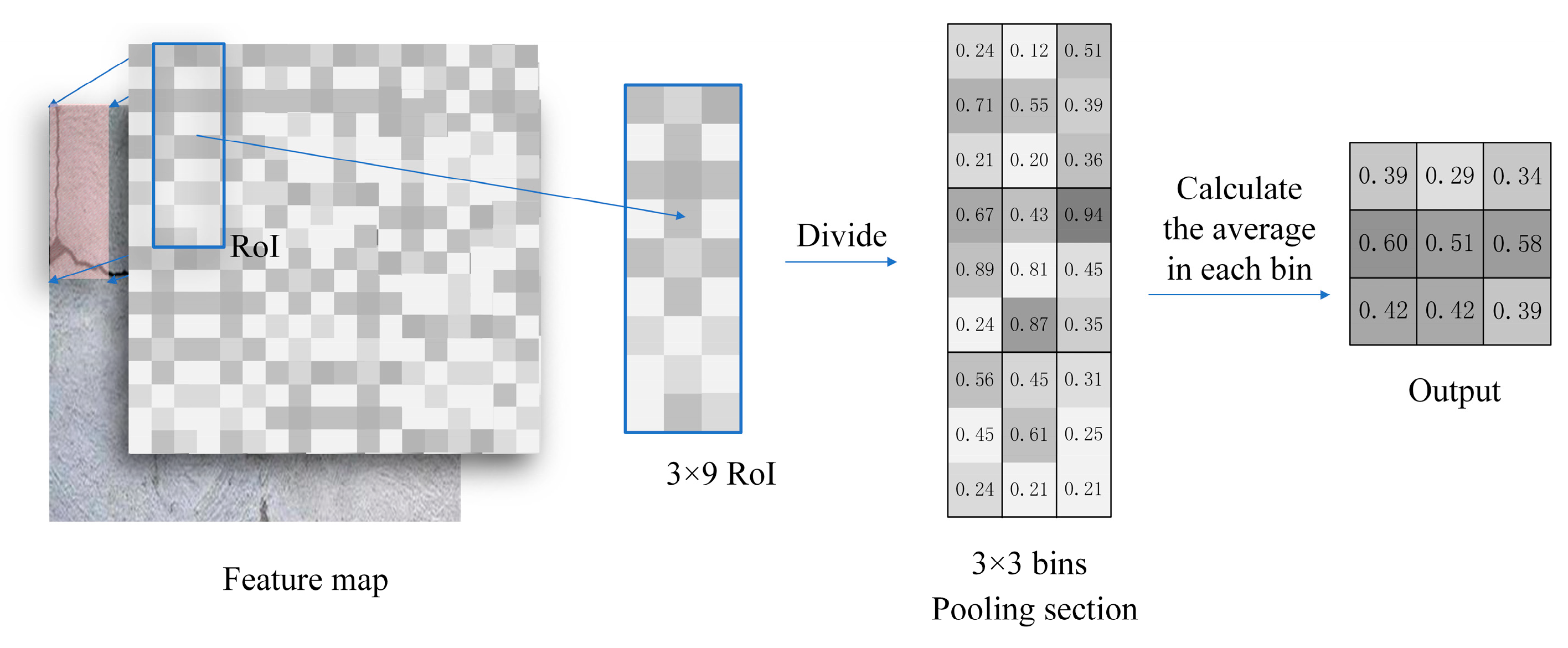
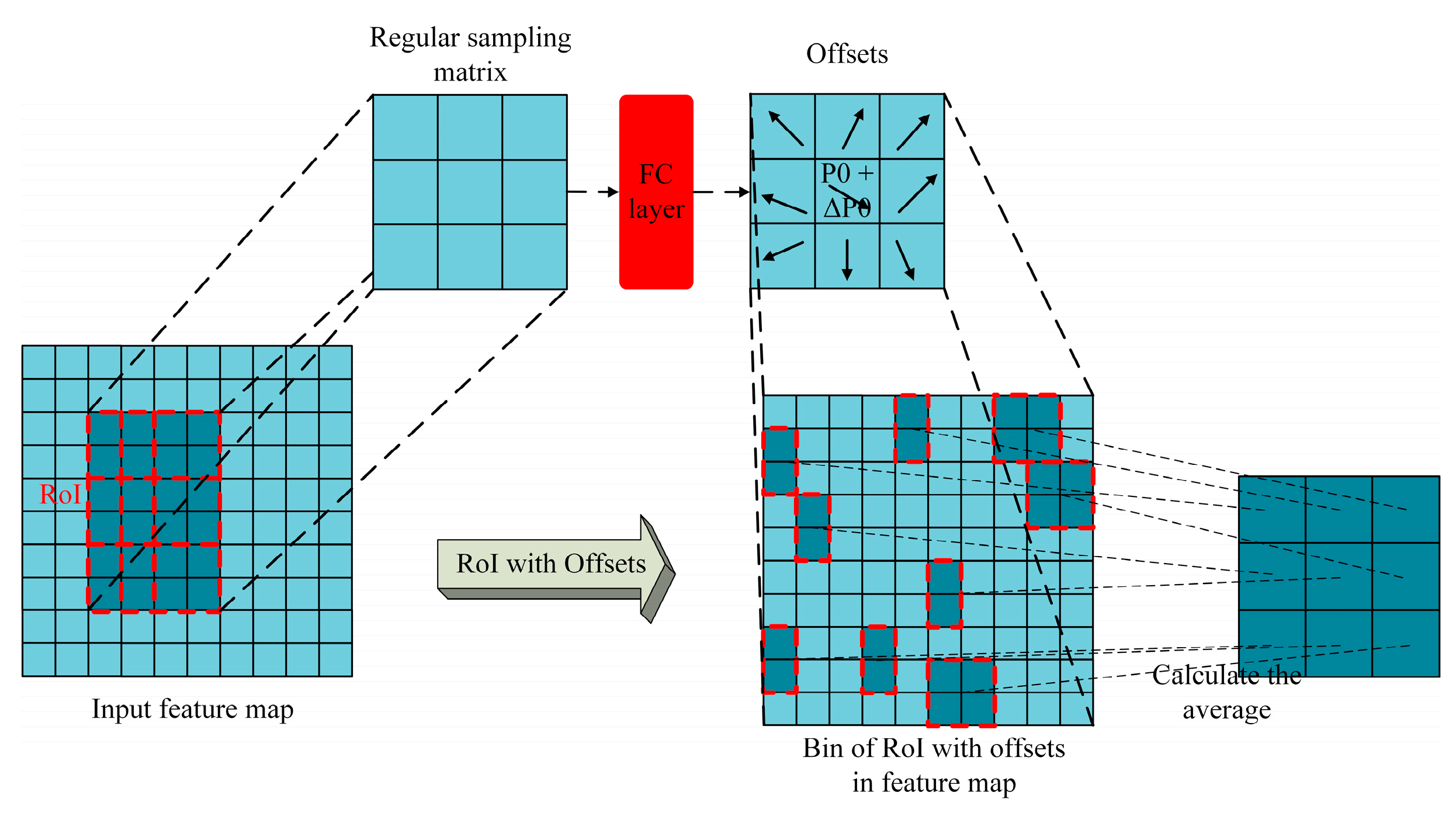
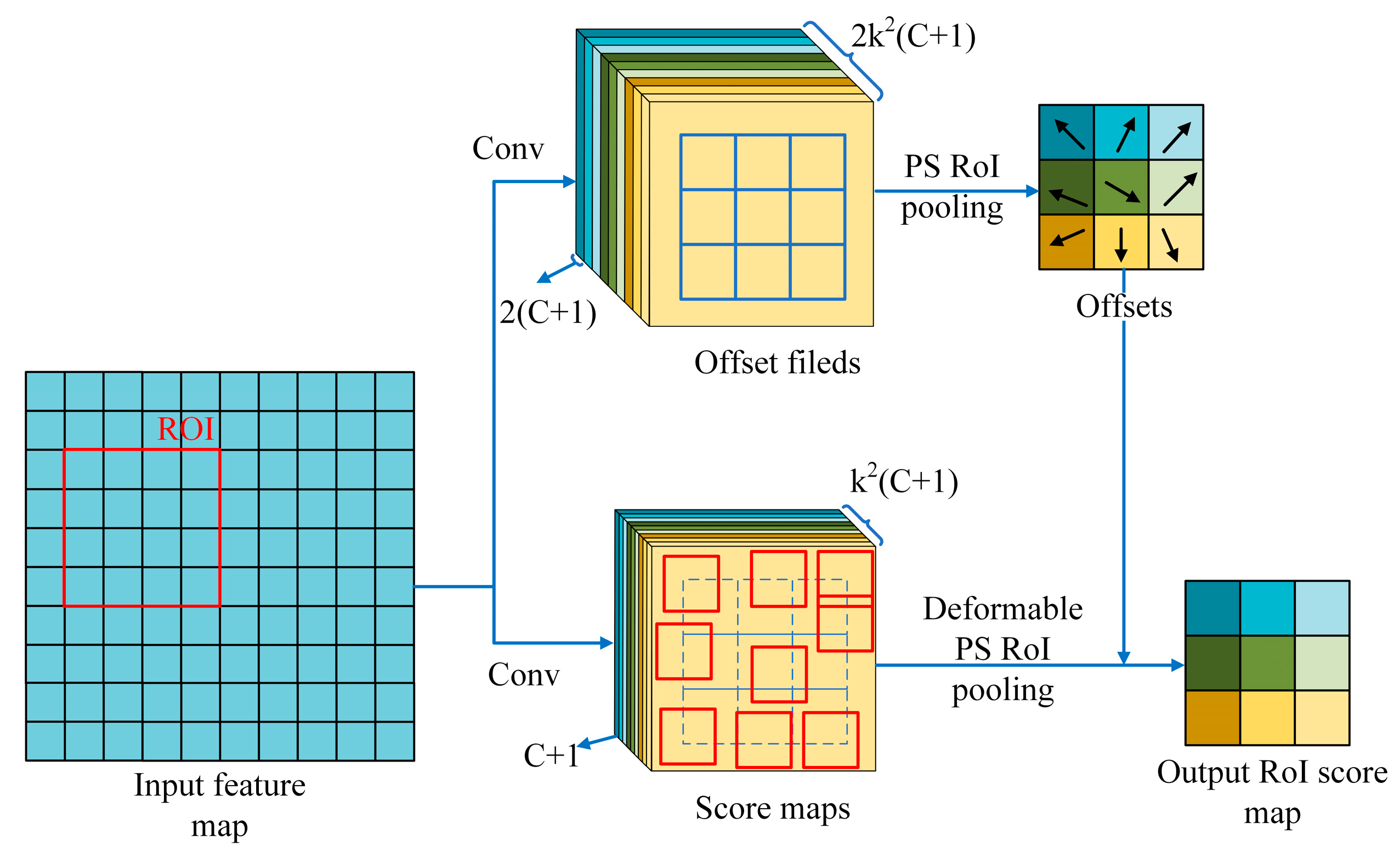
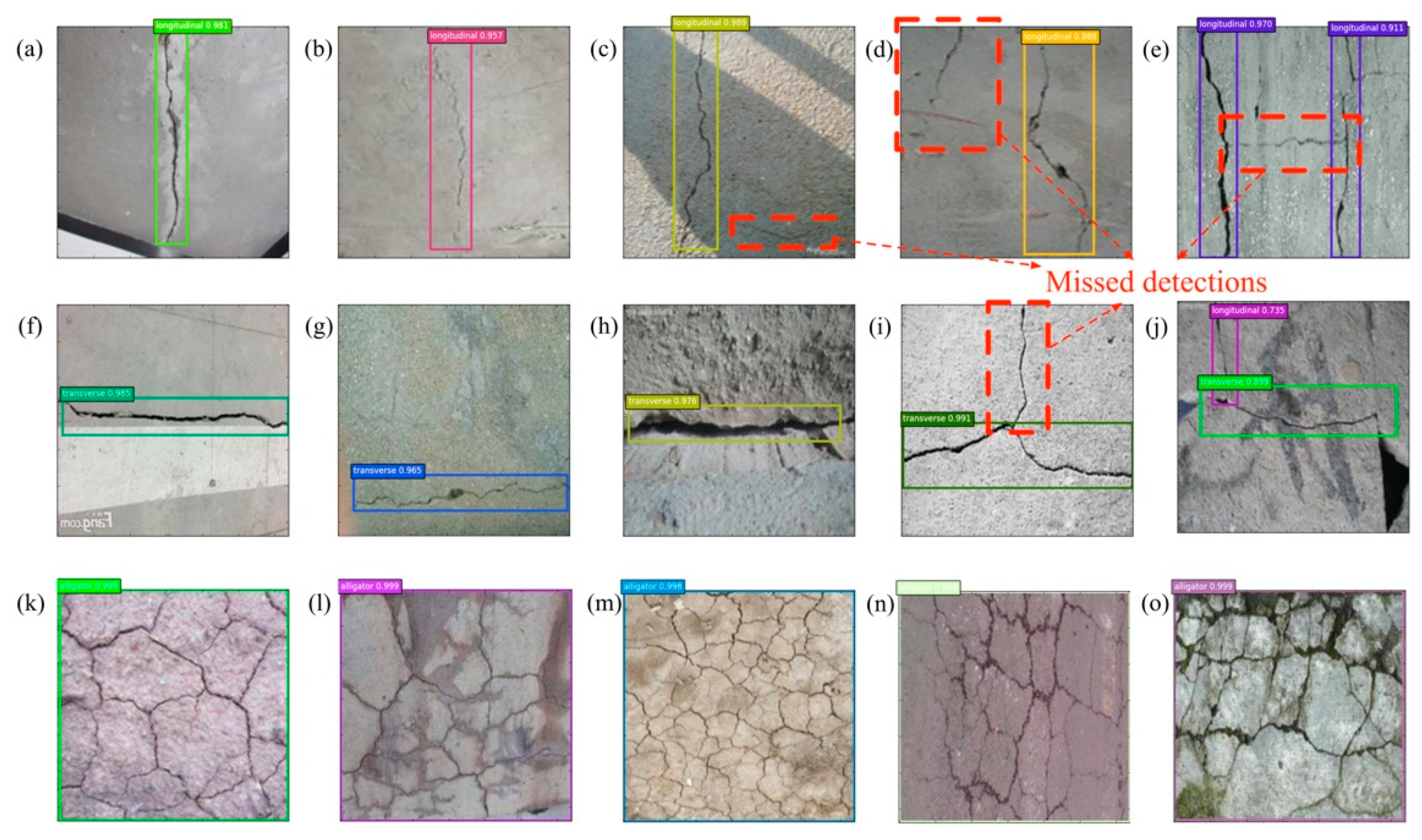
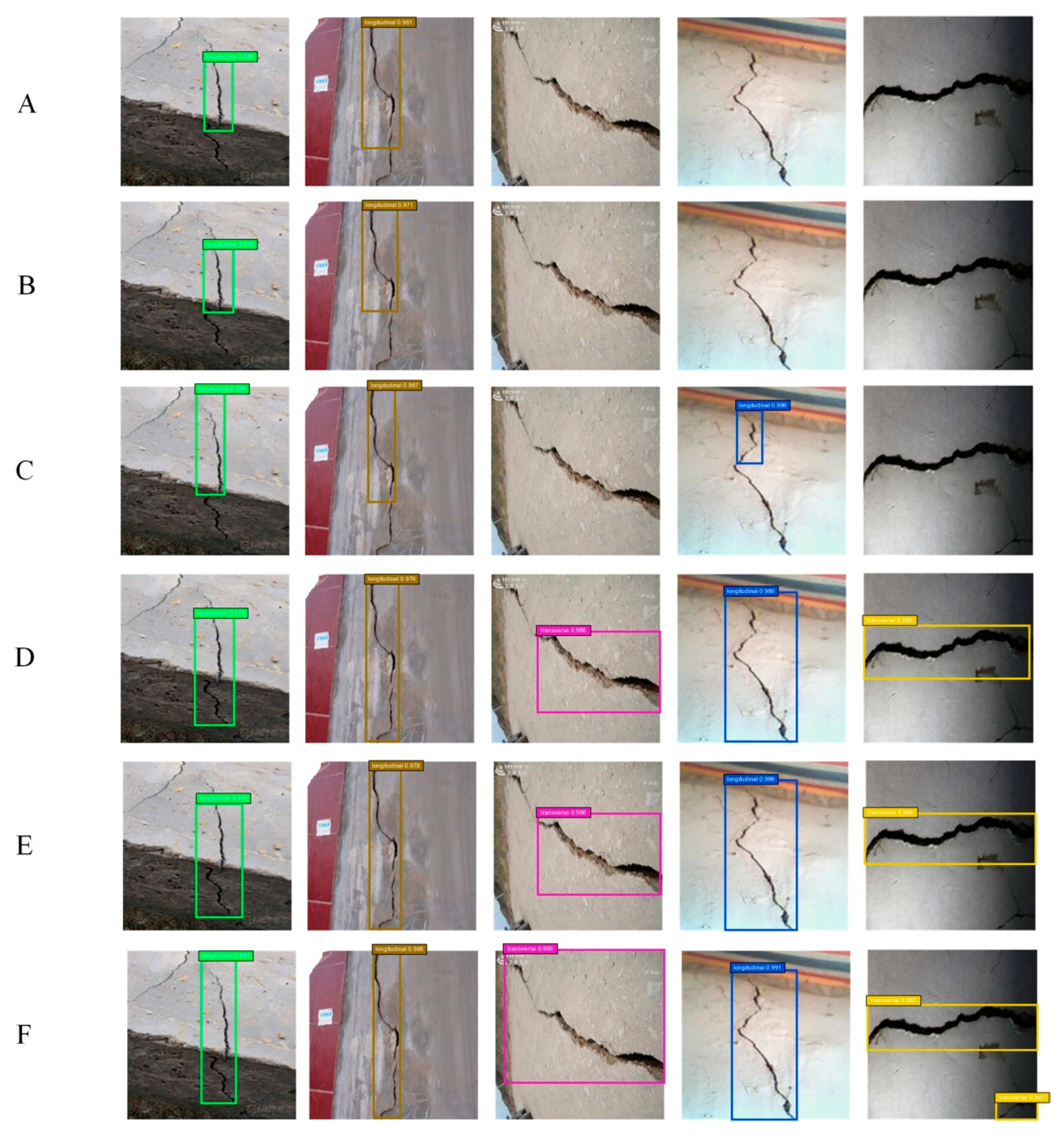
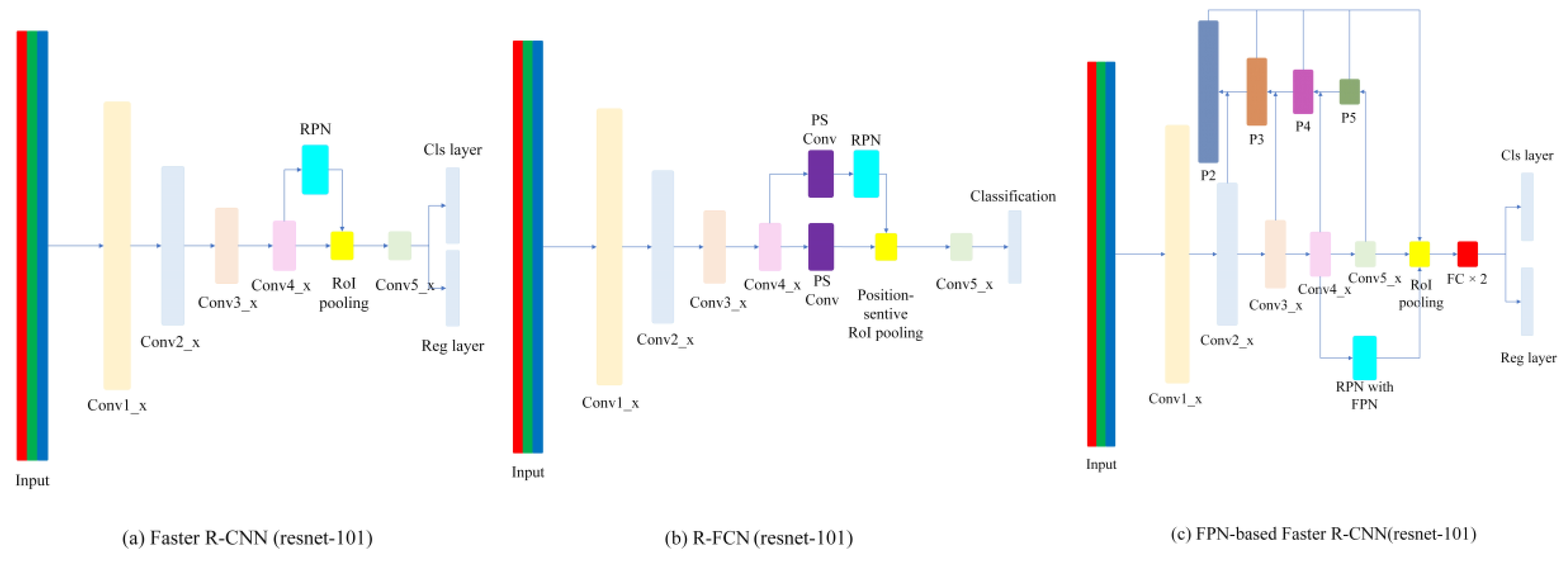
Cracks are often the most intuitive indicators for assessing the condition of in-service structures. Intelligent detection methods based on regular convolutional neural networks (CNNs) have been widely applied to the field of crack detection in recently years; however, these methods exhibit unsatisfying performance on the detection of out-of-plane cracks. To overcome this drawback, a new type of region-based CNN (R-CNN) crack detector with deformable modules is proposed in the present study. The core idea of the method is to replace the traditional regular convolution and pooling operation with a deformable convolution operation and a deformable pooling operation. The idea is implemented on three different regular detectors, namely the Faster R-CNN, region-based fully convolutional networks (R-FCN), and feature pyramid network (FPN)-based Faster R-CNN. To examine the advantages of the proposed method, the results obtained from the proposed detector and corresponding regular detectors are compared. The results show that the addition of deformable modules improves the mean average precisions (mAPs) achieved by the Faster R-CNN, R-FCN, and FPN-based Faster R-CNN for crack detection. More importantly, adding deformable modules enables these detectors to detect the out-of-plane cracks that are difficult for regular detectors to detect.
Keywords: structural health monitoring (SHM); deep learning; convolutional neural network; deformable convolution; concrete cracks; out-of-plane crack structural health monitoring (SHM); deep learning; convolutional neural network; deformable convolution; concrete cracks; out-of-plane crack