Article

Active Sonar Target Classification with Power-Normalized Cepstral Coefficients and Convolutional Neural Network


1
Agency for Defense Development, Jinhae 51678, Korea
2
Department of Information and Communication, Changwon National University, Changwon 51140, Korea
3
School of Electronics Engineering, Kyungpook National University, Daegu 41566, Korea
*
Author to whom correspondence should be addressed.
Appl. Sci. 2020, 10(23), 8450; https://doi.org/10.3390/app10238450
Submission received: 29 September 2020 / Revised: 21 October 2020 / Accepted: 24 November 2020 / Published: 26 November 2020
(This article belongs to the Section Electrical, Electronics and Communications Engineering)

Abstract

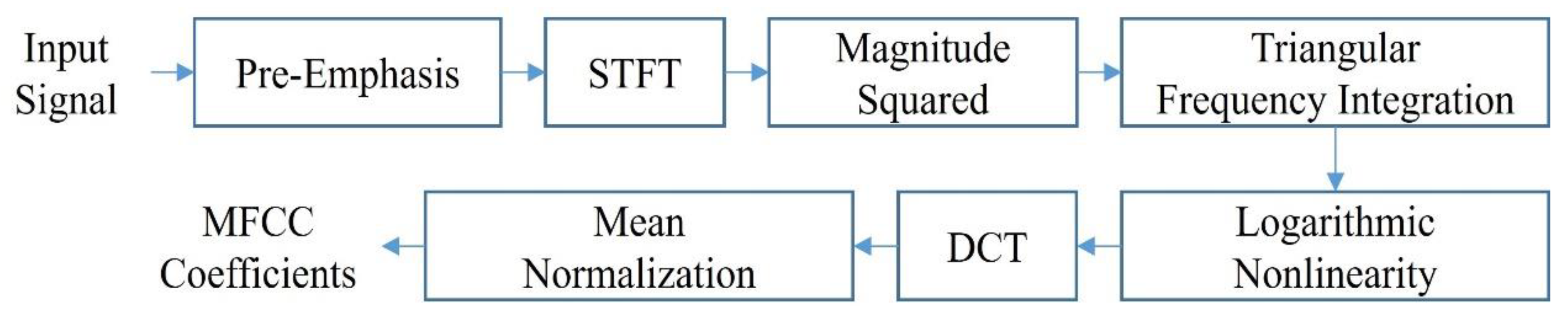
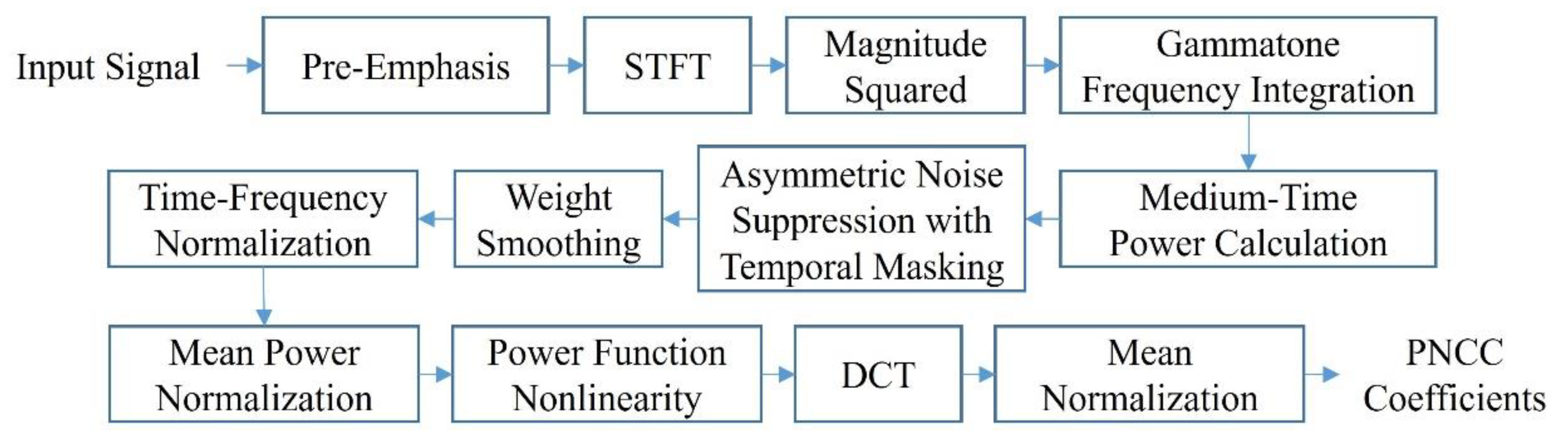
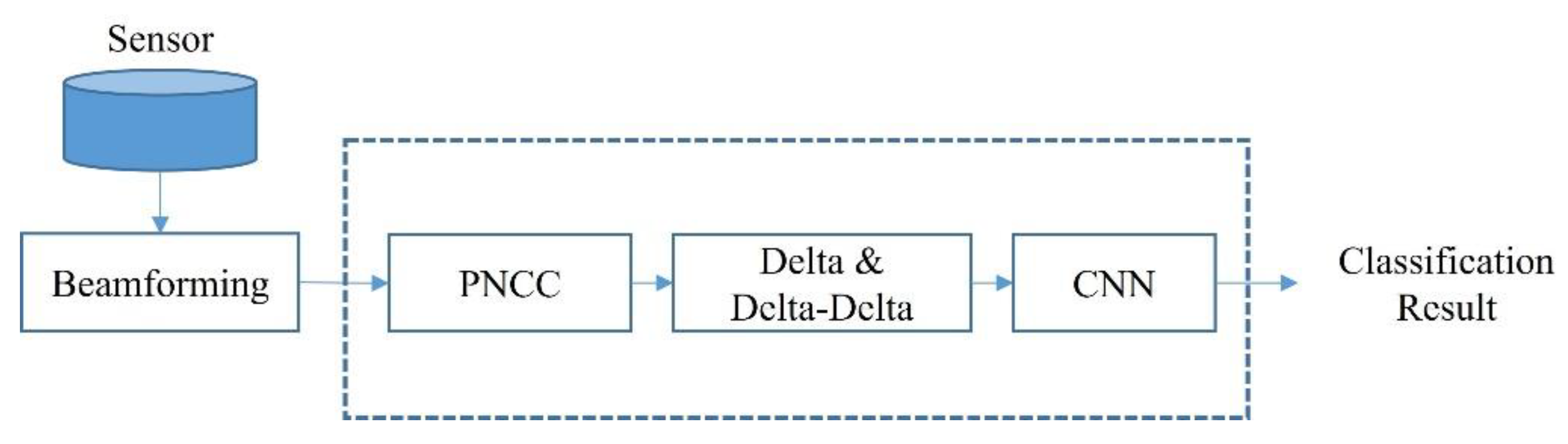
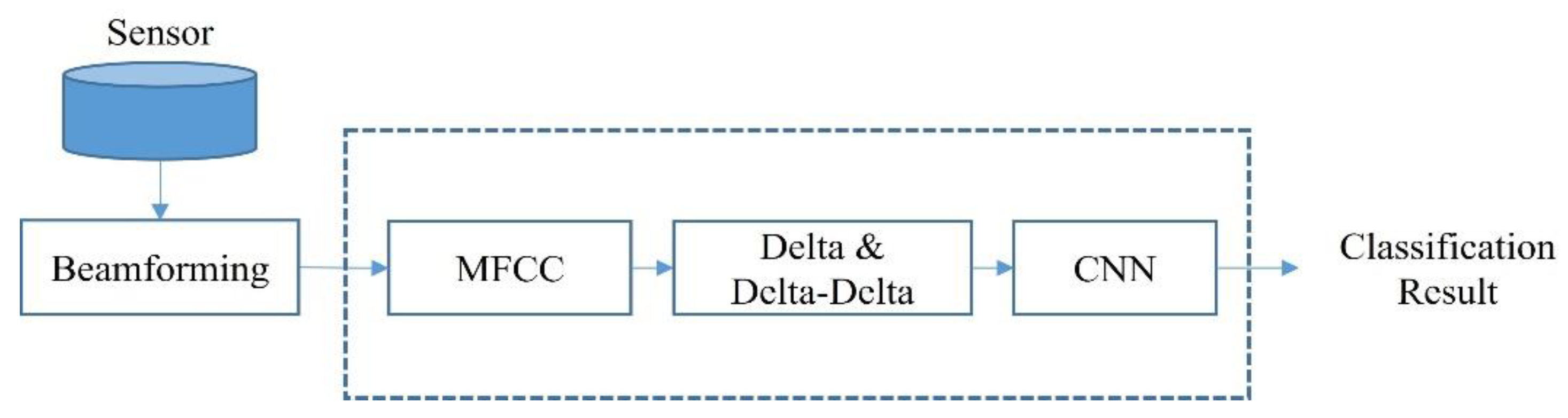
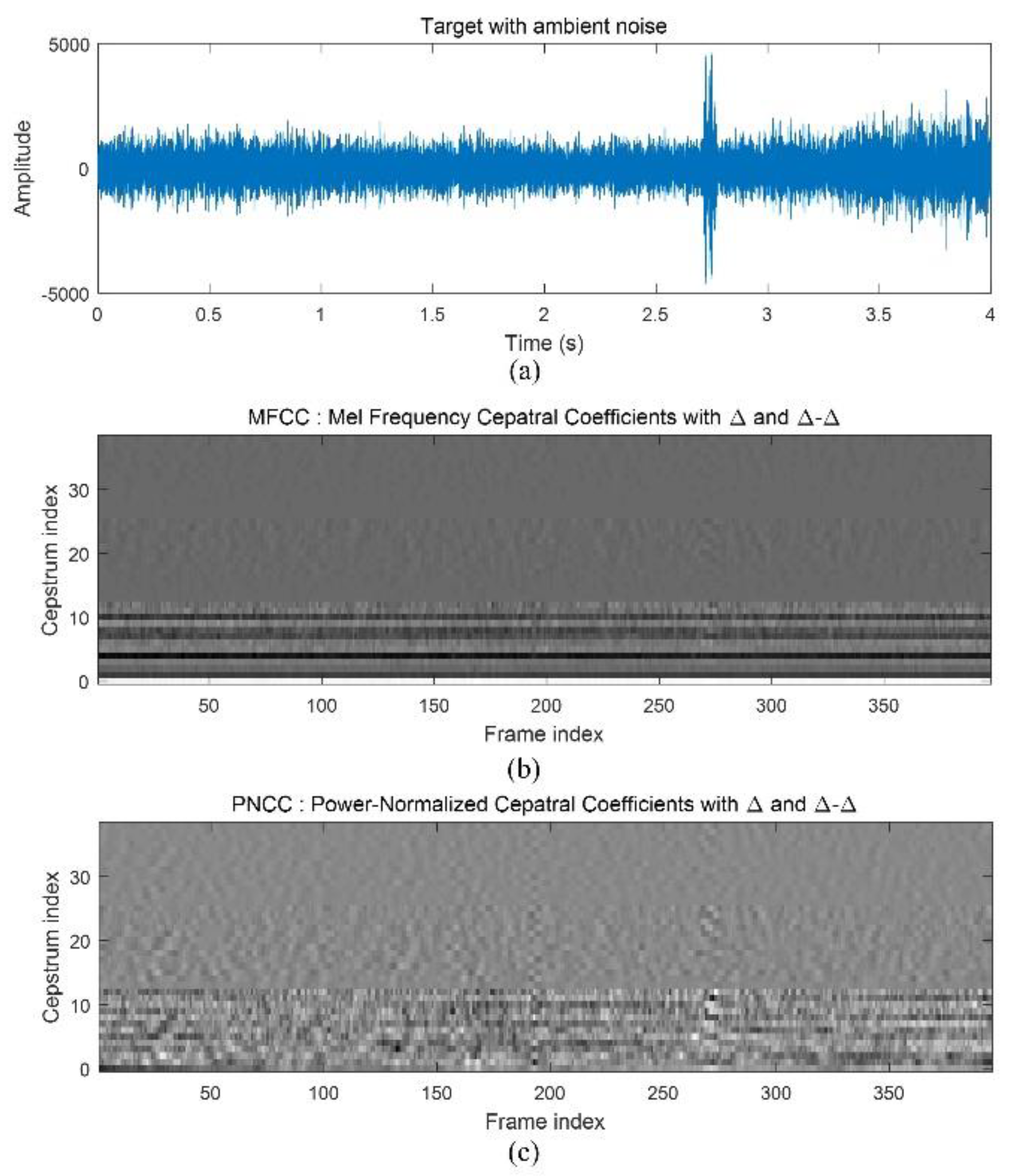
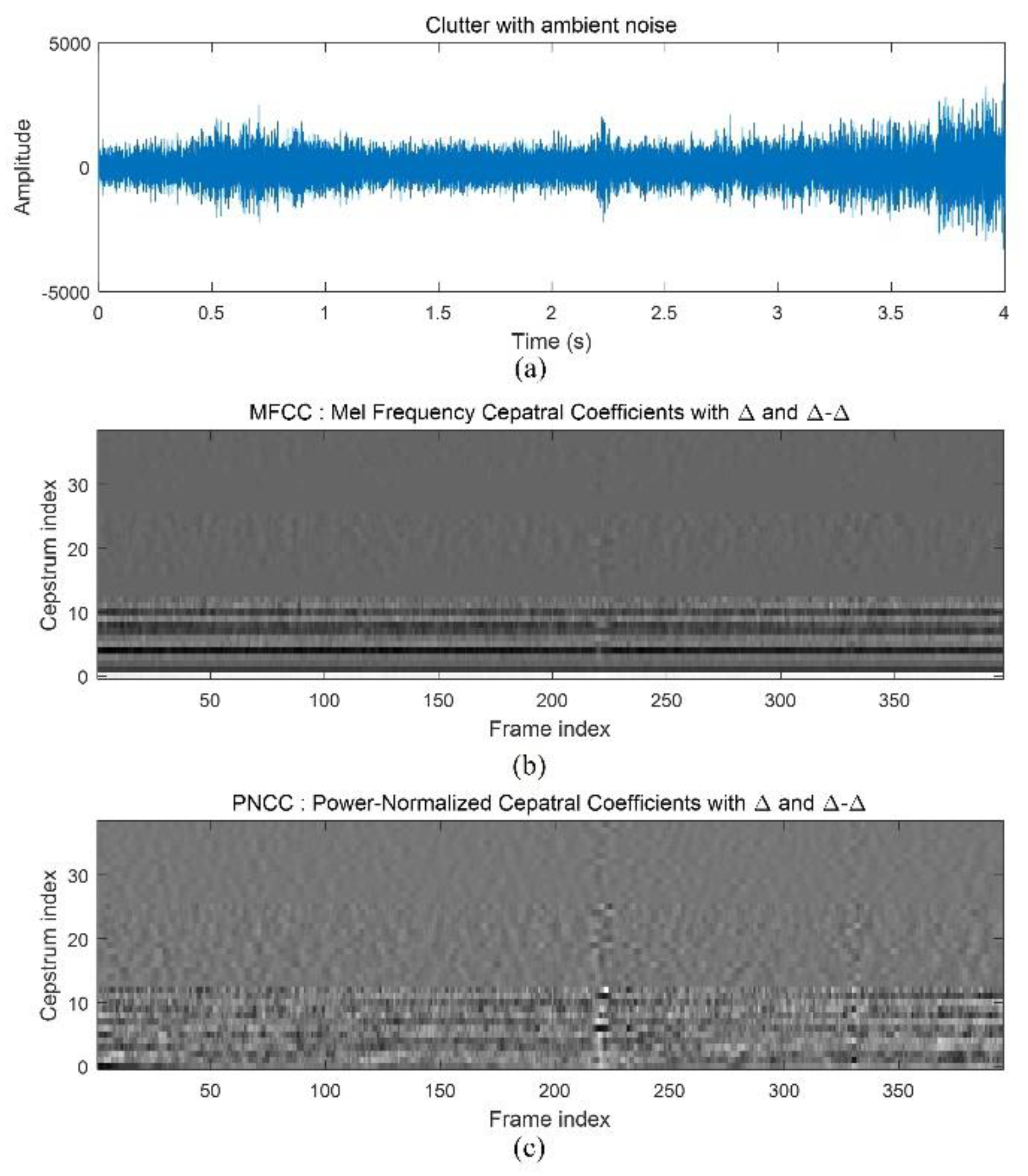
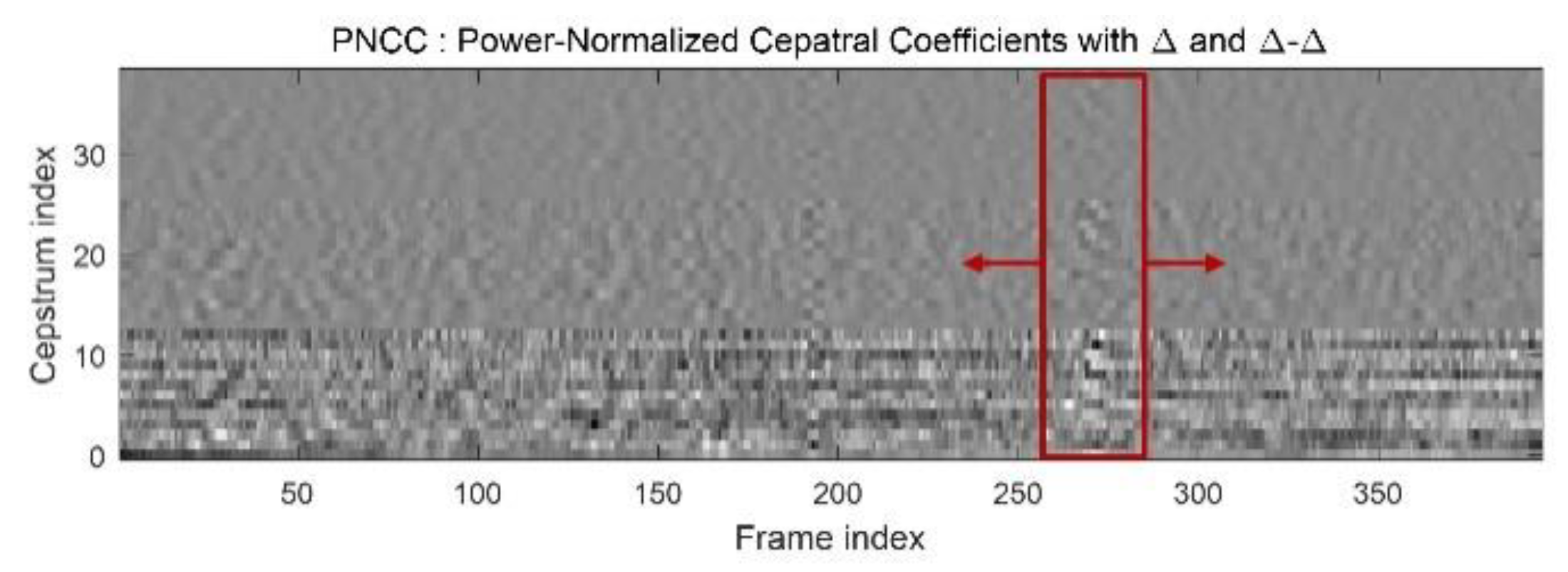
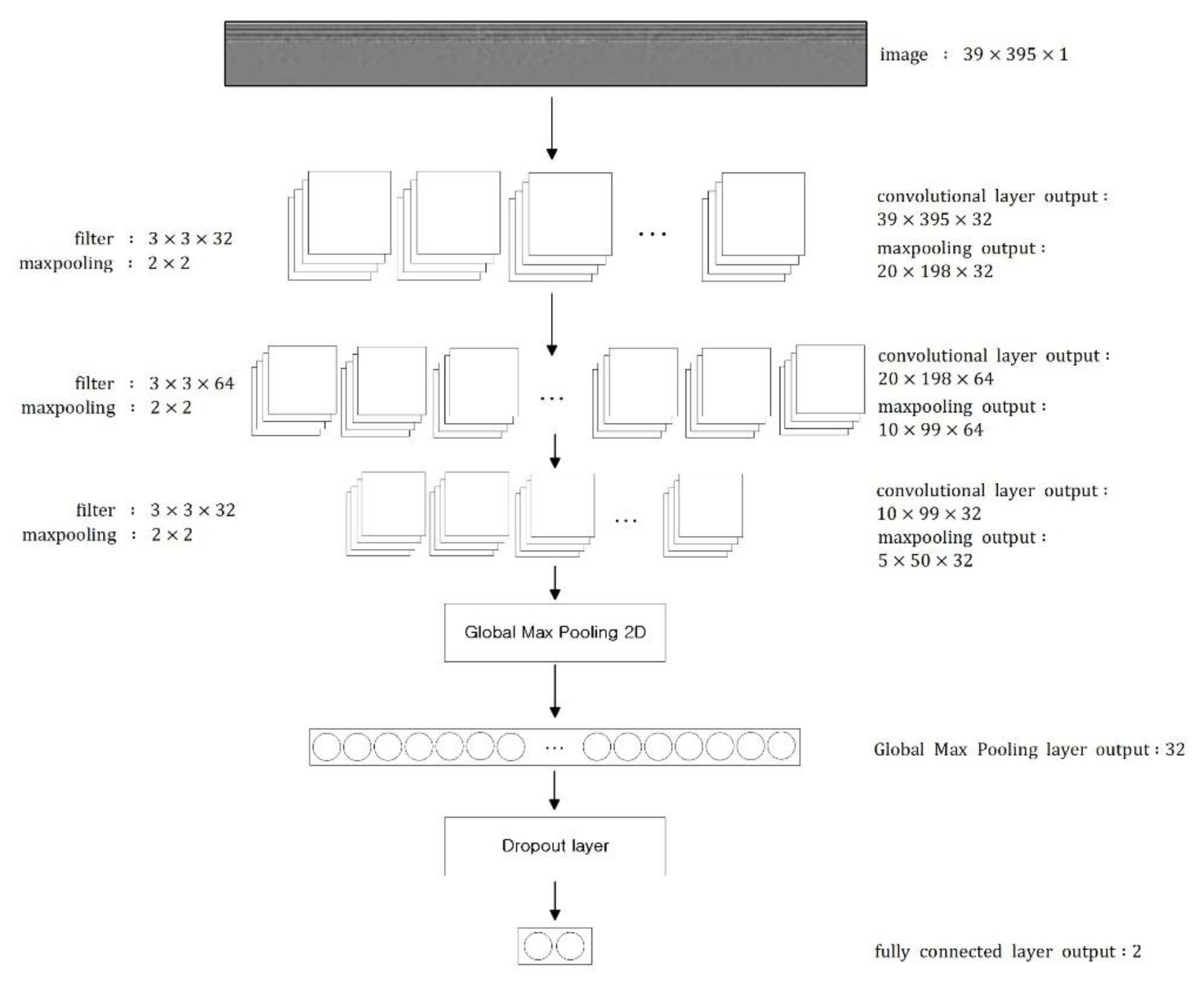
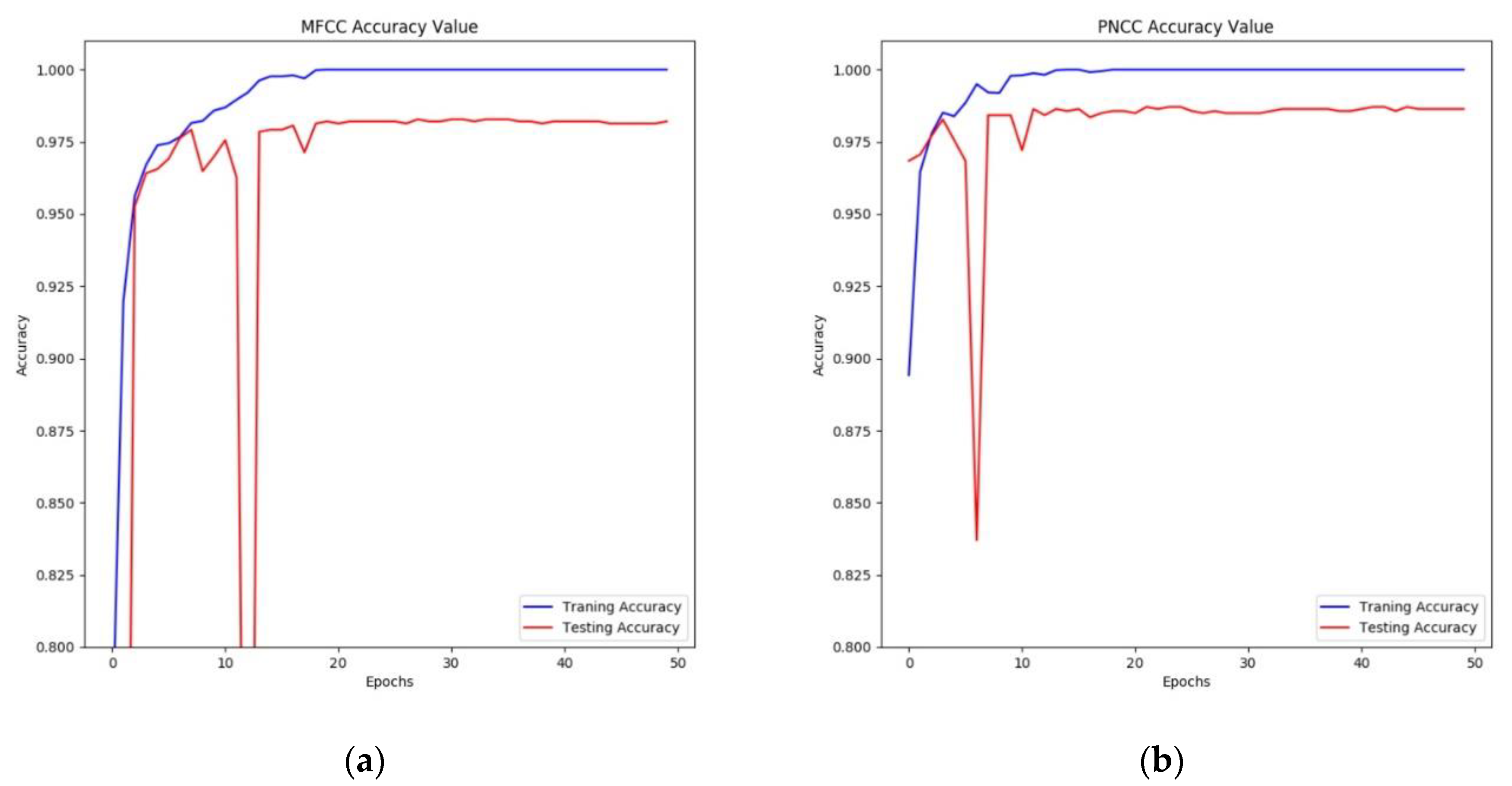
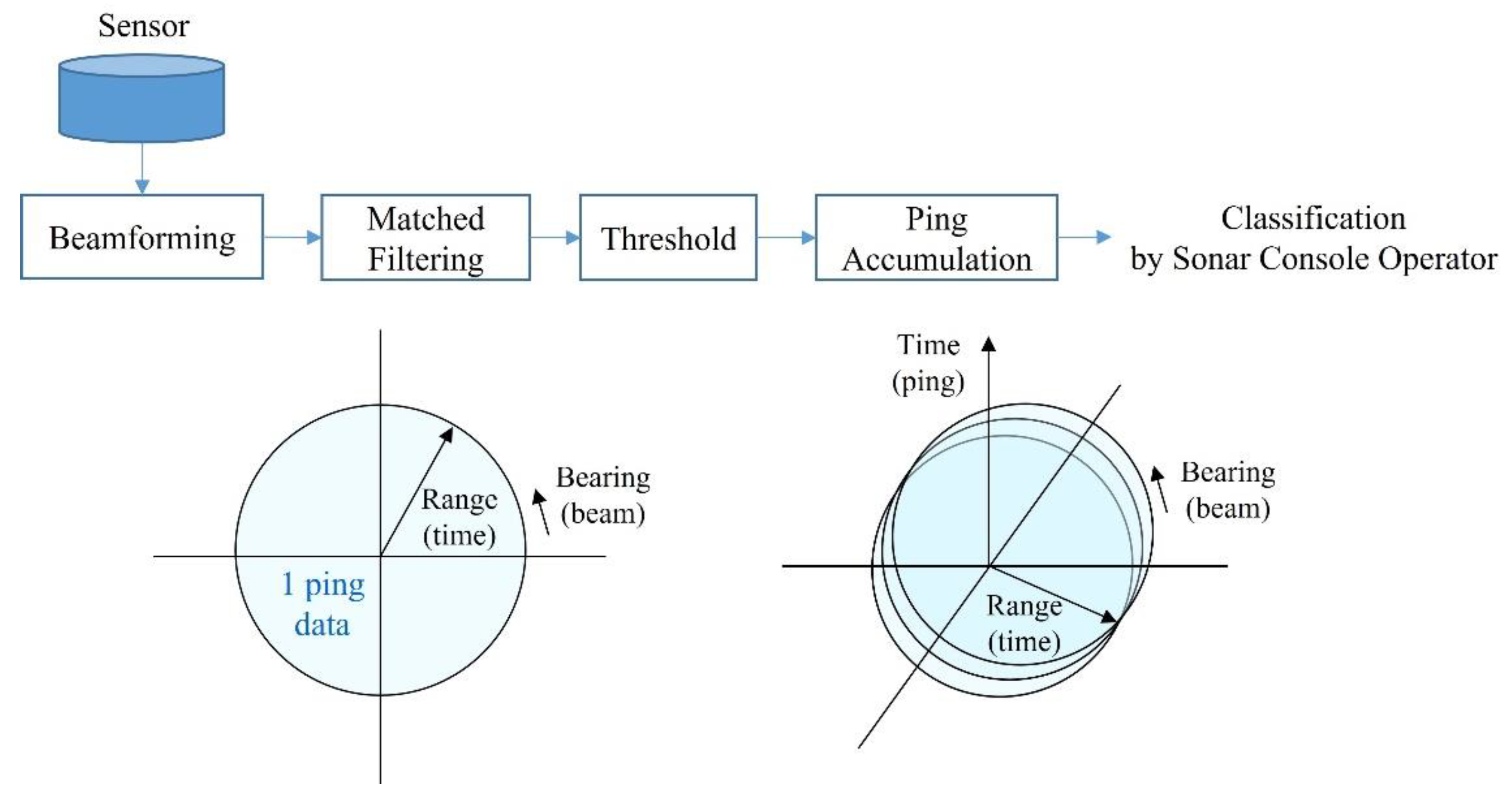
Detection and classification of unidentified underwater targets maneuvering in complex underwater environments are critical for active sonar systems. In previous studies, many detection methods were applied to separate targets from the clutter using signals that exceed a preset threshold determined by the sonar console operator. This is because the high signal-to-noise ratio target has enough feature vector components to separate. However, in a real environment, the signal-to-noise ratio of the received target does not always exceed the threshold. Therefore, a target detection algorithm for various target signal-to-noise ratio environments is required; strong clutter energy can lead to false detection, while weak target signals reduce the probability of detection. It also uses long pulse repetition intervals for long-range detection and high ambient noise, requiring classification processing for each ping without accumulating pings. In this study, a target classification algorithm is proposed that can be applied to signals in real underwater environments above the noise level without a threshold set by the sonar console operator, and the classification performance of the algorithm is verified. The active sonar for long-range target detection has low-resolution data; thus, feature vector extraction algorithms are required. Feature vectors are extracted from the experimental data using Power-Normalized Cepstral Coefficients for target classification. Feature vectors are also extracted with Mel-Frequency Cepstral Coefficients and compared with the proposed algorithm. A convolutional neural network was employed as the classifier. In addition, the proposed algorithm is to be compared with the result of target classification using a spectrogram and convolutional neural network. Experimental data were obtained using a hull-mounted active sonar system operating on a Korean naval ship in the East Sea of South Korea and a real maneuvering underwater target. From the experimental data with 29 pings, we extracted 361 target and 3351 clutter data. It is difficult to collect real underwater target data from the real sea environment. Therefore, the number of target data was increased using the data augmentation technique. Eighty percent of the data was used for training and the rest was used for testing. Accuracy value curves and classification rate tables are presented for performance analysis and discussion. Results showed that the proposed algorithm has a higher classification rate than Mel-Frequency Cepstral Coefficients without affecting the target classification by the signal level. Additionally, the obtained results showed that target classification is possible within one ping data without any ping accumulation.
Keywords: target classification; active sonar; MFCC; PNCC; convolutional neural network target classification; active sonar; MFCC; PNCC; convolutional neural network