Article

Influence of Eco-Friendly Processing Aids on Silica-Based Rubber Composites

Division of Advanced Materials Engineering, Kongju National University, Chungnam 330-717, Korea
Appl. Sci. 2020, 10(20), 7244; https://doi.org/10.3390/app10207244
Submission received: 8 September 2020 / Revised: 10 October 2020 / Accepted: 12 October 2020 / Published: 16 October 2020
(This article belongs to the Section Materials Science and Engineering)

Abstract

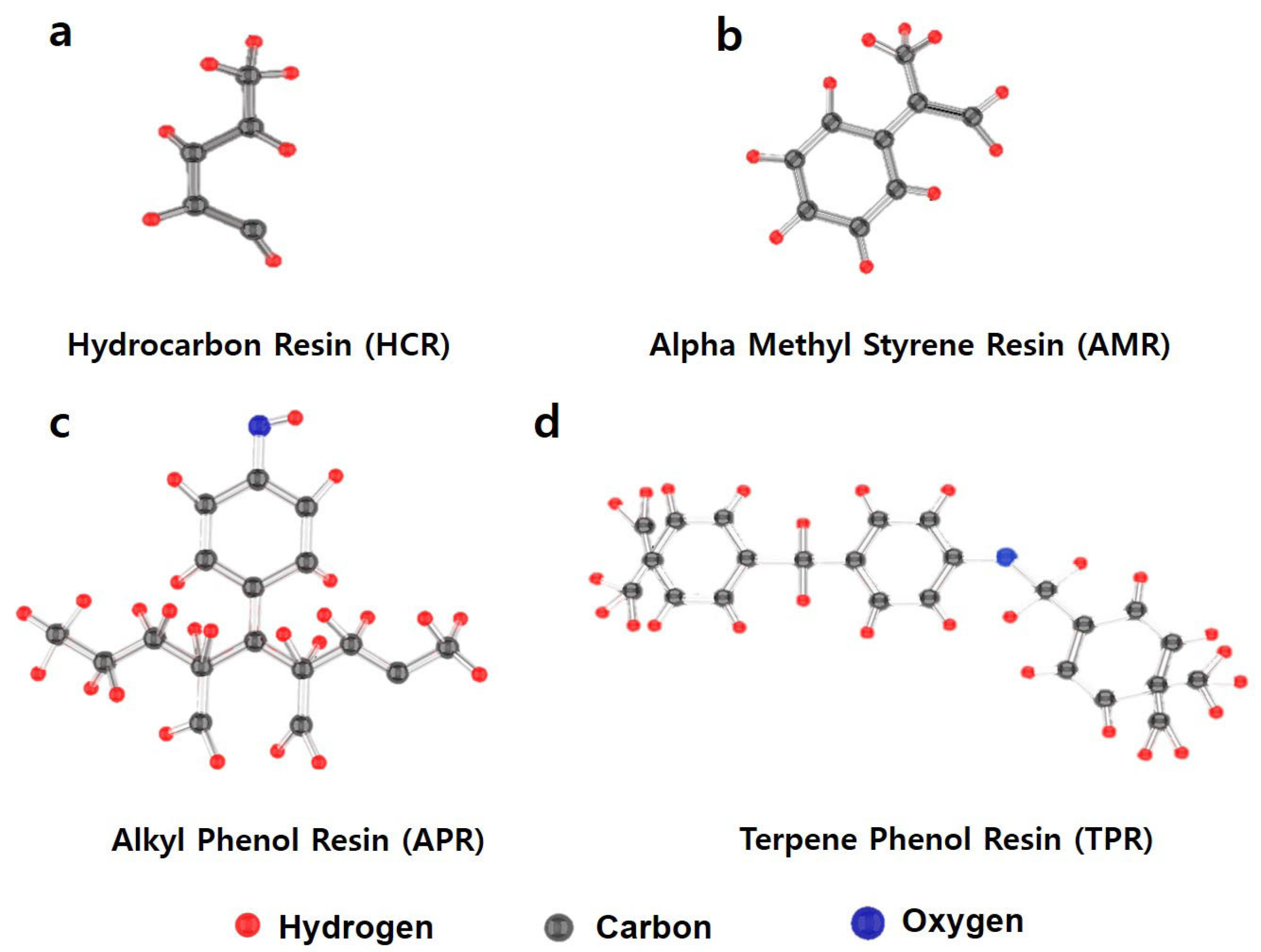
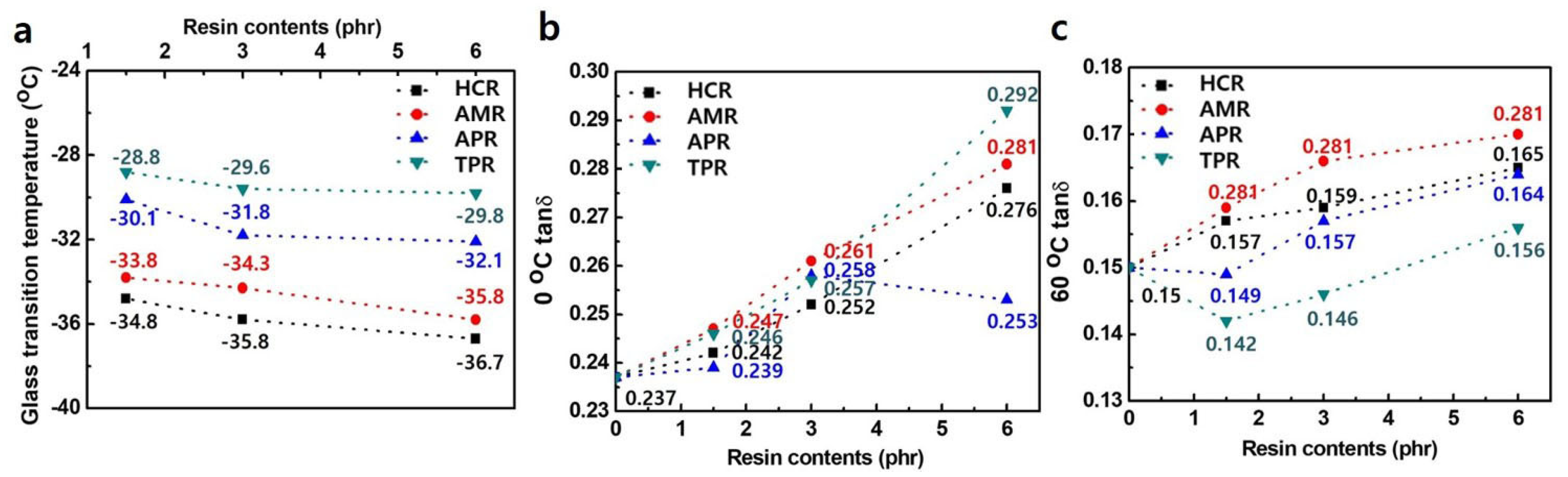
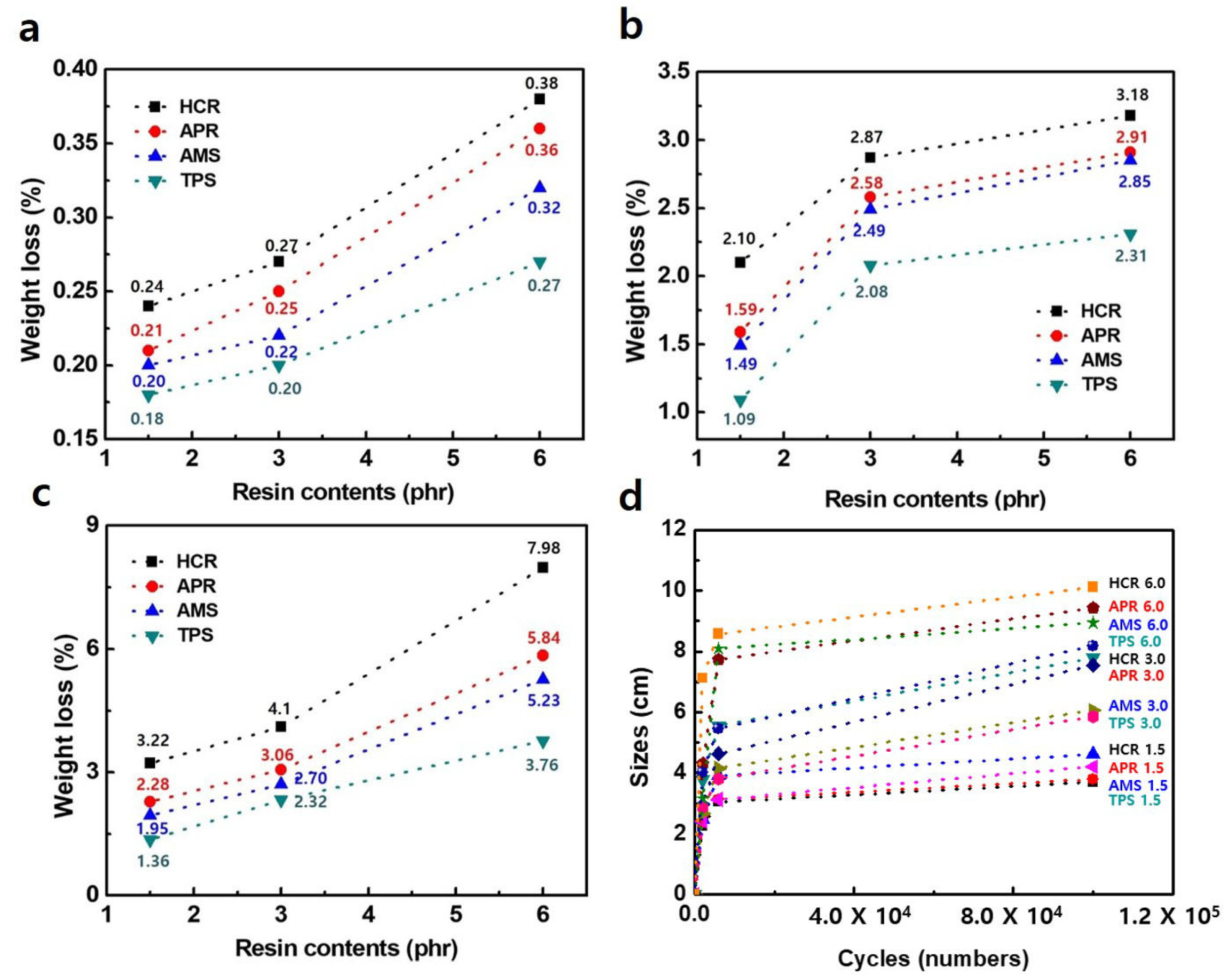
As eco-friendly “green tires” are being developed in the tire industry, conventionally used carbon black is being replaced with silica in rubber compounds. Generally, as a lubricant and dispersing agent, processing aids containing zinc ions have been employed as additives. However, as zinc is a heavy metal, alternative eco-friendly processing aids are required to satisfy worldwide environmental concerns. Furthermore, non-toxic, degradable, and renewable processing aids are required to improve the mechanical properties of the rubber composites. In this study, we evaluated the effects of diverse silica-based processing aids containing hydrocarbon, benzene, and hydroxyl functional groups on the mechanical properties of rubber composites. Among them, rubber composites that used amphiphilic terpene phenol resin (TPR) with hydrophilic silica showed compatibility with the hydrophobic rubber matrix and were revealed to improve the mechanical and fatigue properties. Furthermore, owing to the enhanced dispersion of silica in the rubber matrix, the TPR/styrene butadiene rubber composites exhibited enhanced wet grip and rolling resistance. These results indicated that TPR had multifunctional effects at low levels and has the potential for use as a processing aid in silica-based rubber composites in tire engineering applications.
Keywords: terpene phenol resin; processing aids; hydrocarbon resin; alpha methyl styrene resin; alkyl phenol resin; rubber composites terpene phenol resin; processing aids; hydrocarbon resin; alpha methyl styrene resin; alkyl phenol resin; rubber composites