Article

Experimental Study and Damage Model on the Seismic Behavior of Reinforced Concrete L-Shaped Columns under Combined Torsion

1
College of Civil Engineering and Architecture, Guangxi University, Nanning 530004, China
2
Department of Project Management; Hunan Vocational College of Engineering, Changsha 410151, China
3
Key Laboratory of Disaster Prevention and Structure Safety of Chinese Ministry of Education, Guangxi University, Nanning 530004, China
*
Author to whom correspondence should be addressed.
Appl. Sci. 2020, 10(19), 7008; https://doi.org/10.3390/app10197008
Submission received: 23 August 2020 / Revised: 19 September 2020 / Accepted: 27 September 2020 / Published: 8 October 2020
(This article belongs to the Section Civil Engineering)

Abstract

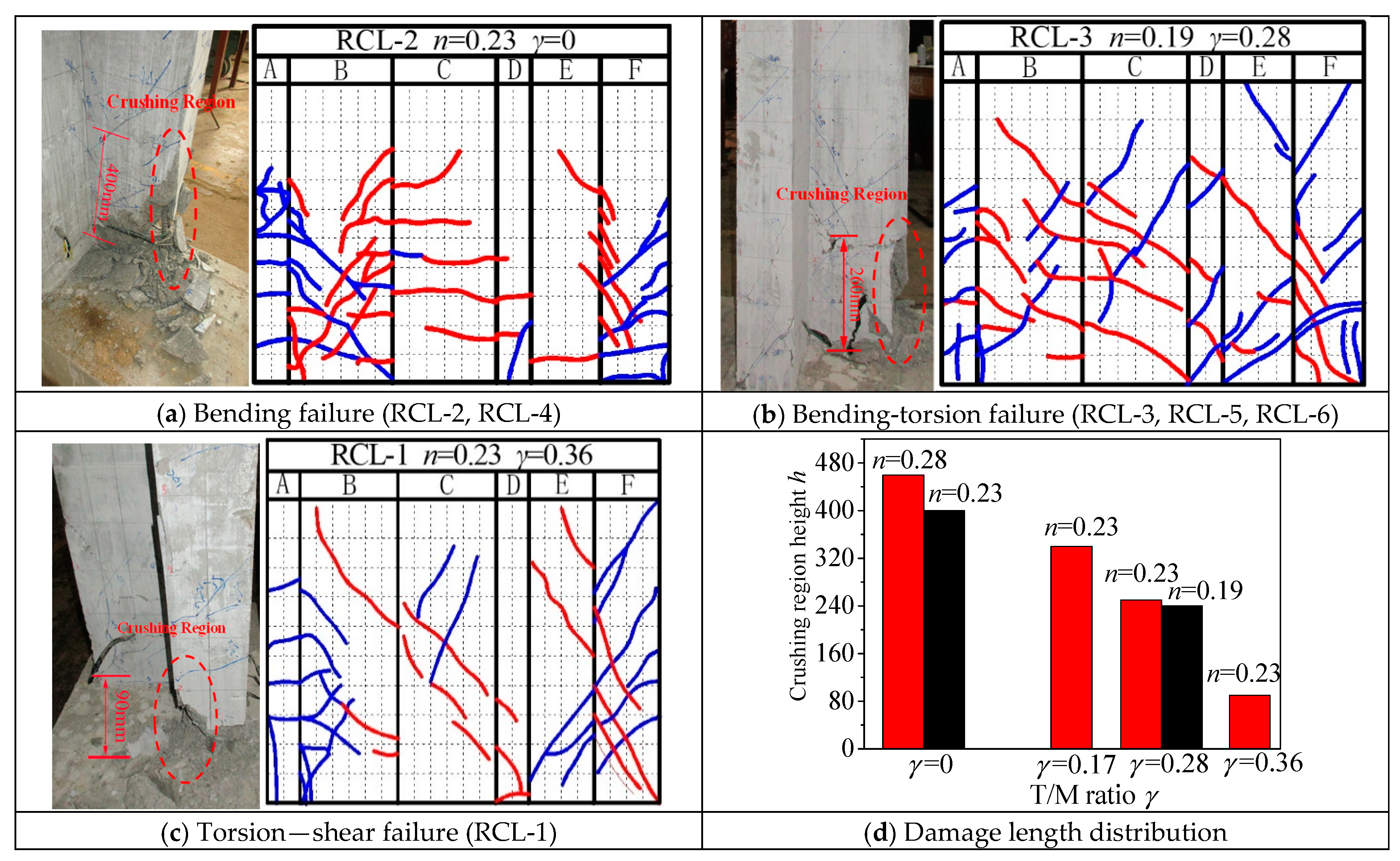
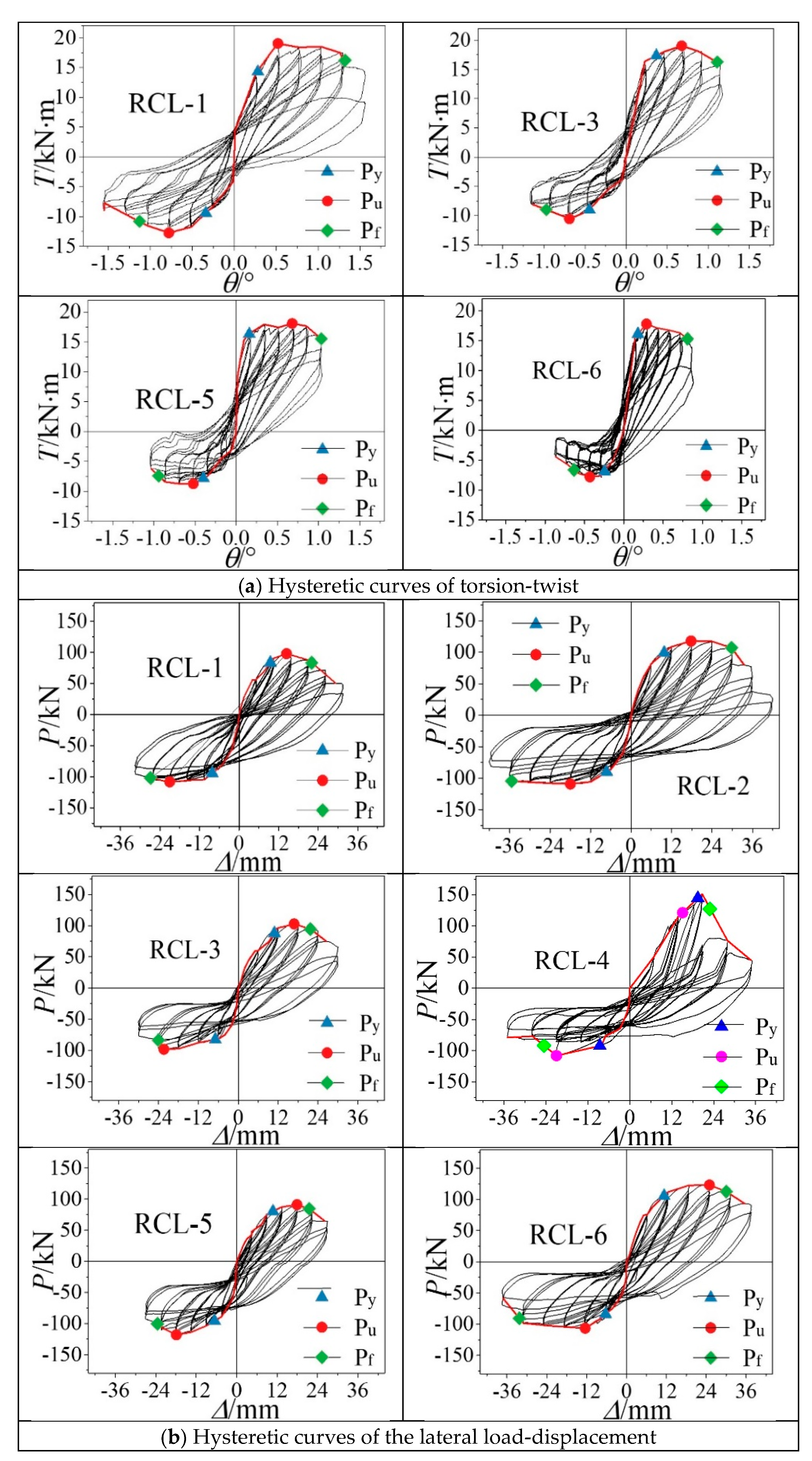
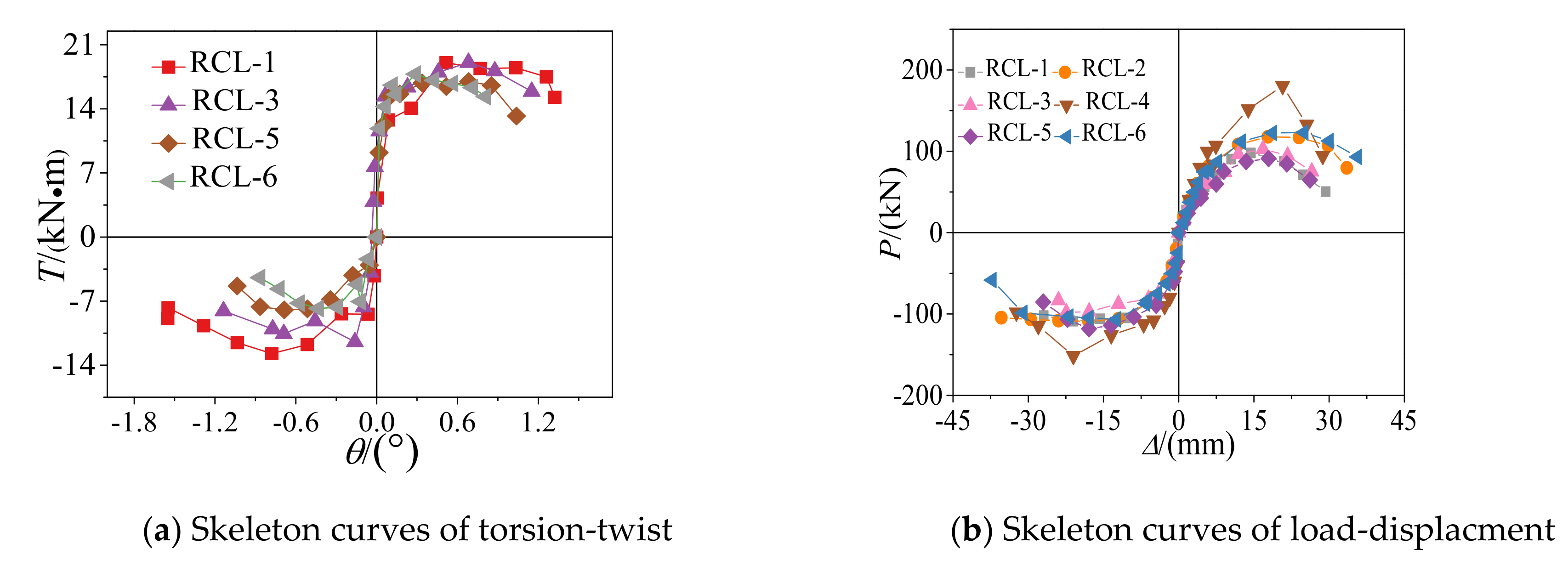
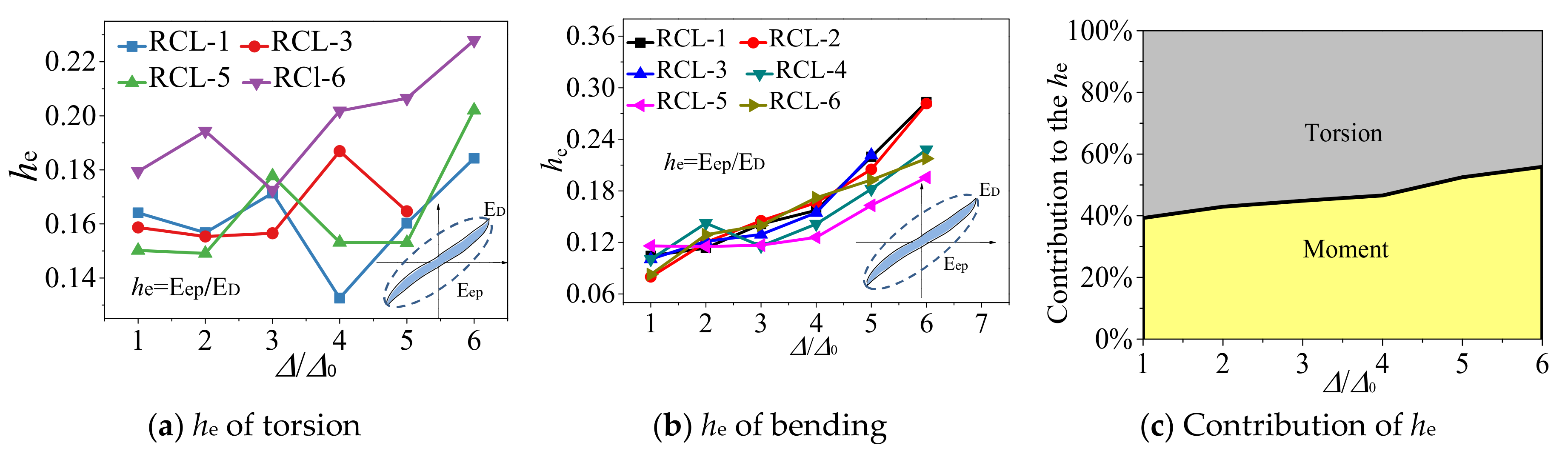
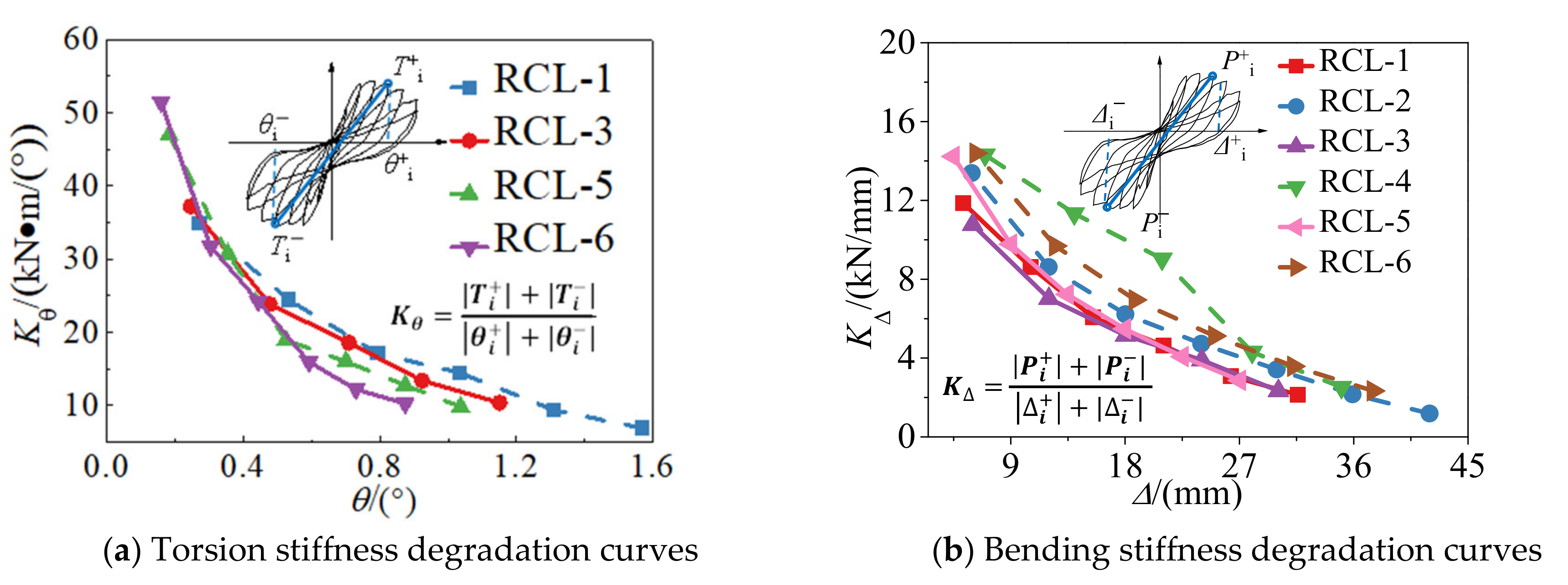
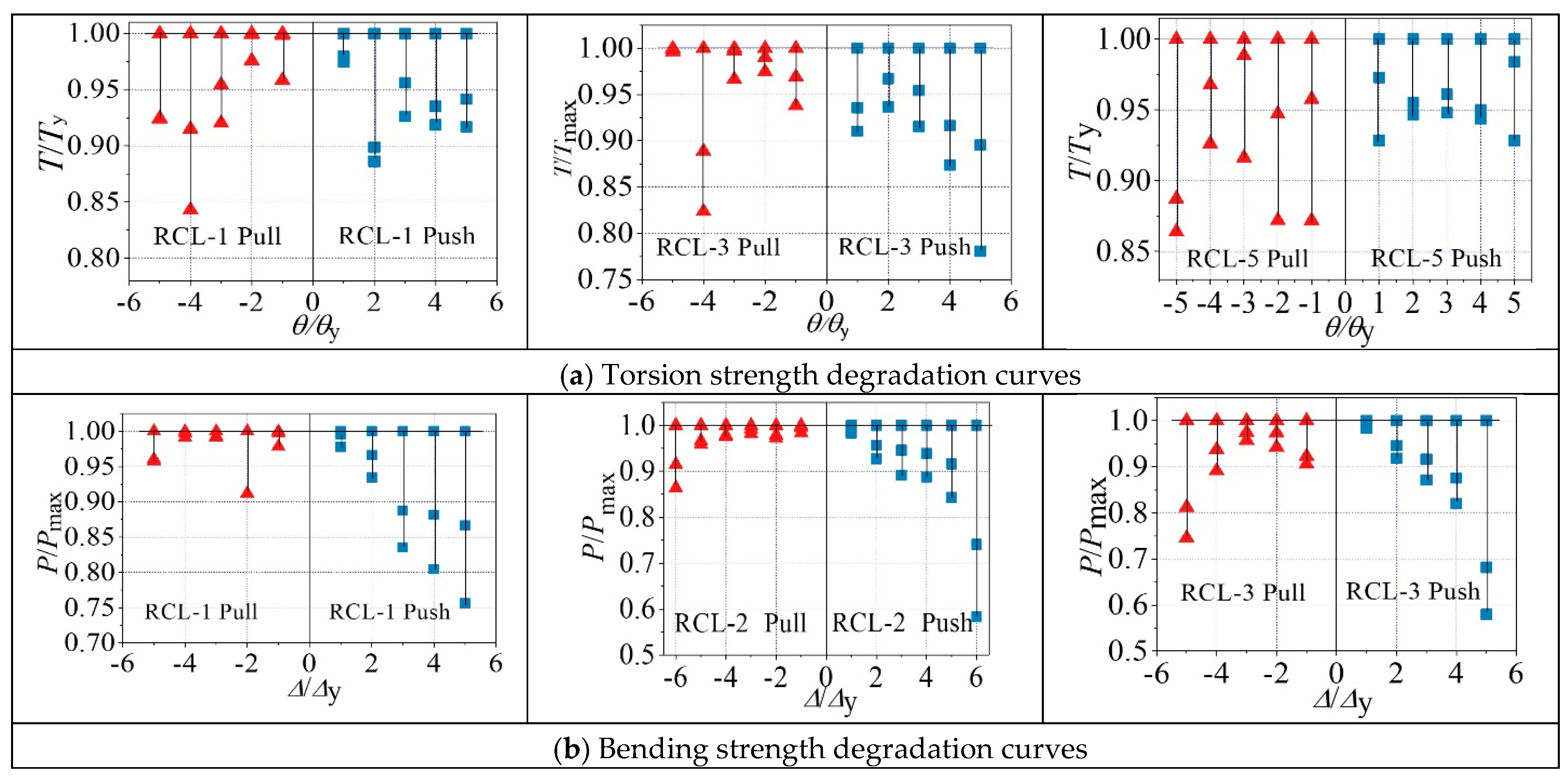
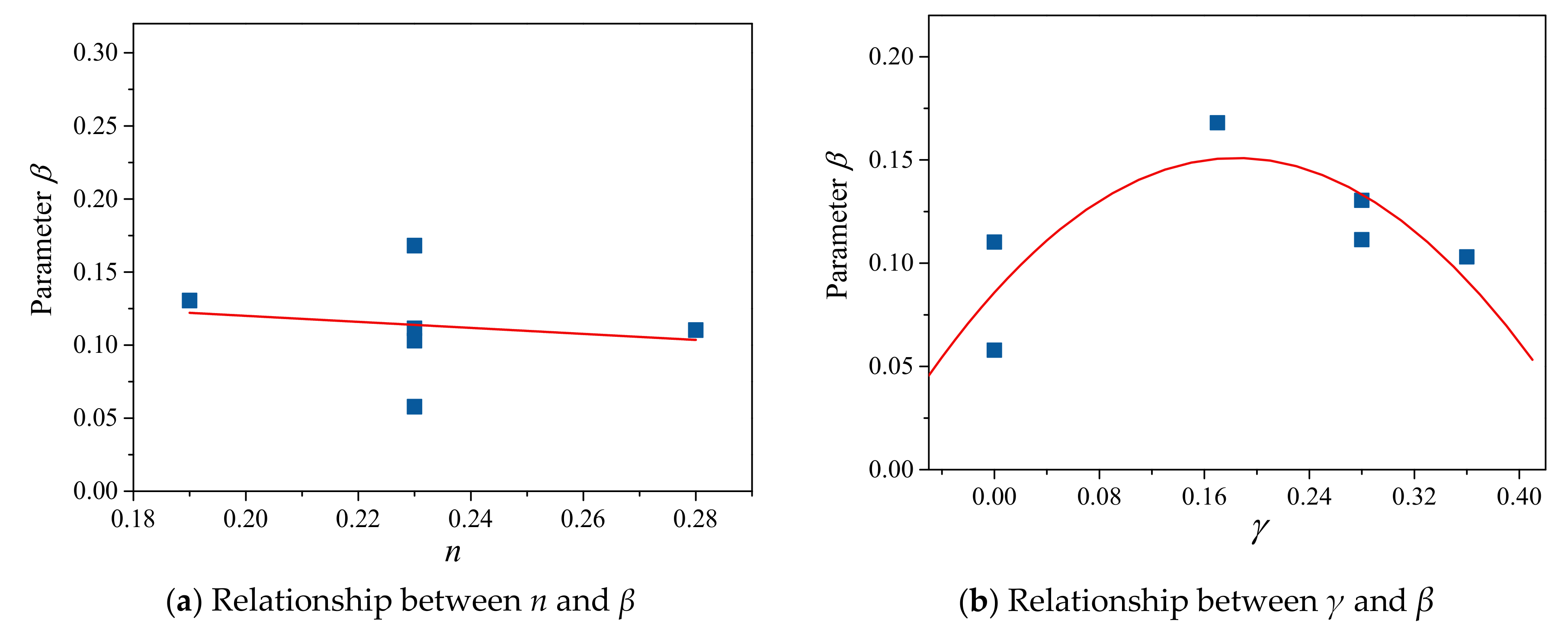
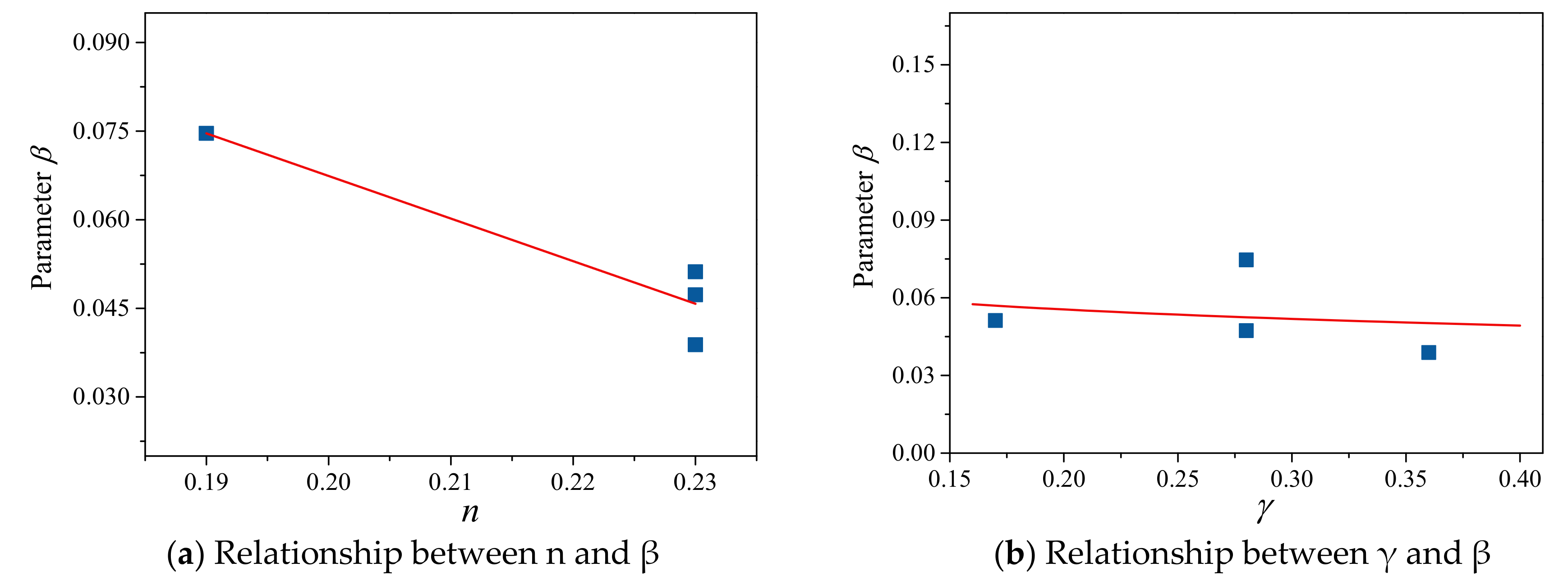
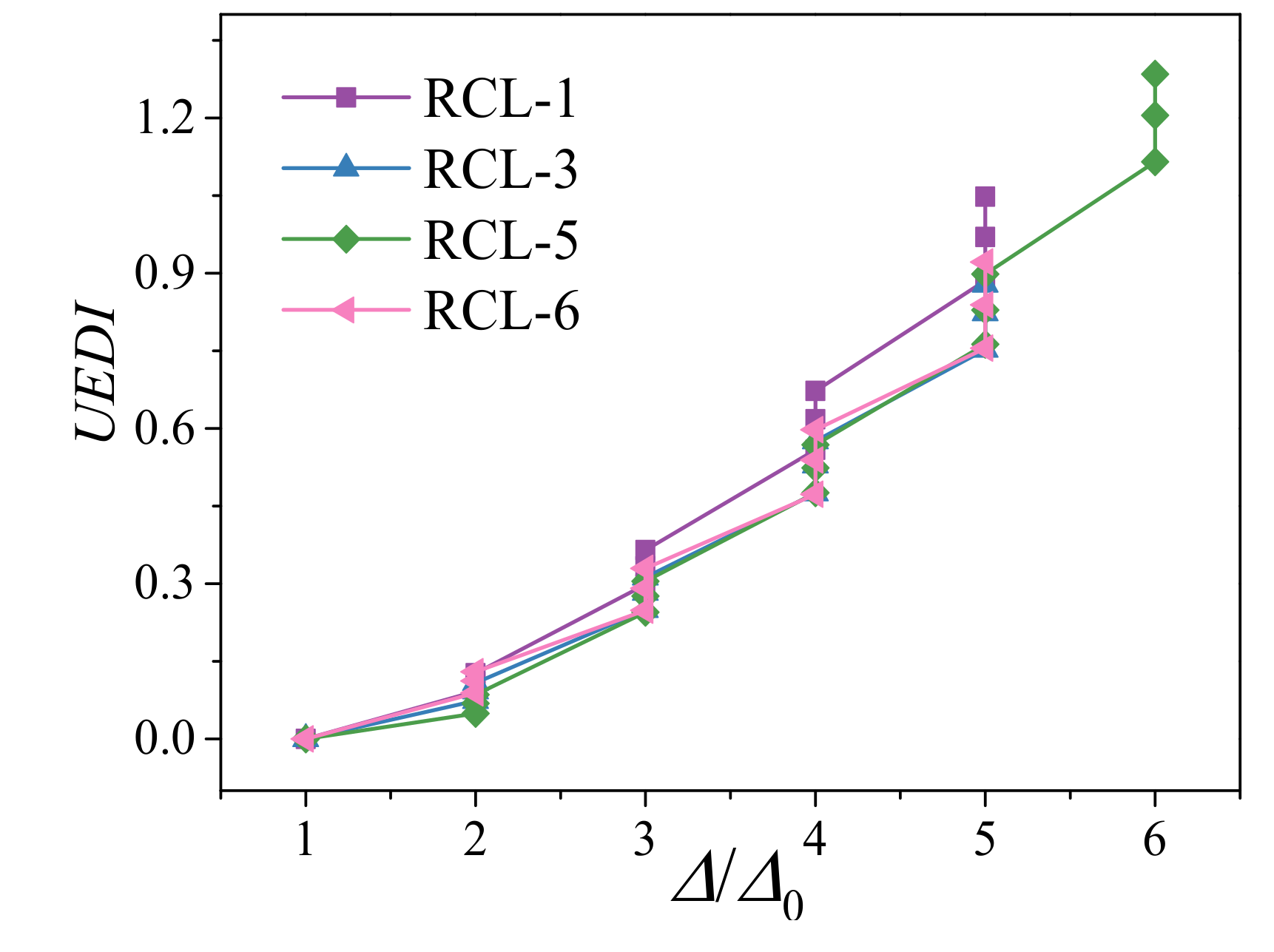
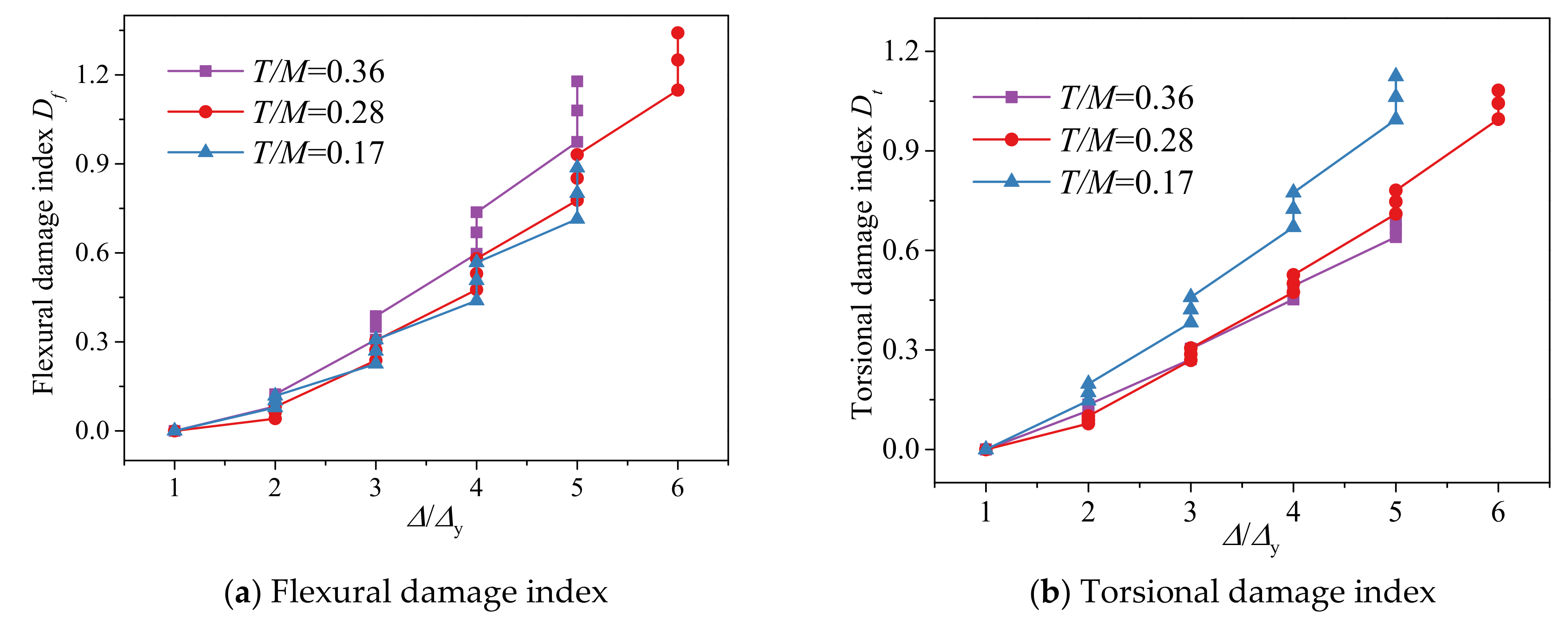
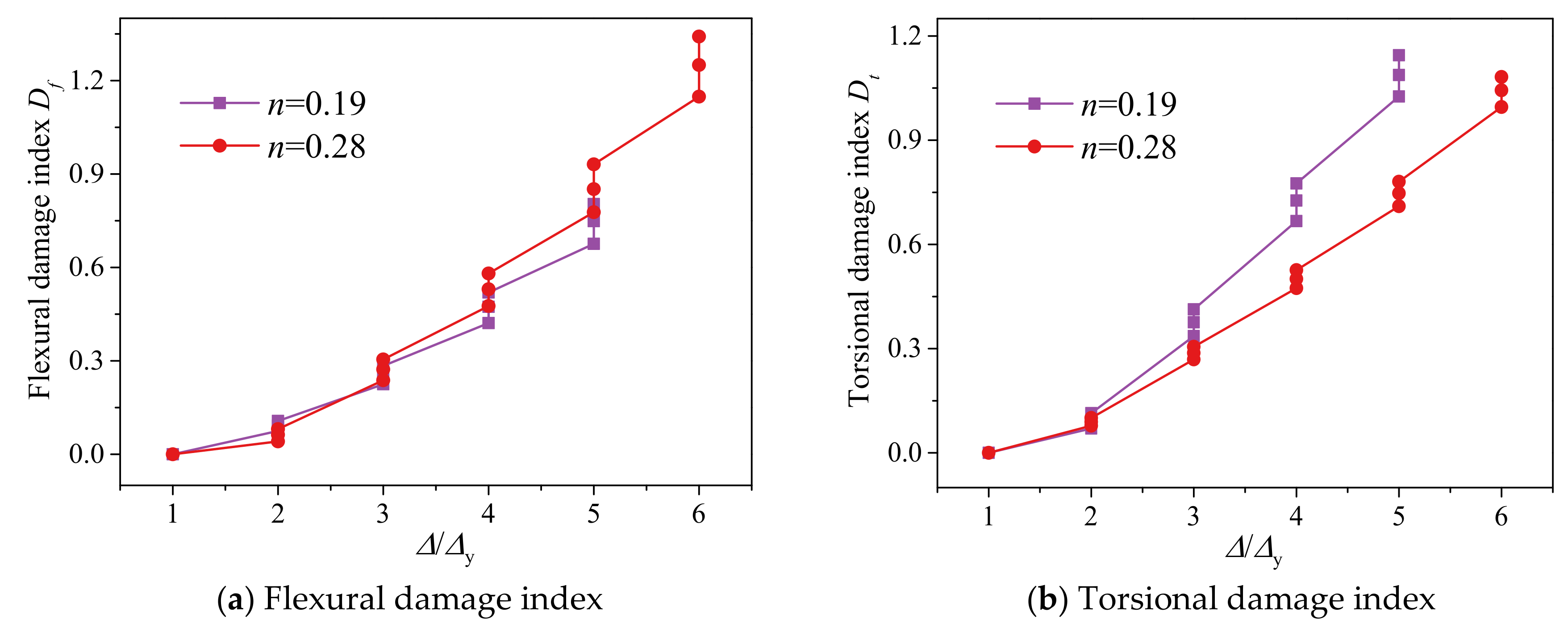
Due to the advantage of saving indoor space, a special-shaped column frame attracted more attention of the engineers and researchers. This paper presented a quasi-static cyclic loading experiment of six specimens of reinforced concrete (RC) L-shaped columns under compression-flexure-shear-torsion combined loadings to investigate the effect in the ratio of torsion to moment (T/M) and axial compression ratio (n) on their seismic performance. The results showed that the failure modes of L-shaped specimens included bending failure, bending-torsion failure, and torsion-shear failure with the hysteretic curves exhibiting S shape. With the increase of T/M ratio, cracks on the flange developed more fully, and the height of plastic hinge decreased and torsion bearing capacity improved. Besides, as the T/M ratio increased the twist ductility increased, while displacement ductility decreased. On the other hand, with a higher axial compression ratio, torsion bearing capacity and bending stiffness were both increased. Moreover, the equivalent viscous damping coefficient of bending and torsion were 0.08~0.28 and 0.13~0.23, respectively. The average inter-story drift ratio met the requirements of the Chinese standard. Finally, two modified models were proposed to predict the progression of damage for the L-shaped column under combined loading including torsion.
Keywords: reinforced concrete; L-shaped column; compression-flexure-shear-torsion; combined action; seismic behavior reinforced concrete; L-shaped column; compression-flexure-shear-torsion; combined action; seismic behavior