Article

A Novel Negative Stiffness Amplification System Based Isolation Method for the Vibration Control of Underground Structures


1
State Key Laboratory of Disaster Reduction in Civil Engineering, Tongji University, Shanghai 200092, China
2
Department of Disaster Mitigation for Structures, Tongji University, Shanghai 200092, China
*
Author to whom correspondence should be addressed.
Appl. Sci. 2020, 10(16), 5421; https://doi.org/10.3390/app10165421
Submission received: 20 June 2020 / Revised: 29 July 2020 / Accepted: 3 August 2020 / Published: 5 August 2020
(This article belongs to the Special Issue Passive Seismic Control of Structures with Energy Dissipation Systems)

Abstract

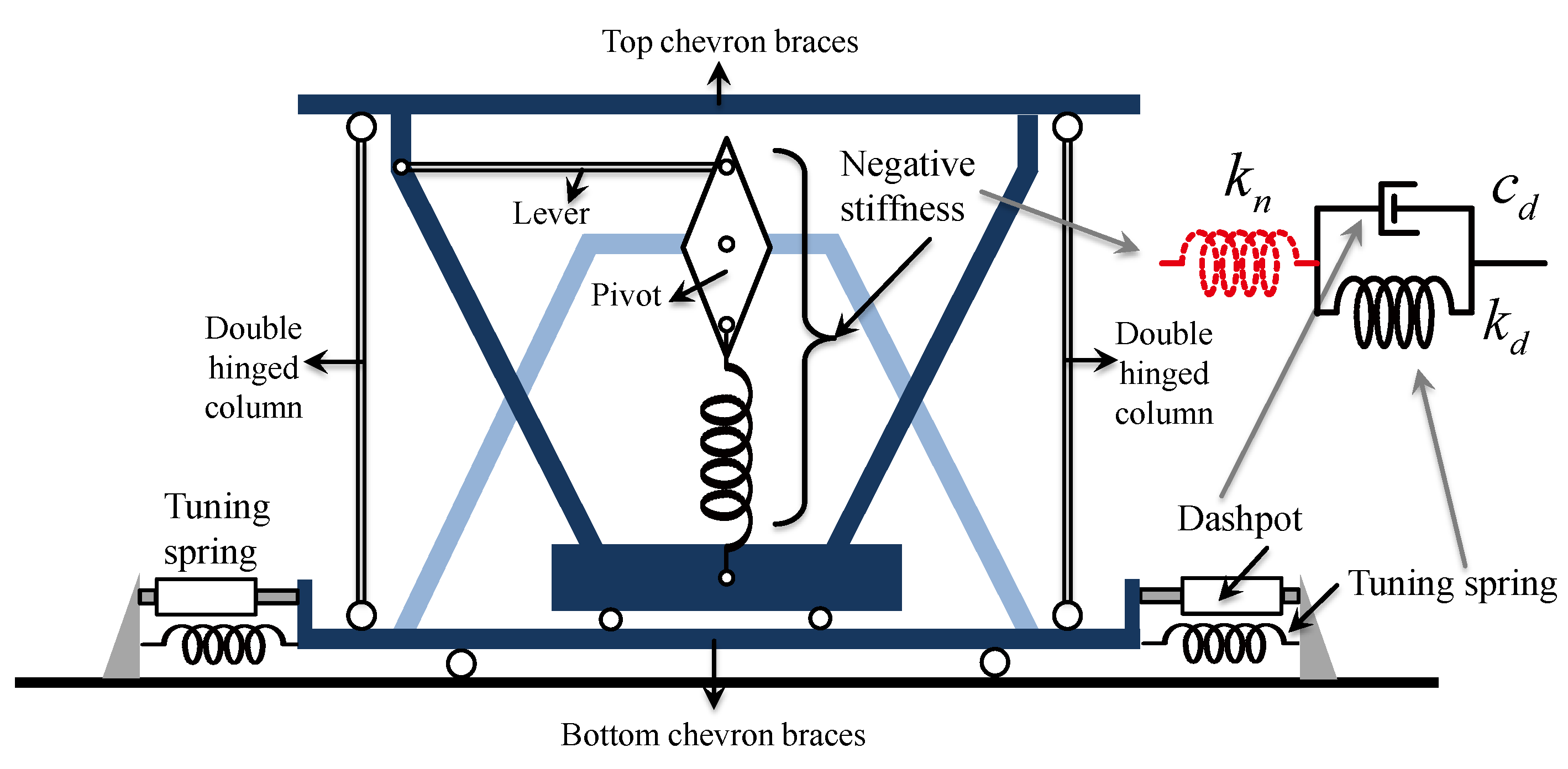
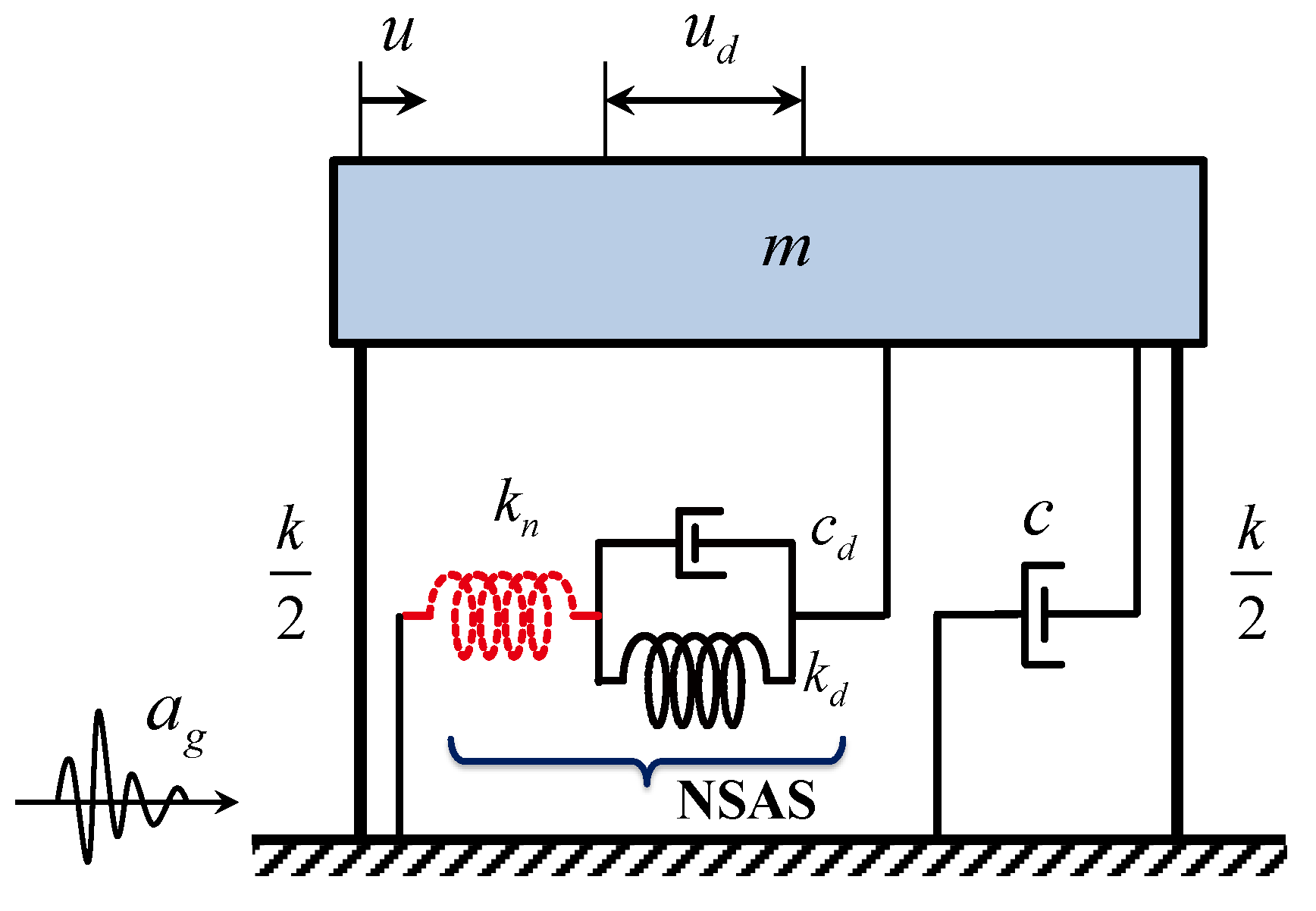
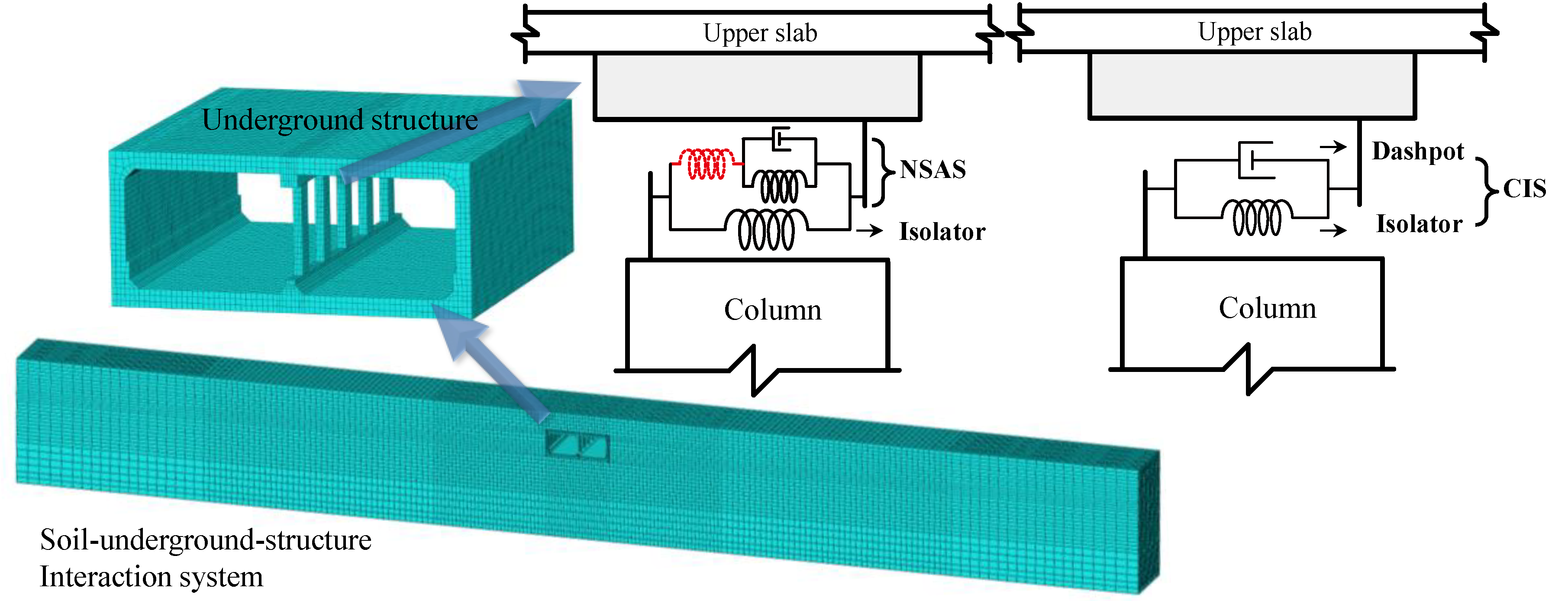
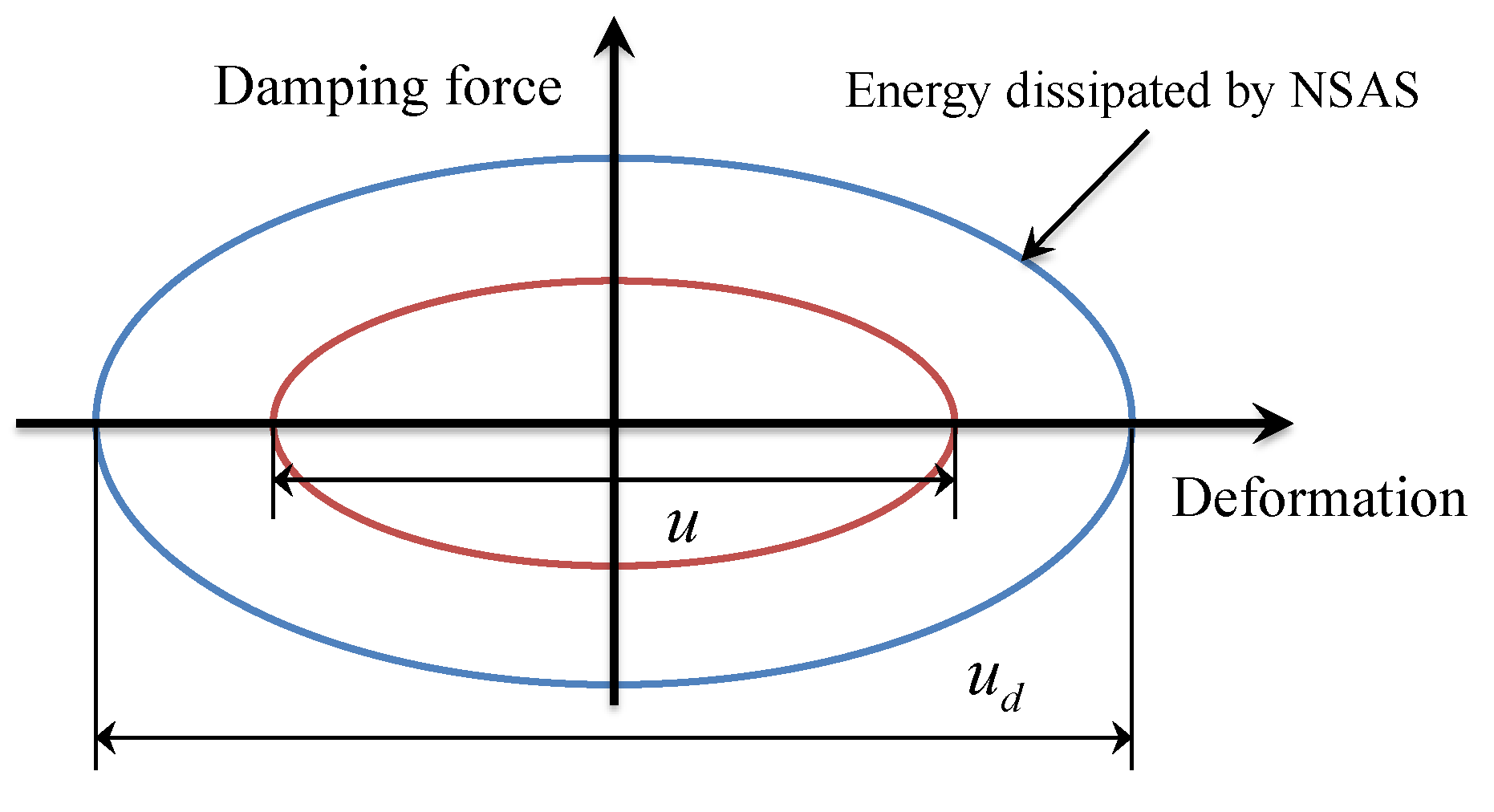
Underground structures can be vulnerable during strong earthquakes, and seismic mitigation systems designed for these structures are instrumental in improving multiple aspects of seismic performance. To deal with this problem, a novel isolation system is proposed for underground structures, employing the incorporation of a negative-stiffness amplification system (NSAS) and an isolator. The proposed NSAS consists of the subconfiguration of a spring with positive stiffness in parallel with a dashpot, which is then in series with a negative-stiffness device. The mechanical model and physical realization of the NSAS are presented, based on which the energy-dissipation-enhancement mechanism of NSAS is detailed. On this basis, comprehensive parameter analyses were conducted between the NSAS isolation system and a conventional isolation system. Analysis results showed that the NSAS exhibited a significant energy-dissipation-enhancement effect, in which the series connection of the negative and positive stiffnesses amplified the dashpot’s deformation for enhanced energy-dissipation capacity and efficiency. Compared with a conventional isolator, the NSAS isolation system provided the underground structure with a multiperformance and multilevel mitigation effect, particularly yielding lower responses of displacement and shear forces at the same time. More vibration energy could be dissipated by NSAS, thereby alleviating the energy-dissipation burden of underground structures.
Keywords: underground structure; damping enhancement; soil–underground structure interaction; negative stiffness; isolation underground structure; damping enhancement; soil–underground structure interaction; negative stiffness; isolation