Article

Displacement-Dependent Damping Inerter System for Seismic Response Control


1
Department of Disaster Mitigation for Structures, Tongji University, Shanghai 200092, China
2
Department of Engineering, University of Messina, Messina 98166, Italy
3
College of Civil Engineering, Yantai University, Yantai 264005, China
*
Authors to whom correspondence should be addressed.
Appl. Sci. 2020, 10(1), 257; https://doi.org/10.3390/app10010257
Submission received: 23 November 2019 / Revised: 25 December 2019 / Accepted: 26 December 2019 / Published: 29 December 2019

Abstract

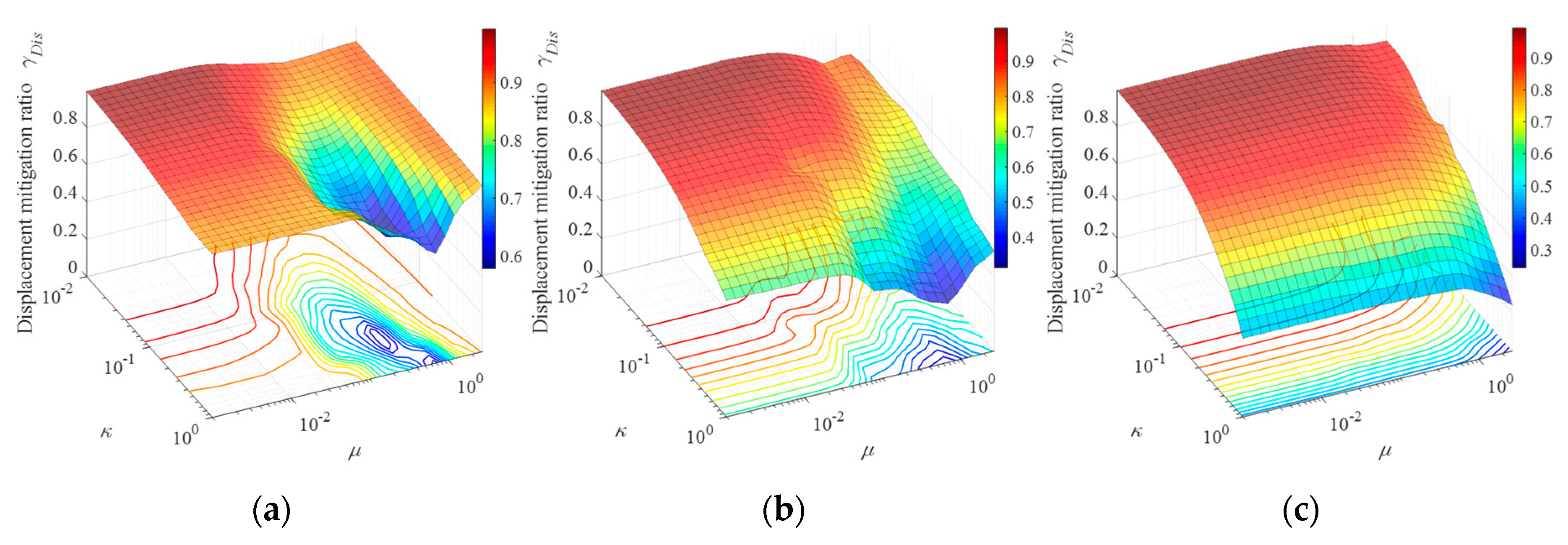
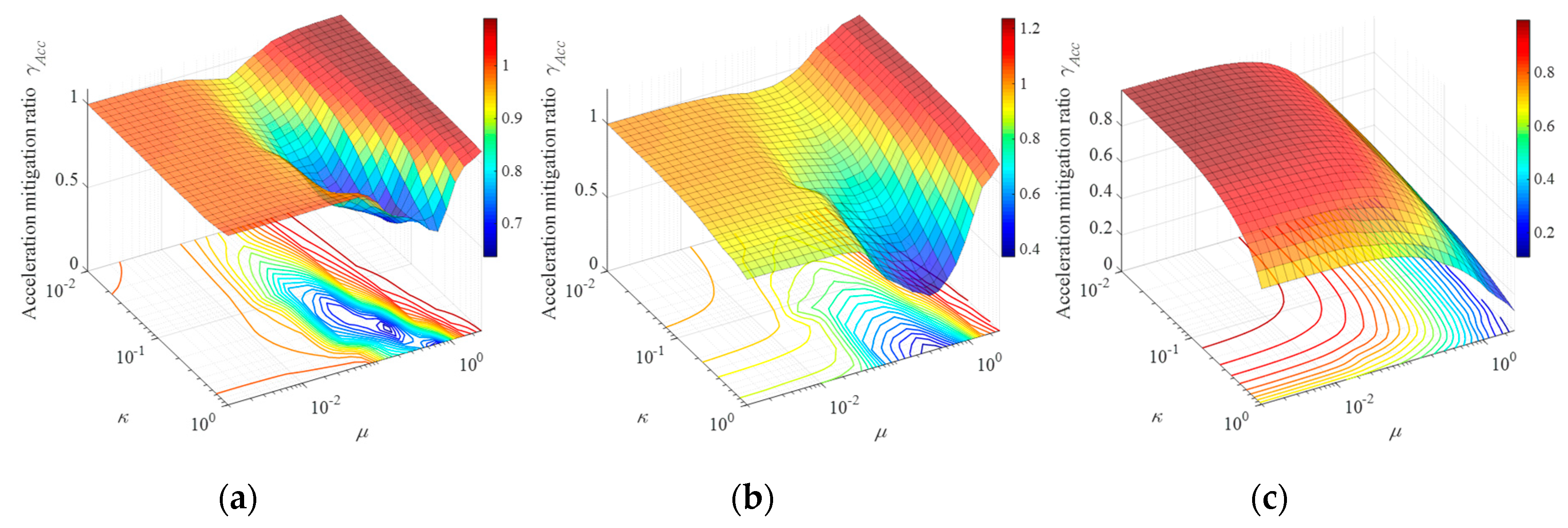
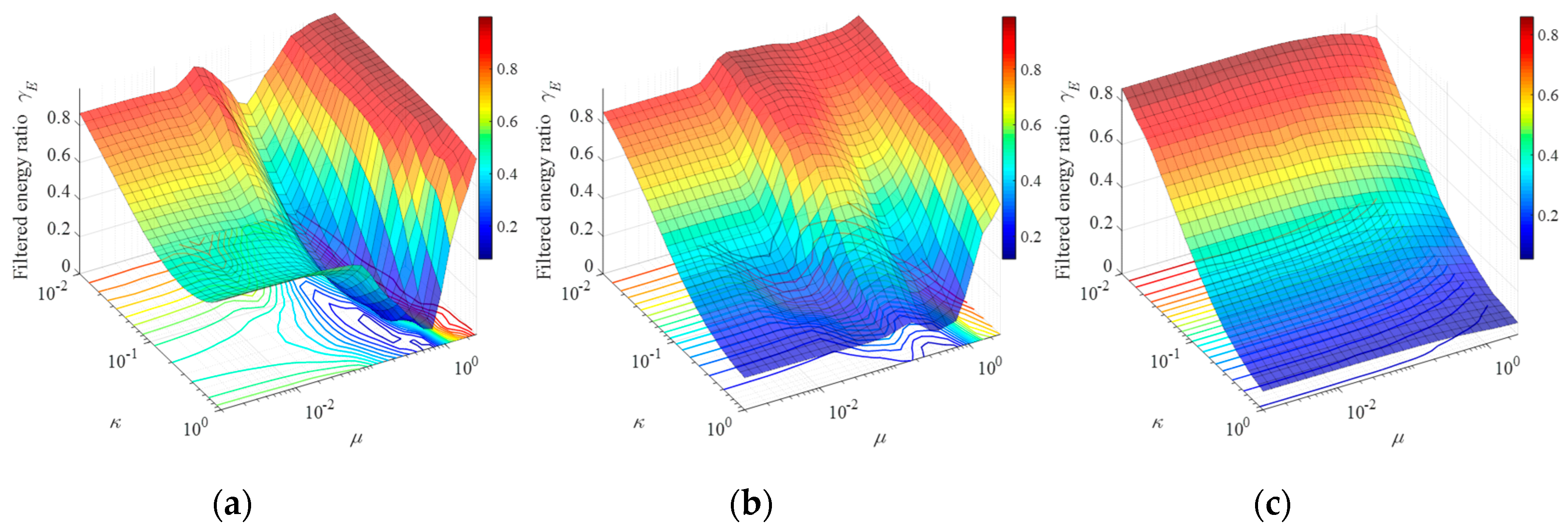
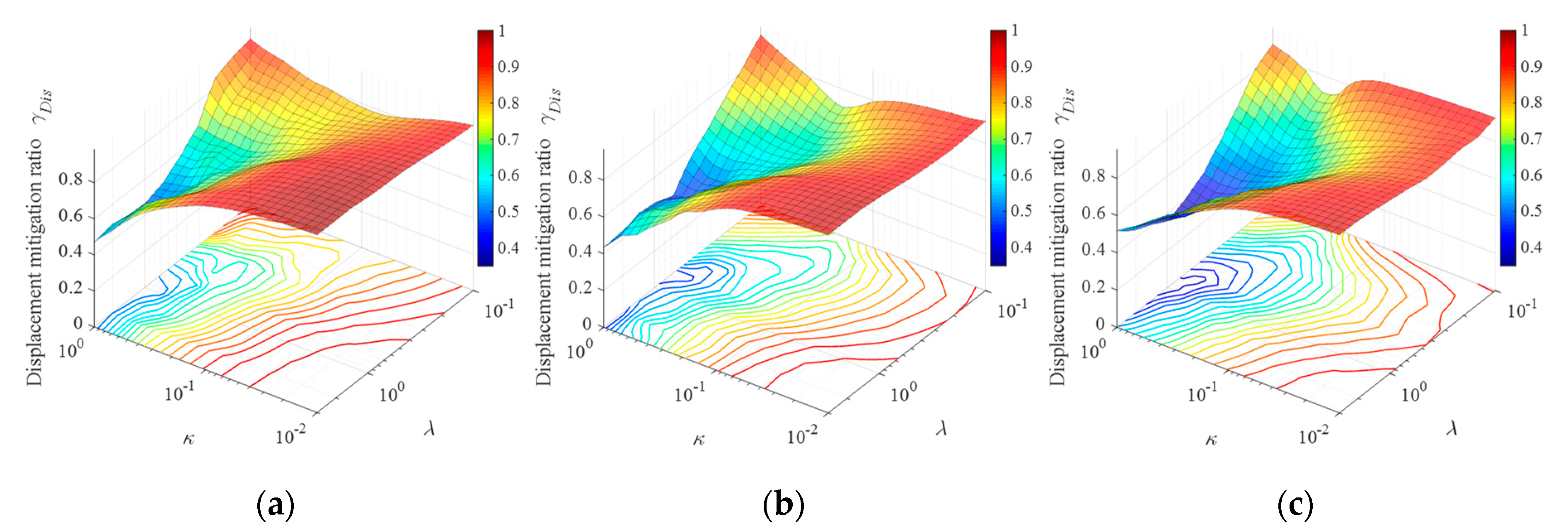
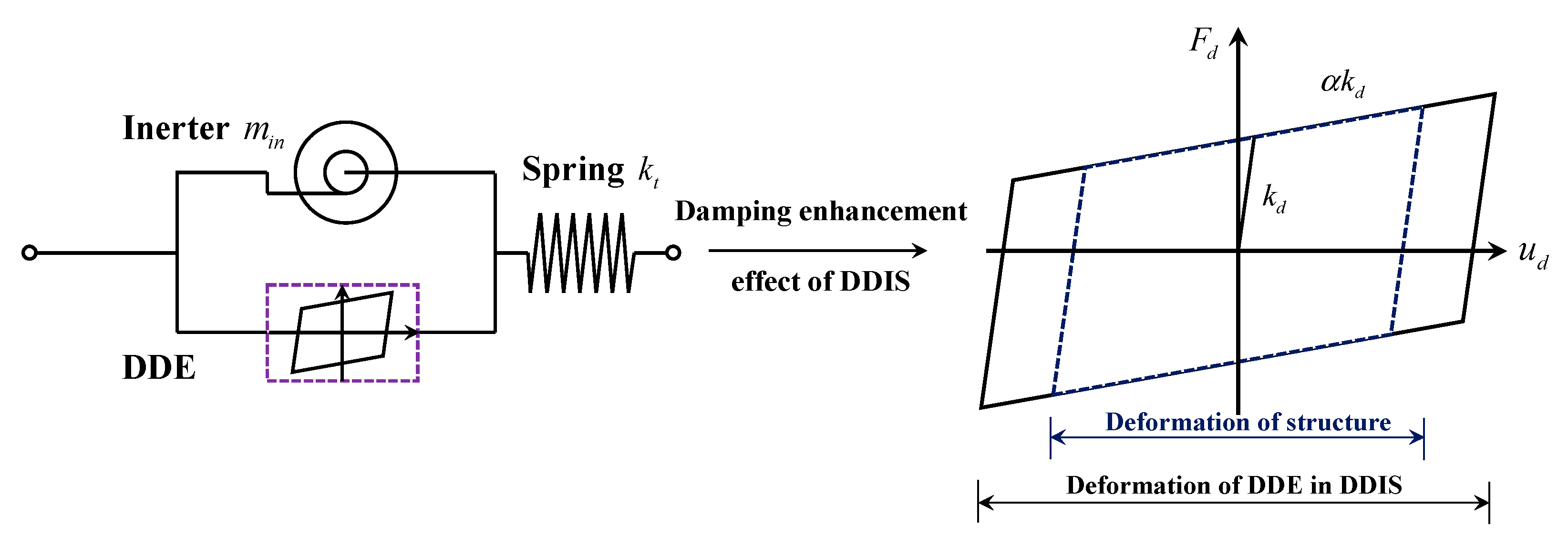
Various inerter systems utilizing velocity-dependent damping for vibration control have been developed. However, a velocity-dependent damping element may exhibit relatively poor performance compared to a displacement-dependent damping element (DDE) of equivalent damping ratio, when the structural deformation is small in the early stage of the seismic response. To address this issue, the advantage of DDE in generating a larger control force in the early stage of excitation is promoted here and enhanced by a supplemental inerter-spring-system, thus realizing a proposed novel displacement-dependent damping inerter system (DDIS). First, the influence of various DDIS-parameters is carried out by resorting to the stochastic linearization method to handle non-linear terms. Then, seismic responses of the DDIS-controlled system are evaluated in the time domain taking the non-linearity into account, thus validating the accuracy of the stochastic dynamic analysis. Several design cases are considered, all of which demonstrated damping enhancement and timely control achieved by the DDIS. The results show that the energy dissipation as well as reduction of structural displacement and acceleration accomplished by the proposed system are significant. DDIS suppresses structural responses in a timely manner, as soon as the peak excitation occurs. In addition, it is demonstrated that interactions among the inerter, spring, and DDE, which constitute the damping-enhancement mechanism, lead to a higher energy-dissipation efficiency compared to the DDE alone.
Keywords: inerter; seismic protection; passive vibration control; displacement-dependent damping; stochastic dynamic analysis inerter; seismic protection; passive vibration control; displacement-dependent damping; stochastic dynamic analysis