Article

Organizational Identity: An Ambiguous Concept in Practical Terms


Independent Researcher, Bath BA1 7PY, UK
Adm. Sci. 2017, 7(3), 28; https://doi.org/10.3390/admsci7030028
Submission received: 12 May 2017 / Revised: 3 August 2017 / Accepted: 4 August 2017 / Published: 12 August 2017

Abstract

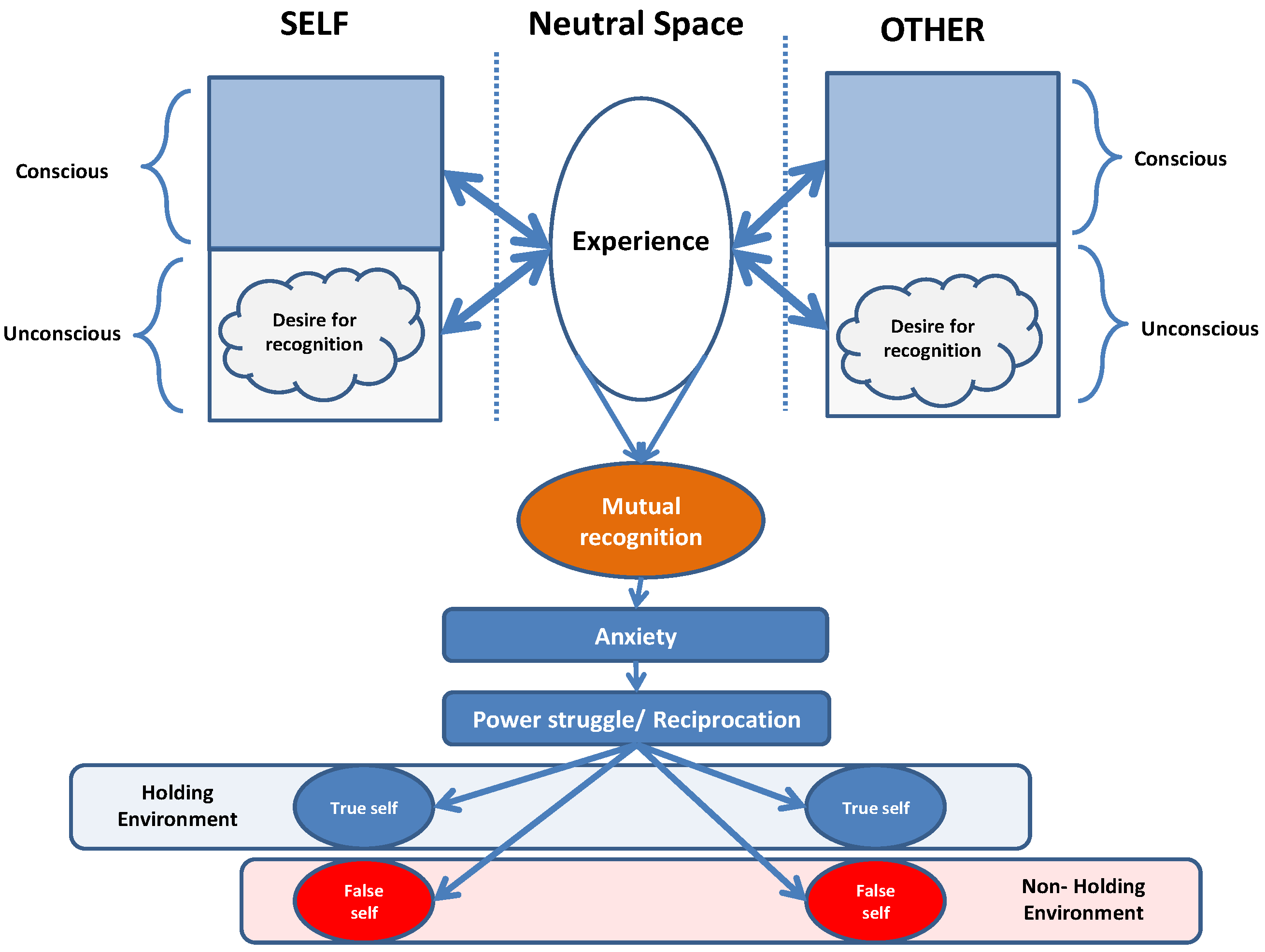
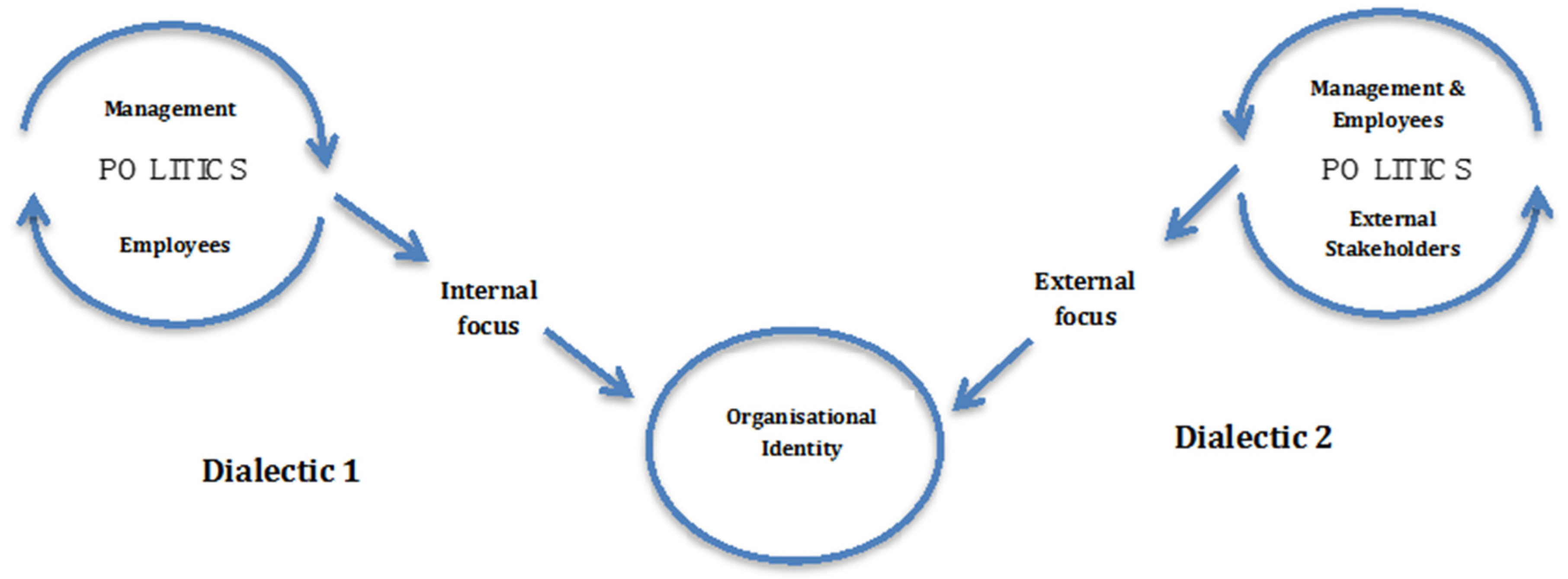
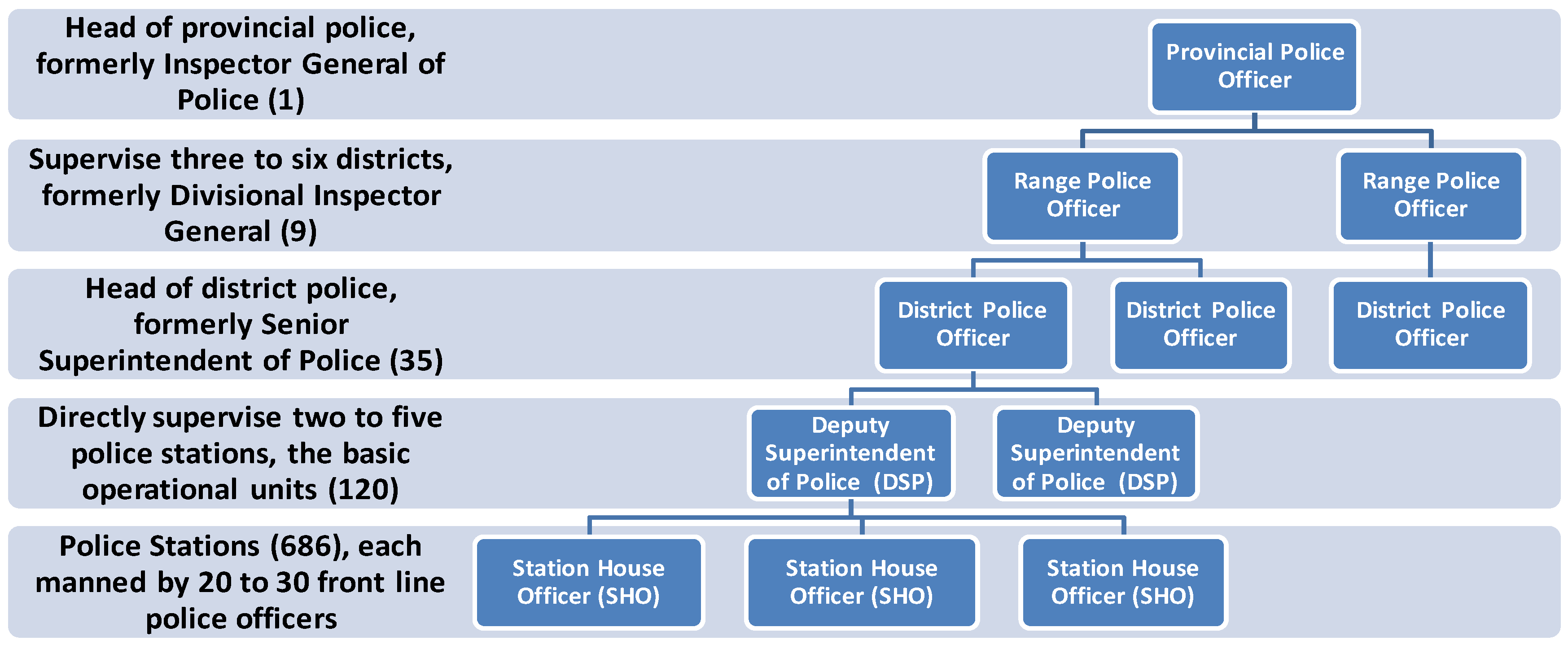
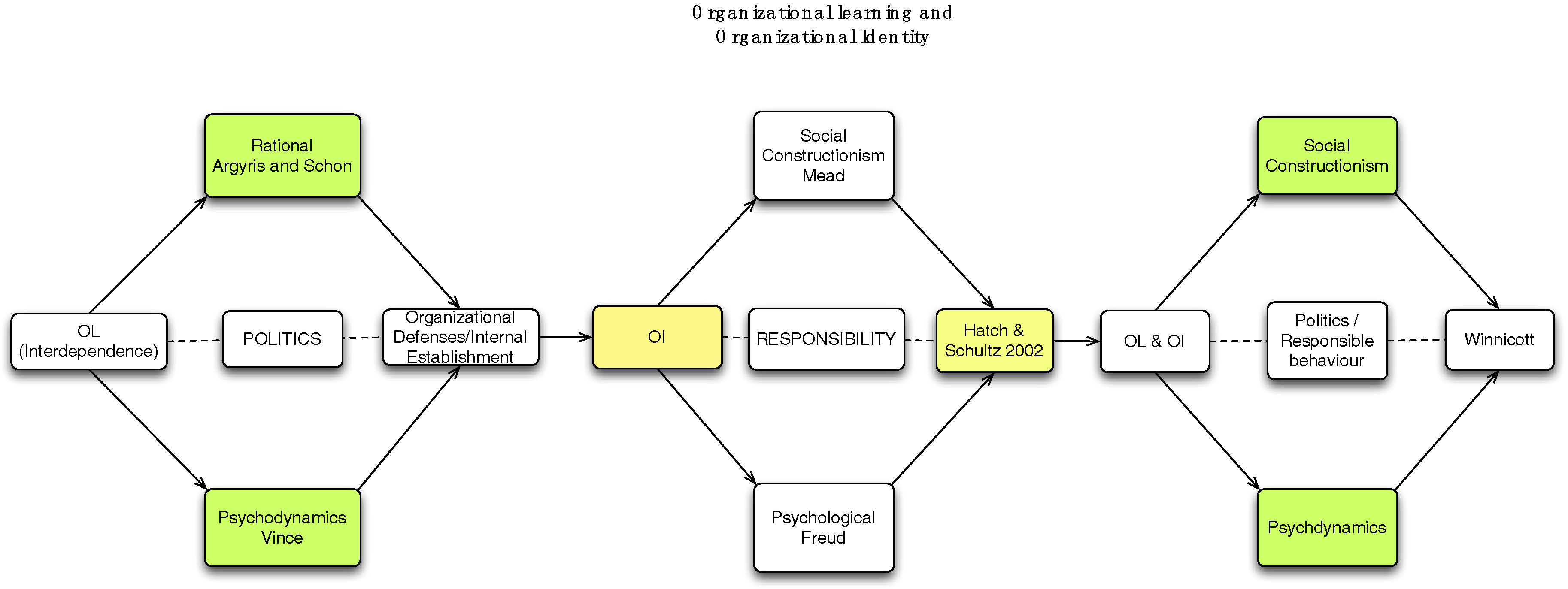
Albert and Whetten defined organizational identity (OI) as the central, distinctive and enduring characteristics of an organization. Scholars found OI to be a difficult construct to apply to organizations and, over time, they defined it from functionalist, social constructionist, postmodernist and psychodynamic perspectives. All of these perspectives made great theoretical contributions to the field, but they were largely unable to integrate practice and theory in a way that could benefit organizations. Hatch and Schultz’s work is exceptional in this regard: they provided a theory that has the promise of practical implications for organizations in regard to organizational continuity. They perceived organizational continuity as existing in the balanced/responsible behavior of an organization’s members, among themselves and with key external stakeholders. They provided an effective model in this regard, but they overlooked how individuals’ political interests overshadow balanced behavior. Politics that arise as a result of individuals’ identity are generally considered to be psychological in origin and link OI to organizational learning (OL) as a co-evolving process. The present research hence operationalizes Hatch and Schultz’s model by reference to a Winnicottian framework to understand how OI is socially constructed and psychologically understood in the political interests of the management and employees, among themselves and with key external stakeholders. In doing so it explores the political implications of OI for OL, as perceived in an organization’s continuity. The context of the research is the Pakistani police.
Keywords: organizational learning (OL); organizational identity (OI); dialectics; mutual recognition; existentialism; power and politics organizational learning (OL); organizational identity (OI); dialectics; mutual recognition; existentialism; power and politics