


Abstract
In the current context, where sustainability has become a global imperative, emerging markets have increasingly incorporated green finance as a strategic pillar to foster long-term growth and stability. This study examines the evolution, trends, and key challenges of sustainable investment in emerging economies, with a particular focus on the integration of environmental, social, and governance (ESG) criteria. A systematic literature review was conducted using Scopus and Web of Science, following the Preferred Reporting Items for Systematic Reviews and Meta-Analyses (PRISMA) protocol, based on a sample of 399 articles published over the past decade. The findings reveal a significant expansion in academic output on ESG investments in emerging markets, with an average annual growth rate of 14.06% and an international co-authorship rate of 37.34%. China, the United Kingdom, South Africa, and the United States emerge as leading contributors, particularly since 2020. However, critical gaps persist, including inconsistencies in ESG ratings and the limited adaptation of ESG frameworks to local socioeconomic and institutional conditions. Future research should focus on strengthening public policy frameworks, designing effective fiscal incentives, assessing the distributive implications of green finance, and leveraging technologies such as fintech, blockchain, and artificial intelligence to enhance ESG rating consistency, transparency, risk measurement, and the overall efficiency of sustainable investments.
1. Introduction
Emerging markets are characterized as economies in transition toward higher levels of industrialization, financial integration, and institutional consolidation, marked by significant growth potential, yet still constrained by structural and regulatory vulnerabilities (Casanova & Miroux, 2020). Within this context, climate change emerges as a critical risk factor that directly affects the macroeconomic stability and development prospects of these markets (Meneses Cerón et al., 2026b).
In response to these challenges, sustainable investment has gained increasing attention in recent years, particularly in the context of emerging economies (Jin et al., 2025). This investment approach incorporates environmental, social, and governance (ESG) factors alongside traditional financial criteria in capital allocation decisions (Joshipura et al., 2024). In doing so, it not only seeks to generate competitive financial returns but also to promote positive impacts on the environment and society (Siri & Zhu, 2019).
Therefore, ESG-oriented investments have become a strategic tool for addressing socio-environmental challenges by channeling capital flows toward resilient and sustainable initiatives (Abbas et al., 2024). Beyond their financial dimension, this approach fosters improvements in corporate governance, enhances transparency standards, and reduces information asymmetries—key factors for building trust and attracting international investment (Onishchuk & Kushnir, 2023). In this way, these elements not only strengthen economic systems but also facilitate the development of more balanced, resilient, and sustainable long-term growth trajectories (Meneses Cerón et al., 2022).
According to Ararat and Suel (2011), over the past decade, international financial institutions have intensified their efforts to consolidate sustainable investment markets in emerging economies, recognizing them as a strategic pillar for financial development and the transition toward more sustainable economic models. This momentum has materialized in the strengthening of ESG-oriented stock indices, the expansion of green financial instruments, and the development of specialized studies aimed at understanding the dynamics of these markets. Particular attention has been given to regions such as Sub-Saharan Africa, the Middle East and North Africa (MENA), as well as large-scale economies including Brazil, India, China, and Turkey (Hunjra et al., 2023).
According to the Global Sustainable Investment Alliance (GSIA), assets under management incorporating sustainable investment strategies reached USD 35.3 trillion at the beginning of 2020, representing a 15% increase compared to 2018 (LCR Capital Partners, 2023). Furthermore, the global sustainable finance market is projected to maintain a sustained growth trajectory through 2034, with a compound annual growth rate of 21.30%, led by economies such as the United States, Europe, Canada, and China (Fortune Business Insights, 2026). This trend reflects the growing interest among investors in integrating ESG criteria into their investment portfolios. In this regard, Aleknevičienė and Bendoraitytė (2023) and Carlei et al. (2025) agree that ESG portfolios offer competitive—and in some cases superior—returns compared to traditional investments, while emphasizing the generation of long-term sustainable value. Moreover, they highlight the enhanced resilience and risk management capacity of such portfolios, as the integration of non-financial factors contributes to greater stability in contexts of crisis and uncertainty.
Studies by Xiao et al. (2023), Chipalkatti et al. (2021), Alam et al. (2019), Degong et al. (2018), and Vives and Wadhwa (2012) converge on the critical importance of environmental, social, and governance factors in sustainable investment within emerging economies from an empirical perspective. These studies highlight that ESG practices not only influence investment decisions but also play a fundamental role in the development of capital markets and the attraction of foreign direct investment.
In turn, the bibliometric studies by Desalegn and Tangl (2022) and Kouwenberg and Zheng (2023) have addressed key dimensions of the global sustainable finance landscape: the former focused on the North–South divide in green finance, while the latter examined the evolution of climate finance following the Paris Agreement. Complementarily, Rahman et al. (2022) identified specific dimensions of green finance, although their analysis was limited to the banking sector of a developing economy. In a similar vein, Zairis et al. (2024) systematized the empirical literature on ESG ratings, corporate value creation, and financial risk, without distinguishing across market contexts or examining in depth the structural particularities of developing countries.
Previous studies reveal a significant gap in the literature: there is a lack of research that integrates, from a critical and comparative perspective, empirical evidence on ESG investments in emerging markets, taking into account the diversity of regulatory frameworks, varying levels of financial development, asymmetries in ESG data availability, and the heterogeneity of driving factors across regions (Zheng et al., 2021). This gap represents a valuable opportunity to organize existing knowledge, identify contextual patterns, and structure a differentiated research agenda tailored to the specific characteristics of these developing contexts. Such an agenda is particularly relevant given that these regions concentrate substantial growth opportunities while simultaneously facing pressing social and environmental challenges—such as poverty, inequality, environmental degradation, and corruption—that sustainable investment can help mitigate, while also generating attractive returns for investors (Makarenko et al., 2023). Furthermore, the diversification of supply chains and the increase in foreign direct investment in these markets expand future opportunities for sustainable investment (Tamasiga et al., 2022).
Based on the above, this study addresses the following research question: how has the economic and financial literature examined the advancement of sustainable investment in emerging economies, and what are the main barriers and challenges these regions face in adopting responsible and sustainable financial practices? The primary objective of this study is to provide a rigorous, structured, and critical synthesis of the sustainability approach in developing countries, thereby contributing to the advancement of both theoretical and practical understanding in a field undergoing rapid expansion and transformation. To achieve this objective, the paper is organized as follows: the second section presents the current state of research on sustainable investments; the third outlines the application of the PRISMA methodology; the fourth presents the results of the analysis; the fifth proposes a research agenda; and finally, the main conclusions of the study are discussed.
2. Literature Review
This literature review analyzes the theoretical and empirical foundations underpinning the integration of ESG criteria in emerging markets. It further examines the evolution of sustainable investment, the development of green financial instruments, and the role of technological innovation in advancing sustainability. Finally, it addresses the main structural barriers that constrain their adoption and expansion in these contexts.
2.1. Theoretical Foundations of ESG Investment
According to the bibliographic mapping conducted, at least eight major economic and financial theories were identified as supporting the growing role of ESG criteria in investment decision-making and the dynamics of emerging markets (see Table 1). From the modern portfolio theory proposed by Markowitz (1952), it is established that the inclusion of sustainable assets allows for the optimization of the risk–return relationship through diversification. At the macroeconomic level, the environmental Kuznets curve developed by Kuznets (1955) suggests that economic development can, in advanced stages, favor environmental improvements. In the information domain, the theory of asymmetries postulated by Akerlof (1970) highlights the importance of transparency in ESG reporting to avoid market distortions. Meanwhile, stakeholder theory proposed by Freeman (1984) emphasizes the need to align business interests with those of stakeholders, thereby strengthening corporate sustainability. Similarly, institutional theory developed by North (1990) underscores the role of institutions in shaping ESG practices, while financial development theory by Levine (1997) highlights the importance of robust financial systems for channeling green investments. In a global context, the theory of trade and financial openness formulated by Sachs (2001) demonstrates how international integration facilitates the dissemination of sustainable strategies and standards. Finally, the sustainable finance theory posited by Eccles and Serafeim (2013) consolidates the integration of ESG factors into financial decisions as a key mechanism for long-term value creation.
Table 1.
Key Theoretical Frameworks Guiding ESG and Sustainability in Emerging Markets.
Overall, these prior theoretical approaches allow for an understanding of how sustainability has been progressively incorporated into contemporary economic and financial logic, influencing both capital allocation and corporate strategies.
2.2. The Evolution of ESG and Responsible Investment in Emerging Markets
According to Carroll (1991), the initial conception of investment in emerging markets emphasized that the sole responsibility of corporations was to maximize financial returns for shareholders. However, it was not until the early 1970s—within a context marked by the establishment of the Environmental Protection Agency (EPA) in the United States—that the importance of corporate responsibility was explicitly recognized, prompting firms to shift from a growth-at-all-costs approach toward an impact-oriented management perspective (Elrod, 2023). In this regard, Jensen (2001) argued that maximizing a firm’s total market value can be accompanied by the enhancement of social welfare. Since then, corporate objectives incorporating sustainability principles have gained increasing relevance, as they contribute to the creation of shared value by generating joint benefits for both firms and society (Clark & Hebb, 2004).
Furthermore, Brammer and Millington (2008) and Bollen (2007) argue that firms exhibiting superior environmental and social performance tend to financially outperform their counterparts. These findings highlight the evolution of sustainability as a long-term value creation strategy, particularly relevant in emerging markets under conditions of economic crisis or uncertainty.
Additionally, Nelling and Webb (2009) demonstrate that greater dynamism and strong performance in stock markets lead to increased investment in corporate social responsibility (CSR) practices, suggesting a positive relationship between financial market development and the adoption of sustainable criteria by firms. In this context, Li et al. (2023) emphasizes that banking institutions and capital markets play a crucial role in the transition toward sustainable economies and in achieving environmental objectives in emerging markets by enhancing financial system efficiency through the allocation of resources via green financing instruments.
Similarly, Vitols (2011) notes that the scope of sustainable investment has expanded to include other key actors within the financial system, such as global investment funds, insurance companies, commercial banks, development banks, and multilateral organizations. According to Nicholls (2010), these actors not only pursue profit maximization but also leverage their influence to promote social and economic well-being. As a result, there has been a strengthening of more rigorous standards for ESG disclosure and evaluation based on publicly available data, contributing to the consolidation of sustainability practices within the global economic system.
2.3. ESG Practices and Financial Performance
The nexus between green finance, sustainable finance, and financial development has become one of the most dynamic fields within the academic literature on economics and environmental policy (Coelho et al., 2023). This growing interest has been driven by the urgency of mitigating climate change, the need to align financial systems with the Sustainable Development Goals (SDGs), and the consolidation of regulatory frameworks such as the Paris Agreement since 2015 (Zou et al., 2020). In this context, scholars from various disciplines have focused their attention on the mechanisms through which financial intermediation, capital allocation, and institutional frameworks can facilitate or constrain environmental and social sustainability outcomes, as well as their impact on firms’ financial performance, particularly in terms of profitability, value creation, risk levels, and financial stability (Zairis et al., 2024).
Accordingly, El Mawla et al. (2026), Q. Zhang and Zhang (2026), and Sun and Li (2026) examine the relationship between ESG performance and different dimensions of corporate performance, consistently finding that stronger ESG adoption is associated with improvements in profitability, stock returns, and corporate resilience, especially during periods of crisis. Similarly, Meneses Cerón et al. (2026b) and Mushafiq et al. (2024) analyze the impact of sustainability practices on financial risk, concluding that their benefits are neither immediate nor homogeneous, as they depend on factors such as time horizon, firm size, and sectoral characteristics. From a portfolio perspective, Van Wallendael et al. (2026), Carvalho et al. (2026), and Ben Ameur et al. (2025) investigate the integration of ESG criteria into portfolio construction and performance, showing that these factors enhance risk management, diversification, and resilience—particularly under high volatility conditions—although they do not necessarily guarantee superior absolute returns compared to traditional portfolios.
Overall, the existing evidence reinforces the view of ESG criteria as a long-term strategy for sustainable value creation and risk management, whose effectiveness is shaped by structural and contextual factors, thereby consolidating their relevance in contemporary financial decision-making.
2.4. Development of Sustainable Financial Instruments
Volodina and Trachenko (2023) argue that the development of ESG management approaches has led to the rapid expansion of financial instruments aimed at supporting sustainable development at a global level. In this context, green financial instruments are playing an increasingly crucial role in mobilizing capital toward projects that promote sustainable development in emerging markets (Danila, 2022). Among the most prominent are green bonds, social and sustainability bonds, green and sustainability-linked loans, ESG investment funds, renewable energy certificates, green microfinance, and green insurance (Kapil & Rawal, 2023).
Green bonds and green loans have become key instruments for financing the transition toward a low-carbon economy, experiencing significant growth since their inception in 2007 (Deschryver & de Mariz, 2020). These instruments offer important benefits for both issuers and investors by contributing to the reduction in debt financing costs, improving financial performance, enabling more informed investment decisions with lower risk exposure, and promoting the reduction in environmental footprints (Lian & Hou, 2024). Nevertheless, despite their expansion and the increase in issuance volumes, their effective impact on climate change mitigation and adaptation remains limited in developing economies due to barriers such as the lack of standardization, high costs, and the complexity of issuance processes, as well as uncertainty regarding their financial benefits and the limited availability of large-scale sustainable projects (P.-H. Nguyen et al., 2024).
González-Ruiz et al. (2023) and Tran and Tran (2015) emphasize that another emerging concept, particularly in developing countries, is the Green Bank, which provides benefits for both the environment and the economy. Therefore, its implementation in these markets is crucial to incentivize firms to undertake green investments, thereby generating demand for financing that supports the consolidation of sustainable business ecosystems (Dai, 2024). Insurance companies have also evolved toward a more strategic role, focusing on the comprehensive management of climate risks and supporting the transition toward sustainable economies (Liu et al., 2023). In this context, green insurance has emerged as a key instrument that enhances resilience to climate-related events and facilitates the allocation of resources toward low-carbon activities (Wen et al., 2024).
In this regard, green financial instruments are expected to become fundamental pillars in accelerating the transition toward more sustainable and inclusive economies, particularly in emerging markets (Cheng et al., 2023). Their future consolidation will depend on advancements in standardization, financial innovation, and institutional strengthening, which are essential to expanding their scale and effectiveness.
2.5. ESG Practices and Technological Integration
Recent research in green finance highlights the growing role of technology and innovation as catalysts for sustainability. Galeone et al. (2024), Yang and Jung (2024), and Kwong et al. (2023) demonstrate how ESG factors, together with FinTech solutions, are transforming the financial sector across segments such as digital payments, crowdfunding, and peer-to-peer (P2P) lending. This process is reflected in the expansion of innovative information technology solutions that contribute to democratizing access to financing and channeling resources toward initiatives with positive social and environmental impact, with China and India serving as reference points in this field.
Wijesena and Pradhan (2025) propose the incorporation of machine learning models into the financial industry, highlighting their capacity to capture the complexity of multidimensional climate risks, thereby enabling improvements in accuracy, transparency, and efficiency in risk management and hedging. Similarly, D. K. Nguyen et al. (2023) advocate for the integration of technologies such as big data and artificial intelligence, which facilitate the processing and analysis of large volumes of information and the optimization of resource use.
Furthermore, Bouteraa et al. (2026) suggest that blockchain technology can also significantly strengthen corporate sustainability practices by offering a transparent, immutable, and decentralized system for information recording. Its implementation allows for improved supply chain traceability, ensuring the sustainable origin of raw materials and reducing risks associated with unethical or polluting practices. Likewise, it enables the reliable verification of ESG indicators, reducing the possibility of greenwashing and increasing the trust of investors, regulators, and consumers (Gong et al., 2024).
Thus, the integration of advanced technologies into the financial sector emerges as a fundamental pillar for strengthening corporate sustainability. These tools not only optimize processes but also enhance risk assessment, ESG performance measurement, and strategic decision-making, contributing to the construction of a more resilient and adaptive sector aligned with the Sustainable Development Goals (Verma et al., 2024).
2.6. Barriers Specific to Emerging Markets
Sustainable investments have gained significant prominence in financial markets; however, the financial literature identifies multiple barriers to green financing, ranging from institutional and economic challenges to technological and infrastructure constraints (Precup, 2019). In this regard, Bogacheva and Smorodinov (2017) note that the implementation of sustainable investments in these markets faces critical challenges such as corruption, political instability, inadequate infrastructure, high initial implementation costs, and the lack of alignment between national policies and sustainability objectives, among other factors.
Parameswar et al. (2024) identify at least nine major challenges affecting sustainable investment in emerging markets. Among these, the lack of reliable information on firms’ environmental, social, and governance (ESG) performance and the high costs associated with ESG reporting stand out. Additionally, diverse regulatory frameworks hinder the adoption of common standards and sustainability reporting practices. Moreover, the prioritization of economic growth in many of these markets may conflict with short-term sustainability objectives, while political risks can destabilize sustainable investments and generate asymmetries in their acceptance.
Gorelick and Walmsley (2020) suggest that bridging the urban infrastructure financing gap in developing countries requires a holistic approach that integrates sustainable practices into urban planning and public administration to enable an effective transition toward sustainability. Similarly, Dewi et al. (2023) emphasize the need to promote financial literacy among investors and depositors, particularly in environments with low levels of financial education.
Overcoming these barriers to sustainable investment requires a coordinated effort among governments, firms, and other stakeholders to strengthen institutional frameworks, improve infrastructure, and foster green innovation (Robins et al., 2017).
3. Materials and Methods
3.1. Identification of Sources of Information
This study employs a systematic literature review on sustainable investment in emerging markets, following the PRISMA 2020 methodology in order to standardize the search, selection, and eligibility of the most recent scientific publications on the research topic, thereby ensuring transparency and rigor in the analyzed results (Kouwenberg & Zheng, 2023). As a first step, inclusion and exclusion criteria were defined for peer-reviewed articles published in the Scopus and Web of Science databases. These criteria were established based on thematic relevance, publication period, document type, language of publication, and access to the full text of the manuscript (see Table 2). Subsequently, data extraction focused on identifying the alignment of each study’s objectives with the scope of this systematic review (conceptual or empirical), the methodological design employed (qualitative, quantitative, or mixed), and the main reported findings, which were required to be significant to ensure analytical robustness and coherence in this qualitative synthesis.
Table 2.
Inclusion and exclusion criteria.
According to Table 2, for the analysis of the documents, peer-reviewed articles are prioritized, while those that do not focus on emerging markets, that do not address relevant topics, or that do not meet the requirements for access and document type are excluded. These criteria ensure a thorough and up-to-date review of the literature in the field of study.
3.2. Search and Data Extraction Strategy
An exhaustive search was conducted in the Scopus and Web of Science databases during January 2026. Initially, the following search terms were used, combined with Boolean operators, to identify and retrieve scientific articles addressing topics related to sustainable investment in emerging markets, including relevant synonyms and keyword combinations. The search query applied to both databases was as follows:
(“Sustainable finance” OR “responsible investment” OR “green finance” or “ESG investing” or “sustainable investor”) AND (“emerging economy” OR “financial sector” OR “developing countries”).
The period of analysis covered 2014 to 2025 in order to provide an up-to-date review of the knowledge generated over the past decade. The thematic search categories focused on key areas such as Economics, Econometrics and Finance; Business, Management and Accounting; Energy; and Sustainability, with the aim of understanding the financial, environmental, and governance implications associated with sustainable investment practices from a social sciences perspective. Additionally, from a geographical standpoint, priority was given to studies focusing on developing countries, as classified by the MSCI Emerging Markets Index. This approach reflects the opportunity to promote development in these economies through sustainable investments that transform corporate practices and foster economic growth via responsible financing grounded in the application of ESG criteria.
Therefore, once the search strategy was applied, as illustrated in Figure 1, a total of 62,647 open-access articles were initially identified as available for conducting the systematic review of this study. However, according to Azarian et al. (2023), the methodological rigor of a systematic review lies in the ability to clearly identify those documents that are directly aligned with the study’s objective and research question. In this regard, by applying the PRISMA method, 62,248 documents were excluded. The first exclusion criterion established was that the analysis should cover articles from the period between 2014 and 2025, in order to have an updated review of the knowledge generated in the last decade, which reduced the number of documents from 62,647 to 51,137. Subsequently, 46,640 were excluded because they belonged to thematic areas such as health sciences, technology, sociology, geography, veterinary sciences, among other disciplines that, although they have an indirect relationship with green finance, do not align with the economic-administrative approach that guides this analysis, resulting in only 4497 articles, which shows a significant scientific gap regarding the generation of research, especially in these economic-administrative areas; Finally, 4098 were eliminated since their study context does not correspond to emerging countries, so that by applying this geographical exclusion criterion, a total of 399 articles were determined, which provides a solid basis for the analysis and synthesis of the literature on sustainable investment in emerging markets during the last decade.
Figure 1.
PRISMA Flowchart. Source: Authors’ elaboration.
It should be noted that of the 399 articles initially identified, 90 were included in the qualitative synthesis. This selection was based on an evaluation of analytical rigor, the soundness of the theoretical development, the clarity of the methodological description, and the relevance of the reported results. Consequently, priority was given to those studies that made a substantial contribution and demonstrated a high degree of alignment with the research objectives, thus strengthening the interpretive consistency and validity of the qualitative synthesis.
3.3. Data Analysis
Bibliographic information was processed using the VOSviewer and Bibliometrix software programs within RStudio:version 2026.05.1. The results were then synthesized qualitatively, emphasizing emerging trends and research gaps to provide a comprehensive overview of the literature and propose directions for future studies.
Following the approach proposed by Meneses Cerón et al. (2024), the first phase includes a descriptive analysis aimed at identifying the fundamental characteristics of the field of knowledge on sustainable investments in developing countries, including statistical descriptors and the evolution of the number of studies on ESG investments. In addition, academic production is examined by year, country and subject area. These descriptive analyses were performed using the Bibliometrix tool. The second phase focused on bibliometric analysis, which includes co-citation analysis, keyword co-occurrence analysis, and identification of the most cited articles in the field, using VOSviewer version 1.6.20 as an analytical tool.
4. Results
The findings of the bibliometric analysis are presented below, initially highlighting the performance of the literature through key statistical indicators. This analysis covers the evolution of annual scientific productivity, the most influential and cited authors, contributions by country in terms of academic production, and the scientific journals with the greatest impact in the study of ESG investments in developing economies.
Figure 2 presents the descriptive statistics of the literature on sustainable investments in emerging markets. A notable growth in research is observed between 2014 and 2025, with an annual growth rate of 14.06%. During this period, 399 articles published in 194 international academic sources were identified, supported by a total of 1122 authors, underlining the broad academic interest in this topic. Only 51 articles were by a single author, while 37.34% of the articles are internationally co-authored, reflecting a collaborative and global approach in this area of research. On average, each article has 3.1 co-authors and receives 18.37 citations, which is evidence of the relevance and impact of these publications. Likewise, the literature exhibits a multidimensional nature, with an average age of only 4.63 years and a total of 1361 prominent keywords, which corroborates its topicality and relevance in contemporary financial debates.
Figure 2.
Main scientific findings. Source: authors’ elaboration based on Scopus and Bibliometrix.
Figure 3 illustrates a marked escalation in academic interest around ESG and sustainable investing, with published papers increasing from 8 in 2014 to 78 in 2023. This trend reflects the increased prioritization of sustainability in financial and business research, likely driven by increasing regulatory pressures and global calls for accountability in corporate practices. Although the figures fluctuate year after year, since 2019 there has been a general upward trend, suggesting a continued and sustained interest in the topic. The growing importance of considering environmental, social, and governance factors in financial evaluation and business decision-making could drive this increase in research. Moreover, increasing regulatory pressure and investor demand for greater transparency and corporate accountability are also playing a crucial role in this growth. This analysis reinforces the idea that ESG is emerging as critical areas of study and integration into contemporary business, operational, and financial practices, reflecting a paradigm shift in the way companies approach sustainability and social responsibility.
Figure 3.
Articles published per year. Source: authors’ elaboration based on Scopus and Bibliometrix.
Figure 4 reveals the number of documents related to ESG (Environmental, Social, and Governance) and sustainable investments globally. China leads the list with 82 documents, suggesting a strong focus on research on this topic in the country. It is followed by the UK with 32 papers, reflecting significant interest and considerable research activity in this field. South Africa and the United States also have a prominent presence, with 15 documents. These data suggest that there are considerable interest and attention paid to the intersection between sustainable business practices and financial considerations in these countries. Brazil and Turkey, with 14 papers, and Poland, with 13 publications, also contribute to the global picture of study. In addition, other countries such as India, Malaysia, Australia and Italy, which list 12 and 11 papers, respectively, are beginning to increase their ESG research output, reflecting an emerging interest in these topics. The diversity of countries represented on the list indicates that research on ESG and sustainable investments is a globally relevant topic and is being addressed by diverse academic and regional contexts. This wide geographical distribution of the research underscores the global importance of sustainability and corporate governance, and their increasing integration into investment strategies and business practices globally.
Figure 4.
Articles published by country or territory. Source: Source: authors’ elaboration based on Scopus and Bibliometrix.
Figure 5 shows clear multidisciplinarity, with the largest number of documents in Economics (44%), followed by Business (20%), Finance (14%), Administration (5%), Environmental Sciences and Development Studies (5%). This suggests a strong interest in social impact and ESG-related policies, especially practices that affect the economy and financial management. Similarly, the significant presence of the Social Sciences highlights the concern for sustainability and environmental impact, while Energy issues (2%) reveal research on the influence of ESG factors on decision-making and their effect on specific sectors such as energy. Taken together, these data reflect the cross-cutting relevance of ESG criteria in business and financial management, underscoring the need to address them from multiple disciplinary perspectives and their importance in investment decisions and regulatory policies.
Figure 5.
Articles published by subject area. Source: authors’ elaboration based on Scopus and Bibliometrix.
Figure 6 presents the ten authors with the greatest impact according to their citations (Global Citations), highlighting two clear leaders: Tan and Zhu from the School of Accounting of Zhejiang Gongshang University in China with 304 citations, followed by Rehman from The Superior University in Pakistan with 273 citations and Agyemang from the School of Management and Economics of the Dalian University of Technology in China with 259 citations. This shows their prominence and relevance in academic production related to sustainable finance. These authors have made very influential contributions in that country related to the effect of ESG rating on corporate green innovation and to the relevance of carrying out sustainable circular economy practices. In a second category of impact are Siddik from the School of Economics and Management from China with 207 citations and Bruno from the Department of Finance and Real Estate, American University, who ranks twelfth with 147 citations. His research has a significant scope in the field by addressing the analysis of monetary policies in Asia-Pacific economies, fundamental in financial decisions and operations. In this same trend, Bhattacharyya is mentioned as a professor at Montfort University, Leicester, in the United Kingdom, with 135 citations, showing evidence of the deficiencies present in ESG criteria for the successful implementation of universally profitable projects. This analysis reveals a marked concentration of academic attention on a small group of authors, primarily based in Asia, particularly in China and Pakistan. This emphasizes the strategic value of these leaders’ studies in the development of the financial field, particularly in areas related to emerging markets and sustainability.
Figure 6.
Impact of authors. Source: authors’ elaboration based on Scopus and Bibliometrix.
Figure 7 illustrates the impact of leading academic journals that publish research on sustainable investing in emerging markets, ranked by their impact index (H-Index). Sustainability (Switzerland), ranked in Scopus as Q1, leads the ranking with a significantly greater impact than other journals. It is followed by journals such as the International Review of economics and Finance (United States), Energy Policy (Netherlands), Economic Research-Ekonomska Istraživanja (United Kingdom), and World Development (United Kingdom), also ranked in Q1, with high academic recognition and relevant contributions on critical and complementary perspectives to research in sustainability, energy economics and development. These journals act as key platforms for the dissemination of notable findings in both emerging and developed markets. On the other hand, journals such as Borsa Istanbul Review and the Journal of International Money & Finance provide impact studies in financial environments and corporate finance, reaching a high positioning of their publications. Other journals such as Frontiers in Environment Science, Empirical Economics and Financial Innovation reflect a lower impact. However, their focus on emerging issues such as eco-innovation and disruptive technologies allows them to play an important role in the evolution of areas within the field of sustainability.
Figure 7.
Top journals by impact. Source: authors’ elaboration based on Scopus and Bibliometrix.
Most Cited Documents
The three most cited articles exploring the relationship between sustainable investing and ESG (environmental, social and governance) aspects at the emerging market level, as shown in Table 3, have received 976 citations in total from 2015 to the present. A summary of this research is presented below.
Table 3.
Most cited documents.
With a cumulative total of 304 citations, “The Effect of ESG Rating Events on Corporate Green Innovation in China: The Mediating Role of Financial Constraints and Managers’ Environmental Awareness” by Tan and Zhu (2022) is the most cited article in the period analyzed in this research. This study based on the Green Finance Agency’s 2015 ESG rating explores how these ratings affect green innovation based on data related to Chinese companies. In this sense, they identified that the implementation of ESG ratings promotes the transition from “profit-oriented” business processes to “sustainable development”, being an important measure to improve the environment and achieve green development. However, the validity of ESG ratings is controversial, as most studies focus on developed countries, highlighting the lack of research in developing countries. This study provides additional theoretical and empirical support for previous studies on the effectiveness of ESG ratings and unifies China’s ESG rating system and green innovation into a single framework, proposing ways in which ESG ratings can drive corporate green innovation through the use of internal and external resources.
The second most cited article with a cumulative of 259 citations is titled “Driving factors and barriers to the implementation of the circular economy” by Agyemang et al. (2019). The research explores the implementation of sustainable practices related to the circular economy as a business strategy in emerging countries, since it represents potential financial, social and environmental benefits. According to these authors, the circular economy is a source of transition from the traditionalist economic system to a circular system where sustainability and care for resources guarantee a more efficient management of materials and waste. The study also highlights the importance of emerging countries considering the circular economy as an essential element to capitalize on sustainable projects that minimize environmental and low-carbon deterioration through investments in energy or regenerative models that promote sustainable economic development and achieve the SDGs in emerging economies.
With 147 cumulative citations, the research of Bruno et al. (2017) titled “Comparative Assessment of Macroprudential Policies” is positioned as the third most referenced study in this field. The article analyzes how the financial sector in Asia-Pacific economies is implementing its capital flow management policies. It highlights the relevance of making regulatory decisions in these countries due to the cross-border impacts that are tinged in other markets or economies in the region. It is suggested to promote in a coordinated manner the development of sustainable finance and investments in environmentally friendly infrastructure that support a sustainable economic transformation and strengthen monetary policy multilaterally.
Ranked fourth with 135 citations, the study by Bhattacharyya and Palit (2016) provides empirical and applied evidence derived from the OASYS South Asia project on the role of mini-grid systems as a complementary mechanism to expand electricity access in developing economies. Based on a participatory approach and pilot experiences in eastern India, the study demonstrates that financial, regulatory, and institutional constraints constitute critical barriers to achieving universal electrification, while also identifying innovative business models linked to local economic development. In this context, the authors propose a set of public policy guidelines aimed at enabling the financing, regulation, and implementation of sustainable energy investment strategies. The relevance of the study lies in its contribution to the design of comprehensive frameworks that promote regulatory strengthening, access to concessional financing, the development of public–private partnerships, and active community participation. Collectively, these elements constitute a replicable model for other developing economies by aligning energy provision with structural conditions and local development levels.
Ranked fifth with 131 citations, the study by Yenneti and Day (2015) makes a significant contribution to the literature by incorporating the dimension of procedural justice into the analysis of large-scale solar energy projects in emerging economies. Through the case of the Charanaka Solar Park in India, the article demonstrates that the absence of effective mechanisms for participation, access to information, and recognition of local knowledge can generate adverse impacts on communities, exacerbating processes of exclusion and social vulnerability. In this regard, its main contribution lies in showing that the viability and sustainability of clean energy investments depend not only on financial or technological criteria, but also on the quality of institutional and governance processes. Consequently, the study broadens the scope of sustainable finance by integrating social and equity considerations, providing key guidelines for the design of public policies and energy projects aligned with the principles of a just transition in developing economies.
From a holistic perspective, the high citation impact of these studies reflects their ability to comprehensively analyze the key determinants of sustainable finance in emerging economies. Collectively, they develop an analytical framework that integrates micro- and macro-level dimensions, encompassing corporate governance, innovation, the circular economy, financial regulation, energy access, and social justice in green projects. Their relevance is grounded in robust empirical approaches and a strong policy-oriented focus, which enhances both their rigor and applicability across diverse contexts. In this sense, they converge in demonstrating that the effectiveness of sustainable initiatives extends beyond financial performance, as it depends on institutional quality, regulatory design, and social inclusion, thereby consolidating a research agenda that positions ESG criteria and governance as fundamental pillars of resilient and scalable sustainable investments.
Figure 8 illustrates the network of co-authorship linked to sustainable investing in emerging markets, highlighting distinct groups which delineate networks of academic collaboration in this field. The red cluster, composed of five authors including Asongu S., Nwachukwu J., Rahman M., Hasan R. and Siddik A., shows a remarkable level of interconnection and continuous collaboration, focusing its research on financial factors, such as the efficiency of resource allocation with an environmental perspective. Similarly, the co-authorship network between Li, Zhang Z., Zhang X., Li J., and Jiang H., highlighted in blue, reflects the interest in analyzing financial performance and the influence of government policies on the stock market. These topics are crucial for promoting business leadership and offer valuable information for organizational management and public policy in developing economies. On the other hand, the green cluster includes authors such as Hassan M., Masukujjaman M. and Islam M., showing significant internal cohesion in the study of financial stability in emerging countries. Likewise, although with more limited connections, there are the academic peers formed by Dzator J. and Acheampong A., Huang W. and Molyneux P., as well as Forcadell F. and Mendez A. focusing on the impact of strategic changes on companies. These groups highlight the importance of corporate governance and dynamic external environments in business practices and corporate governance in emerging market countries. This knowledge is critical to the design of sustainable investment strategies in emerging markets, where governance structures and dynamic environments are determining factors for business success and sustainable economic development.
Figure 8.
Co-authorship network. Source: authors’ elaboration based on Scopus and Bibliometrix.
Figure 9 illustrates the web of co-occurrence of keywords associated with sustainable investing in emerging markets, using a circular design that positions “sustainable finance” as the central focus of the research. In this context, terms such as “sustainability”, “green finance”, “green economy” and “developing countries” highlight the main focus on integrating financial and investment practices that promote sustainable development, the green economy and climate change mitigation in regions with emerging economies. Likewise, words such as “China”, “economic growth”, “financial system” and “innovation” underscore the importance of geopolitical, structural and technological factors in the implementation of these strategies. The most relevant implications of this network include the fundamental role of governance, financial innovation and environmental management in ensuring a balance between economic growth and sustainability. This is especially critical in light of the unique challenges faced by developing markets, such as the need for resilient infrastructure and an effective regulatory framework. In addition, these themes highlight the importance of adopting a collaborative approach between the public, private and global sectors to promote sustainable investments in an increasingly globalized context.
Figure 9.
Keyword Co-Occurrence Network. Source: authors’ elaboration based on Scopus and Bibliometrix.
5. Thematic Synthesis
Table 4 presents the thematic distribution of the corpus across seven main categories: “Barriers & Challenges,” “Financial Development,” “Sustainable Instruments,” “Green Economy,” “ESG & Financial Performance,” “Technology Integration,” and “Others.” From the perspective of scientific output and its impact, as measured by citations, there is a marked concentration in “Sustainable Financial Instruments,” with 103 articles and approximately 1494 citations, followed by “Barriers & Structural Challenges,” with 101 publications and 2081 citations. This pattern confirms their central role and high level of consolidation within the literature. In contrast, the categories “Technology Integration” and “Green Economy & Climate Transition” exhibit lower research density, with 13 and 11 documents, respectively, accompanied by a more limited relative impact, suggesting that they remain at an early stage of development. In this context, the following section provides a detailed analysis of each thematic cluster and proposes a future research agenda aimed at addressing these gaps.
Table 4.
Thematic Distribution of the Corpus: documents per thematic cluster.
5.1. Financial Developments in Sustainable Investment in Emerging Economies
The financial literature highlights that sustainable investing has been established in much of global markets, albeit with particularities that reflect significant differences among emerging markets in aspects such as savings rates, the size and depth of stock markets, pension funds, and the asset management industry (Ararat & Suel, 2011). In this context, Ma et al. (2023) emphasize the impact of new regulations on driving sustainability by holding polluting companies accountable through mandatory disclosure of information and the implementation of emission reduction strategies. At the same time, banks have taken a proactive role by developing green credit schemes aimed at financing responsible businesses and integrating sustainability criteria into their operations. This approach has reshaped the traditional perception of banks as sustainability-neutral actors, fostering a vision in which these entities are expected to take on environmental responsibility comparable to that of other “polluting industries”, especially given that some of their investments are closely linked to climate change (Zairis et al., 2024).
5.2. Relation Between ESG and Financial Performance
The literature on the relationship between Environmental, Social, and Governance (ESG) criteria and corporate financial performance in emerging markets reflects a consolidating stream of research, comprising 47 articles and 1057 citations, albeit with heterogeneous findings. Overall, empirical evidence in emerging markets suggests a predominantly positive association between the adoption of ESG practices and firm value creation, as measured by indicators such as ROE, ROA, Tobin’s Q, and cost of capital. However, these effects are not uniform in the short term, as some studies report neutral or even negative impacts, primarily attributed to implementation and compliance costs (Meneses Cerón et al., 2026b; Tron et al., 2025). Among the three pillars, the governance (G) dimension emerges as the most robust determinant of financial performance, particularly in Asian and Latin American economies, while the environmental (E) component plays a more significant role in resource-intensive and energy-dependent industries (Giese et al., 2021). Additionally, evidence indicates that greater ESG transparency and disclosure contribute to a reduction in the cost of debt, ranging from 15 to 35 basis points, especially in markets such as China and India. Methodologically, the literature is dominated by advanced quantitative approaches, including panel data models (System GMM), multivariate regressions, and meta-analyses, with a strong geographical concentration of studies in China, followed by India, Brazil, and Turkey, highlighting both the relevance of the topic and the need to expand empirical evidence to other emerging market contexts.
5.3. Sustainable Financial Instruments
In developing economies, sustainable financial instruments have gained increasing prominence, emerging as the most dynamic cluster within the literature and encompassing mechanisms such as green, social, and sustainability bonds, green loans, and socially responsible investment (SRI) funds. In particular, green bonds have become the flagship instrument of the transition toward a low-carbon economy, exerting significant effects on market structuring and macro-financial dynamics, despite their still limited share in global financing (Klyuchnikov et al., 2023). Nevertheless, important gaps persist in the literature, especially regarding secondary market performance and the verification of the environmental impact of these instruments, given the predominance of studies focused on primary market pricing. In this context, it is essential to advance research on emerging instruments—such as carbon credits, green mortgages, and ESG portfolios—as well as sustainable banking practices to enhance market efficiency and transparency (Zairis et al., 2024). Furthermore, the role of governments and stock exchanges is critical to promote their adoption, attract investors, and facilitate their scaling across sectors, thereby consolidating their contribution to the development of a sustainable economy.
5.4. Technology Integration
The integration of artificial intelligence (AI) is another of the main findings found in recent studies, as it can transform the adoption of sustainable practices and the growth of ESG investments by optimizing data collection and analysis, improving operational efficiency, and strengthening strategic decision-making (Lim, 2024). Through tools such as predictive analytics and automated monitoring, AI enables the identification of sustainable risks and opportunities, promotes transparency by detecting greenwashing, and automates ESG reporting, aligning them with international standards (C. Zhang & Yang, 2024). In addition, AI facilitates the assessment of risks and opportunities in ESG investment portfolios, identifies promising companies in emerging markets, and optimizes supply chains, resources, and strategies. These capabilities not only enhance the resilience and competitiveness of companies but also promote sustainable and socially responsible economic development globally.
5.5. Barriers to Sustainable Investment in Emerging Markets
As illustrated in Figure 10, despite the recognized benefits of sustainable investment, emerging economies continue to face persistent structural barriers that constrain its effective development. The most critical challenges stem from weak institutional and regulatory frameworks (32 studies) and macroeconomic instability and sovereign risk (29 studies), which increase uncertainty, elevate risk premiums, and discourage long-term green investment. These constraints are compounded by information asymmetries and transparency deficits (27), as well as skills gaps and limited technical capacity (27), undermining both investor confidence and the ability of financial systems to evaluate sustainable projects. Additional barriers include high capital costs and financing constraints (15), alongside currency and exchange rate risks (10), reflecting the vulnerability of these markets to external shocks and shallow financial systems. Other structural limitations—such as short-term investment horizons (10), market underdevelopment and liquidity risk (7), limited availability of green instruments (6), and infrastructure deficits (4)—further restrict the scalability of sustainable finance. At the firm level, challenges such as limited senior management support, concerns over returns, lack of standardized ESG metrics, and inadequate carbon offset practices persist (Liou et al., 2023). Overall, the evidence underscores that barriers to sustainable investment are predominantly systemic, rooted in institutional quality, financial market development, and macroeconomic conditions, which collectively shape its long-term viability in emerging economies (Ma et al., 2023).
Figure 10.
Main Barriers to Sustainable Investment in Emerging Markets. Source: Authors’ elaboration based on Scopus and Bibliometrix.
Policymakers, executives, and other stakeholders should consider the above aspects, who can leverage these findings to design more effective regulations (Disclosure requirements, mandatory environmental standards, and green taxonomies) and incentives (Reductions in income tax, tax credits and accelerated depreciation for green investments, among others.) that promote emissions reductions and the incorporation of ESG practices within corporate structures and ecosystems.
5.6. Future Research Agenda
The increasing integration of Environmental, Social, and Governance (ESG) criteria into global financial flows contrasts with the persistent institutional heterogeneity, information gaps, and regulatory asymmetries that characterize emerging markets, thereby limiting both the accuracy of ESG rating methodologies and the effectiveness of policies aimed at channeling sustainable investment into these economies. In this context, based on the analysis of thematic gaps, the limited coverage of emerging phenomena, and the identification of areas with high academic demand but scarce empirical evidence, a future research agenda is proposed (see Table 5), structured around five priority axes: (i) the adaptation of ESG rating methodologies to diverse institutional contexts; (ii) the identification of the causal mechanisms linking ESG criteria to financial performance; (iii) the assessment of the impact of regulatory reforms on sustainable investment flows; (iv) the use of emerging technologies, such as artificial intelligence and alternative data; and (v) FinTech solutions to mitigate limitations of information and access to green investment. For each of these axes, specific research questions are outlined, along with rigorous methodological approaches—including causal designs, mixed methods, and experimental frameworks—and their expected contributions, thereby providing a roadmap for generating robust, context-sensitive evidence to inform policy design in emerging markets.
Table 5.
Future Research Agenda in Sustainable Finance in Emerging Markets: Key Questions, Methodological Approaches, and Expected Contributions.
6. Discussion
The main contribution of this article lies in the construction of an integrative and multidimensional framework that articulates the evolution, structure, and dynamics of the sustainable finance field in emerging markets, overcoming the fragmented approaches predominant in the literature. Based on a rigorous bibliometric analysis, the study shows that ESG research has experienced accelerated growth (14.06% annually), consolidating itself as a central axis of contemporary finance, characterized by high international collaboration (37.34%) and a marked multidisciplinary approach. Likewise, the study identifies a clear thematic concentration around sustainable financial instruments, particularly green bonds, and the structural barriers limiting their adoption, in contrast with significant gaps in emerging areas such as technology integration and climate transition. Regarding the link between ESG criteria and financial performance, the results confirm heterogeneous evidence, conditioned by endogeneity issues, institutional differences, and time horizons; in this context, the governance dimension (G) emerges as the most robust determinant of firm performance (Avila-Yiptong et al., 2025), while the environmental component (E) becomes more relevant in resource- and energy-intensive sectors. Similarly, the study reveals that the literature remains dominated by correlational approaches and exhibits a high geographical concentration in economies such as China and India, with still limited evidence for regions such as Latin America and Africa. In this regard, the article makes a significant contribution to the academic and empirical debate by demonstrating that the effectiveness of ESG investments in emerging markets cannot be explained solely from the perspective of financial performance, but rather responds to a complex web of institutional, regulatory, and macroeconomic factors, thereby broadening and nuancing the findings of the existing literature, which is predominantly focused on developed economies. Subsequently, this discussion builds upon the core findings of the review to critically interrogate the structural, empirical, and methodological constraints that shape the sustainable finance literature in emerging markets, highlighting key tensions that undermine its external validity, analytical rigor, and policy relevance.
First, the pronounced geographical concentration of the ESG literature in economies such as China, India, Brazil, and Pakistan constitutes a first-order structural limitation, as it restricts empirical evidence to contexts characterized by greater data availability, relatively more mature regulatory frameworks, and well-established academic ecosystems. This concentration generates a self-reinforcing cycle that obscures the institutional, financial, and socioeconomic heterogeneity of other emerging markets—particularly in Africa and Latin America—thereby undermining the external validity of the findings (Desalegn & Tangl, 2022). The consequences are evident both in the formulation of public policies based on potentially non-transferable evidence and in the limited applicability of sustainable financial instruments designed under institutional assumptions that may not hold in more fragile or informal settings. Overcoming this limitation requires a coordinated and multidimensional strategy. Therefore, it is necessary to advance toward multilevel designs and qualitative comparative studies capable of identifying context-sensitive causal configurations (Kapil & Rawal, 2023). Likewise, there is a need to develop more inclusive and representative datasets through the integration of alternative data sources—such as artificial intelligence, satellite imagery, and unstructured data—to compensate for deficiencies in local statistical systems. At the institutional level, it is essential to realign the incentives of funding agencies and other key stakeholders to prioritize research in underrepresented contexts, while also promoting the cross-validation of findings across at least two contrasting emerging regions.
Second, the relationship between ESG practices and corporate financial performance has become one of the structural pillars of research in sustainable finance (El Mawla et al., 2026). However, the dominant literature based primarily on evidence from developed economies has tended to conceptualize ESG as a homogeneous construct, assuming relatively stable and generalizable effects across institutional contexts. Although considerable empirical support suggests a positive association between the adoption of ESG criteria and value creation, measured through indicators such as ROA, ROE, or Tobin’s Q, the evidence from emerging markets reveals markedly heterogeneous results (Meneses Cerón et al., 2026b). This variability challenges the validity of universalist approaches and suggests that the effects of ESG are conditioned by key structural factors, including the level of financial development of the country, the institutional quality of regulatory and supervisory bodies, and the prevailing corporate ownership structure (Shrestha et al., 2025).
In line with the above, another critical finding of this review is the clear asymmetry between the thematic maturity of the sustainable finance field in emerging markets and the persistent methodological weakness underlying a substantial portion of its empirical evidence. On the one hand, the literature exhibits sustained and rapid growth (14.06% annually), a notable citation impact (18.37 citations per article), and a strong consolidation around key themes such as sustainable financial instruments and structural barriers (Joshipura et al., 2024). On the other hand, it remains largely dominated by correlational approaches—such as panel data models, System GMM, and standard multivariate regressions—which, while useful for identifying associations, are insufficient to address the endogeneity problems inherent in the relationship between ESG and firm performance. This limitation goes beyond a mere technical issue and constitutes an epistemic constraint that undermines the causal validity of the accumulated knowledge. In this context, the adoption of more rigorous causal inference methodologies—including instrumental variables, difference-in-differences designs, and causal graph-based models (DAGs)—should not be viewed as an incremental refinement, but rather as a necessary paradigm shift toward more robust and credible explanations. Absent this methodological transition, the literature risks consolidating a body of knowledge that is broad in scope but limited in its capacity to effectively inform decision-making in complex and heterogeneous institutional environments.
Finally, another key paradox identified in this review is the gap between the technological enthusiasm that dominates the discourse on sustainable finance and the limited empirical evidence available in emerging markets. Technologies such as artificial intelligence, FinTech platforms, blockchain, and alternative data are often presented as high-potential solutions to enhance the frequency, accuracy, and reliability of ESG metrics (Galeone et al., 2024). However, unlike more consolidated areas—such as sustainable financial instruments or the analysis of structural barriers—these innovations remain at an early stage, largely characterized by predominantly prospective and normative approaches. In this regard, the academic and professional debate should shift from merely identifying promising technologies toward designing rigorous research frameworks capable of evaluating their actual effectiveness and facilitating their robust integration into financial ecosystems. This shift entails not only benchmarking their value against traditional methodologies but also addressing persistent structural challenges, including inconsistencies across ESG ratings, deficiencies in corporate disclosure systems, and the risk of greenwashing. Only through this approach will it be possible to transform technological potential into a genuine driver of transparency, trust, and resilience in sustainable finance within developing economies.
7. Conclusions
The issue of sustainable investments as a driver of change and as a domain of opportunity to address social challenges has experienced significant growth in recent years. The findings of this study indicate that academic output on ESG investments in emerging economies—particularly since 2020—reflects a rising interest in sustainability within both the corporate and financial spheres. This trend can be attributed to several interrelated factors, including the urgency of addressing the climate crisis, the emergence of new international regulations and standards, and the impact of the COVID-19 pandemic, which underscored the need for more resilient economic models. Moreover, there has been an increasing demand from investors for greater transparency and corporate sustainability on a global scale. In this context, research in this field is characterized by its multidisciplinary nature, encompassing areas such as social sciences, economics, energy, and environmental studies, while highlighting the leadership of countries such as China, the United Kingdom, South Africa, and Brazil. This pattern suggests a global shift toward the integration of ESG criteria into investment strategies and corporate policies. Furthermore, contributions that link business innovation with environmental risks and corporate social responsibility, as well as those examining the role of public and private institutions and regulatory frameworks in driving the transition toward sustainable and responsible development, represent a significant contribution to the consolidation of these economic transformations.
However, despite the progress of sustainable investments in emerging markets, significant structural challenges continue to constrain their expansion. Among the main barriers—at both the systemic and organizational levels—are the lack of transparency, the scarcity of reliable ESG performance data, the geographical concentration of evidence in a limited number of countries, and the presence of inconsistent regulatory frameworks that generate uncertainty. In addition, rating agencies often rely on indicators that are not fully suited to these contexts, thereby undermining investor confidence. Furthermore, factors such as internal resistance to change, a strong emphasis on short-term returns, and unequal access to resources hinder the adoption of sustainable practices. Weak corporate governance structures also limit the effective implementation of ESG strategies. In this context, overcoming these obstacles is essential to foster a more conducive environment for sustainable investments. The literature emphasizes the need to integrate green practices holistically into urban planning, public administration, and the financial system, while also strengthening financial education, promoting more rigorous methodological approaches, incorporating emerging technologies, and enhancing the dissemination of best practices to facilitate an effective transition toward sustainability.
Thus, based on the events detected, it is concluded that a future research agenda on sustainable investment in emerging economies is proposed, which should focus on several key aspects to promote inclusive and sustainable growth. It is essential to integrate ESG criteria into investment strategies, adapting them to local contexts, and to develop coherent regulatory frameworks that build confidence among investors. It is also important to investigate the role of innovation and technology in promoting sustainable practices, especially in sectors such as agriculture, the circular economy and the energy transition. International and transdisciplinary collaboration should be a priority to strengthen local capacities and facilitate technology transfer. In addition, it is crucial to assess the social and environmental impact of sustainable investments through effective metrics aligned with the Sustainable Development Goals (SDGs) from complementary quantitative and qualitative perspectives. Greater financial education on sustainability should be promoted among investors and companies to ensure a transition toward responsible economic models. Similarly, it is recommended to investigate new financial instruments and sustainable indices that mobilize capital towards sustainability projects, as well as to integrate technologies such as fintech, blockchain, data analytics and artificial intelligence to improve access to data and optimize risk assessment and strategic decision-making. Addressing these future lines of research will help establish a solid foundation of theoretical and empirical evidence to support critical economic, financial, and regulatory decisions in developing economies, with the aim of improving the impact of ESG practices and promoting sustainability on a global scale, through innovative sustainable strategies based on scientific evidence.
Finally, at the conclusion of this research, it is essential to recognize the limitations of the present study due to its exploratory and descriptive approach. Among the limitations of this article are the results conditioned by the search strings, databases and the language used in the research. Since the concept of sustainable investments is relatively recent in emerging economies, relevant studies with significant implications may have been overlooked if they were left out of the observation window. Future research should incorporate a wider range of academic sources. In addition, the adoption of quantitative and mixed methodologies will be crucial to advance this field.
Author Contributions
Conceptualization, L.Á.M.C., I.B.G. and J.M.G.L.; methodology, L.Á.M.C., I.B.G., J.M.G.L. and A.L.G.; formal analysis, L.Á.M.C. and I.B.G.; investigation, L.Á.M.C. and I.B.G.; data curation, L.Á.M.C., I.B.G. and A.L.G.; writing—original draft preparation, L.Á.M.C., I.B.G., J.M.G.L. and Y.C.C.D.; writing—review and editing, L.Á.M.C. and I.B.G.; visualisation, L.Á.M.C., I.B.G. and A.L.G.; supervision, L.Á.M.C., J.M.G.L. and Y.C.C.D., funding acquisition: I.B.G. and Y.C.C.D. All authors have read and agreed to the published version of the manuscript.
Funding
The research was funded by Universidad Nacional, Abierta y a Distancia (UNAD) and Universidad Autónoma de Tamaulipas.
Institutional Review Board Statement
Ethical review and approval were not required for this study because it is based exclusively on the analysis of previously published literature and did not involve human participants, animals, or identifiable personal data.
Informed Consent Statement
Ethical review and approval were not required for this study because it is based exclusively on the analysis of previously published literature and did not involve human participants, animals, or identifiable personal data.
Data Availability Statement
(Meneses Cerón et al., 2026a).
Conflicts of Interest
The authors declare no conflict of interest.
References
- Abbas, S., Dastgeer, G., Nasreen, S., Kousar, S., Riaz, U., Arsh, S., & Imran, M. (2024). How financial inclusion and green innovation promote green economic growth in developing countries. Sustainability, 16(15), 6430. [Google Scholar] [CrossRef] [Scilit]
- Agyemang, M., Kusi-Sarpong, S., Khan, S. A., Mani, V., Rehman, S. T., & Kusi-Sarpong, H. (2019). Drivers and barriers to circular economy implementation: An explorative study in pakistan’s automobile industry. Management Decision, 57, 971–994. [Google Scholar] [CrossRef] [Scilit]
- Akerlof, G. A. (1970). The market for “lemons”: Quality uncertainty and the market mechanism. The Quarterly Journal of Economics, 84(3), 488–500. [Google Scholar] [CrossRef] [Scilit]
- Alam, A., Uddin, M., & Yazdifar, H. (2019). Institutional determinants of R&D investment: Evidence from emerging markets. Technological Foresight and Social Change, 138, 34–44. [Google Scholar] [CrossRef] [Scilit]
- Aleknevičienė, V., & Bendoraitytė, A. (2023). Role of green finance in the greening of the economy: Conceptual approach. Central European Business Magazine, 12(2), 105–130. [Google Scholar] [CrossRef] [Scilit]
- Ararat, M., & Suel, E. (2011). The state of sustainable investing in key emerging markets. Electronic Journal of Investment and Social Responsibility. [Google Scholar] [CrossRef] [Scilit]
- Avila-Yiptong, C. L., Islam, M., Said, A., & Simpson-Bell, C. (2025). Do ESG considerations matter for emerging market sovereign spreads? (IMF Working Papers, Vol. 2025, issue 073). International Monetary Fund. [Google Scholar] [CrossRef] [Scilit]
- Azarian, M., Yu, H., Shiferaw, A. T., & Stevik, T. K. (2023). Do we perform systematic literature review right? A scientific mapping and methodological assessment. Logistics, 7(4), 89. [Google Scholar] [CrossRef] [Scilit]
- Ben Ameur, H., Ftiti, Z., & Louhichi, W. (2025). Do ESG investments improve portfolio diversification and risk management during times of uncertainty. Journal of International Financial Markets, Institutions and Money, 103, 102199. [Google Scholar] [CrossRef] [Scilit]
- Bhattacharyya, S. C., & Palit, D. (2016). Mini-grid based off-grid electrification to enhance electricity access in developing countries: What policies may be required? Energy Policy, 94, 166–178. [Google Scholar] [CrossRef] [Scilit]
- Bogacheva, O., & Smorodinov, O. (2017). Challenges for green finance in G20 countries. World Economy and International Relations, 61, 16–24. [Google Scholar] [CrossRef] [Scilit]
- Bollen, N. P. B. (2007). Mutual fund attributes and investor behavior. Journal of Financial and Quantitative Analysis, 42(3), 683–708. [Google Scholar] [CrossRef] [Scilit]
- Bouteraa, M., Al-Daihani, M., Chekima, B., & Baddou, A. (2026). Empirical analysis of blockchain integration and ESG moderation in sustainable digital transformation: Evidence from the banking sector. Journal of Strategy & Innovation, 37(1), 200564. [Google Scholar] [CrossRef] [Scilit]
- Brammer, S., & Millington, A. (2008). Is it worth it to be different? An analysis of the relationship between corporate social and financial performance. Journal of Strategic Management, 29(12), 1325–1343. [Google Scholar] [CrossRef] [Scilit]
- Bruno, V., Shim, I., & Shin, H. S. (2017). Comparative assessment of macroprudential policies. Journal of Financial Stability, 28, 183–202. [Google Scholar] [CrossRef] [Scilit]
- Carlei, V., Cascioli, P., Ceccarelli, A., & Furia, D. (2025). Can machine learning explain alpha generated by ESG factors? Computational Economics, 65, 1457–1477. [Google Scholar] [CrossRef] [Scilit]
- Carroll, A. B. (1991). The pyramid of corporate social responsibility: Towards the moral management of the organization’s stakeholders. Business Horizons, 34(4), 39–48. [Google Scholar] [CrossRef] [Scilit]
- Carvalho, P. V., Falcão, P. F., Pinheiro, C. M., & Carrão, D. (2026). Revisiting ESG performance: Do high scores translate to higher returns? A risk-adjusted analysis of S&P 500 portfolios. Finance Research Letters, 91, 109467. [Google Scholar] [CrossRef] [Scilit]
- Casanova, L., & Miroux, A. (2020). A heavyweight on the global scene. In The era of Chinese multinationals: Competing for global dominance (pp. 65–87). Elsevier. [Google Scholar] [CrossRef] [Scilit]
- Cheng, P., Wang, X., Choi, B., & Huan, X. (2023). Green finance, international technological spillover and green technological innovation: A new perspective on regional innovation capacity. Sustainability, 15(2), 1112. [Google Scholar] [CrossRef] [Scilit]
- Chipalkatti, N., Le, Q. V., & Rishi, M. (2021). Sustainability and society: Do environmental, social, and governance factors matter for foreign direct investment? Energies, 14(19), 6039. [Google Scholar] [CrossRef] [Scilit]
- Clark, G., & Hebb, T. (2004). Corporate commitment of pension funds: The fifth stage of capitalism. Relations Industrielles/Industrial Relations, 59(1), 142–171. [Google Scholar] [CrossRef] [Scilit]
- Coelho, A., Ferreira, J., & Proença, C. (2023). The impact of green business orientation on sustainability performance through the effects of green product and process innovation: The moderating role of ambidexterity. Business Strategy and Environment, 33, 3184–3202. [Google Scholar] [CrossRef] [Scilit]
- Dai, Y. (2024). Sustainable investing in emerging markets: Evidence from the sustainable stock exchanges initiative. International Journal of Finance and Economics, 30, 2001–2015. [Google Scholar] [CrossRef] [Scilit]
- Danila, N. (2022). Random walk of socially responsible investing in emerging markets. Sustainability, 14(19), 11846. [Google Scholar] [CrossRef] [Scilit]
- Degong, M., Ullah, F., Khattak, M. S., & Anwar, M. (2018). Do international capabilities and resources configure firm’s sustainable competitive performance? Research within Pakistani SMEs. Sustainability, 10(11), 4298. [Google Scholar] [CrossRef] [Scilit]
- Desalegn, G., & Tangl, A. (2022). Developing countries in the lead: A bibliometric approach to green finance. Energies, 15(12), 4436. [Google Scholar] [CrossRef] [Scilit]
- Deschryver, P., & de Mariz, F. (2020). What future for the green bond market? How can policymakers, companies, and investors unlock the potential of the green bond market? Journal of Risk and Financial Management, 13(3), 61. [Google Scholar] [CrossRef] [Scilit]
- Dewi, V. I., Effendi, N., Anwar, M., Nidar, S. R., Fitrijanti, T., & Tjandrasa, B. (2023). Do shadow bank depositors discipline the market? Australasian Journal of Accounting, Business and Finance, 17(4), 37–59. [Google Scholar] [CrossRef] [Scilit]
- Eccles, R. G., & Serafeim, G. (2013). The performance frontier: Innovating for a sustainable strategy. Harvard Business Review, 91(5), 50–60. Available online: https://hbr.org/2013/05/the-performance-frontier-innovating-for-a-sustainable-strategy (accessed on 26 March 2026). [PubMed]
- El Mawla, B., Igalens, J., & Selmane, N. (2026). ESG and financial performance: Link intensity during the COVID-19 pandemic. International Review of Economics & Finance, 107, 105164. [Google Scholar] [CrossRef] [Scilit]
- Elrod, A. A. (2023). The EPA and its regulations. En The Palgrave handbook of global sustainability (pp. 1925–1943). Palgrave Macmillan. [Google Scholar] [CrossRef] [Scilit]
- Fortune Business Insights. (2026). Sustainable finance market size, share and industry analysis, by investment type (ESG integration, sustainable bonds, climate funds and others), by industry (energy & power, transport, infrastructure, land use & resources, water, waste, clean technology, education and others), and regional forecast, 2026–2034 (Report ID: FBI111985). Available online: https://www.fortunebusinessinsights.com/es/sustainable-finance-market-111985 (accessed on 21 February 2025).
- Freeman, R. E. (1984). Strategic management: A stakeholder approach. Cambridge University Press. [Google Scholar] [CrossRef] [Scilit]
- Galeone, G., Ranaldo, S., & Fusco, A. (2024). ESG and FinTech: Are they connected? Research in International Business and Finance, 69, 102225. [Google Scholar] [CrossRef] [Scilit]
- Giese, G., Nagy, Z., & Lee, L.-E. (2021). Deconstructing ESG ratings performance: Risk and return for E, S, and G by time horizon, sector, and weighting. The Journal of Portfolio Management, 47(3), 94–111. [Google Scholar] [CrossRef] [Scilit]
- Gong, X., Tao, X., Zhang, M., Xu, Y., Kwok, H. H. L., Dai, J., & Cheng, J. C. P. (2024). Secure environmental, social, and governance (ESG) data management for construction projects using blockchain. Sustainable Cities and Society, 114, 105582. [Google Scholar] [CrossRef] [Scilit]
- González-Ruiz, J. D., Mejía-Escobar, J. C., Rojo-Suárez, J., & Alonso-Conde, A.-B. (2023). Green bonds for renewable energy in Latin America and the Caribbean. Journal of Environmental Management, 44(5), 45–66. [Google Scholar] [CrossRef] [Scilit]
- Gorelick, J., & Walmsley, N. (2020). Greening municipal infrastructure investments: Technical assistance, instruments and city champions. Green Finance, 2(2), 114–134. [Google Scholar] [CrossRef] [Scilit]
- Hunjra, A. I., Hassan, M. K., Ben Zaied, Y., & Managi, S. (2023). Nexus between green finance, environmental degradation and sustainable development: Evidence from developing countries. Resource Policy, 81, 103371. [Google Scholar] [CrossRef] [Scilit]
- Jensen, M. (2001). Value maximization, stakeholder theory, and corporate objective function. European Financial Management, 7(3), 297–317. [Google Scholar] [CrossRef] [Scilit]
- Jin, W., Wang, Y., Yan, Y., Zhou, H., Xu, L., Zhang, Y., Xu, Y., & Zhang, Y. (2025). Digital economy, green finance, and carbon emissions: Evidence from China. Sustainability, 17(12), 5625. [Google Scholar] [CrossRef] [Scilit]
- Joshipura, M., Mathur, S., & Kedia, N. (2024). Sustainable investment and financing for sustainable development: A hybrid review. Sustainable Development, 32, 4469–4485. [Google Scholar] [CrossRef] [Scilit]
- Kapil, S., & Rawal, V. (2023). Sustainable investment and environmental, social and governance investment: A bibliometric and systematic review of the literature. Business Ethics, Environment and Responsibility, 32, 1429–1451. [Google Scholar] [CrossRef] [Scilit]
- Klyuchnikov, I. K., Klyuchnikov, O. I., & Sigova, M. V. (2023). Sustainable financial instruments: Their current status and prospects. Economic Policy, 18, 78–107. [Google Scholar] [CrossRef] [Scilit]
- Kouwenberg, R., & Zheng, C. (2023). A review of the global literature on climate finance. Sustainability, 15(2), 1255. [Google Scholar] [CrossRef] [Scilit]
- Kuznets, S. (1955). Economic growth and income inequality. The American Economic Review, 45(1), 1–28. Available online: https://assets.aeaweb.org/asset-server/files/9438.pdf (accessed on 26 March 2026).
- Kwong, R., Kwok, M. L. J., & Wong, H. S. M. (2023). FinTech green innovation as a future research direction: A bibliometric analysis on green finance and FinTech. Sustainability, 15(20), 14683. [Google Scholar] [CrossRef] [Scilit]
- LCR Capital Partners. (2023, November 27). The rise of sustainable investment. Available online: https://www.lcrcapital.com/es/blog/auge-inversion-sostenible/ (accessed on 21 February 2025).
- Levine, R. (1997). Financial development and economic growth: Views and agenda. Journal of Economic Literature, 35(2), 688–726. Available online: https://home.cerge-ei.cz/pstankov/teaching/VSE/1BP570/Levine_97_Financial_Development_and_Economic_Growth_Views_and_Agenda.pdf (accessed on 26 March 2026).
- Li, B., Wang, J., Nassani, A. A., Binsaeed, R. H., & Li, Z. (2023). The future of green energy: A panel study on the role of renewable resources in the transition to a green economy. Energy Economics, 127, 107026. [Google Scholar] [CrossRef] [Scilit]
- Lian, J., & Hou, X. (2024). Navigating geopolitical risks: Deciphering the greenium and market dynamics of green bonds in China. Sustainability, 16(15), 6354. [Google Scholar] [CrossRef] [Scilit]
- Lim, T. (2024). Environmental, Social, and Governance (ESG) and artificial intelligence in Finance: Cutting-edge insights and research. Artificial Intelligence Review, 57(4), 76. [Google Scholar] [CrossRef] [Scilit]
- Liou, J. J. H., Liu, P. Y. L., & Huang, S.-W. (2023). Exploring the key barriers to ESG adoption in companies. Sistemas y Soft Computing, 5, 200066. [Google Scholar] [CrossRef] [Scilit]
- Liu, H., Liu, Z., Zhang, C., & Li, T. (2023). Transformational insurance and green credit incentive policies as financial mechanisms for green energy transitions and low-carbon economic development. Energy Economics, 126, 107016. [Google Scholar] [CrossRef] [Scilit]
- Ma, M., Zhu, X., Liu, M., & Huang, X. (2023). Combining the role of green finance and environmental sustainability in green economic growth: Evidence from G20 economies. Renewable Energy, 207, 128–136. [Google Scholar] [CrossRef] [Scilit]
- Makarenko, I., Vorontsova, A., Sergiienko, L., Hrabchuk, I., & Gorodysky, M. (2023). Sustainability-related disclosure standards and financial market indicators: Finding interconnections in developed and developing countries. Investment Management and Financial Innovations, 20(3), 188–199. [Google Scholar] [CrossRef] [Scilit]
- Markowitz, H. (1952). Portfolio selection. The Journal of Finance, 7(1), 77–91. [Google Scholar] [CrossRef] [Scilit] [PubMed]
- Meneses Cerón, L. Á., Bernal, I., Gómez, J. M., Caicedo, Y. C., & Larrondo, A. (2026a). Evolution, challenges, and perspectives of ESG investment in emerging markets: A systematic literature review (V1). Mendeley Data. [Google Scholar] [CrossRef] [Scilit]
- Meneses Cerón, L. Á., Gómez López, J. M., Caicedo Domínguez, Y. C., & Diaz Olaya, J. P. (2026b). ESG integration and the financial stability trade-off in emerging markets. International Journal of Financial Studies, 14(2), 26. [Google Scholar] [CrossRef] [Scilit]
- Meneses Cerón, L. Á., Orozco Álvarez, J. E., Muñoz Zúñiga, D. F., & Pareja, A. (2022). ESG practices and their effect on corporate financial performance: Empirical analysis in the Brazilian stock market. Dictamen Libre, (31), 93–117. [Google Scholar] [CrossRef] [Scilit]
- Meneses Cerón, L. Á., van Klyton, A., Rojas, A., & Muñoz, J. (2024). Climate risk and its impact on the cost of capital: A systematic review of the literature. Sustainability, 16(23), 10727. [Google Scholar] [CrossRef] [Scilit]
- Mushafiq, M., Prusak, B., & Markiewicz, M. (2024). Corporate social responsibility and forward default risk under firm and industry heterogeneity. Entrepreneurial Business and Economics Review, 12(1), 77–99. [Google Scholar] [CrossRef] [Scilit]
- Nelling, E., & Webb, E. (2009). Corporate social responsibility and financial performance: The “virtuous circle” revisited. Review of Quantitative Finance and Accounting, 32(2), 197–209. [Google Scholar] [CrossRef] [Scilit]
- Nguyen, D. K., Sermpinis, G., & Stasinakis, C. (2023). Big data, artificial intelligence and machine learning: A transformative symbiosis in favour of financial technology. European Financial Management, 29, 517–548. [Google Scholar]
- Nguyen, P.-H., Nguyen, L.-A. T., Le, H.-Q., & Tran, L.-C. (2024). Navigating critical barriers for green bond markets using a fuzzy multi-criteria decision-making model: Case study in Vietnam. Heliyon, 10(13), e33493. [Google Scholar] [CrossRef] [Scilit] [PubMed]
- Nicholls, A. (2010). The institutionalization of social investment: The interaction of investment logics and investors’ rationalities. Journal of Social Entrepreneurship, 1(1), 70–100. [Google Scholar] [CrossRef] [Scilit]
- North, D. C. (1990). Institutions, institutional change and economic performance. Cambridge University Press. [Google Scholar] [CrossRef] [Scilit]
- Onishchuk, M., & Kushnir, S. (2023). Investment opportunities in emerging markets: Risks and prospects. Problems of Systemic Approach in the Economy, 139–144. [Google Scholar] [CrossRef] [Scilit]
- Parameswar, N., Hasan, Z., Shri, C., & Saini, N. (2024). Exploring the barriers to ESG adoption using modified TISM approach. Kybernetes, 53(12), 5775–5800. [Google Scholar] [CrossRef] [Scilit]
- Precup, M. (2019). Challenges to scaling sustainable private capital markets in emerging Europe. Sustainability, 11, 4080. [Google Scholar] [CrossRef] [Scilit]
- Rahman, S., Moral, I. H., Hassan, M., Hossain, G. S., & Perveen, R. (2022). A systematic review of green finance in the banking industry: Perspectives from a developing country. Green Finance, 4(3), 347–363. [Google Scholar] [CrossRef] [Scilit]
- Robins, L., Burt, T. P., Bracken, L. J., Boardman, J., & Thompson, D. B. A. (2017). Making water policy work in the United Kingdom: A case study of practical approaches to strengthening complex, multi-tiered systems of water governance. Environmental Science & Policy, 71, 41–50. [Google Scholar] [CrossRef] [Scilit]
- Sachs, J. D. (2001). Tropical underdevelopment (NBER Working Paper No. 8119). National Bureau of Economic Research. [Google Scholar] [CrossRef] [Scilit]
- Shrestha, C., Andrikopoulos, P., & Park, J. S. (2025). ESG rating and financial performance in the emerging markets: The moderating effects of cross-listing and industry type. Research in International Business and Finance, 77, 102916. [Google Scholar] [CrossRef] [Scilit]
- Siri, M., & Zhu, S. (2019). Will the European Commission successfully integrate sustainability risks and factors into the investor protection regime? A research agenda. Sustainability, 11(22), 6292. [Google Scholar] [CrossRef] [Scilit]
- Sun, B., & Li, J. (2026). Star CEOs and ESG performance: Perspective of financial performance and managerial myopia. Finance Research Letters, 96, 8658. [Google Scholar] [CrossRef] [Scilit]
- Tamasiga, P., Onyeaka, H., & Ouassou, E. H. (2022). Unlocking the green economy in African countries: An integrated FinTech framework as an enabler of the transition to sustainability. Energies, 15(22), 8658. [Google Scholar] [CrossRef] [Scilit]
- Tan, Y., & Zhu, Z. (2022). The effect of ESG rating events on corporate green innovation in China: The mediating role of financial constraints and managers’ environmental awareness. Technology in Society, 68, 101906. [Google Scholar] [CrossRef] [Scilit]
- Tran, T., & Tran, T. (2015). Green bank: International experiences and perspectives from Vietnam. Asian Social Sciences, 11(28), 188–199. [Google Scholar] [CrossRef] [Scilit]
- Tron, A., Franceschi, L. F., Colantoni, F., & Paolone, F. (2025). ESG dynamics: Assessing the link between sustainability practices and the cost of capital. Corporate Social Responsibility and Environmental Management, 32, 5038–5053. [Google Scholar] [CrossRef] [Scilit]
- Van Wallendael, L., Vanneste, L., Zhang, Y., Stevens, A., & De Smedt, J. (2026). Mitigating downside risk: ESG integration in portfolio construction with stock preselection using machine learning and mean-CVaR optimization. The Quarterly Review of Economics and Finance, 106, 102118. [Google Scholar] [CrossRef] [Scilit]
- Verma, U., Lunga, D., Hänsch, R., Persello, C., & Ullo, S. L. (2024). Recent advances in machine learning for remote sensing toward the sustainable development goals. IEEE Geoscience and Remote Sensing Letters, 21, 0500104. [Google Scholar] [CrossRef] [Scilit]
- Vitols, S. (2011). European pension funds and socially responsible investment. Transfer: European Journal of Work and Research, 17(1), 29–41. [Google Scholar] [CrossRef] [Scilit]
- Vives, A., & Wadhwa, B. (2012). Sustainability indices in emerging markets: Impact on responsible practices and the development of financial markets. Journal of Sustainable Finance and Investment, 2, 318–337. [Google Scholar] [CrossRef] [Scilit]
- Volodina, A. O., & Trachenko, M. B. (2023). Return of ESG investing in developed and emerging markets over the time horizon. Financial Journal, 15, 59–73. [Google Scholar] [CrossRef] [Scilit]
- Wen, H.-X., Cui, T., Wu, X.-Q., & Nie, P.-Y. (2024). Environmental insurance and green productivity: A firm-level evidence from China. Journal of Cleaner Production, 435, 140482. [Google Scholar] [CrossRef] [Scilit]
- Wijesena, S., & Pradhan, B. (2025). Enhancing weather index insurance through surrogate models: Leveraging machine learning techniques and remote sensing data. Environmental Research Communications, 7(4), 045009. [Google Scholar] [CrossRef] [Scilit]
- Xiao, R., Deng, J., Zhou, Y., & Chen, M. (2023). Analyzing contemporary trends in sustainable finance and ESG investing. Law and Economy, 2, 44–52. [Google Scholar] [CrossRef] [Scilit]
- Yang, J., & Jung, S.-U. (2024). Leveraging FinTech for sustainable finance in developing countries: An integrated analysis of Mongolia’s SWOT and multilevel perspective. Sustainability, 16(10), 4102. [Google Scholar] [CrossRef] [Scilit]
- Yenneti, K., & Day, R. (2015). Procedural (in)justice in the implementation of solar energy: The case of Charanaka solar park, Gujarat, India. Energy Policy, 86, 664–673. [Google Scholar] [CrossRef] [Scilit]
- Zairis, G., Liargovas, P., & Apostolopoulos, N. (2024). Sustainable finance and ESG importance: A systematic review of the literature and a research agenda. Sustainability, 16(7), 2878. [Google Scholar] [CrossRef] [Scilit]
- Zhang, C., & Yang, J. (2024). Artificial intelligence and corporate ESG performance. International Journal of Economics and Finance, 96, 103713. [Google Scholar] [CrossRef] [Scilit]
- Zhang, Q., & Zhang, C. (2026). ESG ratings, financial performance and stock returns. Finance Research Letters, 99, 109907. [Google Scholar] [CrossRef] [Scilit]
- Zheng, G.-W., Siddik, A. B., Masukujjaman, M., & Fatema, N. (2021). Factors affecting the sustainability performance of financial institutions in Bangladesh: The role of green finance. Sustainability, 13(18), 10165. [Google Scholar] [CrossRef] [Scilit]
- Zou, P., Wang, Q., Xie, J., & Zhou, C. (2020). Does doing good lead to doing better in emerging markets? Stock market responses to SRI index announcements in Brazil, China, and South Africa. Journal of the Academy of Marketing Sciences, 48(5), 966–986. [Google Scholar] [CrossRef] [Scilit]
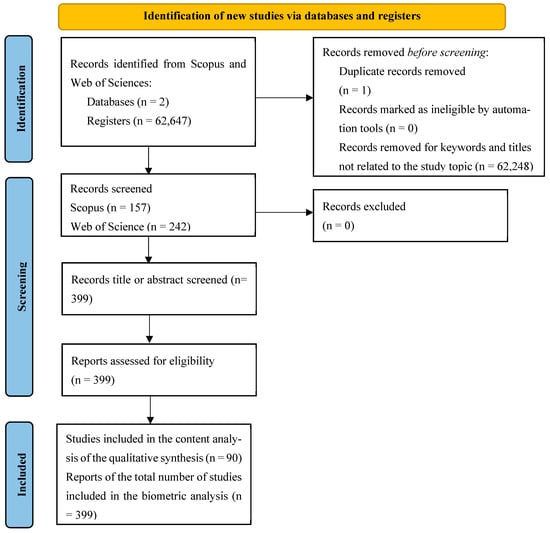
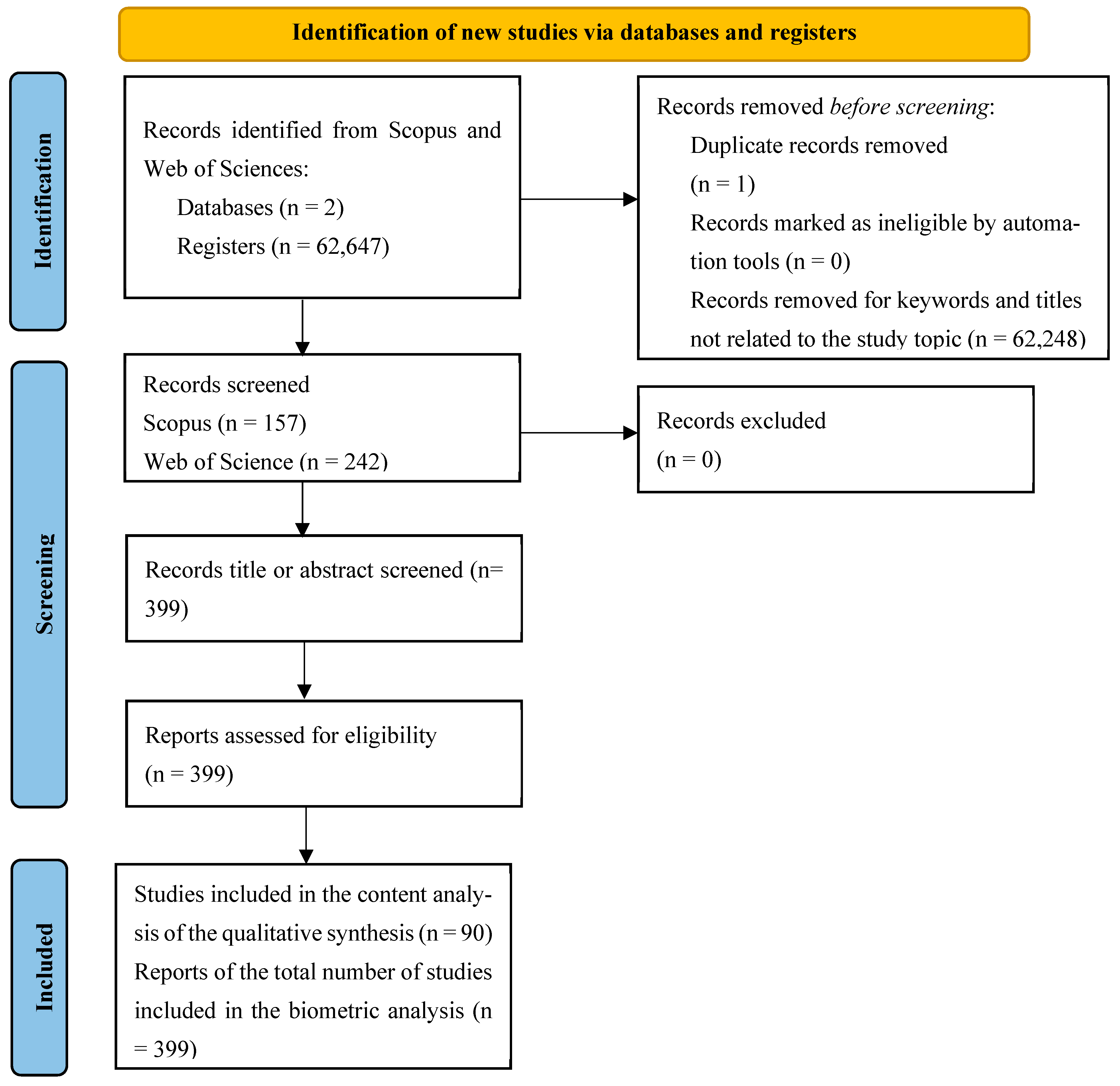
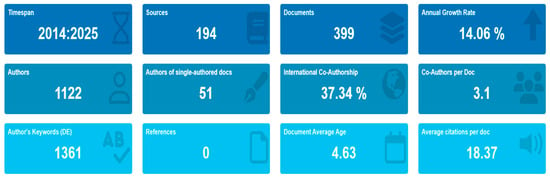
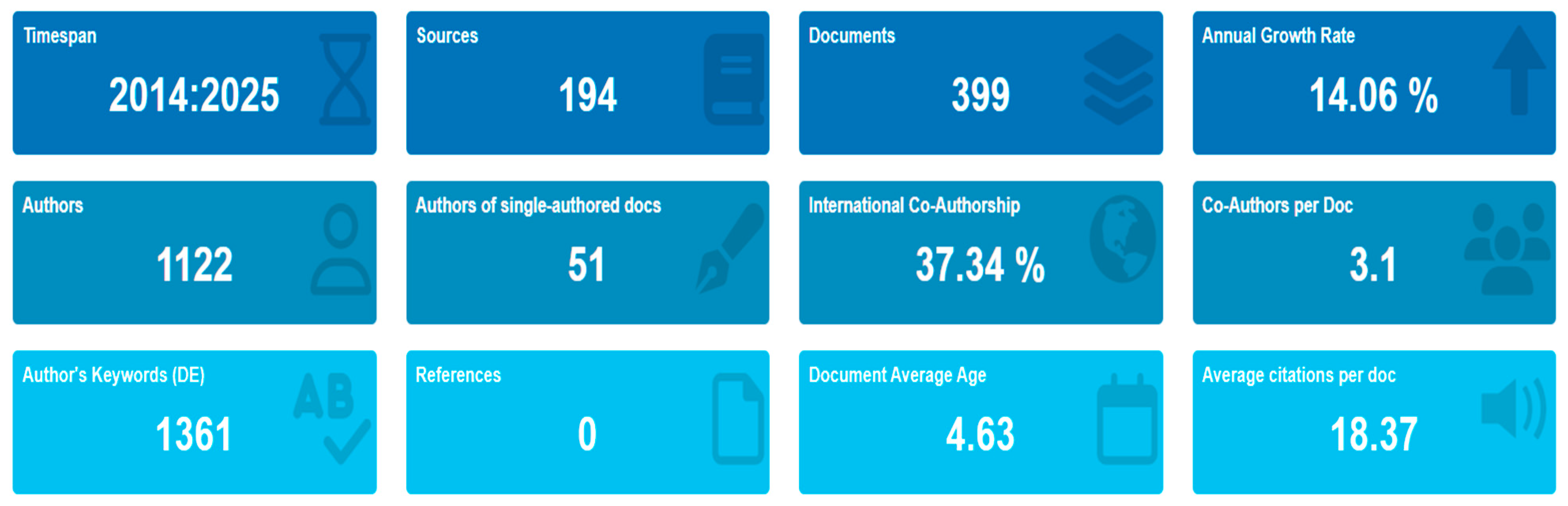
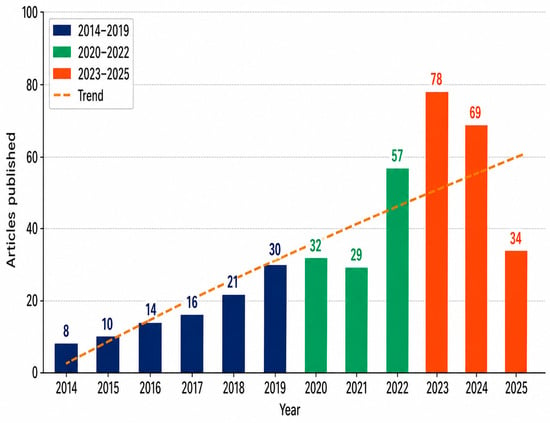
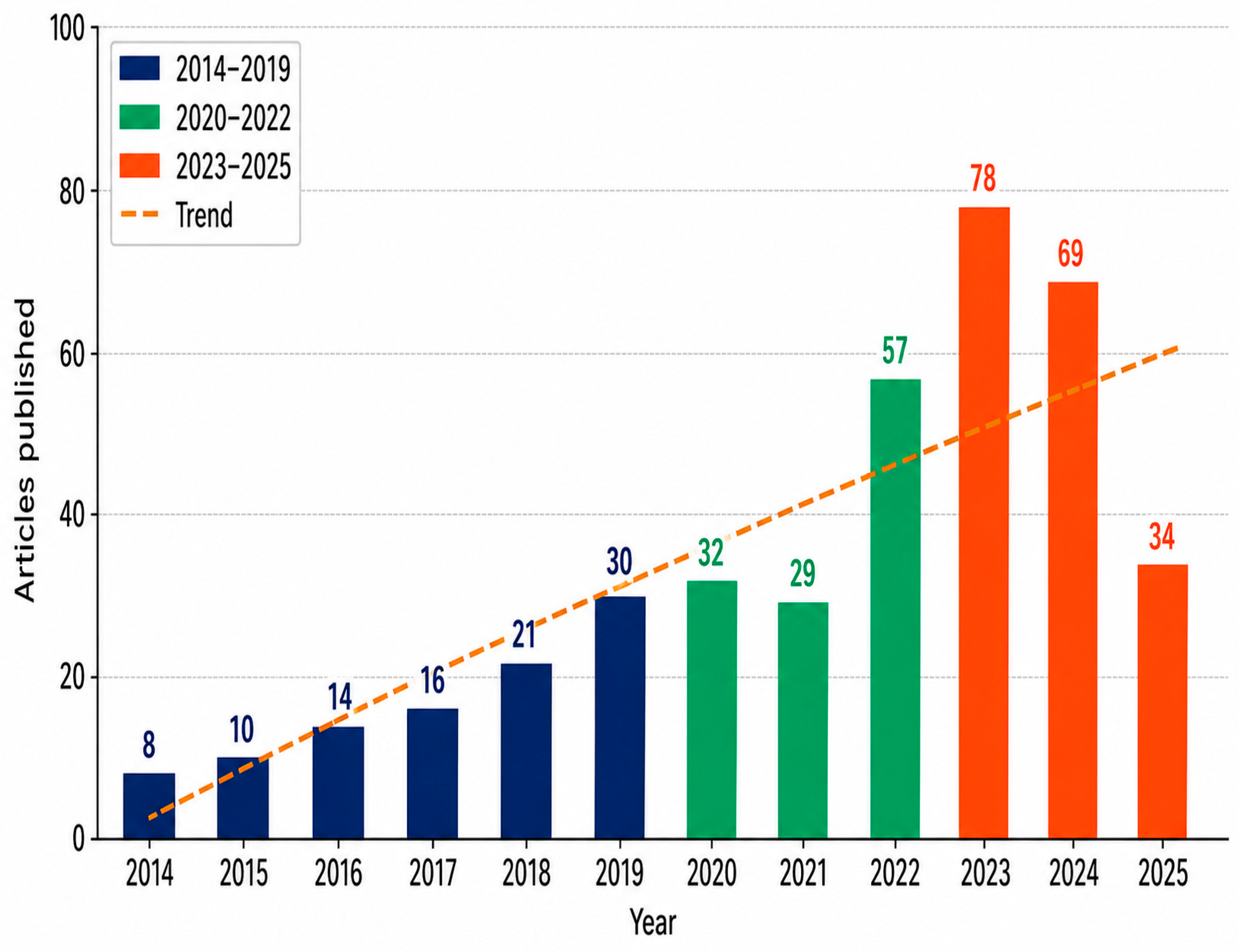
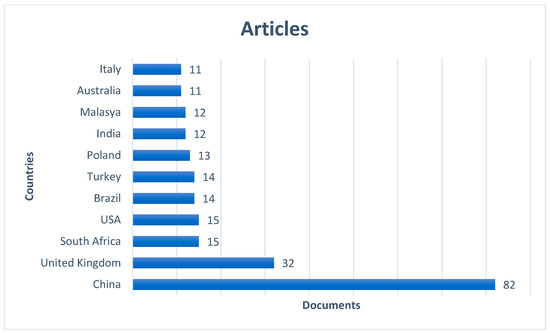
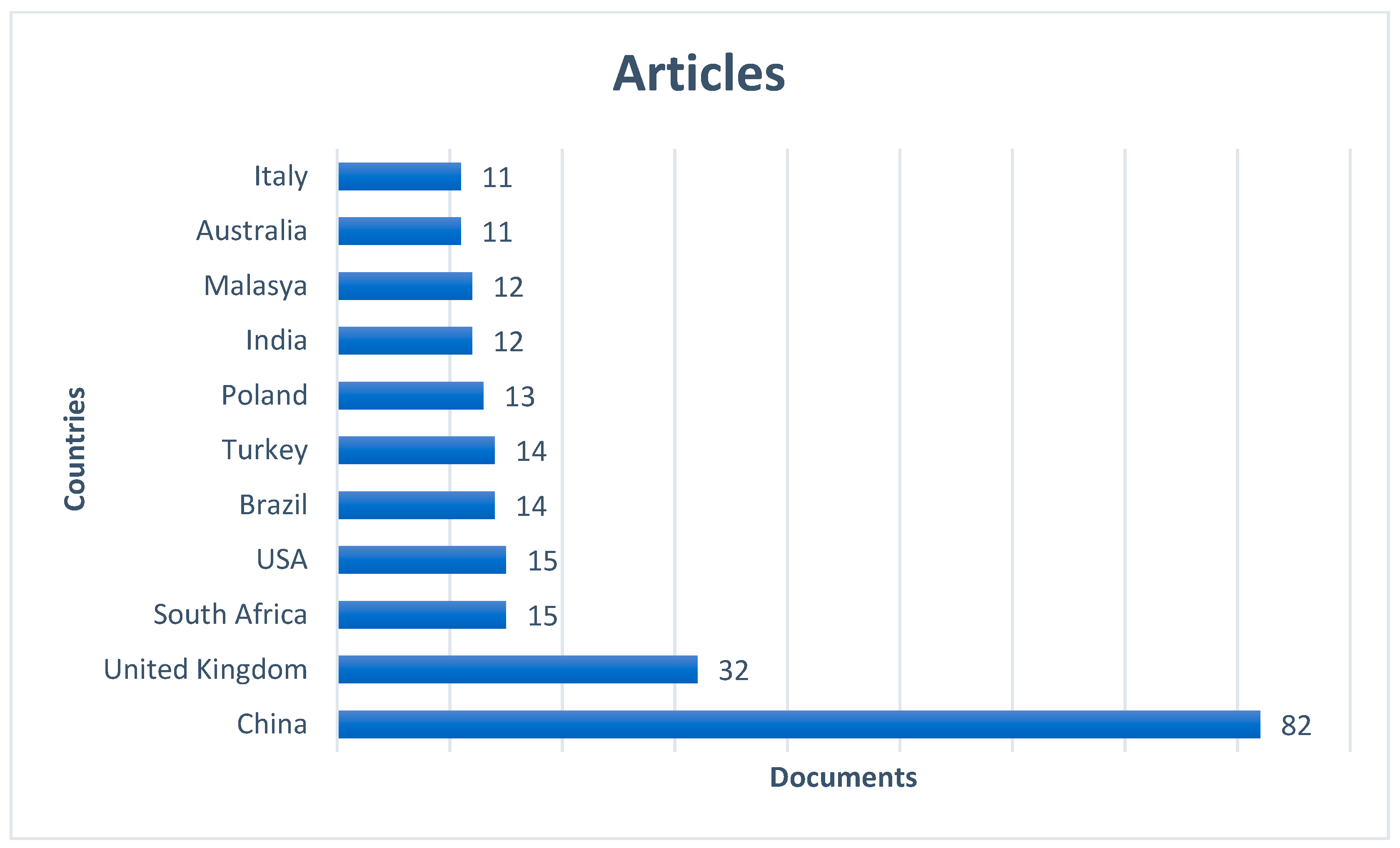
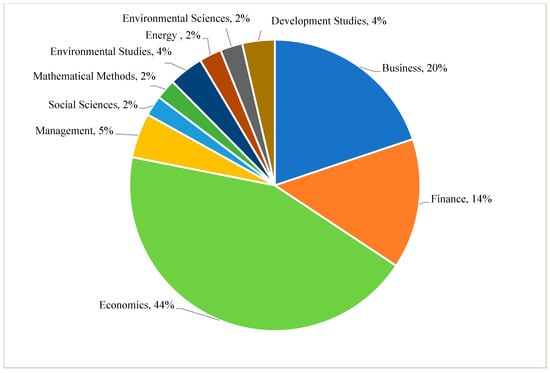
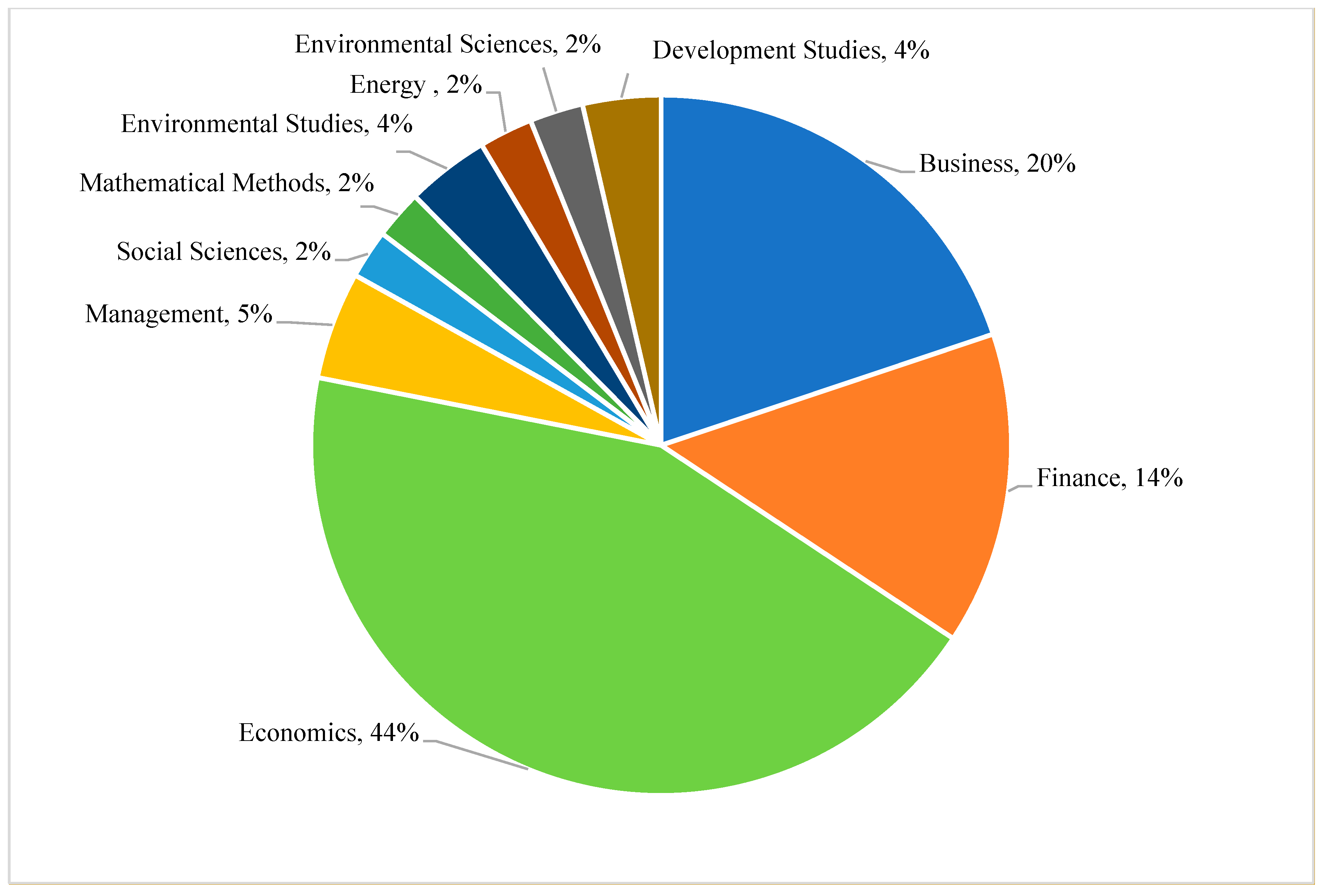
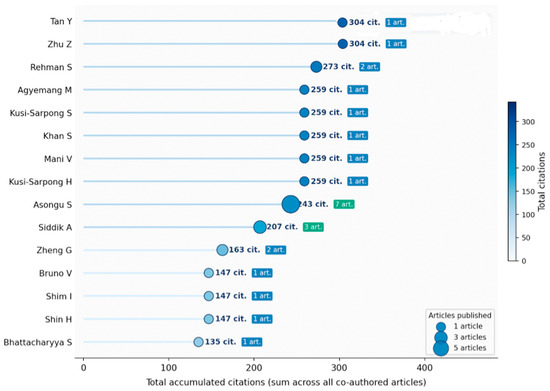
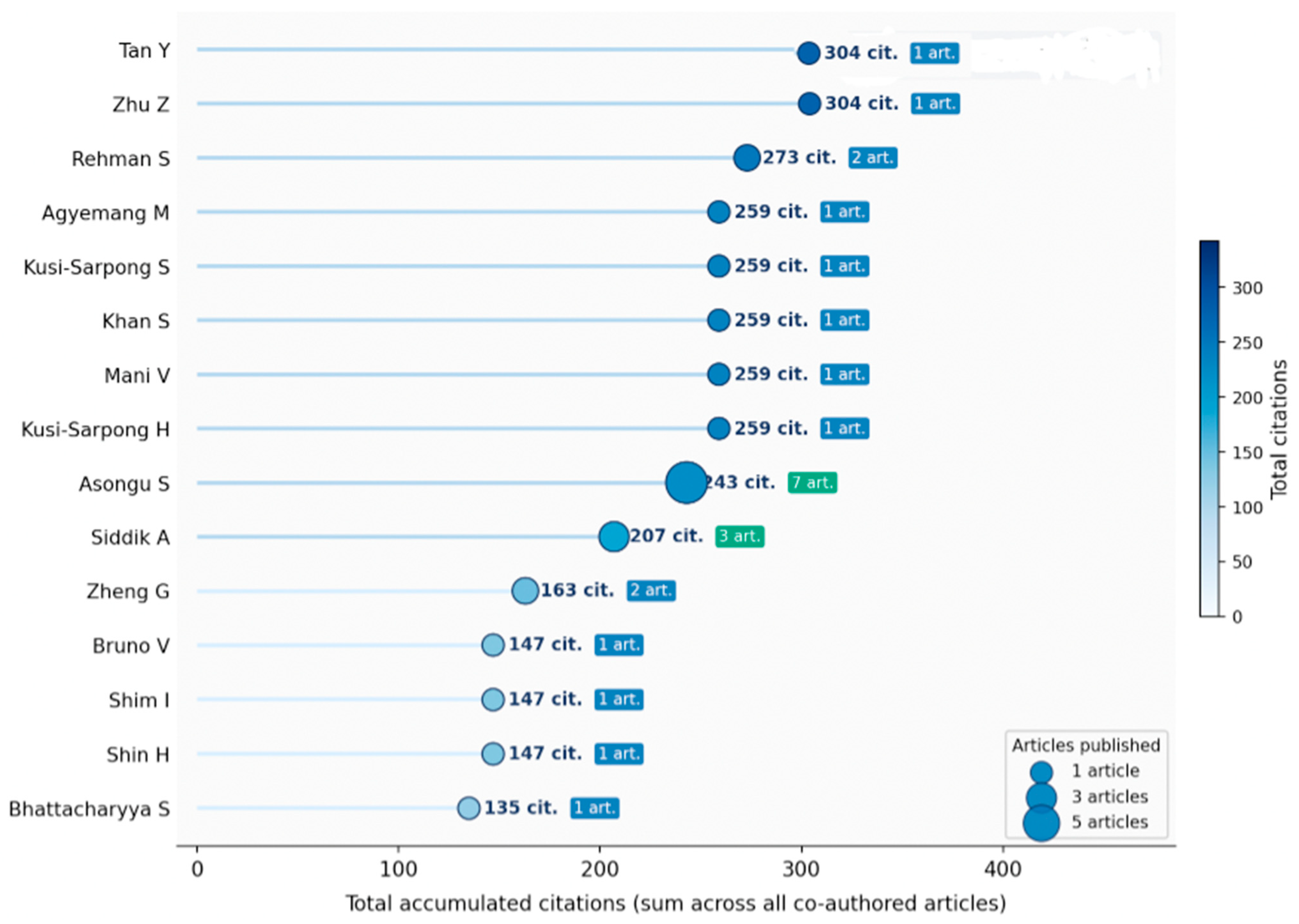
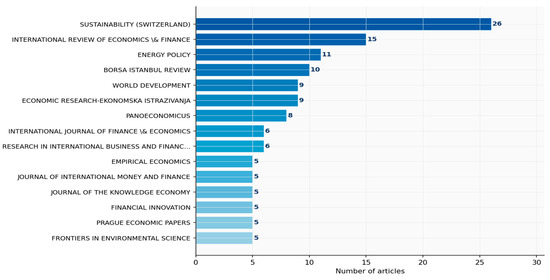
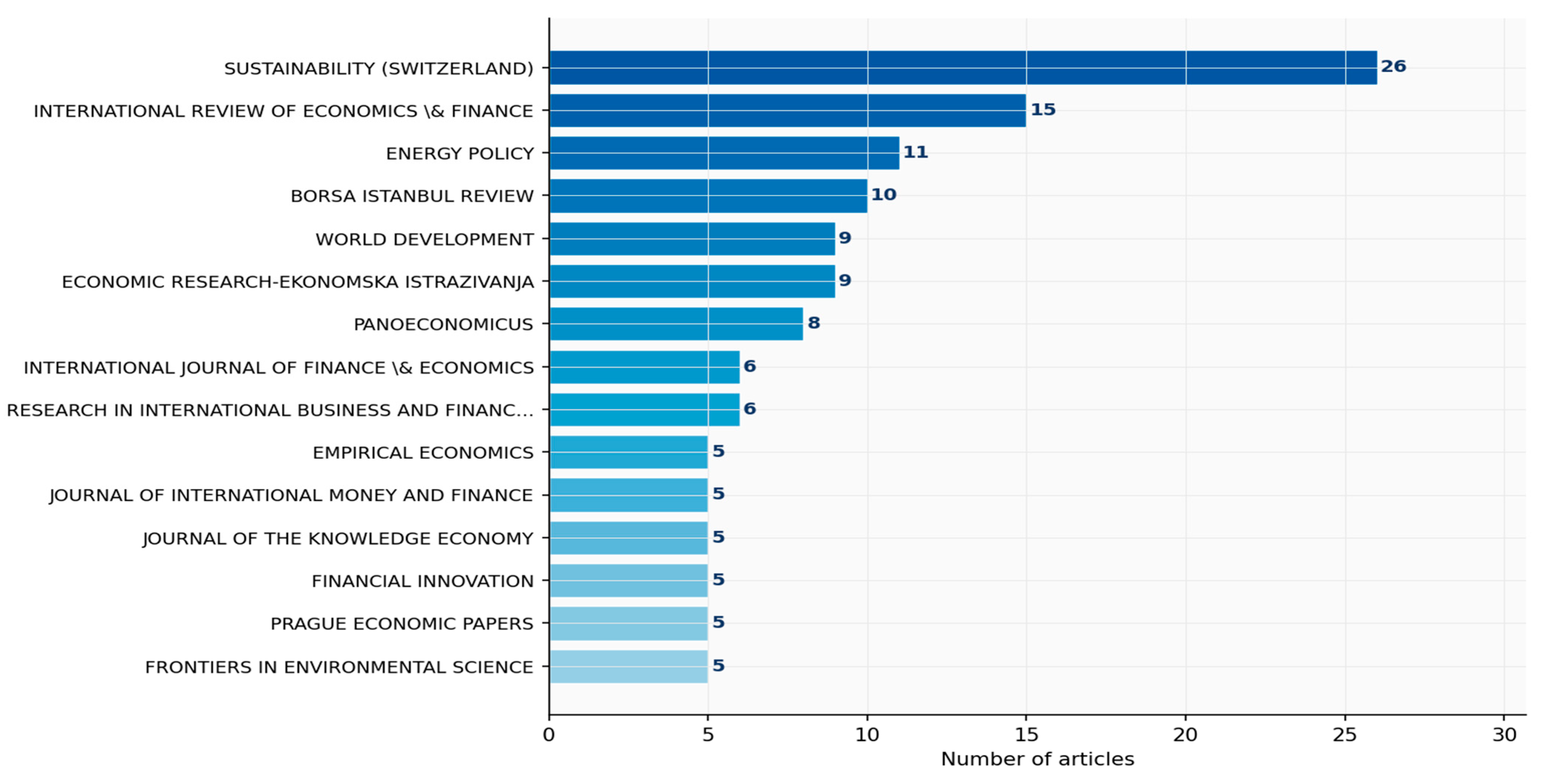
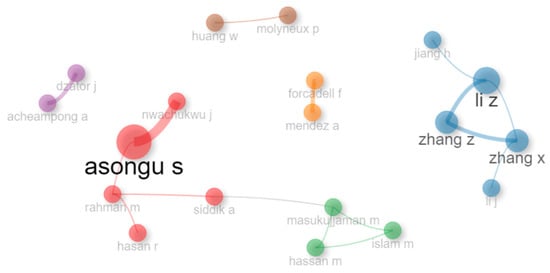
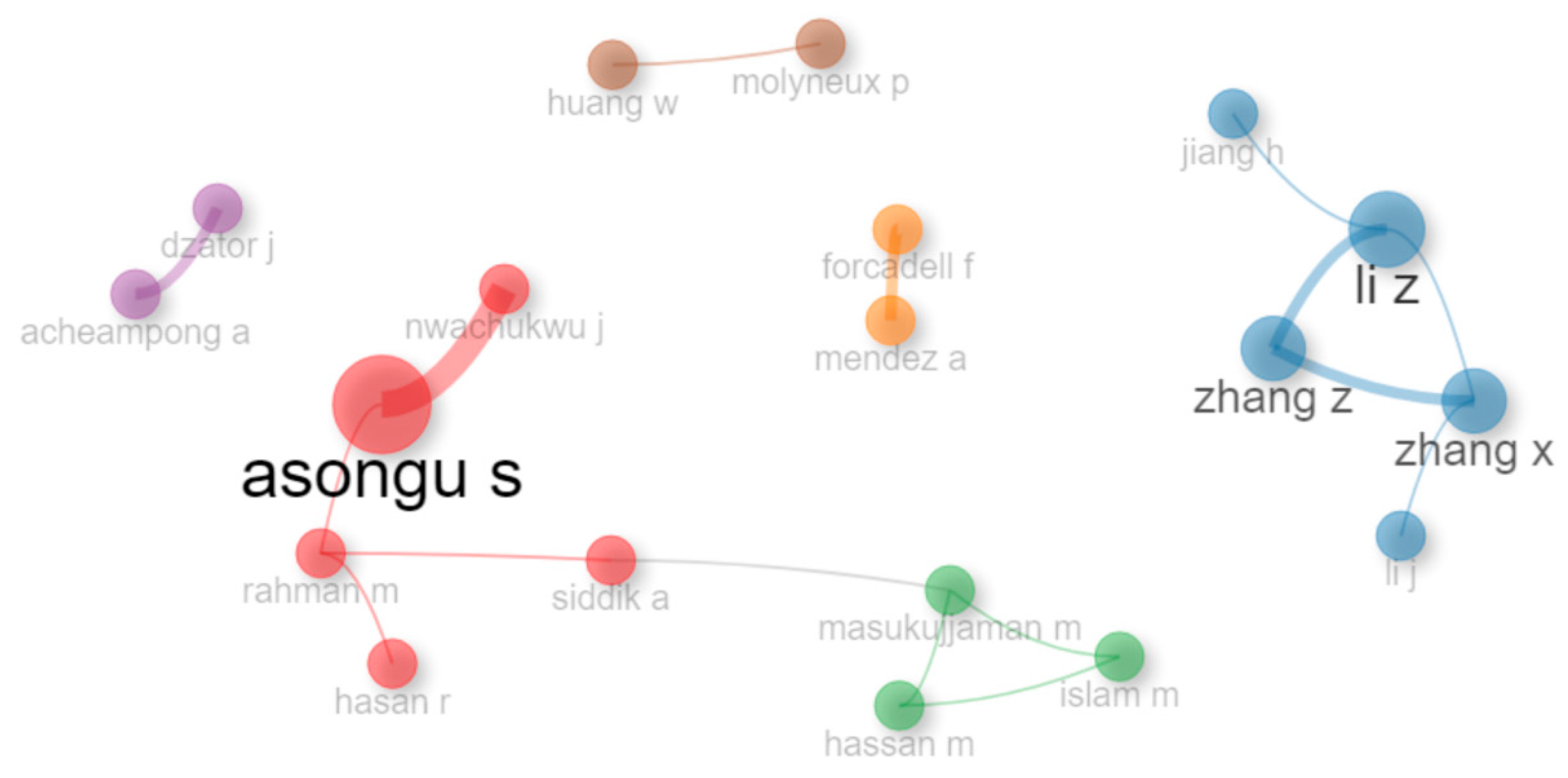
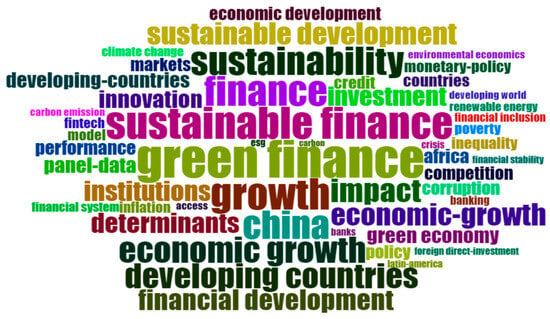
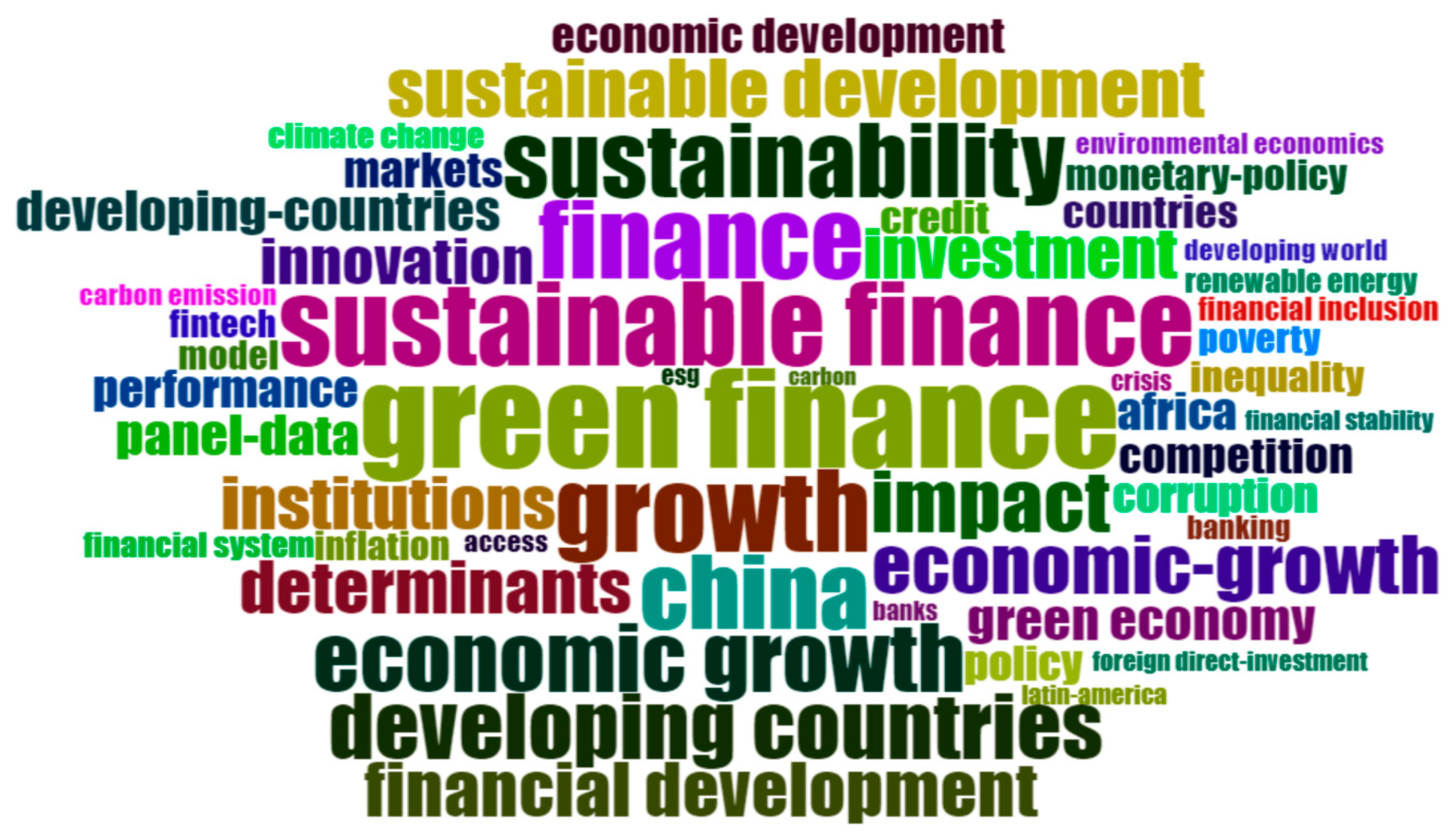
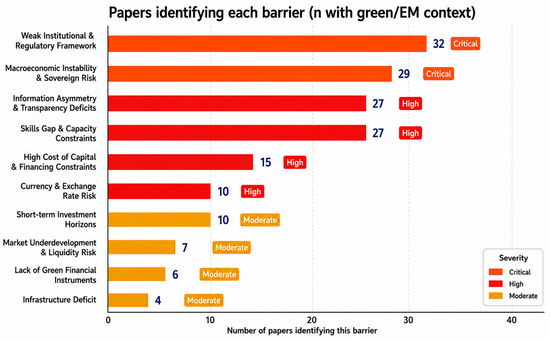
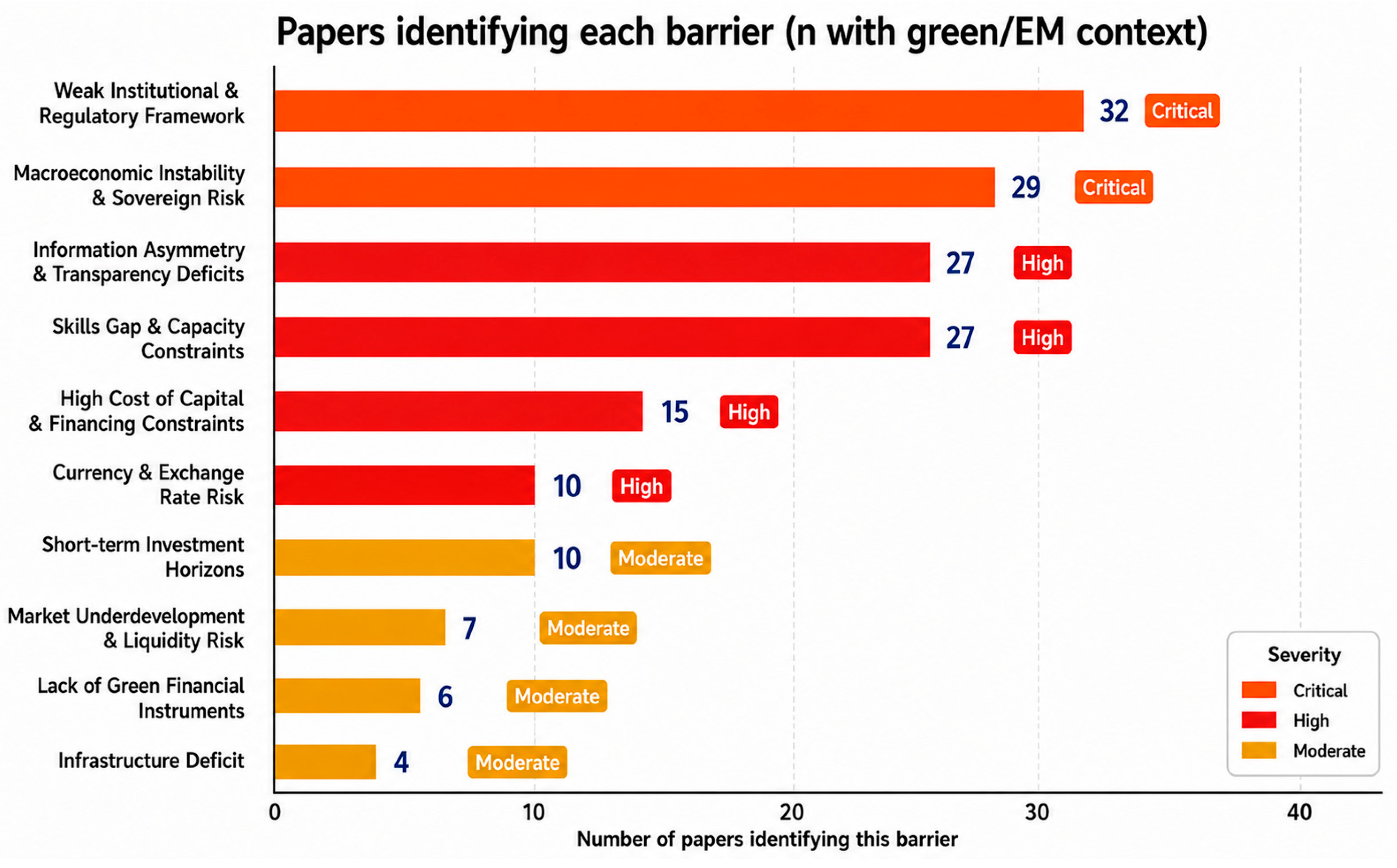

Disclaimer/Publisher’s Note: The statements, opinions and data contained in all publications are solely those of the individual author(s) and contributor(s) and not of MDPI and/or the editor(s). MDPI and/or the editor(s) disclaim responsibility for any injury to people or property resulting from any ideas, methods, instructions or products referred to in the content. |
© 2026 by the authors. Licensee MDPI, Basel, Switzerland. This article is an open access article distributed under the terms and conditions of the Creative Commons Attribution (CC BY) license.