1. Introduction
Growing urbanization and population growth in urban centers have triggered a global concern to promote sustainable development in cities. This phenomenon drives the recognition of the environmental, social, and economic challenges associated with the urbanization process. In recent years, the planet has been experiencing some of the most severe manifestations of climate change, and evidence presented in the Sixth Assessment Report of the Intergovernmental Panel on Climate Change points to a continued intensification and increased frequency of these phenomena in the coming decades (
Intergovernmental Panel of Climate Change [IPCC], 2022).
The forces of globalization, combined with the growing urgency to address environmental and social challenges, have compelled organizations worldwide to adopt development models that place sustainability at the forefront (
Al-Jaber et al., 2025). In this context, sustainability begins to assume a central role in organizational strategies. Consequently, organizations are encouraged to integrate sustainable practices in order to ensure competitiveness and socio-environmental responsibility.
The quality of life of the population, both in urban and rural areas, is becoming a priority objective for city managers. According to
J. S. C. Santos et al. (
2023), the pressure on natural resources and the changes in the environment highlight the urgent need for emergency solutions to guarantee the survival of present and future generations. The increase in population concentration in urban centers highlights the need for effective local policies to address these challenges in both the public and private sectors.
Sustainability has become one of the most widely discussed topics in recent years, driven by increasingly intensive global consumption and the growing pressure exerted on territories and populations (
Ferraz & Fonseca, 2023). Sustainable development is one of the most complex tasks of the 21st century, as stated by the United Nations, as it requires a reform linked to ways of thinking and acting, as well as rethinking pedagogical interventions.
Braga et al. (
2023) present that when the productive potential of a given location is known, as well as its social capital, which may or may not exist, it becomes possible to develop and implement development policies that extract a better result from the region’s potential.
In urban areas, the effects of environmental imbalance have become increasingly evident, reflecting centuries of degradation and accumulated socio-environmental pressures throughout the Anthropocene (
Pontes & Figueiredo, 2023;
Esmail et al., 2022). Seeking to promote economic growth and improve quality of life, the initiative to keep people in regions suitable for tourist activities, such as adventure tourism, ecotourism, and religious tourism, is evident. These activities not only generate income for local communities but also promote environmental education, as highlighted by
Alberton et al. (
2021). The inclusion of the community in the preservation of nature, combined with sustainability, is a challenge that, when overcome, contributes to the success of enterprises in the tourism sector.
The role of cities, according to
Bento et al. (
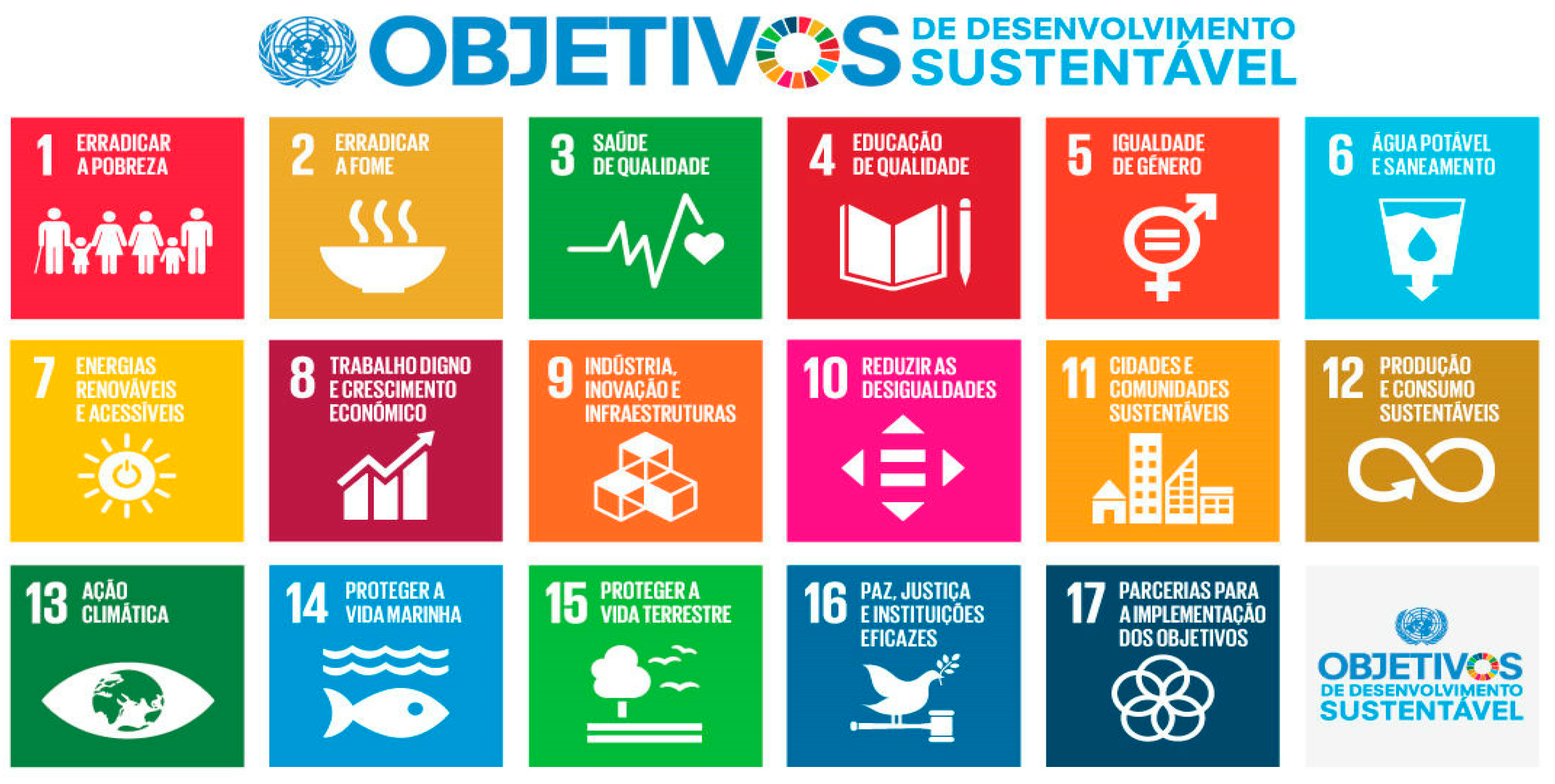
2018), is deployed as a driving force to solve global problems, building solutions that integrate the environment, the economy, and social inclusion. The 2030 Agenda, with its 17 Sustainable Development Goals (SDGs), sets ambitious objectives to achieve a more sustainable future by 2030.
Given this scenario, the importance of organizations in preserving the environment and promoting sustainability stands out. Corporate social responsibility has emerged as a relevant tool for corporate sustainability, integrating ethical values of respect for people, communities, and the environment (
J. S. C. Santos et al., 2023).
According to
Gasparelo et al. (
2022), the analysis of practices and procedures adopted at the local level makes it possible to understand how implemented policies and actions are perceived by the population. In this sense, the relevance of this type of study lies precisely in understanding locally adopted procedures and analysing how they influence the population’s perspectives and level of engagement.
In this context, the general objective of this study is to analyse the socioeconomic and territorial impacts, as well as the perceived effects on the quality of life of residents living in the surroundings of the São João State Natural Monument, located in Prudentópolis (PR), Brazil, resulting from its implementation as a tourism facility guided by the principles of sustainable development, the 2030 Agenda, and, in particular, Sustainable Development Goal 8. Specifically, the research seeks to address the following research questions: (i) how the implementation of the monument has influenced job creation, income generation, and the development of local tourism; (ii) what positive and negative impacts are perceived by the rural community living in the surrounding area; and (iii) to what extent the practices adopted are aligned with target 8.9 of SDG 8, which promotes sustainable tourism as a strategy for local development. According to
Gasparelo et al. (
2022), it lies in understanding the procedures adopted locally and how they impact the population’s perspective.
The originality of the study lies in its empirical analysis, from the perspective of local residents, of a state natural monument located in a rural area that has been little explored in the literature, integrating tourism, public policies, and sustainable development at the local scale. As a scientific contribution, this article advances knowledge by identifying both the limitations and the potential of tourism projects implemented under the framework of the 2030 Agenda, offering insights for territorial planning, public policy formulation, and the sustainable management of protected natural areas in similar contexts.
From a theoretical perspective, this study contributes to the literature on sustainable tourism and local development by empirically examining how protected natural monuments can operate as territorial instruments for implementing the principles of the 2030 Agenda, particularly SDG 8.9. By analysing the perceptions of local residents regarding the socioeconomic and territorial impacts of the Salto São João State Natural Monument, the research advances the understanding of the relationship between sustainable tourism initiatives, community development, and environmental conservation in rural contexts. In doing so, the study expands the discussion on the role of protected natural areas as catalysts for inclusive economic development and sustainable territorial governance in emerging economies.
This article is structured as follows.
Section 1 presents the introduction.
Section 2 develops the theoretical background, addressing key concepts related to sustainable development, sustainable cities, and the 2030 Agenda.
Section 3 describes the methodological procedures adopted in the study.
Section 4 presents and discusses the main results. Finally,
Section 5 outlines the conclusions, followed by the references used in the research.
Despite advances in the literature on sustainable tourism, community development, and the Sustainable Development Goals (SDGs), a gap remains in the integrated empirical analysis of natural monuments located in protected rural areas as instruments for the territorial implementation of the 2030 Agenda, particularly in small and medium-sized municipalities in the Latin American context. Existing research generally focuses on consolidated tourist destinations or broad conceptual approaches, limiting the understanding of the local operationalization of sustainable tourism initiatives and their impacts on communities. Within this framework, the Salto São João State Natural Monument constitutes an analytically relevant case, as it articulates environmental conservation, sustainable tourism, and territorial policy aligned with SDG 8.9, allowing for an examination, in a rural context, of the relationship between global guidelines, local practices, and community quality of life.
3. Methodology
The methodological design adopted in this research was based on the case study method recommended by
Yin (
2015). This approach allowed researchers to focus on a single case, providing a holistic and reliable understanding of reality. The theme focused on the intersection of Sustainable Development, Agenda 2030, and Sustainable Development Goal (SDG) 8. In addition, to enrich the theoretical framework, bibliographical research was used, as defined by
Rodrigues (
2006), who characterizes it as a process of collecting data from secondary sources, such as articles, dissertations, and theses.
In terms of the techniques employed, we opted for qualitative strategies in the descriptive variables, in line with the perspective outlined by
Gerhardt and Silveira (
2009). This qualitative approach, devoid of quantitative concerns, seeks an in-depth understanding of social groups or institutions. The four distinct phases of the research, following
Yin’s (
2015) model, are: (1) Identification of the problem question; (2) Data collection in the municipality; (3) Analysis of the investigated context (variables); and (4) Conclusion. They provided a comprehensive methodological framework for the study.
According to the
Instituto Brasileiro de Geografia e Estatística (
IBGE, 2022), the municipality has an area of 2236.579 km
2, with an estimated population of 49,393 inhabitants. The geographical delimitation of the research covered the municipality of Prudentópolis, in the state of Paraná, Brazil. A Brazilian municipality in the state of Paraná, located 203 km from Curitiba. The scope of the investigation focused on interviews carried out with the owners of commercial establishments and their employees, located close to the São João monument, located in the community of Linha Barra Bonita.
The empirical sample of the study consists of a limited number of interviewees and adopts a specific focus, centred on participants directly involved in economic activities related to tourism in the surroundings of the Salto São João State Natural Monument. This methodological choice derives from the study’s design as a qualitative case study, whose objective is not the statistical generalisation of the results, but rather an in-depth understanding of specific socioeconomic dynamics based on the perceptions of actors directly affected by the phenomenon under analysis (
Yin, 2015). The use of purposive sampling made it possible to capture, in a dense and contextualised manner, the effects of the monument on job creation, income generation, and the reorganisation of local economic activities, in line with the objectives of Sustainable Development Goal 8.
The research protocol, in turn, was divided into two distinct subconstructs: the assessment of the variation in the income of the interviewees before and after the establishment of the São João Monument and the identification of the advantages and disadvantages perceived with the construction of the monument.
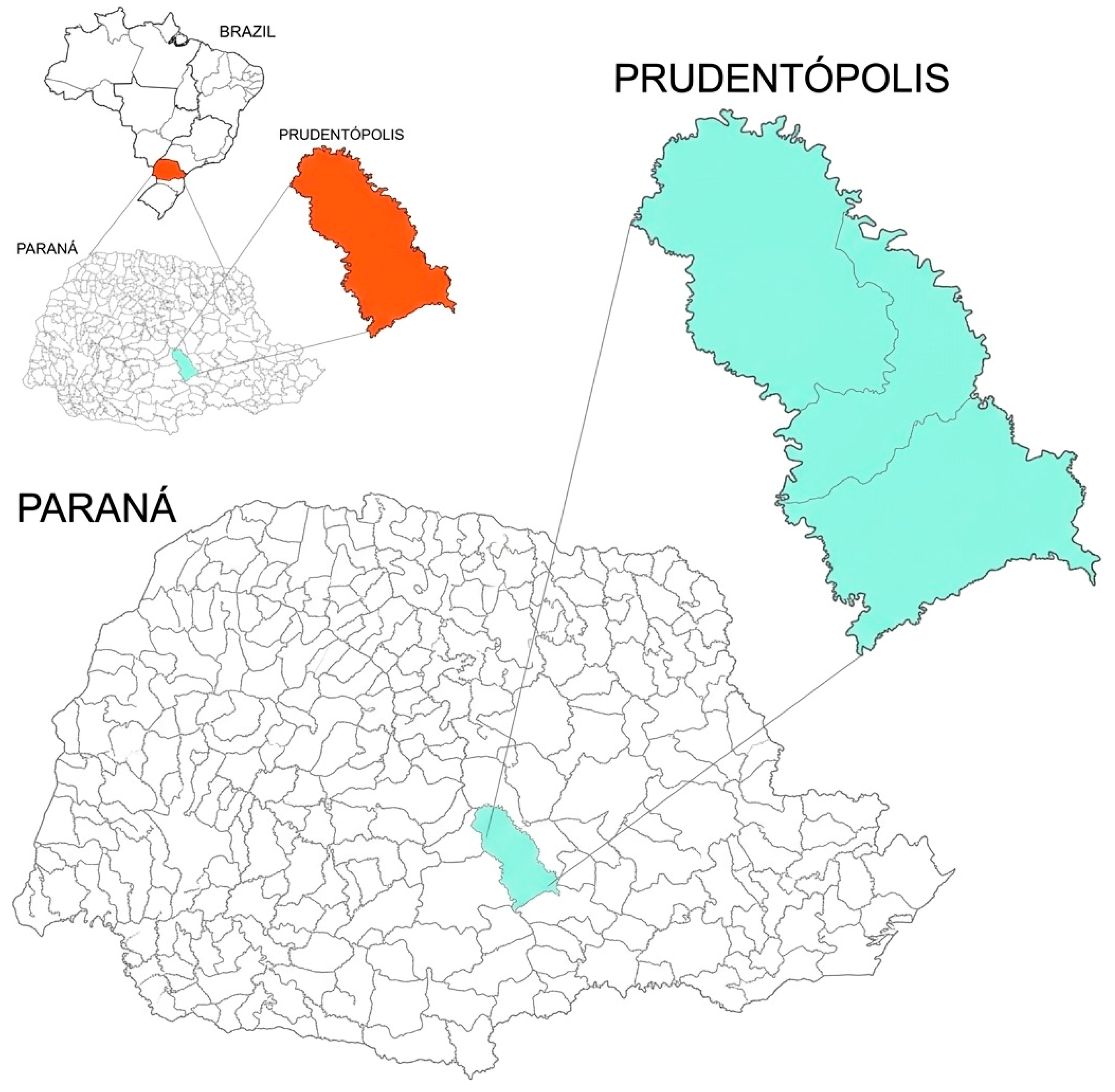
Figure 2 shows the geographic location of the study area, highlighting Brazil, Paraná State, and the municipality of Prudentópolis. This map provides context for the assessment of income variations and the perceived advantages and disadvantages related to the installation of the São João Monument.
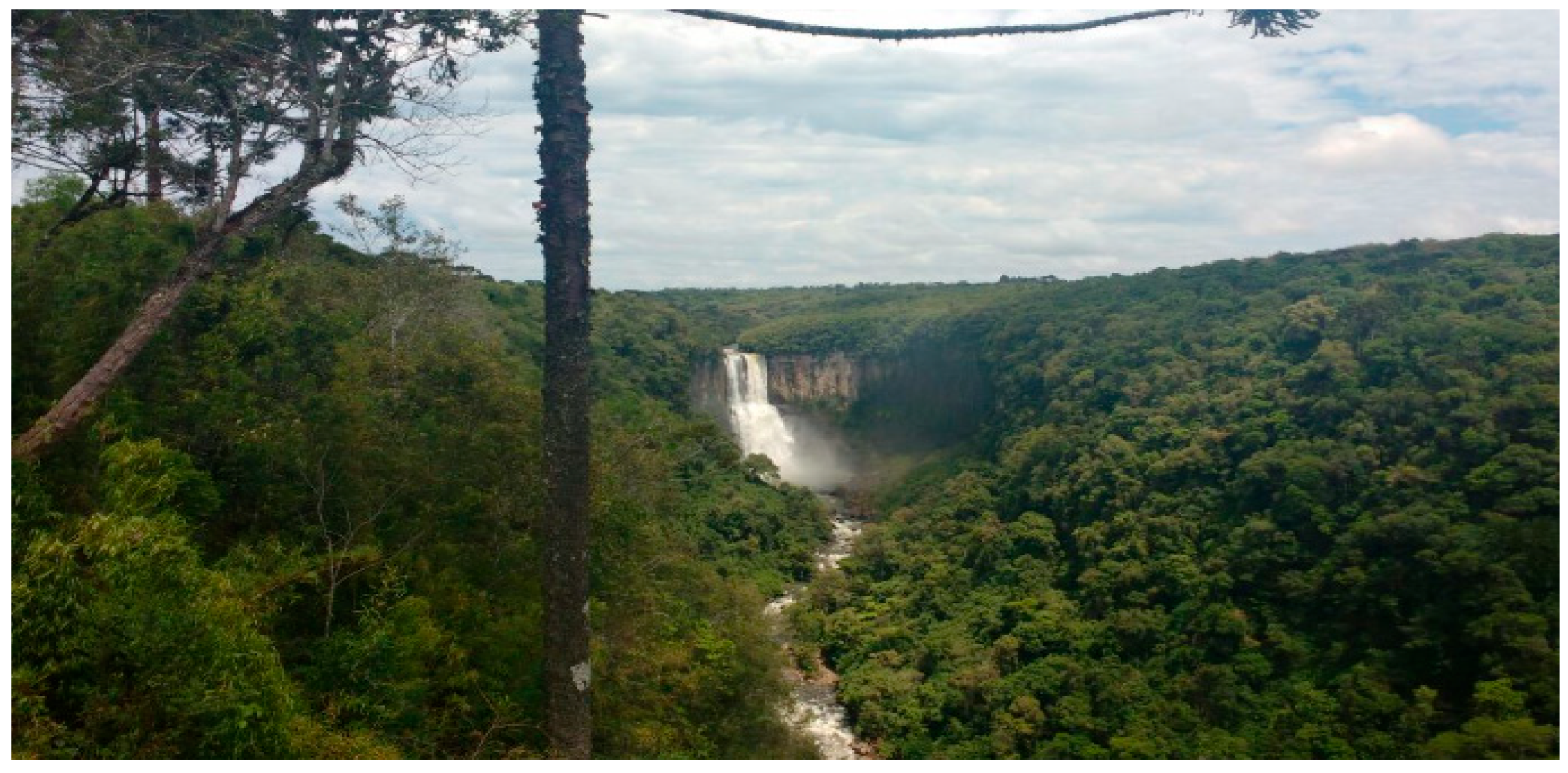
Figure 3 São João Monument illustrates the monument surrounded by dense forest, emphasizing both the waterfall’s natural beauty and the lush landscape that frames it, thereby providing context for the site’s environmental and cultural significance.
As for the scope of the researched area, it comprises the municipality of Prudentópolis/PR, Brazil, with a population of 49,393, according to the IBGE census (2022). This municipality is part of the immediate Geographic Region of Guarapuava, along with other adjacent municipalities such as Campina do Simão, Candói, Cantagalo, Foz do Jordão, Goioxim, Guamiranga, Guarapuava, Inácio Martins, Pinhão, Reserva do Iguaçu, and Turvo (
Instituto Brasileiro de Geografia e Estatística [IBGE], 2017). The research period ran from August 2023 to December 2023. It is worth highlighting that Prudentópolis has a significant Ukrainian cultural heritage, being known as the “Capital of the Ukrainian Colony” in Brazil. This influence is reflected in the local architecture, traditions, cuisine, and cultural practices, creating a unique sociocultural context that shapes the community’s perceptions and interactions with tourism and environmental conservation initiatives.
Table 1 highlights the research protocol for additional reference.
Table 1 concisely presents the methodological conduct of the research under analysis. To carry out the study, the technique of semi-structured interviews was adopted, in line with
Flick’s (
2009) approach, which supports the expectation that the points of view of the interviewed subjects are more likely to be expressed in an interview situation characterized by relatively open planning, as opposed to a standardized interview or structured questionnaire. This choice aimed to deepen our understanding of the interviewees’ perceptions of the establishment of the São João Monument in the municipality of Prudentópolis, providing a more in-depth analysis of the building’s impact on the residents of the surrounding community.
The interviewed corpus included six participants, namely: the owner of a restaurant adjacent to the monument, two employees of that establishment, the owner of an Orchid Nursery and her daughter, and an attendant at a snack bar, all established close to the São João Monument. The setting for the interviews was carefully selected and took place in the interviewees’ own workplaces, with the aim of creating a pleasant and relaxed space. This strategy, in line with
Godoi and Mattos (
2010), promoted a moderate distance between the researcher and the researched, enabling conversations that allowed the free expression of the interlocutors. In addition, the interviews were recorded with the consent of the interviewees, and the subsequent transcriptions made it possible to carry out the analysis.
To theoretically support the research techniques adopted, the framework presented in the Theoretical Background section was used as a basis. The concepts of Sustainable Development, Sustainable Cities, and the 2030 Agenda guided the choice of the case study method and qualitative strategies, ensuring that data collection, analysis, and interpretation were aligned with previously established academic knowledge.
Regarding transparency and reproducibility, the research was based on clearly defined primary and secondary data sources. Primary data were collected through semi-structured, face-to-face interviews with six participants directly involved in economic activities related to the Salto São João State Natural Monument. The participants were selected using purposive sampling, considering their geographical proximity and direct connection to the tourism enterprise. All interviews were audio-recorded, fully transcribed, and analyzed using qualitative content analysis procedures, with thematic categorization guided by the theoretical constructs of Agenda 2030, Sustainable Development Goal 8, and sustainable development.
Secondary data included institutional documents, official statistics from the Brazilian Institute of Geography and Statistics (IBGE), and relevant scientific literature, which were used to contextualize the case and support the analysis. Analytically, it was assumed that participants’ perceptions qualitatively reflect the local socioeconomic impacts associated with the establishment of the monument, while acknowledging the limitations of a single case study that prioritizes analytical depth over statistical generalization.
The purposive sample encompassed all commercial establishments located near the monument, totaling three establishments, corresponding to the entire commercial sector of this type in the studied area. The semi-structured interview guides ensured consistent coverage of all relevant topics. Coding and content analysis followed systematic procedures, combining categories derived from the theoretical framework with emergent categories identified in the data, using representative excerpts to ensure credibility, interpretative consistency, and analytical rigor.
Although sustainability encompasses multiple environmental, social, and economic dimensions, the empirical scope of this study focuses primarily on the socioeconomic aspects related to tourism development. In particular, the analysis examines employment generation, income diversification, and the emergence of local businesses associated with the implementation of the Salto São João State Natural Monument. These dimensions are directly related to Sustainable Development Goal 8, which emphasizes decent work and inclusive economic growth through sustainable tourism initiatives.
The content analysis process was conducted iteratively and reflectively, allowing for the progressive refinement of categories. To minimize researcher bias, strategies such as constant comparison between empirical data and the literature, maintenance of analytical records, and the use of representative excerpts from the interviews were adopted, thus reinforcing the transparency, interpretative coherence, and reproducibility of the study.
4. Results and Discussion
This explanation discusses the analyses extracted from the accurate evaluation of the data collected through the interviews conducted with the owners and employees of commercial establishments around the São João Monument.
With the speeches collected, it was found that the interviews suggest that the establishment of the São João Monument in the town of Barra Bonita was associated with several perceived benefits. Interviewees reported increases in income after the construction of the monument to both local residents and those who live in the center of the municipality of Prudentópolis/PR, Brazil. According to the restaurant owner’s report, it not only provided work for residents in the vicinity of the monument but also attracted employees from the city center, contributing to the dynamism of work in the region. This finding is in line with
Schneider et al.’s (
2020) study, in which the rural environment is not just a production space, but it is also the scene of multifunctionalities and pluriactivities, in addition to the social relations that already exist.
Furthermore, the interviews clearly showed that interviewees reported increases in income after the construction of the monument. The financial increase was possible due to the increase in the regional tourist flow, which interviewees associated with an increase in their income sources. Thus, it is clear that the establishment of the São João Monument generated local development. This initiative has resulted in the creation of jobs, as illustrated in
Table 2.
When asked about their occupation or market prior to the monument’s implementation, the people interviewed in
Table 2, notably numbers 3, 4, 5, and 6, were engaged in agricultural activities in their respective communities. Interviewee 1, on the other hand, already worked in the restaurant sector, albeit in the city center.
With the inauguration of the monument, interviewee 1 had a significant transition in her business, moving it closer to the tourist attraction. More precisely, to her rural property, a farm, previously used only on weekends, as expressed in her account: “this used to be just a barbecue spot for my family…” (Interviewee 1). Later, she made efforts to transform her establishment, giving it Ukrainian characteristics through various projects that are still being implemented (Interviewee 1). According to the interviewees, this initiative has been associated with the creation of jobs. The tourist increase drove the opening of her flower business for residents around the monument, as well as for those living in the city center. This is in line with
Sachs’ (
2004) statement; when explaining about local growth, he says that even if it is accelerated, it will only be considered development if it creates jobs, reduces poverty, and decreases inequalities, as emphasized since the 1960s by M. Kalecki and Dudley Seers. Many communities traditionally reliant on primary-sector activities have been undergoing substantial changes in their daily lives as their territories are reshaped into destinations oriented toward tourism-based development (
Ferraz & Fonseca, 2023). Thus, the findings suggest that the establishment of the São João Monument is perceived as contributing to local development.
Interviewee 1 also reported that there are always events that contribute to her establishment, especially the “Rota do Rosário”, an event of religious nature linked to tourism which attracts visitors to the region, improving the income of the towns surrounding the monument. Tourism is the industry experiencing the most significant growth worldwide, with the number of international travelers reaching 900 million in 2022, twice the figure recorded in 2021 (
World Tourism Organization, 2023). This statement is in line with
Veiga (
2005), who says that for local development to take place it is necessary to have the idea of partnerships, teamwork, common objectives, articulated efforts, and the formation of alliances, agreements, and covenants, cooperation, competitive advantages for each interested party, joint operation, in order for development to take place in that region.
The accounts show how the pattern for tourism changed in the region after the monument was built. Interviewee 1 and interviewee 3, for example, reveal a substantial change in their leisure habits, previously centered on the family farm and Cassiano’s nook. Before the monument was erected, frequenting the São João jump was not a common practice for these interviewees. Interviewee 2 reported that he did not go to the São João’s falls either. He lived in Linha Ligação, around 70 km away from the place and did not even know it existed. Interviewee 3 did not usually go to the falls either; he only went to the Cassiano nook, which is near it, because it was the region’s leisure meeting point, where he could bathe in the river, eat at the snack bar, and use the barbecue places. “Before the monument, it was natural, people would come there, look at it, go down to the river, to the bottom of the falls and get into the water. Back then, they used to go to Cassiano’s a lot, it was very good. I was there every weekend, it was very busy. People frequented Cassiano’s more, there was a barbecue place. Saturdays and Sundays were packed” (Interviewee 3).
However, after the monument was built, there was a significant increase in tourism, with visitors coming from other places, municipalities, and even other countries, as interviewee 3 pointed out. This statement, together with the responses of other interviewees, shows that the monument attracts more tourists and those who go most often are people from outside the community. In recent years, sustainability has become one of the central topics of discussion, driven by increasing global consumption and the growing pressures exerted on territories and their populations (
Ferraz & Fonseca, 2023). This finding corroborates
Barbosa’s (
2005) assertion that tourism on a local or regional basis is considered a possible means of giving the place some economic dynamism, represented by the generation of income and occupation, and thus constitutes the economic arm of the ideology of localism/regionalism. According to the interviews, the people who live around the monument go there when they are visited by relatives from other towns, who take them to see the tourist attraction.
With regard to the possibility of new business, thinking along the lines of the reports, interviewee 4, the owner of the nursery, emphasizes how the increase in tourism was reported as an important factor in the opening of her flower business. Initially, orchid cultivation was her hobby, but it has become a viable economic activity, contributing to the maintenance of the nursery. With the tourist attraction, she was able to expand her flower trade: “Before, I didn’t sell, it wasn’t business, it was leisure. I am selling now. I used to have only orchids, but then the succulents came in. I can provide for myself with the nursery”. This demonstrates the tourist attraction’s contribution to the community’s economic growth, increasing income and improving quality of life. The creation of the snack bar, the restaurant, and the nursery shows how the monument is perceived as adding value to the community and contributing to local economic activity for the owners of the establishments and improved income, creating jobs for residents of the area and the city center. This finding is in line with
Pinto’s (
2015) assertion that the community becomes the subject and agent of its development process, through the participation of the agents involved in the community, who aim towards achievements and improvements in the region and from this perspective, community-based ecotourism is grounded in environmental, educational, and social dimensions, recognizing that the active involvement of communities is essential for achieving sustainable development (
Baquero & Parrado, 2021).
Nevertheless, the interviewees collectively stressed the urgent need to improve the access routes for tourists and the mobility of those living around the monument, expressing that the stone road implemented, although a significant step forward, lacked the robustness offered by an asphalt surface. This demand is marked in the words of interviewee 4, who emphasizes that the construction of the monument has helped the community a lot, but it needs to be improved, “the stone road didn’t exist before the monument, it’s improved a lot, but the best thing would be asphalt”. Interviewees report that the stone road not only hinders access but also damages vehicles, inhibiting the desire of many tourists to visit the site. According to interviewee 1, she had to get a new car in order to commute to her restaurant, using a simpler vehicle because a newer car could not cope with the stone road every day. The tourism sector is closely intertwined with the preservation of cultural and natural heritage, as it relies on these assets as attractions for visitors (
UNWTO, 2023). This statement from the interview is in line with
Barbosa (
2005), who explains that the presence of tourists leads public authorities to adapt their behavior to new needs, as they can no longer accept faulty services, such as power supply, good paving for access to tourist sites, and signage.
With this evidence, we can see that before the monument was built, the Salto was not visited much, either by tourists or by local people. The construction of the monument not only changed the patterns of visitors to the region, but also was associated with a process of economic diversification, promoting the emergence of new businesses such as snack bars, restaurants, and nurseries. This scenario is in line with the precepts of Sustainable Development Goal 8 (SDG 8), particularly goal 8.9, which aims, by 2030, to promote sustainable and accessible tourism that generates employment and decent work, contributing to inclusive and sustainable economic growth, as well as improving income distribution and promoting culture and local products.
The data obtained in this study shows that the findings suggest that the establishment of the São João Monument is perceived as positive for local development. The positive effects of the monument’s construction are clear from the generation of jobs for local residents and residents of nearby places, as well as the generation of new commercial enterprises focused on tourism, such as the restaurant and nursery, thus improving the sustainable development of the region. The factor that is still lacking is the absence of paved roads, which prevents access for some tourists who want to use their own vehicles, as well as hindering the daily movement of entrepreneurs around the monument.
In summary, the results obtained show the positive effects generated in the Barra Bonita community, since, in addition to generating income for the residents who have undertaken business in the region, jobs have been created for both rural and urban dwellers, potentially contributing to the objectives of the 2030 Agenda, specifically SDG 8. Also, a positive factor is the preservation of the environment brought about by the construction of the monument.
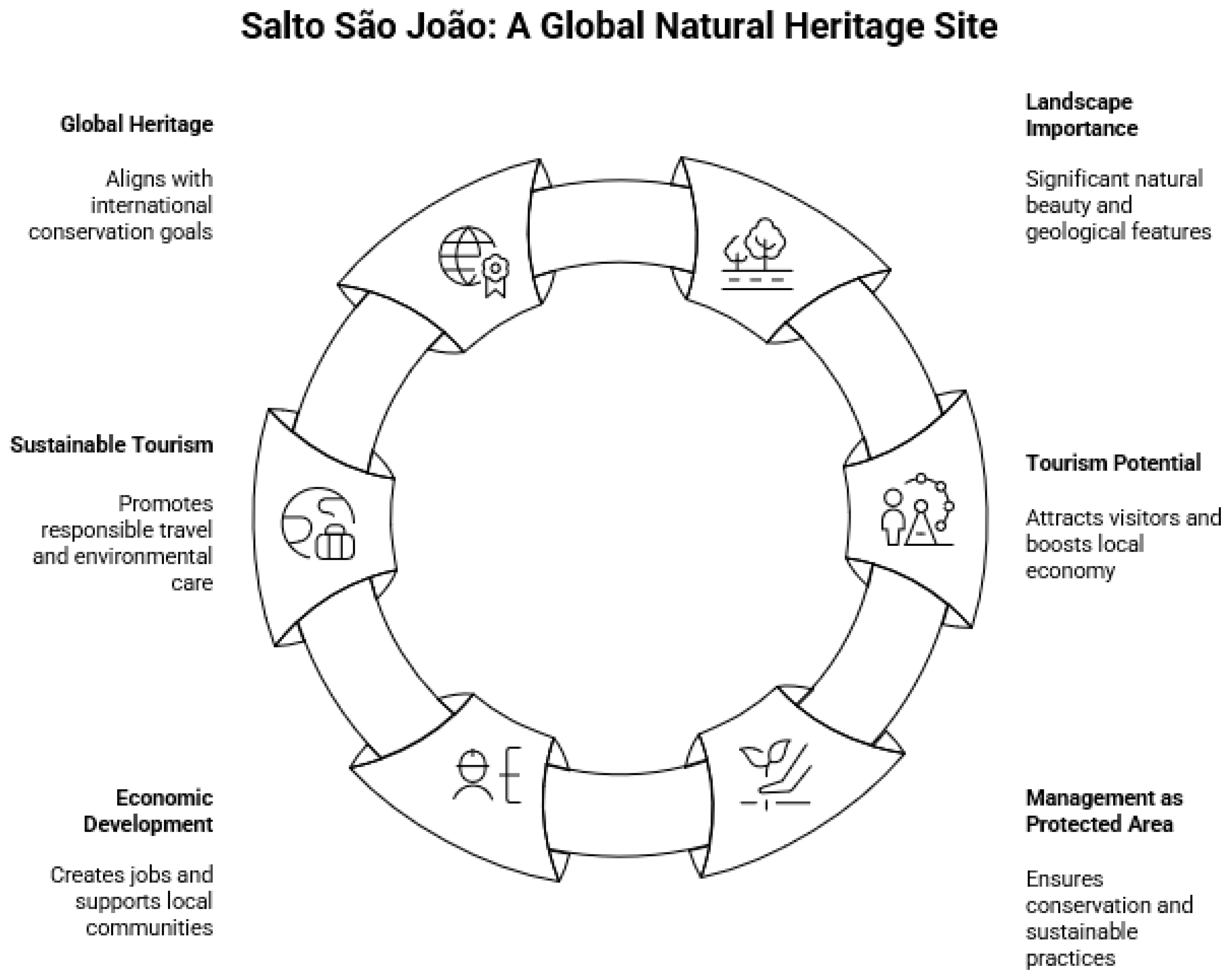
The
Figure 4 presents Salto São João as a Global Natural Heritage Site, emphasizing its environmental, scenic, and socio-economic relevance. It highlights six essential dimensions: global heritage status, scenic importance, tourism potential, protected-area management, economic development, and sustainable tourism. These elements illustrate how the site integrates conservation, cultural appreciation, and social benefits. Overall, the figure reinforces that Salto São João is more than a natural attraction, serving as a strategic area for preservation policies and sustainable development.
The São João Waterfall State Natural Monument, located in the municipality of Prudentópolis, in the state of Paraná, can be compared, in terms of landscape importance, tourism potential, and management as a protected natural area, to natural monuments with international recognition, such as Niagara Falls, located on the border between the United States and Canada. Although there are important differences in scale, water volume, and water flow intensity, both places are characterized as large waterfalls within contexts of environmental, tourism, and economic value.
The comparison between the Salto São João State Natural Monument and Niagara Falls should be understood solely as an illustrative analogy, highlighting the recognition of large waterfalls as tourist attractions and natural heritage sites. Clearly, there are substantial differences between the two contexts, particularly regarding territorial scale, visitor volume, governance structures, and institutional capacity for tourism management. In this sense, the reference to Niagara Falls does not aim to establish a direct equivalence between the cases, but rather to situate Salto São João within a broader framework of natural landscape valorization that can play a relevant role in promoting tourism and regional development.
Just as Niagara Falls is an important driver of regional development, job creation, and the promotion of sustainable tourism in developed countries, São João Waterfall is a strategic asset for local and rural development, contributing to economic activity, the creation of job opportunities, and the improvement of the quality of life of surrounding communities.
In this sense, São João Waterfall is part of a global logic of recognition and protection of natural heritage, aligning with the principles of sustainable development and the guidelines of the 2030 Agenda, especially Sustainable Development Goal 8, which promotes sustainable economic growth and responsible tourism.
When relating the empirical findings to the existing literature, it is observed that the effects identified in the surroundings of the São João State Natural Monument corroborate studies that identify tourism as a driver of economic dynamisation in rural and peripheral areas, particularly when associated with the valorisation of natural and cultural heritage (
Barbosa, 2005;
Ferraz & Fonseca, 2023).
The increase in income, the creation of new enterprises, and the diversification of local occupations confirm the perspective proposed by
Sachs (
2004), according to which economic growth can only be considered development when it promotes social inclusion, job creation, and the reduction in inequalities. These results highlight the role of tourism as a strategy for socioeconomic transformation in rural contexts, contributing to improvements in the quality of life of local populations.
On the other hand, the infrastructural limitations reported by the interviewees, especially regarding access conditions and mobility, are consistent with the literature that emphasises the need for integrated public policies to sustain the long-term benefits of tourism (
UNWTO, 2023;
Barbosa, 2005). In this sense, the findings indicate that the implementation of tourism facilities, although essential for promoting local development, is not sufficient in isolation and requires complementary investments in territorial planning, infrastructure, and governance.
Although the literature on sustainable development, sustainable cities, and the 2030 Agenda is extensive and well established, this study seeks to move beyond a merely descriptive approach by mobilising these frameworks as analytical tools to interpret the territorial and socioeconomic effects associated with the implementation of the Salto São João State Natural Monument. Sustainability is not understood here as a normative or rhetorical concept, but rather as a dynamic and multidimensional process, conditioned by institutional, territorial, and social factors, in line with authors who conceptualise development beyond economic growth (
Sachs, 2004;
Barbosa, 2005;
Ferraz & Fonseca, 2023). Within this framework, the 2030 Agenda—particularly SDG 8 and target 8.9—is critically analysed as an operational reference, enabling an assessment of the extent to which sustainable tourism has effectively promoted job creation, economic diversification, and improvements in quality of life in rural contexts.
The implications of this study highlight the importance of aligning tourism projects with the guidelines of the 2030 Agenda, particularly Sustainable Development Goal 8, demonstrating that sustainable tourism can serve as an effective instrument for rural development, provided it is accompanied by structural actions that promote social equity, economic viability, and environmental preservation. The case of the Salto São João State Natural Monument concretely illustrates these effects, showing how its implementation influences local socioeconomic dynamics and the community’s quality of life. The empirical analysis reveals that the establishment of the monument directly impacts job creation, economic diversification, and community participation, acting as a catalyst for sustainable tourism initiatives aligned with SDG 8 and enabling a connection between theoretical concepts and the reality observed in the territory.
The results presented in this study should be interpreted in light of the limitations inherent to its methodological design. This is an exploratory qualitative investigation based on a single case study, whose objective is not to establish causal relationships between the implementation of the Salto São João State Natural Monument and local development, but rather to understand the perceptions of the actors directly involved regarding the socio-economic changes that occurred in the area. Accordingly, the empirical evidence reflects the participants’ interpretations, assessments, and experiences related to the dynamics associated with the monument. In this sense, the findings indicate that the monument is perceived by the local community as an element linked to positive transformations in terms of tourism, income generation, and quality of life, while respecting the analytical and interpretative boundaries inherent to this type of approach.
Although the study primarily focuses on the socioeconomic impacts related to tourism and the perceptions of the local community, it is acknowledged that the analysis does not systematically cover all the Sustainable Development Goals (SDGs) of the 2030 Agenda. In particular, while SDG 8 was the most directly considered due to its relation to employment, income, and tourism business development, dimensions of other SDGs, such as SDG 11 (sustainable cities and communities) and SDG 12 (responsible consumption and production), were not explicitly mapped in the collected indicators. Thus, the results mainly reflect the community’s perceptions of economic and tourism-related changes, without a direct assessment of environmental, urban, or sustainable consumption parameters. This limitation highlights the analytical boundaries of the study and underscores the need for future research that integrates multiple SDGs and objective indicators for a more comprehensive understanding of territorial sustainability.
A first analytical dimension identified in the interviews relates to the dynamics of income generation and the diversification of local economic activities associated with tourism. Participants’ accounts indicate that the implementation of the Salto São João State Natural Monument has come to be perceived by the community as an element that favors new economic opportunities, particularly through the creation of small businesses aimed at serving visitors. This movement appears to reflect the process described in the literature on territorial development in rural areas, in which tourism acts as a complementary activity to traditional practices, expanding the sources of income for local families (
Sachs, 2004;
Ferraz & Fonseca, 2023). In this sense, the results suggest that tourism associated with natural heritage may contribute to processes of economic diversification, reinforcing the idea of multifunctionality in rural territories.
A second interpretative dimension concerns the role of tourism as a driver of territorial valorization and the reorganization of local social practices. The narratives of the interviewees indicate that, prior to the implementation of the monument, the site was rarely visited and was used mainly for recreational purposes by residents of the region. After the creation of the protected area and the increased promotion of the tourist attraction, a change in visitor circulation dynamics can be observed, with a greater presence of tourists from other cities and regions. This result is consistent with studies that identify tourism as a mechanism of territorial reconfiguration, capable of altering mobility flows, consumption patterns, and perceptions regarding the value of natural and cultural heritage (
Barbosa, 2005). In this context, the findings suggest that the monument has come to play a symbolic and economic role in the process of recognizing the territory as a tourist destination.
Finally, a third element highlighted in the interviews concerns structural limitations and infrastructure challenges associated with the development of local tourism. Although the interviewees acknowledged benefits related to increased economic activity, they also mentioned difficulties primarily associated with access conditions and mobility in the region. These perceptions reinforce arguments found in the literature that sustainable tourism depends not only on the existence of natural attractions but also on the implementation of public policies and infrastructure investments that ensure accessibility, territorial planning, and adequate management of tourist flows (
UNWTO, 2023). Thus, the results indicate that although the monument is perceived as a relevant factor in local economic dynamization, the consolidation of a sustainable tourism model requires complementary institutional actions aimed at improving the structural conditions of the territory.
Although the results highlight positive impacts of the Salto São João State Natural Monument on income, employment, and local business development, some negative or contradictory perceptions were also identified in the interviews. These include infrastructure-related challenges, such as limited access due to unpaved roads, and the need for improvements in mobility and the organization of tourist flows. Incorporating these perspectives emphasizes that, while the monument is perceived as a catalyst for local development, structural and contextual challenges affect the effectiveness of sustainable tourism initiatives, providing a more balanced and realistic understanding of the observed dynamics.
To strengthen the articulation between the empirical results and the framework of the Sustainable Development Goals, particularly SDG 8, the findings of this study can be interpreted through three central analytical dimensions: local job creation, diversification of economic activities, and the promotion of sustainable tourism within the territory. These dimensions are directly related to SDG 8 target 8.9, which advocates the promotion of sustainable tourism policies capable of generating decent work, valuing local culture, and stimulating regional economic development. From this perspective, the evidence obtained from the interviews was analysed considering qualitative indicators related to the creation of new tourism-related enterprises, the perceived increase in employment opportunities, and the expansion of economic activities associated with visitor flows. This analytical framework makes it possible to understand the natural monument not only as a tourist attraction, but also as a territorial element that may contribute to local development processes aligned with the principles of the 2030 Agenda, establishing an analytical connection between tourism, economic development, and the quality of life of the local community.
5. Conclusions
People responsible for commercial enterprises located in Barra Bonita, around the São João Waterfall Monument, located in the municipality of Prudentópolis (PR), Brazil, were interviewed in order to ascertain the impacts on residents around the São João Monument, with its installation according to the principles of sustainable development, Agenda 2030, and SDG 8.
In the current scenario, in which municipal management faces complex challenges, the sustainable development of communities and the achievement of the Sustainable Development Goals (SDGs), established by the UN’s “Agenda 2030”, have emerged as essential imperatives. These goals, designed to mitigate the adverse environmental impact of urban areas by 2030, reflect the overriding concern for the future survival and sustainability of the environment and the human species. In this context, the research set out to address issues related to sustainability, the “2030 Agenda” and SDG 08, focusing on the implementation of the São João Monument in the community of Barra Bonita, in Prudentópolis/PR, Brazil.
This study, based on a qualitative analysis of information obtained from residents around the São João Monument, revealed a significant increase in the income of local landowners. This boosted the creation of new businesses and promoted job creation, showing that the construction of the monument not only diversified businesses but also catalyzed the development of local tourism, accompanied by infrastructure improvements on access roads.
For the municipal administration of Prudentópolis, this study contributes to the debate on meeting the objectives of the 2030 Agenda and to local development. For academia, the relevance of exploring topics such as the 2030 Agenda, SDG 8, and sustainable development in various contexts stands out, providing valuable input for future research. In addition, the study highlights the need for non-profit projects aimed at promoting local tourism and developing sustainable technologies in agriculture.
The expansion of intensive agriculture in the region highlights the importance of establishing the park by public authorities, which serves as a mechanism to protect the natural reserve and riparian forests. In addition to promoting rural tourism, the protected area contributes to income generation among small farmers, whose activities have a lower environmental impact and greater crop diversity.
The survey for public managers and residents of Prudentópolis, Paraná, Brazil, reinforces the importance of active community participation in local development. The study highlights the need for paved roads to optimize access to the monument and make it easier for workers to get around. The interviews revealed the community’s desire for leisure spaces, similar to the now-defunct Cassiano’s Corner, where family activities and the sale of local products could take place.
As a suggestion for future research, it is recommended to develop comparative studies between São João Waterfall State Natural Monument and European natural parks known for their sustainable management, such as protected areas in Norway, Switzerland, or Iceland, which include large waterfalls in contexts of environmental conservation and responsible tourism. These comparative analyses can help identify good practices in territorial planning, environmental governance, community involvement, and the promotion of sustainable tourism. This may allow the adaptation of international models to the Brazilian reality. Such studies can strengthen local public policies and increase the alignment of the monument with the Sustainable Development Goals, especially regarding inclusive economic development and the protection of natural resources.
Despite the contributions, we recognize the limitations inherent in the specific case study in Prudentópolis/PR. Generalizing the results to other realities requires caution, and the difficulty in locating establishment owners is a tangible limitation. We suggest that future research explore the subject further, comparing the reality of the São João Monument with other municipalities in order to identify the benefits and challenges for communities with the implementation of similar tourist attractions.
In summary, this study has attested to the benefits of implementing the São João Monument, reflected in the generation of income and jobs, the promotion of tourism and the fulfillment of SDG 08, goal 8.9. However, we highlight the need to improve road access to the tourist attraction and community integration, making it possible to sell natural products.



 ,
,