Article

Leadership, Knowledge Management, and Transactive Memory System in International Technical Assistance: Policy Insights for Entrepreneurial Resilience in Emerging Markets


by
Óscar Pérez-Borbujo
,
Luis J. Cabeza-Ramírez
,
Miguel González-Mohíno
and
Angelo Puccia
*
Business Organization Department, Universidad de Córdoba, Puerta Nueva s/n, 14002 Córdoba, Spain
*
Author to whom correspondence should be addressed.
Adm. Sci. 2025, 15(12), 487; https://doi.org/10.3390/admsci15120487
Submission received: 30 October 2025 / Revised: 2 December 2025 / Accepted: 8 December 2025 / Published: 11 December 2025

Abstract

This study examines why Technical Assistance (TA) interventions often fail to foster entrepreneurial resilience in emerging markets, despite substantial expertise and funding. Through a qualitative case study of an African Development Bank export diversification initiative in Lesotho, we analyze how leadership, knowledge management (KM), and transactive memory systems (TMS) shape TA effectiveness. Using participant-observer methods and stakeholder interviews over 16 months, findings reveal that success depends less on formal diagnostics and more on developing shared mental models, collaborative routines, and organizational memory across diverse actors. Fragmented knowledge, weak coordination, and underdeveloped group learning processes constrained the intervention’s sustainability. The originality of this study lies in its empirical analysis of failure dynamics, offering actionable policy insights for redesigning TA programs around adaptive leadership, knowledge transfer, and collaborative learning. Implications are relevant for practitioners, policymakers, and scholars seeking to enhance global development initiatives.

1. Introduction

The COVID-19 pandemic and its economic repercussions have intensified the need for effective multilateral interventions in developing economies. As multilateral organizations and development banks such as the World Bank Group (WBG) and African Development Bank (AfDB) mobilize resources to support countries during periods of crisis, a critical challenge has emerged: beyond the allocation of funding, the effectiveness of international development projects increasingly depends on their ability to manage, transfer, and embed knowledge among stakeholders (Kaul, 2020; Wang, 2017; Endri et al., 2022).
Before proceeding, it is essential to clarify the key concepts underpinning this study. Technical Assistance (TA) refers to the provision of expert knowledge, advisory services, and capacity-building support by international organizations or consultants to recipient countries, aimed at strengthening institutional capabilities and achieving development objectives (Dunst et al., 2019; Katz & Wandersman, 2016). Knowledge Management (KM) encompasses the processes through which organizations create, share, and utilize knowledge—both explicit (codified information) and tacit (experiential know-how)—to enhance performance and adaptability (I. Nonaka & Takeuchi, 2007; Grant, 1996). Finally, Transactive Memory Systems (TMS) describe the shared cognitive structures that enable group members to recognize “who knows what,” facilitating coordinated access to distributed expertise within teams and across organizational boundaries (Wegner, 1987; Lewis, 2003). These three constructs are central to understanding why international development interventions succeed or fail, and form the analytical lens through which this study examines a TA initiative in Lesotho.
TA, a central instrument within these interventions, is shaped by complex processes of knowledge generation and exchange. TA has played a central role in local economic development initiatives across Africa, with a growing emphasis on supporting export development and enhancing the competitiveness of small and medium enterprises (SMEs). In countries like South Africa, targeted programs such as the National Exporter Development Programme (NEDP) have been designed to broaden the exporter base and provide emerging firms with tailored support for entering international markets (Maroga et al., 2023). More broadly, multilateral and bilateral donors have supported the establishment of export consortia, capacity-building workshops, and technical diagnostics aimed at upgrading productive capacities and facilitating firms’ integration into global value chains (World Bank, 2023). The efficacy of TA thus hinges on mechanisms of collaborative learning, organizational socialization, and the continuous integration and transfer of specialized knowledge across boundaries.
The contemporary literature in organizational studies and strategic management highlights KM not just as the management of explicit protocols or technical assets, but as a dynamic practice of sharing intangible capabilities, strategic vision, and adaptive know-how between actors (I. Nonaka & Takeuchi, 2007; Grant, 1996). One particularly influential theoretical construct to understand these processes is TMS (Lewis, 2003; Wegner, 1987). In TA projects, success is rarely determined by technical blueprints alone; rather, it relies on the capacity of international consulting firms and local partners to co-create trust, facilitate the exchange of both tacit and explicit knowledge, and build shared mental models for action (Inkpen & Tsang, 2005). Against the backdrop of increased volatility and complexity in global business ecosystems, the effectiveness of international technical assistance depends not only on expertise and funding, but crucially on adaptive leadership, strategic knowledge management, and collaborative policymaking.
This study responds to recent calls in the literature for deeper investigation into the cognitive and relational mechanisms underlying development interventions. Scholars have highlighted that research on knowledge integration within entrepreneurial ecosystems remains scarce, particularly regarding how transactive memory systems operate among diverse stakeholders (Mohammadparst Tabas et al., 2024; Brandon & Hollingshead, 2004). Similarly, Rashed et al. (2025) note that limited studies have explored resilience-enabling constructs in emerging economies, while Pennetta et al. (2025) emphasize the need to understand cognitive mechanisms that enable entrepreneurs to navigate global disruptions. By addressing these gaps, this study contributes to the thematic priorities of navigating contemporary challenges in entrepreneurship and leadership.
This paper focuses on policy implementation and knowledge transfer in international development, drawing on a case study from Lesotho, where AfDB financed TA for export diversification. The objective of this paper is to fill a significant gap in the literature by examining how knowledge management (KM) and transactive memory systems (TMS) mechanisms operate—and often falter—within technical assistance (TA) interventions targeting export development in Africa. By foregrounding the cognitive and organizational processes that underpin policy implementation, this study provides a nuanced contribution for both scholars and practitioners concerned with maximizing the impact and sustainability of international TA. Unlike traditional studies that highlight successful practices, this analysis draws lessons from a failed intervention, contributing to the literature on policy challenges in small emerging economies.
Despite the substantial resources allocated to Technical Assistance (TA) in international development, many interventions fail to achieve sustainable outcomes, particularly in emerging economies. The underlying problem is that conventional TA approaches often prioritize the transfer of explicit technical knowledge while neglecting the cognitive and relational processes—such as shared mental models, collaborative routines, and distributed expertise—that are essential for embedding knowledge within local organizations. This gap between technical inputs and sustainable capacity building represents a critical challenge for development practitioners and policymakers.
To address this problem, this study poses the following research questions (RQ):
-
RQ1: How do knowledge management (KM) mechanisms operate within technical assistance interventions targeting export development in emerging economies?
-
RQ2: What role do transactive memory systems (TMS) play in facilitating or hindering knowledge transfer between international consultants and local stakeholders?
-
RQ3: What factors explain the failure of TA interventions to build sustainable entrepreneurial resilience, and what policy insights can be derived from such failures?
The motivation for this research stems from three considerations. First, the increasing investment in TA by multilateral development banks demands rigorous evaluation of what makes these interventions effective. Second, the existing literature predominantly focuses on success stories and best practices, while the analysis of failure dynamics remains underexplored yet potentially more instructive for policy design. Third, the application of KM and TMS frameworks to African development contexts represents a significant theoretical gap that this study seeks to address.
Methodologically, this study employs a qualitative case study approach grounded in participant-observer methods. While the theoretical framework draws on knowledge management and the transactive memory systems literature to conceptualize what processes shape TA effectiveness, the methodology addresses how these processes can be empirically observed and analyzed. This distinction is important: the theoretical constructs (KM, TMS) provide the analytical lens, whereas the participant-observer methodology provides the means to capture the tacit, relational, and emergent dynamics that quantitative approaches typically overlook. This methodological choice aligns with recent qualitative TMS research that emphasizes the value of embedded observation and semi-structured interviews for understanding how shared cognition develops—or fails to develop—within teams operating in complex institutional environments (Kruser et al., 2023; Georgiadou et al., 2024).
The following sections review the literature on TA and policy implementation, detail the participant-observer methodology used, present the institutional context and empirical case study, and conclude with policy insights and recommendations that emphasize the imperative of managing intangible knowledge assets for effective international development.

2. Theoretical Framework

This section reviews the theoretical foundations of the study. It first examines the literature on Technical Assistance and then positions knowledge management and transactive memory systems as key analytical frameworks for understanding TA effectiveness.

2.1. Literature on Technical Assistance (TA)

Technical Assistance (TA), also referred to as Technical Cooperation (TC), has been a central topic in both academic and practitioner debates regarding international development. A substantial body of literature recognizes TA as a critical mechanism for building capacity and facilitating knowledge transfer between international agencies and recipient countries (Katz & Wandersman, 2016; Scott et al., 2022). The primary value of TA lies not only in the direct application of expertise, but in the creation of enabling environments for collaborative learning and the systematic enhancement of institutional capabilities. Traditionally, TA methods were focused on transference of expert-driven technical know-how, often through standardized, top-down interventions. However, these approaches have drawn criticism for their risk of fostering dependency, lack of adaptation to local realities, and sometimes for failing to achieve sustainable organizational change (Easterly, 2006; Mosse, 2004; Berg, 1993). Recent frameworks underline that effective TA should be participatory, context-sensitive, and build absorptive capacity within recipient institutions (Bazbauers, 2020; Mitchell et al., 2004).
TA is generally understood as a tailored, interactive process involving mentoring, demonstration, consultancy, and professional development, delivered through varied modalities (in-person, virtual, group, or individual). Beyond supporting the implementation of policies and innovation, TA is expected to strengthen system-wide capabilities, empowering staff and improving organizational processes (Dunst et al., 2019). It is important to distinguish that not all TA directly targets public policy; much of the work by multilateral banks is oriented towards project-level execution, operational support, and institutional strengthening (Broome & Seabrooke, 2015, 2020). Broome and Seabrooke’s works are particularly instrumental in highlighting how transnational actors can shape the capacity, norms, and practices of developing countries, revealing not only the opportunities but also the inherent power imbalances and dependencies that can arise in TA exchanges. Recent research increasingly positions knowledge management (KM) and group-level learning mechanisms, such as Transactive Memory Systems (TMS), as critical yet underexplored dimensions in the effectiveness of TA interventions. While technical expertise and formal training can be delivered, it is the successful transfer and embedding of intangible knowledge—tacit skills, shared mental models, and coordinated practices—that ultimately determine whether TA becomes sustainable (L. Nonaka et al., 1996; Grant, 1996; Lewis, 2003). TA projects that fail to nurture these processes often struggle to generate real capacity or catalyze ownership among local partners. The lack of effective mechanisms for knowledge sharing and distributed expertise frequently translates into misaligned goals, resistance to change, and project failure (Inkpen & Tsang, 2005).
Persistent challenges remain. Delays stemming from bureaucratic complexity, communication breakdowns between international and local actors, and the drive toward standardization over contextualization, continue to limit the genuine impact of TA (Humphrey, 2014; Prizzon et al., 2017; Kaboré, 2022). Moreover, limited budgets or superficial stakeholder engagement often lead to underwhelming outcomes (Devadas et al., 2021). Given these findings, the next section delves deeper into the theoretical underpinnings of knowledge management and transactive memory systems, proposing that the intangible, cognitive, and relational dimensions of TA are decisive for success in international development contexts.

2.2. Knowledge Management and Transactive Memory Systems in Technical Assistance

Knowledge Management (KM) has emerged as a critical field in understanding how organizations create, share, and sustain knowledge for long-term competitiveness and adaptation (I. Nonaka & Takeuchi, 2007; Grant, 1996). Within complex, multi-actor environments—such as international development and TA projects—the central challenge is not merely the transfer of explicit technical knowledge, but the effective circulation and internalization of tacit know-how and shared practices across organizational and cultural boundaries (Inkpen & Tsang, 2005). In the context of technical assistance, KM frameworks emphasize that truly sustainable capacity building requires more than short-term training or informational workshops. Rather, it entails the joint creation of knowledge, where learning occurs through collaboration, problem-solving, and continuous feedback among stakeholders (Argote & Miron-Spektor, 2011). This process becomes particularly complex in projects involving multiple institutions—such as consulting firms, local governments, and consortia—each with their own routines, languages, and expectations.
A particularly relevant theoretical construct is the Transactive Memory System (TMS). First conceptualized by Wegner (1987), TMS refers to a shared system for encoding, storing, and retrieving information within a group. In practice, an effective TMS allows team members to know “who knows what,” enabling swift access to distributed expertise and facilitating coordination for complex tasks (Lewis, 2003). Research shows that strong TMS correlates with superior team performance, innovation, and adaptability (Peltokorpi, 2008; Brandon & Hollingshead, 2004). In TA, TMS is critical for ensuring the successful transmission of intangibles such as problem-solving skills, adaptive routines, and local capacity for innovation. When a TMS fails to develop—due to cultural barriers, weak communication, or lack of trust—stakeholders may revert to “silos” of information, leading to misalignment, resistance, and ultimately project failure (Gupta & Govindarajan, 2000; Inkpen & Tsang, 2005).
However, despite these developments, there is a marked gap in the literature on the application of transactive memory systems—especially as an explicit mechanism for enhancing TA effectiveness—in African technical assistance and development initiatives. Most studies on TMS have been conducted in Western corporate or academic environments (Lewis, 2003; Brandon & Hollingshead, 2004), and there are few systematic accounts of how distributed expertise, group cognition, and shared mental models are developed or impeded within African TA settings. As such, empirical and theoretical investigations into TMS and KM in the African development context remain an urgent area for future research (Peltokorpi, 2008). This gap underlines the originality and significance of the present study, which seeks to examine KM and TMS frameworks in a real-world TA case in Lesotho, providing insights for both scholars and practitioners seeking to foster resilient and sustainable ecosystems in emerging economies.
Methodologically, TMS research has evolved from predominantly quantitative survey-based studies toward more nuanced qualitative approaches. Early qualitative investigations by Schmickl and Kieser (2008) and Peltokorpi (2014) demonstrated the value of case study methods for understanding how transactive memory develops through interaction patterns and relational dynamics. More recently, Georgiadou et al. (2024) employed longitudinal qualitative methods to trace TMS development in new venture teams, revealing that shared cognition emerges gradually through iterative cycles of task coordination and interpersonal trust-building. Similarly, Kruser et al. (2023) applied qualitative content analysis to examine TMS in healthcare teams, identifying specialization, coordination, and credibility as observable dimensions amenable to interview-based inquiry. In the context of emerging economies, Zheng and Mai (2013) found that TMS functions differently in institutionally weak environments, where founding teams must compensate for external resource deficiencies through stronger internal knowledge coordination. These methodological developments inform our analytical approach, which combines participant observation with semi-structured interviews to trace TMS dynamics within the Lesotho TA intervention.
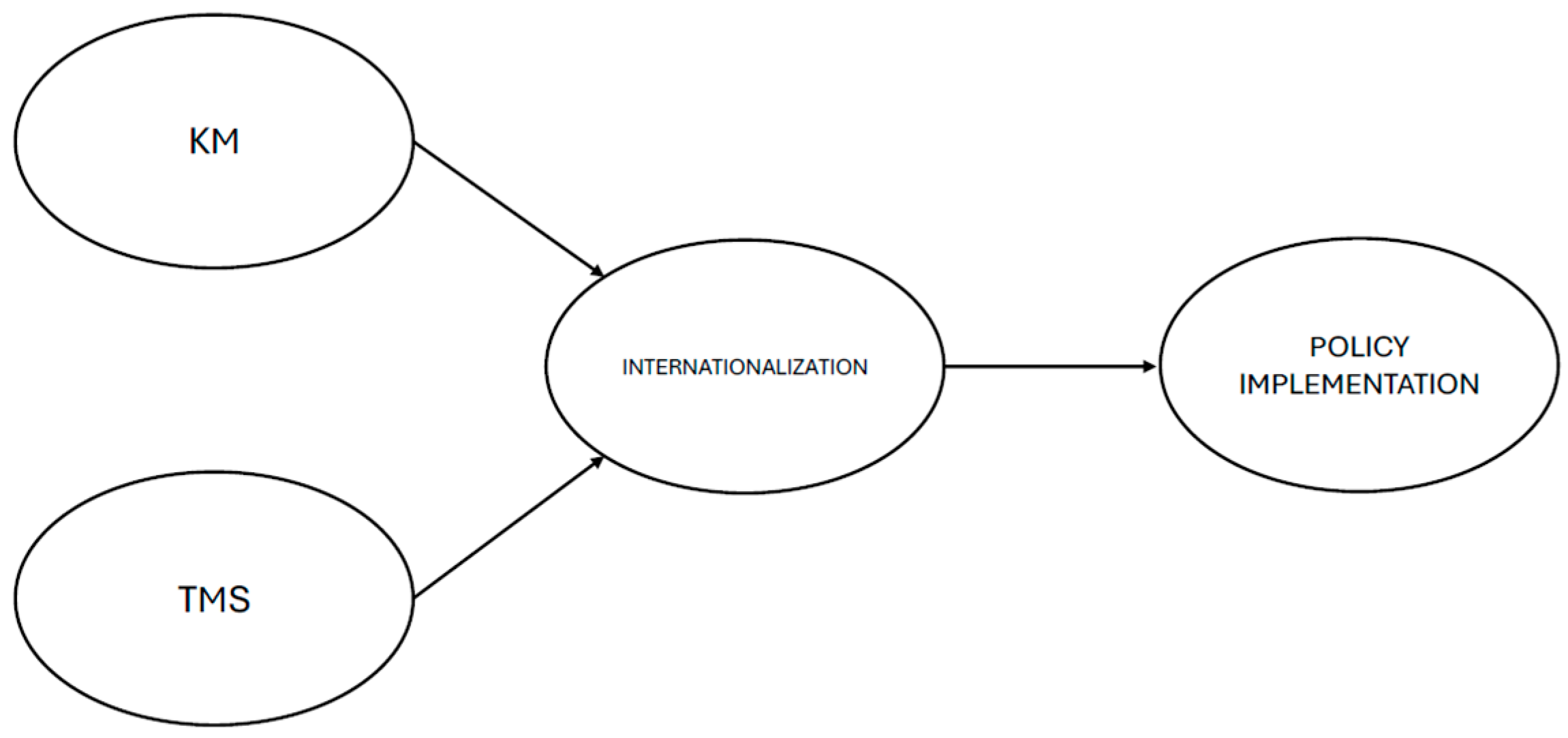
Figure 1 presents the conceptual framework that guided our qualitative inquiry. Rather than proposing causal hypotheses for statistical testing, this framework illustrates the theoretical relationships between leadership, knowledge management, and transactive memory systems that informed our analysis of the Lesotho case. The arrows represent conceptual linkages explored through participant observation and interviews, enabling us to trace how these mechanisms interacted—or failed to interact—during the TA intervention.

3. Research Methodology

This study adopts a qualitative approach grounded in participant-observer methodology to examine knowledge management (KM) and transactive memory system (TMS) processes within the implementation of the Economic Diversification Support Project (EDSP) in Lesotho. The rationale for this methodological choice stems from the study’s focus on understanding how tacit knowledge, shared mental models, and collaborative learning mechanisms emerge—or fail to emerge—between international consulting firms and local stakeholders during technical assistance (TA) interventions.

3.1. Methodological Approach and Justification

While much of the literature on policy evaluation relies on quantitative performance measurement frameworks (Goh, 2012; Tsai & Kuo, 2011), such approaches are often inadequate for capturing the intangible dimensions of knowledge transfer that are central to this research. Quantitative models developed and validated in advanced economies often do not account for the unique institutional dynamics, cultural factors, and stakeholder relationships found in emerging contexts. For policy implementation to be effective, evaluation frameworks must be context-sensitive and adapted to local realities (Mitchell et al., 2002). Moreover, traditional top-down evaluation approaches, which emphasize cause-and-effect relationships between policy design and outcomes (Pressman & Wildavsky, 1973), tend to overlook the complex interactions and learning processes that determine whether knowledge becomes embedded within local organizations. This study therefore adopts a bottom-up approach that prioritizes understanding the perspectives, experiences, and knowledge-sharing practices of all stakeholders involved in the TA process (Hjern & Porter, 1981; Koppenjan & Klijn, 2004). Case study methodology is particularly well-suited for exploring these complex themes, as it enables detailed examination of the social and organizational dynamics that influence knowledge transfer effectiveness (Yin & Davis, 2007; Gerring, 2004). Furthermore, the analysis of implementation challenges and failures—rather than best practices—offers valuable insights for understanding why KM and TMS mechanisms may breakdown in cross-cultural, multi-organizational contexts (Ariño & de la Torre, 1998; Sahibzada & Mahmood, 1992).

3.2. Data Collection and Analysis

The participant-observer methodology allowed the researcher to become directly embedded within the EDSP implementation process, providing unique access to the day-to-day interactions, negotiations, and learning exchanges between the international consulting team and local consortium members (DeWalt & DeWalt, 2011; Jorgensen, 2020). This approach is particularly valuable for studying TMS development, as it requires observing how stakeholders come to understand “who knows what” and how they coordinate their distributed expertise over time. Data collection spanned 16 months, from November 2019 to March 2021, primarily in Maseru with additional visits to enterprises in secondary cities. The researcher maintained a detailed field diary documenting knowledge-sharing interactions, instances of miscommunication, and evolving relationships between stakeholders (Emerson et al., 2011). Semi-structured interviews (see Appendix A) were conducted with key actors including government officials, Chamber of Commerce representatives, and enterprise members, focusing on their perceptions of knowledge transfer processes, learning outcomes, and barriers to collaboration (Brinkmann, 2014).
Document analysis complemented fieldwork by examining official project materials, correspondence, and evaluation reports to trace how knowledge management strategies were conceived, implemented, and modified throughout the project lifecycle (Bowen, 2009). This multi-method approach enabled triangulation of findings and enhanced understanding of both explicit and tacit knowledge transfer processes (Flick, 2017). Data analysis followed thematic coding principles aligned with grounded theory methodology (Charmaz, 2014), with particular attention to identifying patterns related to: (1) knowledge creation and sharing practices, (2) TMS development or breakdown, (3) barriers to collaborative learning, and (4) factors influencing the sustainability of knowledge transfer outcomes.

4. Case Study: Export Consortia in Lesotho

4.1. AfDB and Multilateral Development Banks (MDBs)

Following the end of World War II, the International Bank for Reconstruction and Development (IBRD) was established to support Europe’s post-war reconstruction (Humphrey, 2016). The IBRD soon expanded its mandate, focusing on assisting developing nations through financial and technical aid aimed at fostering economic and social development. This period marked the emergence of several Multilateral Development Banks (MDBs) in distinct phases (Wang, 2017). The initial wave, highlighted by Kellerman (2019), occurred during the era of decolonization, yielding both the International Finance Corporation and the International Development Association as core elements of the World Bank Group (WBG). Regional institutions also arose, including the Inter-American Development Bank (IDB), the African Development Bank (AfDB), the Asian Development Bank (ADB), the Andean Development Corporation (CAF), and the Islamic Development Bank (IsDB) (Reisen & Garroway, 2014; Prizzon et al., 2017). Today, MDBs are defined as financial institutions created by international agreement and owned by multiple sovereign states, tasked with promoting broad-based socio-economic development, primarily through long-term investment and global capital market engagement (Griffith-Jones, 2016).
Within this framework, MDBs—especially AfDB—play a crucial role not only through direct financing, but increasingly by providing TA and shaping policy frameworks. Africa’s trajectory in multilateral policies since decolonization, and its persistent challenges, have brought about targeted development strategies to match the continent’s evolving needs. The AfDB, established in 1964 under the principle “African Solutions to African Problems,” became both an advocate and guardian of African interests and autonomy (Kraemer-Mbula, 2021). As AfDB evolved, it opened its board to non-African member states, reflecting wider global shifts in development finance and raising new governance challenges (Birdsall, 2018; Humphrey, 2014).
Currently, the AfDB comprises 54 regional and 27 non-regional members and, between 1967 and 2022, implemented over 6500 projects totaling more than $165 billion USD. Roughly half of these initiatives focus on industrialization and improving quality of life, goals that align with Africa’s larger development agenda of structural transformation and inclusive growth (Addison et al., 2020). The AfDB’s financial base is sourced from member contributions, global capital markets, and dedicated funds such as the African Development Fund (ADF) and Nigeria Trust Fund (NTF) (AfDB, 2025). These foundations allow AfDB to reach its most marginalized members through concessionary lending and targeted support.
Beyond financial flows, MDBs’ role in development cooperation increasingly emphasizes TA and knowledge exchange (Prizzon et al., 2017). MDBs are more frequently expected to provide expertise, foster learning, and build local capacity alongside funding. Yet the effectiveness of such interventions remains debated: standardized policies may be misaligned with local contexts (Babb & Carruthers, 2008), and the actual impact of MDBs depends heavily on recipient countries’ institutional capacities (Dreher et al., 2019). The AfDB exemplifies this trend, expanding its remit from financial intervention to leading policy innovation and technical knowledge transfer across Africa (Engen & Prizzon, 2018; Humphrey & Michaelowa, 2013). As Africa continues to confront urgent challenges—sustainable development, poverty reduction, climate change—the AfDB’s ability to blend resource mobilization with effective knowledge management and TA is essential for achieving the Sustainable Development Goals and promoting inclusive growth continent-wide. This institutional context frames the specific TA intervention examined in this study, to which we now turn.

4.2. The Economic Diversification Support Project (EDSP)

The “Economic Diversification Support Project” (EDSP) funded the creation of two export consortia in Lesotho, with the aim of bolstering the local productive sector, which comprises approximately 85,000 micro and small enterprises. This initiative also sought to reduce their reliance on South Africa, Lesotho’s sole neighbor and primary buyer. The Ministry of Trade, Industry and Commerce, in conjunction with other local institutions, acted as the “client” for this project. To implement this socio-economic development policy, the AfDB, in collaboration with the local ministry, opted for TA as the preferred approach. TA was deemed the ideal instrument to execute a portion of a more comprehensive policy encompassing various national-level objectives. The selection of experts responsible for implementing part or all of the AfDB-defined policy was conducted through the AfDB E-consultant electronic platform. In this case, two European firms, presenting as a temporary consortium, were chosen based on their prior experience. Both companies carried out their tasks through an internal team of consultants, which effectively classified them as consulting firms.
The project had an estimated duration of 12 months from the contract signing with the awarded consultant companies. During this period, all necessary activities for the formation and launch of an export consortium at the origin were financed. In contrast to TA with Lump Sum payment methods, which entail a single payment upfront and well-defined objectives and scopes (Mahabir, 2013; Marumoagae, 2017), this TA linked the benefit of the consulting companies to the achievement of milestones or stages, through the validation of reports by the client. Specifically, three stages were envisaged: Phase 1, involved the selection of the most suitable local companies for the formation of the two consortia, segmented by sector, along with the identification of potential markets based on the characteristics of the companies and the international scenario. Phase 2, encompassed the formalization of the consortia, and finally, Phase 3, focused on the initial commercial implementation, with the first commercial activity. During the first week, before commencing the stages outlined in the contract, the first meeting (Kick-off meeting) with the client was held, during which the consulting team, consisting of 3 key experts (priority roles) and 2 non-key experts, was introduced. Among the latter was the sole local consultant in the working team, while the other experts performed their tasks remotely, planning periodic trips (bimonthly) to the country. The inclusion of both international consultants and a sole local expert highlights the complexity of coordinating diverse knowledge sources—an inherent challenge of KM in transnational technical assistance projects.

4.2.1. Phase 1

During this initial phase, the consulting firms, following a methodology widely verified in the international literature and based on proven techniques in Western markets, conducted an export diagnosis to assess the export potential of companies and their respective sectors. This methodology typically involves a multi-faceted assessment that considers both internal and external factors affecting a firm’s ability to compete in international markets. One commonly used framework is the Resource-Based View (RBV) of the firm, which emphasizes the importance of internal resources and capabilities in achieving a sustainable competitive advantage (Barney, 1991). In the context of export potential, the RBV suggests that firms with valuable, rare, inimitable, and organized (VRIO) resources are more likely to succeed in international markets (Wernerfelt, 1984).
In addition to internal factors, the methodology also incorporates an analysis of external market conditions, including market size, growth rate, competitive intensity, and regulatory environment (Porter, 2008). This analysis often involves the use of tools such as SWOT analysis (Strengths, Weaknesses, Opportunities, and Threats) to identify the key factors that could impact a firm’s export performance (Weihrich, 1982). Furthermore, some methodologies incorporate a gravity model approach, which assesses the potential for trade between countries based on factors such as distance, economic size, and cultural similarity (Tinbergen, 1962). It is worth noting that this diagnosis could only be performed in four main sectors unilaterally chosen by the client: crafts, agri-food, textiles, and cosmetics and natural medicine.
Following theories and models endorsed by the literature, TA experts searched validated techniques and instruments based on secondary information sources that could be applied to the environment and situation in the Kingdom of Lesotho. Finally, the Revealed Comparative Advantage (RCA) concept was employed to identify the two sectors with the greatest export potential. Since Balassa (1965), RCA indices have been utilized in numerous applications as a gauge of a country’s relative capacity to produce a good compared to its trading partners. The concept is straightforward yet impactful: if, in line with Ricardian trade theory, discrepancies in relative productivity dictate trade patterns, then the observable trade pattern can serve as a basis to deduce unobservable disparities in relative productivity (Bebek, 2011). This concept aims to assess the competitiveness of the preselected sectors in international markets for Lesotho.
The Balassa Index, a part of the RCA index family, was utilized. This index gauges the significance of a product or sector’s export from a specific origin (in this case: Lesotho) to a destination, compared to the significance of exports of that same product or sector to the global market or an alternative reference area.
R C A = X i j k X T i j X j j k X T j j
where
X i j k : Exports from sector k of Lesotho (i) to the world (j).
X T i j : Total exports of Lesotho (i) to the world (j).
X i w k : Exports of sector k from the world (j) to the world (j).
X T i w : Total exports from the world (j) to the world (j).
Textiles and Crafts emerged as the two sectors with the highest export potential. Subsequently, utilizing primary and secondary information sources, the consulting firms conducted a market study to select a limited number of countries with the greatest potential for Lesotho’s products and companies.
The qualitative study implemented by the consultants envisaged a series of exploratory meetings in those markets that statistics identified as having the highest potential. In this aspect, it is interesting to note how some countries, for example, China, were among the current importers simply because some companies with Chinese capital had relocated productive subsidiaries. This profile was not a priority for the TA objectives. Additionally, as a mediating element, and to exploit qualitative variables, a round of interviews was conducted with the selected companies asking if they had any commercial relationship or potential contact in the countries that statistically appeared interesting. As a result of this process implemented during the first 4 months of the project, 5 countries/markets were selected. The selected markets turned out to be the United States, United Kingdom, South Africa–Namibia–Botswana, Germany, and Tanzania.

4.2.2. Phase 2

Before proceeding with the definition of the internationalization plan, strategy, as well as the consortium’s branding and image at the origin, it is essential to formalize cooperation among the companies previously evaluated during the diagnosis. To proceed with the formalization of the future consortium, the consultants explored different legal forms available in the country that could approximate the specific need of an export consortium at the origin. The limited options available in Lesotho thus necessitated the selection of a formula designed for domestic commercial operations, as this was the only one that allowed for the acquisition of a recognized fiscal number necessary for all the international procedures that the consultants, based on their experiences, foresaw in the following stages of the project. At this stage, different perspectives emerged among the three parties involved: the TA providers, the prospective consortium members, and the client/institution.
On one hand, the companies view formalizing the consortium as an activity to be carried out after obtaining initial commercial results. This viewpoint is partly justified by the precarious economic situation of the micro-enterprises. However, their lack of awareness regarding the benefits of an internationalization process leads them to prefer maintaining an informal (unregistered) business status to evade taxes and other local obligations. Secondly, the experts implementing the TA argue for the necessity of establishing a prior consortium constitution and drafting the corresponding statutes. This is due to the need to present themselves to international buyers with defined and clear commercial characteristics, or, for example, the need to request quotations for transportation or auxiliary services to quantify the initial commercial actions. Lastly, the client, having limited experience in internationalization processes, wishes for the consultants themselves to resolve this issue without offering any alternative solutions or acting as intermediaries.

4.2.3. Phase 3

Amid attempts to find a resolution to a highly compromised situation involving the three parties, the project was compelled to halt due to the effects of the COVID-19 pandemic in early 2020. After a few weeks of adaptation and with the easing of global lockdowns, both the client and the consulting firms proposed to continue working on the project through virtual meetings supported by the local consultant. During this period, the consultants drafted an initial version of the consortium’s statutes, that is, the definition of the internal rules that the members must follow once they have been formalized. However, the companies, apart from lacking the necessary infrastructure for these virtual meetings, lost interest in the project altogether as they had to attend to other organizational and functional priorities due to the recent health crisis. The companies requested an economic incentive to start their international trajectory; however, this financial allocation was not provided for in the terms of reference designed by the authorities and therefore the consultants did not have this budget item available during the implementation of the TA. Following several meetings in which the AfDB never participated, the client decided to terminate the contract and postpone the project’s completion.

5. Discussion

This section discusses the theoretical and practical implications of the findings, beginning with the study’s contributions to academic debates before turning to actionable insights for policy and practice.

5.1. Theoretical Implications

This study brings a fresh perspective to policy implementation by dissecting a case of failure, moving beyond the typical focus on best practices. Technical Assistance (TA), though widely acknowledged as a key lever in development, presents substantial challenges in contexts where knowledge transfer, shared expertise, and collaborative memory-making are critical yet frequently underdeveloped. The prior literature on TA reflects a broad spectrum of analytical approaches, from cost–benefit and qualitative analyses, to evidence-based and organizational perspectives (Chilenski et al., 2016; Baumgartner et al., 2018; Dunst et al., 2019). Contributing to these debates, this analysis shows that the effectiveness of TA is inseparable from its capacity to embed robust mechanisms for knowledge management and foster genuine group memory through transactive memory systems (L. Nonaka et al., 1996; Lewis, 2003).
The Lesotho case study revealed familiar yet instructive obstacles that are typical in emerging economies. The initial gap between aspirations and realities on the ground resulted from both a failure to rigorously assess local capacity and a misalignment between external technical frameworks and local needs. Selection and diagnostic procedures, though methodologically sound, were grounded in practices more suited to middle- and high-income environments; as a result, local businesses faced enduring challenges with the formation of export consortia and the acquisition of new market knowledge. These outcomes reinforce the necessity for thorough, culturally attuned assessments before TA projects launch, so that limitations—in infrastructure, institutional capacity, and talent—are anticipated and planned for (Hoekman & Nicita, 2011).

5.2. Practical and Policy Implications

Building on these theoretical insights, several practical implications emerge from the Lesotho experience that merit attention from development practitioners and policymakers.
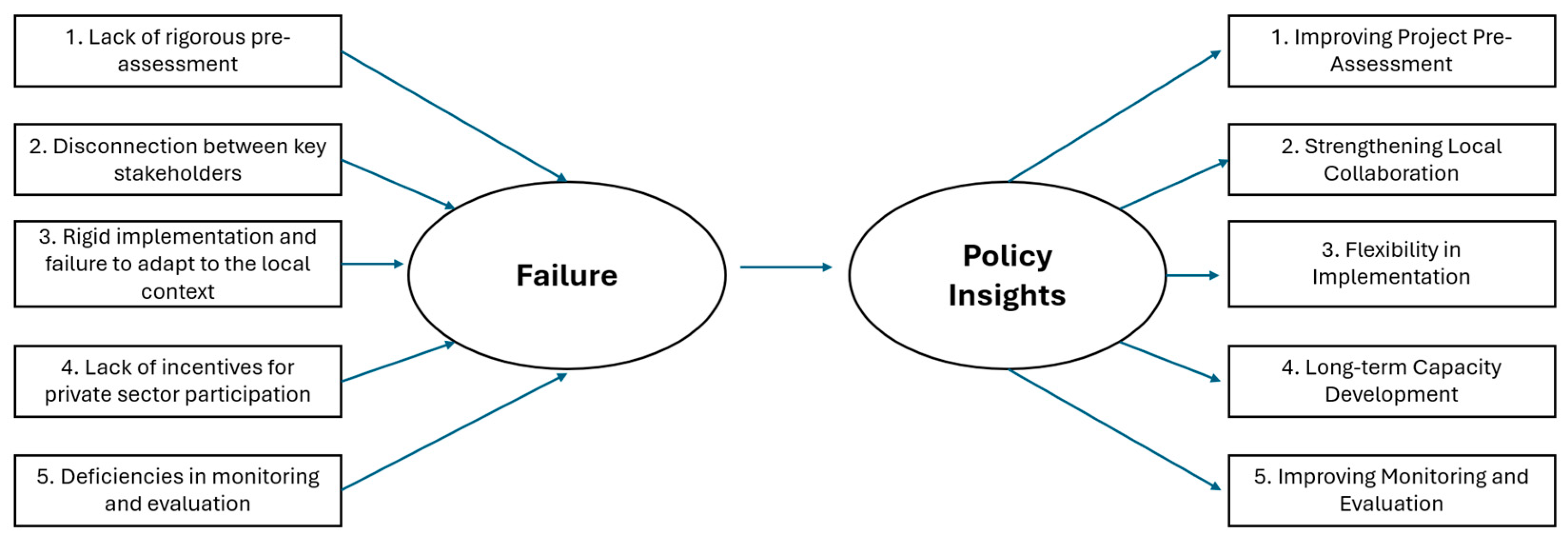
Project implementation suffered from rigid timelines, inflexibility in responding to evolving market and organizational demands, and the limited presence of feedback and adaptation mechanisms. This highlights the need for TA to be seen as a dynamic process, one that fosters continuous learning and iteration, rather than static transfer. The weak involvement of local stakeholders—especially private firms—at critical junctures led to misunderstanding, resistance, and ultimately compromised sustainability. Genuine local participation, supported by transparent collaboration and communication, strengthens the formation of distributed expertise and memory, which are essential for TA to achieve long-term impact (Lewis, 2003; Argote & Miron-Spektor, 2011). Moreover, the lack of targeted incentives and capacity development measures meant that project outcomes were not sustainable beyond their initial implementation. As numerous World Bank reports have suggested for decades, sustainable development and entrepreneurial resilience require not only explicit training but also ongoing support for institutional growth, leadership development, and the circulation of tacit knowledge (World Bank, 1991, 1996). The failure to establish effective monitoring and evaluation systems added to these shortcomings, as opportunities for timely course correction and joint reflection were lost.
Throughout fieldwork, consultants frequently voiced concerns that aligned with these findings. As one senior consultant remarked, “methodologies may be robust and globally validated, but without engagement and ownership, it’s like planting seeds on rocky ground.” Another expert noted, “Our reports provided technical solutions, but the real barrier was the missing dialogue—companies felt the project was not theirs, but ours.” These insights (Figure 2) resonate with critiques found in the project documentation, where consultants emphasized the need for “ongoing exchange and co-creation, not just one-way advice.”

6. Conclusions

This study set out to understand why technical assistance interventions, despite considerable expertise and financial backing, often struggle to generate lasting impacts in emerging economies. By examining a failed AfDB-funded export diversification project in Lesotho through the lens of knowledge management and transactive memory systems, we have sought to move beyond the conventional emphasis on best practices toward a more nuanced appreciation of failure dynamics.
Regarding the first research question—how knowledge management mechanisms operate within TA interventions—the evidence from Lesotho reveals a pronounced disconnect between the transfer of explicit, codified knowledge and the cultivation of tacit capabilities. The international consultants deployed well-established diagnostic tools and market analysis frameworks, yet these technical inputs remained largely external to local organizations. Knowledge was delivered rather than co-created, and the participatory processes necessary for genuine internalization were absent. This finding suggests that TA effectiveness cannot be assessed solely through the quality of technical outputs; what matters equally is whether local actors develop the capacity to adapt, apply, and build upon that knowledge independently.
The second research question addressed the role of transactive memory systems in facilitating or hindering knowledge transfer. Here, the case study offers a cautionary tale. An effective TMS requires that stakeholders develop mutual awareness of “who knows what” and establish routines for accessing distributed expertise. In Lesotho, the opposite occurred: the three principal actors—consultants, local enterprises, and government officials—operated in relative isolation, each holding different assumptions about project goals and implementation pathways. The limited presence of local expertise within the consulting team, compounded by the shift to virtual engagement during the pandemic, prevented the emergence of shared mental models. When stakeholders cannot locate expertise or coordinate their knowledge effectively, even well-designed interventions falter.
The third research question concerned the factors underlying TA failure and the policy insights that can be drawn. Several interconnected elements contributed to the project’s demise. Diagnostic procedures, though methodologically sound, were grounded in frameworks developed for middle- and high-income contexts and proved poorly suited to Lesotho’s institutional realities. Rigid contractual timelines left little room for the adaptive learning that complex interventions require. Local enterprises, facing precarious economic circumstances, saw formalization as a burden rather than an opportunity—a perception that the TA design failed to anticipate or address. The absence of financial incentives, which fell outside the project’s terms of reference, further undermined engagement. These shortcomings were compounded by weak monitoring mechanisms that precluded timely course correction.
What broader lessons emerge from this analysis? First, sustainable TA requires moving beyond knowledge transfer toward knowledge co-creation. International expertise is valuable, but only when embedded within participatory processes that allow local stakeholders to shape, question, and own the resulting insights. Second, the development of transactive memory systems should be treated as an explicit project objective, not an assumed by-product. This implies investing in relationship-building, ensuring adequate local representation within consulting teams, and creating structured opportunities for joint problem-solving. Third, TA design must incorporate flexibility—both in timelines and in the scope for iterative adaptation as contextual realities become clearer. Fourth, incentive structures matter profoundly; expecting resource-constrained micro-enterprises to prioritize formalization without tangible near-term benefits reflects a misunderstanding of their operating realities.
These conclusions resonate with recent scholarship on entrepreneurial resilience in turbulent contexts. Alshebami (2025) demonstrates that sustainable growth in micro- and small enterprises depends not merely on external support but on cultivating internal capacities for coping with unexpected challenges and articulating a clear business purpose. The Lesotho intervention provided technical diagnostics but neglected these deeper resilience-enabling capabilities. Similarly, Pennetta et al. (2025) reconceptualizes resilience as a dynamic capability shaped by psychological factors and enabled through sustained engagement—precisely the elements that were missing in the case examined here.
Several limitations should be acknowledged. The participant-observer methodology, while offering rich qualitative insights, carries inherent risks of subjective interpretation. The singular national context restricts generalizability, and the COVID-19 pandemic imposed constraints on fieldwork that narrowed the scope of direct observation. Future research could usefully extend this analysis to comparative studies across multiple TA interventions, explore how digital tools might support TMS development in geographically dispersed teams, and examine whether specific contractual arrangements—such as adaptive management frameworks—yield better outcomes than milestone-based designs.
Ultimately, the value of studying failure lies in its potential to inform better practice. The Lesotho case demonstrates that technical excellence is insufficient when divorced from the relational and cognitive foundations upon which sustainable capacity building depends. For multilateral development banks, consulting firms, and policymakers committed to enhancing TA effectiveness, the imperative is clear: prioritize the intangible architecture of knowledge sharing alongside the tangible deliverables, and design interventions that foster genuine collaboration rather than mere compliance.

Author Contributions

Conceptualization, Ó.P.-B. and A.P.; methodology, A.P., L.J.C.-R. and M.G.-M.; software, L.J.C.-R.; validation, A.P., Ó.P.-B., L.J.C.-R. and M.G.-M.; formal analysis, A.P.; investigation, A.P. and Ó.P.-B.; resources, L.J.C.-R.; data curation, M.G.-M.; writing—original draft preparation, A.P. and Ó.P.-B.; writing—review and editing, A.P. and L.J.C.-R.; visualization, M.G.-M.; supervision, A.P.; project administration, A.P. All authors have read and agreed to the published version of the manuscript.

Funding

This research received no external funding.

Institutional Review Board Statement

The study was conducted in accordance with the Declaration of Helsinki, and approved by the Institutional Review Board (Comité para la Integridad de la Investigación) of Universidad de Córdoba (protocol code 2015/00559 approved on 19 December 2015).

Informed Consent Statement

Informed consent was obtained from all subjects involved in the study.

Data Availability Statement

The raw data supporting the conclusions of this article will be made available by the authors on request.

Conflicts of Interest

The authors declare no conflicts of interest.

Appendix A. Semi-Structured Interview Guide

The following interview guide was developed drawing on established protocols for qualitative research on knowledge transfer and transactive memory systems (Kallio et al., 2016; Kruser et al., 2023; Brinkmann, 2014). Questions were adapted to the specific context of technical assistance interventions and refined iteratively during fieldwork.
  • Section 1: Background and Role Understanding
Could you describe your role in the Economic Diversification Support Project (EDSP)?
How did you become involved in this initiative, and what were your initial expectations?
  • Section 2: Knowledge Management Processes (RQ1)
How was information shared among the different actors involved in the project (consultants, government officials, local enterprises)?
What types of knowledge or expertise did you consider most important for the project’s success?
Were there instances where you felt that important knowledge was not being adequately transferred or understood? Can you provide an example?
How were decisions made when different stakeholders had different views or information?
  • Section 3: Transactive Memory Systems and Coordination (RQ2)
When you needed specific information or expertise during the project, how did you know whom to ask?
Did you feel that all parties understood each other’s areas of expertise and responsibilities? Why or why not?
How would you describe the level of trust among the different stakeholders involved?
Were there moments of miscommunication or misalignment between parties? What happened?
  • Section 4: Barriers and Challenges (RQ3)
What do you consider the main obstacles that hindered the project’s progress?
How did the COVID-19 pandemic affect the project dynamics and your ability to collaborate?
Looking back, what could have been done differently to improve outcomes?
  • Section 5: Sustainability and Learning
Do you feel that the project left lasting capabilities or knowledge within the local organizations? Please explain.
What lessons from this experience would you consider most valuable for future technical assistance initiatives?
  • Closing
Is there anything else you would like to add that we have not discussed?

References

  1. Addison, T., Sen, K., & Tarp, F. (2020). COVID-19: Macroeconomic dimensions in the developing world (No. 2020/74). WIDER Working Paper. The United Nations University World Institute for Development Economics Research (UNU-WIDER). [Google Scholar] [CrossRef]
  2. African Development Bank (AfDB). (2025). Available online: https://www.afdb.org/en (accessed on 1 July 2025).
  3. Alshebami, A. S. (2025). Purpose-driven resilience: A blueprint for sustainable growth in micro-and small enterprises in turbulent contexts. Sustainability, 17(5), 2308. [Google Scholar] [CrossRef]
  4. Argote, L., & Miron-Spektor, E. (2011). Organizational learning: From experience to knowledge. Organization Science, 22(5), 1123–1137. [Google Scholar] [CrossRef]
  5. Ariño, A., & de la Torre, J. (1998). Learning from failure: Towards an evolutionary model of collaborative ventures. Organization Science, 9(3), 306–325. [Google Scholar] [CrossRef]
  6. Babb, S. L., & Carruthers, B. G. (2008). Conditionality: Forms, function, and history. Annual Review of Law and Social Science, 4(1), 13–29. [Google Scholar] [CrossRef]
  7. Balassa, B. (1965). Trade liberalisation and ‘revealed’ comparative advantage. The Manchester School, 33(2), 99–123. [Google Scholar] [CrossRef]
  8. Barney, J. (1991). Firm resources and sustained competitive advantage. Journal of Management, 17(1), 99–120. [Google Scholar] [CrossRef]
  9. Baumgartner, S., Cohen, A., & Meckstroth, A. (2018). Providing TA to local programs and communities: Lessons from a scan of initiatives offering TA to human services programs. US Department of Health and Human Services, Office of the Assistant Secretary for Planning and Evaluation.
  10. Bazbauers, A. R. (2020). World Bank technical assistance: Participation, policy movement, and sympathetic interlocutors. Policy Studies, 41(6), 567–585. [Google Scholar] [CrossRef]
  11. Bebek, U. G. (2011). Consistency of the proposed additive measures of revealed comparative advantage. Economics Bulletin, 31(3), 2491–2499. [Google Scholar]
  12. Berg, E. J. (1993). Rethinking technical cooperation: Reforms for capacity building in Africa. United Nations Development Programme. [Google Scholar]
  13. Birdsall, N. (2018). The dilemma of the African development bank: Does governance matter for the long-run financing of the MDBs? (Vol. 498) Center for Global Development. [Google Scholar]
  14. Bowen, G. A. (2009). Document analysis as a qualitative research method. Qualitative Research Journal, 9(2), 27–40. [Google Scholar] [CrossRef]
  15. Brandon, D. P., & Hollingshead, A. B. (2004). Transactive memory systems in organizations: Matching tasks, expertise, and people. Organization Science, 15(6), 633–644. [Google Scholar] [CrossRef]
  16. Brinkmann, S. (2014). 14 unstructured and semi-structured interviewing. In The Oxford handbook of qualitative research (p. 277). Oxford University Press. [Google Scholar]
  17. Broome, A., & Seabrooke, L. (2015). Shaping policy curves: Cognitive authority in transnational capacity building. Public Administration, 93(4), 956–972. [Google Scholar] [CrossRef]
  18. Broome, A., & Seabrooke, L. (2020). Recursive recognition in the international political economy. Review of International Political Economy, 28(2), 369–381. [Google Scholar] [CrossRef]
  19. Charmaz, K. (2014). Constructing grounded theory. SAGE Publications. [Google Scholar]
  20. Chilenski, S. M., Perkins, D. F., Olson, J., Hoffman, L., Feinberg, M. E., Greenberg, M., Welsh, J., Crowley, D. M., & Spoth, R. (2016). The power of a collaborative relationship between technical assistance providers and community prevention teams: A correlational and longitudinal study. Evaluation and Program Planning, 54, 19–29. [Google Scholar] [CrossRef]
  21. Devadas, D., Theriault, A., McGahan, A. M., & Govani, S. (2021). White paper series: Technical assistance support for health innovations in low and middle-income countries. Gates Open Research, 5(28), 28. [Google Scholar]
  22. DeWalt, K. M., & DeWalt, B. R. (2011). Participant observation: A guide for fieldworkers (2nd ed.). AltaMira Press. [Google Scholar]
  23. Dreher, A., Lang, V. F., & Richert, K. (2019). The political economy of International Finance Corporation lending. Journal of Development Economics, 140, 242–254. [Google Scholar] [CrossRef]
  24. Dunst, C. J., Annas, K., Wilkie, H., & Hamby, D. W. (2019). Scoping review of the core elements of technical assistance models and frameworks. World Journal of Education, 9(2), 109–122. [Google Scholar] [CrossRef]
  25. Easterly, W. (2006). Reliving the 1950s: The big push, poverty traps, and takeoffs in economic development. Journal of Economic Growth, 11, 289–318. [Google Scholar] [CrossRef]
  26. Emerson, R. M., Fretz, R. I., & Shaw, L. L. (2011). Writing ethnographic fieldnotes. University of Chicago press. [Google Scholar]
  27. Endri, E., Fatmawatie, N., Sugianto, S., Humairoh, H., Annas, M., & Wiwaha, A. (2022). Determinants of efficiency of Indonesian Islamic rural banks. Decision Science Letters, 11(4), 391–398. [Google Scholar] [CrossRef]
  28. Engen, L., & Prizzon, A. (2018). A guide to multilateral development banks. Overseas Development Institute. [Google Scholar]
  29. Flick, U. (2017). Mantras and myths: The disenchantment of mixed-methods research and revisiting triangulation as a perspective. Qualitative Inquiry, 23(1), 46–57. [Google Scholar] [CrossRef]
  30. Georgiadou, E., Steinmo, M. T., & Lauvås, T. (2024). Development of transactive memory systems in new venture teams. International Small Business Journal, 42(1), 124–154. [Google Scholar] [CrossRef]
  31. Gerring, J. (2004). What is a case study and what is it good for? American Political Science Review, 98(2), 341–354. [Google Scholar] [CrossRef]
  32. Goh, S. C. (2012). Making performance measurement systems more effective in public sector organizations. Measuring Business Excellence, 16(1), 31–42. [Google Scholar] [CrossRef]
  33. Grant, R. M. (1996). Toward a knowledge-based theory of the firm. Strategic Management Journal, 17(S2), 109–122. [Google Scholar] [CrossRef]
  34. Griffith-Jones, S. (2016). Development banks and their key roles: Supporting investment, structural transformation and sustainable development. Brot für die Welt. [Google Scholar]
  35. Gupta, A. K., & Govindarajan, V. (2000). Knowledge flows within multinational corporations. Strategic Management Journal, 21(4), 473–496. [Google Scholar] [CrossRef]
  36. Hjern, B., & Porter, D. O. (1981). Implementation structures: A new unit of administration. Organization Studies, 2(3), 211–227. [Google Scholar] [CrossRef]
  37. Hoekman, B., & Nicita, A. (2011). Trade policy, trade costs, and developing country trade. World Development, 39(12), 2069–2079. [Google Scholar] [CrossRef]
  38. Humphrey, C. (2014). The politics of loan pricing in multilateral development banks. Review of International Political Economy, 21(3), 611–639. [Google Scholar] [CrossRef]
  39. Humphrey, C. (2016). The “invisible hand”: Financial pressures and organizational convergence in multilateral development banks. The Journal of Development Studies, 52(1), 92–112. [Google Scholar] [CrossRef]
  40. Humphrey, C., & Michaelowa, K. (2013). Shopping for development: Multilateral lending, shareholder composition and borrower preferences. World Development, 44, 142–155. [Google Scholar] [CrossRef]
  41. Inkpen, A. C., & Tsang, E. W. K. (2005). Social capital, networks, and knowledge transfer. Academy of Management Review, 30(1), 146–165. [Google Scholar] [CrossRef]
  42. Jorgensen, D. L. (2020). Principles, approaches and issues in participant observation. Routledge. [Google Scholar]
  43. Kaboré, A. (2022). Historical analysis of bilateral and multilateral cooperation agencies’ interventions in education and training in Burkina Faso from 1960 to 2015. International Journal of Education, Culture and Society, 7(4), 169–179. [Google Scholar] [CrossRef]
  44. Kallio, H., Pietilä, A. M., Johnson, M., & Kangasniemi, M. (2016). Systematic methodological review: Developing a framework for a qualitative semi-structured interview guide. Journal of Advanced Nursing, 72(12), 2954–2965. [Google Scholar] [CrossRef]
  45. Katz, J., & Wandersman, A. (2016). Technical assistance to enhance prevention capacity: A research synthesis of the evidence base. Prevention Science, 17, 417–428. [Google Scholar] [CrossRef]
  46. Kaul, I. (2020). Multilateralism 2.0: It is here—Are we ready for it? Global Perspectives, 1(1), 17639. [Google Scholar] [CrossRef]
  47. Kellerman, M. (2019). The proliferation of multilateral development banks. The Review of International Organizations, 14(1), 107–145. [Google Scholar] [CrossRef]
  48. Koppenjan, J., & Klijn, E.-H. (2004). Managing uncertainties in networks. Routledge. [Google Scholar]
  49. Kraemer-Mbula, E. (2021). The African development bank: African solutions to African problems? In J. Clifton, D. D. Fuentes, & D. J. Howarth (Eds.), Regional development banks in the world economy (pp. 55–69). Oxford University Press. [Google Scholar]
  50. Kruser, J. M., Solomon, D., Moy, J. X., Holl, J. L., Viglianti, E. M., Detsky, M. E., & Wiegmann, D. A. (2023). Impact of interprofessional teamwork on aligning intensive care unit care with patient goals: A qualitative study of transactive memory systems. Annals of the American Thoracic Society, 20(4), 548–555. [Google Scholar] [CrossRef]
  51. Lewis, K. (2003). Measuring transactive memory systems in the field: Scale development and validation. Journal of Applied Psychology, 88(4), 587. [Google Scholar] [CrossRef]
  52. Mahabir, J. (2013). The effects of lump sum unconditional grants on expenditure and revenue decisions and performance of South African Municipalities. University of Johannesburg (South Africa). [Google Scholar]
  53. Maroga, J. T., Edoun, E. I., & Pooe, S. (2023). An empirical approach on national exporter development programme (Nedp) on emerging exporters in Gauteng province South Africa. International Journal of Business and Economic Development (IJBED), 11(1), 26–37. [Google Scholar] [CrossRef]
  54. Marumoagae, M. C. (2017). Addressing the challenge of withdrawal of lump sum retirement benefit payments in South Africa: Lessons from Australia. Comparative and International Law Journal of Southern Africa, 50(1), 129–146. [Google Scholar]
  55. Mitchell, R. E., Florin, P., & Stevenson, J. F. (2002). Supporting community-based prevention and health promotion initiatives: Developing effective technical assistance systems. Health Education & Behavior, 29(5), 620–639. [Google Scholar] [CrossRef] [PubMed]
  56. Mitchell, R. E., Stone-Wiggins, B., Stevenson, J. F., & Florin, P. (2004). Cultivating capacity: Outcomes of a statewide support system for prevention coalitions. Journal of Prevention & Intervention in the Community, 27(2), 67–87. [Google Scholar] [CrossRef]
  57. Mohammadparst Tabas, A., Kansheba, J. M., & Theodoraki, C. (2024). Igniting a knowledge renaissance: Revolutionising entrepreneurial ecosystems with transactive memory systems. Journal of Knowledge Management, 28(11), 199–220. [Google Scholar] [CrossRef]
  58. Mosse, D. (2004). Is good policy unimplementable? Reflections on the ethnography of aid policy and practice. Development and Change, 35(4), 639–671. [Google Scholar] [CrossRef]
  59. Nonaka, I., & Takeuchi, H. (2007). The knowledge-creating company. Harvard Business Review, 85(7/8), 162. [Google Scholar]
  60. Nonaka, L., Takeuchi, H., & Umemoto, K. (1996). A theory of organizational knowledge creation. International Journal of Technology Management, 11(7–8), 833–845. [Google Scholar] [CrossRef]
  61. Peltokorpi, V. (2008). Transactive memory systems. Review of General Psychology, 12(4), 378–394. [Google Scholar] [CrossRef]
  62. Peltokorpi, V. (2014). Transactive memory system coordination mechanisms in organizations: An exploratory case study. Group & Organization Management, 39(4), 444–471. [Google Scholar]
  63. Pennetta, S., Anglani, F., Reaiche, C., & Boyle, S. (2025). Entrepreneurial agility in a disrupted world: Redefining entrepreneurial resilience for global business success. The Journal of Entrepreneurship, 34(2), 221–267. [Google Scholar] [CrossRef]
  64. Porter, M. E. (2008). Competitive advantage: Creating and sustaining superior performance. Simon and Schuster. [Google Scholar]
  65. Pressman, J. L., & Wildavsky, A. (1973). Implementation. University of California Press. [Google Scholar]
  66. Prizzon, A., Greenhill, R., & Mustapha, S. (2017). An ‘age of choice’ for external development finance? Evidence from country case studies. Development Policy Review, 35, O29–O45. [Google Scholar] [CrossRef]
  67. Rashed, M., Uddin, M. K., Islam, M. F., Mohsin, A. K. M., Rahman, S., Kumar, S., & Rana, J. (2025). Building organizational resilience in emerging economies: Strategic insights from Bangladesh. Sustainable Futures, 10, 101327. [Google Scholar] [CrossRef]
  68. Reisen, H., & Garroway, C. (2014). The future of multilateral concessional finance. GIZ. [Google Scholar]
  69. Sahibzada, S. A., & Mahmood, M. A. (1992). Why most development projects fail in Pakistan? A plausible explanation. The Pakistan Development Review, 31(4), 1111–1122. [Google Scholar] [CrossRef][Green Version]
  70. Schmickl, C., & Kieser, A. (2008). How much do specialists have to learn from each other when they jointly develop radical product innovations? Research Policy, 37(3), 473–491. [Google Scholar] [CrossRef]
  71. Scott, V. C., Jillani, Z., Malpert, A., Kolodny-Goetz, J., & Wandersman, A. (2022). A scoping review of the evaluation and effectiveness of technical assistance. Implementation Science Communications, 3(1), 70. [Google Scholar] [CrossRef]
  72. Tinbergen, J. (1962). Shaping the world economy; suggestions for an international economic policy. Twentieth Century Fund. [Google Scholar]
  73. Tsai, W. H., & Kuo, H. C. (2011). Entrepreneurship policy evaluation and decision analysis for SMEs. Expert Systems with Applications, 38(7), 8343–8351. [Google Scholar] [CrossRef]
  74. Wang, H. (2017). New multilateral development banks: Opportunities and challenges for global governance. Global Policy, 8(1), 113–118. [Google Scholar] [CrossRef]
  75. Wegner, D. M. (1987). Transactive memory: A contemporary analysis of the group mind. In Theories of group behavior (pp. 185–208). Springer New York. [Google Scholar]
  76. Weihrich, H. (1982). The TOWS matrix—A tool for situational analysis. Long Range Planning, 15(2), 54–66. [Google Scholar] [CrossRef]
  77. Wernerfelt, B. (1984). A resource-based view of the firm. Strategic Management Journal, 5(2), 171–180. [Google Scholar] [CrossRef]
  78. World Bank. (1991). The African capacity building initiative: Toward improved policy analysis and development management. World Bank. [Google Scholar]
  79. World Bank. (1996). Partnership for capacity building in Africa: Strategy and program of action. A report of the African governors of the World Bank of the President of the World Bank. World Bank. [Google Scholar]
  80. World Bank. (2023). Promoting export growth for local development in Africa: Lessons learned from technical assistance. World Bank policy research working paper 10562. World Bank. [Google Scholar]
  81. Yin, R. K., & Davis, D. (2007). Adding new dimensions to case study evaluations: The case of evaluating comprehensive reforms. New Directions for Evaluation, 2007(113), 75–93. [Google Scholar] [CrossRef]
  82. Zheng, Y., & Mai, Y. (2013). A contextualized transactive memory system view on how founding teams respond to surprises: Evidence from China. Strategic Entrepreneurship Journal, 7(3), 197–213. [Google Scholar] [CrossRef]
Figure 1. Conceptual framework guiding the qualitative inquiry. Source: own elaboration. Note: This figure represents the conceptual relationships explored in this qualitative study. Arrows indicate theoretical linkages examined through the case analysis, not causal hypotheses to be statistically tested.
Admsci 15 00487 g001
Figure 2. Theoretical framework Failure and Policy Insights connection. Source: own elaboration.
Admsci 15 00487 g002
Disclaimer/Publisher’s Note: The statements, opinions and data contained in all publications are solely those of the individual author(s) and contributor(s) and not of MDPI and/or the editor(s). MDPI and/or the editor(s) disclaim responsibility for any injury to people or property resulting from any ideas, methods, instructions or products referred to in the content.