

Article

ESG Performance, Donations and Internal Pay Gap—Empirical Evidence Based on Chinese A-Share Listed Companies


1
School of Economics and Management, Northwest University, Xi’an 710127, China
2
Law School, Northwest University, Xi’an 710127, China
*
Author to whom correspondence should be addressed.
Adm. Sci. 2025, 15(12), 483; https://doi.org/10.3390/admsci15120483
Submission received: 15 October 2025 / Revised: 19 November 2025 / Accepted: 3 December 2025 / Published: 10 December 2025

Abstract

This paper investigates the impact of corporate ESG performance on internal pay gaps using data from Chinese A-share listed companies from 2013 to 2023. Our study finds that, after controlling for relevant variables and fixed effects for firms and years, corporate ESG performance significantly widens the internal pay gap. To address endogeneity concerns, we use policy shocks, construct instrumental variables with the number of ESG investment fund holdings, and apply propensity score matching methods, all of which support our main findings. Furthermore, the negative impact of ESG performance on internal pay equality is mainly driven by compensation incentives and corporate financialization. Heterogeneity analysis shows that the negative effect of ESG performance on internal pay gaps is less pronounced in state-owned enterprises (SOEs) and non-manufacturing firms. Additionally, charitable donations and strengthened agency mechanisms can effectively mitigate excessive internal pay gaps. This paper offers a novel theoretical perspective on corporate sustainable development and provides significant implications for internal pay policy formulation and governmental policies aimed at reducing income inequality.

1. Introduction

In recent years, attention to corporate Environmental, Social, and Governance (ESG) performance has accelerated, propelled by public demand for sustainability, regulatory initiatives, and shifting investor preferences. Against this backdrop, internal pay gap—especially the widening gap between executives and rank-and-file employees—has become a salient concern for corporate equity, employee morale, and long-term competitiveness (Pan et al., 2020; Shaw, 2014). This tension stands out in emerging economies, where ESG frameworks are being institutionalized against a backdrop of complex governance arrangements and fluid labor markets. In China, the link between ESG performance and income distribution is conditioned by distinctive institutions—strong state intervention, the strategic prominence of state-owned enterprises (SOEs), uneven regional development, and frictions in financial markets (Lei & Xie, 2024). Together, these features create a fertile setting to examine how ESG engagement reshapes internal pay structures and, crucially, whether it alleviates or intensifies within-firm inequality. Understanding this issue requires situating it within the broader research on ESG and firm outcomes. While embedded in the Chinese context, the mechanisms identified in this study—particularly the pathways linking ESG performance to pay disparities through executive incentives and corporate financialization—may also hold explanatory value for other developing economies facing comparable institutional and social challenges (Liang et al., 2025).
Despite the growing literature on ESG factors and firm outcomes, most studies have focused on financial performance, investment returns, governance structures, or broader corporate social responsibility (Friede et al., 2015; Malik & Kashiramka, 2024), with relatively little attention paid to how ESG performance affects pay structures within firms. Existing research has tended to examine the consequences of wage inequality, such as its impact on employee satisfaction, organizational climate, or innovation capacity (Shaw, 2014; Conroy & Gupta, 2019), while overlooking the underlying drivers of income disparities. This study seeks to address this gap by investigating how ESG performance affects internal pay distribution, focusing on the mediating roles of compensation incentives and corporate financialization, as well as the moderating influence of charitable donations and agency mechanisms.
Drawing on panel data from Chinese A-share listed companies covering 2013–2023, this paper makes three primary contributions. First, it demonstrates that ESG performance widens the income gap between managers and ordinary employees, with the effect driven primarily by the Environmental (E) and Governance (G) dimensions, underscoring the need to strengthen the Social (S) component. Second, it provides empirical evidence that compensation incentives and corporate financialization are key mechanisms through which ESG performance amplifies pay disparities. Third, it shows that charitable donations and agency mechanisms can alleviate these negative distributional effects, offering insights into how firms can reconcile ESG engagement with internal equity.
The remainder of this paper is structured as follows. Section 2 reviews the theoretical framework, Section 3 develops the research hypotheses, Section 4 describes the data and methodology, Section 5 presents the empirical results and mechanism analyses, Section 6 provides additional tests and robustness checks, and Section 7 concludes with key findings, policy implications, and avenues for future research.

2. Theoretical Framework

The internal pay gap within firms has long been regarded as a key determinant of corporate sustainability, organizational efficiency, and employee motivation (Zheng et al., 2024; Y. Li et al., 2024). In publicly listed companies, especially, the widening disparity between executive compensation and employee wages raises concerns about fairness, productivity, and social cohesion (Mehran, 1995; Cherep et al., 2024). Against this backdrop, this study asks a central question: How does a firm’s Environmental, Social, and Governance (ESG) performance shape its internal pay distribution, and through which mechanisms?
ESG performance, which broadly reflects a firm’s achievements in environmental protection, social responsibility, and corporate governance, has become a widely accepted indicator of sustainable development and corporate accountability (Sadiq et al., 2023; Del Gesso & Lodhi, 2025). Specifically, the environmental (E) dimension captures activities such as energy conservation and emissions reduction; the social (S) dimension concerns employee welfare, community engagement, and stakeholder relations; while the governance (G) dimension involves ownership structure, board independence, and disclosure transparency (M. Gao & Geng, 2024; Arvidsson & Dumay, 2022). However, the distributive impact of the Social (S) dimension is often limited or neutral. While social initiatives enhance workplace inclusiveness, well-being, and cohesion, they seldom alter formal compensation policies. Most programs under the S pillar, such as volunteering or employee engagement activities, improve perceived fairness rather than directly narrowing wage differences, explaining why the effects of social ESG may appear statistically small in prior studies.
This study is theoretically anchored in three complementary perspectives. First, compensation incentive theory argues that aligning executive rewards with corporate goals can improve efficiency, but may also exacerbate pay dispersion when ESG-related responsibilities are concentrated among senior managers (Ma & Wang, 2024). Second, financialization theory highlights how firms’ increasing reliance on financial markets and short-term value creation tends to raise executive pay relative to that of ordinary employees, thereby widening wage inequality (Krippner, 2005). Third, agency theory emphasizes the role of information asymmetry and governance mechanisms in shaping compensation outcomes, suggesting that transparent decision-making processes and stronger oversight can mitigate distributive imbalances (Gillan et al., 2021).
Although prior research has explored ESG’s implications for firm valuation, capital costs, and financial risk (S. Li et al., 2024; Wang & Li, 2023), the relationship between ESG and internal pay structures remains understudied. Some evidence indicates that ESG initiatives may inadvertently intensify labor stratification, as investments in sustainability often benefit high-skilled employees disproportionately, thus widening pay inequality (Ee et al., 2018; Kong et al., 2022). Other studies suggest that the effects may be nonlinear: moderate ESG engagement could foster fairer wage growth, whereas excessive emphasis on shareholder-oriented ESG metrics may encourage cost-cutting that suppresses wages for lower-tier employees (Torres et al., 2023).
Taken together, the literature indicates that ESG performance can influence pay gap through multiple mechanisms, but the empirical evidence remains fragmented and theoretically inconsistent. To address this gap, the present study integrates compensation incentive theory, financialization theory, and agency theory into a unified analytical framework. It posits that ESG performance can enlarge internal pay disparities by reinforcing managerial incentives and financial market orientations, while philanthropic activities and effective governance mechanisms can act as countervailing forces that reduce these distributive tensions. Building on these theoretical perspectives, the following hypotheses are developed to empirically test the pathways through which ESG performance affects internal pay inequality.

3. Research Hypotheses

Consistent with the theoretical framework, we formulate testable hypotheses with explicit directional predictions on main, mediated, and moderated effects.

3.1. Corporate ESG Performance and Pay Disparity

As society increasingly demands corporate responsibility in environmental, social, and governance (ESG) matters, ESG has become a crucial indicator of corporate social responsibility and sustainability. As firms strive for better ESG performance, their internal pay structures and distribution mechanisms are also affected. From a corporate management perspective, prioritizing ESG might lead companies to allocate more resources to influential employee groups to ensure ESG targets are met (Flammer, 2021). This strategy typically involves offering higher incentives and rewards to senior management and key functional employees to drive and implement ESG-related policies and projects. While this approach enhances ESG performance, it may also result in unbalanced pay structures, further widening the pay gap between senior management and ordinary employees (Bebchuk & Fried, 2003). Moreover, enhanced ESG performance may signal managerial competence and legitimacy to external stakeholders, prompting boards to justify larger executive compensation packages. This signaling effect reinforces the compensation gap between top management and lower-tier employees.
The rise of ESG investment reflects investors’ focus on corporate social responsibility. Firms with strong ESG performance can attract more investment and secure lower capital costs, enhancing their competitive edge (Alsayegh et al., 2020). Recent cross-country evidence also shows that stronger ESG governance practices are associated with managerial decisions that impact internal resource allocations, including pay structures (Dyck et al., 2019). Such financial inflows, while beneficial to corporate value, can simultaneously intensify hierarchical pay differentiation by enabling disproportionately higher rewards for top executives responsible for ESG-related disclosures.
Hypothesis H1.
Higher corporate ESG performance is positively associated with a wider internal pay disparity between management and ordinary employees.

3.2. Mediating Role of Compensation Incentives

Compensation incentive theory posits that incentivizing management through compensation aligns corporate goals with personal objectives, thereby improving organizational efficiency and productivity. In this study, we conceptualize compensation incentives as a mediating mechanism, meaning they serve as a pathway through which the independent variable (corporate ESG performance) influences the dependent variable (internal pay gap) (Zhou et al., 2025).
Specifically, improved ESG performance can indirectly affect internal pay gaps by altering the design and scale of compensation incentives for senior management and key employees. On one hand, excellent ESG performance may lead firms to offer higher compensation incentives to attract and retain talented managers and employees who are critical for driving ESG-related initiatives. On the other hand, such ESG-driven incentives may unintentionally reward a limited group of employees, thus amplifying income concentration at the top.
Thus, compensation incentives function not merely as contextual factors or boundary conditions, but as active mediators that transmit the effect of ESG performance on internal pay structures. Balancing ESG-driven incentives with pay equity is particularly crucial in the Chinese context, where the national agenda emphasizes reducing income inequality to achieve common prosperity (Xi, 2021a). Accordingly, if ESG-related responsibilities and monitoring are heavily concentrated at the managerial level, the resulting incentive systems will likely increase pay dispersion within the firm.
Hypothesis H2.
Corporate ESG performance indirectly increases internal income disparities through enhanced compensation incentives.

3.3. Mediating Role of Corporate Financialization

Corporate financialization refers to firms’ growing emphasis on financial activities relative to productive investment (Krippner, 2005). Here, it is conceptualized as another mediating channel linking ESG performance to pay disparity. Improvements in ESG performance often coincide with deeper engagement in financial markets and heightened attention to short-term performance metrics such as stock prices and market valuations.
This financialization process becomes a critical mechanism through which ESG performance may indirectly amplify internal inequality. Prior studies have shown that financialization increases executive pay and widens pay gaps (Lin & Tomaskovic-Devey, 2013; Stockhammer, 2010), as corporate leadership increasingly allocates higher compensation and incentives to executives and financial department employees, whose roles are directly tied to financial market outcomes, while limiting resources and investment in production-oriented or operational units. Consequently, ESG efforts—although socially oriented—may inadvertently reinforce financialization dynamics that privilege financially linked roles over others, intensifying income polarization within the firm.
Hypothesis H3.
Corporate ESG performance indirectly widens internal pay disparities through increased corporate financialization.

3.4. Moderating Role of Charitable Donations

Charitable donations, a core component of corporate social responsibility, hold significant strategic value in shaping corporate brand reputation, enhancing customer loyalty, and building social trust. The “strategic philanthropy” perspective suggests that by strategically investing in philanthropic areas that bring both social and economic benefits, firms can achieve competitive advantage and social good (Porter & Kramer, 2002). This view is supported by studies on employee matching donation programs, which show that these programs not only boost labor productivity but also enhance a firm’s “best employer” status (Gong & Grundy, 2019).
Through charitable activities, firms can establish a positive public image, boost market competitiveness, and promote fair and inclusive compensation policies internally. Empirical studies show a significant positive correlation between charitable donations and improved brand reputation, enhanced consumer trust, and reduced internal pay gaps (Brammer & Pavelin, 2006). This positive impact stems from transparency in compensation decision processes, increased employee loyalty, and strengthened teamwork. Research also confirms that corporate social responsibility activities, especially charitable donations, improve a company’s ability to attract talent, suggesting a potential positive impact on employee satisfaction and pay fairness (Turban & Greening, 1997).
Hypothesis H4.
Charitable donations negatively moderate the impact of corporate ESG performance on employee pay gaps, meaning that companies engaging in charitable activities can effectively reduce internal pay disparities.

3.5. Moderating Role of Agency Mechanisms

Agency theory posits that information asymmetry and conflicts of interest are the main causes of conflicts between corporate managers and stakeholders (Jensen & Meckling, 1976). ESG performance, as a mechanism to reduce information asymmetry, can mitigate these issues by enhancing corporate transparency and accountability. At the same time, prior research suggests that heavy investments in ESG may increase pay disparities by boosting reliance on high-skilled employees (Maestas et al., 2023), making effective agency mechanisms—such as performance evaluations, transparent pay policies, and independent compensation committees—critical for ensuring fairer compensation distribution.
China’s “common prosperity” goal emphasizes reducing socio-economic inequality, including narrowing internal pay gaps (Xi, 2021b). Companies aiming to improve ESG performance may need to invest heavily in technological innovation and talent development, increasing reliance on high-skilled employees who, due to their contributions to ESG goals, receive higher compensation. This differential treatment can inadvertently widen income disparities. However, agency theory also suggests that appropriate supervision and incentive mechanisms can mitigate issues arising from information asymmetry and conflicts of interest. If firms effectively implement agency mechanisms, such as performance evaluations and transparent pay policies, it can facilitate fairer compensation distribution.
Hypothesis H5.
Agency mechanisms negatively moderate the impact of corporate ESG performance on employee pay gaps, meaning that companies implementing agency mechanisms can effectively reduce internal pay disparities.

4. Materials and Methods

4.1. Research Design

This study selects Chinese A-share listed companies from 2013 to 2023 as the research sample. Firm-level data are primarily drawn from the CSMAR and Wind databases, while regional-level indicators are obtained from the China Statistical Yearbook. The dataset is organized as a firm-year panel, combining cross-sectional data of multiple firms with time-series data. To ensure sample validity, we exclude ST and delisted firms, observations with missing key variables, and samples with severe data omissions. Continuous variables are winsorized at the 1% and 99% levels to mitigate the influence of outliers. After data cleaning, the final sample comprises 23,713 firm-year observations from 3845 listed companies.

4.2. Key Variables

Corporate ESG performance is proxied by the HuaZheng ESG rating, which has been widely recognized in industry and academia since 2009 for its comprehensive coverage of all A-share listed firms (Liang et al., 2025).

4.3. Mediating Variables

Executive salary incentives (Salary) are measured as the logarithm of total executive pay plus one, following Bergstresser and Philippon (2006). Corporate financialization (Finratio) is defined as the ratio of financial assets to total assets, following Qi et al. (2021).

4.4. Moderating Variables

Charitable donations are captured by a dummy variable (1 = donation, 0 = no donation). Agency costs are proxied by the management fee ratio (Mfee), defined as management expenses divided by operating income. For detailed definitions and measurements of all variables, please refer to Table 1.

4.5. Model Specification

To examine whether corporate ESG performance enlarges the internal pay gap, we construct a two-way fixed-effects model, following He et al. (2022):
G a p i t = α 0 + α 1 H Z _ E S G i t + α j C o n t r o l s i t + y e a r i + i d t + ε i t
where i represents the company, t represents the year; Controls is the set of control variables; referring to representative literature such as Wong et al. (2021), control variables at the corporate level (company size, debt-to-asset ratio, return on equity, revenue growth rate, top 10 shareholders’ holding ratio, dual role of chairman and CEO, state-owned enterprise, net profit margin, number of directors) and regional level (regional per capita output, proportion of tertiary industry output in the province) are selected. Additionally, year fixed effects year i and firm fixed effects i d t are controlled, and ε i t is the random error term.

4.6. Data Availability

Firm-level data are obtained from the CSMAR and Wind databases, while regional-level data are sourced from the China Statistical Yearbook. All data are available upon reasonable request from the corresponding author, subject to institutional subscription agreements.

5. Results

5.1. Descriptive Statistics

The descriptive results in Table 2 show that the average pay gap (Gap) among employees is 5.332, with a minimum value of 0.51 and a maximum value of 25.34, indicating significant pay disparities within companies, with some companies exhibiting larger gaps. The average ESG performance (HZ_ESG) of companies is 4.1499, suggesting that most listed companies have good ESG performance. Among the control variables, the averages of company size (Size) and debt-to-asset ratio (Lev) are consistent with related research by other scholars. The average value of state-owned enterprises (SOE) is 0.3441, indicating that 34.41% of the sample comprises state-owned enterprises.

5.2. Baseline Regression Results

The table reports the results of model ①, with the dependent variable being the pay gap (Gap) and the independent variable being the ESG performance (HZ_ESG). The results in column (1) of Table 3 show that the estimated coefficient of HZ_ESG is about 0.43, significantly positive at the 1% level, indicating a positive correlation between ESG performance and the pay gap, confirming hypothesis H1. To prevent interference from other factors, this study controls for other variables such as company size (Size). As shown in column (2), the estimated coefficient of HZ_ESG remains significantly positive at the 1% level. After controlling for year and firm effects, as shown in columns (4) and (5), ESG performance (HZ_ESG) still increases the pay gap (Gap), with the regression coefficient ultimately being 0.919, passing the 1% significance level. From the regression results of control variables in column (5), larger company size, higher return on equity, higher top 10 shareholder holding ratio, and more board members all expand the pay gap, while higher debt-to-asset ratio, higher revenue growth rate, more dual roles, higher net profit margin, and higher proportion of tertiary industry reduce the pay gap. Overall, the stepwise regression results support the theoretical expectation that improved ESG performance increases the internal pay gap, providing empirical support for hypothesis H1.

5.3. Endogeneity Test

5.3.1. Exclude the Influence of Policies

Tax policy reforms reducing taxes on high-income individuals may exacerbate the pay gap between top and bottom employees. Adjustments in corporate income tax rates might also affect companies’ pay policies for executives and regular employees. With the implementation of accelerated depreciation for fixed assets in China in 2014, the resulting tax incentives might directly impact internal pay gap. On one hand, tax incentives provide additional cash flow to companies, increasing the rent income shared with employees; on the other hand, they encourage companies to expand capital investments, improving performance and increasing the share of labor income. However, due to the significant difference in bargaining power between executives and regular employees, the extent of income sharing will vary, potentially widening the internal pay gap. To mitigate the impact of tax incentive policy on empirical results, this study follows D. Gao et al. (2023) by including the interaction term of policy dummy variable and time dummy variable (Treat_i × Post_t) in the baseline regression to measure the impact of accelerated depreciation policy (treat). Results in Table 4 show that after excluding the tax incentive effect, ESG performance remains significantly positive at the 1% level.

5.3.2. Instrumental Variable Method

In related studies using ESG as an explanatory variable, how to overcome the endogeneity problem of the variable is very critical (Zumente & Bistrova, 2021). Most existing studies use ESG at the industry or regional level as an instrumental variable for corporate ESG (Edmans et al., 2023). The drawbacks of this method have been mentioned in many literatures. This paper uses the number of ESG investment fund holdings (fund) as an instrumental variable for corporate ESG performance and uses the two-stage least squares method (2SLS) to alleviate the endogeneity problem. The reason for selecting this instrumental variable is that as an institutional investor, the fund company can influence the corporate governance structure and strategic direction through its investment decisions, thereby indirectly affecting the company’s ESG performance. When selecting investment targets, fund companies consider the ESG performance of target enterprises, believing that excellent ESG performance is a key indicator of a company’s long-term stable development. Dyck et al. (2019) using data from listed companies in 41 countries, examined the impact of institutional investors on corporate ESG performance and found a significant positive correlation between institutional ownership and corporate ESG performance. Institutional investors can thus drive companies to enhance their ESG performance. Therefore, fund companies tend to invest in companies with high ESG scores, reflecting institutional investors’ emphasis on promoting corporate social responsibility and sustainable development. Since fund companies’ investment decisions are based on the current and anticipated ESG performance of companies, and not directly driven by internal corporate decisions or activities, these holding data provide a relatively objective measure of corporate ESG performance.
Table 5 reports the 2SLS regression results using the number of shares held by ESG investment funds (fund) as the instrumental variable. Column (1) presents the first-stage regression results, where the coefficient of the instrumental variable (fund) is significantly positive at the 1% level, indicating a significant positive correlation between the number of shares held by ESG funds and ESG performance. This finding is consistent with the expectations of related scholars and previous research. Column (2) shows the second-stage regression results, where the estimated coefficient of corporate ESG performance remains significantly positive at the 1% level. This result indicates that, after controlling for potential endogeneity issues using the instrumental variable, the impact of ESG performance on widening the internal pay gap remains significant, further validating hypothesis H1.
Identification Assumption and Additional Diagnostic Checks. Beyond statistical relevance, the validity of the instrumental-variable approach relies on the assumption that ESG fund holdings influence the internal pay gap only through their impact on corporate ESG performance. In the Chinese institutional environment, ESG-themed funds generally affect firms by adjusting portfolio allocations and raising expectations regarding disclosure quality, rather than through direct intervention in compensation policies or managerial remuneration. Moreover, the instrument used in this study aggregates holdings across multiple ESG-oriented funds, reflecting the broader supply of ESG-sensitive capital rather than targeted investor activism. Under these conditions, variation in ESG fund holdings is reasonably interpreted as shifting firms’ ESG performance without exerting an independent influence on internal pay decisions.
To further mitigate concerns that the instrument may capture omitted firm characteristics correlated with compensation structures, an additional diagnostic check is conducted by regressing ESG fund holdings on the full set of firm- and region-level controls with firm fixed effects. Although the R2 is mechanically elevated due to the absorption of firm fixed effects, the incremental explanatory power of observable controls is limited. Several coefficients are statistically insignificant, while the significant ones do not correspond to channels that would plausibly affect internal pay-setting practices. This pattern suggests that the identifying variation in ESG fund holdings is not simply driven by firm fundamentals already accounted for in the baseline model (Table A1).
Taken together with the strong first-stage results reported in Table 5, these supplementary diagnostics support the view that ESG fund holdings provide relevant exogenous variation in corporate ESG performance and do not directly affect internal pay disparities. This strengthens the credibility of the exclusion restriction underpinning the instrumental-variable strategy used in this study.

5.3.3. Propensity Score Matching Method

To address sample selection bias, this study uses the propensity score matching (PSM) method for endogeneity testing. The steps for testing are as follows: Perform a logit regression using the pay gap (Gap) as the dependent variable and company size (Size), debt-to-asset ratio (Lev), return on equity (ROE), revenue growth rate (Growth), top 10 shareholders’ holding ratio (Top10), dual role of chairman and CEO (Dual), state-owned enterprise (SOE), net profit margin (NetProfit), number of directors (Board), regional per capita GDP (lnGDP_per), and the proportion of tertiary industry output in the province (Inst), along with company and year dummy variables as the characteristic variables to calculate propensity scores. Match the samples based on propensity scores using the nearest neighbor matching (1:1) method. Conduct a multiple regression analysis on the matched sample. The results, as shown in the Table 6 and Figure 1 below, indicate that the matching is effective. Moreover, in the regression analysis of the matched samples, the estimated coefficient of corporate ESG performance remains significantly positive at the 1% level.

5.3.4. Robustness Checks

To ensure the robustness of our findings, we conducted several tests. First, to provide a more comprehensive description of corporate ESG performance, we introduced scores from other ESG rating agencies as alternative variables for the core explanatory variable, corporate ESG performance (HZ_ESG). Column (1) of Table 7 uses Bloomberg’s comprehensive ESG score to measure corporate ESG performance, while Column (2) employs the Wind ESG comprehensive score.
Additionally, we modified the calculation method for the dependent variable, internal wage disparity (Gap). The two alternative measures are defined as follows:
Internal pay Gap Gap_1,
ln ( T o t a l   r e m u n e r a t i o n   o f   t h e   t o p   t h r e e   s e n i o r   m a n a g e m e n t   m e m b e r s 3 C h a n g e s   i n   t o t a l   e m p l o y e e   c o m p e n s a t i o n   p a y a b l e + C a s h   p a i d   t o   a n d   f o r   e m p l o y e e s M a n a g e m e n t   t e a m   c o m p e n s a t i o n n u m b e r   o f   e m p l o y e e s S i z e   o f   m a n a g e m e n t )
Internal pay Gap Gap_2,
ln T o t a l   r e m u n e r a t i o n   o f   t h e   t o p   t h r e e   s e n i o r   m a n a g e m e n t   m e m b e r s / 3 ( C h a n g e s   i n   t o t a l   e m p l o y e e   c o m p e n s a t i o n   p a y a b l e + C a s h   p a i d   t o   a n d   f o r   e m p l o y e e s T o t a l   r e m u n e r a t i o n   o f   t h e   t o p   t h r e e   s e n i o r   m a n a g e m e n t   m e m b e r s ) / ( n u m b e r   o f   e m p l o y e e s 3 )
The results show that regardless of the method used to measure corporate ESG performance and internal wage disparity, the estimated coefficients remain significantly positive at the 10% level. This indicates a positive correlation between corporate ESG performance and employee wage disparity.
Finally, considering that firms with larger internal wage disparities may tend to achieve higher comprehensive ESG scores, which suggests potential reverse causality, we analyzed the lagged corporate ESG performance (L.HZ_ESG). As shown in Column (3), the lagged corporate ESG performance does not significantly impact the wage disparity. Given that the annual rating of Huazheng ESG performance is published on December 31st of each year, the corporate social responsibility performance reflected in these ratings and their potential impact on internal wage policies may gradually emerge in the subsequent fiscal year. This results in the difficulty of observing significant effects of ESG performance on wage disparity in the short term.
According to existing literature, investments in ESG performance are generally considered part of long-term investment strategies aimed at enhancing the long-term value of the firm by improving its social responsibility performance (Zumente & Bistrova, 2021). However, the internal wage policies of firms, especially the wage disparities between senior management and regular employees, are often influenced by a variety of immediate factors, including the firm’s financial performance, market competition conditions, and industry-specific talent demands. Although firms may strive to demonstrate their commitment to social responsibility through improved ESG performance, the impact of these efforts on wage structures may be limited in the short term. Additionally, the update frequency of ESG ratings and their responsiveness to changes in internal corporate policies are also crucial factors affecting the predictability of the relationship between ESG performance and wage disparity. After undergoing annual ESG evaluations, firms might need time to implement corresponding social responsibility strategies and improvement measures, which may further delay the reflection of these changes in their compensation policies (Edmans et al., 2023).

5.4. Mechanism Test

The baseline findings indicate that corporate ESG performance significantly widens the internal pay gap. To further clarify the channels through which ESG engagement affects within-firm distribution, this section evaluates two theoretically motivated mediating mechanisms: salary incentives and corporate financialization. Following established mediation procedures for panel-data settings, the analysis combines (i) sequential regressions with firm and year fixed effects and (ii) non-parametric bootstrap tests of indirect effects to provide formally valid inference.

5.4.1. Regression-Based Evidence

Table 8 presents the results of the sequential mediation regressions. Columns (1) and (3) show that ESG performance significantly increases both salary incentives (Salary) and the degree of financialization (Finratio), with estimated coefficients of 0.004 and 0.002, respectively, each statistically significant at the 1% level. These results indicate that improved ESG performance is associated with stronger executive-oriented incentive structures and a greater allocation of corporate resources toward financial assets. Columns (2) and (4) incorporate the mediators into the wage-gap equation. Salary incentives exhibit a large and highly significant effect on the pay gap, with a coefficient of 2.8599, suggesting that expanded incentive schemes for senior managers are tightly linked to pay dispersion. Likewise, the coefficient of financialization (1.508) indicates that a stronger financial orientation substantially increases wage inequality, consistent with the view that financial market activities disproportionately reward executives and financially specialized personnel. In both specifications, the coefficient on ESG performance declines when the mediators are included, suggesting the presence of indirect effects operating through these channels.

5.4.2. Formal Mediation Tests

To provide statistically rigorous evidence beyond the regression steps, formal mediation tests are implemented using a 1000-replication bias-corrected bootstrap, which is appropriate for evaluating indirect effects in nonlinear and fixed-effects panel settings. Table 9 reports the indirect, direct, and total effects for the salary-incentive path and the financialization path.
For the salary incentive mechanism, the estimated indirect effect of ESG performance is 0.0114, with a 95% confidence interval of [0.0041, 0.0188], which does not include zero. This confirms that enhanced salary incentives constitute a significant pathway through which ESG performance increases the internal pay gap. Likewise, the financialization mechanism displays a significant indirect effect of 0.0030, with a 95% confidence interval of [0.0010, 0.0055]. For both mediators, the difference between the total and direct effects corroborates the presence of meaningful transmission channels.
Overall, the mediation results show that ESG performance widens the internal pay gap partly by intensifying executive-oriented incentive structures and by expanding firms’ financial asset holdings. These findings are consistent with the theoretical expectation that ESG-driven increases in managerial responsibilities and financial-market exposure disproportionately reward upper-tier employees, thereby amplifying internal wage inequality.

5.5. Heterogeneity Analysis

5.5.1. State-Owned vs. Non-State-Owned Enterprises

The study divides the sample into state-owned and non-state-owned enterprises based on property rights. As shown in Table 10, the ESG performance coefficient for state-owned enterprises is significantly lower than for non-state-owned enterprises. State-owned enterprises, under direct or indirect government control, often bear more social responsibility, leading to more balanced internal pay distribution. In contrast, non-state-owned enterprises, driven by profit maximization, emphasize internal pay gaps as an incentive to enhance competitiveness and innovation.
The improvement of corporate ESG performance as a practice of corporate social responsibility can reflect the company’s governance level, environmental protection awareness, and attention to social equity to a certain extent. For state-owned enterprises, high ESG performance not only showcases their social responsibility and sustainable development capabilities but also serves as a crucial means of achieving political and economic goals under government regulation and social supervision. Therefore, while improved ESG performance might increase rewards for senior managers and key technicians, the expansion of the pay gap is generally limited. Conversely, non-state-owned enterprises face dual pressures of market competition and operational efficiency, thus preferring to widen internal pay gaps to motivate key talents, particularly those contributing directly to innovation and performance enhancement. In this scenario, improved ESG performance could be a vital tool for non-state-owned enterprises to attract and retain talent. High ESG performance can enhance the company’s brand image and market competitiveness, attracting high-quality talent focused on corporate social responsibility and sustainable development. Additionally, it serves as an important reference for internal performance evaluation and pay decisions, further expanding the pay gap between high-skilled talents and other employees, stimulating organizational innovation and efficiency.

5.5.2. Manufacturing vs. Non-Manufacturing Industries

The study divides enterprises into manufacturing and non-manufacturing sectors based on production methods and capital intensity. As shown in Table 10, the ESG performance coefficient for manufacturing industries is significantly higher than for non-manufacturing industries. Manufacturing, being capital and technology-intensive, demands more high-skilled workers, resulting in more significant internal pay gaps. This is because ESG performance in manufacturing is usually closely related to production efficiency and technological innovation, providing additional pay incentives for high-skilled employees, thus promoting key technological advances and productivity improvements. In contrast, non-manufacturing sectors, especially services, while also focusing on ESG performance, rely more comprehensively on human resources, from basic service staff to senior management, leading to more balanced pay distribution.

5.6. Further Analysis

5.6.1. Moderating Effects

The moderating effects of corporate charitable donations and agency costs on the relationship between corporate ESG performance and the internal pay gap are shown in the table below. Columns (1) and (2) of Table 11 report the results of the moderating effects of corporate charitable donations. The interaction term ESG_Phi_D is significantly negative at the 5% level, indicating that companies engaging in charitable donations can effectively mitigate the widening effect of ESG performance on the internal pay gap. This result supports hypothesis H4. As a part of corporate social responsibility, charitable donations help create a positive corporate image and reputation both internally and externally. Charitable activities often require the participation of both senior management and rank-and-file employees, fostering cross-level communication and understanding. This encourages companies to balance economic benefits with social benefits and employee well-being, leading to a more harmonious internal pay distribution. Therefore, when improved ESG performance expands the internal pay gap, increasing charitable activities can effectively counteract the negative impact of ESG performance and narrow the internal pay gap.
Columns (3) and (4) of Table 11 report the results of the moderating effects of agency costs. The interaction term ESG_Mfee is significantly negative at the 1% level, indicating that companies willing to invest in agency costs can effectively mitigate the widening effect of ESG performance on the internal pay gap. This result supports hypothesis H5. By increasing management expenses to improve transparency and strengthen supervision, companies can enhance communication and understanding between management and employees. This cross-level interaction and strengthened supervision mechanism help create a more balanced and harmonious pay distribution structure. When ESG performance improvements widen the pay gap, enhancing the management mechanism of agency relationships can effectively mitigate this negative impact, thus reducing the internal pay gap.

5.6.2. Dimensional Effects of ESG on Income Disparity

Given the complexity and multidimensional nature of ESG ratings, different ESG factors may have varying impacts on pay policies. This study conducts a mechanism regression using the three dimensions of E, S, and G as explanatory variables to examine their effects on the internal pay gap, as shown in the Table 12 below. Although the overall ESG performance score significantly widens the pay gap at the 1% level, the dimensional analysis shows that only the E and G scores significantly positively affect the internal pay gap, while the S score does not. This is primarily because investments in environmental measures and sustainable technologies under the environmental dimension (E) often require hiring high-skilled technical or managerial personnel, who command higher salaries due to their expertise, thereby increasing the pay gap. The governance dimension (G) improves decision transparency and internal control, but to attract and retain key executives and technical talent, companies often offer high salaries and incentives, further widening the pay gap between senior management and regular employees. On the other hand, the social dimension (S) aims to improve employee welfare and enhance corporate social responsibility, typically focusing on improving working conditions and benefits for all employees, such as health insurance, better working environments, and vocational training. While these measures increase overall employee satisfaction, they do not directly address pay structure optimization. Thus, despite improvements in overall welfare, the social dimension does not significantly impact the pay gap.

6. Discussion

Compared to prior studies, the findings of this research both confirm and extend existing knowledge on the relationship between ESG performance and corporate outcomes. For instance, Dyck et al. (2019) highlight the role of ESG governance in shaping managerial decisions and influencing firm-level resource allocations, including compensation structures. Similarly, Flammer (2021) emphasizes that ESG-oriented strategies can affect firm dynamics and employee outcomes. However, while previous research has focused primarily on the positive externalities of ESG, such as enhanced corporate reputation, risk reduction, or improved stakeholder relations, this study uncovers a more nuanced internal effect: ESG performance can widen internal pay gaps by amplifying salary incentives and financialization dynamics. This insight highlights a unique contribution of the current research, as it bridges the gap between ESG research and income distribution studies, providing empirical evidence on how ESG-oriented practices may have unintended distributive consequences inside the firm. Furthermore, the study’s examination of charitable donations and agency costs as mitigating mechanisms adds depth to the literature, offering practical strategies for firms to align ESG goals with internal equity objectives.

7. Conclusions and Implications

7.1. Conclusions

In recent years, the issue of internal pay gaps within companies has garnered increasing attention from the Chinese public and media, prompting government authorities to implement policies aimed at curbing excessive wage disparities. Enhancing ESG performance among listed companies has become a critical strategic task for achieving sustainable corporate development. This study, using a sample of Chinese A-share listed companies from 2013 to 2022, examines the impact of corporate ESG performance on internal pay gaps and yields the following key conclusions:
Corporate ESG performance significantly increases internal pay gaps, with the effect being most pronounced in companies with higher scores in the environmental (E) and governance (G) dimensions.
Mechanism analyses show that ESG performance expands internal pay gaps through the pathways of salary incentives and corporate financialization, with these effects being particularly strong in non-state-owned enterprises and manufacturing firms.
Charitable donations and agency costs act as moderating factors, effectively mitigating the negative impact of ESG performance on internal pay gaps, suggesting that corporate social responsibility initiatives can serve as important tools for balancing internal income distribution.
The robustness of the empirical results is confirmed through model adjustments, instrumental variable approaches, and the inclusion of lagged variables.
This study offers both theoretical and practical value. Theoretically, it provides a novel perspective by systematically analyzing how ESG performance influences internal pay structures, revealing that improvements in ESG performance, while beneficial for environmental and social outcomes, can unintentionally exacerbate internal pay inequalities. Additionally, by investigating the moderating roles of charitable donations and agency costs, this research expands the understanding of ESG impacts and offers a theoretical foundation for designing fair and rational internal compensation policies.

7.2. Implications

Improving Internal Pay Mechanisms: One major driver of significant internal pay gaps is the structural imbalance between managerial talent and general labor in terms of factor compensation. This imbalance often stems from challenges in accurately measuring managerial contributions using performance-based incentives and the presence of high agency costs, which can facilitate opportunistic behaviors. Given the study’s finding that the environmental (E) and governance (G) dimensions of ESG performance exert the strongest impact on widening pay gaps, companies should aim to balance fairness and performance incentives in their compensation designs. Specifically, firms should improve governance mechanisms, optimize compensation structures, and implement diversified performance evaluation systems that align employee compensation with long-term corporate objectives and overall workforce welfare.
Emphasizing the Importance of Efficiency and Fairness in Income Allocation: As key participants in primary income distribution, firms play a critical role in promoting societal income balance and shared prosperity. To advance meaningful progress toward equitable growth, companies should strengthen mechanisms that ensure both efficiency and fairness in income allocation, while complementing policy interventions in secondary distribution. This includes refining the primary income adjustment system and promoting institutional arrangements that coordinate among primary, secondary, and tertiary distribution channels. Policymakers can further support these efforts by leveraging governance tools to oversee corporate pay system improvements, encouraging investments in employee education and skill development, and facilitating long-term solutions to income disparity challenges.
Leveraging the Moderating Role of Charitable Donations and Agency Mechanisms: Charitable donations, as a key component of corporate social responsibility, play an essential role in shaping public image and strengthening internal compensation fairness. The study’s results show that charitable giving helps curb opportunistic managerial behaviors, enhances the effectiveness of compensation contracts, and alleviates internal pay disparities. Moreover, strengthening agency mechanisms such as performance monitoring, transparent pay policies, and employee representation in decision-making can significantly narrow income gaps. These findings suggest that beyond relying solely on government policy levers, companies should actively engage in social responsibility efforts, foster transparent internal communication, and enhance information symmetry between management and employees. Such measures can reduce potential conflicts of interest, promote workplace harmony, and advance broader societal goals of equitable growth.
While this study provides novel micro-level evidence on the drivers and mitigation strategies for internal pay gaps, it also acknowledges certain limitations and areas for future research. First, the pay gap associated with corporate ESG performance represents only one dimension of broader compensation dynamics. Future studies could explore internal pay disparities from a more comprehensive perspective, incorporating a wider range of organizational and institutional factors. Second, this research primarily examines the mediating effects of salary incentives and corporate financialization, without fully addressing other potential mechanisms such as information asymmetry or tax-related effects. Further investigation into these dimensions could yield richer empirical insights and inform more effective strategies for advancing corporate sustainability and shared prosperity.

Author Contributions

Conceptualization, Y.J. and C.L.; writing—original draft preparation, C.L. and Y.J.; writing—review and editing, Y.J.; supervision, Y.J. All authors have read and agreed to the published version of the manuscript.

Funding

This research was funded by the Special Scientific Research Program of the Shaanxi Provincial Department of Education, General Project “Research on the Legal System for Ecological Space Governance in the Yellow River Basin of Shaanxi Province” (grant number 23JK0228).

Institutional Review Board Statement

Not applicable.

Informed Consent Statement

Not applicable.

Data Availability Statement

The data that support the findings of this study are available from the corresponding author upon reasonable request.

Conflicts of Interest

The authors declare no conflicts of interest.

Appendix A

Table A1 reports the redundancy test in which ESG fund holdings are regressed on the full set of firm- and region-level controls with firm fixed effects. The pattern of coefficients suggests that observable fundamentals explain only limited variation in the instrument, supporting the view that the identifying variation in ESG fund holdings is not driven by omitted firm characteristics captured in the baseline model.
Table A1. Regression of ESG fund holdings on baseline controls with firm fixed effects.
Fund
Size2.893 × 107 ***
(4.893 × 10⁶)
Lev−3.538 × 10⁷ ***
(7.898 × 10⁶)
ROE6.172 × 107 ***
(1.065 × 10⁷)
Growth5.454 × 105
(1.078 × 10⁶)
TOP10−5.785 × 10⁵ ***
(1.417 × 10⁵)
Dual−1.987 × 10⁵
(1.926 × 10⁶)
SOE−1.013 × 10⁷ **
(4.457 × 10⁶)
NetProfit−2.010 × 10⁷ ***
(4.795 × 10⁶)
Board4.278 × 106
(9.287 × 10⁶)
lnGDP_per1.411 × 107
(1.064 × 10⁷)
Inst−8.150 × 10⁶
(7.198 × 10⁶)
_cons−7.196 × 10⁸ ***
(1.195 × 10⁸)
idYES
yearYES
N22,864
R20.563
(notes: t statistics in parentheses, ** p < 0.05, *** p < 0.01).

References

  1. Alsayegh, M. F., Abdul Rahman, R., & Homayoun, S. (2020). Corporate economic, environmental, and social sustainability performance transformation through ESG disclosure. Sustainability, 12(9), 3910. [Google Scholar] [CrossRef]
  2. Arvidsson, S., & Dumay, J. (2022). Corporate ESG reporting quantity, quality and performance: Where to now for environmental policy and practice? Business Strategy and the Environment, 31(3), 1091–1110. [Google Scholar] [CrossRef]
  3. Bebchuk, L. A., & Fried, J. M. (2003). Executive compensation as an agency problem. Journal of Economic Perspectives, 17(3), 71–92. [Google Scholar] [CrossRef]
  4. Bergstresser, D., & Philippon, T. (2006). CEO incentives and earnings management. Journal of Financial Economics, 80(3), 511–529. [Google Scholar] [CrossRef]
  5. Brammer, S. J., & Pavelin, S. (2006). Corporate reputation and social performance: The importance of fit. Journal of Management Studies, 43(3), 435–455. [Google Scholar] [CrossRef]
  6. Cherep, O., Cherep, A., Ohrenych, Y., & Helman, V. (2024). Improvement of the management mechanism of the strategy of innovative activities of enterprises. Financial & Credit Activity: Problems of Theory & Practice, 1(54), 471–484. [Google Scholar]
  7. Conroy, S. A., & Gupta, N. (2019). Disentangling horizontal pay dispersion: Experimental evidence. Journal of Organizational Behavior, 40(3), 248–263. [Google Scholar] [CrossRef]
  8. Del Gesso, C., & Lodhi, R. N. (2025). Theories underlying environmental, social and governance (ESG) disclosure: A systematic review of accounting studies. Journal of Accounting Literature, 47(2), 433–461. [Google Scholar] [CrossRef]
  9. Dyck, A., Lins, K. V., Roth, L., & Wagner, H. F. (2019). Do institutional investors drive corporate social responsibility? International evidence. Journal of Financial Economics, 131(3), 693–714. [Google Scholar] [CrossRef]
  10. Edmans, A., Pu, D., Zhang, C., & Li, L. (2023). Employee satisfaction, labor market flexibility, and stock returns around the world. Management Science. [Google Scholar]
  11. Ee, M., Chao, C., & Wang, L. (2018). Environmental corporate social responsibility, firm dynamics and wage inequality. International Review of Economics & Finance, 56, 63–74. [Google Scholar] [CrossRef]
  12. Flammer, C. (2021). Corporate green bonds. Journal of Financial Economics, 142(2), 499–516. [Google Scholar] [CrossRef]
  13. Friede, G., Busch, T., & Bassen, A. (2015). ESG and financial performance: Aggregated evidence from more than 2000 empirical studies. Journal of Sustainable Finance & Investment, 5(4), 210–233. [Google Scholar] [CrossRef]
  14. Gao, D., Chen, X., Zhao, J., & Guo, W. (2023). Tax incentives, factor allocation and within-firm pay gap: Evidence from a quasi-natural experiment in China. Emerging Markets Finance and Trade, 60, 1549–1577. [Google Scholar]
  15. Gao, M., & Geng, X. (2024). The role of ESG performance during times of COVID-19 pandemic. Scientific Reports, 14(1), 2553. [Google Scholar] [CrossRef]
  16. Gillan, S. L., Koch, A., & Starks, L. T. (2021). Firms and social responsibility: A review of ESG and CSR research in corporate finance. Journal of Corporate Finance, 66, 101889. [Google Scholar] [CrossRef]
  17. Gong, N., & Grundy, B. D. (2019). Can socially responsible firms survive competition? An analysis of corporate employee matching grant schemes. Review of Finance, 23(1), 199–243. [Google Scholar] [CrossRef]
  18. He, F., Du, H., & Yu, B. (2022). Corporate ESG performance and manager misconduct: Evidence from China. International Review of Financial Analysis, 82, 102201. [Google Scholar] [CrossRef]
  19. Jensen, M. C., & Meckling, W. H. (1976). Theory of the firm: Managerial behavior, agency costs and ownership structure. Journal of Financial Economics, 3(4), 305–360. [Google Scholar] [CrossRef]
  20. Kong, X., Jiang, F., & Zhu, L. (2022). Business strategy, corporate social responsibility, and within-firm pay gap. Economic Modelling, 106, 105703. [Google Scholar] [CrossRef]
  21. Krippner, G. R. (2005). The financialization of the American economy. Socio-Economic Review, 3(2), 173–208. [Google Scholar] [CrossRef]
  22. Lei, T., & Xie, P. (2024). Fostering enterprise innovation: The impact of China’s pilot free trade zones. Journal of the Knowledge Economy, 15(3), 10412–10441. [Google Scholar] [CrossRef]
  23. Li, S., Lin, D., & Xiao, H. (2024). Green finance and high-pollution corporate compensation—Empirical evidence from green credit guidelines. Heliyon, 10(8), e27851. [Google Scholar] [CrossRef]
  24. Li, Y., Zhao, Y., Ye, C., Xiao, L., & Yun, T. (2024). ESG ratings and the cost of equity capital in China. Energy Economics, 136, 107685. [Google Scholar] [CrossRef]
  25. Liang, L., Ding, T., Tan, R., & Song, M. (2025). ESG best practices for Chinese companies. In The ESG systems in Chinese enterprises: Theory and practice (pp. 291–349). Springer Nature Singapore. [Google Scholar]
  26. Lin, K. H., & Tomaskovic-Devey, D. (2013). Financialization and US income inequality, 1970–2008. American Journal of Sociology, 118(5), 1284–1329. [Google Scholar] [CrossRef]
  27. Ma, J., & Wang, H. (2024). Research on the impact of equity incentive model on enterprise performance: A mediating effect analysis based on executive entrepreneurship. PLoS ONE, 19(4), e0300873. [Google Scholar] [CrossRef]
  28. Maestas, N., Mullen, K. J., Powell, D., von Wachter, T., & Wenger, J. B. (2023). The value of working conditions in the United States and implications for the structure of wages. American Economic Review, 113(7), 2007–2047. [Google Scholar] [CrossRef]
  29. Malik, N., & Kashiramka, S. (2024). Impact of ESG disclosure on firm performance and cost of debt: Empirical evidence from India. Journal of Cleaner Production, 448, 141582. [Google Scholar] [CrossRef]
  30. Mehran, H. (1995). Executive compensation structure, ownership and firm performance. Journal of Financial Economics, 38, 163–184. [Google Scholar] [CrossRef]
  31. Pan, X., Wan, X., Wang, H., & Li, Y. (2020). The correlation analysis between salary gap and enterprise innovation efficiency based on the entrepreneur psychology. Frontiers in Psychology, 11, 1749. [Google Scholar] [CrossRef] [PubMed]
  32. Porter, M. E., & Kramer, M. R. (2002). The competitive advantage of corporate philanthropy. Harvard Business Review, 80(12), 56–68. [Google Scholar]
  33. Qi, Y., Yang, Y., Yang, S., & Si, L. (2021). Does government funding promote or inhibit the financialization of manufacturing enterprises? Evidence from listed Chinese enterprises. North American Journal of Economics and Finance, 58, 101463. [Google Scholar]
  34. Sadiq, M., Ngo, Q., Pantamee, A., Khudoykulov, K., Ngan, T. T., & Tan, L. P. (2023). The role of environmental social and governance in achieving sustainable development goals: Evidence from ASEAN countries. Economic Research–Ekonomska Istraživanja, 36(1), 170–190. [Google Scholar] [CrossRef]
  35. Shaw, J. D. (2014). Pay dispersion. Annual Review of Organizational Psychology and Organizational Behavior, 1(1), 521–544. [Google Scholar] [CrossRef]
  36. Stockhammer, E. (2010). Financialization and the global economy. Political Economy Research Institute Working Paper, 242(40), 1–17. [Google Scholar]
  37. Torres, L., Ripa, D., Jain, A., Herrero, J., & Leka, S. (2023). The potential of responsible business to promote sustainable work—An analysis of CSR/ESG instruments. Safety Science, 164, 106151. [Google Scholar] [CrossRef]
  38. Turban, D. B., & Greening, D. W. (1997). Corporate social performance and organizational attractiveness to prospective employees. Academy of Management Journal, 40(3), 658–672. [Google Scholar] [CrossRef]
  39. Wang, X., & Li, X. (2023). ESG performance, employee income and pay gap: Evidence from Chinese listed companies. SSRN Working Paper. [Google Scholar] [CrossRef]
  40. Wong, W. C., Batten, J. A., Ahmad, A. H., Mohamed-Arshad, S. B., Nordin, S., & Adzis, A. A. (2021). Does ESG certification add firm value? Finance Research Letters, 39, 101593. [Google Scholar] [CrossRef]
  41. Xi, J. (2021a). Towards common prosperity: Economic reforms and governance in China. China Economic Journal, 14(2), 127–140. [Google Scholar]
  42. Xi, J. (2021b). Towards the common prosperity of all: Strategies and policies. Caixin Global. [Google Scholar]
  43. Zheng, W., Li, Y., & Guan, X. (2024). How the executive pay gap affects corporate innovation. Technology Analysis & Strategic Management, 36(11), 3973–3986. [Google Scholar]
  44. Zhou, P., An, S., & Shen, Y. (2025). Responsible business: Analyzing the impact of corporate ESG on employee pay inequality. Sustainable Futures, 9, 100623. [Google Scholar] [CrossRef]
  45. Zumente, I., & Bistrova, J. (2021). ESG importance for long-term shareholder value creation: Literature vs. practice. Journal of Open Innovation: Technology, Market, and Complexity, 7(2), 127. [Google Scholar] [CrossRef]
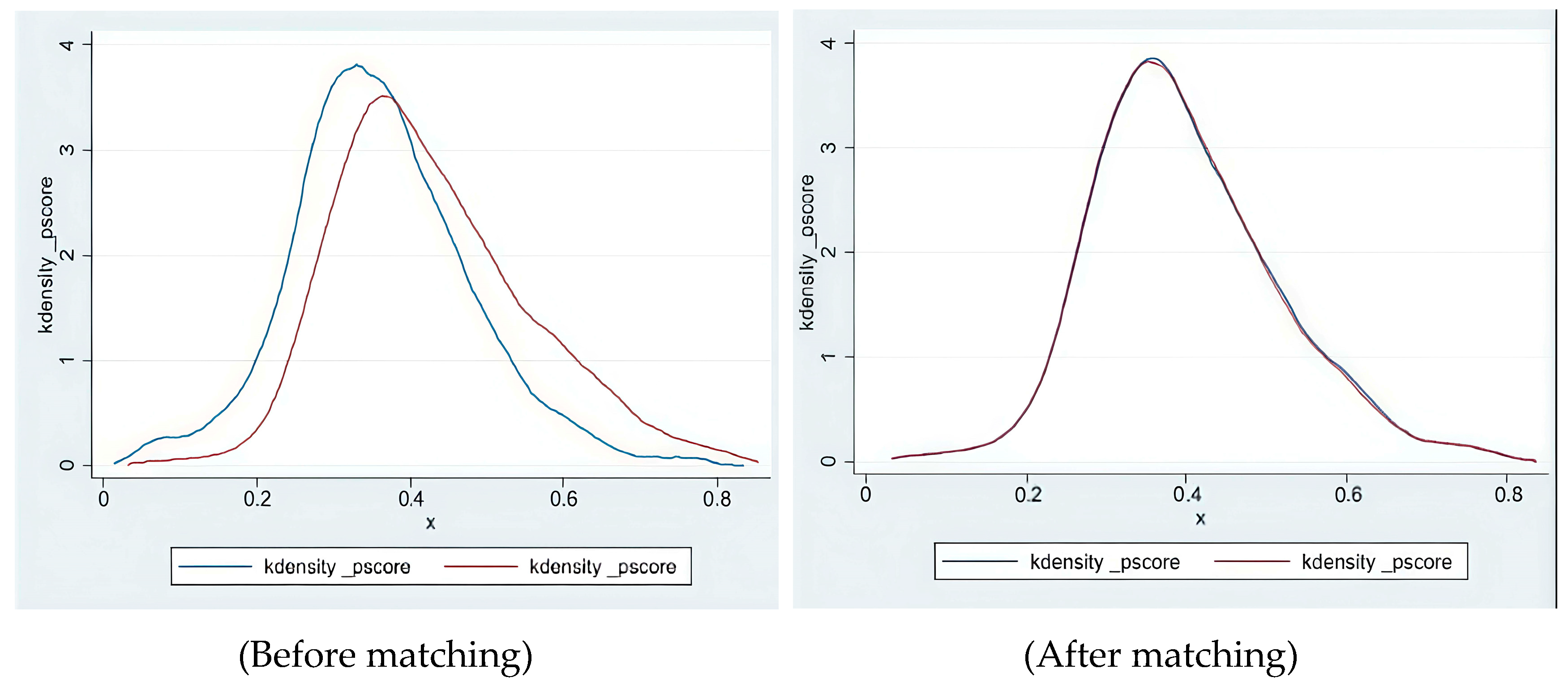
Figure 1. Propensity Score Matching Results.
Admsci 15 00483 g001
Table 1. Definition and Measurement of Key Research Variables.
Variable TypeVariable NameVariable SymbolMeasurementDefinition
Dependent VariablePay Gap GapRatio of average executive pay (AMP) to average employee pay (AEP)Represents the internal wage disparity within the firm, capturing how executive compensation compares to that of ordinary employees
Core Independent VariableESG Performance HZ_ESGHuaZheng ESG ratingMeasures the firm’s performance in environmental, social, and governance dimensions, reflecting its sustainability and social responsibility efforts
Mediating VariablesSalary Incentives SalaryLogarithm of total executive pay plus 1Reflects the scale of executive compensation used as incentives, aligning management goals with corporate objectives
Corporate Financialization FinratioRatio of financial assets to total assetsIndicates the degree to which the firm allocates resources to financial activities instead of core operations
Moderating VariablesCharitable Donation Phi_DDonation = 1, No donation = 0Captures whether the firm engages in charitable activities, reflecting its social responsibility commitment
Management Fee Ratio MfeeRatio of management expenses to operating incomeServes as a proxy for agency costs, indicating the proportion of expenses allocated to management relative to operational output
Control VariablesCompany Size SizeNatural logarithm of total assetsReflects the scale of the firm’s operations, commonly used to control for size-related effects in corporate performance analysis
Debt-to-Asset Ratio LevYear-end total liabilities divided by year-end total assetsIndicates the firm’s leverage level, measuring the proportion of assets financed by debt
Return on Equity ROENet profit divided by average shareholders’ equityMeasures the firm’s profitability relative to shareholder investment, indicating financial performance
Revenue Growth RateGrowthCurrent year’s revenue divided by previous year’s revenue minus 1Captures the firm’s annual sales growth, reflecting operational expansion or contraction
Top 10 Shareholders’ Holding Ratio TOP10Number of shares held by the top 10 shareholders divided by total sharesMeasures ownership concentration, indicating the level of control exerted by major shareholders
Dual Role of Chairman and CEO Dual1 if the chairman and CEO are the same person, otherwise 0Indicates governance structure, specifically whether there is role overlap between board leadership and executive management
State-Owned EnterpriseSOE1 for state-controlled enterprises, otherwise 0Classifies firms by ownership type, distinguishing between state-owned and non-state-owned enterprises
Net Profit Margin NetProfitNet profit divided by operating incomeIndicates the firm’s profitability relative to its total revenue, measuring operational efficiency
Number of Directors BoardNatural logarithm of the number of board directorsMeasures board size, which may affect governance effectiveness and decision-making processes
Regional Per Capita GDP lnGDP_perNatural logarithm of per capita GDPCaptures regional economic development level, providing contextual control at the macroeconomic level
Proportion of Tertiary Industry Output in the Province InstTertiary industry output divided by regional total outputMeasures the share of the service sector in the regional economy, indicating economic structure and development characteristics
Table 2. Descriptive statistics of variables.
VarNameObsMeanSDMinMedianMax
Gap23,7135.33323.8430.514.2825.34
HZ_ESG23,7134.14991.1211.004.008.00
Size23,71322.27281.27719.5822.0926.45
Lev23,7130.41910.1990.050.410.91
ROE23,7130.06420.130−0.930.070.44
Growth23,7130.17510.406−0.660.114.02
TOP1023,71358.540714.77521.9359.2790.97
Dual23,7130.28670.4520.000.001.00
SOE23,7130.34410.4750.000.001.00
NetProfit23,7130.06780.181−1.570.070.54
Board23,7132.11710.1941.612.202.71
lnGDP_per23,71311.09340.46610.0011.0412.16
Inst23,7131.82491.1280.671.355.28
Table 3. Benchmark regression results.
(1)(2)(3)(4)(5)
GapGapGapGapGap
HZ_ESG0.4292 ***0.1000 ***0.0919 ***0.1000 ***0.0919 ***
(20.9780)(5.6276)(5.1528)(5.6276)(5.1528)
Controls FEYESYESYESYESYES
ID FENONONOYESYES
Year FENONOYESNOYES
Constant3.4221 ***−12.7840 ***−16.4893 ***−12.7840 ***−16.4893 ***
(38.9365)(−11.9093)(−5.7400)(−11.9093)(−5.7400)
N 23,71323,71323,71323,71323,713
R20.018−0.139−0.132−0.139−0.132
(notes: t statistics in parentheses, *** p < 0.01).
Table 4. Policy shocks.
VARIABLESGap
HZ_ESG0.203 ***
(0.021)
treat0.381
(0.284)
HZ_ESG_treat0.091
(0.067)
Controls FEYES
ID FEYES
Year FEYES
Constant−17.268 ***
(0.744)
N23,713
R20.141
(notes: t statistics in parentheses,*** p < 0.01).
Table 5. Instrumental variable method.
(1)(2)
firstsecond
VARIABLESHZ_ESGGap
fund0.004 ***
(4.22)
HZ_ESG 3.919 ***
(3.96)
Controls FEYESYES
ID FEYESYES
Year FEYESYES
Constant−0.8840.584
(−0.69)(0.11)
N22,86422,864
R20.6270.253
(notes: t statistics in parentheses, *** p < 0.01).
Table 6. Propensity score matching method.
Gap
HZ_ESG0.0862 ***
(2.8979)
Controls FEYES
ID FEYES
Year FEYES
Constant2.2869
(0.4299)
N11,532
R20.719
(notes: t statistics in parentheses, *** p < 0.01).
Table 7. Robustness test results.
(1)(2)(3)(4)(5)
GapGapGap_1Gap_2Gap
HZ_ESG 0.0087 **0.0904 ***
(2.3379)(3.4098)
ESG_PB0.0504 ***
(7.2447)
L.HZ_ESG 0.0103
(0.5232)
Wind_ESG 0.0761 *
(1.8846)
Controls FEYESYESYESYESYES
ID FEYESYESYESYESYES
Year FEYESYESYESYESYES
Constant−25.8231 ***−12.9869 ***5.1982 ***−27.8366 ***−16.8893 ***
(−4.6027)(−2.7435)(8.6498)(−6.4541)(−5.1654)
N 843112,77122,83622,95619,377
R2−0.100−0.3610.199−0.129−0.148
(notes: t statistics in parentheses, * p < 0.1, ** p < 0.05, *** p < 0.01).
Table 8. Test results of action mechanism.
(1)(2)(3)(4)
SalaryGapFinratioGap
HZ_ESG0.004 ***0.0600 ***0.002 ***0.209 ***
(4.7332)(3.6177)(2.5841)(10.29)
Salary 2.8599 ***
(103.7944)
Finratio 1.508 ***
(5.70)
Controls FEYESYESYESYES
ID FEYESYESYESYES
Year FEYESYESYESYES
Constant7.536 ***−30.2919 ***0.301 ***−17.554 ***
(2.4989)(−49.4214)(2.9642)(−23.63)
N 23,68823,56823,71323,294
R20.7890.4090.7000.14
(notes: t statistics in parentheses, *** p < 0.01).
Table 9. Mediation Effect Test Results.
Salary Incentive PathCorporate Financialization Path
Indirect Effect0.0114 ***0.0030 ***
95% CI [0.0041, 0.0188][0.0010, 0.0055]
Direct Effect0.0486 ***0.2060 ***
95% CI [0.0352, 0.0621][0.1925, 0.2195]
Total Effect0.0600 ***0.2090 ***
95% CI[0.0466, 0.0735][0.1955, 0.2225]
Bootstrap Reps10001000
(notes: *** p < 0.01. Bootstrap confidence intervals are bias-corrected).
Table 10. Results of heterogeneity analysis.
State-Owned EnterprisesNon-State-Owned EnterprisesManufacturingNon-Manufacturing Sector
GapGapGapGap
HZ_ESG0.092 ***0.114 ***0.111 ***0.068 **
(0.031)(0.022)(0.022)(0.031)
Controls FEYESYESYESYES
ID FEYESYESYESYES
Year FEYESYESYESYES
Constant−4.445−15.711 ***−18.384 ***0.857
(4.677)(4.207)(4.413)(4.791)
N8166.00015,547.00015,672.0008041.000
R20.2180.3260.3020.174
(notes: t statistics in parentheses, ** p < 0.05, *** p < 0.01).
Table 11. Moderating effect.
(1)(2)(3)(4)
GapGapGapGap
HZ_ESG0.1713 ***0.2035 ***0.2035 ***0.2277 ***
(6.2556)(6.4310)(9.9939)(10.7115)
Phi_D0.1169 *0.7042 **
(1.8940)(2.3798)
ESG_Phi_D −0.1247 **
(−2.0293)
Mfee −0.7309 **
(−2.1236)
ESG_Mfee −0.3001 ***
(−3.4505)
ControlsYESYESYESYES
ID FEYESYESYESYES
Year FEYESYESYESYES
Constant−17.7412 ***−17.9117 ***−17.5070 ***−17.3485 ***
(−23.7530)(−23.8324)(−22.9056)(−22.8563)
N23713237132371323713
R20.1370.1370.1370.137
(notes: t statistics in parentheses, * p < 0.1, ** p < 0.05, *** p < 0.01).
Table 12. Sub-dimensions of ESG rating affect the income gap.
(1)(2)(3)
VARIABLESGapGapGap
E0.0662 ***
(0.0231)
S −0.014
(−0.44)
G 0.092 ***
(2.99)
ControlsYESYESYES
ID FEYESYESYES
Year FEYESYESYES
Constant−10.13 *−6.682−11.330 *
(5.864)(−1.07)(−1.91)
N213821582161
R20.0570.0550.054
(notes: t statistics in parentheses, * p < 0.1, *** p < 0.01).
Disclaimer/Publisher’s Note: The statements, opinions and data contained in all publications are solely those of the individual author(s) and contributor(s) and not of MDPI and/or the editor(s). MDPI and/or the editor(s) disclaim responsibility for any injury to people or property resulting from any ideas, methods, instructions or products referred to in the content.



