Article

Regurgitated Bird Pellets as Tools to Assess Microplastics in the Environment

by
Loris Pietrelli
1,*,
Patrizia Menegoni
2,
Pietro Giovacchini
3 and
Corrado Battisti
4
1
Legambiente, Scientific Committee, Via Salaria 404, 00199 Rome, Italy
2
ENEA (Agenzia Nazionale per le Nuove Tecnologie, l’Energia e lo Sviluppo Economico Sostenibile), CR Casaccia, Via Anguillarese 301, 00123 Rome, Italy
3
Physical, Earth and Environmental Sciences Department, University of Siena, Via Mattioli 4, 53100 Siena, Italy
4
‘Torre Flavia’ Long Term Ecological Research Station Rome, Città Metropolitana di Roma Capitale, 00144 Rome, Italy
*
Author to whom correspondence should be addressed.
Environments 2026, 13(7), 364; https://doi.org/10.3390/environments13070364
Submission received: 12 April 2026 / Revised: 8 June 2026 / Accepted: 17 June 2026 / Published: 24 June 2026

Abstract

Plastic pollution in terrestrial and freshwater environments and its accumulation along food chains has been poorly studied in birds. In this paper we reported evidence of microplastic (MP) contamination in pellets collected in rural and urban sites for a set of species: common kestrel, Falco tinnunculus; great cormorant, Phalacrocorax carbo; barn owl, Tyto alba; little owl, Athene noctua; long-eared owl, Asio otus; Eurasian scops owl, Otus scops; European bee-eater, Merops apiaster; and little egret, Egretta garzetta. A total of 559 pellets were collected and analyzed; among them, 78 microplastics were found on 77 pellets (13.8% compared to the total number of pellets sampled). The following polymers were recorded: polyvinylchloride (PVC), polyethylene (PE), expanded polyester (EPS), polyethylene terephthalate (PET), polybutylene terephthalate (PBT), polyester (PES), polymethyl acrylate (PMA), rubber, and starch-based biopolymer. We found significantly higher MP frequency in the most anthropized site. Pellets with the highest number of microplastics were those produced by Falco tinnunculus, Asio otus, and Tyto alba, with 30.0%, 29.6%, and 27.1%, respectively. Of a total sample of 78 MP items, 59.0% are represented by fibers, 23.1% by fragments and 17.9% by films. Among the microplastics, fragments of balloons (in a remote area) and biopolymer shopping bags were found. Our results suggest that pellet analysis may represent a cost-effective method for monitoring MP contamination along food chains in terrestrial ecosystems.

1. Introduction

Microplastics (MPs), defined as synthetic plastic particles smaller than 5 mm, have become ubiquitous contaminants in terrestrial, freshwater, and marine ecosystems due to the extensive production, the environmental persistence of plastics and, especially, the inadequate management of municipal solid waste. These particles originate either from the fragmentation of larger plastic items (secondary MPs), driven by photochemical, microbial, or mechanical degradation processes [1,2,3], or are intentionally manufactured at small sizes (primary MPs) for industrial applications and consumer products, such as cosmetic microbeads [4]. Additives, such as flame retardants and stabilizers (which can contain high levels of heavy metals), that are incorporated into plastic during manufacture have been shown to have harmful effects on organisms, including birds [5,6].
Microplastics can be transported over long distances by wind from urban and industrial point sources and subsequently deposited via rain or snow, even in remote ecosystems. Their presence has been documented in areas considered pristine, including Antarctica [7] and Mount Everest [8]. As expected, microplastic concentrations tend to be higher in areas with strong anthropogenic influence, such as urbanized and industrial regions. For example, atmospheric fallout studies conducted in Paris and Hamburg reported microplastic deposition rates of up to 355 and 275 particles m−2 day−1, respectively [9,10].
Considering the similarities between plastic debris and real food, plastic has also been detected in the digestive tracts and tissues of a wide range of marine and terrestrial organisms, highlighting their pervasive distribution and bioavailability across ecosystems [11,12]. Despite growing awareness, large quantities of plastic continue to enter the environment each year due to insufficient improvements in waste management practices. Moreover, monitoring microplastic pollution remains challenging because of the small size of the particles, their heterogeneous distribution, and the diversity of their sources.
In this context, biological indicators—organisms or biological materials that reflect environmental contamination—represent valuable complementary tools to conventional environmental sampling methods. Among these, regurgitated pellets from birds have emerged as promising bioindicators for assessing microplastic contamination and ecosystem exposure [13,14]. Many bird species, particularly seabirds and raptors, regularly regurgitate indigestible materials in the form of pellets. These pellets typically contain bones, feathers, fur, and other resistant dietary components, and may also include anthropogenic debris such as microplastics. For these latter species, different feeding habits also highlight behavioral differences in habitat choice, especially between urban and non-urban environments, leading, for example, to the detection of different approaches in waste management processes [15].
Birds may ingest microplastics either directly from the environment or indirectly through contaminated prey; the amount of plastic in the pellets reflects the ingestion over a short-time period [13]. As a result, pellets function as concentrated, integrative samples that reflect both direct and trophic pathways of exposure, providing biologically meaningful information on microplastic distribution and bioavailability. Because pellets accumulate ingested material over time, they can serve as non-invasive records of environmental microplastic exposure [13,14].
The use of bird pellets as indicators of microplastic contamination has been demonstrated in several studies and offers multiple advantages: they are easily collected, involve non-invasive sampling with little stress to the animals (e.g., stomach content analysis is invasive and, in some cases, requires the killing of the specimen), can be repeatedly sampled across seasons and years, and are often abundant beneath nesting sites, roosts, and feeding perches. Furthermore, pellet analysis is cost-effective and can be readily implemented. Laboratory techniques, including density separation and spectroscopic analyses, allow for the identification of microplastic polymer types, shapes, and sizes, enabling more detailed source attribution.
Previous research about plastic pollution and its impact on fauna is predominantly focused on the marine environment [16,17,18]; to date, studies on terrestrial ecosystems are scarce and should be implemented to deepen the knowledge regarding the spread of an emerging pollutant such as microplastics [19].
Based on the analysis of microplastic content in pellets produced by different bird species, the aim of this study is to evaluate the suitability of avian pellets as bioindicators for monitoring the distribution and spread of microplastics in the environment. Here, we carried out an analysis on pellets of eight bird species, some of which (n=5) have been investigated little or not at all, in this regard.

2. Materials and Methods

2.1. Pellet Collection and Treatment

In the sampling sites, pellets were collected (from 2018 up to 2026) under the winter roosting or breeding sites, using sterile containers, gloves and masks. When possible (e.g., for great cormorant, Phalacrocorax carbo, and egret, Egretta garzetta), the pellets were collected on the branches of the trees that hosted the individuals, and not on the ground, to avoid contamination. In Table S1, the coordinates of the sampling localities are reported.
The sampling sites where the pellets were collected were mainly located in the central part of Lazio. Only one site (Canale Monterano) was used for two consecutive years to collect pellets produced by two species: Tyto alba and Falco tinnunculus (Table 1).
Once collected, structurally intact pellets were coded, wrapped in aluminum foil and transported in plastic bags to the laboratory. Once they arrived at the laboratory, pellets were dried in an oven at 40 °C for 24 h to prevent fungal growth and individually stored. After drying, the undigested remains were mechanically fragmented in glass Petri dishes. The samples were examined under a microscope (Leica DM750; Wetzlar, Germany) at 20–40× magnification, equipped with a digital HD camera (Leica ICC50HD; Wetzlar, Germany), to identify and separate microplastics (MPs) from the chitinous material.
The remaining material was subsequently treated using a Fenton-like oxidative process to extract MPs that were not detected during the preliminary microscopic inspection. This oxidative reaction is commonly used to remove organic matter from wastewater and biomass adhering to polymeric materials [20]. The treatment solution was prepared by adding FeSO4 as a catalyst to a 30% hydrogen peroxide (H2O2) solution at pH < 4. For each extraction, 3–5 pellets (depending on their size) were treated, and a magnetic stirrer was used to homogenize the solution. After oxidation, the samples were centrifuged at 3000 rpm to separate the exhausted solution from the insoluble material. MPs contained in the solid fraction were then isolated by density separation using a saturated sodium chloride solution. The insoluble residue was centrifuged again and, after drying at 50 °C for 2 h, was further examined under a microscope.
In some cases, processing the pellets was particularly problematic due to the excessive amount of hair present. Some kestrel pellets were difficult to dissolve unless large amounts of reagents were used for a long time. Therefore, in some cases, we simply fragmented the pellets as much as possible and analyzed the fragments under a microscope. The benefit in terms of additional microplastics found is not proportional to the effort required for treatment (one fiber over 10 pellets was lost).
All collected plastic items were thoroughly rinsed with deionized water, dried, and stored in glass Petri dishes before their characterization.

2.2. Polymer Characterization

In the present study, plastic fragments with dimensions smaller than 0.2 mm were not included in the analytical procedure, as their size falls below the instrumental detection threshold (approximately <0.3 mm). The characterization of microplastic particles was primarily based on the identification of the main chemical constituents of the polymer matrix. To this end, samples were analyzed by Fourier Transform Infrared Spectroscopy (FTIR), employing a Thermo Fisher Scientific Nicolet iS5 6700 spectrophotometer (Waltham, MA, USA).
Spectral measurements were performed in attenuated total reflection (ATR) mode, using a single-reflection ATR accessory (Golden Gate Single Reflection ATR System), which enables direct analysis of solid samples with minimal preparation. For each individual particle, FTIR spectra were recorded over a spectral range extending from 4000 cm−1 to 550 cm−1, with a resolution of 4 cm−1. To improve signal quality and reproducibility, 20 scans were accumulated and averaged for each measurement.
Polymer identification was achieved through comparison with reference spectra available in the instrument’s database, using OMNIC Specta Software (version 2.1.175). A match score equal to or greater than 85% was considered indicative of reliable correspondence between the analyzed sample and reference materials [21].
As a consequence of degradation phenomena, notable modifications can be observed in the FTIR spectra, particularly in the form of newly appearing absorption bands. Specifically, peaks emerge in the region between 3300 and 3400 cm−1, associated with hydroxyl groups (–OH), as well as in the range of 1650–1800 cm−1, corresponding to carbonyl functional groups (C=O), which are characteristic of ketones, carboxylic acids, and esters, typically centered around 1715 cm−1 in saturated compounds. Additional signals are detected between 1600 and 1680 cm−1 and at approximately 909 cm−1, attributable to carbon–carbon double bonds (C=C), along with bands in the 1000–1250 cm−1 region, related to ether groups (C–O–C).
The formation of carbonyl groups is widely recognized as a marker of oxidative processes affecting polyolefins, contributing to the acceleration of polymer degradation. On this basis, the extent of degradation of polyethylene (PE) and polypropylene (PP) was quantitatively assessed through the calculation of the carbonyl index (CI), defined as the ratio between the absorbance at 1720 cm−1 (associated with the stretching vibration of the carbonyl group, C=O) and that at 722 cm−1, used as an internal reference band [21,22].
The CI values were determined by averaging the results obtained from at least ten randomly selected microplastic particles composed of PE and PP, thereby ensuring statistical robustness and representativeness of the dataset.

2.3. Quality Assurance and Contamination Control

Strict contamination control during field collection and laboratory processing is essential to avoid confounding results, such as contamination from airborne particles or soil [23]. Moreover, the interpretation of pellet data must therefore consider species-specific behavior and the ecological context to avoid overgeneralization. Anyway, to prevent MP contamination, all laboratory procedures were conducted using clean cotton laboratory coats, nitrile gloves, glass and stainless-steel equipment. People working in the laboratory were kept to a minimum. Laboratory surfaces and equipment were cleaned using 70% ethanol and rinsed with distilled water prior to use. During sample processing, beakers filled with distilled water were placed near the working area to detect potential airborne contamination. Prior to use, filters were inspected by a stereomicroscope to ensure the absence of plastic particles. During the stereomicroscope observation of samples, a clean and uncovered Petri dish containing a clean filter was positioned near to the operator to detect airborne MP deposition. Additionally, to prevent airborne contamination, all Petri dishes containing plastic items were immediately covered with aluminum foil after use. These measures ensure the correctness of the procedures adopted and the correctness of the analytical results.

2.4. Statistical Analyses

We compared the percentage frequency among MP categories and habitat types using the χ2 test with n − 1 degrees of freedom, where n represents the number of compared cases. The analysis was performed only for groups including more than five items, to ensure the reliability and robustness of the statistical comparison. This approach allowed us to evaluate whether the distribution of MP categories significantly differed among the considered habitat types and to identify potential patterns in their occurrence.

2.5. Review on Previous Experiences

To obtain information on microplastic and pellet correlation, we carried out a short review of the peer-reviewed literature. However, this review is not intended to be exhaustive; it only aims to highlight similar studies. Keyword searches were performed on Web of Science, Google Scholar, and ResearchGate including the English and scientific names of the selected bird species or groups. Keywords relating to MPs into the pellets included: microplastic and the polymer name (as well as polyethylene, polypropylene, PET, etc.), pellets, plastic ingestion and marine debris. The reference lists of previous papers were also considered.

3. Results and Discussion

3.1. Analyses at Single Species Level

A total of 559 pellets produced by eight species of birds common in both aquatic and terrestrial ecosystems were collected and analyzed: common kestrel, Falco tinnunculus; great cormorant, Phalacrocorax carbo; barn owl, Tyto alba; little owl, Athene noctua; long-eared owl, Asio otus; Eurasian scops owl, Otus scops; European bee-eater, Merops apiaster; and little egret, Egretta garzetta.
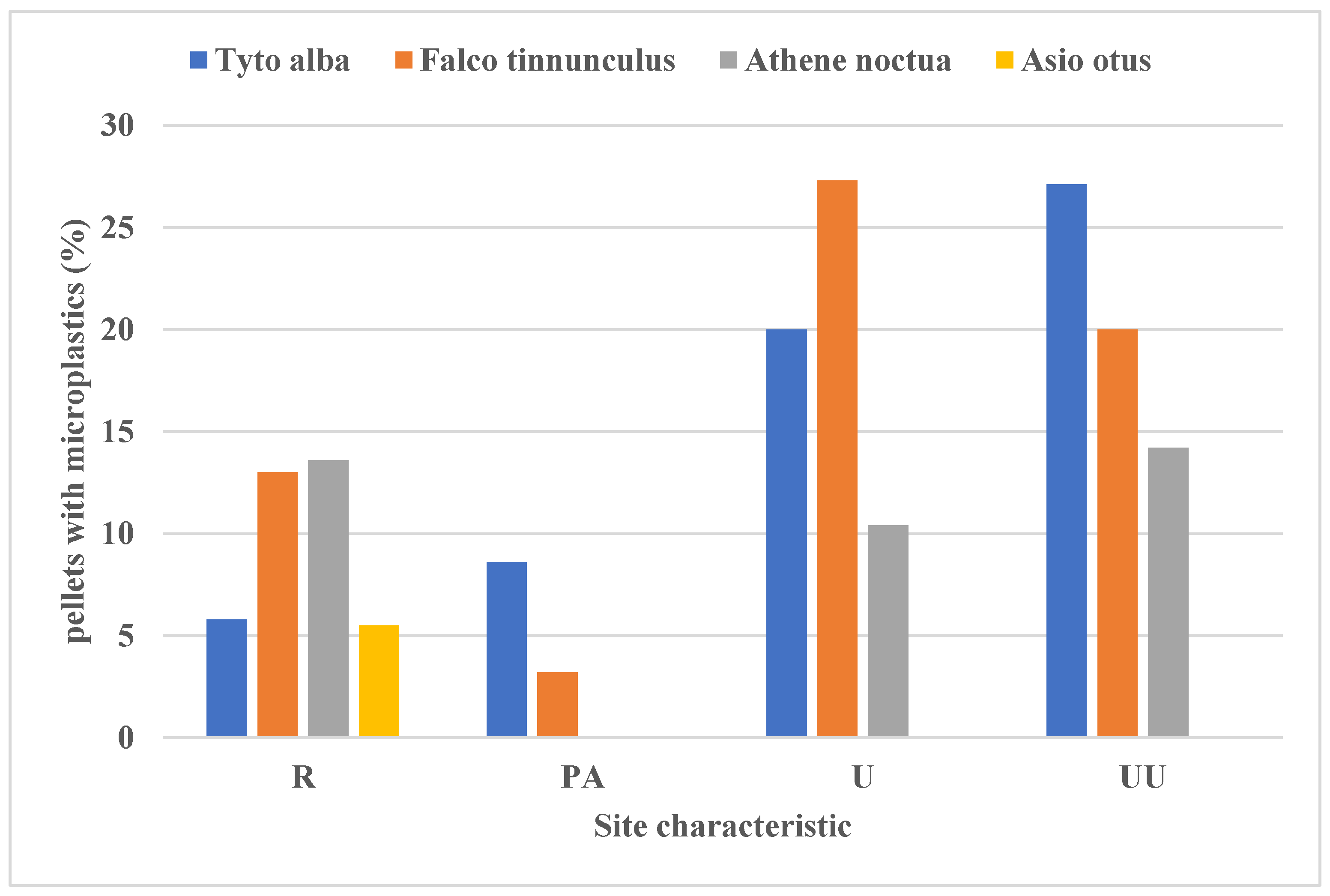
A total of 78 microplastics were found on 77 pellets (13.8% compared to the total number of pellets sampled). In Table 1, the characterization results of the MPs are reported. The pellets with the highest number of microplastics were those produced by Falco tinnunculus, Asio otus and Tyto alba, with 30.0%, 29.6%, and 27.1%, respectively. These are two nocturnal birds of prey and a diurnal bird of prey whose pellets were collected in an urban environment where a greater diffusion of microplastic pollution is foreseeable [14]. Figure 1 shows the comparison for different types of sampling sites in terms of percentage of pellets containing microplastics. The difference between urbanized areas and protected or rural areas can be observed. Interpreting the differences between urban and rural areas leads to important ecological and biological considerations: for example, thanks to their incredible adaptability, some species (Falco tinnunculus and Tyto alba) have learned very well to exploit urbanized and anthropized environments. They have found buildings and residential areas to be a valid substitute for their natural habitat. This has led them, above all, to exploit the numerous resources offered by residential areas. Of a total sample of 78 MP items, 59.0% are represented by fibers, 23.1% by fragments and 17.9% by films, with a significant difference between frequencies (χ2 = 36.53, p < 0.001). At the single species level (only considering species with >15 items), in Tyto alba (n = 27 MP items), fibers appear dominant (70.4%), significantly more frequent than fragments (25.9%) and films (3.7%; χ2 = 28, p < 0.001); similar results were found in Falco tinnunculus (fibers: 57.2%; film: 23.8%; and fragments 19.0%; χ2 = 7.2, p < 0.05). The greater presence of microfibers in the pellets of various bird species compared to other types of microplastics has been highlighted in most of the scientific papers consulted.
As expected, the most common polymers are polyethylene (PE) (31.9%) and polypropylene (PP) (19.4%), which are the most produced and used materials.
  • Great cormorant, Phalacrocorax carbo
Cormorants are frequently exposed to microplastics through the consumption of contaminated fish and, to a lesser extent, ingestion of nesting material. This species is known to regurgitate pellets daily; therefore, the collected pellets represent the short-term situation and the ingestion often occurs near urbanized areas.
In the present study, pellets were collected in a winter roost located on some trees along the shores of Lake Bracciano where many people live (up to 40,000 people), and according to some research activities carried out within the framework of the European project Life Blulakes, in some areas of the lake surface over 500,000 MPs/km2 (unpublished data) have been found. This data could represent a baseline for the presence of microplastics. In total, 50 pellets were collected and analyzed, of which 4 (8.0%) contained microplastics and one of them contained two polyethylene fragments as reported in Table 1. There is little data regarding the presence of microplastics in pellets produced by this species. Of the 92 pellets analyzed, in Ireland, Acampora et al. [24] found that 3.2% contained plastic litter, including fragments, film, and expanded polystyrene (EPS) fragments while the MP occurrence in chick regurgitates was 7.1% (n = 28) [25], demonstrating that MPs are present in many species during their entire life cycle.
A microplastic was probably ingested while eating a whitefish, as an otolith belonging to this species was found; in fact, otoliths are species-specific [26]. Black and white are the most abundant (33.3 and 50.0% respectively), while 66.7% of the microplastics are polyethylene films. Color and shape preferences for ingested MPs were observed in experiments carried out using goldfish, Carassius auratus (a freshwater fish), by Xiong et al. [27] and both the colors and the shape correspond to what was observed.
  • Barn owl, Tyto alba
The barn owl (Tyto alba) is an opportunistic and nocturnal apex predator feeding mostly on small mammals such as voles, mice, shrews and small rats. The species is highly territorial and therefore frequents the same portion of territory for many years both in winter and during the breeding season. This is why, by studying its diet through its pellets, it is possible to monitor the presence of other species such as small rodents or insects and similarly monitor the presence of microplastics and other pollutants. The species prefers mixed farming habitats and often can be found around farm buildings, the edge of villages and large urban parks [28,29]. Unfortunately for barn owls, frequenting urbanized environments also means being strongly exposed to anticoagulant rodenticides, heavy metals and pesticides.
This large diffusion over a territory, however, constitutes a valid reason for using the barn owl as a cost-effective method for monitoring MP contamination in terrestrial ecosystems. To confirm this hypothesis, the correlation between the number of microplastics found in pellets and the degree of urbanization has already been highlighted [14]. In this case too, a higher frequency of MPs was observed in pellets collected in more anthropized environments: a statistically significant difference was found (χ2 = 15.48; p < 0.01). Within 167 pellets collected in four sites, nine different polymer materials over 11 (81.8%) were found. Furthermore, all types of MPs, with a prevalence of microfibers (70.4%), were found (3.7% film and 25.9% fragments) (Table 1). The greatest number of microplastics (70.4%%) was found in the site with the highest degree of urbanization and in particular the highest number of microfibers (51.6%), confirming the correlation with the distribution of microplastics in the environment. Within the analyzed samples all colors were found. For comparison, in northern Italian agricultural ecosystems, Nessi et al. [30] found that the most frequently recorded polymers were PET (polyethylene terephthalate) (42.2%) and PAN (polyacrylonitrile) (26.5%) while microfibers and bright-colored MPs were mostly found. This extensive variability in the characteristics of microplastics is probably due to the variety of prey the barn owl feeds on.
  • Eurasian scops owl, Otus scops
The Eurasian scops owl is a small migratory nocturnal raptor that favors open woodlands in warm and dry environments, such as olive groves, oak forests, orchards, and cultivated areas with mature trees. It sometimes also inhabits urban areas and suburbs with gardens and parks with the availability of old trees. It feeds preferably on large insects such as moths, cicadas, grasshoppers and beetles during the breeding season [31]. It also hunts small vertebrates including lizards, geckos and frogs. Pellet characterisation revealed a very low occurrence of MPs, with only one white PET fibre detected (n = 33, 3.0%). Revise the text accordingly (Table 1). As far as we know, pellets produced by this species have never been analyzed for information regarding their microplastic content.
  • Common kestrel, Falco tinnunculus
The common kestrel is a small falcon inhabiting open areas, farmlands, roadsides and urban spaces, relying on open spaces for hunting. It is most frequent from sea level up to 2500 m. It feeds primarily small mammals, insects, birds and lizards [32]. Although the species frequents different habitats, contrary to what was observed for the barn owl, analyses show no significant differences in the distribution of microplastics between pellets collected in urbanized environments and those collected in rural environments (χ2 = 4.41, p = 0.37). The presence of small prey such as insects, lizards, etc., likely reduces the likelihood of finding MPs in the pellets.
Overall, 18.1% of the analyzed pellets contained MPs. Considering the polymer materials, 7 different polymers over 11 (63.6%) were found, with polyethylene accounting for 33.3% and microfibers accounting for 60.0% (Table 1). As far as we know, there are no other studies using pellets from this species to monitor microplastics. Another species of the genus Falco (Lesser kestrel, F. naumanni) has been used in Spain for this purpose: in particular, 62% of the pellets analyzed contained microplastics and the most detected were microfibers [33].
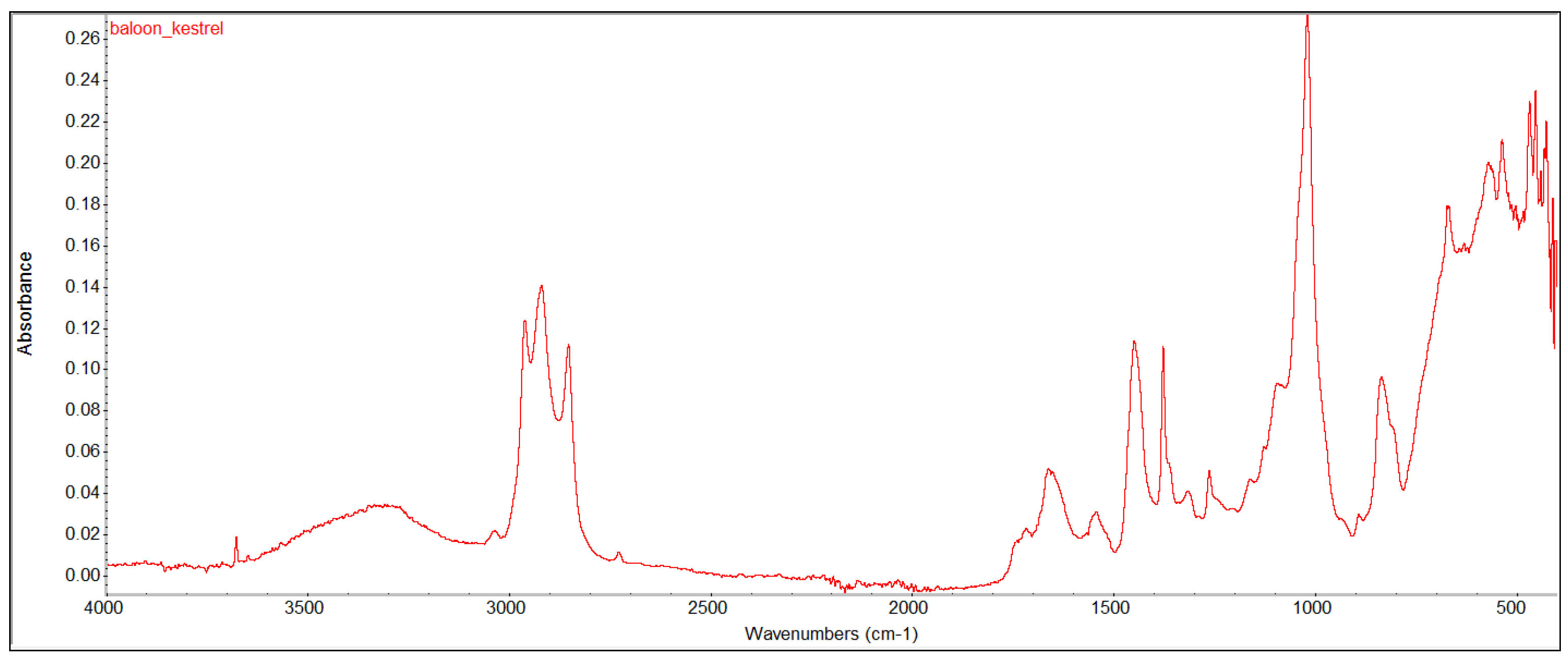
Among the characterized polymers, particularly interesting is the presence of a fragment of a balloon found in a pellet collected in a protected area (in Figure 2 the IR spectrum of the balloon polymer material is shown). Modern-day balloons are made from materials such as rubber, latex, polychloroprene, or nylon fabric, and can come in many different colors. Marine life (turtles, dolphins, whales) and birds frequently ingest balloon fragments, mistaking them for food (like jellyfish), which causes starvation and fatal blockages. Balloons can travel in the air, reaching the most remote locations and contributing to the impact associated with plastic items; therefore, it was not so unexpected to find a balloon fragment in a kestrel pellet found inside a natural park (Canale Monterano) far from densely populated sites. According to urban park monitoring, balloons were found every year in the range 0.36–1.85% [34] with a maximum density of 6.79 items/100 m2. Furthermore, the ingestion of balloons can cause the obstruction of some intestinal tracts, resulting in the death of the birds that have ingested them [35].
However, considering various factors, such as the species’ widespread distribution (it is a sedentary species that lives in various environments), and the variety of polymeric materials found, typologies, and colors (as reported in Table 1), the pellets produced by the common kestrel seem particularly suitable for environmental monitoring.
Of particular interest is the persistence of some polymers such as PVC whose monomer (vinyl chloride) has been classified as a Group 1 human carcinogen by major health and safety agencies (https://www.cancer.gov/about-cancer/causes-prevention/risk/substances/vinyl-chloride) (accessed on 23 May 2026). In particular, fragments of PVC were found at the same site for two consecutive years, as reported in Table 1: further confirmation of the usefulness of pellets as bioindicators.
  • Little owl, Athene noctua
The little owl is a small nocturnal bird of prey often associated with anthropogenic habitats including agricultural landscapes (farmlands, meadows, pastures, orchards) and urban and suburban habitats (villages and urban buildings). This bird is an opportunistic species that is known to feed on a wide variety of prey; however, the diet mainly consists of small rodents and large invertebrates (earthworms and insects) [36]. No significant difference was observed considering the sites (χ2 = 0.68, p = 0.66). The load of microplastics per pellet is 0.12 ± 0.04 lower than what was observed (1.59 ± 0.54) in rural and protected areas for the same species in Spain by Wayman et al. [33]. As observed for the kestrel, the fact that it preys on a high percentage of small prey probably influences the microplastic content. Note the lack of polymer films as reported in Table 1.
  • Long-eared owl, Asio otus
The long-eared owl is a nocturnal apex predator that feeds on small mammals, primarily voles and mice, and catches its prey in open fields and grassland near dense coniferous and mixed forests. The species is widely distributed in Europe and central Asia. In Italy, it is widely distributed across the country from sea level up to 1500 m and establishes its territory in heterogeneous habitats. Its various foraging schemes and varied distribution across territories make Asio otus vulnerable to microplastic bioaccumulation through its prey. It has social behavior in winter, forming communal roosts [37,38]. In addition to being easy to handle, the pellets from long-eared owls showed a difference in MP content between those collected in urban environments (29.6%) and those collected in rural areas (5.5%) (Figure 1). The gregarious behavior of the species in winter, especially with gatherings in urban spaces, could explain this difference, thanks also to the advantage that comes from sharing knowledge on areas with greater trophic resources. According to data reported in Table 1, fibers were found to be the most present (44.5%), although they were only present in pellets collected in urban environments. Regarding the polymer characterization, 6 out of 11 polymer materials were found; PE and PET were the most observed polymers. As a comparison, 86% of fibers were found in pellets collected in different habitats in Türkiye, while the most frequently identified polymers were PE, PP, PET and EVA (ethylene vinyl acetate) [39].
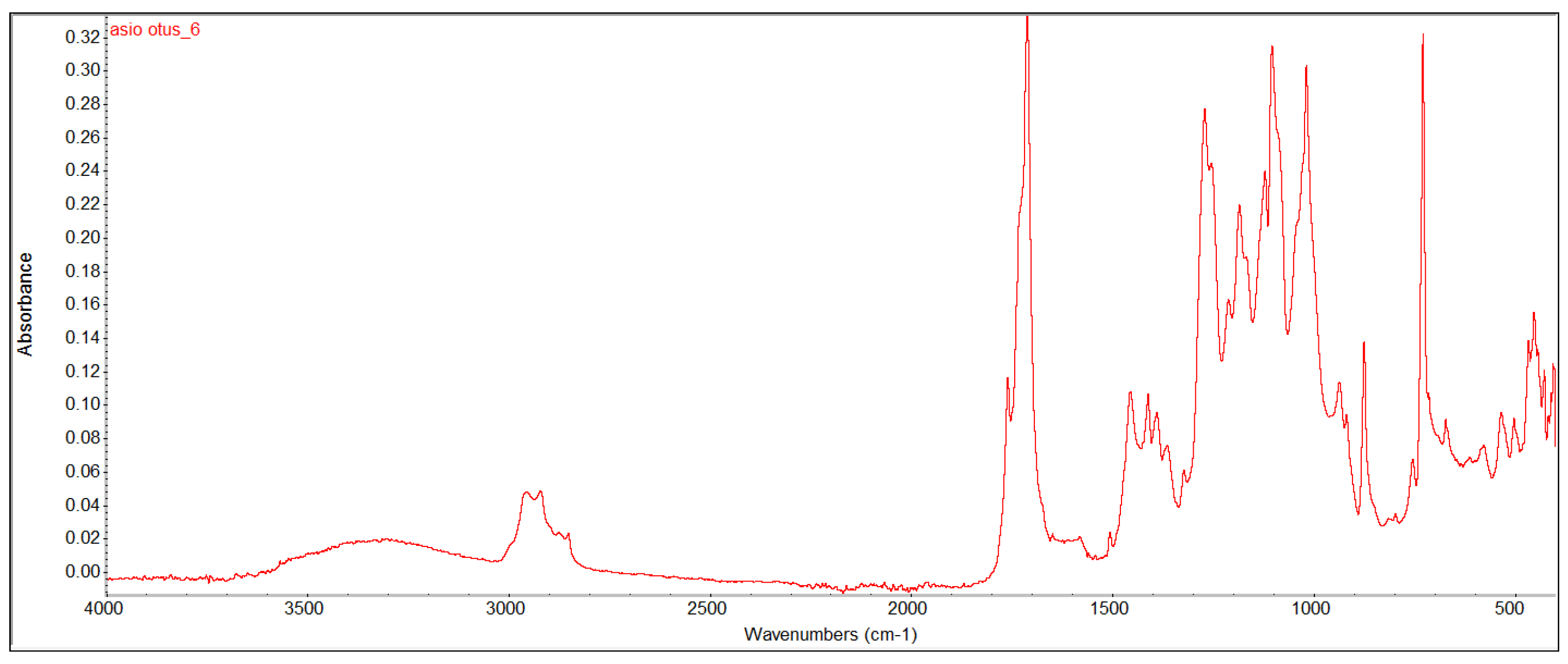
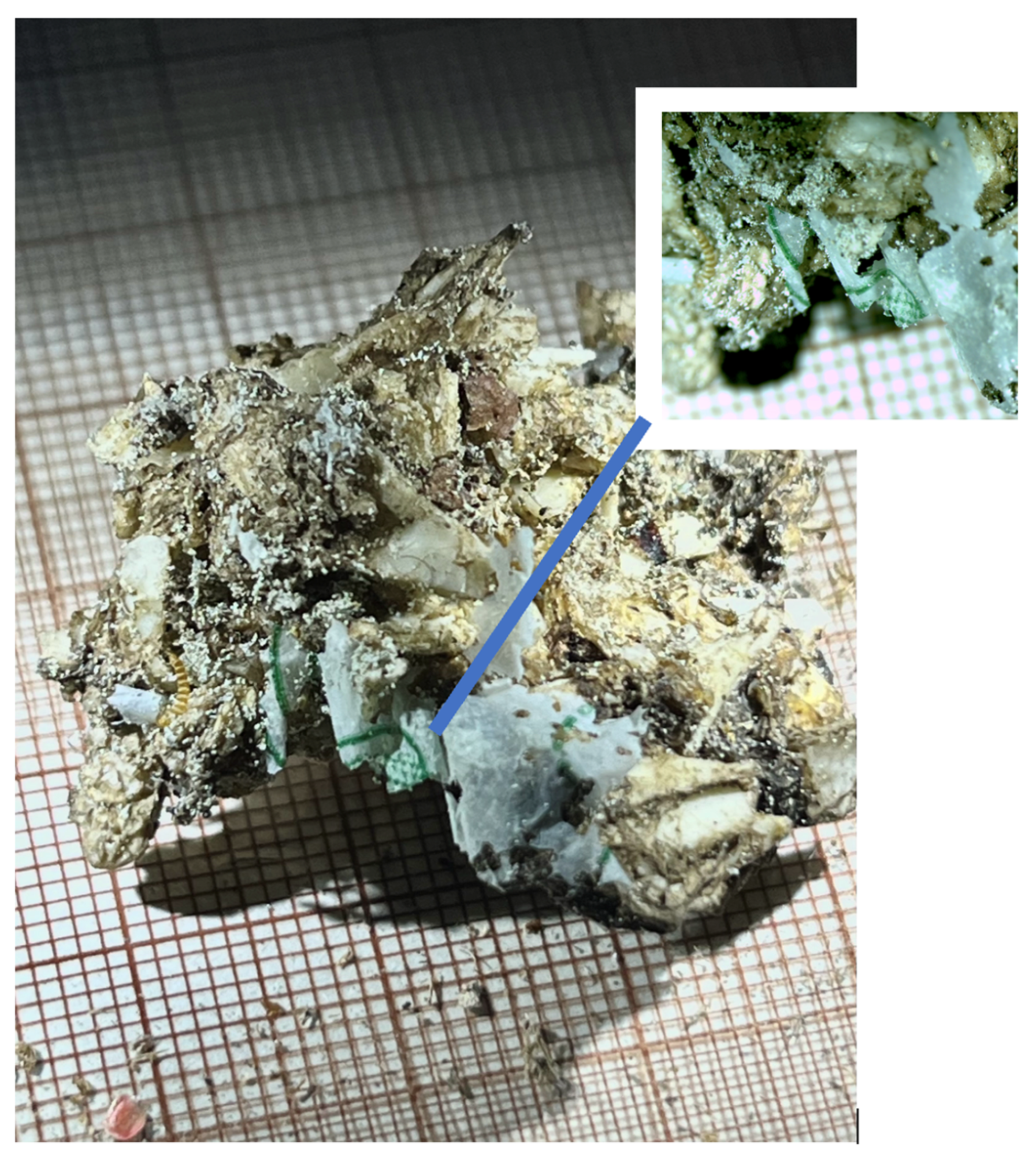
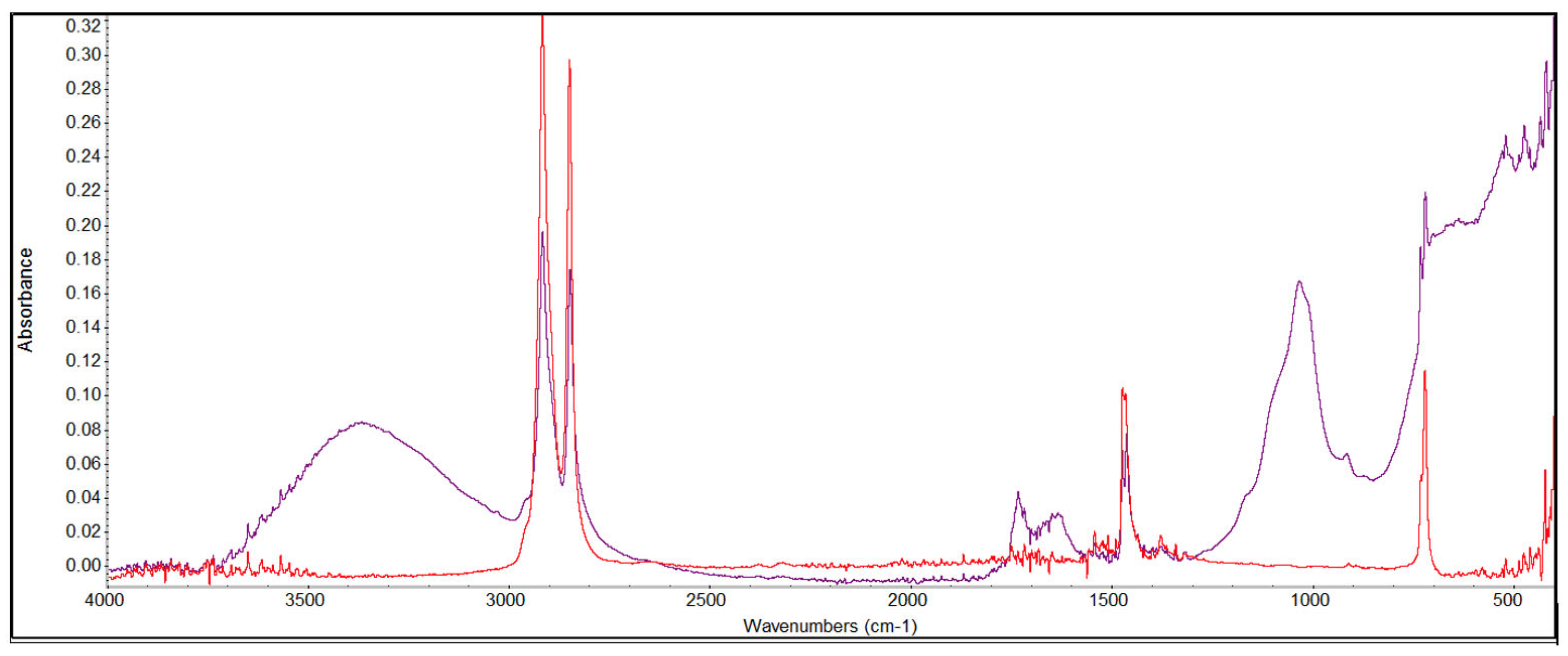
Biopolymers are increasingly recognized as sustainable and environmentally friendly alternatives to traditional petroleum-based plastics in packaging applications, owing to their biodegradability and lower carbon footprint. In addition, recent regulations are further encouraging their adoption. One pellet, collected in wintertime in an urbanized area, contained a biopolymer (starch-based, likely Mater-Bi®) as shown in Figure 3 and Figure 4. The FTIR spectra of starch-based bioplastic is dominated by bands indicating starch, thermoplastic starch, and synthetic polyesters like PBAT (polybutylene adipate terephthalate) or PCL (polycaprolactone). Key peaks include the carbonyl (C=O) group (~1710–1730), C-O-C stretches (~1020–1270), and a broad -OH stretch (~3300–3500).
  • European Bee-eater, Merops apiaster
The European bee-eater, Merops apiaster, is considered a foraging specialist for large flying insects, 80% or more of which are Hymenoptera, mainly bumblebees and other bees, including honeybees [40]. In our study, no microplastics were found in any of the 40 bee-eater pellets, as reported in Table 1; as far as we know, there is no data to make a comparison. However, considering that the bee-eater catches its prey in flight, it is unlikely that microplastics will be found in the pellets, which are useful for determining the species’ diet [41]. Therefore, the pellets of the species are not useful to monitor the presence of microplastics in the environment.
  • Little egret, Egretta garzetta
The little egret, a wading waterbird that is found worldwide, is a top predator and an opportunistic feeder that primarily consumes small fish, crustaceans, and aquatic insects in shallow wetlands. The species is often used to monitor environmental contaminants such as trace metals like mercury [42], while microplastic abundance has been assessed in fecal samples [43]. No study has been conducted considering the pellets of this species. In the collected and characterized samples, microplastics were found in 1.8% of the pellets. Among all the pellets characterized for all the bird species considered, one of those produced by the little egret contained a fragment of nylon. Furthermore, similarly to the other “aquatic” species (cormorant), the fibers are in the minority compared to the other types (Table 1).

3.2. Degradation Evidence

ATR-FTIR spectroscopy is a widely used technique for assessing the environmental degradation of polymers, as it enables the identification of changes in functional groups. The predominance of fibers and films among the most common plastic items suggests that most microplastics are of secondary origin, arising from the fragmentation and breakdown of larger plastic materials. Supporting this interpretation, carbonyl index values indicate that many plastic fragments originate from the degradation of macroplastics [4].
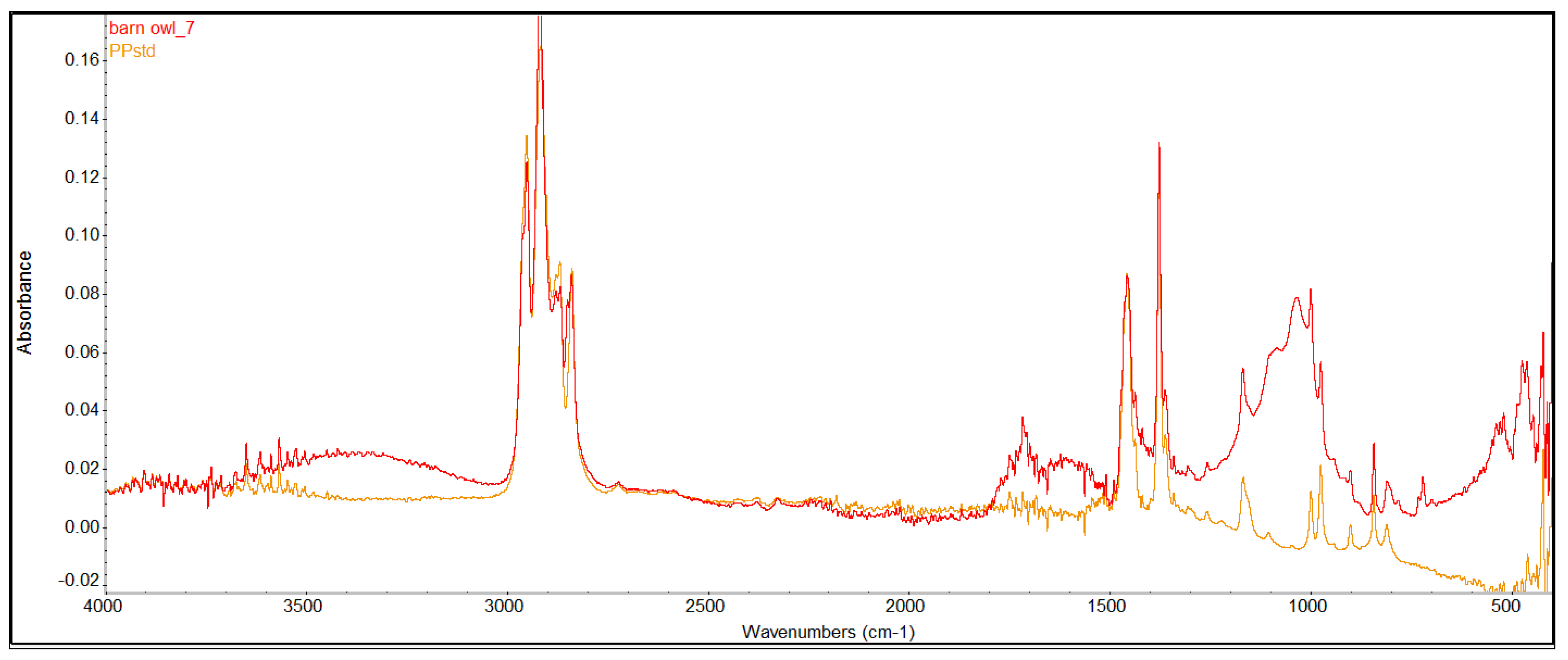
Overall, FTIR analysis showed that several polymer types, particularly polyethylene (PE) and polypropylene (PP), display clear evidence of environmental degradation due to prolonged exposure to environmental conditions (photodegradation, mechanical, biological processes). Figure 5 and Figure 6 show the comparison between the virgin polymer material and the degraded MPs. Structural changes observed in the FTIR spectra of degraded PE and PP are marked by multiple peaks: in the 3300–3400 cm−1 region, associated with hydroxyl groups (-OH); in the 1600–1800 cm−1 range, corresponding to carbonyl groups (C=O); and in the 1000–1250 cm−1 region, indicative of ether groups (C–O–C). The occurrence of these oxygen-containing groups results from photodegradation reactions driven by simultaneous exposure to sunlight and air. Additional evidence of advanced degradation stages is provided by the carbonyl index values, which range from 0.2 to 0.5 for polyethylene and from 0.3 to 0.6 for polypropylene, consistent with previously reported studies [21,44].

3.3. Previous Experiences

Pellets are particularly informative because they reflect what birds assimilate from their foraging environment. Plastics quantified in pellets represent only the most recent meal or those consumed within the previous 1–2 days [45]. Thus, pellets function as integrative samples, capturing both direct ingestion from environmental exposure and indirect ingestion via contaminated prey. As such, they provide a biologically meaningful indicator of microplastic distribution and bioavailability.
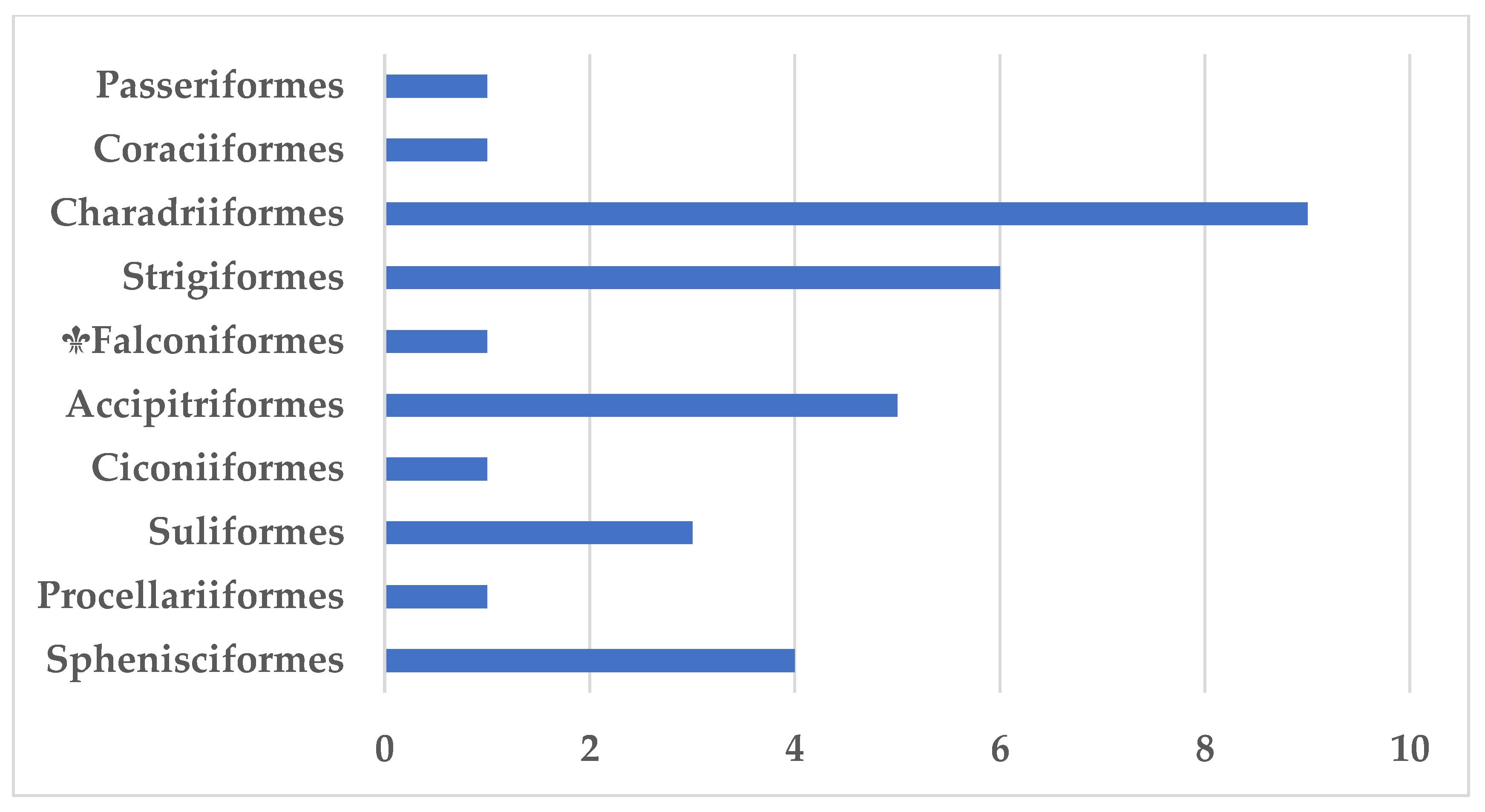
Studies using pellets to investigate plastic ingestion are increasing. Table 2 presents a brief review of previous studies that have employed pellets to evaluate the distribution of microplastics, while Figure 7 represents the taxonomic avian orders of employed species. Considering the 32 species examined, they are broadly distributed across their respective ranges. A clear prevalence of Charadriiformes (28.1%) emerges, many of which inhabit remote regions such as the Arctic and Antarctica, areas that remain relatively understudied.
Among raptor species, Strigiformes account for 18.8%, with Tyto alba being one of the most frequently used species. Overall, raptors comprise 37.5% of the species employed for microplastic biomonitoring. As long-lived apex predators with large hunting ranges, raptors are especially valuable for tracking the spatiotemporal trends of pollutants.
Given that plastic pollution levels are closely linked to proximity to human and commercial activities [72], species with broad diets and wide geographic distributions appear to be the most suitable for assessing the spread of microplastics in the environment. In these areas, rising average temperatures can also trigger the activation of reductive processes in microplastics, highlighting degradation phenomena [73].

3.4. Freshwater and Marine Ecosystems

Plastic has become a “hot topic” for aquatic ecosystems’ conservation considering that may detrimentally affect habitats and biota. Contamination by plastics is reported in all continents as can be observed from the scientific literature; therefore, as wide-ranging foragers and predators, aquatic birds are ideal sentinels for monitoring this phenomenon. To confirm this potentiality, in the anthropause during the recent COVID-19 pandemic, a reduction in microplastics in Neotropic cormorant (Nannopterum brasilianus) pellets was observed [49].
Research on freshwater species like the common kingfisher, Alcedo atthis, along the Ticino River in northern Italy demonstrated the presence of microplastics in regurgitated pellets (12 particles from at least three polymer types, polypropylene, polyethylene, polyurethane, in 7.5% of pellets), highlighting the importance of spectroscopic confirmation of plastic particles to avoid misidentification of natural fibers or debris [46].
Regarding marine species, European shag (Phalacrocorax aristotelis) pellets collected in northwest Spain were found to contain microplastic fibers in 63% of samples, suggesting that these pellets really can serve as indicators of local microplastic pollution in coastal waters (e.g., nylon and polyester fibers) [47].
In general, species such as penguins, gulls, and skuas, which feed primarily on the sea and are distributed in remote locations with limited human impact, such as the Arctic and Antarctic continents, have allowed us to verify the extent of the presence of microplastics [68]. Among the polymers found in these remote places, polyethylene is the most present, also because it is the most commonly sold and used polymeric material.
In brown skua pellets, the prevalence of plastic increased during the brooding of chicks, when skuas expand their feeding niche, confirming that seabirds with wider feeding niches show higher loads of plastics [67].
Considering the microplastic ingestion across sampled seabird populations in polar regions, 97% of sampled Antarctic seabirds were found to have ingested MPs [33] but many species have not been investigated for plastic ingestion [74].

3.5. Terrestrial Ecosystems

Even among terrestrial raptors, pellet analysis has revealed a high prevalence of microplastics and artificial fibers in pellets from species such as the cinereous vulture, Bonelli’s eagle, and barn owl, with 68% of pellets containing microplastics and 81% containing artificial fibers in one study carried out in Spain [33]. These outcomes underscore how pellets can reflect contaminant exposure across habitats and trophic levels [14].
Pellet analysis can provide important spatial insights into microplastic pollution. Because birds forage across specific landscapes, the microplastics found in their pellets can indicate local contamination gradients. By collecting and analyzing regurgitated pellets produced by the white stork, Ciconia ciconia, microplastics ingested by individuals of a colony in central Spain were found. The presence of large quantities of microplastics found in the regurgitated pellets (3.44%, n = 50), and, above all, diversified in terms of polymeric materials is to be placed in strong correlation with the presence of a landfill filled with urban solid waste where the white storks feed [13]. In particular, polyethylene, polystyrene, polypropylene and PET were the most abundant polymers. After all, it is well documented that plastic debris in landfills is highly common [75], removing it from plastic recycling activities.

4. Conclusions

Microplastics represent a pervasive and rapidly increasing environmental contaminant, underscoring the urgent need for reliable and standardized monitoring approaches. Pellet analysis provides a robust, non-invasive, and cost-effective method for assessing microplastic ingestion in birds, with clear advantages for repeated and long-term sampling [45]. However, this approach has intrinsic limitations: it cannot capture the full spectrum of ingested particles, is influenced by species-specific traits, and often prevents attribution to individual birds. In addition, sampling can be restricted to the breeding season, thereby limiting temporal resolution.
Among the taxa considered, Strigiformes emerge as particularly effective bioindicators of microplastic contamination. Their trophic ecology, characterized by the consumption of widely distributed small mammals associated with anthropogenic environments, likely facilitates the detection of microplastics through trophic transfer. In seabirds, the reliance on breeding colonies for pellet collection similarly constrains the spatial and seasonal representativeness of available data. The availability of representative samples of pellets is quite problematic for some species; this is a point of weakness affecting our ability to carry out reliable statistical analyses.
Methodological variability remains a critical issue. Differences in pellet composition, driven by diet and digestive physiology, directly affect microplastic retention and detection. Notably, smaller particles, including microplastics and nanoplastics, may not be retained in pellets, leading to systematic underestimation of contamination levels. Looking at the scientific literature, there are many studies regarding the presence of microplastics in pellets produced by many bird species, in different ecosystems and different localities in the world. However, for many species, data are still scarce, not allowing us to perform more consistent inferential analyses. Further statistical analyses could be performed by improving samples of pellets for different species, thereby obtaining representative data, and using more standardized sampling designs.
Despite these constraints, pellet analysis constitutes a valuable framework for large-scale and long-term biomonitoring of microplastic pollution. The widespread occurrence of microplastics in bird pellets identified in this paper confirms the ubiquity of this contaminant across diverse ecosystems.
To fully exploit the potential of this approach, the implementation of standardized sampling strategies and harmonized laboratory protocols is imperative. Such standardization is essential to improve data comparability, ensure reproducibility, and strengthen the role of pellet-based analyses in informing environmental risk assessment and policy development. Indeed, the “price” that birds bear in ecosystems due to the possible consequences deriving from the degradation processes of microplastics must not be forgotten.

Supplementary Materials

The following supporting information can be downloaded at: https://www.mdpi.com/article/10.3390/environments13070364/s1, Table S1: Sampling localities.

Author Contributions

Conceptualization, L.P. and C.B.; methodology, L.P.; validation, L.P., P.M., P.G. and C.B.; investigation, L.P., P.G. and P.M.; data curation, L.P. and C.B.; writing—original draft preparation, L.P.; writing—review and editing, L.P., P.M., P.G. and C.B. All authors have read and agreed to the published version of the manuscript.

Funding

This research received no external funding.

Institutional Review Board Statement

Not applicable.

Data Availability Statement

The original contributions presented in this study are included in the article. Further inquiries can be directed to the corresponding author.

Acknowledgments

We would like to thank all those who gave us free access to the areas where we obtained the pellets.

Conflicts of Interest

The authors declare no conflicts of interest.

References

  1. Pietrelli, L. Fate of the biofilm chips overflowed from a wastewater treatment plant. Mar. Pollut. Bull. 2024, 200, 116142. [Google Scholar] [CrossRef] [PubMed]
  2. Barnes, D.K.; Galgani, F.; Thompson, R.C.; Barlaz, M. Accumulation and fragmentation of plastic debris in global environments. Philos. Trans. R. Soc. B Biol. Sci. 2009, 364, 1985–1998. [Google Scholar] [CrossRef]
  3. Pfohl, P.; Santizo, K.; Sipe, J.; Wiesner, M.; Harrison, S.; Svendsen, C.; Wohlleben, W. Environmental degradation and fragmentation of microplastics: Dependence on polymer type, humidity, UV dose and temperature. Micropl. Nanopl. 2025, 5, 7. [Google Scholar] [CrossRef]
  4. Zitko, V.; Hanlon, M. Another source of pollution by plastics: Skin cleaners with plastic scrubbers. Mar. Pollut. Bull. 1991, 22, 41–42. [Google Scholar] [CrossRef]
  5. Battisti, C.; Staffieri, E.; Poeta, G.; Sorace, A.; Luiselli, L.; Amori, G. Interactions between anthropogenic litter and birds: A global review with a ‘black-list’ of species. Mar. Pollut. Bull. 2019, 138, 93–114. [Google Scholar] [CrossRef] [PubMed]
  6. Cheung, S.J.; Masud, N.; Robison-Smith, C.; Hansal, P.; Davies-Jones, J.; Ward, B.D.; Cable, J. Assessing the chemical interactions and biological effects of a petrochemical and bio-based plastic with a common plastic flame retardant and solvent. Sci. Total Environ. 2025, 958, 177958. [Google Scholar] [CrossRef] [PubMed]
  7. Aves, A.R.; Revel, L.E.; Gaw, S.; Ruffell, H.; Schuddeboom, A.; Wotherspoon, N.E.; LaRue, M.; McDonald, A.J. First evidence of microplastics in Antarctic snow. Cryosphere 2022, 16, 2127–2145. [Google Scholar] [CrossRef]
  8. Napper, I.E.; Davies, B.F.R.; Clifford, H.; Elvin, S.; Koldewey, H.J.; Mayewski, P.A.; Miner, K.R.; Potocki, M.; Elmore, A.C.; Gajurel, A.P.; et al. Reaching new heights in plastic pollution-preliminary findings of microplastics on Mount Everest. One Earth 2020, 3, 621–630. [Google Scholar] [CrossRef]
  9. Dris, R.; Gasperi, J.; Rocher, V.; Saad, M.; Renault, N.; Tassin, B. Microplastic contamination in an urban area: A case study in Greater Paris. Environ. Chem. 2015, 12, 592–599. [Google Scholar] [CrossRef]
  10. Klein, M.; Fischer, E.K. Microplastic abundance in atmospheric deposition within the Metropolitan area of Hamburg, Germany. Sci. Total Environ. 2019, 685, 96–103. [Google Scholar] [CrossRef] [PubMed]
  11. Santos, R.G.; Machovsky-Capuska, G.E.; Andrades, R. Plastic ingestion as an evolutionary trap: Toward a holistic understanding. Science 2021, 373, 56–60. [Google Scholar] [CrossRef] [PubMed]
  12. Lavers, J.L.; Bond, A.L.; Hutton, I. Plastic Ingestion by Flesh-Footed Shearwaters (Puffinus carneipes): Implications for Fledgling Body Condition and the Accumulation of Plastic-Derived Chemicals. Environ. Pollut. 2014, 187, 124–129. [Google Scholar] [PubMed]
  13. Ramos-Elvira, E.; López-García, A.; Osorio, L.; Colino-Freire, I.; Garcinuño-Martínez, R.M.; Fernández-Hernando, P.; Aguirre, J.I. Assessing plastic ingestion in the White stork (Ciconia ciconia) through regurgitated pellets. Environ. Sci. Pollut. Res. 2025, 32, 4502–4510. [Google Scholar] [CrossRef] [PubMed]
  14. Pietrelli, L.; Dodaro, G.; Pelosi, I.; Menegoni, P.; Battisti, C.; Coccia, C.; Scalici, M. Microplastic in an apex predator: Evidence from Barn owl (Tyto alba) pellets in two sites with different levels of anthropization. Environ. Sci. Pollut. Res. 2024, 31, 33155–33162. [Google Scholar] [CrossRef] [PubMed]
  15. Thrift, E.; Porter, A.; Galloway, T.S.; Coomber, F.G.; Mathews, F. Ingestion of plastics by terrestrial small mammals. Sci. Total Environ. 2022, 842, 156679. [Google Scholar] [CrossRef] [PubMed]
  16. Marmara, D.; Katsanevakis, S.; Brundo, M.V.; Tiralongo, F.; Ignoto, S.; Krasakopoulou, E. Microplastics ingestion by marine fauna with a particular focus on commercial species: A systematic review. Front. Mar. Sci. 2023, 10, 1240969. [Google Scholar] [CrossRef]
  17. Baby, A.; Revathy, V.S. Review on Microplastic Pollution in Marine Ecosystems: Sources, Distribution, Ecological Impacts, and Future Directions. Proc. Zool. Soc. 2025, 78, 186–199. [Google Scholar] [CrossRef]
  18. Barboza, L.G.A.; Cózar, A.; Gimenez, B.C.; Barros, T.L.; Kershaw, P.J.; Guilhermino, L. Macroplastics pollution in the marine environment. In World Seas: An Environmental Evaluation; Academic Press: Cambridge, MA, USA, 2019; pp. 305–328. [Google Scholar]
  19. Peng, L.; Fu, D.; Qi, H.; Lan, C.Q.; Yu, H.; Ge, C. Micro- and nano-plastics in marine environment: Source, distribution and threats—A review. Sci. Total Environ. 2020, 698, 134254. [Google Scholar] [CrossRef] [PubMed]
  20. Pietrelli, L. Polypropylene Recovery and Recycling from Mussel Nets. Polymers 2022, 14, 3469. [Google Scholar] [CrossRef] [PubMed]
  21. Menegoni, P.; Pietrelli, L. The Role of Posidonia oceanica Spheroids in Assessing Microplastic Contamination in Coastal Ecosystems. Environments 2026, 13, 71. [Google Scholar] [CrossRef]
  22. Roy, P.K.; Surekha, P.; Rajagopal, C.; Chatterjee, S.N.; Choudhary, V. Studies on the photo-oxidative degradation of LDPE films in the presence of oxidized polyethylene. Polym. Degrad. Stab. 2007, 92, 1151–1160. [Google Scholar] [CrossRef]
  23. Provencher, J.F.; Borrelle, S.B.; Bond, A.L.; Lavers, J.L.; van Franeker, J.A.; Kühn, S.; Hammer, S.; Avery-Gomm, S.; Mallory, M.L. Recommended best practices for plastic and litter ingestion studies in marine birds: Collection, processing, and reporting. FACETS 2019, 4, 111–130. [Google Scholar] [CrossRef]
  24. Acampora, H.; Berrow, S.; Newton, S.; O’Connor, I. Presence of plastic litter in pellets from Great Cormorant (Phalacrocorax carbo) in Ireland. Mar. Pollut. Bull. 2017, 117, 512–514. [Google Scholar] [CrossRef] [PubMed]
  25. Acampora, H.; Newton, S.; O’Connor, I. Opportunistic sampling to quantify plastics in the diet of unfledged Black Legged Kitti- wakes (Rissa tridactyla), Northern Fulmars (Fulmarus glacialis) and Great Cormorants (Phalacrocorax carbo). Mar. Pollut. Bull. 2017, 119, 171–174. [Google Scholar] [PubMed]
  26. Martucci, O.; Pietrelli, L.; Consiglio, C. Fish otoliths as indicators of the cormorant Phalacrocorax carbo diet (Aves, Pelecaniformes). Ital. J. Zool. 1993, 60, 393–396. [Google Scholar] [CrossRef]
  27. Xiong, X.; Tu, Y.; Chen, X.; Jiang, X.; Shi, H.; Wu, C.; Elser, J.J. Ingestion and egestion of polyethylene microplastics by goldfish (Carassius auratus): Influence of colour and morphological features. Heliyon 2019, 5, e03063. [Google Scholar] [CrossRef] [PubMed]
  28. Hindmarch, S.; Elliott, J.E.; Mccann, S.; Levesque, P. Habitat use by barn owls across a rural to urban gradient and an assessment of stressors including, habitat loss, rodenticide exposure and road mortality. Landsc. Urban Plan. 2017, 164, 132–143. [Google Scholar] [CrossRef]
  29. Milana, G.; Battisti, C.; Luiselli, L.; Amori, G. Altitudinal variation of community metrics in Italian small mammal assemblages as revealed by Barn Owl (Tyto alba) pellets. Zool. Anz. 2019, 281, 11–15. [Google Scholar] [CrossRef]
  30. Nessi, A.; Winkler, A.; Tremolada, P.; Saliu, F.; Lasagni, M.; Ghezzi, L.; Balestrieri, A. Microplastic contamination in terrestrial ecosystems: A study using barn owl (Tyto alba) pellets. Chemosphere 2022, 308, 136281. [Google Scholar] [CrossRef] [PubMed]
  31. Panzeri, M.; Menchetti, M.; Mori, E. Habitat use and diet of the Eurasian scops owl Otus scops in the breeding and wintering periods in Central Italy. Ardeola 2014, 61, 393–399. [Google Scholar]
  32. Casagrande, S.; Nieder, L.; Di Minin, E.; La Fata, I.; Csermely, D. Habitat utilization and prey selection of the kestrel Falco tinnunculus in relation to small mammal abundance. Ital. J. Zool. 2008, 75, 401–409. [Google Scholar]
  33. Wayman, C.; Fernández-Piñas, F.; López-Márquez, I.; Fernández-Valeriano, R.; Iglesias-Lebrija, J.J.; González-González, F.; Rosal, R.; González-Pleiter, M. Unraveling Plastic Pollution in Protected Terrestrial Raptors Using Regurgitated Pellets. Microplastics 2024, 3, 671–684. [Google Scholar] [CrossRef]
  34. Pietrelli, L.; Di Vito, S.; Lacolla, E.; Piozzi, A.; Scocchera, E. Characterization of urban park litter pollution. Waste Manag. 2025, 193, 95–104. [Google Scholar] [CrossRef] [PubMed]
  35. Roman, L.; Hardesty, B.D.; Hindell, M.A.; Wilcox, C. A quantitative analysis linking seabird mortality and marine debris ingestion. Sci. Rep. 2019, 9, 3202. [Google Scholar] [CrossRef] [PubMed]
  36. Arcidiacono, G.; Donati, C.; Mastrorilli, M. Dieta della Civetta Athene noctua in habitat naturali e antropizzati: Una revisione bibliografica. Studi Trent. Sci. Nat. Acta Biol. 2007, 83, 243–247. [Google Scholar]
  37. Bertolino, S.; Ghiberti, E.; Perrone, A. Feeding ecology of the Long-eared owl (Asio otus) in northern Italy: Is it a dietary specialist? Can. J. Zool. 2001, 79, 2192–2198. [Google Scholar] [CrossRef]
  38. Pirovano, A.; Rubolini, D.; Brambilla, S.; Ferrari, N. Winter diet of urban roosting Long-eared Owls Asio otus in northern Italy: The importance of the Brown Rat Rattus norvegicus. Bird Study 2000, 47, 242–244. [Google Scholar]
  39. Merve, S.; Tamer, C.; Tolga, K.; Ulku Nihan, T. Microplastics in long-eared owl (Asio otus) pellets: Tracing contamination through prey. Eur. J. Wildl. Res. 2025, 71, 83. [Google Scholar] [CrossRef]
  40. Bastian, H.V.; Bastian, A. Specialist or opportunist—The diet of the European bee-eater (Merops apiaster). J. Ornithol. 2023, 164, 729–747. [Google Scholar] [CrossRef]
  41. Inglisa, M.; Galeotti, P.; Taglianti, A.V. The diet of a coastal population of European bee-eaters (Merops apiaster) compared to prey availability (Tuscany, central Italy). Ital. J. Zool. 1993, 60, 307–310. [Google Scholar] [CrossRef]
  42. Pietrelli, L.; Biondi, M. Notes on Little Egret breeding biology and on mercury content in eggshells and feathers. Rend. Fis. Acc. Lincei 2009, 20, 219–224. [Google Scholar] [CrossRef]
  43. Qiu, H.X.; Xu, C.B.; Huang, X.; Wei, X.Y.; Pang, Z.L.; Du, L.F.; Zhang, J.L. Microplastic contamination in waterbirds their habitats: Evidence from Little Egrets (Egretta garzetta) in tropical rice fields. Environ. Res. 2025, 285, 122376. [Google Scholar] [CrossRef] [PubMed]
  44. Bocci, V.; De Vivo, M.; Alfano, S.; Rossetti, S.; Di Pippo, F.; Pietrelli, L.; Martinelli, A. Biodegradation in Freshwater: Comparison Between Compostable Plastics and Their Biopolymer Matrices. Polymers 2025, 17, 2236. [Google Scholar] [CrossRef] [PubMed]
  45. Carrasco, L.; Jiménez-Mora, E.; Utrilla, M.J.; Pizarro, I.T.; Reglero, M.M.; Rico-San Román, L.; Martin-Maldonado, B. Birds as Bioindicators: Revealing the Widespread Impact of Microplastics. Birds 2025, 6, 10. [Google Scholar] [CrossRef]
  46. Winkler, A.; Nessi, A.; Antonioli, D.; Laus, M.; Santo, N.; Parolini, M.; Tremolada, P. Occurrence of microplastics in pellets from the Common kingfisher (Alcedo atthis) along the Ticino River, North Italy. Environ. Sci. Pollut. Res. 2020, 27, 41731–41739. [Google Scholar] [CrossRef] [PubMed]
  47. Álvarez, G.; Barros, Á.; Velando, A. The use of European shag pellets as indicators of microplastic fibers in the marine environment. Mar. Pollut. Bull. 2018, 137, 444–448. [Google Scholar] [CrossRef] [PubMed]
  48. Buchholz, K. Assessment of Regurgitated Pellets as a Monitoring Tool for Plastic Exposure in European shags (Gulosus aristotelis) in Central Norway. Master’s Thesis, Norwegian University of Science and Technology, Trondheim, Norway, 2023. [Google Scholar]
  49. Catalina Porras-Parra, L.; Zavalaga, C.B.; Rios, A. The COVID-19 pandemic ‘‘anthropause’’ decreased plastic ingestion in neotropic cormorants Nannopterum brasilianus in Lima, Peru. PeerJ 2024, 12, e17407. [Google Scholar] [CrossRef] [PubMed]
  50. Lato, K.A.; Thorne, L.H.; Fuirst, M.; Brownawell, B.J. Microplastic abundance in gull nests in relation to urbanization. Mar. Pollut. Bull. 2021, 164, 112058. [Google Scholar] [CrossRef] [PubMed]
  51. Senes, G.P.; Barboza, L.G.A.; Nunes, L.M.; Otero, X.L. Microplastics in feces and pellets from Yellow-legged gull (Larus michahellis) in the Atlantic Islands National Park of Galicia (NW Spain). Mar. Pollut. Bull. 2023, 195, 115531. [Google Scholar] [CrossRef] [PubMed]
  52. Essoufi, C.; Santini, S.; Sforzi, L.; Martellini, T.; Chelazzi, D.; Ayari, R.; Chelazzi, L.; Cincinelli, A.; Hamdi, N. First evidence of microplastics and their characterization in yellow-legged gull (Larus michahellis michahellis, Naumann, 1840) pellets collected from the Sfax salina, southeastern Tunisia. Mar. Pollut. Bull. 2024, 205, 116628. [Google Scholar] [CrossRef] [PubMed]
  53. Martin, C.; Steenson, R.; Nicoll, M.; Galarza, A.; Spatharis, S.; Salmón, P. Microplastic exposure and body condition in White-throated dipper (Cinclus cinclus) nestlings across anthropogenic landscapes in Scotland and the Basque Country (Spain). Environ. Res. 2026, 295, 123989. [Google Scholar] [CrossRef] [PubMed]
  54. Bonvicino, C.R.; Bezerra, A.M.R. Use of Regurgitated Pellets of Barn Owl (Tyto alba) for Inventorying Small Mammals in the Cerrado of Central Brazil. Stud. Neotrop. Fauna Environ. 2003, 38, 1–5. [Google Scholar] [CrossRef]
  55. Tınaz, A.; Dursun, C.; Yavuz, K.; Gul, S. Microplastic contamination in the pellets of the Egyptian vultures (Neophron percnopterus) as terrestrial bioindicators across contrasting landscapes in Türkiye. Environ. Sci. Eur. 2026, 38, 23. [Google Scholar] [CrossRef]
  56. Gamarra-Toledo, V.; Plaza, P.I.; Peña, Y.A.; Bermejo, P.A.; López, J.; Cano, L.; Barreto, G.; Cáceres-Medina, S.; Lambertucci, S.A. High incidence of plastic debris in Andean condors from remote areas: Evidence for marine-terrestrial trophic transfer. Environ. Pollut. 2023, 317, 120742. [Google Scholar] [CrossRef] [PubMed]
  57. Ballejo, F.; Plaza, P.; Speziale, K.L.; Lambertucci, A.P.; Lambertucci, S.A. Plastic ingestion and dispersion by vultures may produce plastic islands in natural areas. Sci. Total Environ. 2021, 755, 142421. [Google Scholar] [CrossRef] [PubMed]
  58. Augé, A.A. Anthropogenic debris in the diet of Turkey vultures (Cathartes aura) in a remote and low-populated South Atlantic island. Polar Biol. 2017, 40, 799–805. [Google Scholar]
  59. Torres-Mura, J.C.; Lemus, M.L.; Hertel, F. Plastic material in the diet of the turkey vulture (Cathartes aura) in the Atacama Desert, Chile. Wilson J. Ornithol. 2015, 127, 134–138. [Google Scholar] [CrossRef]
  60. Partridge, H.C.; Barnett, S.; Amodeo, J.; Snyder, J.; Gagné, S.A. Vultures in the southeastern United States ingest more plastic in landscapes with more developed landcover. Front. Ecol. Evol. 2023, 11, 1158453. [Google Scholar] [CrossRef]
  61. Mikula, P.; Karg, J.; Jerzak, L.; Walasz, K.; Siekiera, J.; Czyż, S.; Mikicińska, K.; Pietkiewicz, M.; Sztwiertnia, H.; Wyka, J.; et al. Diet analysis and the assessment of plastic and other indigestible anthropogenic litter in the White stork pellets. Environ. Sci. Pollut. Res. 2023, 31, 6922–6928. [Google Scholar] [CrossRef]
  62. Bjedov, D.; Mikuška, A.; Gvozdić, V.; Glavaš, P.; Gradečak, D.; Sudarić Bogojević, M. White stork pellets: Non-invasive solution to monitor anthropogenic particle pollution. Toxics 2024, 2, 236. [Google Scholar] [CrossRef] [PubMed]
  63. Ryan, P.G.; Fraser, M.W. The use of Great skua pellets as indicators of plastic pollution in seabirds. Emu-Austral Ornithol. 1988, 88, 16–19. [Google Scholar] [CrossRef]
  64. Hammer, S.; Nager, R.G.; Johnson, P.C.D.; Furness, R.W.; Provencher, J.F. Plastic debris in Great skua (Stercorarius skua) pellets corresponds to seabird prey species. Mar. Pollut. Bull. 2016, 103, 206–210. [Google Scholar] [CrossRef] [PubMed]
  65. Votier, S.C.; Bearhop, S.; Ratcliffe, N.; Furness, R.W. Pellets as indicators of diet in Great skuas Catharacta skua. Bird Study 2001, 48, 373–376. [Google Scholar] [CrossRef]
  66. Perold, V.; Connan, M.; Suaria, G.; Weideman, E.A.; Dilley, B.J.; Ryan, P.G. Regurgitated skua pellets containing the remains of South Atlantic seabirds can be used as biomonitors of small buoyant plastics at sea. Mar. Pollut. Bull. 2024, 203, 116400. [Google Scholar] [CrossRef] [PubMed]
  67. Ibanez, A.E.; Morales, L.M.; Torres, D.S.; Borghello, P.; Haidr, N.S.; Montalti, D. Plastic ingestion risk is related to the anthropogenic activity and breeding stage in an Antarctic top predator seabird species. Mar. Pollut. Bull. 2020, 137, 111351. [Google Scholar] [CrossRef]
  68. Lenzi, J.; Bresesti, F.; Lozoya, J.P.; De Feo, B.; Krojmal, E.; Lacerot, G.; Braun, C.; de Mello, F.T. Diet and debris ingestion of skuas on Fildes Peninsula, King George Island, Antarctica. Mar. Pollut. Bull. 2022, 185, 114211. [Google Scholar] [CrossRef] [PubMed]
  69. Hays, H.; Cormons, G. Plastic particles found in tern pellets on coastal beaches and factory sites. Mar. Pollut. Bull. 1974, 5, 44–46. [Google Scholar] [CrossRef]
  70. Taurozzi, D.; Scalici, M. Seabirds from the poles: Microplastics pollution sentinels. Front. Mar. Sci. 2024, 11, 1343617. [Google Scholar] [CrossRef]
  71. Caldwell, A.; Brander, S.; Wiedenmann, J.; Clucas, G.; Craig, E. Incidence of microplastic fiber ingestion by Common Terns (Sterna hirundo) and Roseate Terns (S. dougallii) breeding in the Northwestern Atlantic. Mar. Pollut. Bull. 2022, 177, 113560. [Google Scholar] [CrossRef] [PubMed]
  72. Ihenetu, S.C.; Enyoh, C.E.; Wang, C.; Li, G. Sustainable Urbanization and Microplastic Management: Implications for Human Health and the Environment. Urban Sci. 2024, 8, 252. [Google Scholar] [CrossRef]
  73. Zhang, N.; Shen, D.; Fang, C.; Hu, L.; Long, Y. Effect of microplastics on sulfate reduction in landfill leachate-saturated zone. J. Haz. Mat. 2025, 491, 137928. [Google Scholar] [CrossRef]
  74. O’Hanlon, N.J.; James, N.A.; Masden, E.A.; Bond, A.L. Seabirds and marine plastic debris in the northeastern Atlantic: A synthesis and recommendations for monitoring and research. Environ. Pollut. 2017, 231, 1291–1301. [Google Scholar] [CrossRef] [PubMed]
  75. Zhou, C.; Fang, W.; Xu, W.; Cao, A.; Wang, R. Characteristics and the recovery potential of plastic wastes obtained from landfill mining. J. Clean. Prod. 2014, 80, 80–86. [Google Scholar] [CrossRef]
Figure 1. Pellets from different species containing MPs (%) in different sites. R = rural; PA = protected area; U = low urban; UU = highly urbanized area.
Environments 13 00364 g001
Figure 2. The IR spectrum of the balloon polymer material (rubber).
Environments 13 00364 g002
Figure 3. The IR spectrum of starch-based polymer.
Environments 13 00364 g003
Figure 4. Fragment of a biopolymer shopping bag embedded in the pellets of a long-eared owl collected in an urbanized area.
Environments 13 00364 g004
Figure 5. Degraded PE sample compared with a standard PE sample (red color).
Environments 13 00364 g005
Figure 6. Degraded polypropylene sample compared with a standard PP sample (orange color).
Environments 13 00364 g006
Figure 7. Representation of the taxonomic avian orders across the descriptive papers published on microplastics in bird pellets.
Environments 13 00364 g007
Table 1. Results of the microplastic characterization. N° = pellets collected and analyzed; MPs (%) = pellets containing MPs and in brackets the percentage fraction; SC = site characteristic; NPA = non-protected area; PA = protected area; R = rural; U = low urban; UU = high urban.
SpeciesSCMPs (%)PolymersColor (n)Fragm.FilmFibers
Phalacrocorax carboNPA506 (12.0)4PE, PET, PPW (3), B (2), T (1)141
Tyto albaR523 (5.8)PP, 2PESW, T, Green1 2
Tyto albaUU 7019 (27.1)2PVC, 6PE, 4PP, EPS,
3PET, PBT, 2 PES
R (2), W (5), B (4), Y, T (4), BL, GR (2)4114
Tyto alba (2024)PA232 (8.6)PS, PE Green, Y 1-1
Tyto alba (2025)PA121 (8.3)PMAW--1
Tyto albaU102 (20.0)PE, PEST, R1-1
Falco tinnunculus 1PA312 (3.2)PE, rubberW, pink-11
Falco tinnunculus 2R233 (13.0)PP, 2PEW, T, G1-2
Falco tinnunculus 3 (2025)U307 (23.3)PE, PET, PVC, 2PES, 2PP,2G, 2W, BR, B, T214
Falco tinnunculus 3 (2026)U206 (30.0)PVC, 3PE, PET, PP2W, 2T, B, Y123
Falco tinnunculus 4UU51 (20.0)PETred--1
Falco tinnunculus 5U72 (28.6)PE, PSW, G-11
Otus scopsPA271 (3.7)PETB--1
Otus scopsR6------
Athene noctua 1U152 (13.3)2PP, PSY, 2W--3
Athene noctua 2U272 (7.4)EPS, PESW, GR--2
Athene noctua 3R446 (13.6)3PES, PE, PP, PVCG, Y, B, 2W, B2-4
Asio otus 1UU278 (29.6)PVC, 2PE, 2PET, 1PP,
EPS, BP
2W, Y, 2B, red, 2T224
Asio otus 2R181(5.5)PET-1-
Merops apiasterPA28n-----
Egretta garzettaUU344 (11.8)2PE, nylon, PPW, T, G, Y211
PE = polyethylene; PP = polypropylene; PS = polystyrene; PVC = polyvinyl chloride; PBT = polybutylenterephtalate; PET = polyethyleneterephtalate; PMA = polymethyl acrylate; PES = polyester; EPS = expanded polystyrene; BP = biopolymer. Colors: W = white; T = transparent; R = red; Y = yellow; G = green; GR = gray; B = black; BL = blue; BR = brown.
Table 2. Data collection among peer-reviewed scientific papers via Scopus, ResearchGate and Google Scholar.
SpeciesSitePolymersRef.
Common kingfisher, Alcedo atthisItalyPP, PE, PU[46]
European shag, Gulosus aristotelisSpainPES, Nylon, EVA[47]
European shag, Gulosus aristotelisNorwayPP[48]
Great cormorant, Phalacrocorax carboIrelandEPS[24]
Great cormorant, Phalacrocorax carboDenmark-[25]
Neotropic cormorants, Nannopterum brasilianusPeru-[49]
Great black-backed gull, Larus marinusUSA-[50]
Herring gull, Larus argentatusUSA-[50]
Yellow-legged gull, Larus michahellisSpainPP, cellulose, PVC, PVA, Nylon[51]
Yellow-legged gull, Larus michahellisTunisiaEVA, PE, PP[52]
Eurasian dippers, Cinclus cinclusUKPES, PP, PVC[53]
Barn owl, Tyto albaItalyPVC, PE, EPS, PET, PBT, PES[14]
Barn owl, Tyto albaItalyPET, PAN, PA, PE, PS, PP[30]
Barn owl, Tyto albaBrazil-[54]
Barn owl, Tyto albaSpainPET, PS, ACR[33]
Long-eared owl, Asio otusTürkiyePE, PP, PET, EVA[39]
Bonelli’s eagle, Aquila fasciataSpainPET, PS, ACR, PA, PP[33]
Little owl, Athene noctuaSpainPET, PS, PVC[33]
Lesser kestrel, Falco naumanniSpainPET, PS, ACR, PA[33]
Red kite, Milvus milvusSpainPET, PS, ACR, PA[33]
Cinereous vulture, Aegypius monachusSpainPET, PS, ACR[55]
Egyptian vulture, Neophron percnopterusTürkiyePET, PAN, PP, PS, Nylon[55]
Andean condor, Vultur gryphusPeru-[56]
Black vulture, Coragyps atratusMexicoPE, EVA, PMA, PMMA, PA, Nylon, PES[57]
Turkey vulture, Cathartes auraFalkland Islands-[58]
Turkey vulture, Cathartes auraChilePlastic bag[59]
Vultures (*)USA-[60]
White stork, Ciconia ciconiaSpainPE, PET, PVC, PS, PP, PDS, rubber, PU[13]
White stork, Ciconia ciconiaPoland-[61]
White stork, Ciconia ciconiaCroatiaPE, PVC, PU[62]
Great skua, Stercorarius skuaSouth Africa-[63]
Great skua, Stercorarius skuaDenmark -[64]
Great skua, Stercorarius skuaUK-[65]
Brown skua, Stercorarius antarcticusAntarctic-[66]
Brown skua, Stercorarius antarcticus Argentina PVC, PET, HDPE, PA, PP[67]
South polar skua, Stercorarius maccormickiAntarctic-[68]
Black-legged kittiwake, Rissa tridactylaDenmark-[25]
Northern fulmar, Fulmarus glacialisDenmark-[25]
Terns and gulls (*)USAEPS[69]
King penguin, Aptenodytes patagonicusAntarcticPP, PE[70]
Adélie penguin, Pygoscelis adeliaeAntarcticPE[70]
Chinstrap penguin, Pygoscelis antarcticusAntarcticPE[70]
Gentoo penguin, Pygoscelis papuaAntarcticPP, PE, PES, PAC, PAN[70]
Common tern, Sterna hirundoUSA-[71]
Roseate tern Sterna dougalliiUSA-[71]
(*) Species not identified. PE = polyethylene; PP = polypropylene; PS = polystyrene; PVC = polyvinyl chloride; PDS = polydimethylsiloxane; PBT = polybutylenterephtalate; PET = polyethyleneterephtalate; PU = polyurethane; EVA = ethylene vinyl acetate; PMA = polymethyl acrylate; PMMA = polymethyl methacrylate; EPS = expanded polystyrene; PA = polyamide; PES = polyester; PAN = polyacrylonitrile.
Disclaimer/Publisher’s Note: The statements, opinions and data contained in all publications are solely those of the individual author(s) and contributor(s) and not of MDPI and/or the editor(s). MDPI and/or the editor(s) disclaim responsibility for any injury to people or property resulting from any ideas, methods, instructions or products referred to in the content.